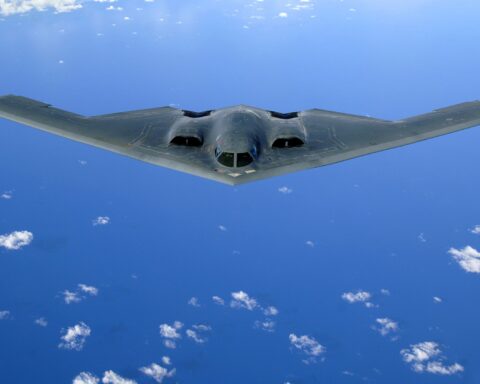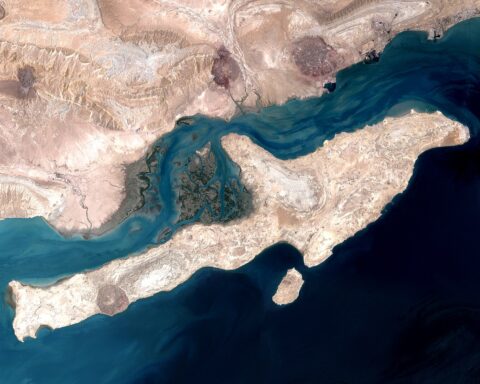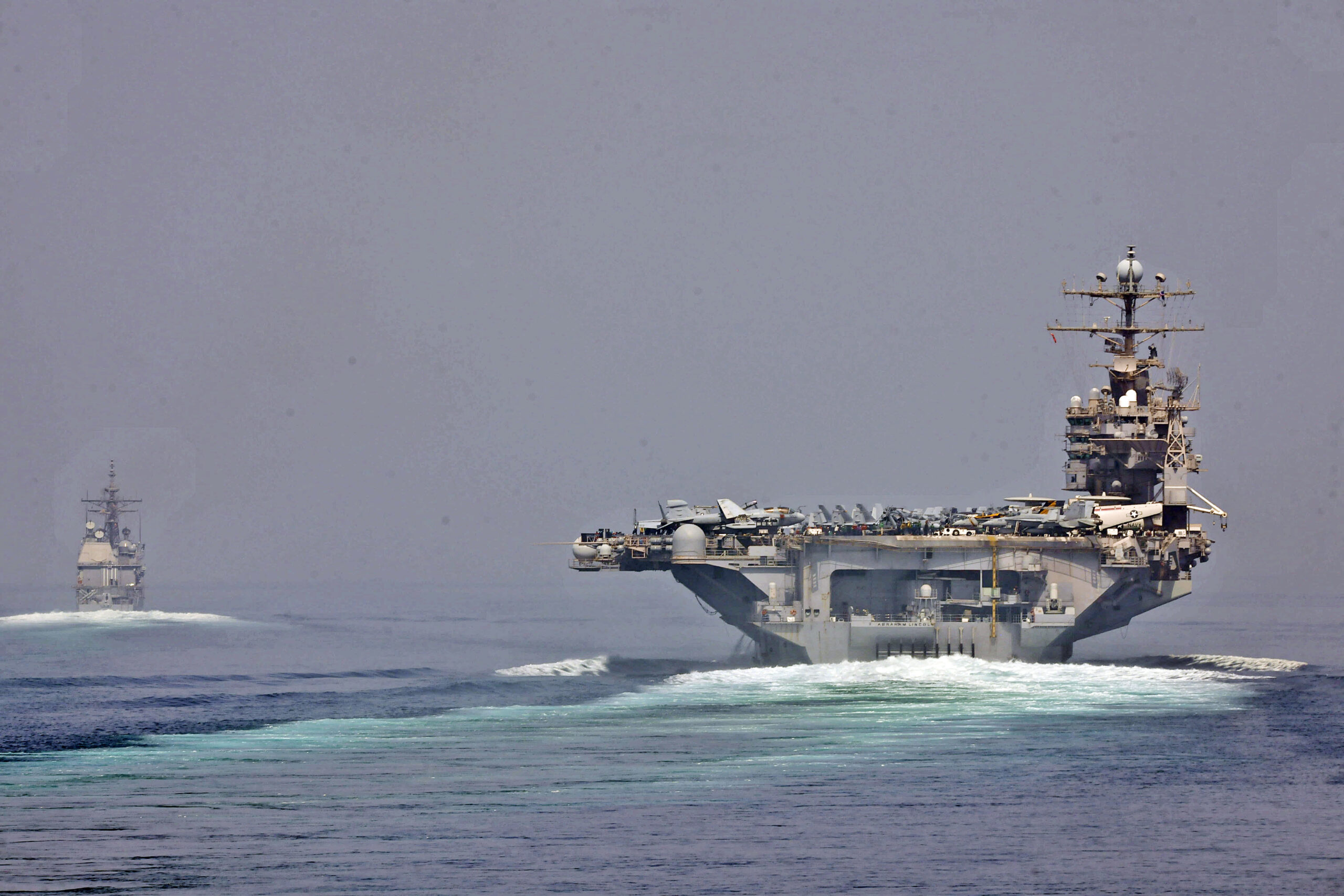

Thirteen days into the US-Israeli war on Iran, the conflict is reshaping the Middle East faster than diplomats can respond. Commercial shipping in the Strait of Hormuz has ground to a halt. The International Energy Agency has launched the largest emergency oil release in its history. And Iran’s new Supreme Leader — wounded, grieving, and invisible — has not uttered a single public word since taking power. (He has since broken that silence with a vow to hold Hormuz closed.)
Here is where the war stands on Day 13.
The Strait of Hormuz Is Effectively Closed
Six merchant vessels were attacked in or near the Strait of Hormuz in the past 24 hours alone, bringing the cumulative total since February 28 to at least 16 ships struck.
The worst hit was the MV Safesea Vishnu, a Marshall Islands-flagged fuel tanker struck by Iranian explosive-laden suicide boats in Iraqi waters near Khor Al Zubair port. One Indian crew member was killed. Twenty-seven others were rescued from the burning vessel. A second tanker, the Maltese-flagged Zefyros, was also set ablaze in Iraqi waters, with crew members still missing.
Bahrain also sustained significant damage on Thursday when Iranian missiles struck fuel storage tanks on Muharraq Island near Bahrain International Airport, forcing residents in four districts to shelter indoors as firefighters battled the blaze.
In the strait itself, the Thai dry bulk carrier MV Mayuree Naree was hit by two projectiles after ignoring IRGC transit warnings. Three crew are missing, believed trapped in the engine room. Twenty were evacuated to Oman by the Royal Navy of Oman. Three more vessels — including the Japanese container ship ONE Majesty and Marshall Islands-flagged Star Gwyneth — sustained damage from unknown projectiles while anchored near the UAE coast.
The Middle East briefing 3,000+ readers start their day with.
One email. Every weekday morning. Free.
Iran has laid approximately a dozen mines in the strait and deployed naval forces to enforce what amounts to a blockade of all non-Iranian shipping. IRGC spokesperson Brigadier General Ramezan Sharif was blunt: “Expect oil at $200 per barrel. Not a litre of oil will get through the Strait of Hormuz.”
The one exception: Iran’s own oil shipments to China, which continue under IRGC escort. According to tracking firm Kpler, all other tanker traffic through the strait has fallen to “about zero.” The strait normally handles one-fifth of the world’s oil supply.
Iraq has shut down all oil port operations at Basra following the tanker attacks. Qatar Airways is operating just 29 flights to and from Doha under temporary government authorisation.
IEA Launches Record Oil Reserve Release — Markets Shrug
The International Energy Agency responded to the Hormuz crisis by announcing the largest emergency oil release in its 50-year history: 400 million barrels from the strategic reserves of its 32 member states.
The United States will contribute 172 million barrels from the Strategic Petroleum Reserve, South Korea 22.46 million, and the United Kingdom 13.5 million, with the remainder spread across other IEA members. The previous record was 182 million barrels released after Russia invaded Ukraine in 2022.
Markets were unimpressed. Brent crude briefly dipped on the announcement before rallying back above $97 per barrel, having topped $100 intraday. West Texas Intermediate climbed to $92.19. The problem, analysts say, is simple arithmetic: the release covers roughly a quarter of the 20 million barrels per day that normally transit the Strait of Hormuz. Without the strait reopening, no amount of reserve tapping can close the gap.
Iran Launches ‘Most Intense’ Barrage Against Israel
Iran and Hezbollah mounted what the IRGC described as its “most intense and heaviest operation since the beginning of the war” — a five-hour coordinated barrage of ballistic missiles, cruise missiles, rockets, and drones targeting more than 50 sites across Israel.
Targets included Israeli military intelligence headquarters, a naval base in Haifa, and radar installations. Hezbollah simultaneously fired approximately 150 rockets at northern Israel from Lebanese positions. Israel deployed its full air defence network, and the IDF reported intercepting missiles launched toward central Israel overnight.
The scale of the attack contradicts claims from both Washington and Jerusalem that Iran’s military capability has been largely destroyed. Trump told CBS News the war may end “soon” because there is “practically nothing left” to bomb. Yet the Jerusalem Post reported that Iran’s overall fire rate has collapsed by 92 percent from peak levels — raising the question of whether this barrage represented Iran expending its final reserves or a calculated demonstration that it can still strike.
Cumulative Israeli casualties from Iranian attacks since February 28 stand at 13 killed and over 2,500 injured.
5,000 Targets and a Nuclear Strike
On the US-Israeli side, the campaign shows no sign of slowing. White House Press Secretary Karoline Leavitt confirmed the US has now struck more than 5,000 targets in Iran, focused on missile production facilities, nuclear infrastructure, and naval assets.
The IDF announced it struck a site where Iran was advancing “critical capabilities in nuclear weapons,” marking what appears to be the most direct Israeli acknowledgment of hitting Iran’s nuclear programme. American forces destroyed the last of four Soleimani-class warships, effectively eliminating Iran’s conventional navy, and sank 16 minelayer vessels near the Strait of Hormuz.
Israel also launched extensive strikes on Beirut’s southern suburb of Dahiyeh, targeting Hezbollah infrastructure. The Centre for Information Resilience has verified 99 Israeli airstrikes across Lebanon between March 2 and 9, including 41 in Beirut alone. IDF ground forces have entered Lebanese territory, with the furthest confirmed incursion approximately 2.75 kilometres north of the Blue Line in the village of Qaouzah.
Israeli Defence Minister Israel Katz warned Lebanon that if it does not prevent Hezbollah attacks, Israel will “take the territory and do it ourselves.”
The Silent Supreme Leader
Four days after being named Iran’s new Supreme Leader, Mojtaba Khamenei has made no public speech, no televised address, and no written statement. He has not been seen.
The 56-year-old son of the assassinated Ali Khamenei was himself wounded on Day 1 of the war — suffering a fractured foot, a bruise around his left eye, and facial lacerations, according to CNN sources. His mother, wife, and one sister were killed in the same bombardment. Iranian officials have described his injuries as “light,” but security concerns appear to be the primary reason for his silence: sources told the Times of Israel that there is genuine fear he could be targeted if he reveals his location through any public communication.
Iran International reports the regime is using older photographs, stylised illustrations, and AI-generated images to fill the visual vacuum. The only recorded material attributed to Mojtaba is an old video announcing the cancellation of his religious classes — pre-dating the war entirely.
Parliament Speaker Mohammad Bagher Ghalibaf has urged Iranians that following the new Supreme Leader is a “religious and national duty.” Trump dismissed Mojtaba as a “lightweight.”
Saudi Arabia: Walking the Tightrope
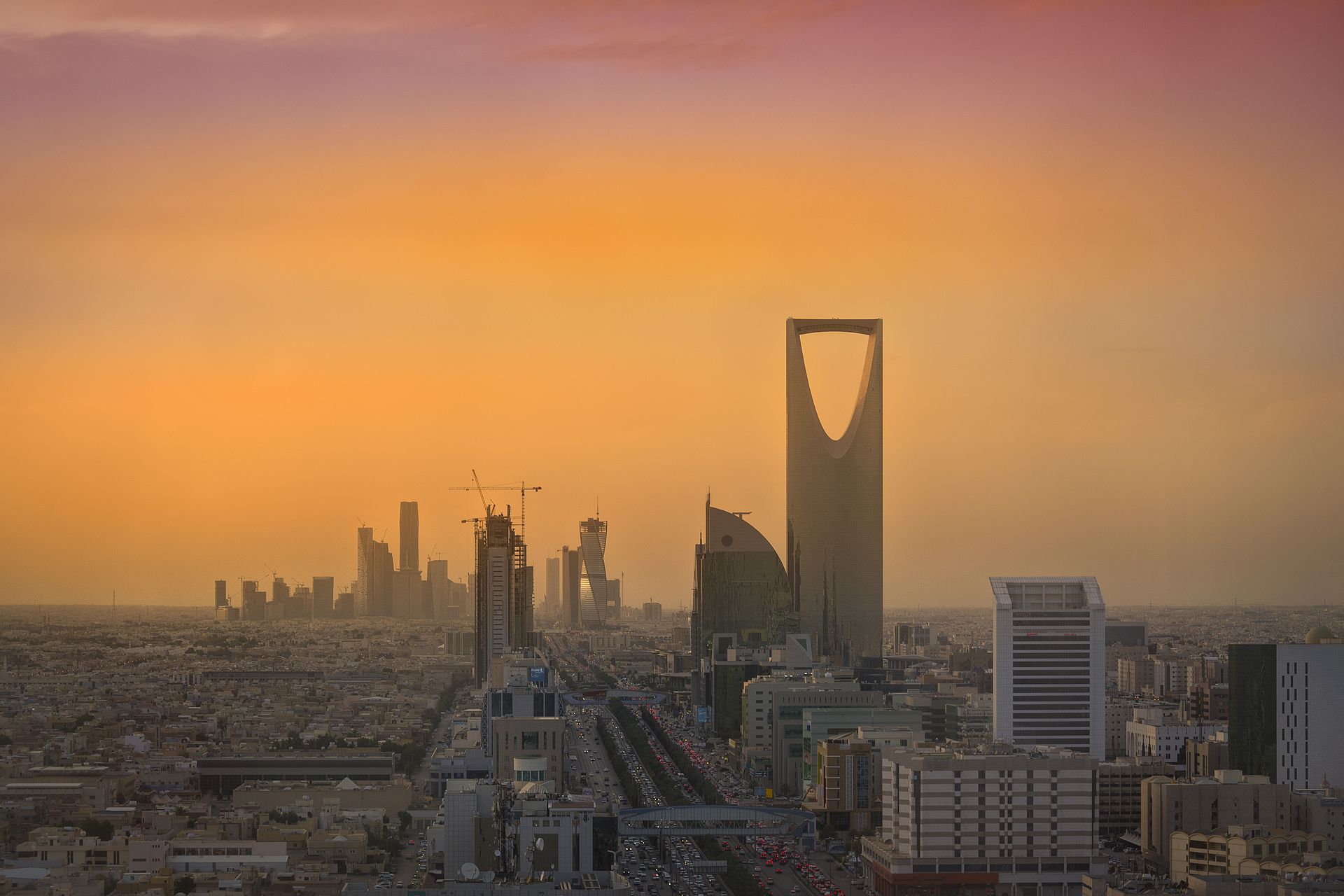
Saudi Arabia continues to absorb Iranian fire while publicly projecting resolve and privately urging restraint. The Saudi Defence Ministry confirmed intercepting six ballistic missiles targeting Prince Sultan Air Base in al-Kharj, shooting down a drone aimed at the Diplomatic Quarter in central Riyadh, and destroying seven drones targeting Shaybah oil field.
Two foreign nationals — one Indian, one Bangladeshi — have been killed in Saudi Arabia since the war began. Twelve others were injured by a projectile strike in the al-Kharj area. Debris from intercepted drones near Saudi Aramco’s Ras Tanura refinery — the kingdom’s largest — caused a fire, though operations reportedly continued. Separately, a U.S. Air Force KC-135 Stratotanker crashed in western Iraq on Thursday with six crew aboard, bringing the total number of crewed American aircraft lost in the war to four.
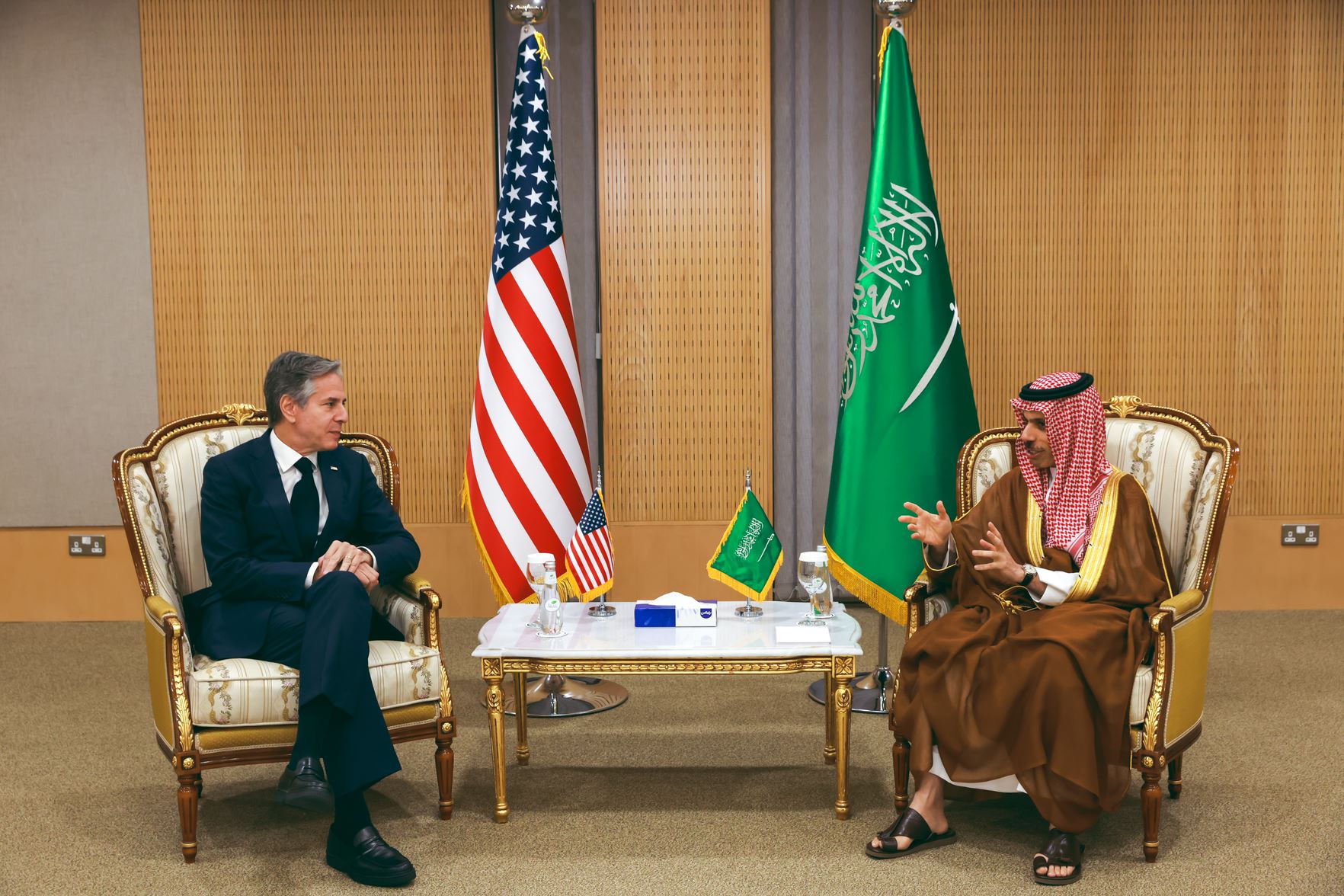
Diplomatically, Riyadh is playing both sides. The Saudi Foreign Ministry has called Iranian attacks “reprehensible” and warned Tehran it will “bear the heaviest diplomatic, economic, and strategic consequences.” But according to Bloomberg, Saudi officials are in near-daily contact with Iran’s ambassador in Riyadh, and Middle East Eye reports the kingdom has told Gulf allies to “avoid any steps that could inflame tensions.”
The double game reflects a brutal calculation: Saudi Arabia cannot afford to be seen as passive while its territory is hit, but it also cannot afford the economic devastation that full participation in the war would bring to Vision 2030.
Ceasefire Prospects: Dim
Iranian President Masoud Pezeshkian, after speaking with the leaders of Russia and Pakistan, set out three conditions for ending the war: recognition of Iran’s legitimate rights including its nuclear programme, compensation for war damage, and international guarantees against future US-Israeli attacks. All three are non-starters for Washington and Tel Aviv.
No formal negotiations are underway. Iran reached out indirectly to the CIA through intermediaries, but US officials say there are no active talks. Oman continues to push for a ceasefire — a particularly bitter position given that Muscat had announced a diplomatic “breakthrough” on February 27, just one day before the strikes began, in which Iran had reportedly agreed to full IAEA verification and a halt to uranium stockpiling.
Trump’s messaging has been contradictory. He told CBS the war would end soon, then told House Republicans it was a “short-term excursion” before declaring “we haven’t won enough.” Asked what the US needs to do to end the war, he answered: “More of the same.”
The Human Cost
After 13 days, the toll is mounting. Kurdish human rights organisation Hengaw estimates at least 4,300 killed in Iran — 390 civilians and 3,910 military personnel. Separately, the Al Jazeera casualty tracker puts the civilian death toll at 1,348 with more than 17,000 injured, though these figures overlap with Lebanese casualties.
In Lebanon, government figures report 634 killed and more than 800,000 displaced. Seven US service members have been killed and approximately 140 wounded, primarily from attacks on American bases in countries neighbouring Iran.
The Pentagon has opened an investigation into the Minab school strike, in which a US Tomahawk cruise missile destroyed a girls’ elementary school on Day 1, killing at least 175 schoolchildren and staff. Preliminary findings suggest the school appeared on outdated US target lists as a military building — satellite imagery from 2013 showed it as part of an IRGC naval base compound, but a fence separating the two had been erected by 2016. The targeting documents were never updated. The investigation is expected to take months.
Day 14 begins with the strait on fire, oil markets in turmoil, and no off-ramp in sight. For the latest developments, see the Iran War Update for Friday.