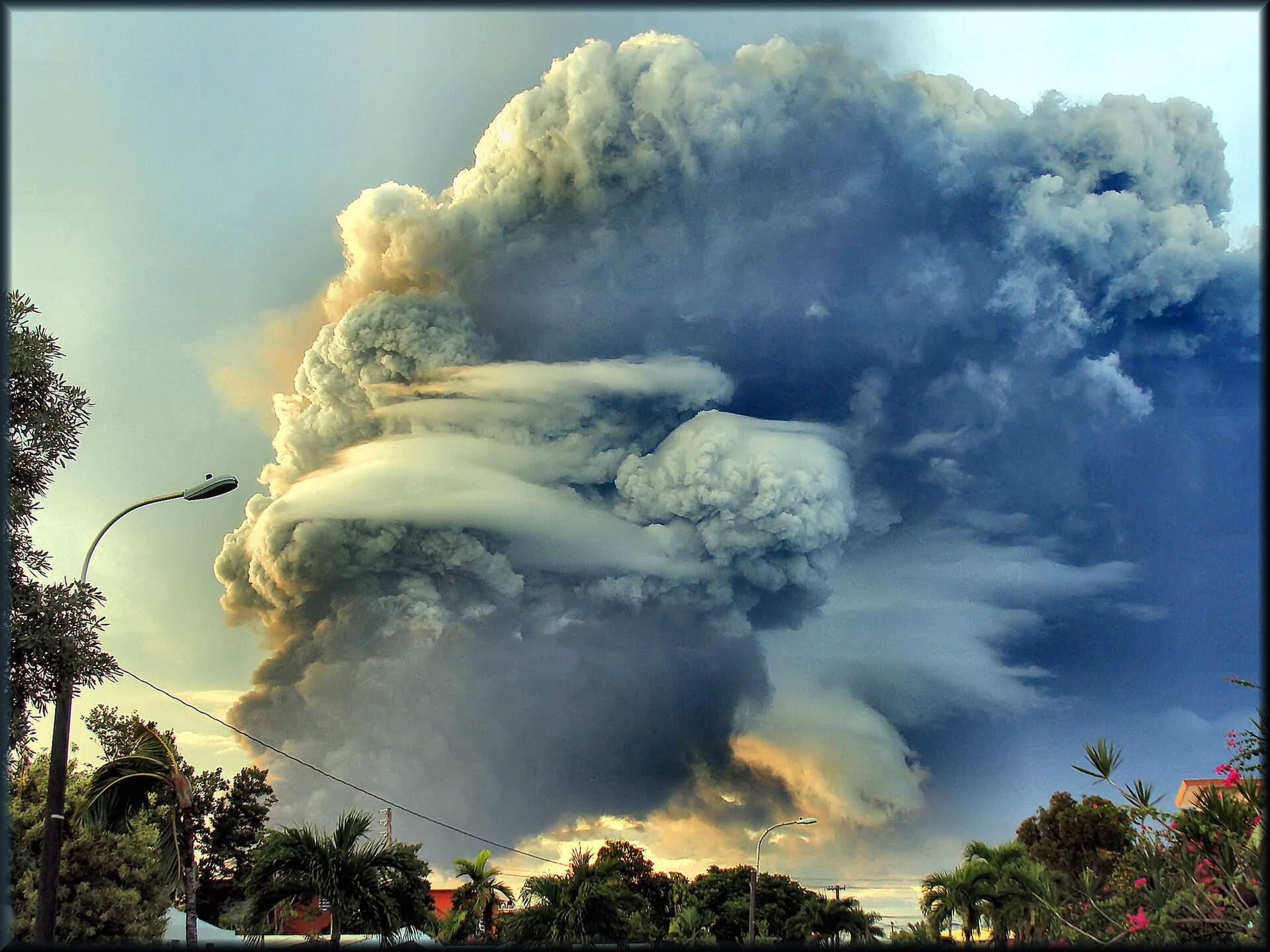

ABU DHABI — An Iranian drone struck the Shah gas field in Abu Dhabi on Monday, setting fire to one of the world’s largest sour gas processing facilities and forcing the suspension of operations at a plant that supplies a significant portion of the United Arab Emirates’ domestic energy needs. Abu Dhabi authorities confirmed that civil defence teams contained the blaze and reported no injuries, but the attack marked the first time Iran had successfully hit a major gas production facility in the UAE since the war began on February 28.
The Shah field, a joint venture between Abu Dhabi National Oil Company and Occidental Petroleum, processes approximately 1.45 billion standard cubic feet of natural gas per day. Its shutdown, even temporarily, removes a critical source of gas for UAE power generation and industrial use at a moment when the country’s energy infrastructure faces sustained assault from Iranian drones and missiles across multiple emirates.
The attack came as part of a coordinated wave of strikes across the Gulf on March 16 that also shut down Dubai International Airport for seven hours, struck the Fujairah oil trading hub for the second time in three days, and killed a Palestinian civilian in Abu Dhabi when a missile hit his vehicle.
Table of Contents
- What Happened at the Shah Gas Field?
- How Large Is the Shah Gas Field and Why Does It Matter?
- What Other UAE Targets Were Hit on March 16?
- Saudi Arabia Intercepts 37 Drones as Gulf-Wide Assault Continues
- Iran’s Escalating Energy Infrastructure Campaign
- How Does the Shah Attack Affect Global Gas Supplies?
- MBZ and MBS Coordinate Response as Civilian Toll Rises
- How Did the Iran War Reach Gulf Energy Infrastructure?
- Frequently Asked Questions
What Happened at the Shah Gas Field?
A drone launched from Iranian territory struck the Shah gas field in Abu Dhabi’s Al Dhafra region on the morning of Monday, March 16, according to the Abu Dhabi Media Office. The impact ignited a fire at the gas processing complex, located approximately 180 kilometres southwest of Abu Dhabi city in a remote desert area near the Saudi border.
Abu Dhabi civil defence teams responded immediately and brought the fire under control within hours, the Abu Dhabi Media Office said in an official statement. No injuries were reported at the facility, which employs thousands of workers across its processing units, sulphur recovery plants, and pipeline infrastructure.
ADNOC Sour Gas, the operating entity that manages the Shah field as a joint venture between ADNOC with a 60 percent stake and Occidental Petroleum with 40 percent, announced the suspension of all operations while damage assessment teams evaluated the extent of the strike’s impact, according to Bloomberg. The company did not provide a timeline for resuming production.
The Middle East briefing 3,000+ readers start their day with.
One email. Every weekday morning. Free.
The United States Department of State noted the attack on the facility, which involves a major American corporate interest through Occidental’s 40 percent ownership stake. The company, headquartered in Houston, Texas, has been a partner in the Shah development since 2011 and invested billions of dollars in what was then one of the most technically challenging gas extraction projects in the world.
How Large Is the Shah Gas Field and Why Does It Matter?
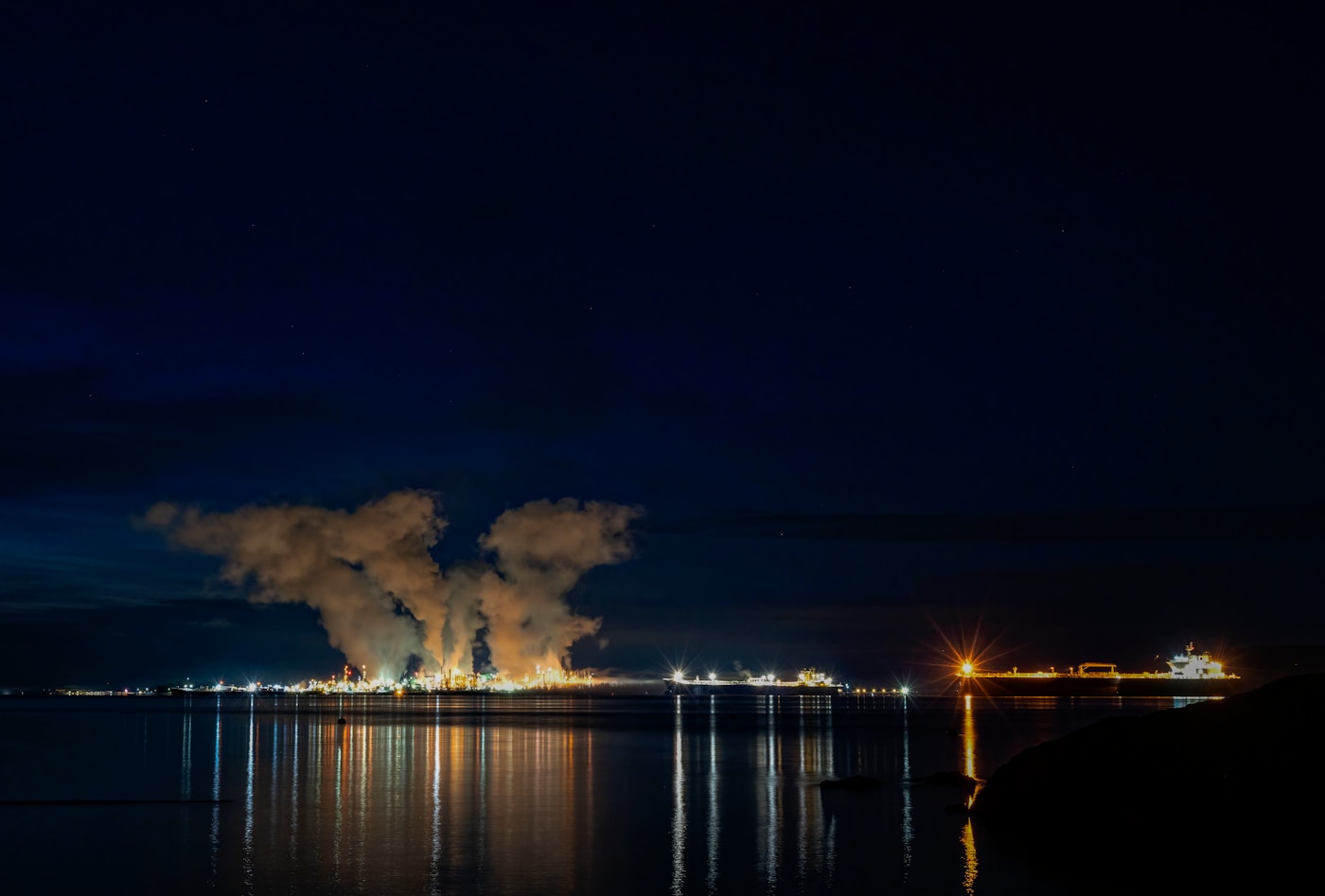
The Shah gas field ranks among the world’s largest ultra-sour gas developments. Its processing plant handles gas with approximately 23 percent hydrogen sulphide content, making it one of the most corrosive and technically demanding extraction operations on earth. ADNOC Sour Gas is currently the only company in the world that processes more than one billion cubic feet per day of ultra-sour gas from a single facility, according to ADNOC’s corporate disclosures.
The field holds proven reserves of approximately 17 trillion cubic feet, equivalent to roughly 480 billion cubic metres, according to industry estimates. At current production rates, those reserves provide decades of supply for the UAE’s domestic gas needs.
| Metric | Value |
|---|---|
| Daily gas processing capacity | 1.45 billion standard cubic feet |
| Proven reserves | 17 trillion cubic feet (480 BCM) |
| Hydrogen sulphide content | 23% |
| Annual sulphur production | 4.2 million tonnes |
| Distance from Abu Dhabi | 180 km southwest |
| Ownership | ADNOC (60%) / Occidental (40%) |
| Expansion contract value | $510 million (Saipem EPC) |
| Target expanded capacity | 1.85 billion scfd |
Beyond gas, the Shah plant produces approximately 4.2 million tonnes of granulated sulphur annually, making ADNOC the world’s largest producer of granulated sulphur from a single site, accounting for roughly five percent of global sulphur production, according to ADNOC corporate data. Sulphur is a critical feedstock for fertiliser manufacturing, and any sustained disruption to Shah’s output could ripple through global agricultural supply chains already strained by the closure of the Strait of Hormuz.
ADNOC had been in the process of expanding the Shah field’s capacity from 1.45 billion to 1.85 billion standard cubic feet per day through a $510 million engineering, procurement, and construction contract awarded to Italian firm Saipem. The status of that expansion work following the drone attack remained unclear as of Monday evening.
What Other UAE Targets Were Hit on March 16?
The Shah gas field attack was one of at least four separate Iranian strikes on UAE territory on Monday, March 16, in what the Emirates’ National Emergency Crisis and Disasters Management Authority described as the most concentrated single-day assault on the country since the war began.
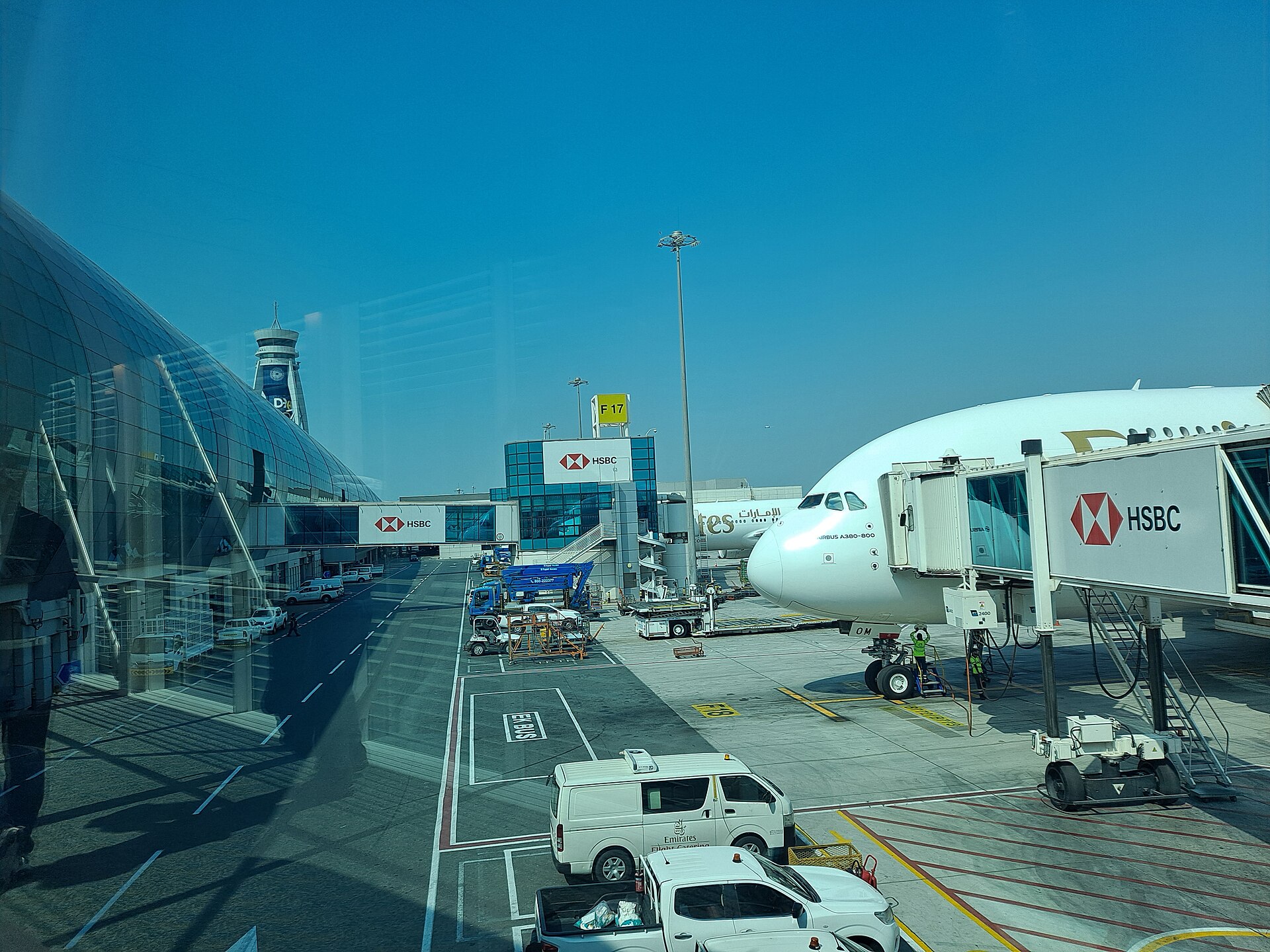
At Dubai International Airport, the world’s busiest hub for international passenger traffic, an Iranian drone struck a fuel storage tank near Terminal 3 in the early hours of Monday morning, according to the Dubai Civil Aviation Authority. The resulting fire forced the complete suspension of all flight operations for approximately seven hours. Emirates airline, the airport’s largest carrier, diverted multiple A380 flights to Abu Dhabi and Al Maktoum International Airport, including flights from Perth, Warsaw, Riyadh, and Cairo, before resuming a limited schedule from 10:00 a.m. local time, CNBC reported. The Dubai airport shutdown drew global attention as the facility handles more than 80 million passengers annually.
In Fujairah, one of the world’s largest oil bunkering and storage hubs located on the UAE’s eastern coast outside the Strait of Hormuz, a second drone strike in three days triggered a fire at the Fujairah Oil Industry Zone, the Fujairah Media Office confirmed. Oil loading operations were suspended for the second time since March 14, when Iran first struck the Fujairah terminal. The port sits at the terminus of the Abu Dhabi Crude Oil Pipeline, which carries up to 1.8 million barrels per day and represents the UAE’s only route for exporting oil without transiting the Strait of Hormuz, according to Bloomberg.
In Abu Dhabi’s Al Bahia district, a missile struck a civilian vehicle, killing a Palestinian resident, according to the Abu Dhabi Media Office and confirmed by the Times of Israel. The death raised the total number of fatalities in the UAE from Iranian attacks to seven, with victims including Emirati, Pakistani, Nepali, and Bangladeshi citizens, alongside 142 reported injuries across the Emirates since March 1, according to UAE authorities.
Iran’s Islamic Revolutionary Guard Corps had warned over the weekend that American interests in the UAE, including ports, docks, and military installations, constituted legitimate targets, according to Iranian state media. The IRGC also issued public warnings to residents and workers near Fujairah, Jebel Ali, and Khalifa ports to evacuate, Reuters reported. The Guards subsequently broadened their threat to include all American-linked industrial and commercial facilities across the Gulf, naming technology firms and defence contractors as potential targets.
Saudi Arabia Intercepts 37 Drones as Gulf-Wide Assault Continues
Saudi Arabia’s air defence network intercepted 37 drones over the kingdom’s eastern regions on Monday, the Saudi Ministry of Defence confirmed, as the day’s Iranian strikes extended far beyond UAE territory. The intercepts followed the destruction of 51 drones across the kingdom, including over Riyadh, on the previous day, bringing Saudi Arabia’s total intercept count for the week past 150, according to defence ministry statements compiled by Reuters.
Bahrain, Kuwait, and Qatar all reported intercepting drones and missiles on Monday as well. Bahrain’s defence ministry said it had intercepted a cumulative total of 125 missiles and 203 drones since March 1, with the attacks killing two people in the kingdom and 24 others across neighbouring Gulf states, according to Bahrain’s official news agency.
The scale of the March 16 attacks across the Gulf suggested that Iran’s drone and missile production capacity remains largely intact despite American claims of having destroyed 90 percent of Iran’s missile infrastructure in the opening days of the conflict, according to Al Jazeera’s analysis. Iran’s use of low-cost drones, many based on the Shahed-136 design that costs an estimated $20,000 to $50,000 per unit, has allowed Tehran to sustain a high volume of attacks even as its more expensive ballistic missile inventory dwindles.
Iran’s Escalating Energy Infrastructure Campaign
The Shah gas field attack represents a significant escalation in Iran’s targeting of Gulf energy infrastructure, both in the type of facility struck and in its distance from Iranian launch sites. While previous attacks concentrated on coastal targets within a few hundred kilometres of Iranian territory, the Shah field lies deep in the Abu Dhabi desert, approximately 700 kilometres from Iran’s southern coast, suggesting the use of longer-range drone variants or intermediate staging areas.
In the first week of the conflict, Iranian strikes primarily targeted military installations, air bases, and government facilities. By the second week, Tehran expanded its target set to include oil refineries, port facilities, airports, and now gas processing plants. The pace of attacks on energy infrastructure has accelerated sharply: two facilities were struck in the first ten days of the conflict, compared with five in the following seven days.
| Date | Target | Country | Damage |
|---|---|---|---|
| March 3 | Ras Tanura oil refinery (Aramco) | Saudi Arabia | Small fire from intercepted drone debris; operations briefly halted |
| March 11 | Ras Laffan LNG facility (QatarEnergy) | Qatar | Drone targeted; intercepted before impact |
| March 12 | Basra oil fields | Iraq | Oil exports suspended |
| March 14 | Fujairah Oil Industry Zone | UAE | Fire at oil terminal; loading operations suspended |
| March 16 | Shah gas field (ADNOC/Occidental) | UAE | Fire; all operations suspended |
| March 16 | Fujairah Oil Industry Zone (second strike) | UAE | Fire; loading suspended again |
| March 16 | Dubai International Airport fuel tank | UAE | Fire; seven-hour flight suspension |
The systematic targeting of energy facilities across multiple countries marks a departure from Iran’s initial strategy of focusing retaliatory strikes on military targets associated with the US-Israeli coalition that launched the first attacks on February 28, according to analysis by the International Institute for Strategic Studies. The shift suggests Tehran has calculated that economic disruption across the Gulf provides greater strategic leverage than purely military engagements.
Saudi Arabia’s own energy infrastructure, including the vast Aramco complexes at Ras Tanura, Abqaiq, and Shaybah, remains under constant threat. Debris from intercepted Iranian drones caused a small fire at the Ras Tanura refinery earlier in the conflict, temporarily halting operations at one of the world’s largest oil refining complexes. The kingdom’s western pipeline terminus at Yanbu on the Red Sea has become the primary export route as the Strait of Hormuz remains effectively closed to commercial shipping.
The ADCOP pipeline from Abu Dhabi to Fujairah, designed specifically to bypass the Hormuz chokepoint, has itself come under threat now that Iranian drones have struck the Fujairah terminal twice in three days. The pipeline’s capacity of up to 1.8 million barrels per day represented the UAE’s insurance policy against a Hormuz closure, but that policy is now being tested by direct attacks on its delivery endpoint.

How Does the Shah Attack Affect Global Gas Supplies?
The suspension of operations at the Shah gas field removes approximately 1.45 billion cubic feet of daily gas processing capacity from global markets at a time when gas supplies are already severely constrained by the broader conflict. The UAE relies on the Shah field and other domestic gas sources for power generation, water desalination, and industrial feedstock, meaning any extended shutdown forces the country to draw on strategic reserves or increase imports.
The attack also disrupts the UAE’s position as a major global sulphur exporter. The Shah plant’s 4.2 million tonnes of annual sulphur production feeds fertiliser manufacturers worldwide, and agricultural commodity traders responded to the news with immediate price increases for sulphur-based products, according to commodity market reports.
Combined with the ongoing closure of the Strait of Hormuz and the broader disruption to Qatar’s LNG exports, the Shah shutdown adds another layer of pressure to an already critical global energy situation. Brent crude traded at approximately $103 per barrel on Monday, up from roughly $66 before the war began on February 28, reflecting a cumulative price increase of more than 55 percent in less than three weeks, according to trading data.
The International Energy Agency released a record 400 million barrels from strategic petroleum reserves earlier in the conflict, but analysts at Goldman Sachs and JPMorgan have warned that reserve drawdowns cannot substitute for the sustained loss of Gulf production and export capacity. Strategic reserves across OECD nations would last approximately 50 days at current drawdown rates if Gulf exports remain disrupted, according to IEA data.
Natural gas markets face an even more acute problem. Unlike oil, gas cannot be easily redirected through alternative pipelines or tanker routes when the primary supply infrastructure is physically damaged. The Shah field’s gas feeds directly into the UAE’s domestic grid for electricity generation and cooling, critical functions in a country where daytime temperatures regularly exceed 35 degrees Celsius. A prolonged shutdown during the approaching summer months could force the UAE to implement power rationing measures.
MBZ and MBS Coordinate Response as Civilian Toll Rises
UAE President Sheikh Mohamed bin Zayed Al Nahyan and Saudi Crown Prince Mohammed bin Salman spoke by telephone on Monday to discuss the escalating military situation, according to the Emirates News Agency. The two leaders “condemned the continued and blatant Iranian attacks targeting countries in the region” and agreed on the need for coordinated action, the agency reported.
The call came as the total civilian death toll from Iranian attacks across the Gulf reached at least 26 people, with 142 injured in the UAE alone and additional casualties reported in Bahrain, Kuwait, Oman, and Saudi Arabia. The dead include citizens of at least seven nationalities, reflecting the Gulf’s vast expatriate workforce of more than 35 million people, many of whom lack evacuation plans or access to shelter.
Saudi Arabia has maintained its position of not directly entering the conflict against Iran militarily, instead focusing on air defence operations and diplomatic efforts to secure a ceasefire. Riyadh has signalled its intent to pursue reparations for damage to its territory and economy through international legal channels. The kingdom’s approach stands in contrast to growing calls from some American lawmakers for Gulf states to take more active military roles.
The UAE has similarly refrained from offensive operations, though Abu Dhabi faces mounting domestic pressure as attacks on civilian infrastructure intensify. The UAE’s armed forces have been conducting defensive intercept operations in coordination with US Central Command and British forces deployed to the Gulf.
How Did the Iran War Reach Gulf Energy Infrastructure?
The current conflict began on February 28 when a joint US-Israeli military operation struck targets across Iran, assassinating Supreme Leader Ali Khamenei and destroying significant portions of Iran’s nuclear programme, according to the Pentagon. Iran responded with waves of ballistic missiles, cruise missiles, and drones launched at Israeli territory and US military installations across the Middle East, including bases in Bahrain, Jordan, Kuwait, Qatar, Saudi Arabia, Turkey, and the UAE.
In the war’s first days, Iran’s attacks concentrated on military targets, particularly American air bases at Prince Sultan Air Base in Al Kharj, Al Udeid Air Base in Qatar, and Naval Support Activity Bahrain. Gulf civilian infrastructure initially escaped direct targeting, though intercepted drone and missile debris caused scattered damage and the first civilian fatalities in Saudi Arabia’s Al Kharj area on March 9.
The escalation to energy infrastructure began in earnest during the second week of the conflict. Iran’s strategy appears designed to impose maximum economic cost on Gulf states hosting American forces, while simultaneously disrupting global energy markets in ways that increase diplomatic pressure on Washington to seek a ceasefire, analysts at the Brookings Institution assessed.
Iran’s Foreign Minister Abbas Araghchi stated on March 15 that “we have sent no message and have not requested a ceasefire,” asserting that “this war must end in such a way that enemies will never again think of attacking Iran,” according to NPR. President Trump, meanwhile, told reporters that Iran was ready to negotiate but that “the terms aren’t good enough yet,” NBC News reported. The diplomatic deadlock has left Gulf states absorbing economic costs that already exceed those of the Covid-19 pandemic with no clear end in sight.
Qatar Airways announced on Monday that it would continue its temporary suspension of most flights, operating only a limited schedule between March 18 and March 28, further isolating the Gulf from global air travel networks. The airline’s near-total shutdown follows the disruption at Dubai International Airport and underscores how deeply the conflict has penetrated Gulf civilian life.
With the Strait of Hormuz closed, airports under drone fire, gas fields ablaze, and oil terminals repeatedly struck, the Gulf’s carefully constructed image as a safe haven for global capital and commerce faces its most severe test. The Shah gas field attack, targeting a facility that processes some of the most technically challenging hydrocarbons on earth, demonstrated that nowhere in the Gulf energy complex — however remote, however deep in the desert — remains beyond Iran’s reach.
Frequently Asked Questions
What is the Shah gas field?
The Shah gas field is one of the world’s largest ultra-sour gas processing facilities, located 180 kilometres southwest of Abu Dhabi in the UAE’s Al Dhafra region. Operated as a joint venture between ADNOC (60 percent) and Occidental Petroleum (40 percent), the facility processes approximately 1.45 billion standard cubic feet of natural gas per day and produces 4.2 million tonnes of sulphur annually.
Was anyone killed in the Shah gas field attack?
No. Abu Dhabi authorities confirmed that the drone strike caused a fire at the Shah facility but reported no injuries or fatalities. Civil defence teams contained the blaze and operations were suspended for damage assessment. However, a separate missile strike in Abu Dhabi’s Al Bahia district on the same day killed one Palestinian civilian.
How does the Shah attack affect oil and gas prices?
The Shah field shutdown removes approximately 1.45 billion cubic feet of daily gas processing capacity. Combined with the Strait of Hormuz closure and attacks on other Gulf energy facilities, the disruption contributed to Brent crude trading above $103 per barrel on March 16, up more than 55 percent from pre-war levels of approximately $66 per barrel.
Who owns the Shah gas field?
ADNOC Sour Gas, a joint venture between Abu Dhabi National Oil Company (60 percent ownership) and US-based Occidental Petroleum Corporation (40 percent ownership), operates the Shah field. Occidental has been a partner in the development since 2011 and has invested billions of dollars in the project.
How many drone attacks has the UAE faced since the war began?
The UAE has faced sustained drone and missile attacks since March 1, 2026, with strikes hitting Abu Dhabi, Dubai, Fujairah, and other emirates. As of March 16, at least seven people have been killed and 142 injured across the UAE. Major targets have included Dubai International Airport, the Fujairah oil terminal, and the Shah gas field.