
RIYADH — Iran warned on Wednesday that it would strike Saudi Arabia’s Samref refinery in Yanbu and the Jubail Petrochemical Complex in the Eastern Province after Israeli warplanes, in coordination with the United States, destroyed key infrastructure at Iran’s South Pars gas field — the world’s largest natural gas reserve. The Islamic Revolutionary Guard Corps issued evacuation orders for workers at the named facilities, copying the style of Israeli military warnings, and said the attacks would follow “in the coming hours.” The threat underscored a deliberate Iranian strategy of targeting downstream processing infrastructure — facilities far harder to rebuild than the crude oil wells that have dominated most analyses of the war’s energy impact.
The threat marked the most explicit targeting of named Saudi civilian energy infrastructure since the war began on February 28. Brent crude surged 6.1 percent to $109.75 a barrel within hours of the announcements. Qatar subsequently expelled Iranian military attachés after missiles struck its Ras Laffan LNG facility, marking the most significant diplomatic rupture between Doha and Tehran since the war began. Iranian gas flows to Iraq, which depends on Tehran for between a third and 40 percent of its electricity, were halted immediately after the South Pars strike, triggering rolling blackouts across Baghdad and southern Iraq.
The escalation came on the same day Israel claimed to have killed Iran’s intelligence minister, Esmail Khatib, in an overnight strike — the third senior Iranian official eliminated in 24 hours, following the deaths of Ali Larijani and Basij commander Gholamreza Soleimani on Tuesday. Saudi Arabia, which convened an emergency meeting of Arab and Islamic foreign ministers in Riyadh on Wednesday evening, has yet to issue a public response to the specific Iranian threats against its industrial facilities.
Table of Contents
- What Did Israel Strike at South Pars?
- What Facilities Has Iran Named as Targets?
- How Large Is Saudi Arabia’s Jubail Industrial Complex?
- What Is the Samref Refinery and Why Does It Matter?
- How Did Oil Markets React to the Escalation?
- Why Did Qatar Condemn the Strike on South Pars?
- What Does Iran’s Threat Mean for Gulf Energy Security?
- How the War’s Energy Dimension Has Escalated
- Frequently Asked Questions
What Did Israel Strike at South Pars?
Israeli warplanes struck infrastructure at the South Pars gas field complex in Bushehr Province on Wednesday morning, targeting the Phase 14 refinery, the Fajr Jam natural gas refinery, and the Kangan LNG port on the Persian Gulf coast. An Israeli official told the Jerusalem Post that the strike was coordinated with and approved by the Trump administration, marking the first time Israel has attacked natural gas facilities in Iran during the 19-day-old conflict.
Iranian state media confirmed that gas storage tanks at South Pars were hit and reported that output at two refineries with a combined processing capacity of approximately 100 million cubic meters per day was suspended. Part of the Fajr Jam refinery caught fire, according to footage broadcast on Iranian state television. The extent of structural damage remained unclear as of Wednesday evening, with Iranian officials limiting media access to the site.
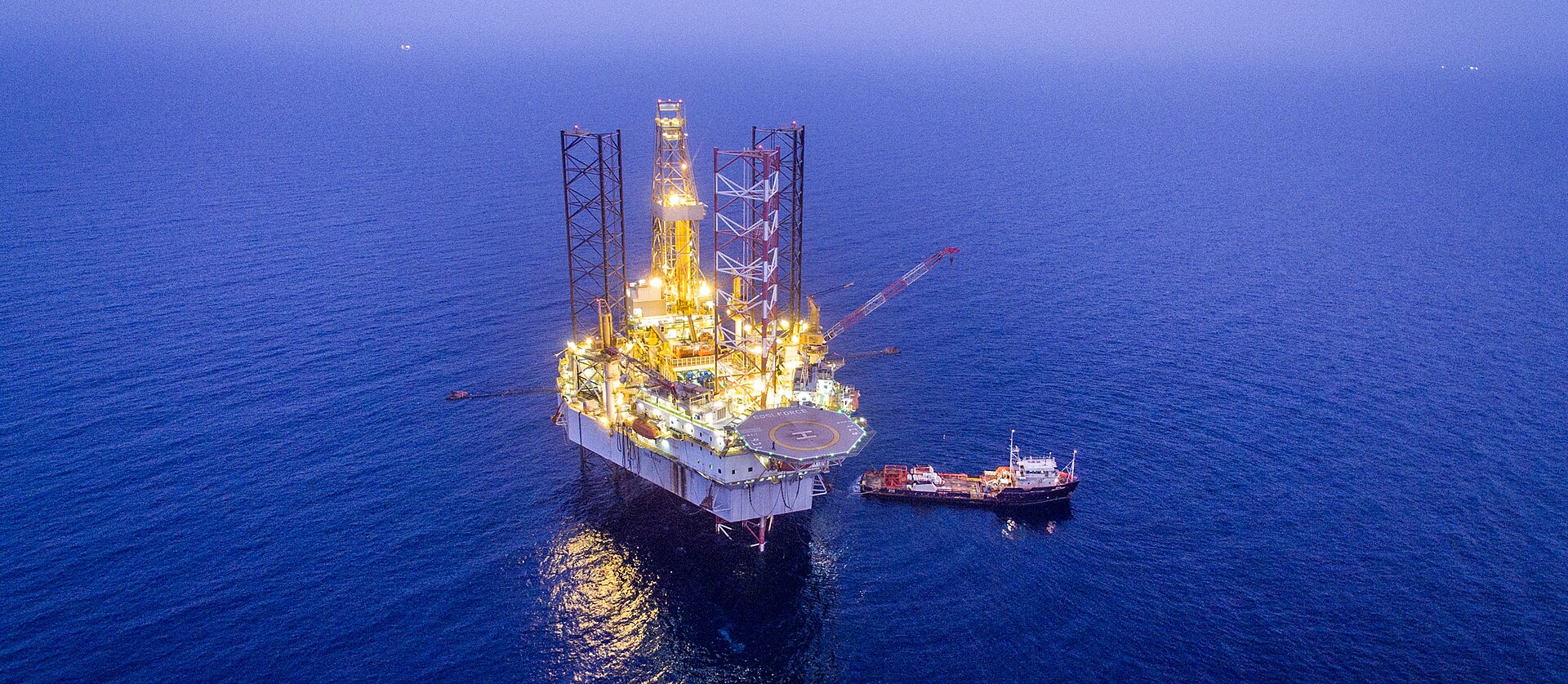
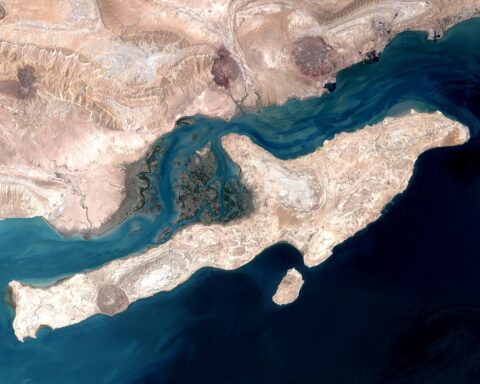
South Pars is the Iranian portion of the South Pars/North Dome field, which holds an estimated 1,800 trillion cubic feet of natural gas and is the largest natural gas reserve on Earth, according to the International Energy Agency. The field straddles the maritime border between Iran and Qatar, with 3,700 square kilometers in Iranian territorial waters and 6,000 square kilometers in Qatari waters. Iran produces approximately 2 billion cubic feet per day from the field, while Qatar extracts roughly 18.5 billion cubic feet per day from its North Dome section.
The Middle East briefing 3,000+ readers start their day with.
One email. Every weekday morning. Free.
A U.S. defense official, speaking on condition of anonymity, told reporters that the Trump administration had preferred targeting gas infrastructure over oil facilities because visible oil fires tend to produce more dramatic price spikes. The decision to strike South Pars rather than oil export terminals suggested Washington was attempting to inflict economic damage on Iran while limiting the impact on global energy markets — a calculation that appeared to backfire within hours as oil prices surged regardless.
What Facilities Has Iran Named as Targets?
The IRGC responded to the South Pars strike by publicly naming specific energy facilities across three Gulf states as targets for imminent retaliation. The list, broadcast on Iranian state television, included Saudi Arabia’s Samref refinery in Yanbu, the Jubail Petrochemical Complex in the Eastern Province, the Al Hasan Gas Field in the United Arab Emirates, and petrochemical plants and a refinery in Qatar.
The IRGC statement, which mimicked Israeli military-style evacuation warnings, read: “These facilities have become direct and legitimate targets and will be targeted in the coming hours. Therefore, all citizens, residents and employees are requested to leave these areas immediately and move to a safe distance without any delay.” The statement added: “Previously, clear and repeated warnings were given to your rulers about entering this dangerous path and gambling with the fate of their nations.”
The naming of specific facilities represented an escalation from Iran’s previous threats, which had been broader in scope. On March 17, Iran had threatened to strike every U.S.-linked factory in the Gulf — a wide-ranging declaration that did not identify individual targets. Wednesday’s warning, by contrast, gave facility names, demanded evacuations, and promised strikes within hours. IRGC Navy chief Rear Admiral Alireza Tangsiri reinforced the threat, stating that “oil facilities associated with America are now on par with American bases and will come under fire with full force.”
As of Wednesday evening Riyadh time, no strikes had been confirmed against the named Saudi facilities, though Iranian drone activity over the Eastern Province remained elevated, with Saudi air defenses intercepting six drones over the region on Monday alone, according to the Saudi Ministry of Defense.
How Large Is Saudi Arabia’s Jubail Industrial Complex?
Jubail Industrial City is the largest industrial city in the world, spanning 1,016 square kilometers on the coast of the Persian Gulf in Saudi Arabia’s Eastern Province. Established in 1975 under a royal decree, the complex contributes approximately 7 percent of the Kingdom’s gross domestic product and serves as the headquarters of the Saudi Basic Industries Corporation, the Middle East’s largest and the world’s fourth-largest petrochemical company by output.
SABIC’s manufacturing network is concentrated in Jubail, where the company can produce over 135 million metric tons of chemicals, plastics, fertilizers, and metals annually. The complex also houses the world’s largest independent water and power project, generating 2,743 megawatts of electricity and producing 800,000 cubic meters of desalinated water per day — critical infrastructure for both the industrial zone and surrounding residential areas.
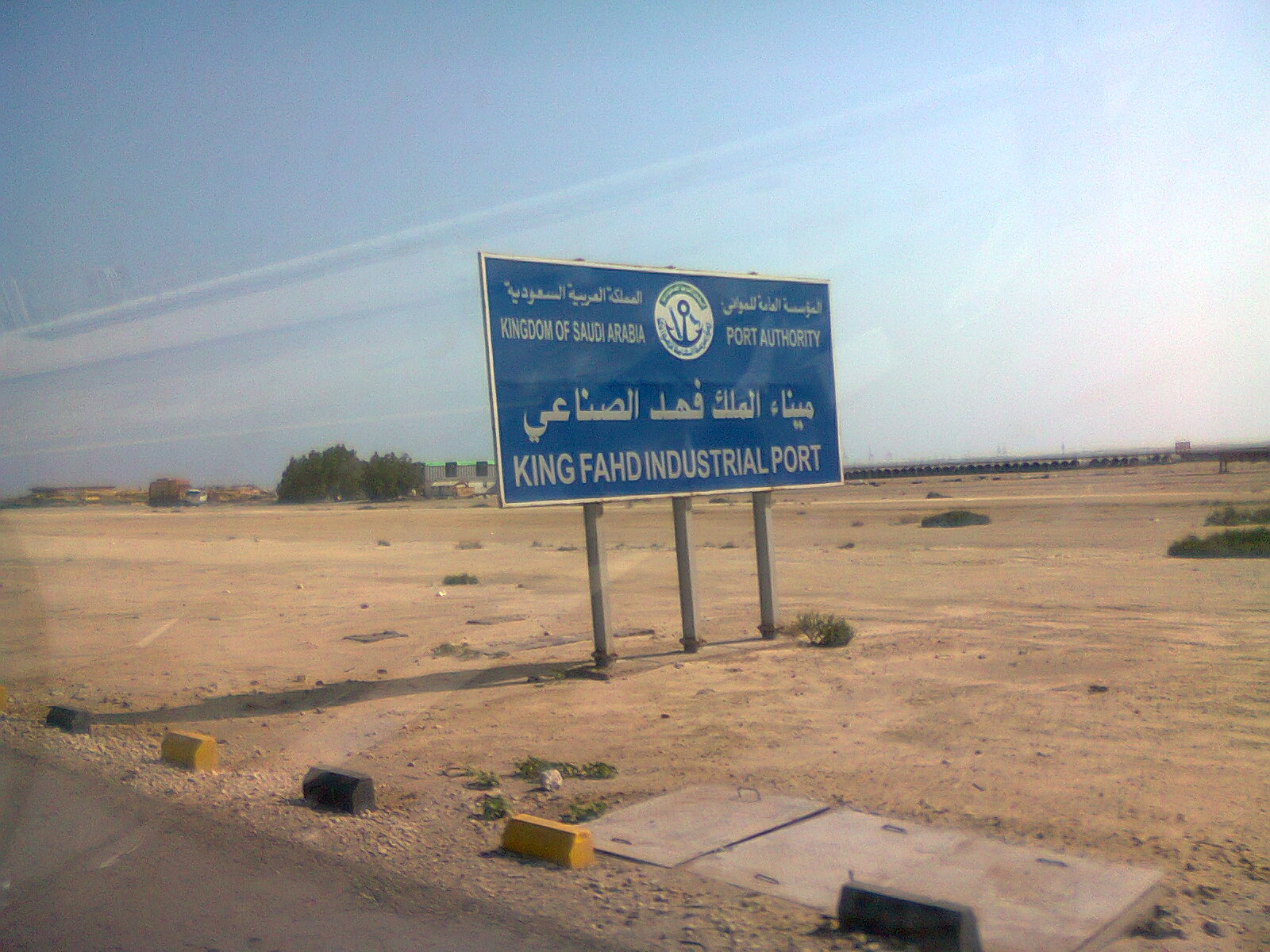
The Jubail complex processes a significant share of Saudi Arabia’s downstream petroleum output. Its refineries, including the SATORP facility — a joint venture between Saudi Aramco and TotalEnergies with a capacity of 400,000 barrels per day — convert crude oil into fuels, lubricants, and petrochemical feedstocks for export markets across Asia and Europe. An Iranian strike on Jubail’s industrial infrastructure would threaten not only Saudi Arabia’s petrochemical exports but also domestic water and electricity supplies for the Eastern Province, home to most of the Kingdom’s oil industry workforce.
Saudi Aramco, which holds a 70 percent stake in SABIC following a $69.1 billion acquisition in 2020, has not commented publicly on the Iranian threat. The company’s Ras Tanura refinery and Abqaiq processing plant — both in the Eastern Province — were previously targeted by drone and missile strikes earlier in the war but were not among the facilities specifically named in Wednesday’s IRGC warning.
What Is the Samref Refinery and Why Does It Matter?
The Saudi Aramco Mobil Refinery Company, known as Samref, is an equally owned joint venture between Saudi Aramco and Mobil Yanbu Refining Company, a wholly owned subsidiary of ExxonMobil. Located in Yanbu Industrial City on Saudi Arabia’s Red Sea coast — more than 1,200 kilometers from the Persian Gulf and Iran’s primary strike range — the refinery processes more than 400,000 barrels of crude oil per day, producing propane, automotive diesel, marine fuel oil, and sulfur.
Samref’s inclusion in Iran’s target list was notable because Yanbu sits on the opposite coast of the Arabian Peninsula from the Eastern Province facilities that have borne the brunt of Iranian drone and missile attacks. A successful strike on Yanbu would require either cruise missiles capable of traversing Saudi airspace from east to west, or ballistic missiles launched on a trajectory that would carry them over populated areas of the Kingdom. Defense analysts said the threat suggested Iran was considering long-range ballistic missile strikes rather than the cheaper drone salvos that have characterized most of its attacks on Saudi Arabia.
In September 2025, ExxonMobil, Aramco, and Samref signed a Venture Framework Agreement to evaluate a significant upgrade of the refinery and an expansion into an integrated petrochemical complex — plans that have been placed on hold since the war began, according to industry sources. The American co-ownership of Samref added a direct bilateral dimension to Iran’s threat, aligning with Tangsiri’s declaration that all U.S.-affiliated energy assets were now legitimate military targets.
How Did Oil Markets React to the Escalation?
Brent crude climbed as much as 6.1 percent on Wednesday, reaching $109.75 a barrel — the highest intraday price since the opening days of the war. Europe’s TTF natural gas benchmark surged 9.1 percent on fears that the conflict’s expansion to gas infrastructure could disrupt liquefied natural gas supplies from Qatar, whose North Dome field shares the same geological structure as Iran’s South Pars. The OPEC basket price for March had already averaged $102.58 per barrel, up from $67.90 in February — a 51 percent increase driven entirely by war risk premiums.
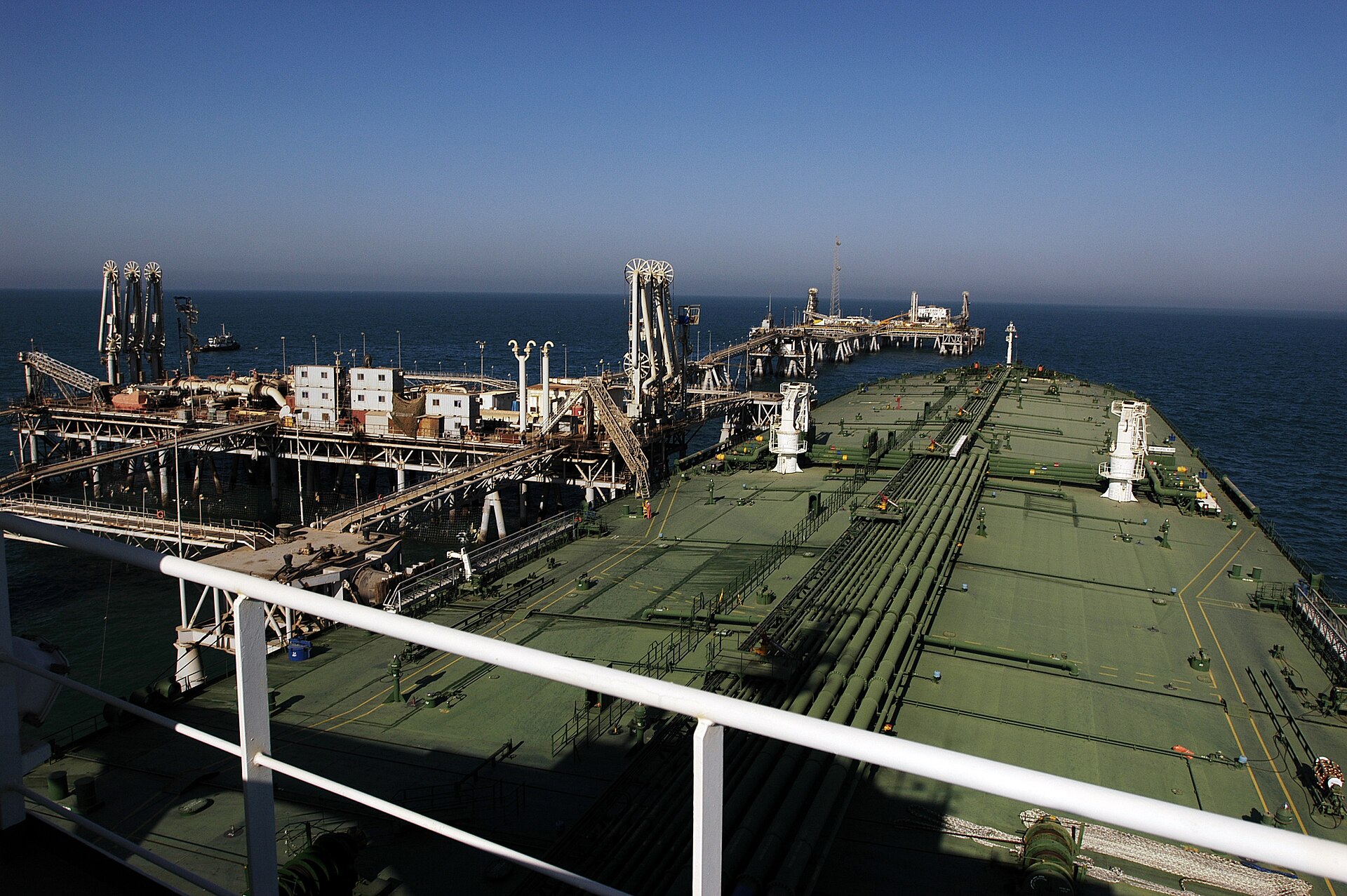
The European Union, which had called an emergency energy meeting on March 16 when oil passed $106, faced renewed pressure to release strategic petroleum reserves. The International Energy Agency released a record 400 million barrels from member states’ stockpiles on March 11, but prices continued to climb as Iranian strikes disrupted shipping through the Strait of Hormuz, through which roughly one-fifth of global oil supply transits daily.
Saudi Arabia itself increased OPEC production before the war began, accounting for roughly half of a 640,000-barrel-per-day output hike reported by Bloomberg on March 13. The Kingdom’s fiscal breakeven oil price for 2026 was estimated at approximately $81 per barrel, meaning current prices were generating substantial surplus revenue even as war costs mounted. Goldman Sachs had warned on March 17 that the Gulf faced its worst recession in a generation if the conflict dragged past the second quarter — a timeline that now appeared increasingly likely.
Why Did Qatar Condemn the Strike on South Pars?
Qatar’s foreign ministry issued a sharp rebuke of the Israeli strike, calling it “a dangerous and irresponsible step amid the current military escalation in the region” and warning that “targeting energy infrastructure constitutes a threat to global energy security.” The statement reflected Doha’s unique vulnerability: Qatar’s North Dome gas field is the geological continuation of South Pars, separated only by the maritime boundary between the two countries.
QatarEnergy, the state-owned gas company, produces approximately 18.5 billion cubic feet of natural gas per day from North Dome — nearly ten times Iran’s output from its side of the field. Qatar is the world’s largest exporter of liquefied natural gas, and any damage to the shared geological structure or to undersea pipelines connecting the field to processing facilities on either coast could theoretically affect Qatari production. Geological experts contacted by Reuters said the risk of cross-border damage from surface strikes was minimal, but the precedent of targeting shared gas infrastructure raised alarms in Doha. A detailed analysis of why Qatar’s LNG crisis is worse than the Hormuz oil blockade shows that unlike crude oil, liquefied natural gas cannot be rerouted through alternative pipelines, leaving importing nations with no fallback supply.
Qatar’s condemnation also reflected the emirate’s diplomatic positioning throughout the war. Unlike Saudi Arabia and the UAE, which have broadly supported the U.S.-Israeli military operation against Iran, Qatar has attempted to maintain channels with Tehran and has repeatedly called for a ceasefire. The South Pars strike threatened to undermine that neutrality by associating Qatar’s most valuable strategic asset with a military target.
Russia also condemned the attack, citing its proximity to Iran’s Bushehr nuclear power plant — a facility Russia helped build and continues to supply with fuel. Moscow described the strike as reckless and called for an immediate halt to attacks on civilian energy infrastructure on all sides.
What Does Iran’s Threat Mean for Gulf Energy Security?
Iran’s explicit naming of Saudi and Emirati energy facilities as targets for imminent attack forced a recalculation of risk across the Gulf’s petrochemical sector. Insurance premiums for Gulf shipping, which had already risen sharply since Iran began enforcing selective passage through the Strait of Hormuz, climbed further on Wednesday. Lloyd’s of London suspended new coverage for energy facilities in the Eastern Province pending a reassessment of war risk exposure, according to two underwriters who spoke on condition of anonymity.
Saudi Arabia’s air defense network, which had intercepted hundreds of Iranian drones and missiles since the war began, faced its most demanding test yet. The Kingdom’s Patriot and THAAD batteries were concentrated around military installations, major cities, and critical oil infrastructure in the Eastern Province. Jubail’s industrial sprawl — more than 1,000 square kilometers of refineries, chemical plants, pipelines, and storage tanks — presented a target set that was far larger than any single point defense system could protect comprehensively.
Prince Khalid bin Salman, the Saudi defense minister, held calls with his Emirati and Bahraini counterparts on Wednesday to coordinate defensive measures, according to the Saudi Ministry of Defense. The Kingdom had raised military readiness levels to their highest point since the war began, with Saudi Royal Air Force F-15s maintaining continuous combat air patrols over the Eastern Province and Red Sea coast.
The threat to Yanbu, on the Red Sea coast, was particularly significant because Saudi Arabia had been routing an increasing share of its oil exports through Red Sea terminals to bypass the Hormuz chokepoint. A successful strike on Samref would signal that no Saudi energy infrastructure was beyond Iran’s reach, regardless of distance from the Persian Gulf.
How the War’s Energy Dimension Has Escalated
Wednesday’s exchange marked the sharpest escalation in the tit-for-tat campaign against energy infrastructure that has defined the war’s economic dimension since its earliest days. The following timeline traces how both sides have progressively widened their targeting of civilian energy assets.
| Date | Event | Impact |
|---|---|---|
| Feb 28 | U.S.-Israeli strikes destroy Iranian oil refineries near Tehran | Iran loses 40% of refining capacity; fires visible on satellite |
| Mar 3 | Iranian drones strike U.S. Embassy compound in Riyadh | Minor damage; first attack on diplomatic facility |
| Mar 7 | Israel strikes Tehran oil depots; visible fires from space | Oil prices break $100 for first time since 2022 |
| Mar 9 | Israel strikes Iran’s oil facilities; black rain over Tehran | Iran retaliates with 3,000+ projectiles at GCC states |
| Mar 12 | Saudi Arabia intercepts 24 drones targeting Shaybah oil field | Eastern Province air defenses activated at wartime tempo |
| Mar 13 | Saudi Arabia targeted with 50 drones in hours | Largest wave to date; 11 civilian deaths across GCC |
| Mar 14 | Iran strikes Fujairah oil terminal in UAE | Three Emirati ports threatened; evacuations ordered |
| Mar 16 | Iran drone strike shuts down Dubai Airport | Fuel tank fire halts commercial aviation for hours |
| Mar 17 | Iran launches ~100 drones at Saudi Arabia in single day | Largest single-day barrage of the war |
| Mar 18 | Israel strikes South Pars gas field (Bushehr) | Gas production halted; Iraq loses 30-40% of electricity |
| Mar 18 | Iran names Samref, Jubail, Al Hasan as targets | Brent surges to $109.75; evacuations ordered |
What began as precision strikes on military and nuclear infrastructure has steadily expanded to include civilian energy assets on both sides. Iran’s oil refining capacity has been reduced by an estimated 40 percent since the war began, while GCC countries have suffered at least $16 billion in direct economic losses from infrastructure damage, shipping disruption, and aviation shutdowns, according to Goldman Sachs estimates. The physical destruction inflicted on Qatar’s Ras Laffan, the UAE’s Habshan, and Saudi refineries has created permanent infrastructure damage that will outlast any ceasefire agreement. A comprehensive analysis of every Gulf oil facility now designated as a legitimate target reveals the full scope of the escalation and its implications for global energy markets.
The targeting of South Pars — a shared resource between Iran and Qatar — and the retaliatory threats against Saudi civilian industrial zones suggested that the energy war was entering a new and more dangerous phase. Neither side had previously targeted the other’s core revenue-generating infrastructure with such precision and openness. Human Rights Watch, which on March 17 condemned Iran’s strikes on Gulf civilian areas as unlawful, said the expansion of attacks to industrial and energy sites raised the risk of a humanitarian catastrophe in the region.
Frequently Asked Questions
What is the South Pars gas field?
South Pars is Iran’s portion of the South Pars/North Dome field, the world’s largest natural gas reserve, holding approximately 1,800 trillion cubic feet of gas. It straddles the maritime border between Iran and Qatar in the Persian Gulf. Iran produces about 2 billion cubic feet per day from the field, while Qatar extracts roughly 18.5 billion cubic feet per day from its North Dome section.
Which Saudi facilities did Iran specifically threaten?
Iran’s IRGC named two Saudi facilities: the Samref refinery in Yanbu, a 400,000-barrel-per-day joint venture between Saudi Aramco and ExxonMobil on the Red Sea coast, and the Jubail Petrochemical Complex in the Eastern Province, the world’s largest industrial city, home to SABIC and other major chemical producers contributing 7 percent of Saudi GDP.
Was the South Pars strike coordinated with the United States?
An Israeli official confirmed to the Jerusalem Post that the attack was coordinated with and approved by the Trump administration. A U.S. defense official said Washington preferred targeting gas over oil infrastructure to limit the visual impact of fires that tend to drive oil price spikes, though Brent crude still surged 6.1 percent on the day. Trump subsequently threatened to destroy the entirety of South Pars if Iran struck Qatar’s energy infrastructure again.
How did the strike affect Iraq?
Iranian gas flows to Iraq were halted immediately after the South Pars attack, triggering rolling blackouts across Baghdad and southern Iraq. Iran supplies between a third and 40 percent of Iraq’s gas and electricity needs, and the sudden cutoff left millions without power during the Eid al-Fitr holiday period.
Has Iran carried out the threatened strikes on Saudi facilities?
As of Wednesday evening Riyadh time, no confirmed strikes had been reported against the specifically named Saudi facilities. Iranian drone activity over the Eastern Province remained elevated, but Saudi air defenses continued to intercept incoming projectiles. The IRGC’s threat remains active, with no withdrawal or modification of the evacuation warning as of the latest reports.