
RIYADH — Saudi Arabia’s Cabinet issued a formal security warning on May 19, declaring the Kingdom “will never hesitate to take all measures deemed necessary to protect its security” — the first unilateral Cabinet-level deterrence statement since the Gulf states brokered a pause in planned American strikes on Iran the previous day. The session, chaired by King Salman with Crown Prince Mohammed bin Salman joining via video conference, opened with a review of “the latest developments in the region and their repercussions for regional and international security and stability,” according to the Saudi Press Agency.
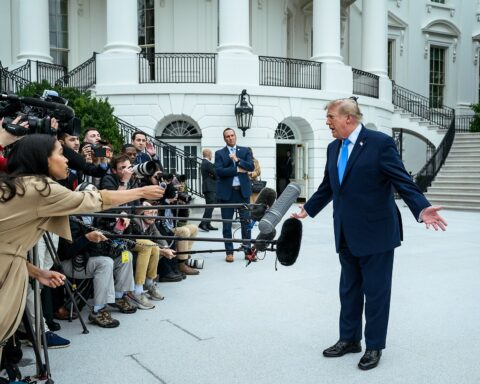
The timing is not incidental. Hours before the SPA published the Cabinet communique, President Trump confirmed he had paused a planned military strike against Iran after being “asked by Saudi Arabia, Qatar, UAE and some others if we could put it off for two or three days…because they think they are getting very close to making a deal,” as he told NPR on May 19. Riyadh secured the pause — and then, on the same day, publicly reserved the right to act without Washington.
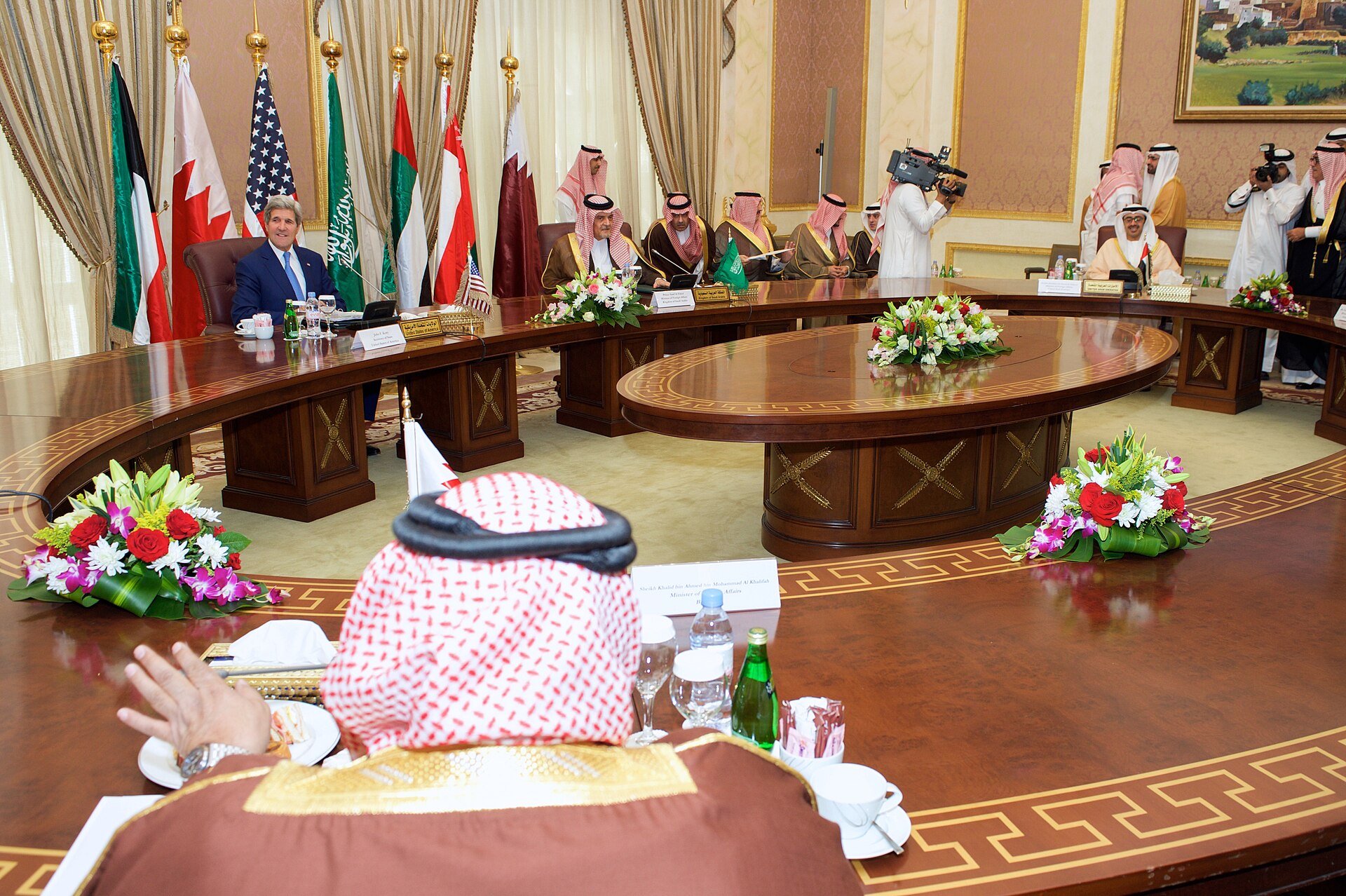
Table of Contents
- “All Measures Deemed Necessary”: What the Cabinet Said
- Who Is the Statement Addressed To?
- From GCC Consensus to Unilateral Deterrence
- Why Is the Deterrence Operationally Toothless for Seven Days?
- The Operational Hedge: Pakistan, Base-Denial, and the New Security Architecture
- What Happens After Arafat Day?
- Frequently Asked Questions
“All Measures Deemed Necessary”: What the Cabinet Said
The operative language from the May 19 Cabinet session, as reported by Arab News and Saudi Gazette, is deliberately broad: “Saudi Arabia will never hesitate to take all measures deemed necessary to protect its security, preserve its stability, and safeguard the safety of its citizens and residents on its territory.” The phrase “all measures” — a standard diplomatic signal for military options — carries the weight of a full Cabinet declaration chaired by the King, giving it royal-decree-level institutional authority.
The Cabinet also expressed appreciation for “positions voiced by leaders of friendly countries condemning the reprehensible Iranian attacks” on Saudi Arabia, GCC states, and Jordan, and underscored “the Kingdom’s readiness to mobilize all capabilities to support these countries in any measures they take in response to attacks that undermine regional security and stability,” according to Saudi Gazette via Zawya.
Two structural features stand out. First, the statement does not name Iran, the IRGC, or the Strait of Hormuz in its deterrence clause. Iran appears only in the contextual appreciation language — “reprehensible Iranian attacks” — but the operative threat is left without a named actor or a trigger threshold. This is not ambiguity by accident. It preserves maximum flexibility on when and against whom Riyadh might act.
Second, the readiness to “mobilize all capabilities to support these countries” extends the deterrence umbrella outward. Saudi Arabia is not only reserving the right to defend itself; it is positioning itself as a regional security guarantor for GCC states and Jordan — a role previously occupied by the United States.
The Middle East briefing 3,000+ readers start their day with.
One email. Every weekday morning. Free.
Who Is the Statement Addressed To?
The statement reads as a message to Washington more than to Tehran. Iran already knows Saudi Arabia’s military posture; the intercept of eight drones and three missiles on May 13 — six days before the Cabinet session — demonstrated that Riyadh’s air defences remain active, as reported by Arab News citing the Saudi Press Agency. Tehran does not need a Cabinet communique to understand the Kingdom’s defensive capabilities.
Washington, however, needs to understand that Riyadh’s red lines are no longer tethered to American decision-making. The Cabinet statement arrived on the same day Trump told reporters that Iran’s latest proposal — demanding reparations, US withdrawal, sanctions lift, release of frozen assets, and formal recognition of Iranian sovereignty over the Strait of Hormuz — was “still unacceptable,” according to Reuters. Trump added: “If we can do that without bombing the hell out of them, I’d be very happy.”
That formulation — preferring a deal over strikes while acknowledging the deal on offer is unacceptable — captures the ambiguity Riyadh is hedging against. Saudi Arabia had already grounded American air power in early May by denying the US use of Prince Sultan Airbase and Saudi airspace for Operation “Project Freedom,” forcing a White House retreat (Jewish Insider, NBC News, May 7). The May 19 Cabinet statement is the second major act of public autonomy from US operational planning within two weeks.
Chatham House captured the broader posture in a May 2026 assessment: “MBS learned two painful lessons over the Saudi intervention in Yemen: one, there is a cost to impulsive decision-making; two, there is no such thing as a quick war. This might explain his reluctance to participate in the war against Iran. Instead, Saudi Arabia has almost reverted to form, favouring caution, patience and long-term positioning over short-term gains.”
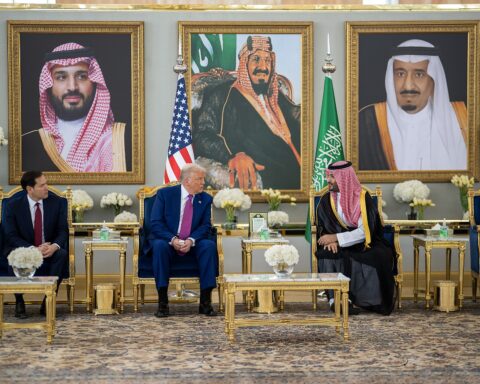
The statement’s dual audience — reassuring Gulf allies that Riyadh will act, while signalling to Washington that it will act independently if necessary — is consistent with what Pakistan’s Prime Minister Shehbaz Sharif described when he publicly credited MBS as the partner who “prodded” Trump to suspend the military mission, as reported by Al Jazeera. MBS now owns the clock he asked Trump to pause.
From GCC Consensus to Unilateral Deterrence
The structural shift from March to May tells its own story. On March 3, the Saudi Cabinet issued a similar statement — “take all necessary measures to defend its security” — but embedded it in a GCC joint condemnation alongside the UAE, Kuwait, Bahrain, Qatar, and Jordan, as reported by US News and Arab News. The March statement was collective. The May 19 statement is unilateral.
The gap is not accidental. The April 28 Jeddah summit failed to produce a joint GCC military command agreement. The UAE exited OPEC on May 1 in a unilateral move that fractured the assumption of coordinated Gulf economic policy. Saudi-Emirati relations have entered what analysts describe as “open competition.” Riyadh can no longer assume a unified GCC posture, and the Cabinet statement reflects that reality by dropping the co-signatories.
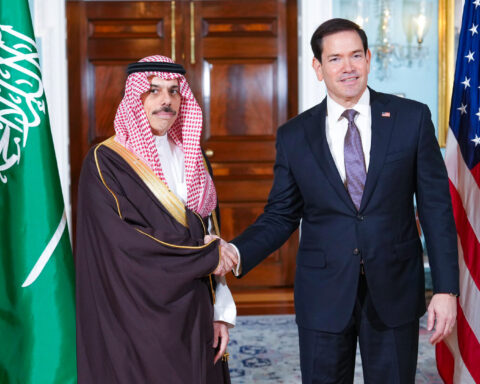
Foreign Minister Prince Faisal bin Farhan had already escalated the rhetorical ladder at ministerial level in March, telling the Times of Israel: “The kingdom is not going to succumb to pressure, and on the contrary, this pressure will backfire…we have reserved the right to take military actions if deemed necessary.” He added: “Neither Saudi Arabia nor the Gulf states would accept…blackmail, and escalation will be met with escalation.” The day after the Cabinet statement, Faisal ran the opposite diplomatic play: a public appeal to Tehran on May 20 to seize the remaining hours of the Gulf-brokered window — the two tracks, deterrence and diplomacy, landing 24 hours apart as deliberate two-register statecraft.
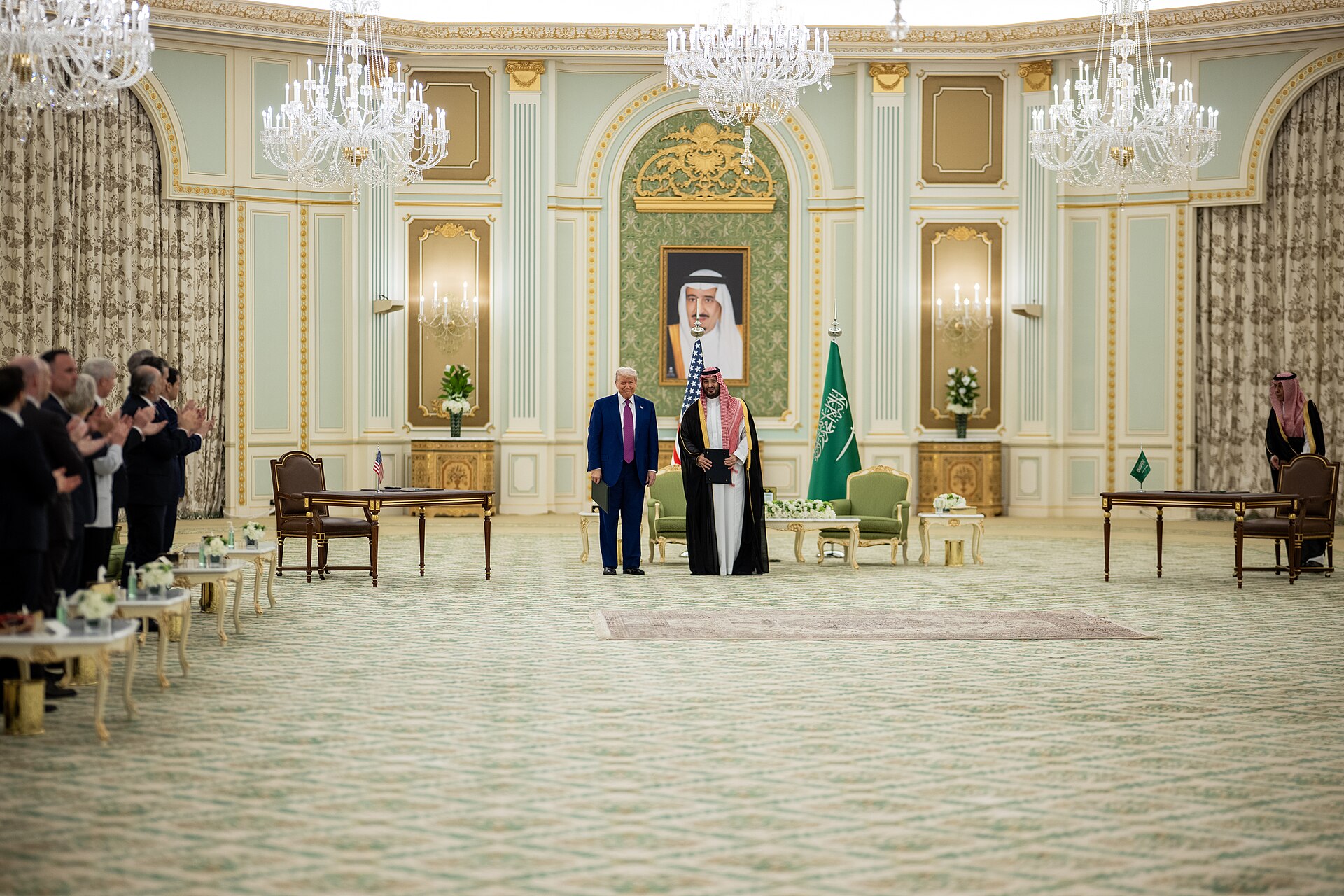
The May 19 Cabinet statement institutionalises this at the highest decision-making forum. A foreign minister’s press statement signals intent. A full Cabinet declaration chaired by King Salman, with the Crown Prince and Prime Minister present, signals institutional commitment.
This escalation — from GCC joint condemnation, to ministerial reservation of military options, to unilateral Cabinet deterrence — maps a trajectory of increasing Saudi autonomy. Each step has coincided with a failure of collective or allied mechanisms: the GCC summit collapsed, the US strike was paused rather than executed, and the Iran peace proposals remain unacceptable to all parties.
Why Is the Deterrence Operationally Toothless for Seven Days?
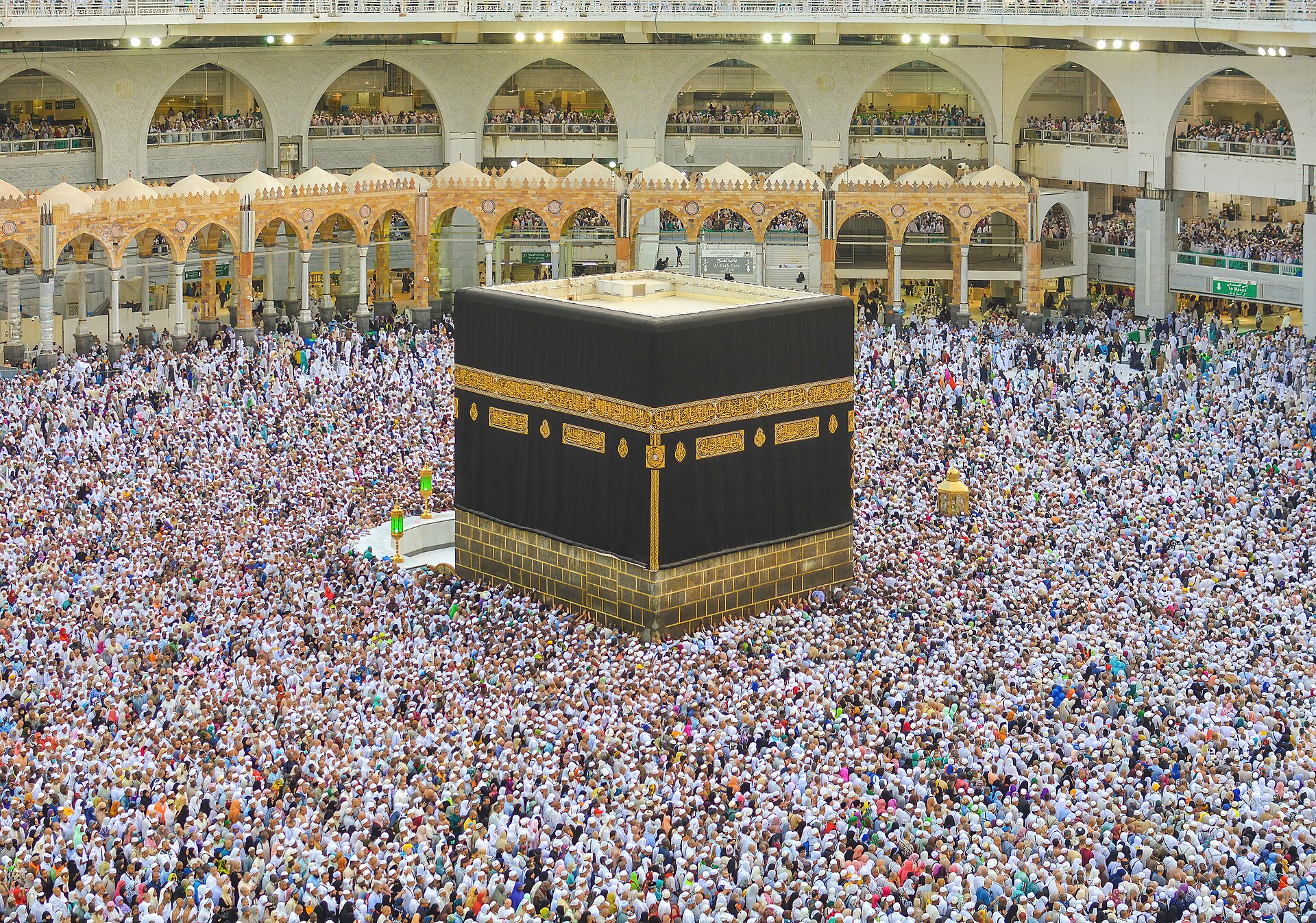
The Cabinet’s deterrence language activates in a vacuum. Arafat Day falls on May 26 — seven days from the statement. Approximately 1.5 million pilgrims are now inside the Makkah cordon, with zero Iranian pilgrims among them, according to the Saudi Supreme Court announcement on May 17-18 as reported by Arab News. The Hajj airlift has closed, leaving those 1.5 million with no way out until the pilgrimage concludes.
Saudi Arabia cannot credibly launch or participate in offensive operations against Iran while the holiest week of the Islamic calendar is underway and the Kingdom’s most sacred city hosts the world’s largest annual gathering. The Custodian of the Two Holy Mosques title — assumed by King Fahd on October 27, 1986, and held by every Saudi monarch since — carries obligations that override military calculations. The seven days to Arafah represent a hard constraint on Saudi action.
This makes the Cabinet statement best read as deliberate calendar architecture. Riyadh is establishing a deterrence position now — while the diplomatic window created by the Trump pause is still nominally open — that activates only after the Hajj’s sacred constraint lifts. The sequence is precise: secure the strike pause on May 18, issue the deterrence statement on May 19, and let the Hajj sacred period absorb the seven days until the position becomes operational.
The Houthi threat sharpens the calendar calculation. On May 12 — seven days before the Cabinet session — Houthi Political Bureau member Muhammad Al-Bukhaiti issued what MEMRI reported as a “final warning” to Saudi Arabia: “This is a final opportunity that cannot be delayed.” He displayed archival images of Houthi attacks on Aramco facilities. Iraq has separately opened an investigation into a drone that transited Iraqi territory targeting Saudi Arabia. Both threats converge on a Kingdom that must maintain defensive posture without escalating through Hajj.
The Operational Hedge: Pakistan, Base-Denial, and the New Security Architecture
The Cabinet statement does not exist in isolation. One day earlier, on May 18, Pakistan deployed approximately 8,000 troops, one full squadron of roughly 16 JF-17 fighters, two drone squadrons, and one Chinese HQ-9 air defence system to Saudi Arabia, as Reuters reported. Pakistani Defence Minister Khawaja Asif implied the mutual defence pact — the September 2025 Saudi-Pakistan Mutual Defence Agreement — effectively places Saudi Arabia under Pakistan’s “nuclear umbrella,” according to Republic World and Arab News Pakistan.
The Pakistan deployment is the operational expression of Riyadh’s hedge. Saudi Arabia is not building a unilateral military capability against Iran — it is constructing an alternative security architecture that does not depend on American willingness to strike. The IISS identified in May 2026 what it called “a new Middle Eastern quadrilateral” — Egypt, Pakistan, Saudi Arabia, and Turkey — “poised to tackle shared security concerns together,” organised around shared exposure to the Iran conflict.
Asia Times framed it more bluntly: “Saudi hedging is not a phase. The sovereign-wealth reorientations toward European defense industries, the quiet expansion of non-dollar settlement arrangements with Chinese counterparties, and diplomatic openings to Ankara and Islamabad are the load-bearing elements of a post-American security architecture in the Gulf.”
The economic data reinforces the urgency. Saudi Aramco CEO Amin Nasser warned on May 11 that “the oil market will not normalize until 2027 if the disruption in the Strait of Hormuz persists past the middle of June,” and that Hormuz closure is costing the market 100 million barrels of supply every week — a net loss of 880 million barrels to date, according to CNBC. Brent crude fell to $103.13 per barrel on May 19 after the strike-pause announcement (Trading Economics), while Saudi fiscal break-even sits at $108-111 per barrel according to Bloomberg. Riyadh is below break-even and bleeding.
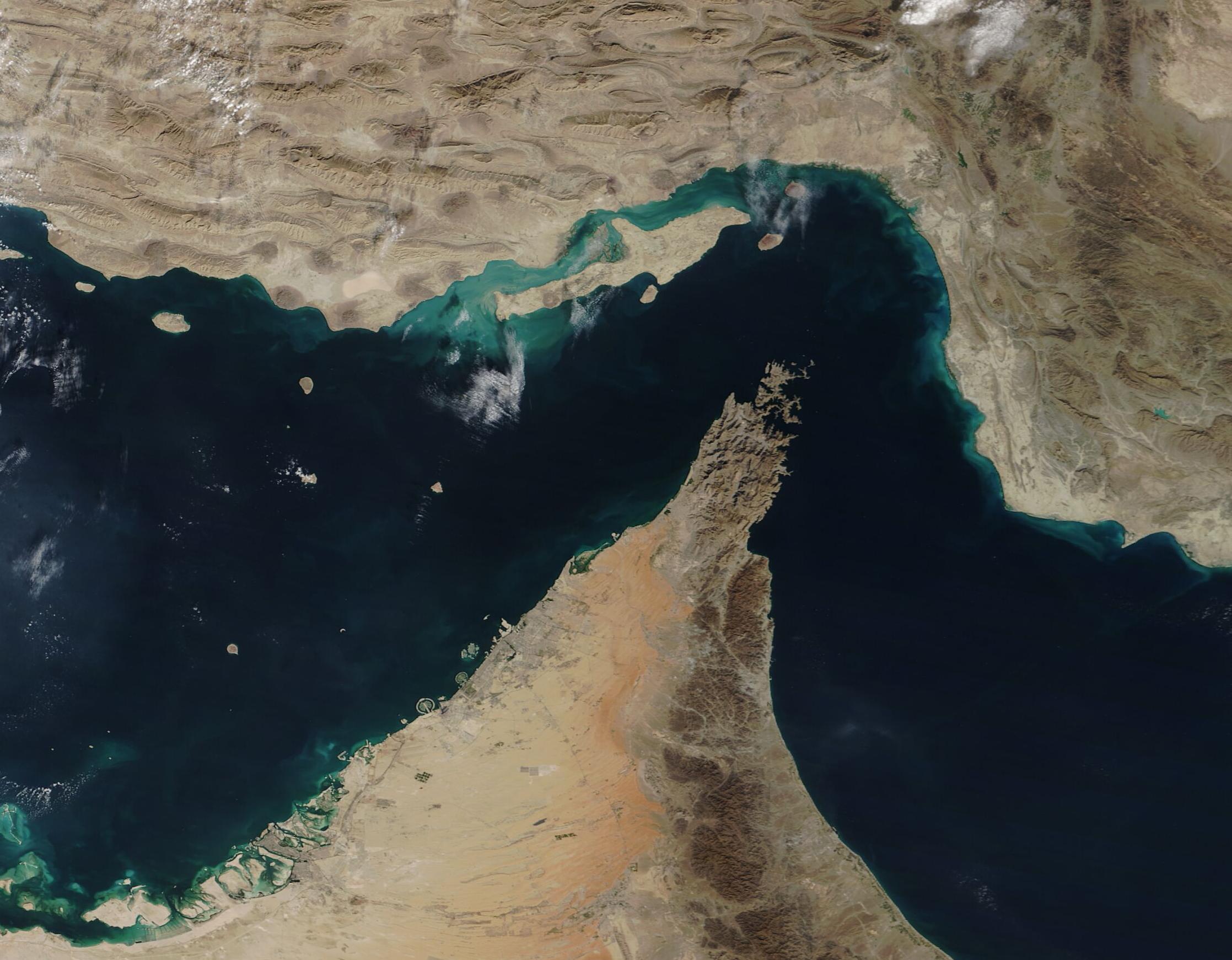
Strait traffic has collapsed to approximately one vessel per day versus a pre-war baseline of roughly 60, with 850-870 major merchant ships anchored and 22,500 mariners stranded on more than 1,550 vessels, according to General Dan Caine of the Joint Chiefs of Staff (May 6) and the Royal Navy (May 1). Saudi April production stood at 6.879 million barrels per day against an OPEC+ quota of 10.291 million — a gap of 3.41 million barrels per day that the East-West Pipeline bypass cannot fully close, given its 7 million barrel maximum capacity against pre-war Hormuz throughput of 7-7.5 million.
Meanwhile, Iran launched the Persian Gulf Strait Authority (PGSA) on May 18 — 24 hours before the Cabinet statement — institutionalising Hormuz toll collection as a bureaucratic and legal fact. Vessels must apply via a formal process, disclosing ownership, insurance, crew, and cargo manifests; some have paid up to $2 million per transit in Chinese yuan, according to the Maritime Executive and Business Standard. The PGSA’s launch the day before the Cabinet statement means Riyadh issued its deterrence language against a backdrop of Iran converting a wartime chokepoint into permanent sovereign infrastructure.
What Happens After Arafat Day?
The Cabinet statement creates a three-part sequence that converges after May 26. The Trump strike-pause is measured in “two or three days” by Trump’s own account to NPR — placing its expiry around May 21-22. Iran’s May 19 proposal remains, in Trump’s word, “unacceptable.” And the Hajj sacred constraint lifts after Arafat Day on May 26.
If the diplomatic window closes — if Iran’s conditions remain non-negotiable and the Trump pause expires without a framework — Riyadh has positioned itself with three overlapping hedges. The Cabinet statement provides the institutional authorisation. The Pakistan deployment provides the operational muscle. And the base-denial precedent of early May demonstrates that Saudi Arabia can constrain American operations it judges too risky while pursuing its own timeline.
The adversary perspective matters here. Iran’s May 19 peace proposal — five conditions including reparations, sanctions removal, and formal Hormuz sovereignty recognition — was rejected by Trump on the same day (Reuters). No specific Iranian state media reaction to the Cabinet statement has surfaced — a silence that may reflect diplomatic sensitivity around the Trump pause, but also suggests Tehran is not treating the statement as an imminent threat.
Tehran’s calculus is shaped by its own calendar. The PGSA launch on May 18 and the Hormuz sovereignty demand embedded in the May 19 proposal indicate Iran is moving to institutionalise its wartime gains regardless of whether a deal materialises. Every day the Strait remains under de facto IRGC control — at one transit per day versus 60 — strengthens Iran’s negotiating position and weakens Saudi Arabia’s fiscal arithmetic.
The Cabinet statement, then, is less a warning than a placeholder. It establishes the legal, institutional, and rhetorical foundation for action that Riyadh cannot take this week but may need to take next week. The Gulf veto that stopped the May 18 strike bought time. The Cabinet statement on May 19 declares that Saudi Arabia intends to define how that time is used — with or without Washington’s participation.
Frequently Asked Questions
Has Saudi Arabia issued similar Cabinet-level security warnings before during this conflict?
The March 3, 2026 Cabinet statement used comparable language — “all necessary measures to defend its security” — but was embedded in a joint GCC condemnation co-signed by the UAE, Kuwait, Bahrain, Qatar, and Jordan (US News, Arab News). The May 19 statement is structurally different: it is unilateral, issued without GCC co-signatures, and comes after the April 28 Jeddah summit failed to produce a joint military command. The shift from collective to unilateral language reflects the fracturing of GCC consensus, particularly after the UAE’s May 1 OPEC exit.
What military assets does Saudi Arabia currently have available for independent action?
Beyond its own Royal Saudi Air Force (F-15SA fleet, Typhoons, and PAC-3/THAAD air defence batteries), the Kingdom now hosts the Pakistan deployment detailed above. The more consequential constraint is Saudi Arabia’s remaining PAC-3 inventory, which has been significantly depleted after sustained defensive operations since February 28 — making the Pakistani HQ-9 long-range system a critical supplement rather than a redundancy.
How does the Saudi fiscal position constrain the Kingdom’s strategic options?
The $103.13 Brent close on May 19 sits $5-8 below Saudi fiscal break-even, as detailed above. What the body does not capture is the structural deficit gap: Goldman Sachs estimates the war-adjusted fiscal shortfall at $80-90 billion versus the official projection of $44 billion. The Kingdom is not simply below break-even on a given day — it is accumulating a deficit roughly double what it planned for, while simultaneously funding Vision 2030 commitments, PIF deployments, and expanded defence spending. The longer the Hormuz disruption runs, the deeper that structural hole becomes, and the narrower Riyadh’s room for independent military action grows.
What is the Persian Gulf Strait Authority (PGSA) that Iran launched the day before the Cabinet statement?
The PGSA, announced May 18, is Iran’s attempt to convert wartime control of Hormuz into permanent sovereign infrastructure. It requires all transiting vessels to apply for passage, disclosing ownership, insurance, crew manifests, and cargo details. Some vessels have already paid up to $2 million per transit in Chinese yuan (Maritime Executive, Business Standard). The PGSA operates via [email protected] — a bureaucratic formalisation that creates legal precedent whether or not the international community recognises it. Its launch 24 hours before the Saudi Cabinet statement framed Riyadh’s deterrence language as a response to an accomplished institutional fact rather than a hypothetical threat.
Could Saudi Arabia act militarily against Iran without US support?
Saudi Arabia lacks the stand-off strike capability and intelligence, surveillance, and reconnaissance (ISR) infrastructure for sustained offensive operations against Iranian territory without American support. The Kingdom’s strength is defensive — air defence and point protection of critical infrastructure. The Pakistan deployment supplements this defensive posture but does not provide offensive power projection. Independent Saudi military action would more likely take the form of expanded defensive rules of engagement, naval escort operations in the Red Sea and Arabian Gulf, or retaliatory strikes against proxy launch sites in Yemen or Iraq — not attacks on Iranian soil. The Cabinet statement’s language — “protect its security” and “safeguard the safety of its citizens” — is defensive in construction, consistent with this capability profile.