
RIYADH — Saudi Arabia Railways launched an international freight corridor on Wednesday linking the Kingdom’s Eastern Province ports to the Jordanian border, a 1,700-kilometre rail route that halves transit times for containerised cargo and removes thousands of trucks from Saudi highways. The move comes as the Strait of Hormuz remains effectively closed to most commercial shipping, forcing Gulf states to rebuild supply chains through overland routes and Red Sea ports.
SAR announced that the new corridor connects King Abdulaziz Port in Dammam, King Fahd Industrial Port in Jubail, and Jubail Commercial Port to the Al-Haditha border crossing with Jordan. Each freight train on the route can carry more than 400 standard containers, according to the Saudi Press Agency, and the service enables reverse logistics back to eastern ports.
The timing is not coincidental. Since the United States and Israel launched strikes on Iran on February 28, Iranian retaliatory attacks have disrupted shipping lanes across the Persian Gulf. Saudi Arabia recorded over 94,000 outbound trucks crossing its land borders between February 28 and March 18 alone, according to Saudi officials cited by CNN. The rail corridor offers a permanent, higher-capacity alternative to that improvised truck surge. The urgency has only intensified as Ramadan food demand surges while 80 percent of Saudi imports funnel through a single port.
This article examines what the new corridor connects, how it fits into Saudi Arabia’s broader logistics transformation, and whether rail can credibly replace the maritime routes that the Iran war has severed.
Table of Contents
- What Does the New Freight Corridor Connect?
- Why Did SAR Launch the Corridor During a War?
- How Will the Corridor Change Gulf Logistics?
- Saudi Arabia’s Broader Railway Expansion
- Jordan Emerges as a Trade Gateway
- Can Rail Replace the Strait of Hormuz?
- What Comes Next for Saudi Freight Infrastructure?
- Frequently Asked Questions
What Does the New Freight Corridor Connect?
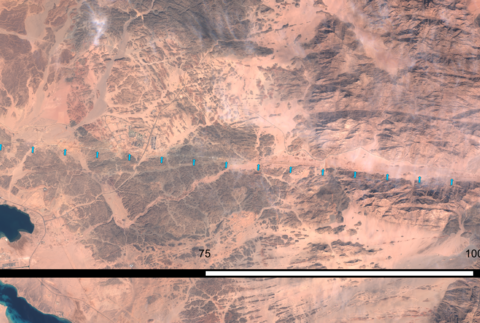
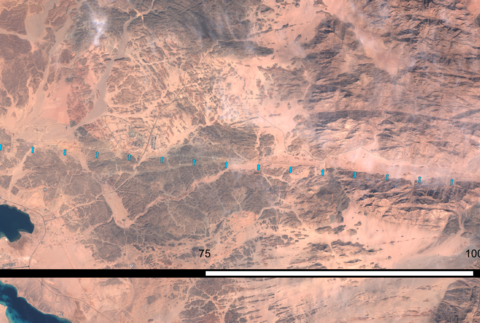
The corridor runs along SAR’s existing North-South Railway, a 2,750-kilometre network that connects Riyadh to the Jordanian border at Al-Haditha. The new international freight service uses the eastern segment of this network, linking three major Gulf-facing ports to the Kingdom’s northern frontier.
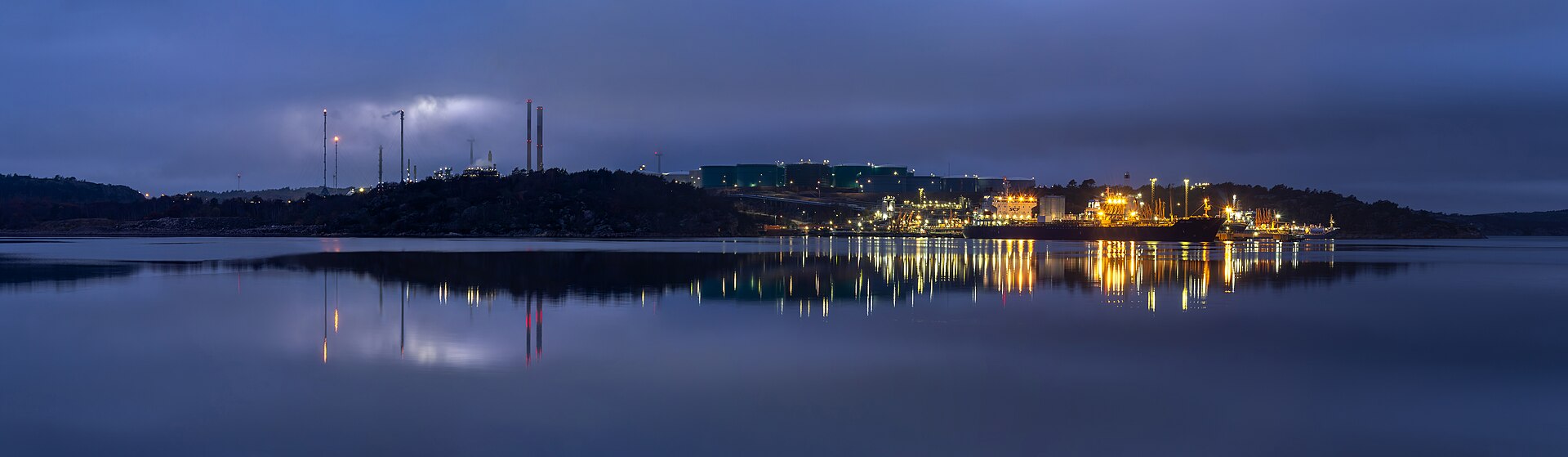
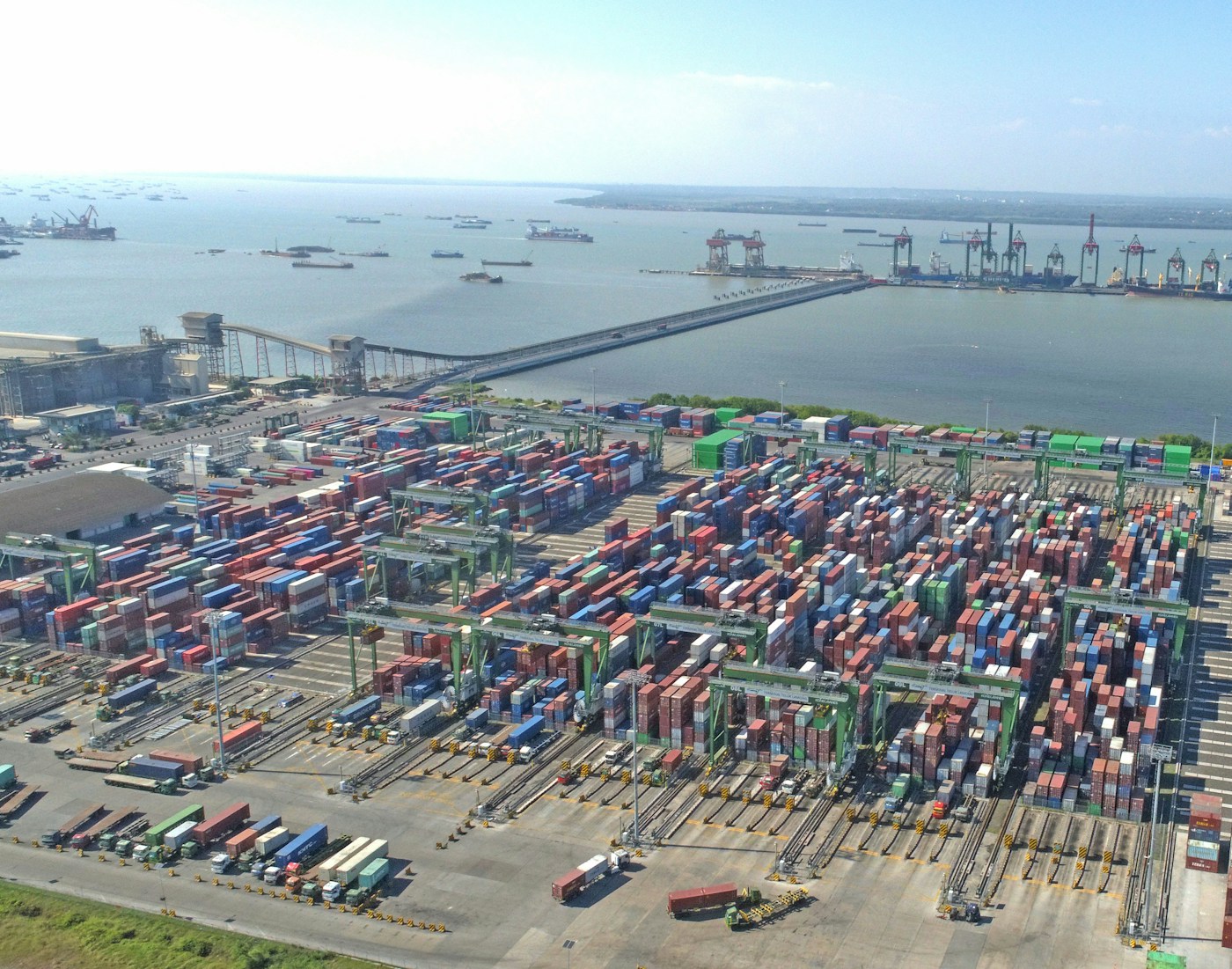
King Abdulaziz Port in Dammam handles the bulk of Saudi Arabia’s container imports from Asia. King Fahd Industrial Port in Jubail processes petrochemical and industrial cargo. Jubail Commercial Port serves general freight. All three now feed directly into a single rail corridor that terminates at Al-Haditha, where goods can cross into Jordan and continue by road to Amman, Aqaba, or onward to markets in the Levant and Europe.
The Middle East briefing 3,000+ readers start their day with.
One email. Every weekday morning. Free.
SAR described the 1,700-kilometre corridor as cutting transit times by approximately 50 percent compared with conventional road transport. A truck journey from Dammam to the Jordanian border typically takes three to four days depending on border processing. The rail service compresses that into roughly half.
The initiative “aims to enhance the flow of goods, support exports, and improve supply chain efficiency, in line with the objectives of the National Transport and Logistics Strategy and Saudi Vision 2030,” SAR said in a statement carried by the Saudi Press Agency on March 26. The rail corridor represents the kind of practical infrastructure investment that PIF is now prioritising after dismantling NEOM and redirecting capital from megaprojects toward assets that generate returns.
Why Did SAR Launch the Corridor During a War?
The corridor’s launch date, March 26, falls on day 27 of the Iran war. The Strait of Hormuz, through which roughly 20 percent of global seaborne oil and 20 percent of global liquefied natural gas transits daily, has been under an effective Iranian blockade since early March. Iran’s Revolutionary Guard Corps has turned back commercial vessels and threatened complete closure to ships travelling to or from ports linked to its adversaries.
That blockade severed the maritime supply chains that Gulf economies depend on. Saudi Arabia’s Jeddah port has braced for a 50 percent surge in arrivals as container traffic reroutes from the Persian Gulf to the Red Sea coast. Oil cargoes have driven a one-third increase in Red Sea shipping traffic since the war began, according to Saudi officials. Alternative ports in Oman and the UAE, including Sohar, Salalah, and Khor Fakkan, have also absorbed rerouted cargo, but none has the rail connections to move goods deep into the Arabian interior.
The Dammam-to-Jordan rail corridor addresses a different bottleneck. While Jeddah handles maritime rerouting, the railway offers a direct overland connection from the Eastern Province’s industrial heartland to Jordan and the northern trade network. Goods that once sailed through the Gulf and around the Arabian Peninsula can now travel by rail to the Jordanian border, then by truck to Aqaba’s port on the Red Sea, or overland into the Levant.
The International Energy Agency warned this month that the Gulf energy crisis already surpasses the 1970s oil shocks in its disruption to global trade. While oil commands the headlines, the less visible container trade crisis has left Gulf manufacturers unable to import raw materials and unable to export finished goods through their traditional maritime channels. SAR’s corridor is a direct response to that paralysis.
“This step aims to improve the movement of goods, boost exports, and enhance the efficiency of supply chains,” SAR said. The company emphasised that the corridor removes thousands of trucks from Saudi highways, improving road safety and reducing carbon emissions.
How Will the Corridor Change Gulf Logistics?
SAR moved 30 million tonnes of freight by rail in 2025, up from 24 million tonnes in 2023, according to Arab News. That volume removed an estimated two million truck journeys from Saudi roads. The new international corridor expands SAR’s reach beyond domestic freight into cross-border trade, a market that was previously served almost entirely by trucking.
The capacity numbers are significant. A single freight train carrying 400-plus containers replaces roughly 400 individual truck trips. If SAR runs even one train per day on the corridor, that amounts to 146,000 container movements per year, a meaningful share of the cross-border truck traffic that has surged since the war began. In 2024, SAR handled approximately 878,100 cargo containers across its network, according to company data. The Jordan corridor has the potential to add substantially to that total.
In the first half of 2025, before the war, SAR transported 14.93 million tonnes of minerals and goods, a 13 percent year-on-year increase, according to Zawya. In the first quarter alone, the company moved 7.4 million tonnes, up 17 percent from the same period in 2024. The North-South Railway primarily handles mineral transport for Ma’aden’s mining operations, carrying phosphate, bauxite, magnesite, and manganese from northern deposits to coastal processing facilities.
The new freight corridor adds containerised general cargo to this mineral backbone, diversifying the railway’s revenue base and its strategic importance. Before the war, Saudi Arabia’s road freight sector handled the vast majority of cross-border container movements. The Kingdom’s road freight transport market is substantial, with hundreds of thousands of trucks crossing Saudi borders annually. Converting even a fraction of that traffic to rail would deliver measurable efficiency gains in fuel costs, driver requirements, and border processing times.
Saudi Arabia’s logistics sector has historically ranked below its economic ambitions. The Kingdom placed 55th in the World Bank’s Logistics Performance Index in 2023. The NTLS targets a top-ten ranking by 2030. Rail freight is central to that climb, and the Jordan corridor represents the first international service in what SAR envisions as a network of cross-border rail connections.
Saudi Arabia’s Broader Railway Expansion
The Jordan corridor is one piece of a much larger rail expansion. Saudi Arabia’s Minister of Transport and Logistics Services announced plans to grow the national railway network by more than 50 percent, from approximately 5,300 kilometres to over 8,000 kilometres. The expansion adds nearly 2,700 kilometres of new track linking industrial zones, economic cities, ports, airports, and inland logistics hubs.
The centrepiece of that expansion is the Saudi Landbridge, a proposed 1,300-kilometre railway connecting the Arabian Gulf coast at Dammam and Jubail to the Red Sea coast at Jeddah. The Landbridge would create a transcontinental freight corridor capable of moving more than 50 million tonnes of cargo and over three million passengers annually, according to government planning documents.
If completed, the Landbridge would allow Asian-origin cargo to reach Mediterranean and European markets without transiting the Suez Canal for certain categories of goods, reducing shipping times by days. That project was already a priority under the National Transport and Logistics Strategy before the war. The Hormuz crisis has accelerated its strategic logic.
The NTLS, launched in June 2021, aims to increase the transport and logistics sector’s contribution to Saudi GDP from 6 percent to 10 percent by 2030 and to raise annual non-oil revenues from the sector to 45 billion Saudi riyals. The strategy envisions 69 logistics platforms across the Kingdom integrating road, rail, sea, and air transport.
Total planned investment in freight transport and logistics infrastructure stands at approximately $133 billion, according to government disclosures. The Kingdom’s mining sector, already a major rail user, is expected to drive further demand as Ma’aden scales phosphate and aluminium production at Ras al-Khair and other sites along the North-South Railway.
Jordan Emerges as a Trade Gateway
The rail corridor elevates Jordan’s role in Gulf supply chains at a critical moment. Jordan and Saudi Arabia have deepened trade ties in recent years. Bilateral trade reached $29.7 billion over the six years from 2018 to 2024, according to data from the Amman Chamber of Commerce. Saudi Arabia primarily exports petroleum products and chemicals to Jordan, while Jordan sends pharmaceutical products, live animals, and processed foods south.
Aqaba, Jordan’s sole port on the Red Sea, sits at the end of a 360-kilometre highway from Amman. Containers arriving by rail at Al-Haditha can reach Aqaba by truck in under six hours. From Aqaba, goods can sail to East Africa, South Asia, or through the Suez Canal to Europe without ever entering the Persian Gulf.
Oxford Business Group reported in March that both Jordan and Syria have taken steps to integrate their logistics infrastructure in response to the Hormuz disruption. Syria and Jordan agreed to facilitate the movement of Syrian trucks to Aqaba and Jordanian trucks to Syrian ports, according to the report. A proposed high-speed railway linking Saudi Arabia to Syria via Jordan has gained traction in regional policy discussions. That line would begin near the Saudi city of Arar and extend toward major Syrian cities at speeds exceeding 200 kilometres per hour, designed to move fresh produce and commercial goods efficiently across borders.
Shipping lines have already begun offering trucking services out of Aqaba as a gateway to Gulf markets. Mediterranean Shipping Company and Maersk have both established Aqaba transhipment options for Gulf-bound cargo that can no longer enter through Hormuz. The SAR corridor gives those improvised routes a permanent rail-fed backbone on the Saudi side, turning a wartime workaround into a structured logistics channel.
The broader picture is one of forced diversification. Saudi Arabia opened Red Sea cargo corridors earlier in March as Gulf container trade collapsed. The Dammam-to-Jordan rail route adds a second overland option, reducing the Kingdom’s dependence on any single chokepoint.
Can Rail Replace the Strait of Hormuz?
Not even close, and SAR has not suggested otherwise. The Strait of Hormuz handled roughly 20 million barrels of oil per day and a substantial share of global LNG before the crisis. No rail network can move liquid hydrocarbons at that scale, and the corridor is designed for containerised freight, not tanker cargo.
But for non-oil goods, the arithmetic is more promising. Saudi Arabia has the oil but no way to deliver it through the Gulf. The rail corridor does not solve the oil problem. What it solves is the separate, less dramatic, but economically significant crisis of consumer goods, industrial inputs, food imports, and manufactured exports that also depended on Gulf shipping lanes.
Among those goods, fertilizer may matter most. The Hormuz closure has stranded nearly one million metric tons of urea and ammonia in Gulf ports, and the harvest that the war has already destroyed will not be recovered by reopening shipping lanes alone. Rail corridors like SAR’s offer the only viable overland path for moving those critical agricultural inputs before the planting window closes.
Marine war insurance premiums for Gulf transits have risen tenfold since the conflict began. Rates for hull war risk cover reached 1 percent of a vessel’s hull replacement value for seven-day policies, up from 0.25 percent before the war, according to S&P Global. For high-risk vessels, premiums hit 7.5 to 10 percent of hull value, turning a $200-to-$300-million tanker’s insurance cost from $625,000 to approximately $7.5 million per trip, according to Lloyd’s List.
Rail freight carries no war risk premium. A container moving by train from Dammam to Al-Haditha faces no missile threat, no insurance surcharge, and no blockade. For Saudi exporters and importers, the cost advantage of rail over insured Gulf shipping is currently enormous and growing. The Carra Globe supply chain consultancy noted in March that “the infrastructure to handle Gulf container volumes by road or rail does not currently exist at the required scale,” but the SAR corridor is a concrete step toward building that capacity.
The limitations are real, however. The Claims Journal reported in March that “overland alternatives exist in theory, but the infrastructure to handle Gulf container volumes by road or rail does not currently exist at the required scale.” The Tabuk-NEOM railway segment, which would extend rail access to the Red Sea coast, is not expected to reach operational capacity before 2029 at the earliest.
What Comes Next for Saudi Freight Infrastructure?
The corridor’s long-term significance depends on what Saudi Arabia builds next. Three developments will determine whether the Jordan route becomes a permanent feature of Gulf trade or reverts to a wartime improvisation once Hormuz reopens.
First, the Saudi Landbridge. If the Dammam-to-Jeddah railway proceeds on an accelerated timeline, it would connect the Gulf and Red Sea coasts by rail for the first time, enabling a true east-west freight corridor that eliminates maritime chokepoints entirely for containerised goods.
Second, the Tabuk-NEOM extension. Extending the northern rail network westward to NEOM and the Red Sea would connect the Jordan corridor to a deep-water port on the Gulf of Aqaba, creating a continuous rail-to-sea route that bypasses both Hormuz and Suez for certain Asian-to-European cargo.
Third, frequency and pricing. SAR has not disclosed how many trains per week will run on the Jordan corridor or the cost per container. If the service proves competitive with trucking on price and faster on delivery, shippers will have a strong incentive to remain on rail even after maritime routes normalise. The North-South Railway already operates freight services using the European Train Control System Level 2, which enables precise scheduling and capacity management across the 2,750-kilometre network.
The war has already moved the end of oil forward, according to multiple analysts. It may also have moved Saudi Arabia’s logistics transformation forward by years. Projects that were scheduled for completion in the late 2020s under Vision 2030 timetables are now being activated under wartime pressure.
Aramco’s shutdown of four supergiant offshore fields underscored how vulnerable Gulf-facing operations are to the current conflict. A freight corridor that faces west and north rather than east through the Gulf is, in that context, not just an infrastructure project. It is a hedge against the geography that made the Kingdom rich and now makes it exposed.
Saudi Arabia’s transport ministry has signalled that the war has validated the NTLS framework years ahead of its original milestones. The question is no longer whether Saudi Arabia needs rail alternatives to maritime trade. The question is whether it can build them fast enough.
Frequently Asked Questions
How long does the rail journey from Dammam to Al-Haditha take?
SAR has stated the rail corridor cuts transit time by approximately 50 percent compared with road transport. The truck journey from Dammam to the Jordanian border typically takes three to four days, placing the rail transit at roughly one and a half to two days. Exact schedules have not been published, as the service launched on March 26 and operational timetables are still being finalised for commercial customers.
Does the freight corridor carry oil or only containers?
The corridor is designed for containerised general cargo, not bulk liquid hydrocarbons. Each train carries more than 400 standard containers. Saudi Arabia’s oil exports travel by pipeline to Red Sea terminals at Yanbu or by tanker from Gulf ports. The rail corridor addresses the non-oil supply chain, including consumer goods, industrial inputs, food imports, and manufactured exports that previously relied on Gulf shipping lanes.
Will Jordan’s Aqaba port need expansion to handle increased Saudi freight?
Aqaba is Jordan’s sole port and currently handles approximately 28 million tonnes of cargo annually. A significant increase in Saudi containerised freight arriving overland at Al-Haditha and then trucked to Aqaba would likely require terminal expansion, additional crane capacity, and improved road connections between the border and the port. Jordan and Saudi Arabia discussed deepening industrial and trade ties at a bilateral business forum in February 2026, and infrastructure co-investment was on the agenda.
Is this corridor connected to the proposed Saudi Landbridge?
The Jordan corridor uses the existing North-South Railway, not the proposed east-west Landbridge. The Saudi Landbridge would connect Dammam and Jubail on the Gulf coast to Jeddah on the Red Sea coast, creating a separate transcontinental corridor. If both projects reach full operation, Saudi Arabia would have an L-shaped rail freight network connecting the Gulf to both the Red Sea and the Levant without passing through any maritime chokepoint.
How does the rail corridor compare in cost to Gulf shipping with war risk insurance?
Before the war, Gulf maritime shipping was substantially cheaper than overland alternatives for most cargo categories. War risk insurance premiums have changed that calculation dramatically. Insurance rates for Gulf transits have risen from 0.25 percent of hull value to as high as 10 percent for high-risk vessels, according to Lloyd’s List and S&P Global. A container moving by rail from Dammam to Al-Haditha avoids war risk premiums entirely, making rail currently cost-competitive or cheaper than insured maritime alternatives for containerised goods.