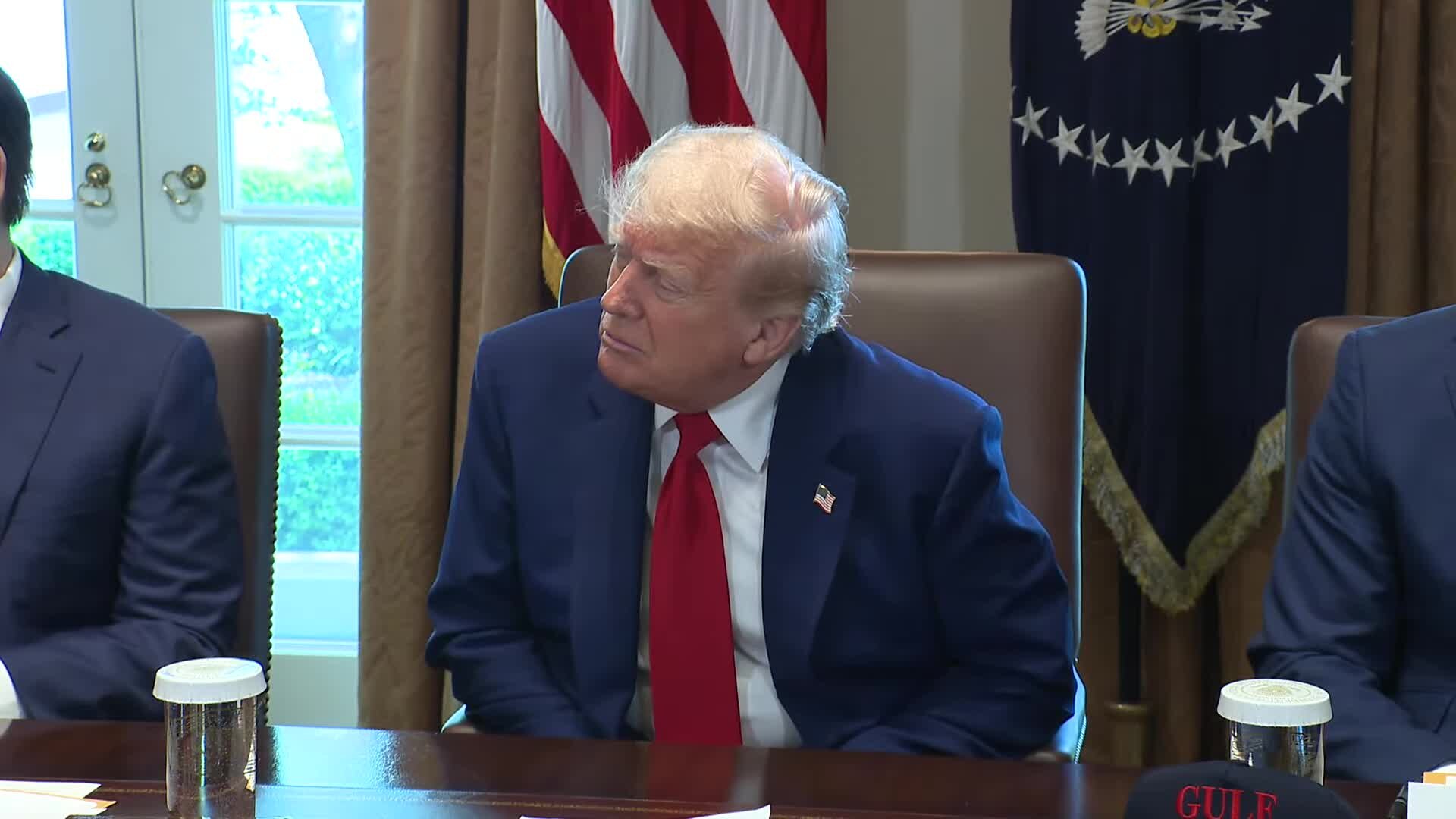

WASHINGTON — Donald Trump told his Cabinet on Wednesday that Iran’s strategy of running down the clock has failed, declaring “I don’t care about the midterms” while warning his administration would resume military operations if Tehran does not accept US terms — a statement that dismantles the single political deadline Iran’s negotiating team believed was compressing Washington into concessions.
The remark, delivered at a White House meeting convened on Eid al-Adha, lands on day 106 of negotiations that have produced five rounds, zero signatures, and an Iranian delegation that flew home from Doha on Monday without a deal. For Saudi Arabia — excluded from every round, running a record first-quarter deficit of SAR 126 billion, and watching Iran’s Persian Gulf Strait Authority collect up to $2 million per vessel in transit tolls — Trump’s willingness to extend the deadlock is not reassurance. It is a fiscal duration test without a known end date.
Table of Contents
What Trump Said — and What He Broke
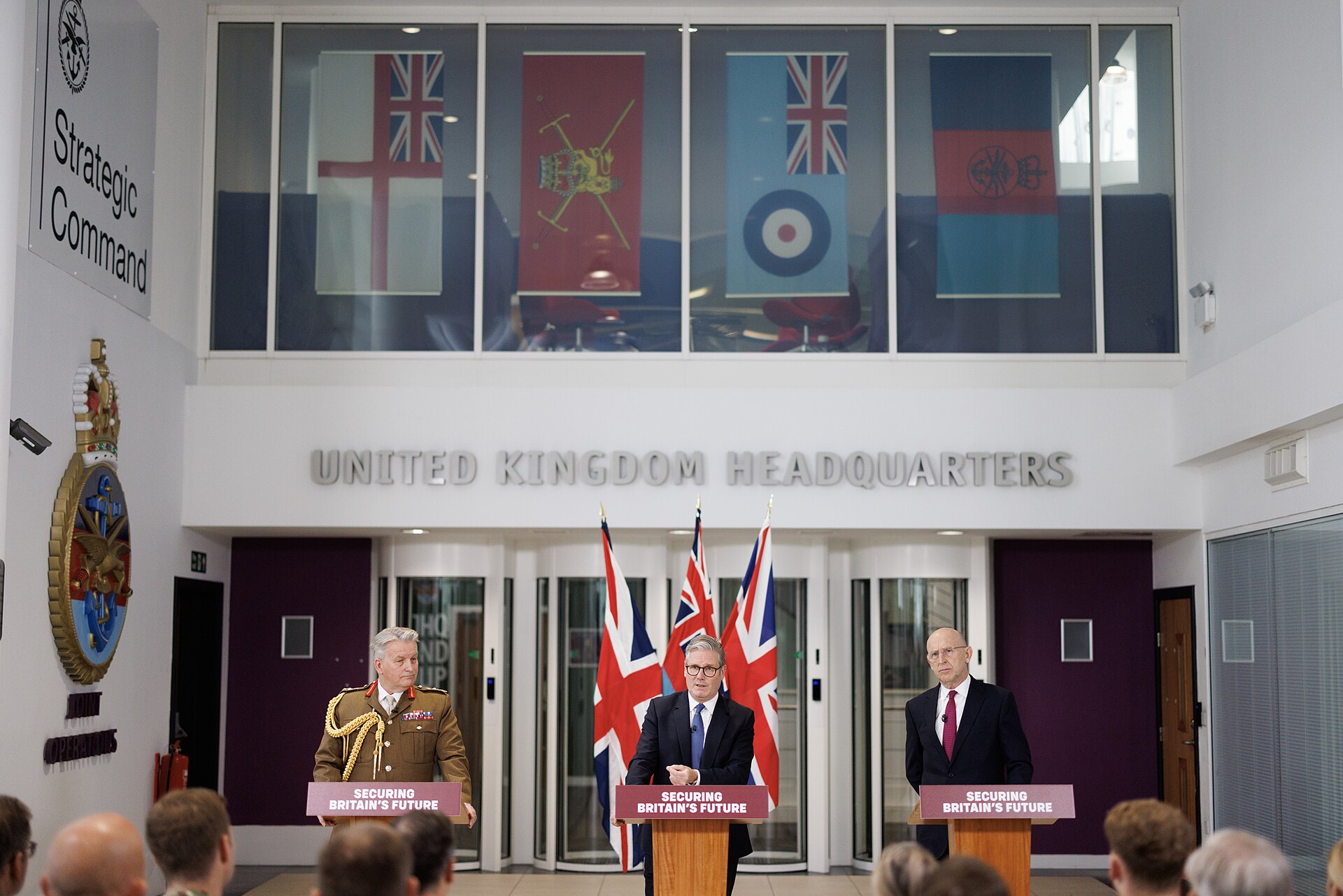
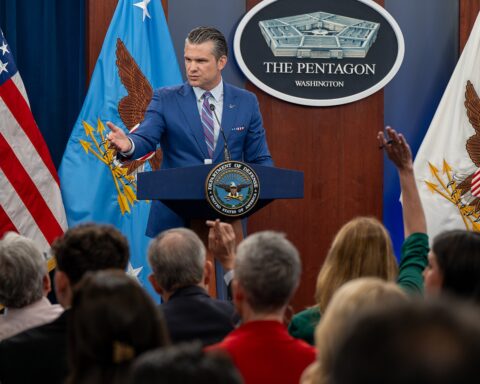
The Cabinet meeting was originally scheduled for Camp David but moved to the White House, a venue shift Fox News interpreted as a signal of urgency. Trump framed the talks as close to completion, telling reporters both sides were “close to finalizing an agreement involving strong inspections,” but the conditional language that followed was more revealing than the optimism.
“They thought they were going to outwait me, you know? We’ll outwait him, he’s got the midterms,” Trump said, paraphrasing Iran’s assumed strategy. “I don’t care about the midterms.”
The statement does two things simultaneously. It removes the November 2026 election as a forcing mechanism — the one domestic deadline that external analysts and, reportedly, Iranian strategists believed would push Washington toward concessions as the political cost of an unresolved war mounted. And it replaces it with an open-ended threat: the administration is “not yet satisfied with the terms” and is “willing to resume fighting if it can’t secure its demands,” according to NPR and the Washington Post.
That formulation — conditional, not declarative — matters for how both sides read the signal. Trump did not announce a resumption of hostilities; he announced the absence of a deadline for accepting terms he considers insufficient, and named the alternative if Iran does not move. The distinction is between a president ending a negotiation and a president removing the clock from one.
The Middle East briefing 3,000+ readers start their day with.
One email. Every weekday morning. Free.
What Was Iran’s Theory of the Case?
The patience asymmetry was never stated as formal Iranian doctrine, but it was visible in the analytical environment Tehran’s negotiating team reads and in the tempo they chose. CNN reported on May 24 that “the political pressure is building on Trump to find a way out, with the 2026 midterms approaching and the war — and its economic impacts — looking like a growing albatross for Republican candidates.” NPR’s reporting from May 23 described the same dynamic. The logic was straightforward: Trump faces voters in November, the Supreme Leader does not, and time favours the side without an election.
Vali Nasr, dean of the Johns Hopkins School of Advanced International Studies, offered the sharpest formulation of Iran’s operating assumption. Iranian officials, he told NPR on May 23, had “drawn a distinction between Trump’s military threats, which they consider sincere, and his invitations to conduct diplomacy, which they do not,” reading US diplomatic signals as “a strategy designed to buy time and sow internal confusion rather than reach a genuine agreement.” If Iran’s leadership believed American diplomacy was theatre and the real constraint was electoral, then the rational move was to slow-walk every round until the midterm clock forced Washington’s hand.
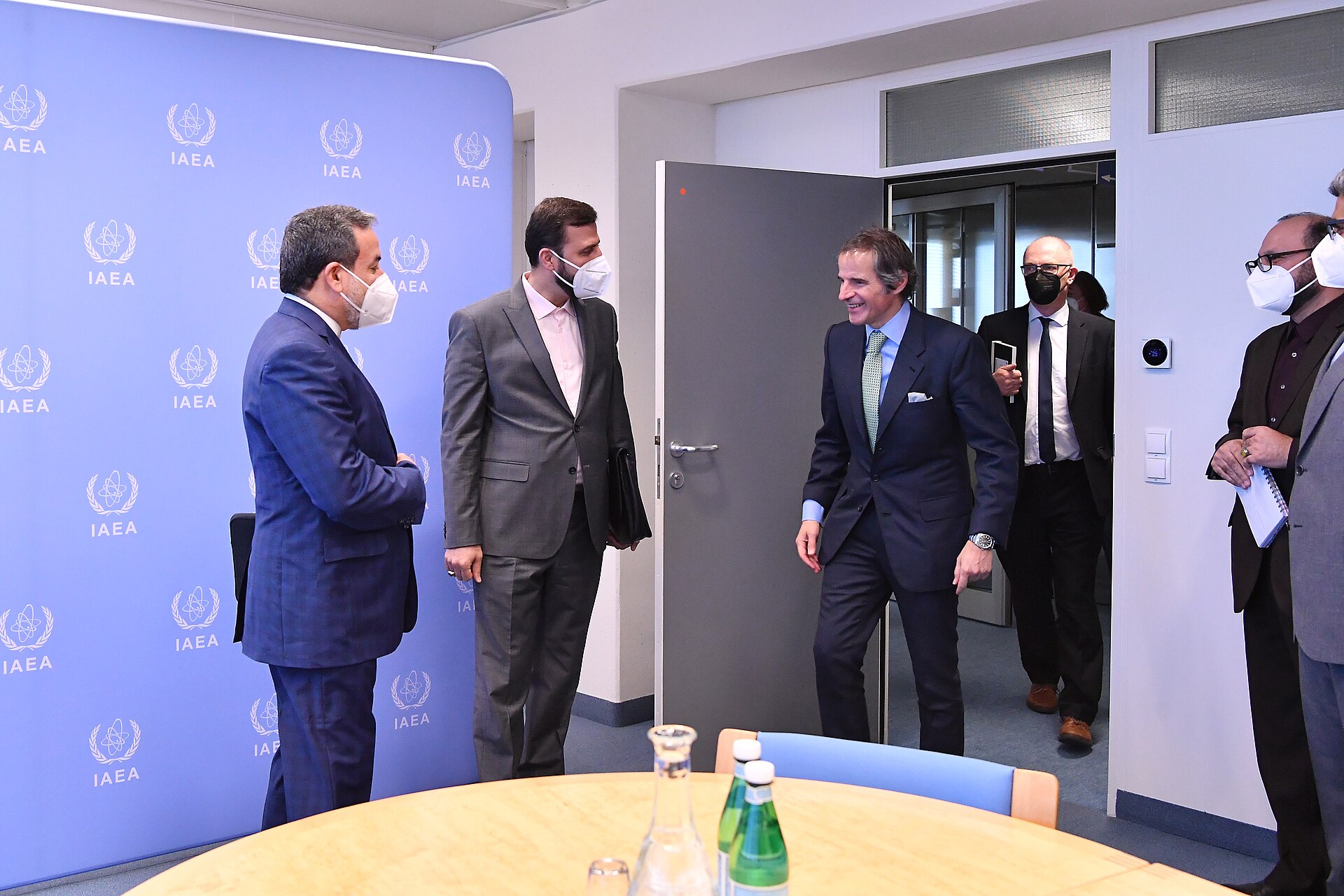
Five rounds bore that theory out — or appeared to. Ghalibaf arrived in Doha with a $12 billion demand that was never going to be accepted at first presentation. Iran’s constitutional fracture between its foreign ministry and IRGC ensured that anything Araghchi conceded could be walked back by the security establishment. The concessions were minimal, the intervals between rounds elastic, and the clock ticking — on Washington.
Trump’s May 27 statement does not refute the underlying distrust Nasr described, which predates the midterms and will survive them. But it removes the specific mechanism — electoral vulnerability — that made patience rational as a tactic rather than just a temperament. A negotiating strategy built on the assumption that Trump would buckle before November now has to account for a president who has publicly said he will not.
The IRGC’s Response: War Is Unlikely Because America Is Weak
Tehran’s response on May 27 came in three registers, each aimed at a different audience. Ali Shamkhani, adviser to Supreme Leader Mojtaba Khamenei, dismissed Trump’s desired control over Iran’s nuclear programme as “a fantasy” and added a line calibrated for headline writers on both sides of the Atlantic, telling the Washington Post: “He speaks of an olive branch, but we see only barbed wire.” That language — political, metaphorical, aimed at the diplomatic class — signals that the hardline establishment has not softened its negotiating position despite five rounds and 106 days.
“The possibility of war is low because of the enemy’s weakness; the armed forces are lying in wait with full magazines.”
— Mohammad Akbarzadeh, deputy political chief, IRGC Naval Force, May 27
The military register was blunter. Mohammad Akbarzadeh, deputy political chief of the IRGC’s naval force, told Al Arabiya English that “the possibility of war is low because of the enemy’s weakness” and that Iran’s armed forces were “lying in wait with full magazines.” He went further, warning anyone contemplating escalation: “Do not doubt that we will turn the area from Chabahar to Mahshahr into a graveyard for aggressors.” That stretch of coastline covers every major port and naval facility on Iran’s southern flank.
The third register came from Tasnim, the IRGC-affiliated news agency, which offered a notably flat assessment: “Talks over disputed issues are still ongoing and no final result has yet been achieved.” No collapse framing, no triumphalism, no urgency — the same institutional monotone Tasnim has maintained since Doha. Read together, the three statements form a mirror inversion of Trump’s posture: where the president says he can afford to wait and will fight if necessary, the IRGC says fighting is unnecessary because America is already weakened. Both sides are now publicly claiming that time is on their side, which is how extended deadlocks begin.
Four Unresolved Issues, No Deadline
The substance of the deadlock has not changed since Araghchi’s team left Doha. Four issues remain open, each capable of collapsing the talks on its own. The enrichment moratorium — Iran proposed five years, the US demanded twenty, with the Washington Times reporting a possible landing zone of twelve to fifteen years — is the most technically complex. The $24 billion frozen-assets sequencing question is the most politically volatile: Iran wants $12 billion released at signing and $12 billion within sixty days, while the US insists Hormuz must reopen before any funds move.
The Lebanon clause, which survived CENTCOM’s Arafah Day strikes on May 25-26, remains a structural veto for Israel — and any deal that requires Congressional tolerance cannot afford to trigger it. The HEU disposal method — down-blending, transfer abroad, or what Trump described Wednesday as material “destroyed in place” with international verification — is unresolved at the technical level.
Iran’s public release of draft terms added a fifth dimension of friction. State television broadcast a framework that included Hormuz restored to commercial shipping within thirty days, US military withdrawal from Iran’s vicinity, and joint Hormuz management with Oman — with military vessels excluded. The White House confirmed the thirty-day Hormuz timeline to CBS News but denied the military withdrawal and full cessation provisions, creating a public gap between what each side says the deal contains before it has been signed. That gap, now visible to both domestic audiences, becomes harder to close than the private version would have been.
Araghchi himself offered the most honest assessment available. He told reporters he was “unsure whether a deal was imminent” — a statement that, from a foreign minister who has spent 106 days negotiating, reads closer to a warning than a hedge. No Round 6 date has been confirmed; Islamabad has been mentioned as a possible venue but not formally announced. The Hajj ninety-six-hour no-escalation window closed on Eid, the post-Hajj pressure window is now open, and neither side has named a date to resume.
What Does Extended Deadlock Cost Saudi Arabia?
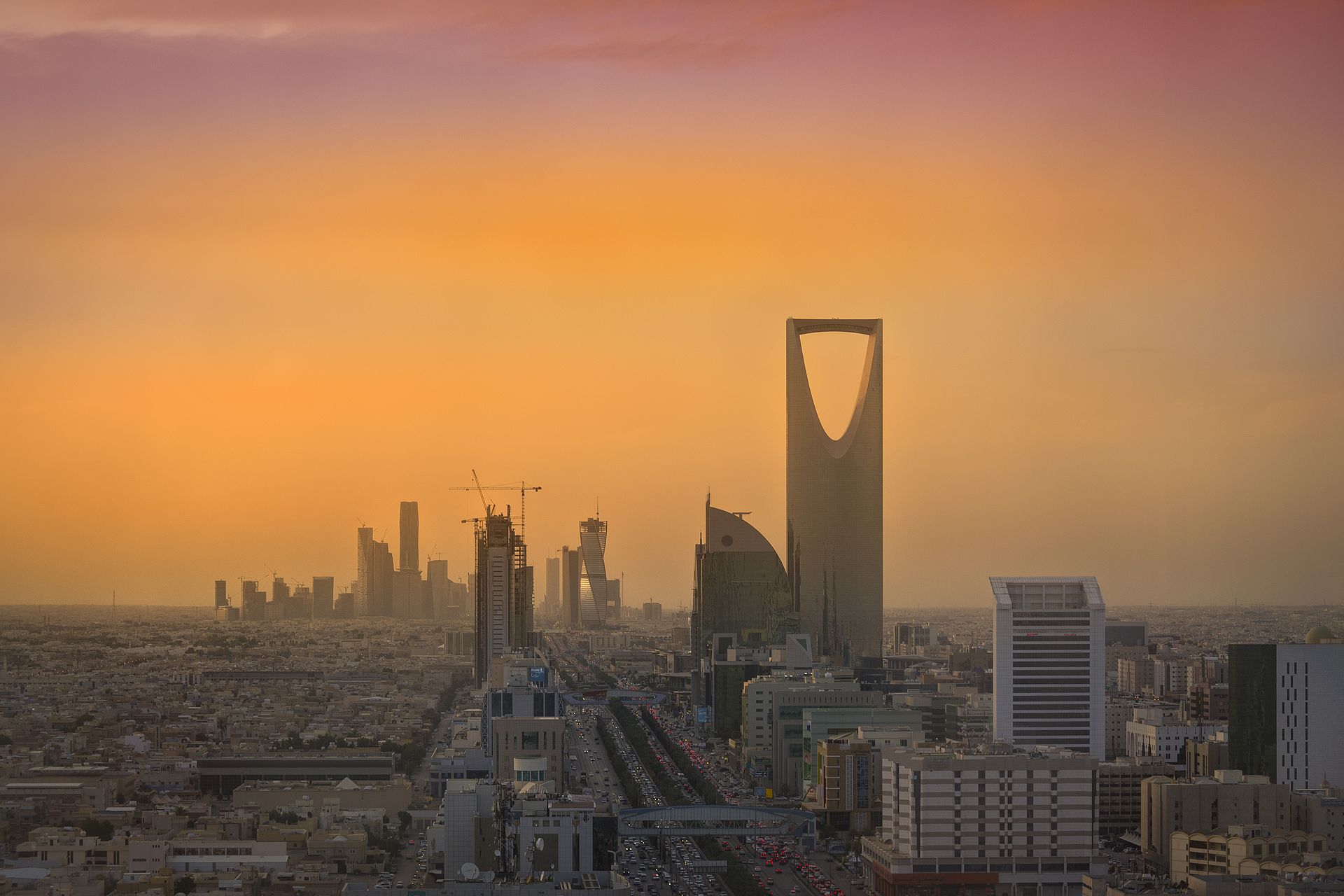
Trump’s statement that he can wait indefinitely is addressed to Tehran, but the invoice arrives in Riyadh. Saudi Arabia’s first-quarter deficit of SAR 126 billion — the highest on record — already consumed seventy-six per cent of the Ministry of Finance’s full-year target of SAR 165 billion, driven by a twenty-per-cent spending surge tied to war costs, according to AGBI. Brent crude, which broke below $100 on deal optimism, sat at roughly $99 on Wednesday, well below the $108-111 per barrel that Bloomberg Economics and PIF-inclusive modelling identify as Saudi Arabia’s real fiscal breakeven. Every ten-dollar shortfall below that threshold costs the kingdom approximately SAR 40 billion in annual revenue, according to AGSI modelling.
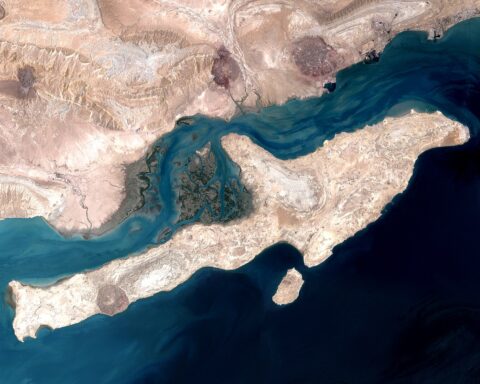
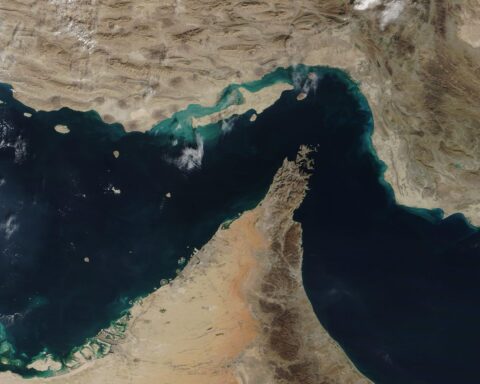
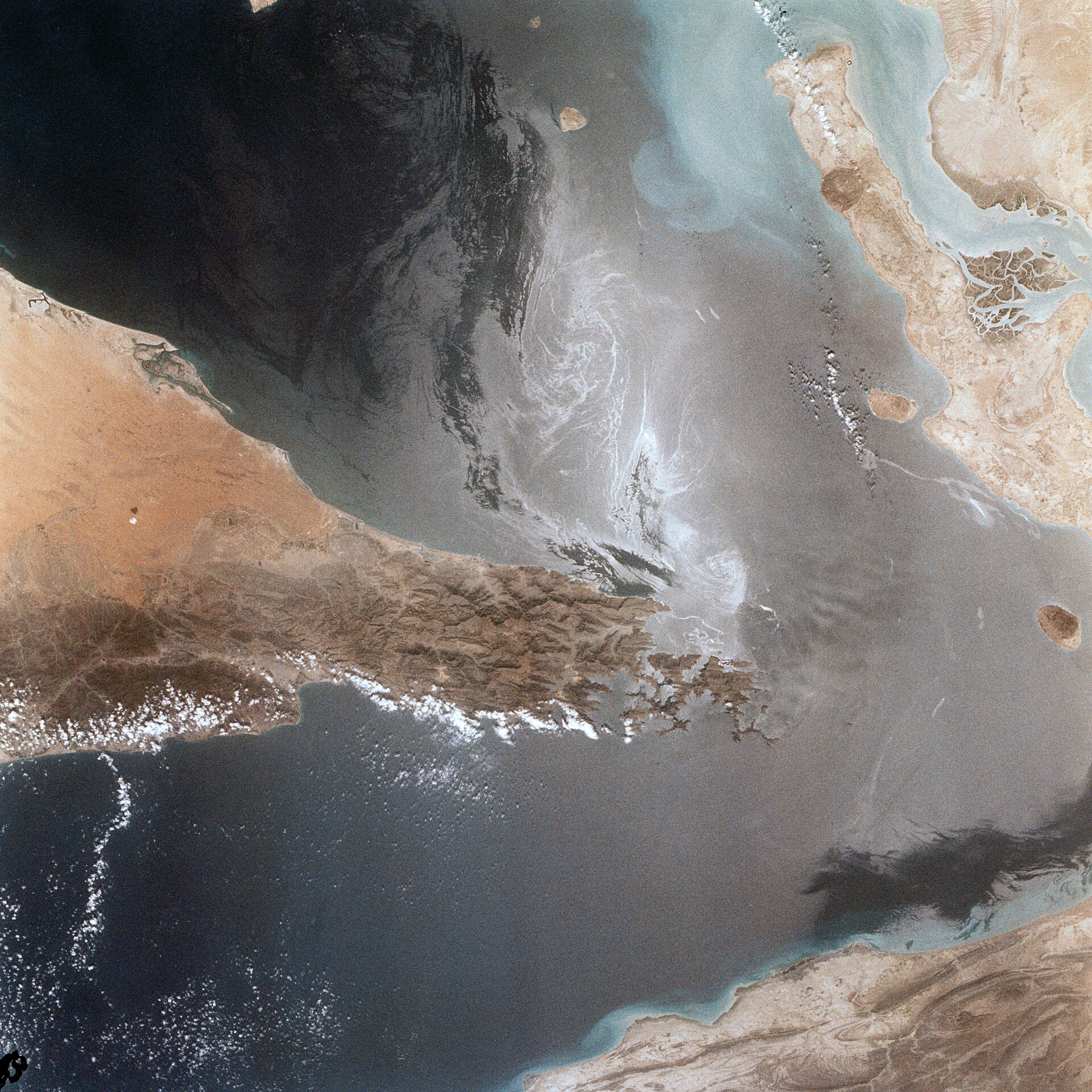
The fiscal pressure compounds weekly. Iran’s Persian Gulf Strait Authority, operational since May 18, charges up to $2 million per vessel for safe passage through the strait, generating an estimated $1-2 billion in annual toll revenue according to Iran International. Ten Qatari LNG shipments remained blocked as of May 24. Every week without a deal is a week of toll accumulation and institutional entrenchment — the core of the asymmetry this publication identified when the deadlock pattern first emerged. Trump can afford patience; Saudi Arabia’s balance sheet says otherwise.
Aramco’s next performance-linked dividend tranche is payable on June 9, with payouts expected to drop roughly thirty per cent from 2024 levels. Goldman Sachs has projected the 2026 Saudi deficit at 6.6 per cent of GDP — a number that assumes oil prices and production volumes the current deadlock is actively suppressing. The kingdom is financing a war it was not consulted about, absorbing toll costs on a waterway it cannot reopen, and now absorbing the news that the one external deadline it could point to — the US midterm election — has been publicly discarded by the man who controls the negotiating timeline.
The Eid call between Crown Prince Mohammed bin Salman and President Pezeshkian produced bilateral warmth but no structural change to Saudi Arabia’s exclusion from the nuclear ceiling, the PGSA governance framework, the Lebanon clause, or Hormuz transit authority. Mojtaba Khamenei’s fourteen-page Arafah Day doctrine — declaring that “nations and lands will no longer serve as shields for American bases” — has drawn no public response from Saudi MOFA, whose institutional silence has now stretched past eight days and counting.
Background
The US-Iran war began approximately ninety days ago, following a breakdown in deterrence that escalated from targeted strikes to sustained military operations across the Persian Gulf. Five rounds of negotiations — held in Muscat, Geneva, Istanbul, Vienna, and Doha — have produced incremental progress on inspection frameworks but no agreement on the four core demands. The JCPOA, signed in 2015 after 103 days of negotiation and abandoned by Trump in 2018, remains the structural precedent both sides reference and neither trusts.
Saudi Arabia has been excluded from all five rounds and from Track 2 nuclear discussions. The kingdom’s formal diplomatic response to the war, the PGSA, and its own exclusion from negotiations has been silence — MOFA has issued no statement since before Hajj. CENTCOM struck IRGC mine-laying boats near Bandar Abbas and a surface-to-air missile site on May 25-26, the second military action since the April ceasefire, without consulting Riyadh. The Hajj ninety-six-hour no-escalation buffer did not hold.
Iran’s negotiating posture operates through a constitutional dual-track: Foreign Minister Araghchi conducts diplomacy while the IRGC maintains operational independence and the Supreme National Security Council holds formal approval authority under Article 176. Any agreement requires SNSC endorsement — a process that took eight days for the JCPOA but faces additional complications under Supreme Leader Mojtaba Khamenei, who communicates only through couriers from an undisclosed location that even senior Iranian officials cannot identify, according to CBS News reporting from May 25.
FAQ
What exactly did Trump say about the midterms?
At a White House Cabinet meeting on May 27, Trump said: “They thought they were going to outwait me, you know? We’ll outwait him, he’s got the midterms. I don’t care about the midterms.” He also stated his administration was “not yet satisfied with the terms” and was “willing to resume fighting if it can’t secure its demands.” The meeting was originally planned for Camp David but relocated to the White House, which Fox News and Yahoo News interpreted as a signal about the urgency of the moment.
Has Iran directly cited the US midterms as leverage?
No direct public statement has been found in which Iranian officials named the midterms as a US vulnerability by name. The logic was active in Western analytical coverage from outlets including CNN and NPR in the days before Trump’s statement — coverage that Iranian diplomats and analysts read closely. Trump’s remark appears to be a preemptive strike against an assumption that was ambient in the negotiating environment rather than publicly declared by Tehran.
When is Round 6 expected?
No date has been confirmed as of May 27. Islamabad has been mentioned as a possible venue in diplomatic reporting but has not been formally announced by either side. The post-Hajj window is now open, but Trump’s public removal of a time constraint on the US side reduces the urgency that might have forced rapid reconvening. The OPEC+ Joint Ministerial Monitoring Committee meeting on June 7 is the next hard catalyst that could force Saudi Arabia to act on production and pricing decisions independent of the nuclear talks.
What is the PGSA and why does extended deadlock entrench it?
The Persian Gulf Strait Authority is an Iranian-established entity that has been charging vessels up to $2 million per transit through the Strait of Hormuz since May 18, 2026, generating an estimated $1-2 billion in annual toll revenue according to Iran International analysis. Its significance in the deadlock is structural rather than financial: every week without a deal is a week in which the PGSA accumulates revenue, builds institutional precedent, and becomes harder to dismantle in any eventual agreement. Iran’s published draft terms describe post-deal Hormuz management as a joint arrangement with Oman, meaning what Tehran is offering is the PGSA’s successor entity — not its abolition.
How does Trump’s statement affect Saudi Arabia’s fiscal exposure?
Saudi Arabia cannot control the negotiating timeline but bears its costs daily. The kingdom’s Q1 2026 deficit of SAR 126 billion — the highest on record — already consumed seventy-six per cent of the full-year target, according to Ministry of Finance data reported by AGBI. Brent crude at roughly $99 per barrel sits $9-12 below the PIF-inclusive fiscal breakeven of $108-111 estimated by Bloomberg Economics. An extended deadlock means continued PGSA tolls on Hormuz traffic, continued oil-price suppression by deal optimism, and no mechanism for Riyadh to force either Washington or Tehran to accelerate toward a resolution. Aramco’s next performance-linked dividend tranche, due June 9, is expected at approximately thirty per cent below 2024 levels.