DHAHRAN — Sadara Chemical Company, the $20 billion Aramco-Dow joint venture that was once the largest project finance deal in Middle Eastern history, told regulators in April 2026 that it “cannot provide, at the present time, an estimate for the return to production.” All 26 of its manufacturing units in Jubail Industrial City sit idle. Revenue has been zero since late March. And on June 15 — 67 days from today — a $3.7 billion debt grace period expires, triggering principal repayment obligations that neither shareholder has publicly addressed. This is not a wartime casualty story. Sadara posted net losses in four of the past five years, with accumulated losses exceeding 100 percent of share capital by the end of 2025. The war stripped the political cover that kept lenders and Western partners from pricing the risk that had been compounding since 2022. What is now approaching is the first formal debt threshold breach at an Aramco-anchored industrial joint venture — and Dow Chemical’s silence on the matter has lasted forty days.
Table of Contents
- The Regulatory Disclosure That Said the Quiet Part
- What Happens on June 15?
- Five Years of Losses Before the First Missile
- How Did Sadara’s Marketing Channel Fail Twice?
- Dow’s Forty-Day Silence
- PIF’s Triple Conflict of Interest
- The Plastics Chokepoint
- Does Sadara Break the Vision 2030 Foreign Partnership Model?
- Three Paths to June 15
- Frequently Asked Questions
The Regulatory Disclosure That Said the Quiet Part
Sadara’s April 2026 filing to the Saudi Exchange was eleven words longer than it needed to be. The company could have said production was halted. Instead, it disclosed that the shutdown “is contingent on domestic and international factors” — regulatory language that places the restart decision outside management’s control. The filing added that the stoppage “is expected to have an impact on the financial results for 2026,” a formulation so understated it borders on dark comedy for a company that lost SAR 5.793 billion ($1.54 billion) in 2025 while still producing.
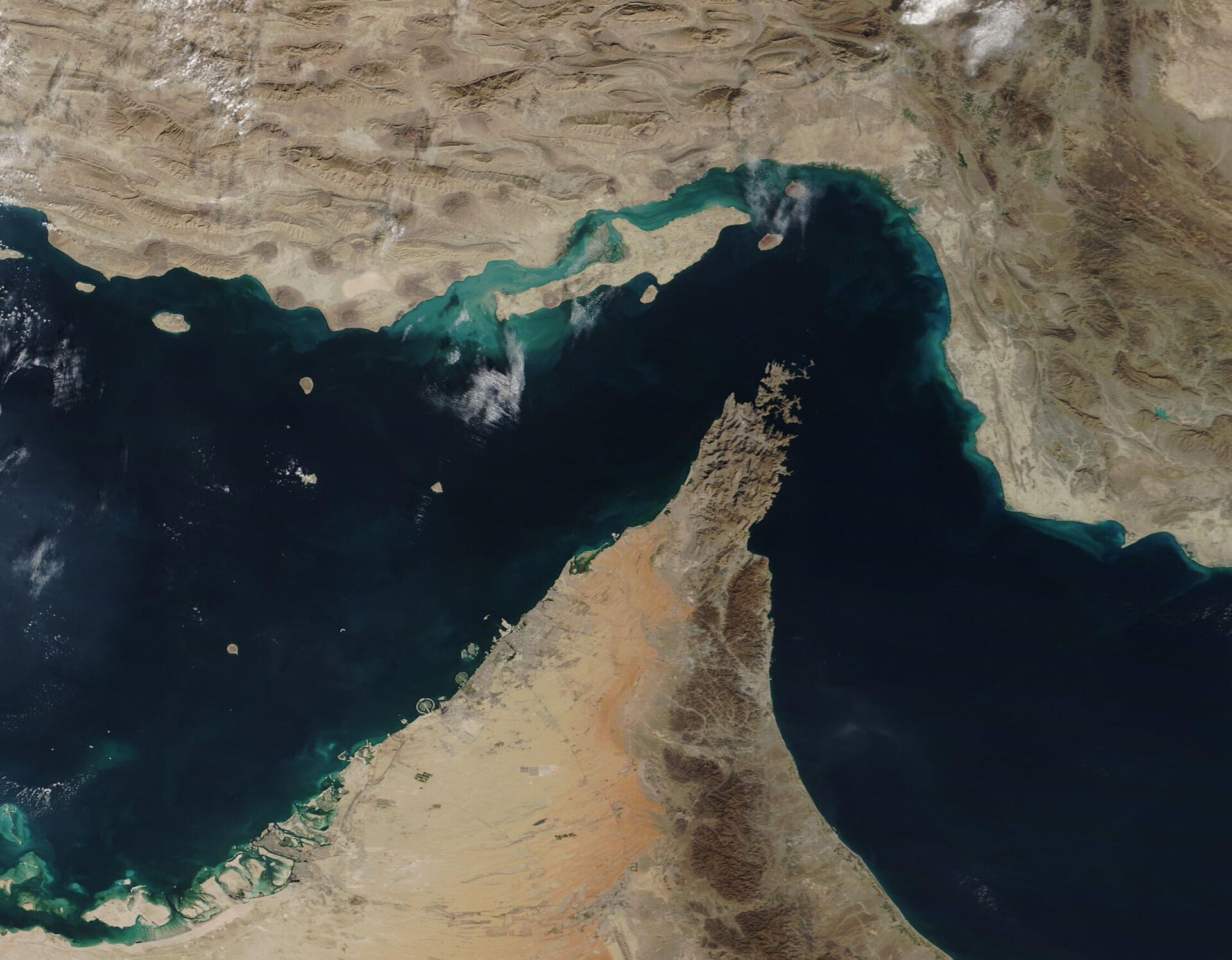
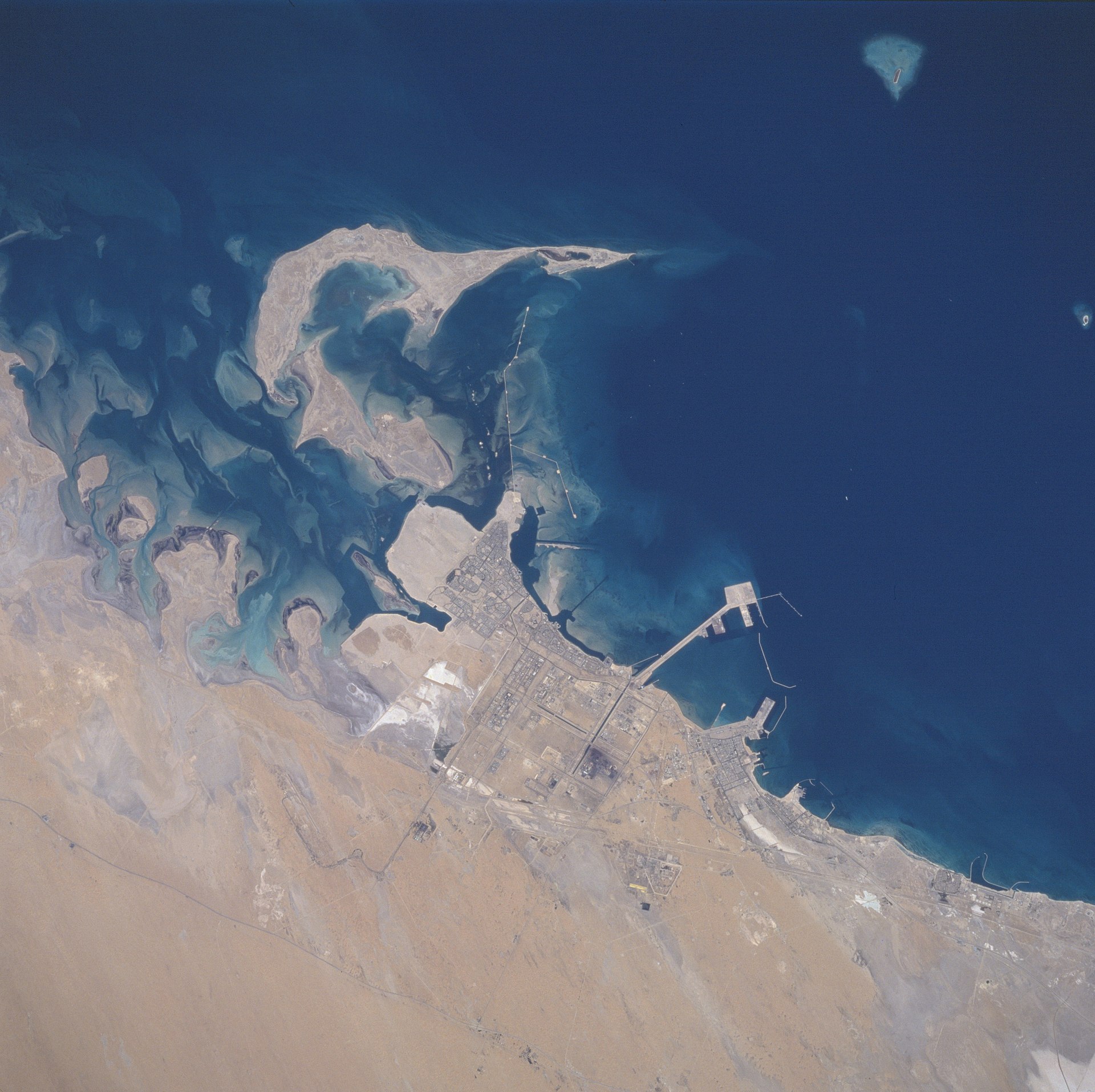
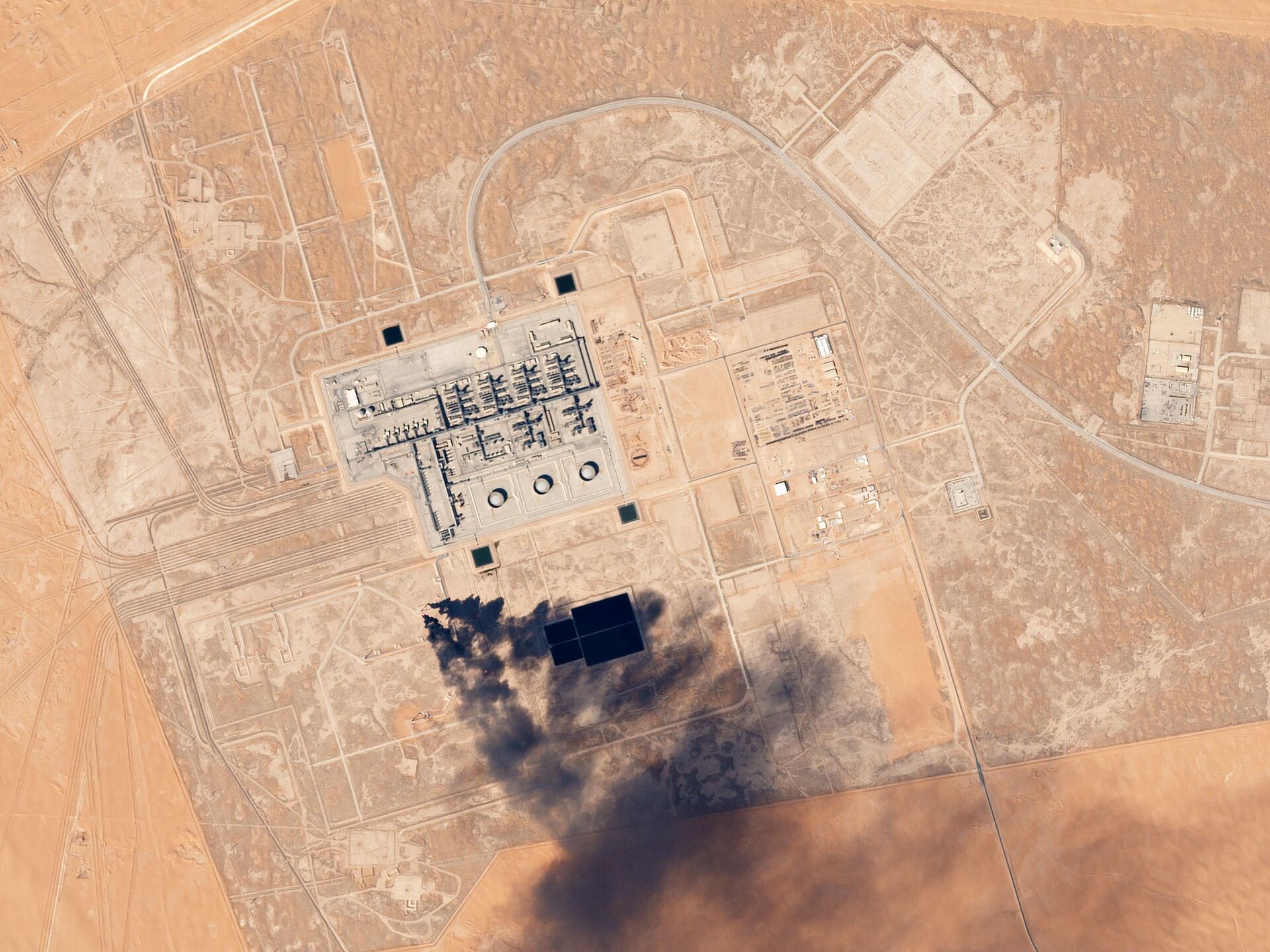
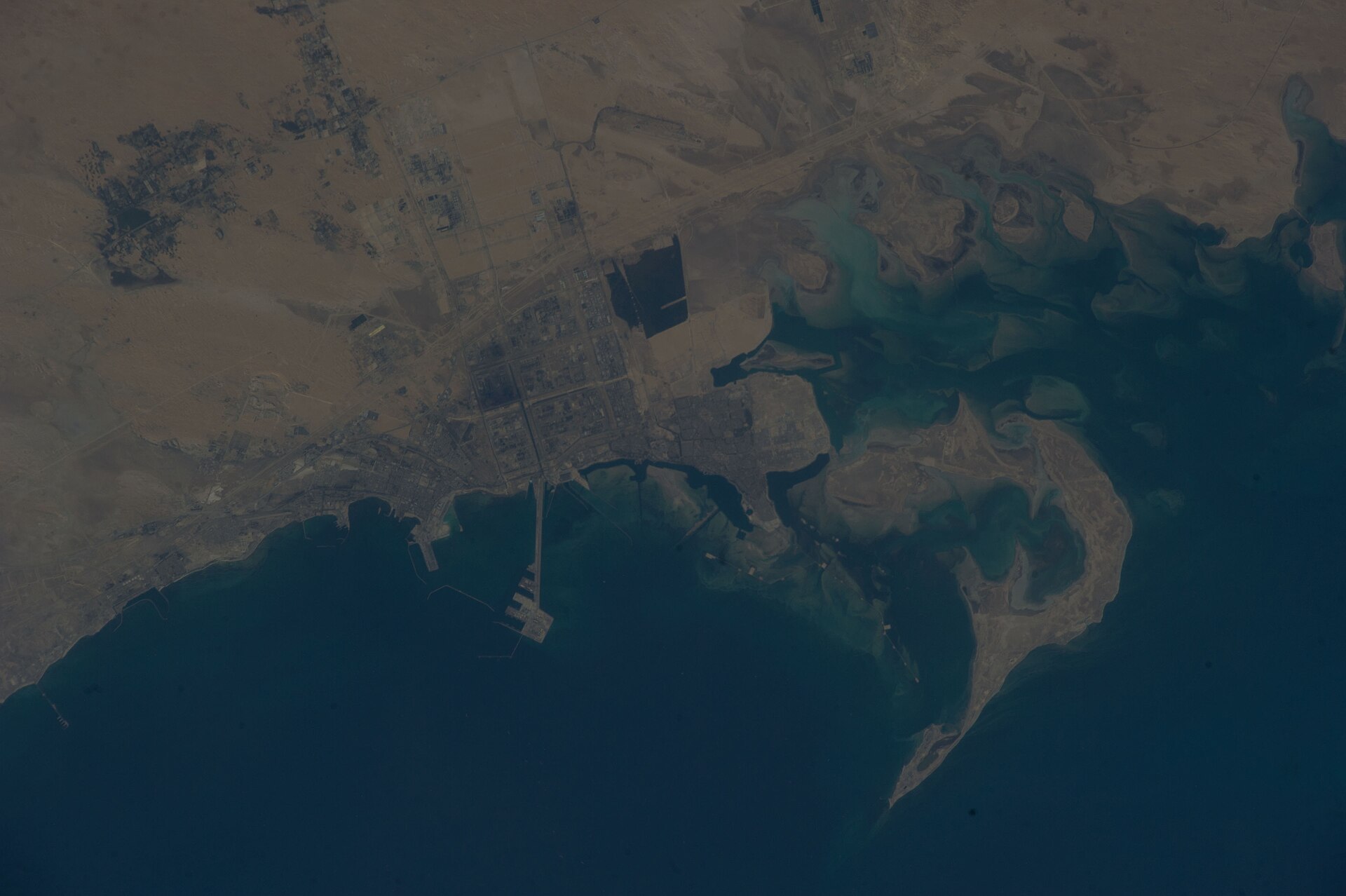
The disclosure was required under Saudi Exchange listing rules after Sadara completed the shutdown of all 26 manufacturing units at its Jubail complex in late March 2026. The trigger was not a missile strike — the adjacent SABIC complex absorbed that on April 7 — but the closure of the Strait of Hormuz, which severed both feedstock import routes and product export corridors simultaneously. Sadara’s 1.5 million tonnes per year of ethylene capacity, 750,000 tonnes of polyethylene, 400,000 tonnes of MDI, 330,000 tonnes of propylene oxide, and 360,000 tonnes of ethylene oxide all went to zero.
The phrase “domestic and international factors” carries a specific legal weight. In Saudi corporate disclosure practice, it signals that the board cannot commit to a timeline because the preconditions involve sovereign-level decisions — the reopening of Hormuz, the cessation of IRGC missile strikes on the Eastern Province, or a ceasefire that holds. Sadara’s board, in other words, told its creditors that the company’s fate is now a foreign policy question.
What Happens on June 15?
On June 15, 2026, the principal repayment grace period from Sadara’s March 2021 debt restructuring expires. Aramco guarantees approximately $2.405 billion (65 percent) and Dow guarantees approximately $1.295 billion (35 percent) of $3.7 billion in senior debt principal. These are contractual shareholder guarantees — not equity injections, not letters of comfort.
The grace period was the central concession of the 2021 restructuring, which extended final maturity from 2029 to 2038 and replaced the $10 billion completion guarantees released when Sadara achieved project completion in November 2020. Five months after those guarantees were released, the shareholders signed the $3.7 billion replacement package. The restructuring was Sadara’s second. CEO Faisal Al-Faqeer called it “an essential move that positions us well for the long term in both local and global markets.” CFO Alejandro Farre described it as “yet another critical milestone for Sadara and a demonstration of the strong support from shareholders and lenders.”
The Middle East briefing 3,000+ readers start their day with.
One email. Every weekday morning. Free.
When the grace period expires, Sadara must begin servicing principal on its senior debt facilities — or trigger cross-default provisions that could accelerate the full outstanding balance. With the company generating zero revenue and unable to estimate when production will resume, the June 15 date functions as a binary event: either the shareholders inject capital to cover the first principal installments, or the largest Aramco-Dow industrial partnership enters a formal default trajectory.
No lender has publicly commented on the approaching deadline. No rating agency has issued a revised outlook specific to the June 15 trigger. The silence is institutional.
Five Years of Losses Before the First Missile
The war did not create Sadara’s financial crisis. It removed the conditions that allowed the crisis to persist without consequence.
| Year | Revenue (SAR) | Net Income / (Loss) (SAR) | Net Income / (Loss) (USD est.) | Context |
|---|---|---|---|---|
| 2021 | 17.6B | +3.1B | +$827M | Post-COVID supercycle + SAR 1.05B restructuring gain |
| 2022 | ~14.5B | (1.85B) | (~$493M) | Cycle downturn begins |
| 2023 | 10.7B | (3.5B) | (~$933M) | Revenue down 26% YoY |
| 2024 | ~11.6B | (4.01B) | (~$1.07B) | Accumulated losses exceed share capital |
| 2025 | ~9.9B | (5.793B) | (~$1.54B) | Revenue down 15% YoY; losses exceed 100% of capital |
Sadara’s only profitable year — 2021 — was itself partly artificial. The SAR 3.1 billion net profit included a SAR 1.05 billion modification gain booked from the debt restructuring itself. Strip that out, and even the supercycle year produced roughly $550 million in genuine operating profit against a $12.5 billion capital base. The company has never, in any year since commissioning, generated returns consistent with a project of its scale.
By the end of 2024, accumulated losses had exceeded Sadara’s share capital — a threshold that triggers mandatory disclosure under Saudi Companies Law and required a general assembly meeting on February 27, 2025, to vote on whether to continue the company. The shareholders voted to continue. By year-end 2025, losses exceeded 100 percent of share capital. Sadara’s auditors prepared the 2025 financial statements on a going-concern basis solely because “the business plans include commitments from the shareholders to provide financial support.”
That going-concern opinion now rests on the same shareholders being called to honor $3.7 billion in guarantees — for a company that has not earned a dollar in forty days and cannot say when it will earn one again.
How Did Sadara’s Marketing Channel Fail Twice?
The 2021 restructuring transferred Sadara’s product marketing rights to SABIC over five years, with SABIC taking Aramco’s 65 percent allocation starting July 2021. SABIC then declared force majeure on five Jubail product lines on March 26-27, 2026, and sustained physical damage from missile debris on April 7 — meaning both production and marketing channels failed simultaneously.
SABIC’s five force majeure product lines — methyl methacrylate, monoethylene glycol, diethylene glycol, styrene, and methanol — were all Jubail-sourced and Hormuz-dependent. The Hormuz closure blocked waterborne exports. Then on April 7, the SABIC complex was struck by missile debris during an IRGC barrage that hit the Eastern Province with 11 ballistic missiles and 18 drones. All 11 were intercepted, but debris caused a fire at SABIC facilities.
The logic of the 2021 restructuring — that SABIC, as Aramco’s chemicals arm (Aramco acquired 70 percent of SABIC in 2020), had the global distribution network to place Sadara’s products more effectively — assumed marketing risk could be separated from production risk. The war proved that when the risk is geographic, and Jubail sits in the Eastern Province missile corridor, the separation is illusory.
The downstream consequences extend beyond the Aramco ecosystem. Baker Hughes signed a 20-year supply agreement for ethylene oxide and propylene oxide to be piped from Sadara into its PlasChem Park manufacturing facility adjacent to the Sadara complex. Zero feedstock is flowing. LyondellBasell declared force majeure on polyolefin sales to its European subsidiaries Basell Sales & Marketing Company and Rotterdam Olefins & Polyolefins, citing feedstock procurement difficulties from the Middle East. The chain of contractual dependencies that the 2021 restructuring was designed to stabilize has broken at every link.
Dow’s Forty-Day Silence
Dow Chemical reported Q4 2025 earnings on January 29, 2026 — thirty days before the war began. In that filing, Dow recorded equity losses of $5 million from Sadara and described the result as “an improvement of $10 million due to lower fixed costs.” The framing was routine. There was no mention of the approaching June 15 debt cliff, no discussion of Sadara’s accumulated losses exceeding share capital, and no risk factor language addressing the possibility that the company’s largest Middle Eastern JV partner might require a guarantee call within six months.
Since Sadara’s shutdown in late March, Dow has issued zero public statements addressing the $1.295 billion guarantee exposure. Dow declared a commercial force majeure on ethanolamine and glycol ethers to European customers in March 2026, citing ongoing disruption to Sadara’s supply chains. But a supply-side commercial force majeure is a legally separate instrument from the JV agreement or the debt guarantee. It protects Dow from customer claims for non-delivery. It says nothing about Dow’s obligations under the 2021 restructured debt facilities.
Dow’s 2025 full-year results were already difficult: a GAAP net loss of $2.4 billion, down from income of $1.2 billion in 2024. The company’s “Transform to Outperform” restructuring program targets $2 billion in near-term earnings improvement. A $1.295 billion guarantee call on Sadara would consume nearly two-thirds of that target in a single quarter.
The silence has a specific audience. Dow’s lenders and bondholders read every 8-K filing. The absence of a Sadara-specific risk disclosure since the shutdown suggests one of two things: either Dow’s legal team has concluded that the guarantee will not be called (implying a side arrangement with Aramco), or Dow is deferring disclosure until the Q1 2026 earnings cycle in late April or early May — at which point the June 15 deadline will be six weeks away. Neither explanation is comforting to the 26 lenders in the Sadara syndicate.
PIF’s Triple Conflict of Interest
The Public Investment Fund occupies three distinct positions in the Sadara capital structure, and each one constrains its response to the June 15 deadline.
First, PIF is an original creditor. It lent $1.3 billion to Sadara as part of the 2013 project finance, alongside the Saudi Industrial Development Fund ($1 billion) and US Ex-Im Bank ($4.975 billion). PIF’s $1.3 billion sits in the senior debt stack. As a creditor, PIF has a fiduciary interest in seeing the $3.7 billion guarantee called — because a guarantee call protects the senior debt that PIF holds.
Second, PIF is the sovereign shareholder behind Aramco, which holds 65 percent of Sadara. Aramco’s $2.405 billion guarantee exposure is, in economic terms, PIF’s exposure. A guarantee call on Aramco depletes cash that PIF needs for its own 2026-2030 strategy, which includes eight planned IPOs designed to recycle capital from mature assets into new investments. PIF’s 2024 returns were approximately zero percent. The fund is not in a position to absorb a multi-billion-dollar guarantee call and simultaneously execute its IPO pipeline.
Third, PIF controls SABIC — the entity that was supposed to market Sadara’s products under the 2021 restructuring. PIF’s 70 percent ownership of SABIC (via Aramco’s 2020 acquisition) means PIF is also exposed to SABIC’s own force majeure liabilities, its Jubail damage costs, and its war-related balance sheet deterioration. SABIC’s problems compound Sadara’s problems because they share geographic risk, and PIF sits behind both.
The triple conflict means PIF cannot optimize for any single role. Calling the guarantee protects PIF-as-creditor but damages PIF-as-shareholder. Waiving the guarantee protects PIF-as-shareholder but exposes PIF-as-creditor to subordination risk from other lenders in the syndicate. And SABIC’s parallel distress means PIF is fighting a multi-front financial war within its own portfolio, in the same industrial zone, during an actual military conflict.
The Plastics Chokepoint
Sadara’s shutdown removed more than three million metric tonnes of annual petrochemical capacity from global markets in a single regulatory filing. Polyethylene spot prices in Asia and Europe spiked 10-15 percent within hours of the announcement, according to bne IntelliNews. The downstream effect reached 600-plus customers across 70 countries.
The supply shock is compounded by Jubail’s concentration. The industrial city accounts for an estimated 6-8 percent of global petrochemical output. Sadara is one node in a cluster that includes SABIC, Saudi Kayan, Petro Rabigh, and a constellation of smaller producers — all operating in the same Eastern Province missile corridor, all dependent on the same Hormuz export route. When the IRGC fired 11 ballistic missiles at the Eastern Province on April 7, it did not need to hit Sadara. The debris fire at adjacent SABIC facilities demonstrated that PAC-3 triage — Ras Tanura is 65-73 kilometers from Jubail — cannot protect both energy and petrochemical assets simultaneously.
This is what economic chokepoint warfare looks like when it works.
Unnamed analyst, bne IntelliNews, April 2026
The Middle East accounts for roughly a quarter of global polyethylene and polypropylene exports. Approximately 84 percent of that capacity relies on Hormuz for waterborne export. Sadara’s shutdown, combined with SABIC’s force majeure and LyondellBasell’s parallel declaration on European polyolefin supplies, has created a rolling supply deficit that American Chemical Society’s Chemical & Engineering News described as likely to “debilitate petrochemicals for the rest of 2026.”
| Product | Sadara Annual Capacity | Status | Downstream Impact |
|---|---|---|---|
| Ethylene | 1.5M tonnes | Offline | Cracker feed for entire complex |
| LLDPE / HDPE | 750,000 tonnes | Offline | Packaging, pipes, construction |
| LDPE | 350,000 tonnes | Offline | Films, coatings |
| MDI | 400,000 tonnes | Offline | Insulation, automotive, footwear |
| Propylene oxide | 330,000 tonnes | Offline | Polyurethane foams |
| Ethylene oxide | 360,000 tonnes | Offline | Detergents, antifreeze |
| TDI | 200,000 tonnes | Offline | Flexible foams, coatings |
| Ethanolamines | 180,000 tonnes | Offline (FM declared) | Gas treatment, surfactants |
| Glycol ethers | 200,000 tonnes | Offline (FM declared) | Paints, cleaning solvents |
Every tonne listed above was contracted to real buyers with real production schedules. Baker Hughes’s PlasChem Park facility has no alternative feedstock source; the pipeline from Sadara was the entire premise of its 20-year supply agreement. The shutdown is not an abstraction. It is 3 million-plus tonnes of chemical production that the global market had priced as available and that will not be available for an indeterminate period that Sadara’s own board says it cannot estimate.
Does Sadara Break the Vision 2030 Foreign Partnership Model?
Sadara was the template. When Saudi Arabia announced Vision 2030 in April 2016, the Sadara joint venture was already under construction — a $20 billion proof of concept that Western multinationals would commit capital, technology, and decades-long operational agreements to Saudi industrial diversification. The project reached financial close in June 2013 with $12.5 billion in financing: $4.975 billion from US Ex-Im Bank (the largest single direct loan in the agency’s history), $1.3 billion from PIF, $1 billion from the Saudi Industrial Development Fund, $2.2 billion in uncovered commercial bank debt, a $2 billion sukuk, and participation from seven export credit agencies. Milbank represented the lenders. The deal won Ex-Im Bank’s Deal of the Year.
The architecture assumed that Saudi sovereign risk and Saudi industrial risk were separable — that a Western partner could underwrite the project economics while the Kingdom underwrote the security environment. The 2021 restructuring eroded that assumption by requiring shareholder guarantees. The 2026 war has demolished it.
Consider the signal that a June 15 default would send. The foreign partner is Dow Chemical, one of America’s three largest chemical companies. The sovereign partner is Saudi Aramco, the world’s most profitable company. The project sits in Jubail, the Kingdom’s premier industrial city. The original lenders included the US government’s own export credit agency. If this partnership cannot meet its debt obligations, the message to every prospective Western JV partner evaluating a Saudi industrial project is unambiguous: sovereign risk is industrial risk, and the guarantees you negotiate in peacetime may be called in wartime by a company generating zero revenue.
The PIF 2026-2030 strategy document, which effectively suspended The Line and redirected capital toward AI and data center partnerships (Humain, xAI, Blackstone, AMD, AWS), was already a pivot away from heavy industrial diversification. A Sadara default would retrospectively validate that pivot — and make the industrial projects that remain in the Vision 2030 pipeline more expensive to finance, because every lender will now include a war-risk premium that did not exist thirteen months ago.
Three Paths to June 15
The structural constraints leave three plausible outcomes for the June 15 deadline. None of them is clean.
Path One: Shareholder capital injection. Aramco and Dow inject sufficient capital to cover the first principal installments, buying time for a ceasefire to take hold and production to restart. This is the path of least public disruption, but it requires Dow to deploy up to $1.295 billion at a moment when its own full-year net loss was $2.4 billion. It also requires Aramco to deploy up to $2.405 billion while simultaneously managing pipeline infrastructure damage, a cratered May OSP, and PAC-3 stockpile depletion to approximately 400 rounds. The injection would not restart production — it would only prevent a technical default while the plants remain idle.
Path Two: Negotiated standstill with lenders. The 26-bank syndicate agrees to a temporary standstill, suspending the June 15 trigger for 90 or 180 days. This is the path that avoids a guarantee call but requires unanimous lender consent — difficult with seven ECAs, PIF, the Saudi Industrial Development Fund, and commercial banks from multiple jurisdictions all holding different tranches with different recovery priorities. A standstill also requires a credible narrative about when production resumes, and Sadara’s own filing says it cannot provide one.
Path Three: Technical default and third restructuring. The June 15 deadline passes without resolution. Cross-default provisions activate. The lender syndicate enters formal restructuring negotiations — the third in Sadara’s history. This path would be the first formal debt threshold breach at an Aramco-anchored industrial joint venture, and the reputational damage to the Vision 2030 foreign partnership model would be priced into every Saudi industrial project finance for a generation. Dow’s guarantee would be called, and Midland, Michigan, would spend the summer explaining to bondholders why a 35 percent stake in a Saudi petrochemical plant consumed two-thirds of its restructuring savings.
Sadara’s debt reprofiling is an essential move that positions us well for the long term in both local and global markets.
Dr. Faisal Al-Faqeer, CEO, Sadara Chemical Company, March 29, 2021
The 2021 restructuring bought five years. Those five years produced one profitable year (partly inflated by a restructuring accounting gain), four years of escalating losses, and a shutdown that arrived 67 days before the purchased time expired. Whatever path the shareholders choose, the premise of the original deal — that Saudi industrial infrastructure and Western capital could be fused into a self-sustaining commercial enterprise — will need to be renegotiated from a position that neither Aramco nor Dow anticipated when they signed in Jubail thirteen years ago.
Frequently Asked Questions
What is Sadara Chemical Company’s total outstanding debt?
Sadara’s original project finance raised approximately $12.5 billion at financial close in June 2013 — comprising $4.975 billion from US Ex-Im Bank, $1.3 billion from PIF, $1 billion from the Saudi Industrial Development Fund, a $2 billion sukuk, $2.2 billion in uncovered commercial bank debt, and participation from seven export credit agencies including JBIC (Japan), KEXIM and K-sure (South Korea), and Euler Hermes (Germany). The 2021 restructuring extended final maturity to 2038 and established the $3.7 billion shareholder guarantee. Total outstanding senior debt as of the 2021 restructuring was not publicly disclosed in a single figure, but the guarantee covers the most critical tranche of principal obligations coming due through the grace period expiration.
Can Sadara declare force majeure on its debt obligations?
Sadara and Dow have declared commercial force majeure on product supply contracts — Sadara on ethanolamines (180,000 tonnes/year) and glycol ethers (200,000 tonnes/year), Dow on ethanolamine and glycol ether supply to European customers. These are supply-side commercial instruments that protect against customer non-delivery claims. Debt facilities, by contrast, typically contain “material adverse change” clauses and cross-default provisions rather than force majeure triggers. Whether the war constitutes a MAC event under Sadara’s restructured facilities would be a matter for the lender syndicate to adjudicate — and no lender has publicly indicated willingness to waive the June 15 trigger on MAC grounds. The legal distinction between commercial force majeure and debt force majeure is the gap through which the $3.7 billion guarantee could be called.
How does Sadara’s situation compare to other Gulf petrochemical disruptions from the war?
SABIC declared force majeure on five product lines (MMA, MEG, DEG, styrene, methanol) on March 26-27 and sustained physical damage from missile debris on April 7. LyondellBasell declared force majeure on European polyolefin supplies through its Basell and Rotterdam subsidiaries. Formosa Plastics Taiwan declared force majeure on March 12 citing feedstock shortages. But Sadara is the only major Gulf petrochemical producer with a publicly disclosed debt maturity event within the shutdown window. SABIC’s balance sheet exposure flows through PIF; LyondellBasell’s exposure is primarily margin compression on European operations. Sadara’s exposure is a contractual guarantee call on two named shareholders with specified dollar amounts, arriving on a fixed date.
What happens to PlasChem Park tenants if Sadara does not restart?
PlasChem Park, the 12-square-kilometer industrial zone adjacent to Sadara in Jubail Industrial City II, was designed as a conversion hub fed by Sadara’s output via direct pipeline. Baker Hughes signed a 20-year supply agreement for ethylene oxide and propylene oxide. SADIG-ILCO and Harcros-ARA also hold long-term feedstock contracts. With Sadara offline and unable to estimate a restart date, these tenants face indefinite feedstock starvation. Their contracts with Sadara likely contain force majeure provisions covering supply interruptions, but the commercial reality is that PlasChem Park’s entire business model was predicated on Sadara’s operational continuity. A prolonged shutdown — or a third restructuring that alters Sadara’s production priorities — could strand the park’s anchor investments.
Has the US government commented on its exposure through Ex-Im Bank?
US Export-Import Bank approved a $4.975 billion direct loan to Sadara in September 2012 — the largest in the agency’s history at the time. The loan supported American goods and services exports for the Jubail complex construction. Ex-Im Bank has not issued any public statement regarding the status of its Sadara exposure since the shutdown or the approaching June 15 deadline. The agency’s loan was part of the original 2013 project finance, and its position in the senior debt waterfall relative to the 2021 restructured guarantee package has not been publicly clarified. Given that Ex-Im Bank’s Sadara exposure exceeds the $3.7 billion guarantee itself, the US taxpayer backstop on this single deal is a question that Congress has not yet asked.