
RIYADH — On April 15, regional officials told the Associated Press that the United States and Iran had reached “in-principle agreement” to extend their ceasefire beyond the April 22 expiry. Within hours, a senior US official told CNN the opposite: “The United States has not formally agreed to an extension of the ceasefire.” Both statements were issued anonymously. Both were designed to be heard. The gap between them — seven days wide, measured from Tuesday to the hard deadline — is not a miscommunication. It is the negotiation itself, conducted in public, and Saudi Arabia is paying the operational cost of every hour it remains unresolved.
Riyadh cannot schedule tanker loadings at Ras Tanura without knowing whether Hormuz will be open on April 23. It cannot finalize June OSP pricing — due to Asian term buyers by approximately May 5 — without knowing whether the Strait’s 10-ship-per-day trickle will hold, collapse, or revert to the pre-war 138. The ambiguity is not a side effect of diplomacy. For the parties that created it, the ambiguity is the product.
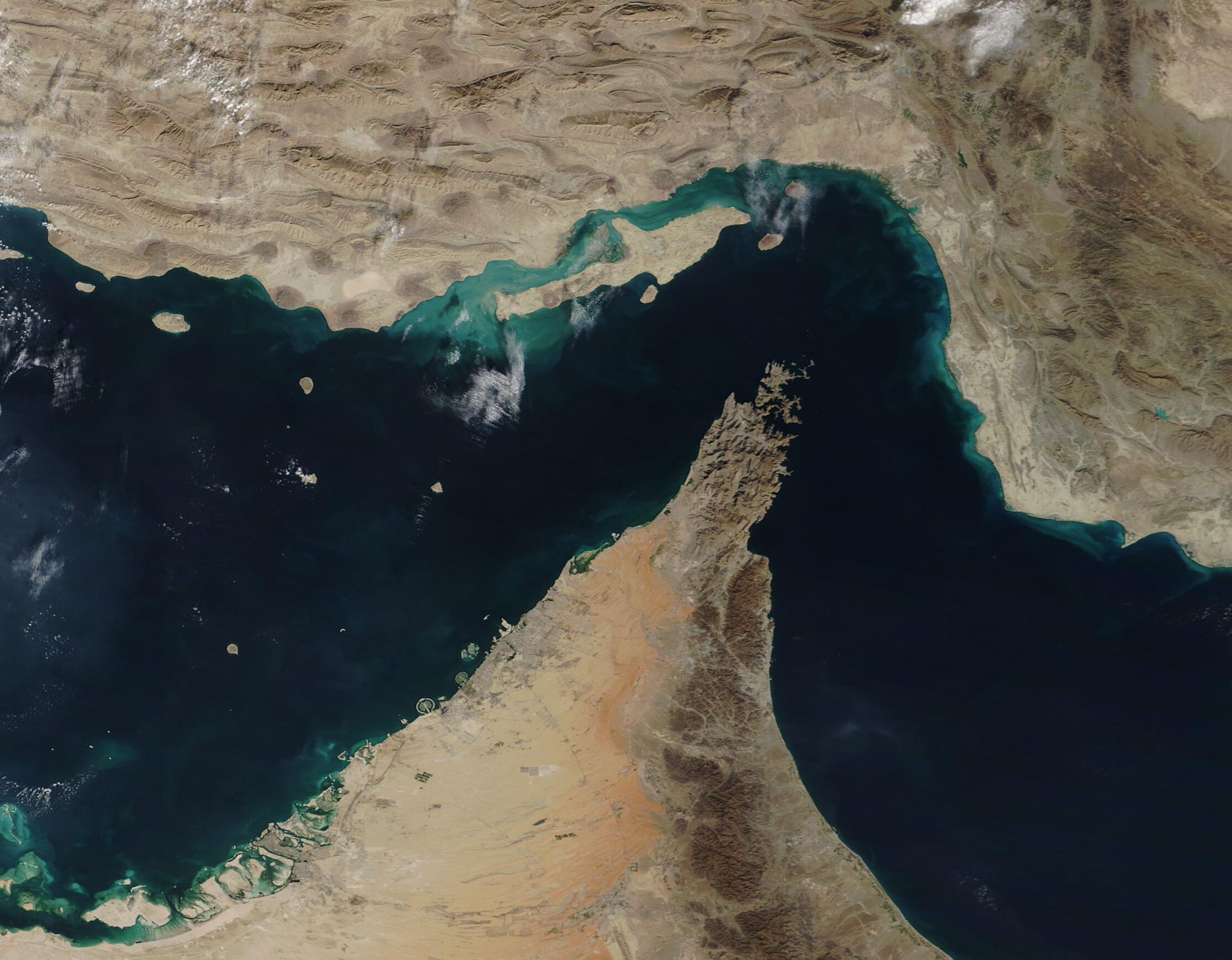
Table of Contents
- What Was Claimed on April 15 — and by Whom
- Why Would the US Deny an Agreement It May Have Made?
- The “In Principle” Pattern: Afghanistan, Yemen, and the Five-Month Gap
- What Does Ambiguity Cost Saudi Arabia Per Day?
- The Antalya Window: April 17-19
- Can Iran Deliver What Iran Agrees To?
- The Blockade as Confirmation Lever
- The June OSP Decision Cannot Wait for Diplomacy
- Frequently Asked Questions
What Was Claimed on April 15 — and by Whom
The AP report cited “regional officials” — plural, anonymous, and geographically unspecified. Not Pakistan’s foreign ministry. Not Turkey’s presidential communications directorate. Not Saudi Arabia’s state news agency. The sourcing was constructed to make attribution impossible while making the claim maximally consequential. “In-principle agreement” entered the news cycle as a near-fact with no named author.
The US denial came through CNN, attributed to “a senior US official” — also anonymous, also singular. The phrasing was precise: “The United States has not formally agreed to an extension.” The word “formally” carried the load. It left open the possibility that informal, provisional, or conditional discussions had advanced further than Washington wished to confirm publicly.
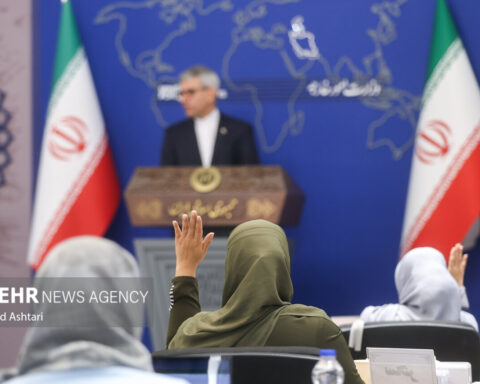
Iranian Foreign Ministry spokesman Esmail Baghaei, speaking the same day, offered what appeared to be a reciprocal softening: Iran was open to discussing the “type and level” of uranium enrichment, though enrichment itself remained non-negotiable. This was a marginal shift from the categorical refusal Iran maintained through the Islamabad talks. The timing — same day as both the AP claim and the US denial — was not incidental.
Three signals, released within hours, to three different outlets, by three different unnamed sources. Each one calibrated to pressure the other two parties toward confirmation.
The Middle East briefing 3,000+ readers start their day with.
One email. Every weekday morning. Free.
Why Would the US Deny an Agreement It May Have Made?
The denial serves at least two functions that acceptance does not. First, it preserves the coercive value of the April 22 deadline. If Washington confirms an extension, Tehran’s incentive to make concessions before the deadline evaporates. The blockade — effective since April 13, with 10,000-plus service members, 12 warships, and 100-plus aircraft enforcing it — loses its time-bound pressure. CENTCOM Admiral Brad Cooper confirmed full implementation within 24 hours. That investment does not pay returns if the deadline it backs becomes indefinitely elastic.
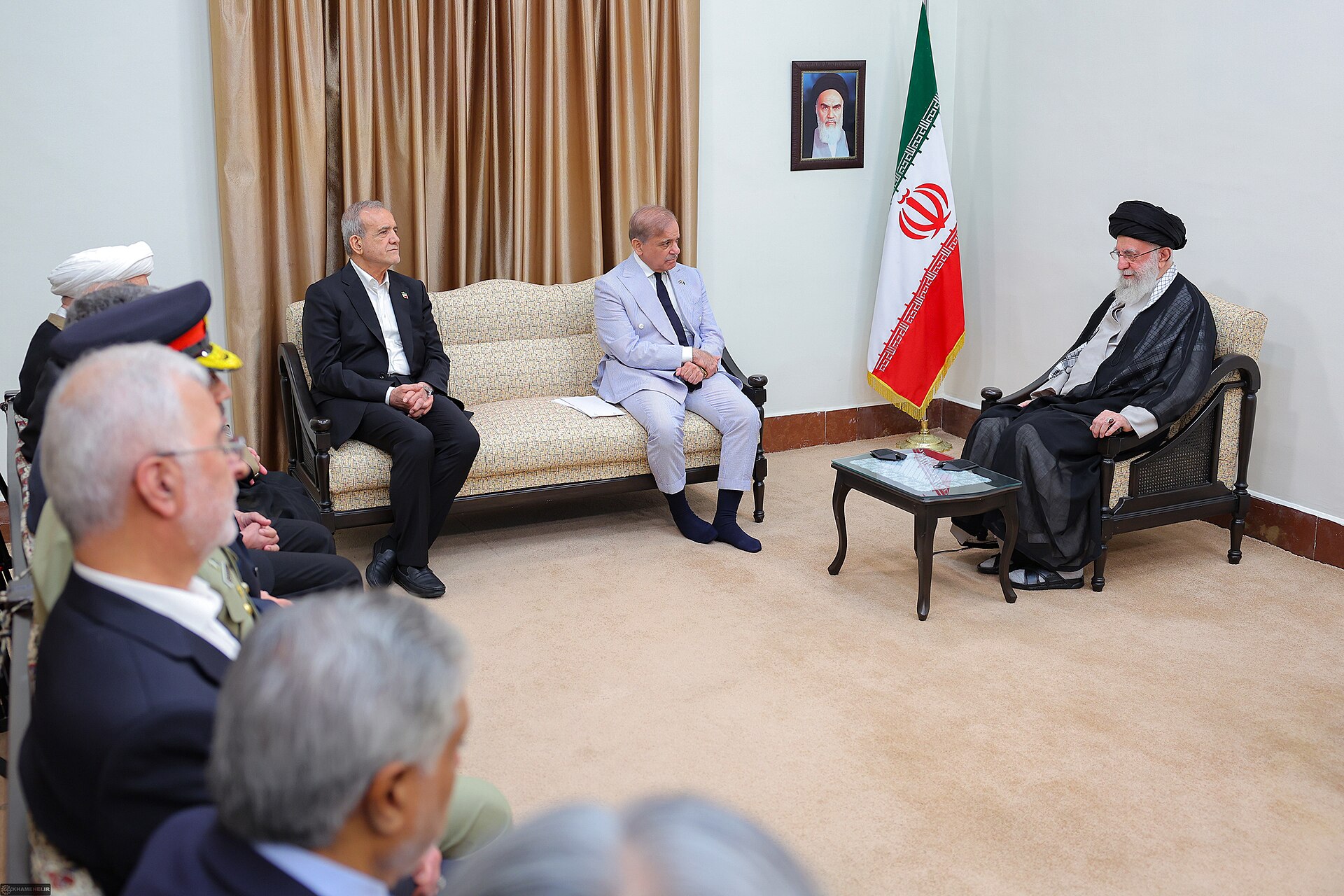
Second, the denial forces mediators to expend political capital confirming their own claim. Pakistan Prime Minister Shehbaz Sharif departed April 15 on a four-day shuttle to Saudi Arabia, Qatar, and Turkey’s Antalya Diplomacy Forum. If the extension were already agreed, that trip would be a victory lap. Instead, Sharif must now secure reconfirmation of something his officials reportedly helped negotiate — a task that costs Pakistan credibility each day it remains unresolved.
Trump himself, speaking to the New York Post on April 14, said talks “could resume in Pakistan over the next two days” and would “more likely” return to Islamabad. To AP on April 15, he added: “I think they want to make a deal very badly” and “I view it as very close to over.” Neither statement confirmed an extension. Both maintained the posture of a party that believes time pressure favors it.
The “In Principle” Pattern: Afghanistan, Yemen, and the Five-Month Gap
The phrase “in principle” has a specific history in US-mediated negotiations, and it is not reassuring for parties waiting on implementation. In September 2019, US envoy Zalmay Khalilzad announced a deal “in principle” with the Taliban after nine rounds of talks in Doha. Trump cancelled it three days later, after a Taliban attack in Kabul killed a US soldier. The gap between Khalilzad’s announcement and the final signed agreement — February 29, 2020 — was five months.
The current gap between the AP claim and April 22 is seven days.
The Yemen parallel is structurally closer. In 2023, a UN-led peace roadmap was “agreed in principle” by the Houthis and the Presidential Leadership Council. Mediators declared progress. Implementation never followed, because the Houthi political leadership’s commitment did not bind their military commanders. The authorization ceiling — political leaders agreeing to terms that armed-forces commanders refuse to execute — is the same structural problem Iran presents through the IRGC.
In both precedents, the “in principle” declaration served three functions simultaneously: it signaled progress to domestic audiences without binding the principal; it created public pressure on the reluctant party to confirm or absorb the reputational cost of killing a near-deal; and it bought mediators time and legitimacy. The anonymous “regional officials” who spoke to AP on April 15 were operating from the same playbook.
What Does Ambiguity Cost Saudi Arabia Per Day?
Saudi Arabia’s Hormuz-dependent export infrastructure processes — or processed, before February 28 — between 7 and 7.5 million barrels per day through the Strait. The East-West Pipeline to Yanbu, fully restored to 7 million bpd capacity as of April 12, feeds a port complex that can physically handle approximately 5.9 million bpd. The structural gap is 1.1 to 1.6 million bpd. Every day that Hormuz remains restricted, that gap represents revenue Saudi Arabia cannot recover through its bypass route.
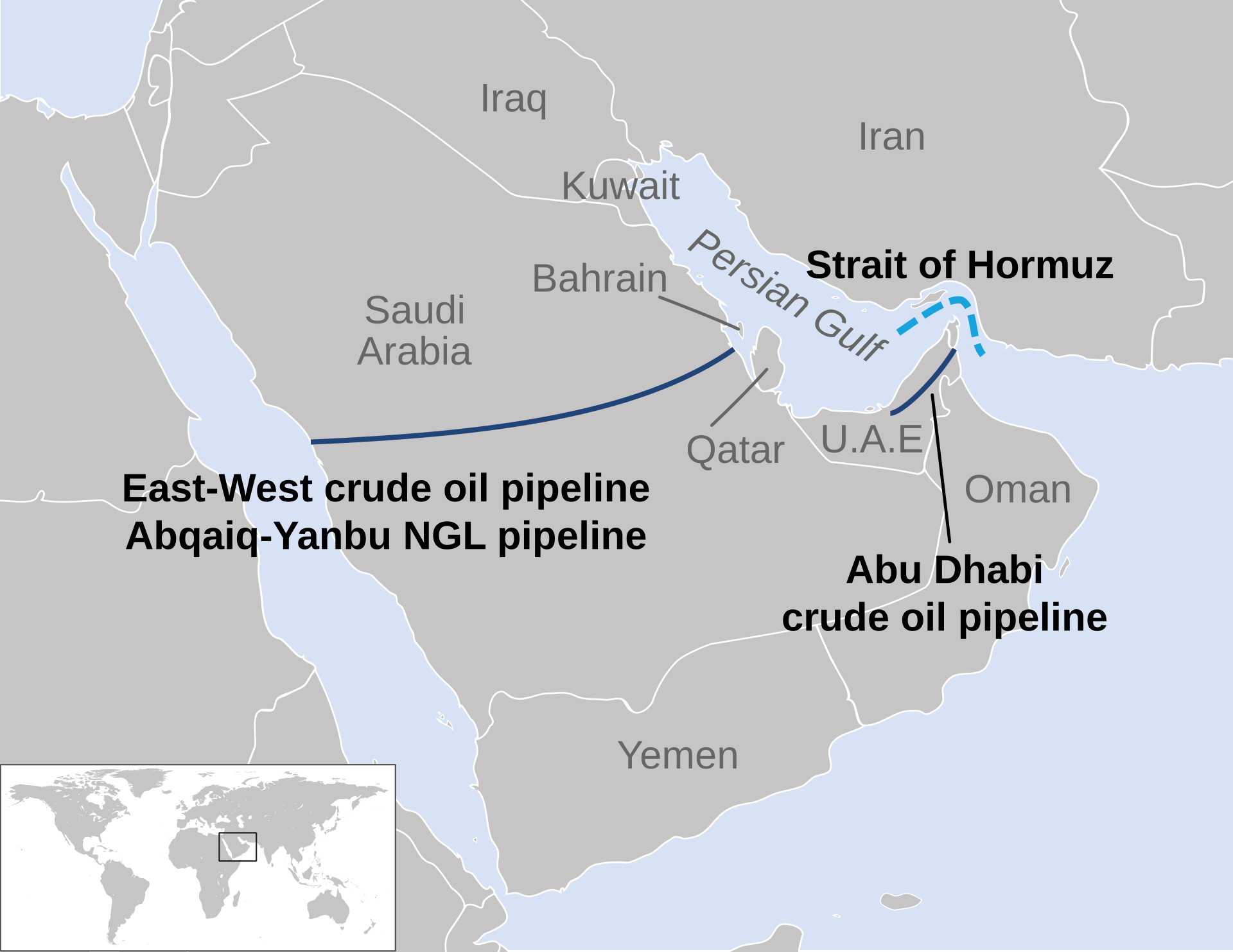
Current Hormuz throughput — approximately 10 to 15 ships per day, against a pre-war baseline of 138 — means the Strait is operating at roughly 7 to 11 percent of normal capacity. The 768 vessels active in the Gulf as of April 8 included 73 crude tankers, 144 product tankers, and 163 bulk carriers. An eToro analyst cited by CNBC on April 9 estimated six months to recover pre-war traffic levels after formal reopening. That clock cannot start until formal reopening occurs, and formal reopening cannot occur while the US and Iran disagree about whether they have agreed to extend the ceasefire that precedes it.
| Metric | Pre-War (Feb 27) | Current (April 15) | If Extension Confirmed | If Ceasefire Lapses |
|---|---|---|---|---|
| Ships per day | 138 | 10-15 | 20-30 (est.) | Near zero |
| Saudi Hormuz exports (bpd) | 7-7.5M | Minimal | Gradual increase | Zero |
| Yanbu bypass throughput (bpd) | N/A | 5.9M (max) | 5.9M (max) | 5.9M (max) |
| Structural export gap (bpd) | None | 1.1-1.6M | 1.1-1.6M (declining) | 1.1-1.6M (fixed) |
| Recovery timeline | N/A | N/A | ~6 months to full | Indefinite |
The table omits what cannot be quantified: the cost to Aramco’s commercial relationships of being unable to tell Asian term buyers whether June cargoes will load from Ras Tanura or Yanbu, whether vessels should route through Hormuz or around the Cape, and whether insurance premiums — already at wartime levels — will rise further or begin to normalize. Every day of ambiguity compounds that cost.
The Antalya Window: April 17-19
The Antalya Diplomacy Forum, running April 17 through 19, is the last viable multilateral venue before April 22. Turkey, Pakistan, Saudi Arabia, and Egypt — the same four nations whose senior officials met in Islamabad on April 14 — will have foreign ministers present. Turkish President Erdogan, speaking April 15, framed his role explicitly: “We are conveying the necessary suggestions and carrying out initiatives to ease tensions, extend the ceasefire, and maintain talks.”
Erdogan also provided the most candid public diagnosis of the impasse: “Statements by the sides show that, while the negotiation table has not been toppled, they have reached a road bump on the nuclear issue.” His phrase — “you cannot negotiate with clenched fists” — was directed at both sides simultaneously, a deliberate symmetry that cost Turkey nothing and committed it to less.
The structural problem with Antalya as a confirmation venue is that neither principal will be in the room. Vance is not attending. Araghchi is not attending. Pakistan PM Sharif’s four-day shuttle — Riyadh, Doha, Antalya — is designed to carry messages between capitals that refuse to confirm directly what mediators claim they have agreed to indirectly. UN Secretary-General Guterres told Pakistan FM Ishaq Dar that resuming talks was “highly probable.” Probable is not confirmed. Highly probable is not scheduled.
If Antalya produces a joint statement from the Quad foreign ministers endorsing the extension, that statement will carry weight with neither Washington nor Tehran unless it contains terms both have privately accepted. If it does not, April 20 arrives with 40 nations and zero confirmed chairs for the hardest conversation.
Can Iran Deliver What Iran Agrees To?
Even if the “in-principle agreement” is real — even if the US denial is tactical and Washington privately accepts an extension — the question remains whether Iran’s negotiating apparatus can bind the institution that controls the Strait. The IRGC Navy declared “full authority to manage” Hormuz on both April 5 and April 10. Araghchi was in Islamabad for the second declaration. The IRGC did not consult him before making it.
The IRGC’s independent declarations are one component of a broader denial architecture. The denial framework operates as a structural kill switch: the IRGC simultaneously denies ceasefire violations to mediators and logs the same strikes as its 95th wave of war operations — a contradiction that is the mechanism, not the malfunction.
Article 176 of Iran’s constitution requires Supreme Leader ratification for Supreme National Security Council decisions to bind the IRGC. Mojtaba Khamenei, who assumed the Supreme Leader role on March 9, has not appeared publicly in over five weeks. SNSC Secretary Ali Akbar Ahmadian’s authority to issue binding orders to IRGC Navy commanders without Mojtaba’s explicit ratification is, at minimum, legally contested within Iran’s own constitutional framework.
Major General Ali Abdollahi, commander of Khatam al-Anbiya, stated on April 14 that the blockade was “illegal” and a “ceasefire violation,” and that Iran “would not allow any exports or imports to continue in the Persian Gulf, the Sea of Oman, and the Red Sea under such conditions.” This was a three-sea escalation threat issued by a military commander, not a diplomat. It was not retracted or softened by any civilian official.
At Islamabad, SNSC representative Ali Akbar Vahidi demanded that Hossein Zolghadr — a sanctioned individual whom Pakistan could not legally host — join Iran’s delegation. Vahidi refused to include missile capabilities in the negotiating framework. These were not the actions of a government preparing to extend a ceasefire on terms acceptable to Washington. They were the actions of a security establishment testing how much its own diplomats could concede before the military vetoed the result. Pakistan’s April 16 nuclear breakthrough in Tehran — which defers Hormuz, reparations and IRGC posture entirely to Phase Two — is the latest confirmation that any deal Iran can sign is the one the IRGC’s authorization ceiling permits, not the one Saudi Arabia needs.
The Blockade as Confirmation Lever
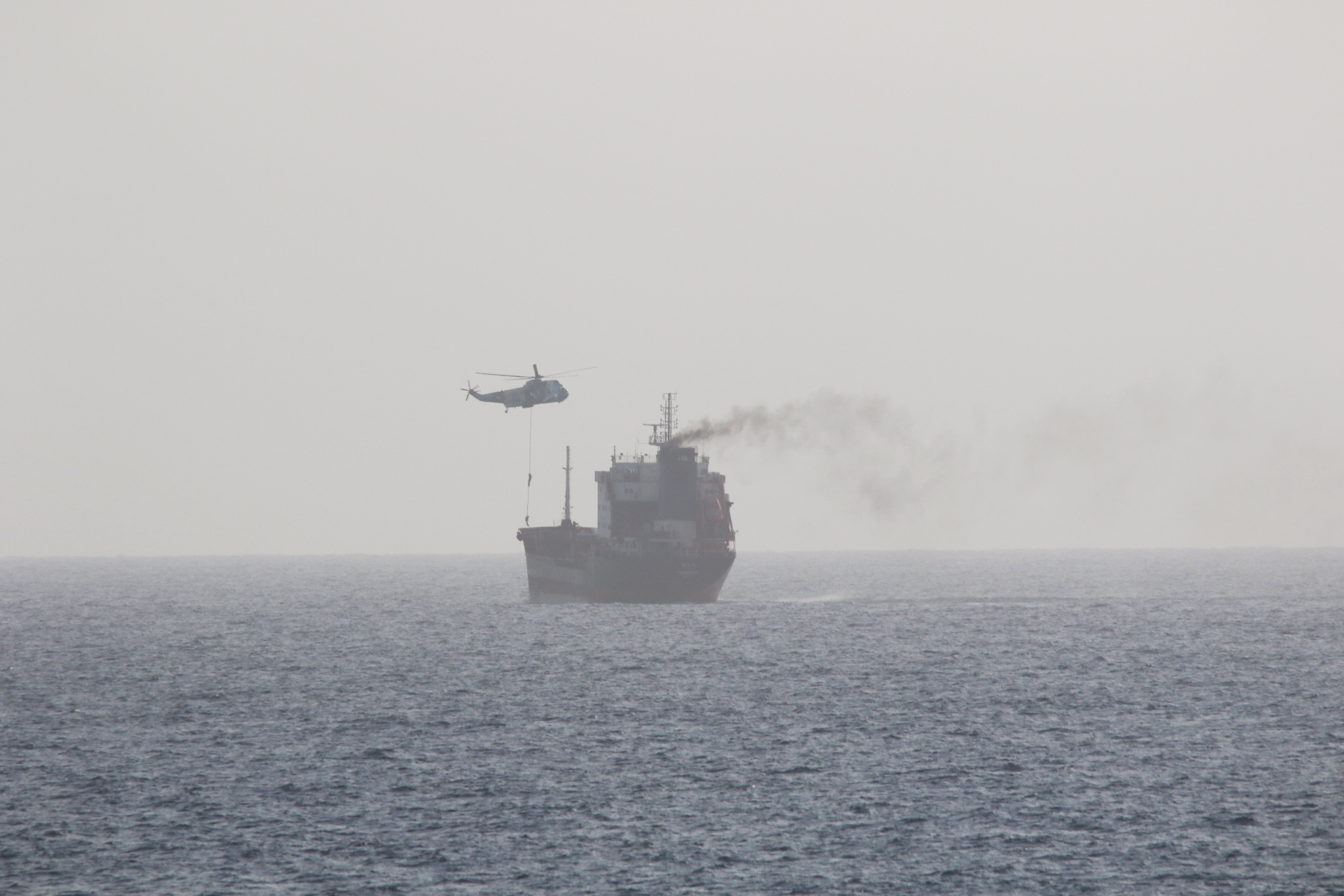
The US naval blockade, effective April 13, applies specifically to Iranian ports and vessels paying IRGC transit tolls — not to all Hormuz traffic. Six merchant vessels were redirected in the first 24 hours. The distinction matters: Washington is not closing the Strait, it is punishing Iran’s attempt to monetize it. The blockade’s coercive logic depends on a deadline. Without April 22 as a hard boundary, the blockade becomes an indefinite posture — expensive to maintain, diminishing in leverage, and increasingly difficult to justify under international maritime law.
This is why the US denial of the “in-principle” extension makes operational sense even if Washington has privately agreed to one. Confirming the extension publicly would signal that the blockade’s time-bound pressure failed to extract the concessions Vance demanded in Islamabad: end all uranium enrichment, dismantle major facilities, remove 440.9 kilograms of highly enriched uranium at 60 percent, accept a broader regional security framework, defund Hamas, Hezbollah, and the Houthis, and fully reopen Hormuz without tolls.
Iran’s Baghaei offered to discuss “type and level” of enrichment on the same day as the AP claim. That language — discussing parameters rather than accepting elimination — falls short of Vance’s first non-negotiable. But it is further than Tehran went at Islamabad, where Araghchi said the talks ended “when just inches away from an MoU” because the US introduced “maximalism, shifting goalposts, and blockade.” The blockade arrived three days after Islamabad ended. Baghaei’s softening arrived two days after the blockade.
The sequence suggests the blockade is producing marginal movement. Washington’s incentive is to maintain it — and the deadline that gives it teeth — as long as possible before confirming any extension.
The June OSP Decision Cannot Wait for Diplomacy
Aramco must finalize June Official Selling Prices approximately 30 days before the loading month — placing the effective decision window around May 5. From April 15, that is 20 days. The May OSP was set at a record premium of $19.50 per barrel above the Oman/Dubai benchmark for Arab Light to Asia, priced when Brent was at $109. Brent has since fallen to approximately $91-94. The premium is now $11 to $14 above spot — still historically elevated, but underwater relative to the price environment in which it was set.
June pricing requires Aramco to answer a question diplomacy has not resolved: will Hormuz be open, partially open, or closed when June cargoes are scheduled to load? If the ceasefire extends and Hormuz gradually reopens, Ras Tanura becomes available and the premium should compress. If the ceasefire lapses and Iran executes Abdollahi’s three-sea threat, Yanbu becomes the sole export terminal and the premium should widen — but buyers may not accept further widening when spot markets are already pricing in war disruption.
| Date | Event | Decision Dependency |
|---|---|---|
| April 15 | AP “in-principle” claim / US denial | Extension status unknown |
| April 17-19 | Antalya Forum | Last multilateral window |
| April 22 | Ceasefire expiry | Hard deadline, no extension clause |
| ~May 5 | June OSP finalization | Requires Hormuz status assumption |
| June 1+ | June cargo loadings begin | Terminal selection: Ras Tanura vs. Yanbu |
Hesham Alghannam, a Riyadh-based analyst at the Carnegie Middle East Center, captured the structural anxiety in an April 9 assessment: “There is a quiet but palpable concern that President Trump, eager for a quick political victory, could tolerate some Iranian leverage over the strait in exchange for a fragile truce, prioritising optics over Gulf realities.” Hamad Althunayyan of Kuwait University added: “The Gulf expects its interests to be represented, and included, in any deal with Iran.” UAE Permanent Representative Mohamed Abushahab was blunter at the UN: “No country should have the power to shut down the arteries of global commerce. The Strait of Hormuz cannot become a bargaining chip for Iran.”
Saudi Arabia leads neither the US-Iran track nor the mediator track for the waterway its economy depends on most. The June OSP will be set with or without diplomatic clarity. Aramco’s pricing committee does not have the option of ambiguity.
What an Extension Would — and Would Not — Resolve
If the “in-principle agreement” is genuine and both parties confirm it before April 22, the ceasefire extends. Hostilities remain suspended. The blockade’s legal basis shifts — maintaining it during an active ceasefire extension becomes harder to justify, though Washington could argue it targets pre-existing sanctions violations rather than ceasefire-related conduct.
What an extension does not resolve: the three issues that broke the Islamabad talks. Iran’s 10-point plan includes recognition of Iran’s right to enrichment (Point 6) and IRGC “coordination” over Hormuz as a treaty requirement (Point 7). Vance’s six non-negotiables include zero enrichment and Hormuz reopened without tolls or conditions. These are not positions separated by a negotiable distance. They are structural incompatibilities that an extension defers rather than bridges.
The Islamabad Accord — the original ceasefire document brokered by Pakistan on April 7-8 — contains no extension mechanism. There is no clause specifying how an extension is agreed, who must ratify it, or what happens if one party claims it exists and the other denies it. The absence of a mechanism is itself a mechanism: it forces each extension to be a new negotiation, conducted under the pressure of the approaching deadline, with mediators shuttling between capitals that will not confirm directly what they may have conceded indirectly.
Pakistan Finance Minister Muhammad Aurangzeb told AP on April 15: “Our leadership is not giving up.” Ishaq Dar, Pakistan’s deputy prime minister and foreign minister, said Pakistan would “continue to play its role to facilitate engagements and dialogue.” These are statements of intent, not confirmation of result. The gap between them and the AP’s “in-principle agreement” is the same gap the ceasefire negotiations have occupied since April 15.
Who Benefits from Seven Days of Uncertainty
The United States benefits by maintaining the blockade’s coercive weight and deadline pressure simultaneously. If the extension is real, Washington can confirm it at the moment of maximum concession extraction — perhaps at Antalya, perhaps after — and claim credit for both the blockade and the diplomacy. If the extension collapses, Washington points to Iran’s refusal and escalates from a position of demonstrated willingness.
Iran benefits by having mediators announce progress that Iran’s diplomats can cite domestically without Iran’s military being bound by it. Baghaei’s enrichment “flexibility” — discussing type and level — reads differently in Tehran if it follows a reported extension than if it follows a breakdown. The AP report provides Baghaei cover for a statement that Vahidi’s SNSC faction would otherwise characterize as weakness.
The mediators — Pakistan, Turkey, Egypt, and whatever unnamed “regional officials” spoke to AP — benefit because the report validates their relevance. Erdogan can present Turkey as the venue where the extension is confirmed. Sharif can present Pakistan as the architect. Neither has to deliver if the principals do not cooperate, because the “in-principle” framing already credits them with progress.
Saudi Arabia benefits from none of these dynamics. Riyadh is not a mediator in the process. It is not a party to the ceasefire. It is not leading either negotiating track. It is the party whose $350 billion annual oil export infrastructure depends on the answer to a question being asked in Islamabad, Antalya, and unnamed capitals by unnamed officials who may or may not have agreed to something the United States may or may not have denied.
Aramco’s June OSP deadline does not extend. The 70-plus empty VLCCs idling off Singapore — awaiting routing instructions that depend on Hormuz status — do not benefit from ambiguity. The 1.1 to 1.6 million barrels per day that Yanbu cannot process will not move through a strait whose operating status is, as of April 15, a matter of competing anonymous claims.
Frequently Asked Questions
What specific terms would an extension include that the original ceasefire did not?
The original Islamabad Accord of April 7-8 was a bare-minimum cessation of hostilities — no enrichment provisions, no Hormuz reopening timeline, no sanctions relief framework. Any extension reportedly under discussion includes at least a commitment to resume direct US-Iran talks (likely in Islamabad, per Trump’s April 14 New York Post comments), a provisional freeze on new IRGC naval actions in the Strait, and a timeline for beginning Hormuz demining — estimated at 51 days minimum based on the 1991 Kuwait benchmark for the approximately 200 square miles of sea lane affected. None of these terms have been publicly confirmed by any named party.
Has Saudi Arabia made any public statement on the extension reports?
As of April 15, the Saudi Foreign Ministry, Saudi Press Agency, and Saudi Permanent Mission to the UN have issued no public statement on the AP report, the US denial, or the extension concept. Riyadh’s silence is consistent with its posture throughout the conflict: Saudi Arabia has not joined the mediator Quad (Pakistan, Turkey, Egypt, Saudi Arabia participated at senior-official level on April 14 but has not committed ministerially to the ceasefire track), has not offered to host talks, and has communicated its Hormuz requirements primarily through GCC-level statements demanding “complete and safe reopening” without conditions.
What happens to the naval blockade if the ceasefire is extended?
The blockade’s legal framing — targeting Iranian ports and IRGC toll-collecting operations rather than all Hormuz transit — gives Washington some flexibility. The US could argue the blockade enforces pre-existing sanctions and IRGC designations independent of ceasefire status. But Iran has already declared the blockade a ceasefire violation (Abdollahi, April 14), and extending the ceasefire while maintaining the blockade would hand Tehran a credible argument that Washington is negotiating in bad faith. The Foundation for Defense of Democracies estimated the blockade’s damage to Iran at $435 million per day — a figure that creates its own deadline, separate from April 22, for Iranian decision-making.
Could the ceasefire expire without either side resuming hostilities?
Technically, yes — the ceasefire could lapse on April 22 and both sides could exercise de facto restraint without a formal extension. This was effectively the pattern in Yemen between the April-October 2022 UN truce expiry and the Saudi-Houthi direct talks that followed. But the Iran case has a complication Yemen did not: the IRGC Navy’s declared “full authority” over Hormuz operates independently of ceasefire status. IRGC commanders have maintained toll operations, vessel inspections, and selective transit denials throughout the ceasefire period. A lapsed ceasefire would remove the one remaining legal constraint on IRGC escalation — the argument that their actions violate an agreement Iran signed — without necessarily producing immediate kinetic resumption.
Why is the Antalya Forum the deadline before the deadline?
Antalya (April 17-19) is the last scheduled event where all four Quad foreign ministers — Pakistan, Turkey, Saudi Arabia, Egypt — share a physical venue with access to Western and Iranian diplomatic channels before April 22. After Antalya, the next three days (April 20-22) contain no scheduled multilateral meetings. Any extension confirmed after April 19 would need to be negotiated bilaterally or through ad hoc calls — the same format that produced the competing AP and CNN claims on April 15. The Antalya Diplomacy Forum also hosts approximately 40 nations’ representatives, providing cover for side conversations that bilateral channels cannot facilitate.