
{“content”: “
RIYADH u2014 Saudi Arabia has built direct channels to every Iranian official involved in the Iran-US MOU negotiations u2014 the foreign minister, the president, the foreign ministry spokesman u2014 except the one whose constitutional signature is required to ratify it. Mojtaba Khamenei, Iran’s Supreme Leader since March 9, communicates from an underground bunker through handwritten notes carried by motorcycle couriers, and the military council controlling access to him has been blocking reports from Iran’s own elected government.
n
n
n
The result is a structural dead end for Riyadh at the worst possible moment. With Brent at $91 and the kingdom running a Q1 deficit that has already consumed the majority of its full-year target, Saudi Arabia’s fiscal survival increasingly depends on an MOU it cannot influence u2014 because the man holding the pen sits behind a wall that even Tehran’s elected president cannot breach.
The Middle East briefing 3,000+ readers start their day with.
One email. Every weekday morning. Free.
n
n
n
n
Contents
n
n
n
- n
- The Channel Map Saudi Arabia Built After Beijing
- Who Is Mojtaba Khamenei and How Did He Get the Job?
- The Courier Chain and the Bunker
- Who Controls Access to the Supreme Leader?
- How Far Is the Current MOU Draft from Mojtaba’s Red Lines?
- The Patron of the Faction Designed to Kill Any Deal
- Why Can’t the Beijing Track Bridge the Gap?
- Saudi Arabia’s Fiscal Exposure If the MOU Collapses
- The Arafah Day Doctrine
- Frequently Asked Questions
n
- n
n
n
n
n
n
n
n
n
n
n
n
n
n
n
n
n
n
n
n
n
n
n
n
n
n
n
n
n
n
n
n
n
n
n
n
n
The Channel Map Saudi Arabia Built After Beijing
n
n
n
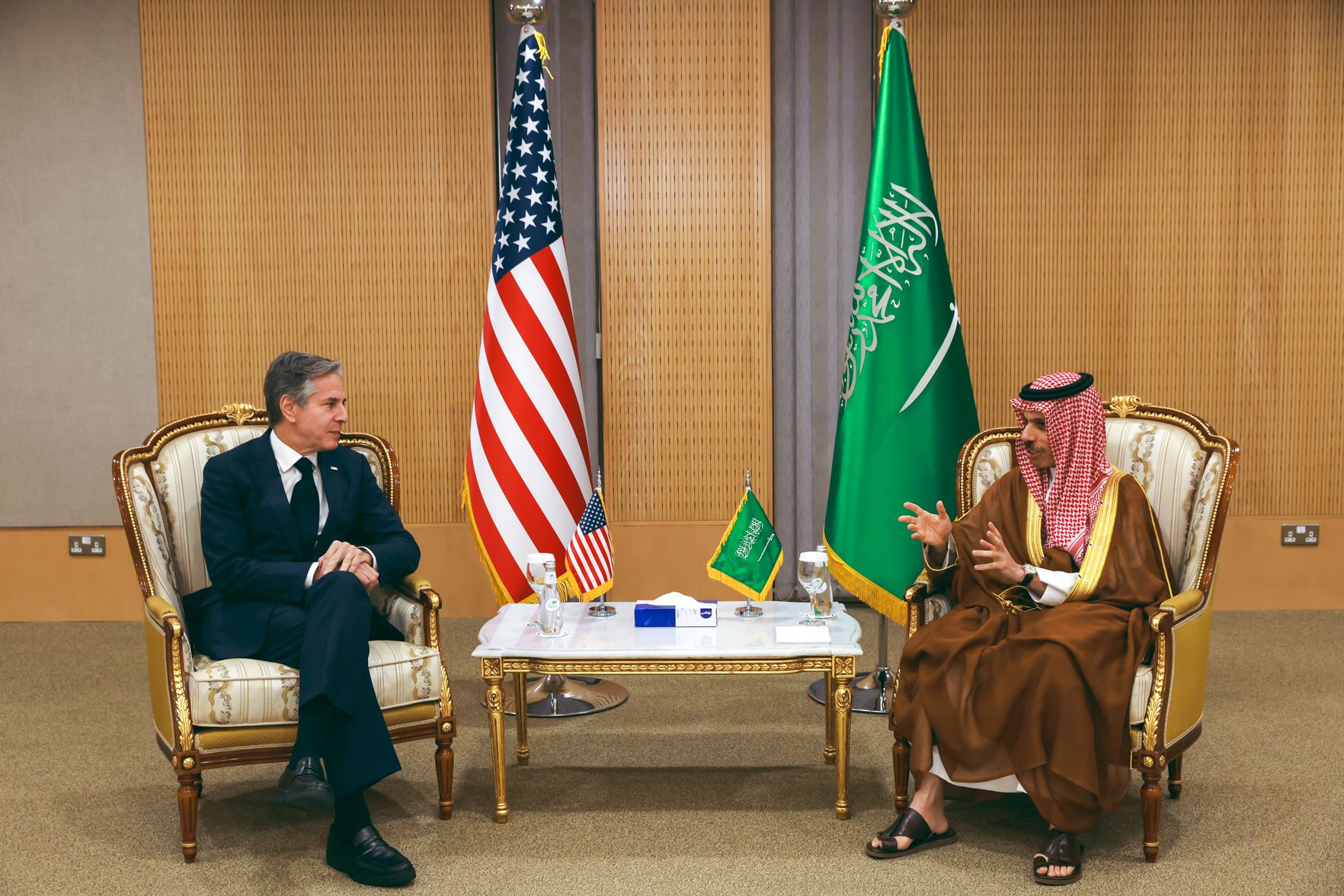
The 2023 Beijing normalization deal gave Saudi Arabia something it hadn’t had in seven years: working diplomatic infrastructure with Tehran. Foreign Minister Prince Faisal bin Farhan and his Iranian counterpart Abbas Araghchi have spoken by phone at least four times during the war u2014 April 9, April 26, May 6, and May 11, according to Al Arabiya and Mehr News. On Eid al-Adha, Crown Prince Mohammed bin Salman called President Masoud Pezeshkian directly, a conversation Iran’s foreign ministry spokesman Esmaeil Baghaei described as “purely bilateral.”
Those channels extended further than the diplomatic record shows. Running in parallel to the bilateral diplomatic track, Saudi Arabia was conducting covert RSAF strikes on Iranian soil — producing a 76 percent reduction in Iranian attacks — while Enayati publicly performed normalcy from Riyadh. The full architecture of that parallel war-and-peace track, including how it now constitutes the only remaining de-escalation framework after the MOU’s June 9 collapse, is detailed in Saudi Arabia Built a Private De-Escalation Track With Iran. The MOU’s Death Makes It the Only One Left.
n
n
n
These are real channels carrying real traffic. Bin Farhan’s May 20 statement calling to “restore Hormuz to the state prior to February 28, 2026” u2014 an implicit rejection of Iran’s permanent toll system u2014 was calibrated language delivered through a relationship that exists because of Beijing. The Saudi foreign ministry deployed its backchannel with “greater urgency” at the FM level throughout April and May, Fortune reported. On May 31, MBS placed a call to President Macron u2014 whose government co-chairs the 50-nation Hormuz coalition and maintains a direct Tehran channel u2014 using exact Hormuz dispute language in the Saudi Press Agency readout, routing Saudi Arabia’s position through French diplomatic infrastructure in a way that four FM-level calls to Araghchi cannot replicate.
n
n
n
But map the Iranian decision-making chain for MOU ratification and the ceiling becomes visible immediately. The Supreme National Security Council approves the text u2014 then sends the draft to the Supreme Leader for final confirmation. President Pezeshkian himself stated the hierarchy on May 24: “Iran makes no decision outside the framework of the Supreme National Security Council, and without the coordination and permission of the Leader.” Saudi Arabia’s four phone calls and one Eid greeting all terminate below the only tier that matters. Across five formal rounds of Iran-US negotiations, Riyadh has not been present for a single session u2014 and the man whose approval those negotiations require has no channel to Saudi Arabia either.
n
n
n
 n
nn
n
n
Who Is Mojtaba Khamenei and How Did He Get the Job?
n
n
n
Mojtaba Khamenei was not elected Supreme Leader in any conventional sense. Between March 3 and March 8, IRGC commanders conducted what Times of Israel and Iran International described as “repeated contacts and psychological and political pressure” on members of the Assembly of Experts to secure his selection. He was formally announced as Supreme Leader on March 9 u2014 barely ten days after the war began on February 28.
n
n
n
He holds the rank of Hojjatoleslam, a mid-tier Shia clerical title well below the Ayatollah status traditionally associated with the supreme leadership. He joined the IRGC at seventeen, reportedly fought in the Iran-Iraq War, and spent the decades since managing access between his father and the Guards’ senior command u2014 a gatekeeper role, not a governing one. He has published no scholarly Islamic jurisprudence. His legitimacy rests on political coalition and IRGC backing rather than clerical authority, a dependency that Alex Vatanka of the Middle East Institute framed bluntly: “Mojtaba owes his position to the Revolutionary Guards and as such he is not going to be as supreme as his father was.”
n
n
n
His first public statement came on March 12, three days after his appointment u2014 read aloud by a third party because Mojtaba did not appear or record his own voice. He vowed Hormuz would remain closed, demanded US base closures across the Gulf, and threatened destruction of regional assets if compensation was refused. Five days later, on March 17, his first formal foreign policy session produced a verdict relayed by a senior Iranian official to Al Arabiya and Reuters: this was not “the right time for peace until the United States and Israel are brought to their knees, accept defeat, and pay compensation.”
n
n
n
The Courier Chain and the Bunker
n
n
n
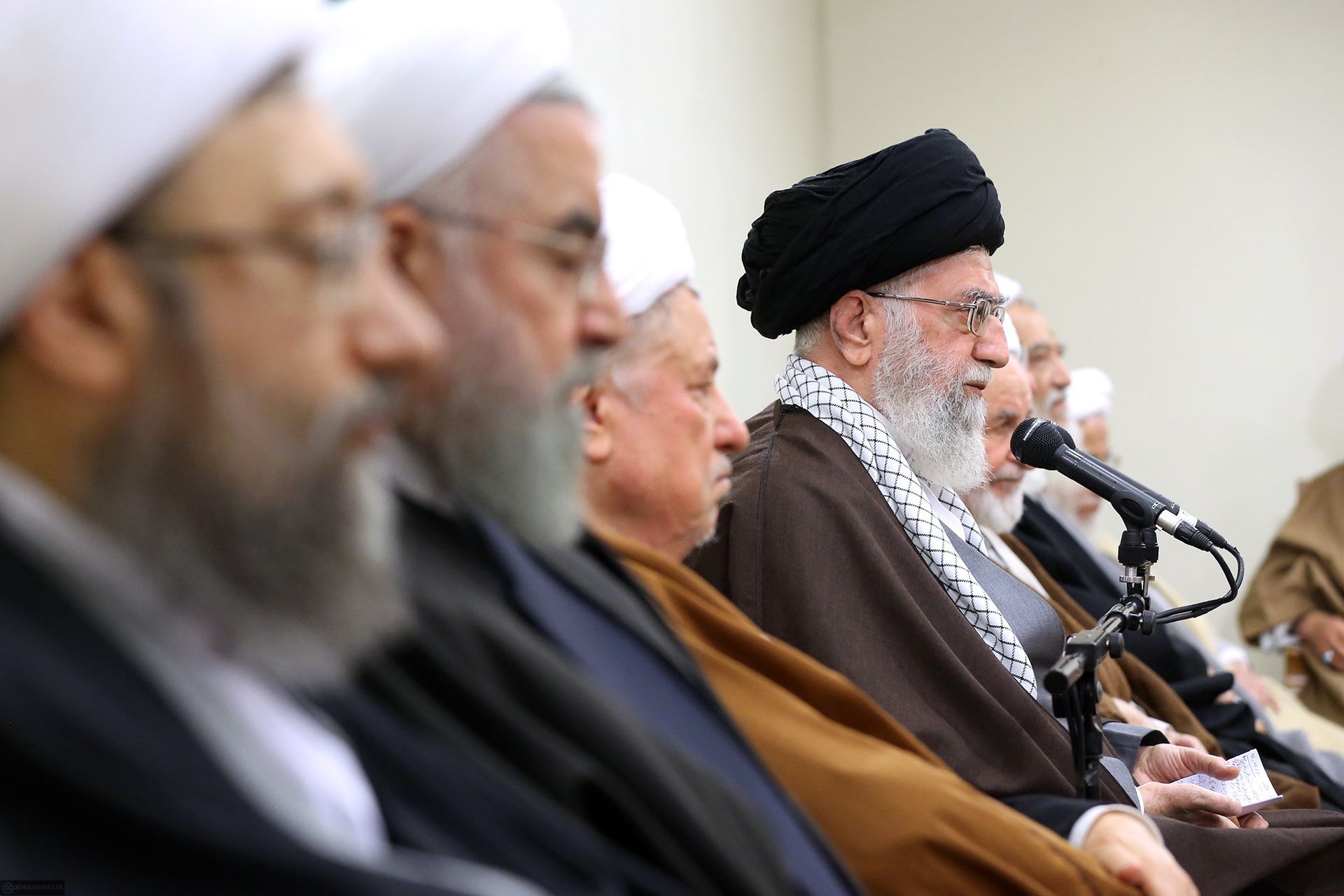
The man whose signature controls the MOU’s fate cannot be reached by phone, secure line, or encrypted message. Fox News reported on May 26 that Mojtaba is hiding in an underground bunker at an undisclosed location, injured from three leg surgeries since February 28, awaiting a prosthesis, with severe facial burns affecting his speech. Even senior Iranian officials do not know his location and cannot contact him directly.
n
n
n
Communication flows through a physical courier chain: handwritten notes sealed in envelopes, passed from handler to handler, traveling on highways and back roads by car and motorcycle. The Week and Times of Israel confirmed the same operational picture u2014 a Supreme Leader who governs through analog correspondence in a war fought with ballistic missiles and satellite-guided drones. The contrast is not merely atmospheric. It means that every decision requiring Mojtaba’s approval u2014 including MOU ratification u2014 moves at the speed of a motorcycle on a back road, filtered through intermediaries whose identities and loyalties are known only to the IRGC’s inner circle.
n
n
n
Israeli sources told the Times of Israel in May that there was “no indication” Mojtaba had approved the MOU’s terms. It is not that he has rejected them outright. It is that the infrastructure required to present them, explain them, negotiate them, and obtain his signature operates on a timeline and through a chain of custody that no external actor u2014 including Saudi Arabia u2014 can access, monitor, or accelerate.
n
n
n
 n
nn
n
n
Who Controls Access to the Supreme Leader?
n
n
n
The courier chain does not operate independently. A “military council” of senior IRGC officers controls what reaches Mojtaba and what does not. Israel Hayom and Euronews reported in April that this council has been blocking government reports u2014 meaning reports from Pezeshkian’s elected administration u2014 from reaching the Supreme Leader entirely. The stated rationale is partly operational security: officials avoid visiting Mojtaba’s location for fear of leading Israeli targeting to him. But the effect is institutional: Iran’s elected government is itself cut off from its own head of state.
n
n
n
The council’s reported composition is a “triangle of power”: Hossein Taeb, the former IRGC intelligence chief; Mohsen Rezaei, the former IRGC commander-in-chief and current Expediency Council secretary; and Mohammed Bagher Ghalibaf, the parliament speaker and former IRGC air force commander. Saudi Arabia has no documented contact with any of the three. The 2023 Beijing deal was negotiated at the national security adviser tier u2014 Ali Shamkhani for Iran, Musaad al-Aiban for Saudi Arabia u2014 but Shamkhani no longer occupies the same role under the wartime IRGC restructuring, and no equivalent channel has been established to anyone in the military council’s orbit.
n
n
n
The Gulf International Forum characterized Mojtaba’s structural role as that of a “legitimising figure rather than an executive decision-maker,” with real authority consolidated in the wartime IRGC security apparatus. Sanam Vakil of Chatham House made the same point from a different angle: Mojtaba “does not have full control and is often presented with faits accomplis” by the Guards. For Saudi Arabia, this distinction provides no comfort. Whether Mojtaba is directing the military council or rubber-stamping its decisions, his constitutional signature remains the formal requirement u2014 and Riyadh cannot reach either him or the council that controls his information diet.
n
n
n
How Far Is the Current MOU Draft from Mojtaba’s Red Lines?
n
n
n
On May 29, Iran International broke the most specific public accounting yet of the gap between the negotiated text and Mojtaba’s requirements. Mehdi Khanalizadeh, an Iranian state TV pundit with insider access to the Islamabad talks, said the current MOU draft violates eight of Mojtaba’s ten approved conditions and “contradicts the SNSC ceasefire statement.” The draft, Khanalizadeh said, differs “180 degrees” from an earlier ten-point version prepared under Mojtaba’s direct view.
n
Among those violated conditions is the nuclear sequencing framework. The loss of IAEA continuity of knowledge since February 28 means neither side can formally verify the baseline stockpile figure the MOU is written around u2014 a complication Mojtaba’s couriers will have absorbed before any draft reaches his bunker.
n
n
n
The same day, Iranian MP Abolfazl Aboutorabi told Iran International that Mojtaba’s “red lines” regarding the Strait of Hormuz, the nuclear issue, and compensation demands “had been violated in the talks.” IRGC-affiliated Tasnim reported separately that disputes over one or two provisions remained unresolved due to US “obstruction,” naming frozen assets, sanctions relief, Lebanon, and the Strait of Hormuz as the outstanding issues u2014 every one of which falls within Mojtaba’s red-line framework, as confirmed by the competing draft texts reported by Fars News and Axios. Inside Iran’s parliament, 27 hardline MPs have refused to endorse the negotiating team, and a triple-urgency bill to withdraw from the Nuclear Non-Proliferation Treaty remains frozen since February 28 u2014 institutional markers of a political system that has not authorized the concessions the current draft requires. Iran’s Tasnim counter-amendment on June 1, combined with the White House calling Iran’s own version a “complete fabrication,” creates competing documents that Mojtaba must adjudicate u2014 a fork the motorcycle courier system was not designed to navigate. When the courier window closed without a response, Iran announced a full suspension of all mediator-channel talks; Trump’s admission to NBC News that he had not been informed of the suspension confirmed that the channel Saudi Arabia cannot access had gone dark before Washington even knew it had.
n
n
n
The structural problem for Saudi Arabia extends beyond the gap itself. It exists between Mojtaba’s stated red lines and a draft negotiated by Araghchi u2014 the very official Saudi Arabia can actually reach. Araghchi negotiates. Mojtaba vetoes. And the constitutional split between Iran’s diplomatic and military tracks means that progress on the FM channel Saudi Arabia has access to reveals nothing about progress on the supreme leader channel it does not.
On June 2, Secretary of State Rubio publicly confirmed in Senate testimony that Mojtaba Khamenei is “increasingly engaging” through written intermediaries — putting the courier-chain architecture into the congressional record for the first time — and named the PGSA toll as one of four explicit US conditions for Hormuz reopening. The full account of what Rubio named and what Saudi Arabia cannot address is here.
n
The ratification blockage is compounded by a parallel track Washington is running with Jerusalem. Even as Iran’s elected government cannot bridge the gap between the MOU’s nuclear language and Mojtaba’s red lines, Trump’s Netanyahu assurance compounds the internal Iranian ratification problem — the president privately committed to Israel terms requiring full dismantlement of Iran’s enrichment infrastructure, a condition categorically beyond what the current MOU draft contains and beyond what Araghchi’s team has the authority to concede.
n
n
n
The ratification bottleneck on the Saudi side of the normalization equation operates through an equally rigid constitutional constraint: King Salman’s constitutional authority over Saudi treaty-making means that MBS cannot deliver the Abraham Accords accession Trump is demanding as a condition of the Iran deal, regardless of what the crown prince himself wants u2014 a structural dependency that mirrors the Mojtaba bottleneck on the Iranian side.
n
n
n
The Patron of the Faction Designed to Kill Any Deal
n
n
n
Before the war, Mojtaba occupied a specific role in Iran’s factional architecture that makes the current impasse structurally predictable. CNN reported on May 9 that he was “believed to be the patron” of the “Super Revolutionaries” u2014 a hardline faction that has continued throughout the negotiations to accuse Iran’s negotiating team of “insubordination to Khamenei’s red lines.” The MOU’s constitutional gatekeeper was, before the war promoted him to supreme leader, the political sponsor of the movement whose explicit purpose was to prevent any deal with the United States that fell short of maximalist demands.
n
n
n
His March 17 rejection of de-escalation proposals u2014 demanding that the US and Israel first be “brought to their knees” u2014 was not an aberration from his political formation but a direct expression of it. Vali Nasr of Johns Hopkins described Trump’s maximum pressure campaign as having “transformed Iran: hardened it, radicalized it, made it much more determined that the US cannot be trusted.” Mojtaba is the institutional embodiment of that transformation u2014 a leader who came of age inside the IRGC during the Iran-Iraq War, spent decades managing the boundary between his father and the Guards, and owed his elevation to the military apparatus whose maximalist red lines the current MOU draft violates eight ways out of ten.
n
n
n
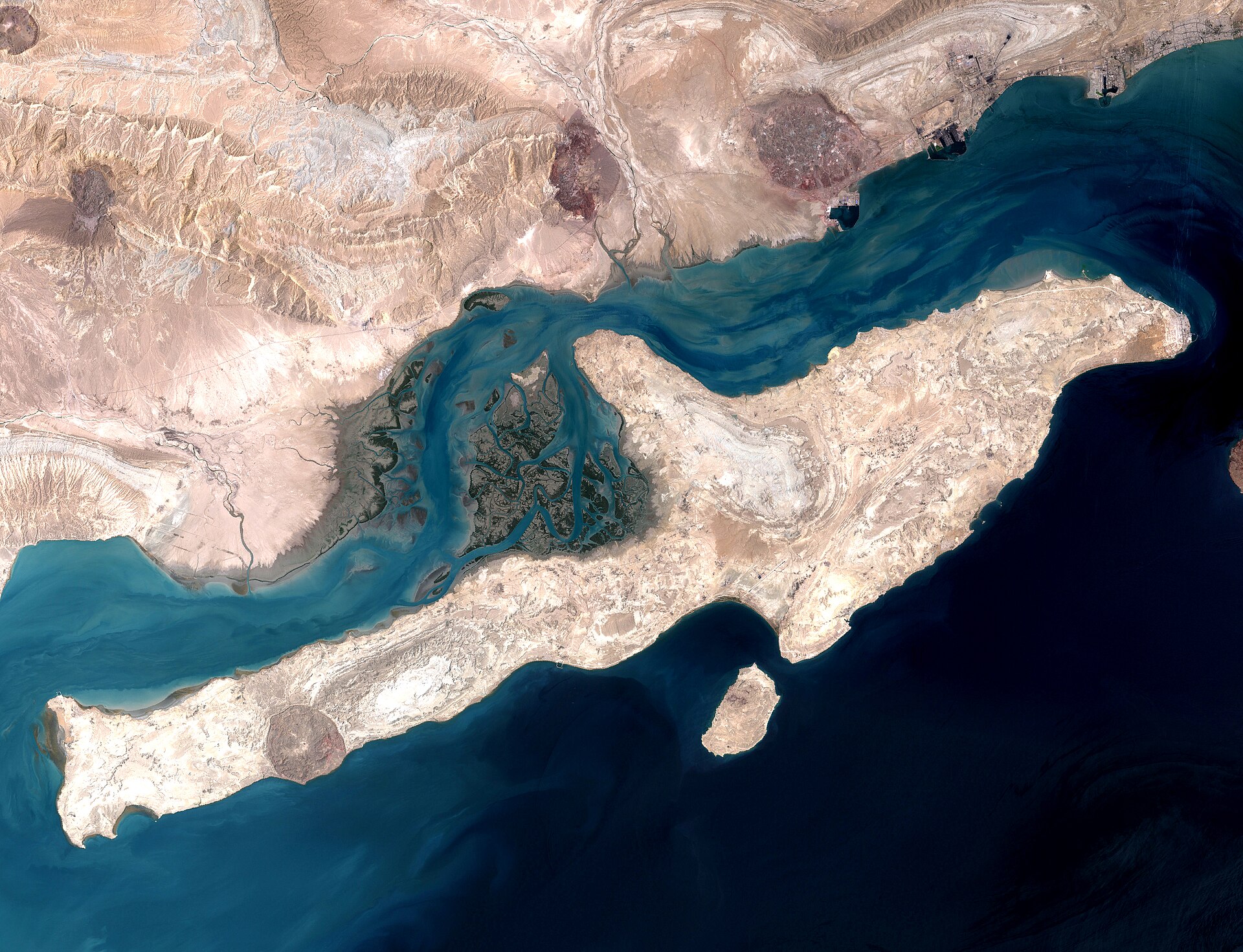
Ali Velayati, the Khamenei foreign policy adviser whose authority predates and supersedes the FM track, made the doctrinal position explicit on May 28: “Papers and signatures are not guarantees. The objective guarantee for preserving any agreement is the Strait of Hormuz.” When the senior adviser to the supreme leader explicitly declares that the physical chokepoint matters more than the negotiated text, the FM-tier channels Saudi Arabia spent three years building become a conversation with the wrong room.
n
n
n
 n
nn
n
n
Why Can’t the Beijing Track Bridge the Gap?
n
n
n
The 2023 Saudi-Iran normalization deal, brokered by China, was negotiated at the national security adviser tier: Ali Shamkhani for Tehran, Musaad al-Aiban for Riyadh. It was a genuine diplomatic achievement that restored embassies, reopened FM-level communication, and created a presidential-level channel. But it was designed for peacetime between two states that wanted to reduce tensions, and it did not create a supreme-leader-adjacent track u2014 because under Ali Khamenei, that track ran through Shamkhani himself.
n
n
n
Under the wartime IRGC restructuring, Shamkhani no longer occupies the same role that made the Beijing channel function. The national security adviser tier u2014 the one level of the Iranian system that had a direct Saudi counterpart u2014 has been absorbed into the military council structure that now controls access to Mojtaba. Saudi Arabia’s Eid call to Pezeshkian and Bin Farhan’s four wartime calls to Araghchi all operate within the FM and presidential channels that Beijing established. But Pezeshkian has made clear that the Leader’s permission bounds every Iranian decision u2014 and the Leader sits behind a courier chain that the Beijing architecture never contemplated.
n
n
n
The structural ceiling is compounded by the MOU negotiations themselves. Saudi Arabia has been absent from all five formal rounds across 106 days of talks. Baghaei’s characterization of the MBS-Pezeshkian call as “purely bilateral” was not diplomatic courtesy u2014 it was a deliberate bounding of Saudi Arabia out of any MOU-adjacent role. Riyadh’s channels let it talk about the deal. They do not let it talk to anyone who can change the deal’s outcome u2014 and the deal’s unresolved provisions, including $24 billion in frozen Iranian assets whose release sequencing remains deadlocked after Trump’s May 27 declaration of “no sanctions, no money, no nothing,” require decisions that only Mojtaba can authorize.
n
n
n
Saudi Arabia’s Fiscal Exposure If the MOU Collapses
n
n
n
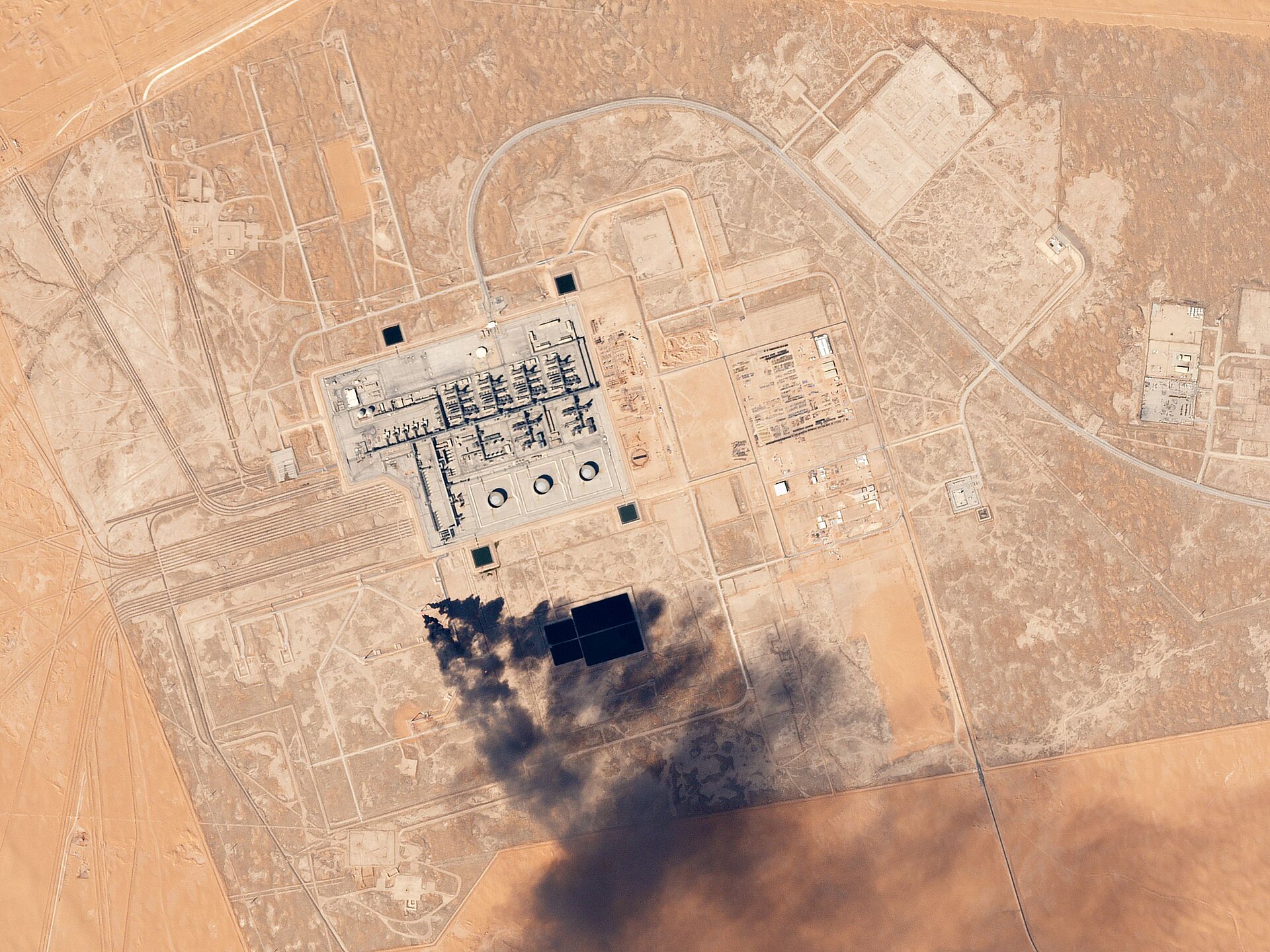
The channel gap is not an abstract diplomatic problem. It carries a price measured in tens of billions of dollars per year. Brent closed at $91 on May 29 u2014 between $17 and $20 below the $108-to-$111 PIF-inclusive breakeven that Bloomberg’s consolidated estimates require for Saudi Arabia to balance its budget while maintaining Vision 2030 spending commitments. The kingdom’s Q1 2026 deficit reached SAR 125.7 billion ($33.5 billion), consuming 76% of the full-year SAR 165 billion target in just 90 days.
Washingtonâs own urgency for a deal is visible in another metric: the US has drawn 58 million barrels from its Strategic Petroleum Reserve since February, compressing its timeline toward a Phase 1 agreement — and making the terms of that deal, which would strip the war premium from Brent, even more damaging to Saudi Arabiaâs fiscal position than the current standoff.
n
n
n
| Scenario | Brent Price | Gap vs Saudi Breakeven ($108u2013111) | Source |
|---|---|---|---|
| Current (May 29 close) | $91/bbl | $17u201320/bbl shortfall | Bloomberg |
| Goldman Sachs Q4 (MOU signed, 800K b/d Iran return) | $90/bbl | $18u201321/bbl shortfall | Goldman Sachs |
| Wood Mackenzie “Quick Peace” end-2026 | $80/bbl | $28u201331/bbl shortfall | Wood Mackenzie |
| Wood Mackenzie “Quick Peace” 2027 | $65/bbl | $43u201346/bbl shortfall | Wood Mackenzie |
n
n
n
n
Every scenario in the table leaves Saudi Arabia underwater. Goldman Sachs has revised its projection four times this year, landing on $90 for Q4 if the MOU is signed u2014 which models 800,000 barrels per day of Iranian production returning to market within six months of signature, competing directly with Saudi crude at lower prices. Wood Mackenzie’s “Quick Peace” scenario projects $80 at end-2026 and $65 through 2027. At $65 Brent, the annual revenue shortfall against Saudi Arabia’s breakeven would approach $140 to $150 billion.
That structural exposure deepens with the Arms Control Association’s June 2026 verdict: the same journal that tracks Iran’s enrichment violations has now formally documented that Washington exempted Saudi Arabia from the enrichment prohibitions and IAEA Additional Protocol requirements it has imposed on every other partner — providing Iran with a citable institutional argument against US nonproliferation credibility precisely when Washington needs that credibility to close a deal.
n
n
n
Meanwhile, Aramco’s $21.89 billion base dividend is payable June 9, and PIF’s liquid cash has fallen to $15 billion u2014 a six-year low representing just 1.6% of assets under management. PIF raised $7 billion in its largest-ever single bond issue the same month it announced a 20% spending cut. Goldman Sachs now projects a full-year deficit of $80 to $90 billion u2014 between 6% and 6.6% of GDP, a level not seen since the 2015-16 oil crash that forced $145 billion in reserve drawdowns.
n
n
n
The fiscal arithmetic creates a paradox that maps directly onto the channel gap: Saudi Arabia needs the MOU signed to stabilize oil prices and halt the cascading economic damage from the war, but the signature it needs belongs to a man it cannot contact, operating through a command chain it cannot penetrate, enforcing red lines that the current draft violates by eight out of ten measures. In the vacuum left by Trump’s Situation Room non-decision, Hegseth’s assertion from Singapore that the US is “more than capable” of restarting strikes u2014 delivered the morning after, 8,000 miles away u2014 provided the deterrence posture that an unsigned MOU cannot. The dual-track character of that deterrence became explicit on June 1, when the IRGC struck Ali Al-Salem while Iran simultaneously cleared the first vessel through Hormuz since February u2014 a compression of competing signals whose fiscal implications for the June 9 Aramco dividend are traced in Iran Opened Hormuz for Iraq and Bombed Kuwait for America on the Same Morning.
n
n
n
 n
nn
n
n
The Arafah Day Doctrine
n
n
n
Mojtaba’s most recent extended public statement u2014 a 14-page document released on Arafah Day, May 26 u2014 contained a line that functioned as a direct co-belligerency accusation against every GCC state hosting US forces, including Saudi Arabia: “Nations and lands will no longer serve as shields for American bases.” The language was not hypothetical. Prince Sultan Air Base, from which US operations have been conducted throughout the war, has been struck three times by Iranian missiles. The strikes destroyed AWACS aircraft 81-0005 and damaged ten KC-135 tankers u2014 losses CSIS catalogued alongside a 114-to-1 PAC-3 interceptor expenditure rate across the conflict. Saudi Arabia hosts 2,500 to 2,700 US personnel at the base under an arrangement that lacks a formal Status of Forces Agreement.
n
n
n
The Arafah Day statement was not addressed to Saudi Arabia’s foreign minister or to any channel Riyadh can access. It was a doctrinal declaration issued through the Supreme Leader’s office u2014 the same office whose constitutional approval is required for MOU ratification. Major General Ali Abdollahi Aliabadi, commander of the IRGC’s Khatam ol-Anbia Central Headquarters, reinforced the framework on May 24, telling Tasnim that Mojtaba’s plans to manage the Persian Gulf and the Strait of Hormuz would shape “a new regional and global order.” Nasser Arasteh, a senior Iranian strategist, was more concise in his assessment of the endgame: “The US will have no place in the Gulf.”
n
n
n
Saudi Arabia’s foreign ministry has not spoken publicly since Bin Farhan’s May 20 Hormuz formulation u2014 more than ten days of silence from the kingdom that needs the MOU signed more urgently than any other regional actor. The man who must sign it receives his briefings by motorcycle courier, in a bunker whose location even Iran’s elected president does not know.
n
n
n
Frequently Asked Questions
n
n
n
Has any Gulf state established contact with Mojtaba Khamenei’s military council?
n
n
n
No GCC state has documented contact with any member of the reported Taeb-Rezaei-Ghalibaf triangle. Oman, which maintains the closest independent relationship with Tehran, has hosted Gharibabadi u2014 the deputy judiciary chief u2014 in Muscat and is co-drafting Hormuz governance arrangements with Iran, but these contacts operate at the diplomatic and judicial tiers, not at the military council level. Qatar facilitated three of thirteen LNG shipments cleared through Hormuz under the PGSA system, but its leverage extends to commercial transit negotiations, not to the Supreme Leader’s office. The military council’s gatekeeping function appears designed to prevent exactly the kind of indirect access that Gulf states might attempt through lower-tier Iranian officials.
n
n
n
Could China reactivate the Beijing track to reach Mojtaba?
n
n
n
China brokered the 2023 Saudi-Iran deal at the national security adviser tier, but its relationship with Mojtaba’s wartime power structure is untested. Wang Yi chaired the May 26 UN Security Council session on the conflict, positioning Beijing as a mediating presence, but China’s commercial interests have diverged sharply from Saudi Arabia’s since February. Chinese crude imports from Saudi Arabia have fallen from 1.6 million barrels per day to 600,000 since the war began, with Sinopec cutting Saudi purchases from 10 million to 2 million barrels monthly in favor of cheaper Russian ESPO crude u2014 a spread now exceeding $5.50 per barrel above the semi-permanent switching threshold. Beijing’s economic incentive to pressure Iran on Saudi Arabia’s behalf has weakened precisely as the channel gap has widened.
n
n
n
What is the JCPOA precedent for supreme leader approval timelines?
n
n
n
The 2015 JCPOA required eight days from SNSC submission to Ali Khamenei’s formal endorsement u2014 a rapid timeline that reflected years of pre-negotiation between the Supreme Leader’s office and FM Zarif’s team. The current MOU lacks any equivalent pre-alignment with Mojtaba, whose ten-point conditions were reportedly prepared under his “direct view” but have since diverged 180 degrees from the negotiated text. Zarif himself revealed in a leaked 2021 tape that even during JCPOA negotiations, “diplomacy paid the price for military activities” u2014 the IRGC undermined FM positions independently. Under Mojtaba, that dynamic has been formalized through the military council’s control of his information flow, meaning concessions Araghchi makes at the table carry no guarantee of surviving the courier chain.
n
n
n
What would WINEP’s pre-war nuclear warning mean for MOU ratification?
n
n
n
Before the war, the Washington Institute for Near East Policy assessed that if Mojtaba became Supreme Leader, “he and the IRGC might decide Iran should move quickly to obtain nuclear weapons to deter future US-Israeli attacks.” If Mojtaba views nuclear capability as existential insurance rather than a negotiating chip, the enrichment provisions in the MOU u2014 reportedly among the eight violated conditions u2014 may not be a sticking point to resolve but a commitment he never intends to make. This would transform the channel gap from a communication problem into a strategic one: Saudi Arabia cannot reach a man who may have already decided that no deal is preferable to the deal on the table.
n
n
n
Has Saudi Arabia attempted indirect channels through religious institutions?
n
n
n
Saudi Arabia manages Iranian pilgrim logistics for Hajj and Umrah, and the 2026 Hajj season brought 30,000 Iranian pilgrims against a quota of 87,550 u2014 a 34% fill rate that itself reflects the diplomatic strain. The pilgrimage channel historically provided cover for backchannel contacts at the official level, but Mojtaba’s physical isolation and the military council’s information blockade have severed the connection between institutional religious contact and political decision-making access. The Hajj logistics track reaches Iran’s Ministry of Culture and Islamic Guidance u2014 the institutional gap between that ministry and a bunker accessible only by motorcycle courier is the channel gap in miniature.
n
Baqaei’s declaration on May 29 that Hormuz “had nothing to do with the US” adds a second layer to the channel gap: even if a route to Mojtaba were found, Iran’s Foreign Ministry has now closed off the US track for Hormuz governance entirely, treating the Strait as a bilateral matter between Tehran and Muscat that falls outside any agreement the negotiating teams could reach.
n
The IAEA verification gap is not only a structural obstacle but a documented fact with a datestamp. On May 31, the IAEA Board of Governors reported Iran now holds a u201crecordu201d stockpile of HEU u2014 a figure derived from projection, not inspection, because the agency has been locked out since February 28. On the same day, Trump declared on Fox News that Iran has u201cagreedu201d to forgo nuclear weapons. The channel Mojtaba controls is the channel that would have to ratify any commitment underlying that claim. Why the IAEA record finding and Trumpu2019s declaration of Iranian agreement are structurally incompatible.
n
That bunker constraint acquired a new dimension on May 31, when Trump sent back an amended MOU with toughened nuclear terms. The amended MOU now traveling through Iranu2019s counter-assassination courier network contains the Phaseu00a01/Phaseu00a02 collapse Trump demanded u2014 meaning the document Mojtaba must review is harder than any previous draft, and the 72-hour courier delay resets with each revision. The June 1 evidence confirmed the pattern: why Iran targeted Congress, not Trump, on June 1 — and what the coordinated escalation reveals about where Tehran has located the MOU’s actual obstruction. That obstruction acquired a new dimension on June 1: Iran cited Lebanon as grounds for suspending all MOU talks, inserting Netanyahu as a veto-holder in a negotiation the Saudi channels documented here cannot reach — see Trump Said Ceasefire. Katz Said No. Iran Used the Contradiction to Freeze the MOU. The ground evidence Iran cited — eight killed in Lebanon and a hospital struck in Tyre on June 2 — is documented in Trump Declared a Lebanon Ceasefire. Israel Struck a Hospital the Next Morning. The civilian authority gap that makes Mojtaba the only viable counterparty also explains why Pezeshkian’s reported resignation letter — and his denial of it — are less important than what neither document addresses: whether Iran’s civilian government retains any authority to execute a deal it signs. By June 2, that authority question had produced an answer: Reuters reported Iran was preparing a formal rejection of the MOU proposal — a step beyond suspension that confirms Mojtaba’s channel has returned a verdict, not a counter-offer. The courier architecture that makes any “next week” claim physically impossible is examined against the June 9 calendar in Trump Said Next Week. June 9 Said Otherwise.
n”}