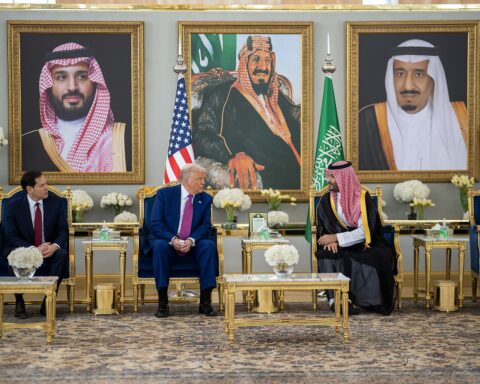
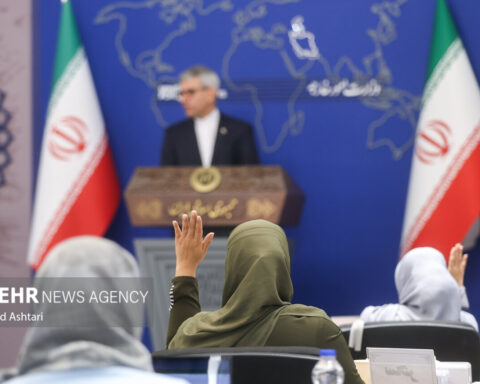
TEHRAN — Iran rejected the US-brokered Lebanon ceasefire as a stand-alone achievement on April 17 and demanded a simultaneous end to fighting across all fronts, a position that threatens to collapse the phased diplomatic framework five days before the separate Hormuz ceasefire expires on April 22. Deputy Foreign Minister statements, Parliament Speaker Mohammad Bagher Ghalibaf’s calls with Lebanese and Pakistani officials, and coordinated messaging from the Quds Force commander all delivered the same line within hours of the truce taking effect: Lebanon is not a concession received but proof that Iran’s original demand for a comprehensive regional ceasefire is now US policy.
The timing converts a 10-day truce into a structural trap. Washington designed the Lebanon deal as a sequenced win — stabilise one front, then negotiate Hormuz and the nuclear file separately. Tehran is now insisting all three tracks must resolve together, restating a demand it has held since its 10-point plan was submitted in early April. If the Hormuz ceasefire lapses on April 22 without extension, and Lebanon’s truce fractures under Israeli violations that began within hours of its start, Iran will have strategic cover to let both collapse while blaming Washington for failing to deliver on what FM spokesman Esmail Baghaei called a US commitment to stop “the war on all fronts, including Lebanon.”
Table of Contents
- Iran Claims Lebanon Truce as Its Own Victory
- What Does Iran Actually Demand?
- The Five-Day Window Before Hormuz Expires
- Why Can’t Tehran Accept a Sequenced Deal?
- Antalya and the Quad That Cannot Deliver
- The Nuclear File Nobody Is Discussing
- Background: How Lebanon Became Iran’s Lever
- Frequently Asked Questions
Iran Claims Lebanon Truce as Its Own Victory
The Lebanon ceasefire began at 5:00 PM EDT on April 16 — midnight local time — after Israeli Prime Minister Benjamin Netanyahu agreed at Trump’s personal request, with Israeli ministers reportedly learning of the deal through media reports rather than government briefing, according to Axios and the Times of Israel. The 10-day truce preserves Israel’s claimed right to military action “in self-defense, at any time, against planned, imminent, or ongoing attacks,” while Lebanon committed to “meaningful steps to prevent Hezbollah and all other rogue non-state armed groups” from striking Israel. Israeli troops remain in southern Lebanon’s security zone throughout.
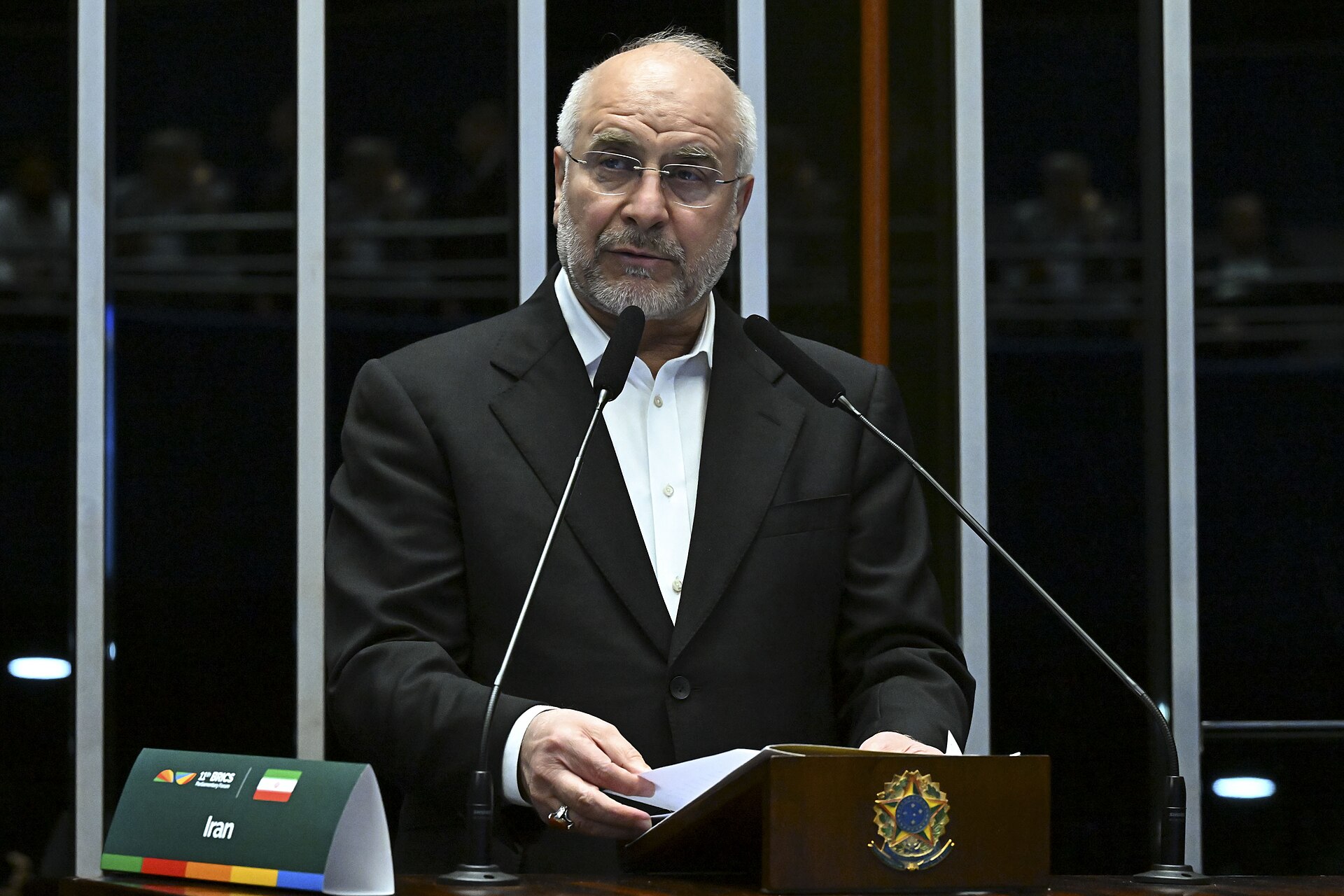
Tehran’s response was instantaneous and coordinated across every institutional channel. Ghalibaf told Lebanese Parliament Speaker Nabih Berri by phone that “for us, a ceasefire in Lebanon is just as important as a ceasefire in Iran,” according to Al Jazeera’s April 16 reporting. On X, he credited the truce entirely to “the extraordinary steadfastness of the heroes of Hezbollah and the unity of the Axis of Resistance.” Quds Force commander General Esmaeil Qa’ani reinforced the frame on PressTV, calling the Lebanon truce proof that “humiliation is impossible” and attributing it to “the steadfast resistance of Lebanon and the support of the Islamic Republic of Iran.”
No Iranian official mentioned Trump, the United States, or any diplomatic process in connection with the ceasefire. The erasure was systematic. FM spokesman Baghaei’s statement recast the truce as fulfilment of Pakistan’s mediation framework: “Halting the war in Lebanon is an inseparable part of the proposed ceasefire understanding put forward by Pakistan, and as the prime minister of that country explicitly announced, the United States has committed to stopping the war on all fronts, including Lebanon.” The formulation is precise — it converts a bilateral US-Israeli-Lebanese deal into evidence that Washington already accepted Iran’s comprehensive demand.
What Does Iran Actually Demand?
Iran’s deputy foreign minister stated on April 17 that Tehran rejects any temporary ceasefire arrangement and seeks “a comprehensive end to the war across the region,” according to Al Jazeera’s liveblog. This is not a new position. Iran’s 10-point plan, submitted in early April, listed Lebanon cessation as Point 10 alongside war reparations, sanctions lifting, and Iranian “coordination” authority over the Strait of Hormuz under Point 7. The Lebanon demand was the structural spine of that original negotiating position, not an improvised response to Trump’s deal.
The Middle East briefing 3,000+ readers start their day with.
One email. Every weekday morning. Free.
Ghalibaf made the linkage explicit in his message to Pakistani mediators on April 17, calling Lebanon “an inseparable part of the comprehensive ceasefire” and warning that US actions could “prevent measures from reaching a result,” as reported by the Tribune India. FM Abbas Araghchi had already laid the groundwork on X on April 9: “The Iran-US Ceasefire terms are clear and explicit: the US must choose — ceasefire or continued war via Israel. It cannot have both.” The logic chain is internally consistent. Iran treats every front — Lebanon, Hormuz, the nuclear file — as a single negotiation, and any US attempt to resolve them sequentially is framed as bad faith.
Daniel Byman of CSIS and Georgetown University described the pattern in his 2026 analysis: Iran pursues “multiple concurrent objectives rather than sequentially: nuclear program advancement, proxy support, territorial compensation demands, and strait control claims — all presented as non-negotiable ceasefire conditions rather than tiered negotiating positions.” The description maps precisely onto Tehran’s post-Lebanon behaviour. By refusing to let Lebanon be resolved independently, Iran forces Washington into a choice between accepting a comprehensive deal on Tehran’s terms or watching the sequenced approach disintegrate one track at a time.
The Five-Day Window Before Hormuz Expires
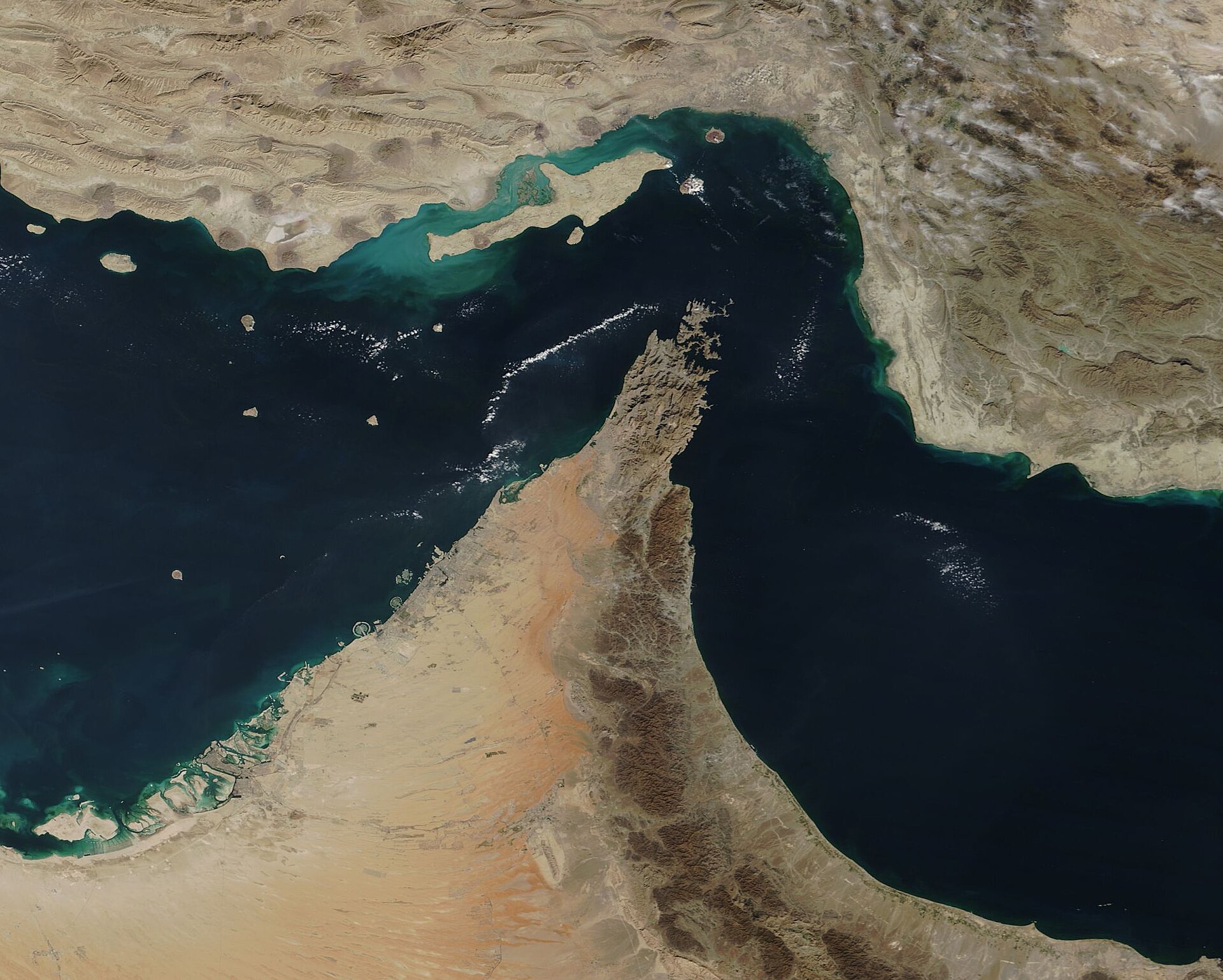
The arithmetic is unforgiving. The Hormuz ceasefire expires on April 22, five days from the date of this report. As of April 15, both sides gave “in principle” approval to an extension, according to Bloomberg, but neither has formally confirmed it. The White House has not formally requested an extension, and Iran’s FM spokesperson denied reports that one was under discussion. General Munir, Pakistan’s army chief and the ceasefire’s sole enforcement mechanism, visited Tehran on April 15-16 and met Ghalibaf on April 16, but no date has been confirmed for a next round of talks.
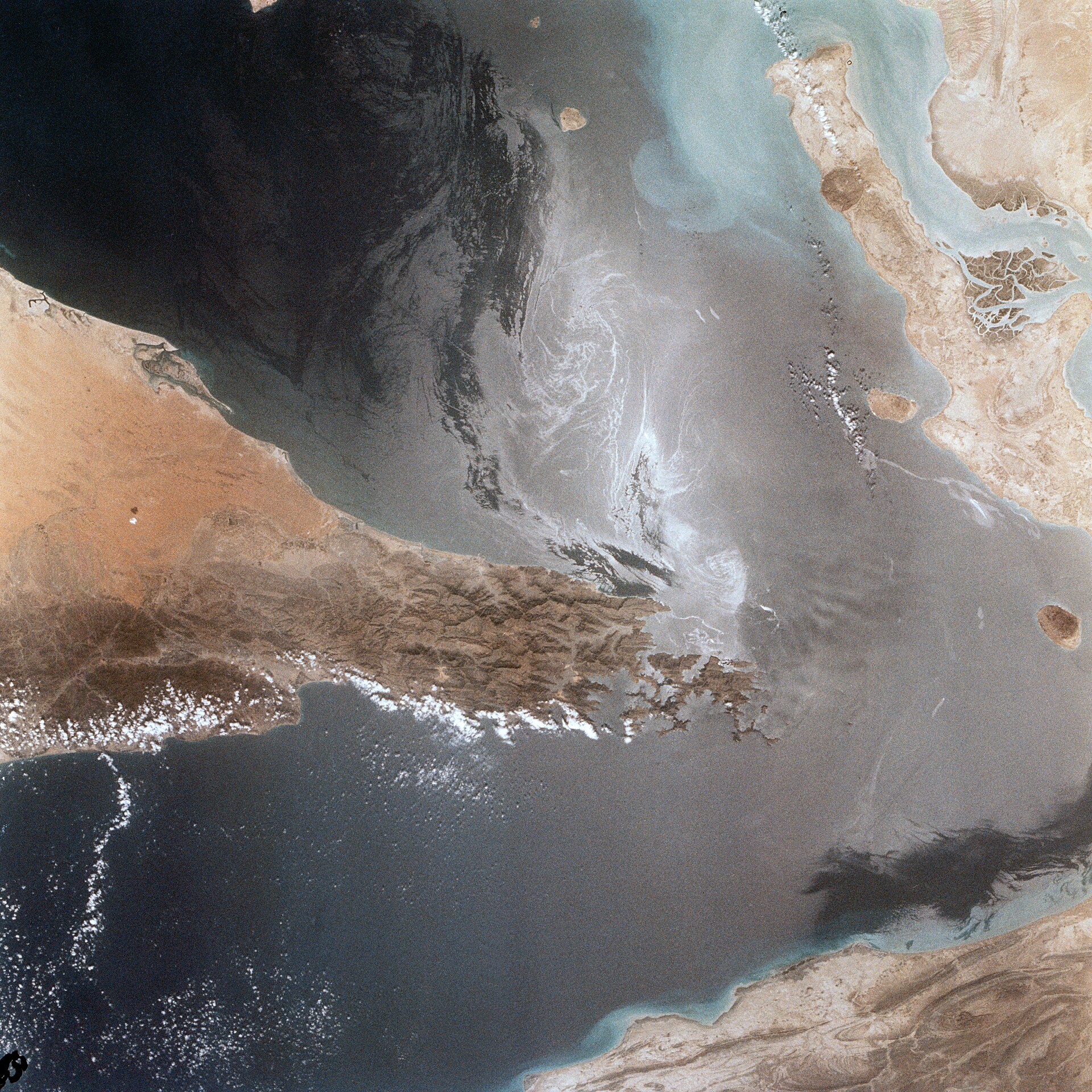
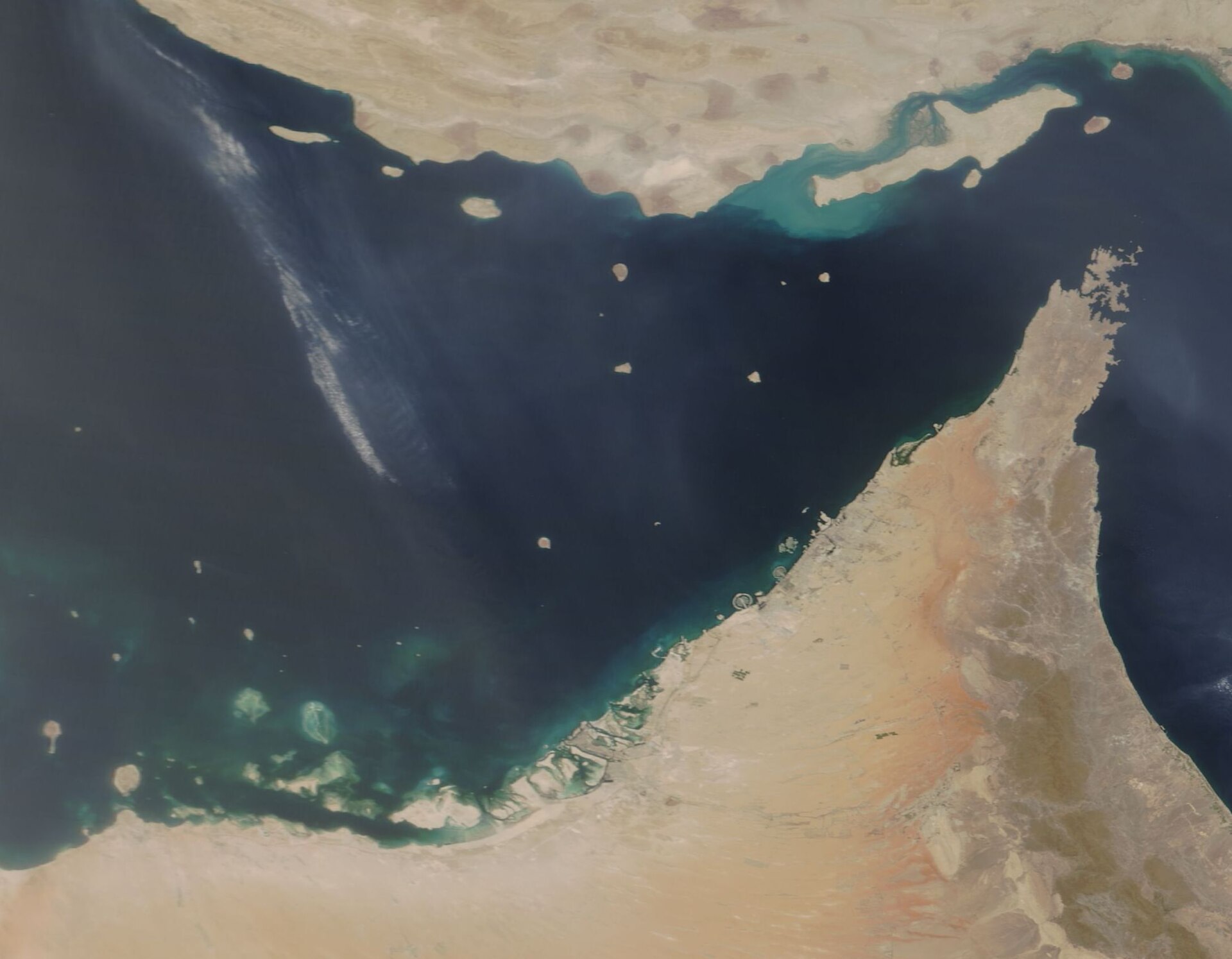
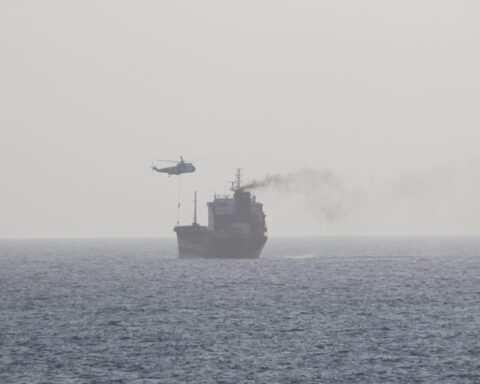
Hormuz commercial traffic tells the story of what is at stake. Pre-war, the strait handled roughly 21 million barrels per day across 20 or more daily transits. Current traffic runs between 6 and 17 transits per day. Between April 6 and April 13, 50 of 72 total transits used the IRGC toll route at more than $1 million per ship, according to Bloomberg and Lloyd’s List Intelligence. The toll architecture — which Iran established unilaterally after declaring “full authority” over the strait — generates revenue that Tehran has no incentive to surrender without extracting maximum diplomatic value.
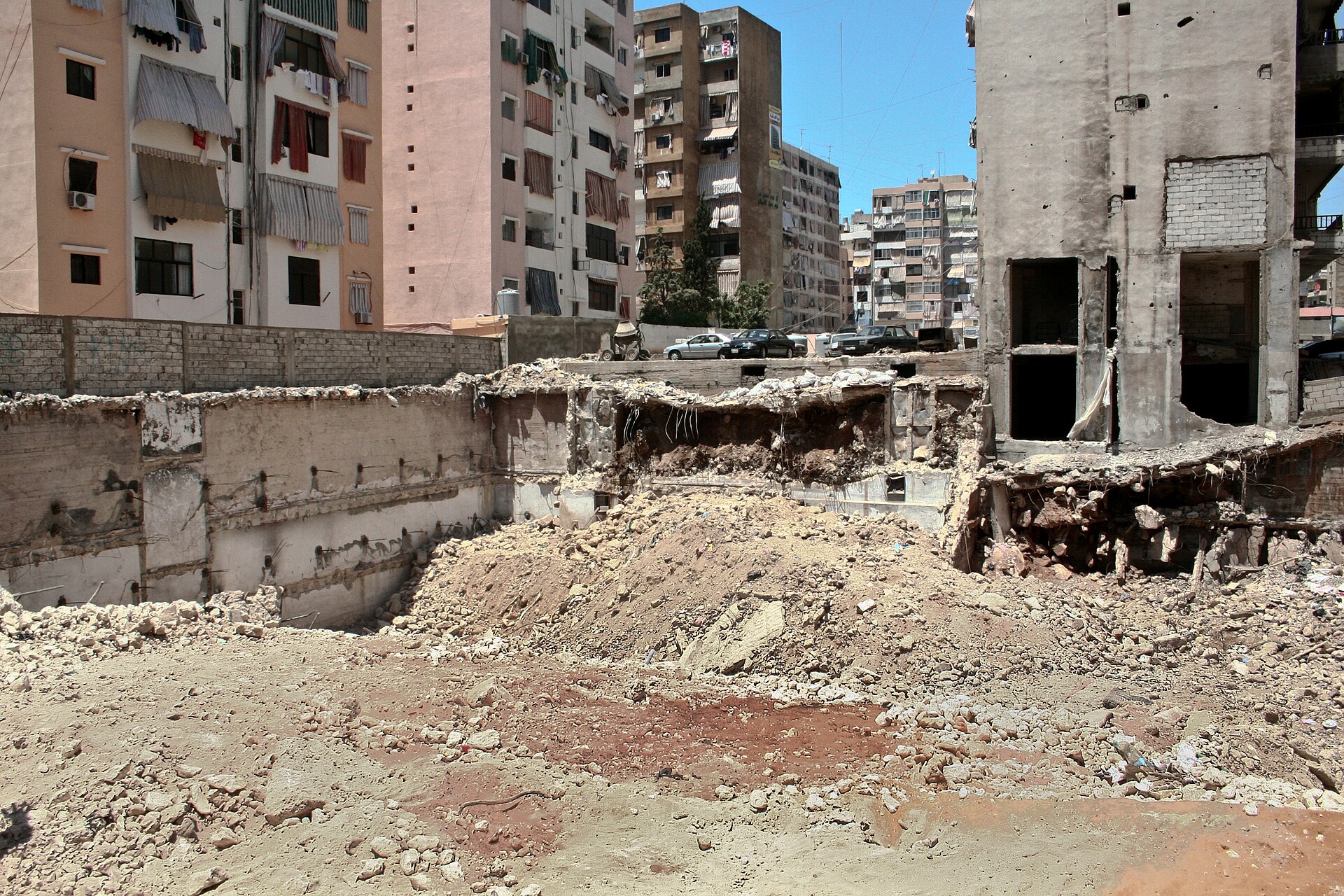
Lebanon’s ceasefire is already fraying. Hezbollah was not a formal signatory and expressed only “conditional acceptance,” warning that Israel’s continued military presence in southern Lebanon “justifies continued resistance,” according to CBS News reporting on April 17. The Lebanese army reported “a number of violations” including Israeli attacks within hours of the ceasefire start. French President Emmanuel Macron said the truce “may already be undermined.” If the Lebanon truce fractures before April 22, Iran has cover to let the Hormuz ceasefire expire without extension — framing the lapse as Washington’s failure to deliver on its supposed commitment to stop fighting on all fronts.
Why Can’t Tehran Accept a Sequenced Deal?
The structural answer is that no one in Tehran has the authority to accept one. Supreme Leader Ali Khamenei has been absent from public view for more than 44 days. His son Mojtaba has reportedly communicated only by audio, not in person. Under Article 110 of Iran’s constitution, the president has zero authority over the IRGC, and President Masoud Pezeshkian publicly accused SNSC secretary Ali Akbar Ahmadian’s predecessor Ahmad Vahidi and Khatam al-Anbiya commander Abdollahi of being “ceasefire wreckers” — the officials who constrained Araghchi’s mandate before the Islamabad talks even began.
This is what House of Saud has previously termed the authorization ceiling: the gap between what Iran’s diplomatic corps can negotiate and what the IRGC will permit. Even if Pezeshkian or Araghchi wanted to accept the Lebanon truce as a stand-alone win and negotiate Hormuz separately, they cannot compel IRGC compliance. Vahidi controls the operational apparatus, and Ghalibaf — who commanded the IRGC Aerospace Force from 1997 to 2000 and was called “the mastermind of the missile cities” by his former subordinate Hajizadeh, according to NBC News — is running the diplomatic track from the IRGC’s institutional memory, not the foreign ministry’s.
The comprehensive-ceasefire demand serves the IRGC’s internal logic. A sequenced approach would require Iran to make concessions on one track without guarantees on the others — surrendering Hormuz toll revenue before the nuclear file is resolved, or accepting a Lebanon outcome before Israeli withdrawal from southern Lebanon is formalised. The simultaneous-resolution demand keeps all bargaining weight bundled together, which is the only configuration that protects the IRGC’s institutional interests across every domain it controls.
Antalya and the Quad That Cannot Deliver
The Antalya Diplomacy Forum opened on April 17, and Turkish Foreign Minister Hakan Fidan used the platform to call for Hormuz to reopen “as soon as possible,” according to the Daily Sabah. Turkey explicitly stated that any Middle East ceasefire should include Lebanon — aligning, perhaps inadvertently, with Iran’s comprehensive framing. On the forum’s sidelines, the foreign ministers of Turkey, Pakistan, Saudi Arabia, and Egypt convened as a quadrilateral, though no outcomes have been announced.
Saudi Arabia’s public posture has been careful. The Kingdom “welcomed” the Lebanon ceasefire in an MFA statement on April 16, commending Lebanese President Joseph Aoun, Prime Minister Nawaf Salam, and Speaker Berri, with no caveats and a focus on Lebanese state sovereignty and Hezbollah disarmament. Behind the scenes, the picture is different: Middle East Eye reported, citing US, Western, and Arab officials, that MBS told Trump directly that the Lebanon ceasefire was critical to reopening Hormuz. Riyadh wanted Lebanon resolved not as an end in itself but as a precondition for the negotiation that actually matters to Saudi oil exports.
Iran’s comprehensive demand inverts that Saudi logic. If Lebanon is inseparable from Hormuz, then the Lebanon truce does not clear the path to Hormuz negotiations — it adds another variable that must hold simultaneously. The Hajj security corridor opens April 18, one day from this report. The ceasefire expires April 22, four days before the Lebanon truce’s own April 26 expiry. Pakistan’s $5 billion Saudi deposit, maintained as of April 16 according to Arab News, keeps Islamabad financially tethered to Riyadh’s priorities, but General Munir’s April 15-16 Tehran visit produced no confirmed next steps. The quad in Antalya can issue communiqués, but it cannot compel the IRGC to unbundle its demands.
The Nuclear File Nobody Is Discussing
Iran’s comprehensive demand does not merely link Lebanon to Hormuz — it folds in the nuclear programme, the track where the gap between the two sides is widest and most dangerous. The Islamabad talks collapsed on April 12 after 21 hours, with the enrichment file as the central failure. The US demanded a 20-year moratorium on enrichment; Iran countered with five years. Washington sought physical removal of highly enriched uranium from Iranian soil; Tehran offered only “monitored down-blending.” MV Ramana, a nuclear physicist at the University of British Columbia, told Al Jazeera on April 14 that he could not “discern any technical reasons for either 20 or five years” — the gap is political, not scientific.
The material stakes are large enough to explain Iran’s refusal to negotiate the tracks separately. IAEA Director-General Rafael Grossi confirmed in April 2026 that Iran’s stockpile of 440.9 kilograms of uranium enriched to 60 per cent is theoretically sufficient for more than 10 nuclear warheads. Iran has no incentive to negotiate that stockpile away on one track while the other two — Lebanon and Hormuz — remain unresolved and could collapse at any moment. The bundled demand is not merely a negotiating tactic; it is a structural requirement for a state that believes conceding on any single track without guarantees on the others would leave it permanently weaker.
Iran’s reframing of the Lebanon truce as fulfilment of a pre-existing US commitment transforms any subsequent US attempt to negotiate Hormuz or the nuclear file independently into a betrayal of terms Washington supposedly already accepted. The phased framework requires Iran to treat each track as separable. Tehran has spent the past 24 hours making clear it will not.
Background: How Lebanon Became Iran’s Lever
The 2026 Lebanon war has killed 2,196 people and displaced more than one million Lebanese residents, according to the Lebanon National News Agency via Al Jazeera. Hezbollah’s role as Iran’s most capable non-state partner made Lebanon a natural inclusion in Iran’s 10-point plan, which treated the conflict not as a bilateral Israeli-Lebanese matter but as one front in a regional war that includes Iran’s direct conflict with the United States over Hormuz and the nuclear programme.
The Islamabad talks on April 11-12 demonstrated how Lebanon functions as a structural blocker. Iran conditioned the meeting on a Lebanon ceasefire; Israel struck Beirut the night before the talks opened. The talks collapsed with Araghchi reportedly telling counterparts they were “inches away” from a memorandum of understanding before the US delegation walked out, as previously reported by House of Saud. That outcome was predetermined by the authorization ceiling: Vahidi had constrained the delegation’s mandate before negotiations began.
Ghalibaf’s emergence as the lead interlocutor with both Lebanese officials and Pakistani mediators signals that the IRGC’s institutional memory — not Araghchi’s foreign ministry — is running the diplomatic track. When Ghalibaf tells Berri that Lebanon is “just as important as a ceasefire in Iran,” he is not making a diplomatic gesture. He is stating the IRGC’s operational requirement that no front be resolved without the others.
Frequently Asked Questions
Has Hezbollah formally accepted the Lebanon ceasefire?
No. Hezbollah issued a statement of “conditional acceptance” but was not a formal signatory to the truce. The group warned that Israel’s continued military presence in southern Lebanon’s security zone “justifies continued resistance.” Israeli troops remain in the security zone under the ceasefire terms, which means the condition Hezbollah set for full acceptance — Israeli withdrawal — is structurally impossible within the 10-day truce window. The Lebanese army reported violations including Israeli attacks within hours of the ceasefire’s midnight start on April 16-17.
What happens if no Hormuz ceasefire extension is agreed by April 22?
The IRGC’s “full authority” declaration over Hormuz predates the ceasefire and would remain in effect, with the toll architecture likely intensifying. The US naval blockade on Iranian ports, effective since April 13, would also remain in place. Saudi Arabia’s bypass capacity through the East-West Pipeline to Yanbu handles 4-5.9 million barrels per day against a pre-war Hormuz throughput of roughly 7-7.5 million barrels per day, leaving a structural gap of 1.1 to 1.6 million barrels per day that cannot be replaced without the strait.
Why did Saudi Arabia welcome the Lebanon ceasefire without caveats?
Riyadh’s public statement focused on Lebanese sovereignty and Hezbollah disarmament — standard Saudi positions. But Middle East Eye reported that MBS privately told Trump the Lebanon ceasefire was critical to reopening Hormuz, suggesting Saudi Arabia views the truce instrumentally rather than as an end in itself. The Kingdom’s Antalya engagement through the Turkey-Pakistan-Saudi-Egypt quadrilateral reflects the same priority: using multilateral channels to pressure Iran toward Hormuz reopening, which is the track that directly affects Saudi oil exports and fiscal stability.
Could the Antalya quadrilateral break the deadlock?
The Turkey-Pakistan-Saudi-Egypt foreign ministers’ meeting on the sidelines of the Antalya Diplomacy Forum has produced no announced outcomes. Turkey’s public call for Hormuz to reopen and its inclusion of Lebanon in any ceasefire framework aligns with Iran’s comprehensive demand, potentially complicating rather than simplifying the sequenced approach. Pakistan’s General Munir remains the closest thing to an enforcement mechanism, but his April 15-16 Tehran visit produced no confirmed date for next talks, and Islamabad’s room to push is constrained by the $5 billion Saudi deposit that keeps it financially aligned with Riyadh while serving as Iran’s primary diplomatic interlocutor.
What is the enrichment gap and why does it matter for the Lebanon demand?
The US proposed a 20-year enrichment moratorium; Iran countered with five years. MV Ramana of the University of British Columbia told Al Jazeera there are no technical reasons to prefer either figure — the gap is political. That political nature is exactly why Iran will not negotiate the nuclear file in isolation: accepting a 20-year moratorium without locking in Lebanon and Hormuz outcomes simultaneously would leave Tehran permanently weaker on all three tracks without any sequenced guarantee. The removal-versus-down-blending dispute compounds this — physical removal of enriched uranium from Iranian soil is irreversible, which makes it the kind of concession Iran will not make piecemeal.
On April 17, that simultaneous-resolution demand was restated at FM-deputy level when Khatibzadeh told reporters at Antalya that Iran “is not accepting any temporary ceasefire” — the same day his minister declared Hormuz open. How the Araghchi–Khatibzadeh contradiction of April 17 provides further context on the internal Iranian division behind the simultaneous-resolution demand is examined in Iran’s FM Declared Hormuz Open. His Deputy Said No.