
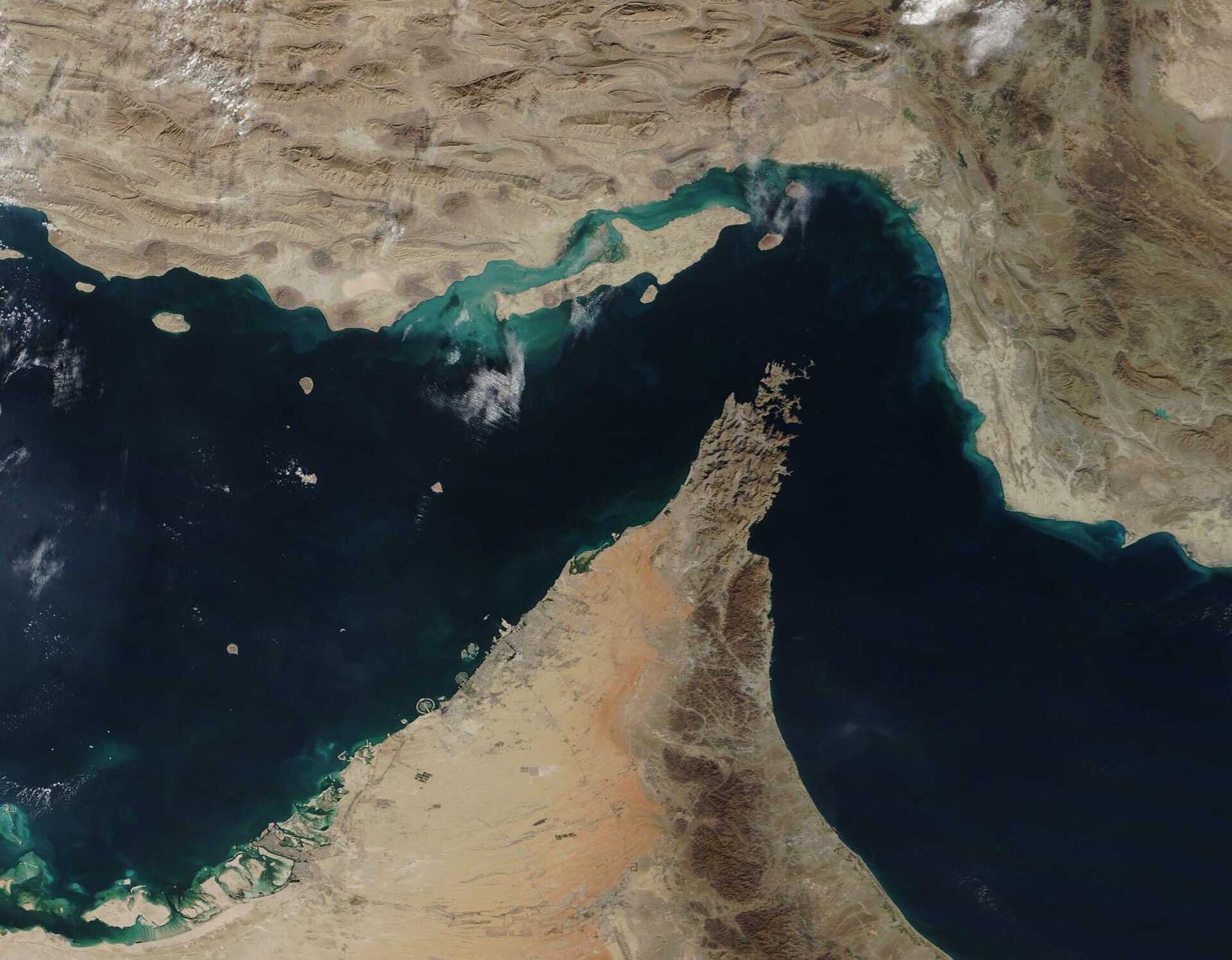
TEHRAN — Iran’s supreme leader praised his navy on Telegram on April 18 while IRGC gunboats fired on two Indian-flagged tankers in the Strait of Hormuz — vessels that had already received IRGC clearance to transit. The intercepted audio from the Sanmar Herald’s crew tells you everything the ceasefire analysis has been getting wrong for six weeks: “You gave me permission to go… You are firing now!”
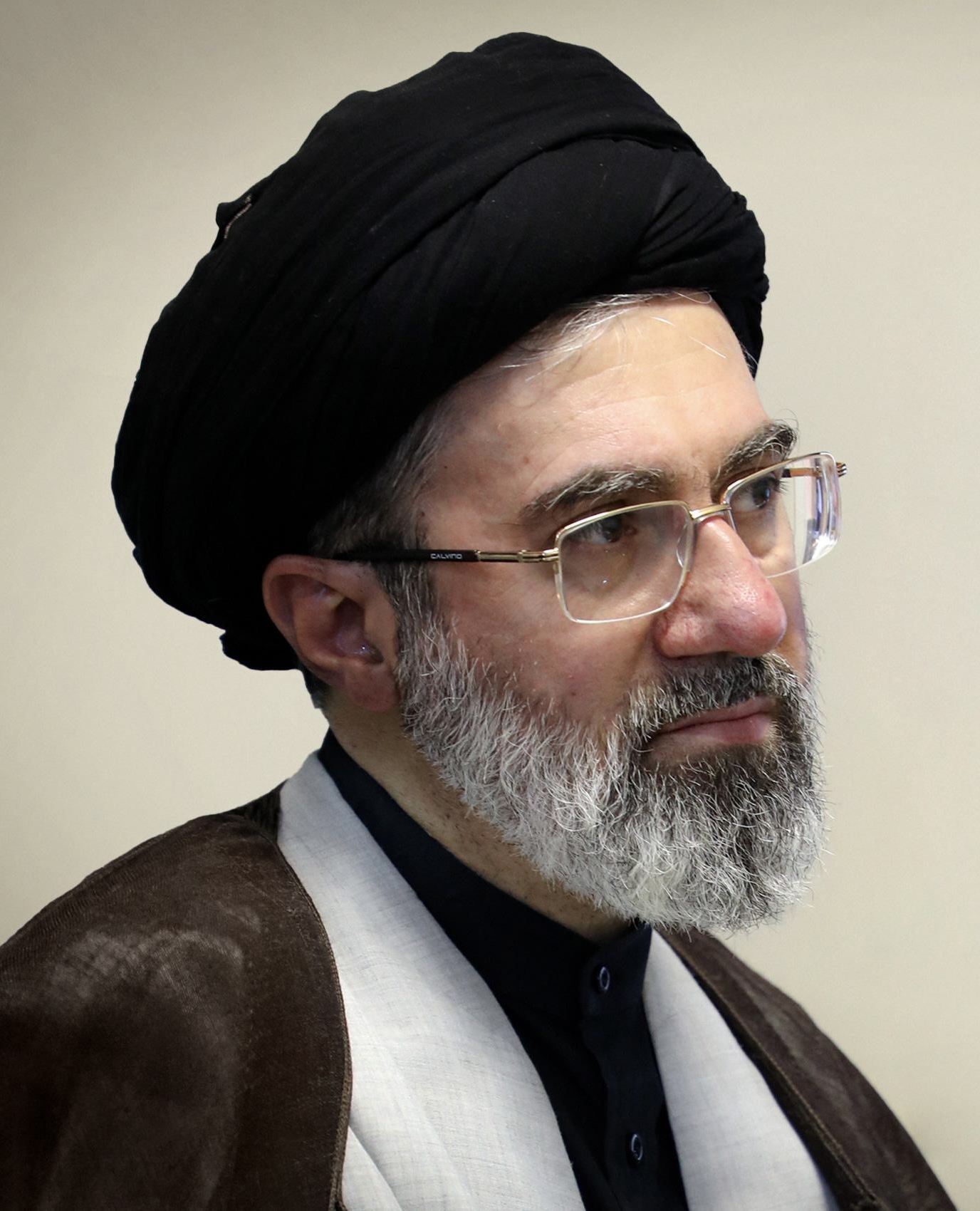
Mojtaba Khamenei has been Iran’s functioning head of state for forty days. He has issued four written statements, ordered a ceasefire, reversed it, and is now authorising kinetic operations against commercial shipping in the world’s most contested waterway, all without appearing in public once. The framing that dominated Western analysis of the ceasefire collapse — a “command vacuum,” an “authorization ceiling,” a leaderless IRGC freelancing while an incapacitated supreme leader recovers in Qom — was always structurally convenient, and it is now demonstrably wrong.
Table of Contents
Four Statements, Zero Appearances, Full Command
The Assembly of Experts elected Mojtaba Khamenei as Iran’s third supreme leader on March 9, 2026, following a session that ran March 3–8 after his father Ali Khamenei’s assassination on February 28. It was the first hereditary succession in the Islamic Republic’s history, and the IRGC Intelligence Organization made sure it went their way — eight Assembly members announced boycotts, citing what IranWire described as “heavy pressure” targeting members and their families (IranWire, March 2026). The elder Khamenei had reportedly opposed his son’s succession, which made the whole exercise a kind of constitutional coup dressed in clerical formality.
Mojtaba sustained severe injuries in the February 28 airstrike that killed his father. Reuters reported, citing three sources including a US intelligence official, that he suffered severe facial disfigurement and damage to one or both legs — one source said he may have lost a leg entirely (Reuters/EADaily, April 11, 2026). He has been in Qom, approximately 87 miles south of Tehran, since the strike. The Iranian Foreign Ministry called the health reports false, which is the kind of blanket denial that tends to confirm the broad outlines of what it’s denying.
What matters is not his physical condition but his decision-making output. Reuters’ sources confirmed he “retains mental clarity” and “participates in meetings with high-ranking officials via audio conferencing and continues to make important decisions, including those related to peace negotiations” (Reuters/EADaily, April 11, 2026). His first written statement, read by a PressTV news anchor on March 12 over a still photograph, contained language that left no ambiguity about Hormuz policy: “The lever of blocking the Strait of Hormuz must definitely continue to be used” (Iran International/PressTV, March 12, 2026). The same statement warned of “the opening of other fronts in which the enemy has little experience and is highly vulnerable,” and promised their activation “if the state of war continues and if it serves our interests.”
On April 8, he issued a written ceasefire directive via state television: “This is not the end of the war, but all military units must obey orders and uphold the ceasefire” (Israel Hayom, April 8, 2026). Axios confirmed this was the first time since the war began that Mojtaba had directed negotiators toward a deal. On April 9 — the 40th day after his father’s death, a date of ritual weight in Shia mourning — he called Iran’s war performance “astonishing to the world,” vowed compensation for “every single damage inflicted,” and warned that Hormuz would enter a “new phase” (Al Jazeera, April 9, 2026). Then came April 18.
The Middle East briefing 3,000+ readers start their day with.
One email. Every weekday morning. Free.
What Happened on April 18?
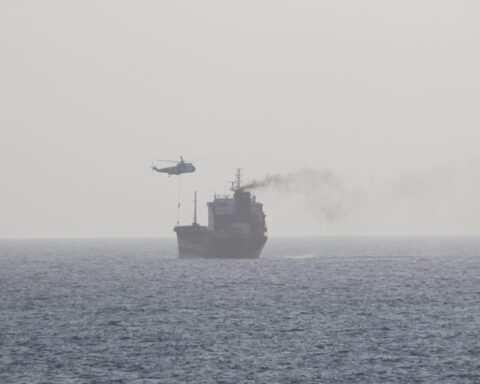
April 18 is Iranian Army Day, and Mojtaba used it. His Telegram statement landed with the kind of language that reads differently depending on what the IRGC was doing at the time he posted it: “Iran’s brave navy stands ready to make the enemies taste the bitterness of new defeats. In the same way that the drones of Iran’s Army strike the US and the Zionist murderers like lightning, its valiant navy is also ready to inflict new bitter defeats on its enemies.” The same day, IRGC gunboats fired on the Sanmar Herald and the Jag Arnav — both Indian-flagged tankers — without radio warning (NBC News live blog, April 18, 2026; Al Jazeera, April 18, 2026).
The crew audio intercept from the Sanmar Herald makes the sequence impossible to misread. The vessel had received IRGC transit clearance before the shooting started. That is not a rogue unit acting without orders — it is an operation designed to demonstrate that clearance itself is revocable, that every passage through Hormuz happens at the supreme leader’s pleasure, and that the supreme leader is currently displeased.
“You gave me permission to go… You are firing now!”
— Crew member, Sanmar Herald, audio intercept reported by NBC News, April 18, 2026
The IRGC then declared the Persian Gulf a targeting zone and announced that Hormuz would remain closed “until Supreme Leader Mojtaba Khamenei ordered it to open” (NBC News live blog; PBS NewsHour, April 18, 2026). That formulation — explicitly subordinating reopening authority to the supreme leader by name — makes the relationship between the firings and the command structure a matter of public record, not analytical inference.
The sequencing matters because it dismantles the argument that the IRGC is operating in the gap left by a disabled leader. Mojtaba praised the navy. The IRGC fired on ships it had cleared. The IRGC then declared the strait closed pending Mojtaba’s personal order. This is not a vacuum — it is a chain of command operating exactly as Article 176 of Iran’s constitution requires, with the supreme leader’s confirmation giving military operations legal force.
Why the “Authorization Ceiling” Was Always the Wrong Frame
The “authorization ceiling” thesis — articulated in detail in this publication’s earlier analysis of the IRGC Navy’s “full authority” declarations — rested on a reasonable observation taken to an unreasonable conclusion. The observation: Mojtaba Khamenei had not appeared in public, had issued statements only in writing via intermediaries, and was recovering from injuries severe enough that a US intelligence official told Reuters he may have lost a leg. The conclusion: Iran’s supreme leader was functionally incapacitated, the IRGC was freelancing without constitutional authorization, and the ceasefire impasse was a bureaucratic accident produced by a broken command structure.
Article 176 of Iran’s constitution requires every Supreme National Security Council decision — including military operations — to receive “confirmation by the Supreme Leader” before it carries legal force (UANI/SNSC constitutional explainer). The IRGC commander-in-chief reports directly to the supreme leader, not through the president or civilian government. When President Pezeshkian accused IRGC Secretary Vahidi and Major-General Abdollahi of wrecking the Islamabad talks, he was simultaneously confirming that he, as president, has zero authority over the IRGC chain of command — and that the chain of command runs upward to someone who does.
That someone has now issued a ceasefire order (April 8) that the military obeyed, a reversal (April 9’s “new phase” warning) that the military obeyed, and a navy endorsement (April 18) that coincided precisely with kinetic action against commercial shipping. If Mojtaba lacked the capacity to authorize military operations, the ceasefire itself would never have happened — Axios reported it was “the first time since the war began” that the supreme leader had directed negotiators toward a deal. A leader capable of ordering a ceasefire is capable of ordering its violation. The authorization ceiling never existed as an analytical concept; it existed as a way of avoiding the harder conclusion, which is that the person in charge is choosing escalation.
Alex Vatanka of the Middle East Institute captured the dynamic that the ceiling thesis missed entirely: “Mojtaba owes his position to the Revolutionary Guards and as such he is not going to be as supreme as his father was” (multiple outlets, March 2026). That is the opposite of a vacuum — it is a supreme leader whose structural incentives all point toward endorsing IRGC hardline positions, because his survival in office depends on the institution that put him there.
The IRGC Made the King, and the King Knows It
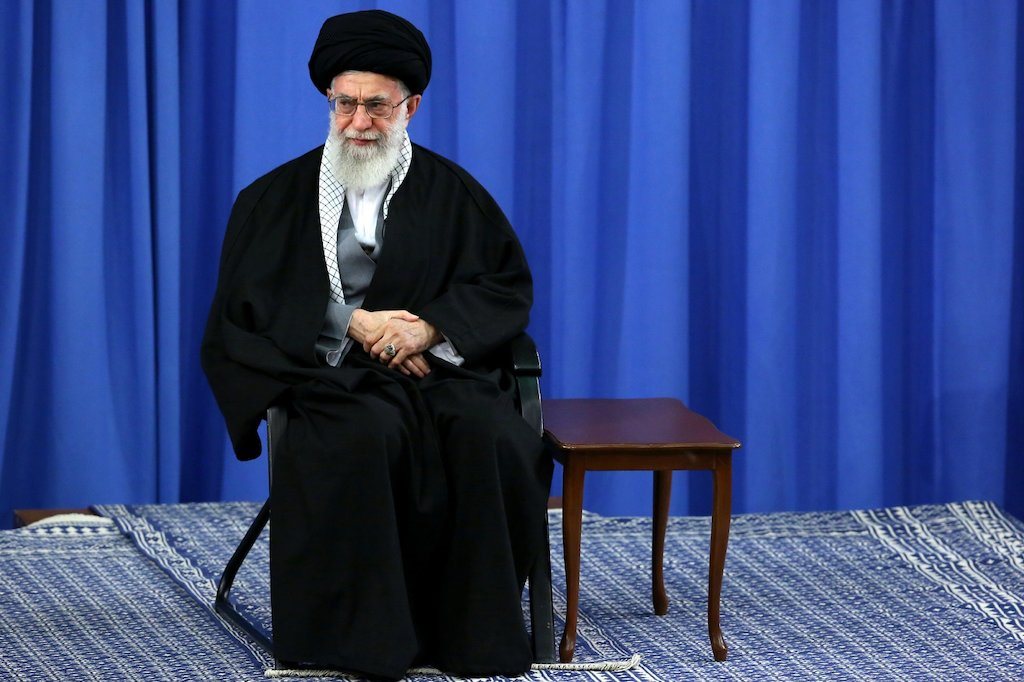
Mojtaba’s position is constitutionally fragile in a way his father’s never was. Ali Khamenei had four decades of accumulated institutional authority, a network of clerical alliances, and the religious credentials — however contested — of a senior ayatollah who could claim velayat-e faqih legitimacy. Mojtaba is a mid-level cleric with no published works of Islamic jurisprudence, no history of independent religious authority, and a career spent operating as his father’s gatekeeper inside the Office of the Supreme Leader (Iran International, March 2026; Washington Institute).
His prior role is now his governing method. For decades Mojtaba managed IRGC appointments, financed missile and drone programmes, and orchestrated domestic repression — Dr. Eric Mandel of MEPIN described him as “widely viewed as one of the architects of the regime’s repression” who had “long operated behind the scenes in Tehran, building deep ties with the Islamic Revolutionary Guard Corps” (Iran International, March 2026). The US Treasury designated him under OFAC sanctions on November 4, 2019, specifically for acting on behalf of the supreme leader and “coordinating directly with IRGC commanders and the Basij paramilitary force” (US Treasury press release SM824, November 4, 2019).
This background makes nonsense of the idea that the IRGC might act without his knowledge or consent. Mojtaba is the IRGC’s creature — his election engineered, as described above, by the same institution that now executes operations under his endorsement and that viewed him, as the Times of Israel reported, as someone who would “back their hardline policies” (Times of Israel, IranWire, France24, all March 2026). Rob Geist Pinfold of King’s College London assessed Mojtaba’s first statement and concluded that “what we’re actually hearing here is more of the same” — not rhetorical continuity from grief, but policy continuity from alignment (Al Jazeera, March 12, 2026).
The structural dependence runs in both directions, and that is what makes the ceasefire arithmetic so bleak. Mojtaba cannot cross the IRGC because his election was IRGC-engineered and his clerical credentials cannot sustain independent authority. The IRGC cannot sideline Mojtaba because they need a supreme leader’s constitutional imprimatur to maintain legal cover for military operations — which is why they explicitly cited his authority when announcing the strait’s closure on April 18. The result is not a command vacuum but a command lock: both parties need each other, both want escalation, and neither has a structural incentive to accept terms that the other opposes.
Is the April 22 Ceasefire Deadline Already Dead?
The ceasefire expires on April 22 — four days from the April 18 tanker firings — with no extension mechanism and no visible path to renewal. The SNSC is reviewing US proposals, but the review is taking place inside a structure where IRGC Secretary Vahidi demanded Zolghadr on the Islamabad negotiating team, refused to discuss missile limitations, and — according to Pezeshkian’s own public accusation — caused the “deviation from the delegation’s mandate” that triggered the Islamabad walkout (Pakistan Today, April 17, 2026).
Pakistan’s Munir met Major-General Ali Abdollahi at Khatam al-Anbiya headquarters on April 16 — the same commander Pezeshkian accused of wrecking the talks — along with Pezeshkian and Ghalibaf (Pakistan Today, April 16, 2026). The fact that Pakistan’s envoy went directly to IRGC wartime command rather than working through civilian diplomatic channels tells you where the actual authorization chain runs. Iran rejected a temporary ceasefire and demanded an end to the entire regional war (Pakistan Today, April 17, 2026), a demand so maximalist that it functions as a rejection dressed in diplomatic language.
The April 18 firings came one day after Araghchi declared Hormuz “completely open” — a declaration the IRGC reversed within hours, just as it had reversed his identical claim on April 17 in the earlier Hormuz reversal episode. PressTV framed Mojtaba’s first statement as a call for “strong national unity” and “courageous defense” (PressTV, March 12, 2026), while Tasnim — the IRGC-run agency that published the English-language version of that statement — was simultaneously the outlet that published the IRGC’s contradictions of the foreign minister. The adversary media apparatus is not divided between hardliners and moderates; it is divided between people who speak for the supreme leader and people who don’t, and the supreme leader’s position is now a matter of public record.
The conventional framing — that the ceasefire collapse is a tragic byproduct of institutional dysfunction, that if only the authorization chain were clearer a deal could be struck — inverts the actual problem. The authorization chain is functioning. Mojtaba can issue binding military directives via written communication, as the April 8 ceasefire proved. He can endorse IRGC kinetic operations via Telegram statement and have them executed on the same day, as April 18 proved. The ceasefire is collapsing not because no one can authorize a deal, but because the person who can authorize it is currently authorizing the opposite.
Tasnim News Agency published Mojtaba’s statements directly, attributing them to “the Supreme Leader” with no qualification or caveat about his physical absence (Tasnim, March 12, 2026). IRIB state television read his ceasefire order live over a still photograph (IRIB, April 8, 2026). His official Telegram channel published the April 18 navy statement. The state media apparatus is treating him as a fully operational supreme leader, and the IRGC is executing operations under his explicit endorsement. The only people treating this as a vacuum are analysts who built their ceasefire frameworks around the assumption that it was one.
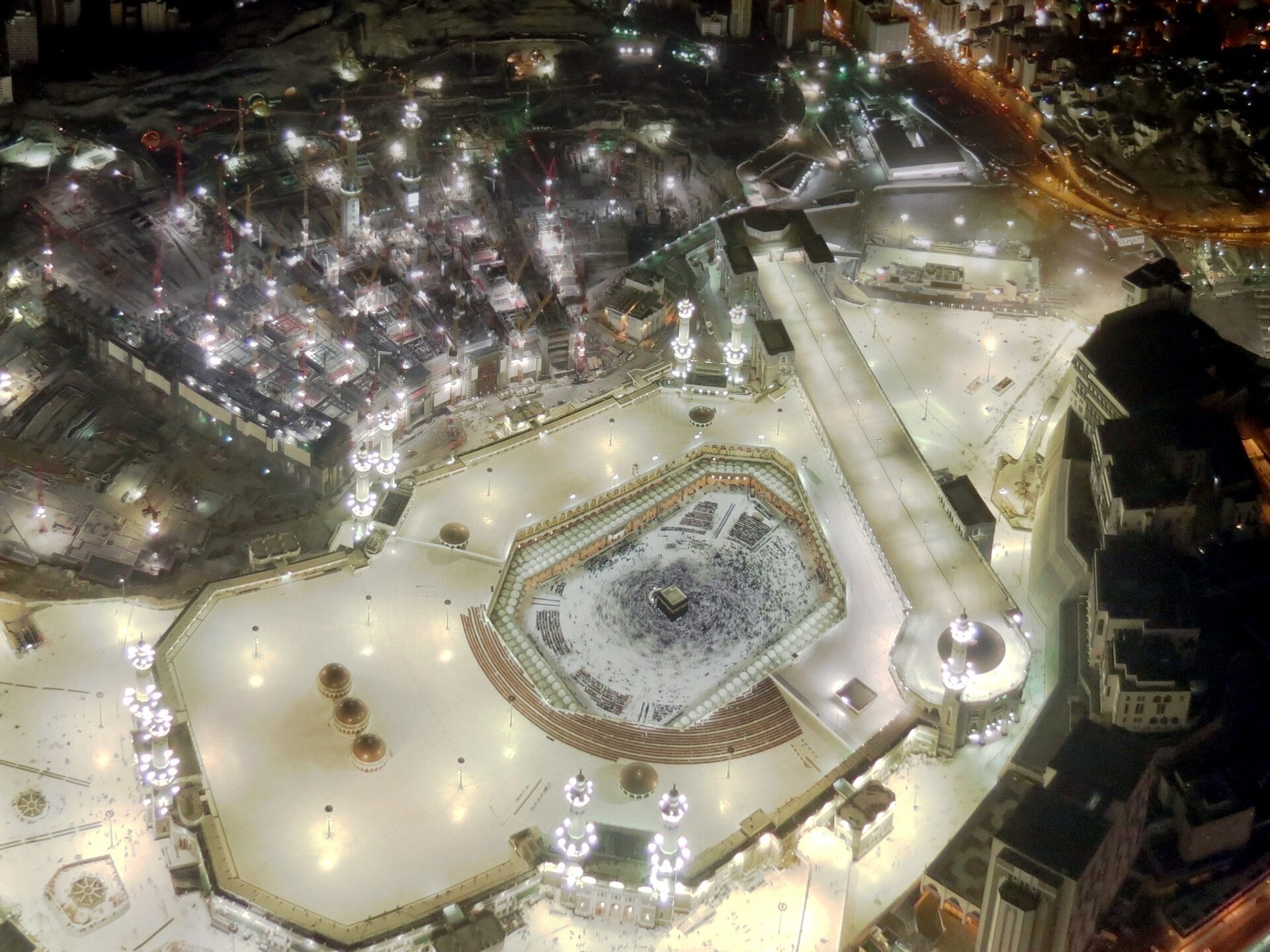
Three days remain before the April 22 expiry. Indonesia’s 221,000 Hajj pilgrims begin departing that same day — a convergence that raises the threshold for military escalation but does nothing to resolve the underlying command dynamic. A deal before April 22 would require Mojtaba to overrule the IRGC on Hormuz, accept terms that Vahidi has publicly rejected, and reverse the kinetic posture he endorsed forty-eight hours ago. That is not impossible — he ordered a ceasefire once — but the direction of his decisions since April 8 has been consistently toward escalation, and the structural incentives of a supreme leader who owes his office to the institution he would need to overrule make a reversal the least likely of the available outcomes.
Frequently Asked Questions
How does Mojtaba Khamenei communicate orders if he cannot appear in public?
All four of Mojtaba’s statements since taking office have been delivered in writing — read by state TV anchors, published by Tasnim News Agency, or posted to his official Telegram channel. Reuters sources confirmed he participates in meetings with senior officials via audio conferencing. No video or audio recording of Mojtaba has been released since the February 28 airstrike, and Iranian state media has used only pre-existing photographs when broadcasting his directives. The constitutional question of whether audio conferencing satisfies Article 176’s formal “confirmation” requirement remains unanswered, but the IRGC has proceeded as if it does.
Has any Iranian institution challenged Mojtaba’s legitimacy as supreme leader?
No formal institutional challenge has emerged, though the conditions of his election remain contested. Eight Assembly of Experts members boycotted the vote. The elder Khamenei reportedly opposed his son’s succession. Mojtaba lacks the ayatollah-level religious scholarship that velayat-e faqih doctrine traditionally requires — he has no published works of Islamic jurisprudence. His authority rests entirely on IRGC backing rather than independent clerical legitimacy, making him the first supreme leader whose power base is military rather than religious in origin.
What is Khatam al-Anbiya and why did Pakistan’s Munir visit its headquarters?
Khatam al-Anbiya Construction Headquarters is the IRGC’s primary economic and engineering conglomerate — nominally focused on infrastructure and construction contracts — but under Major-General Ali Abdollahi it has functioned as a node in Iran’s wartime command architecture. Abdollahi is the same commander Pezeshkian publicly accused of derailing the Islamabad ceasefire talks. Munir’s April 16 visit to Abdollahi’s headquarters rather than to the foreign ministry or presidential office confirmed that Pakistan — and by extension the US, whose message Munir was delivering — understood where operational decisions are actually made in Iran’s war command structure.
What was Mojtaba Khamenei’s role before becoming supreme leader?
Mojtaba operated for decades as the gatekeeper inside the Office of the Supreme Leader, managing IRGC senior appointments, overseeing financing for Iran’s missile and drone programmes, and — according to the US Treasury’s 2019 OFAC designation — “coordinating directly with IRGC commanders and the Basij paramilitary force.” Multiple analysts have linked him to the orchestration of Mahmoud Ahmadinejad’s contested 2009 re-election and the subsequent crackdown on the Green Movement protests. His shadow role gave him deep institutional knowledge of the IRGC’s internal politics but no independent power base outside his father’s office.
Could Mojtaba order the IRGC to reopen Hormuz even if he wanted to?
Constitutionally, yes — Article 176 gives the supreme leader final authority over all SNSC decisions, and the IRGC commander-in-chief reports to him directly. In practice, the answer is more complicated. The IRGC engineered his election, his clerical credentials are insufficient to sustain independent authority, and the institution’s April 18 announcement — that Hormuz remains closed “until Supreme Leader Mojtaba Khamenei ordered it to open” — reads less like subordination and more like a public challenge: prove you can order it, if you dare. No supreme leader in Iran’s history has tried to force the IRGC into a major strategic reversal without pre-negotiating it internally first.