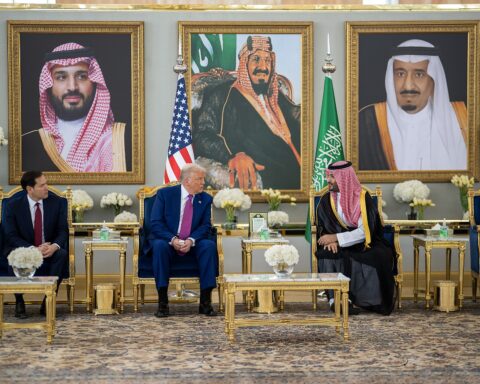

JEDDAH — Mohammed bin Salman called Donald Trump the day before the April 16 ceasefire announcement and told him a Lebanon truce was critical to preserving the Iran negotiations and reopening the Strait of Hormuz. Within 24 hours of that ceasefire taking effect, Israel established a 10-kilometre buffer zone inside Lebanese territory, barred residents of 55 villages from returning, and Defence Minister Israel Katz ordered the military to accelerate demolitions based on “the Beit Hanoon and Rafah models” from Gaza.
The diplomatic achievement MBS spent the war’s entire negotiating track building — Lebanon as proof that Saudi Arabia could shape post-war regional architecture — is now structurally hostage to two actors over whom Riyadh has precisely zero enforcement leverage: the Israeli military command setting the Yellow Line’s boundaries and the Hezbollah field commanders who have already declared themselves unbound by any agreement negotiated without them.
The ceasefire expires approximately April 26. The Iran war ceasefire expires April 22 — four days earlier. Both tracks will collapse or extend simultaneously, and Saudi Arabia controls neither clock.
Table of Contents
- What Is the Yellow Line and Why Did Israel Impose It Within Hours?
- The MBS Phone Call and the Lebanon Insertion Strategy
- Why Has Hezbollah Pre-Emptively Rejected the Ceasefire Framework?
- The Ghandouriyeh Ambush and the Monitoring Vacuum
- What Enforcement Tools Does Saudi Arabia Actually Have?
- The 1982 Security Zone Parallel Israel Does Not Want You to Draw
- How Do the April 22 and April 26 Expiry Dates Interact?
- The Antalya Quad and the Missing Joint Statement
- What Breaks First
What Is the Yellow Line and Why Did Israel Impose It Within Hours?
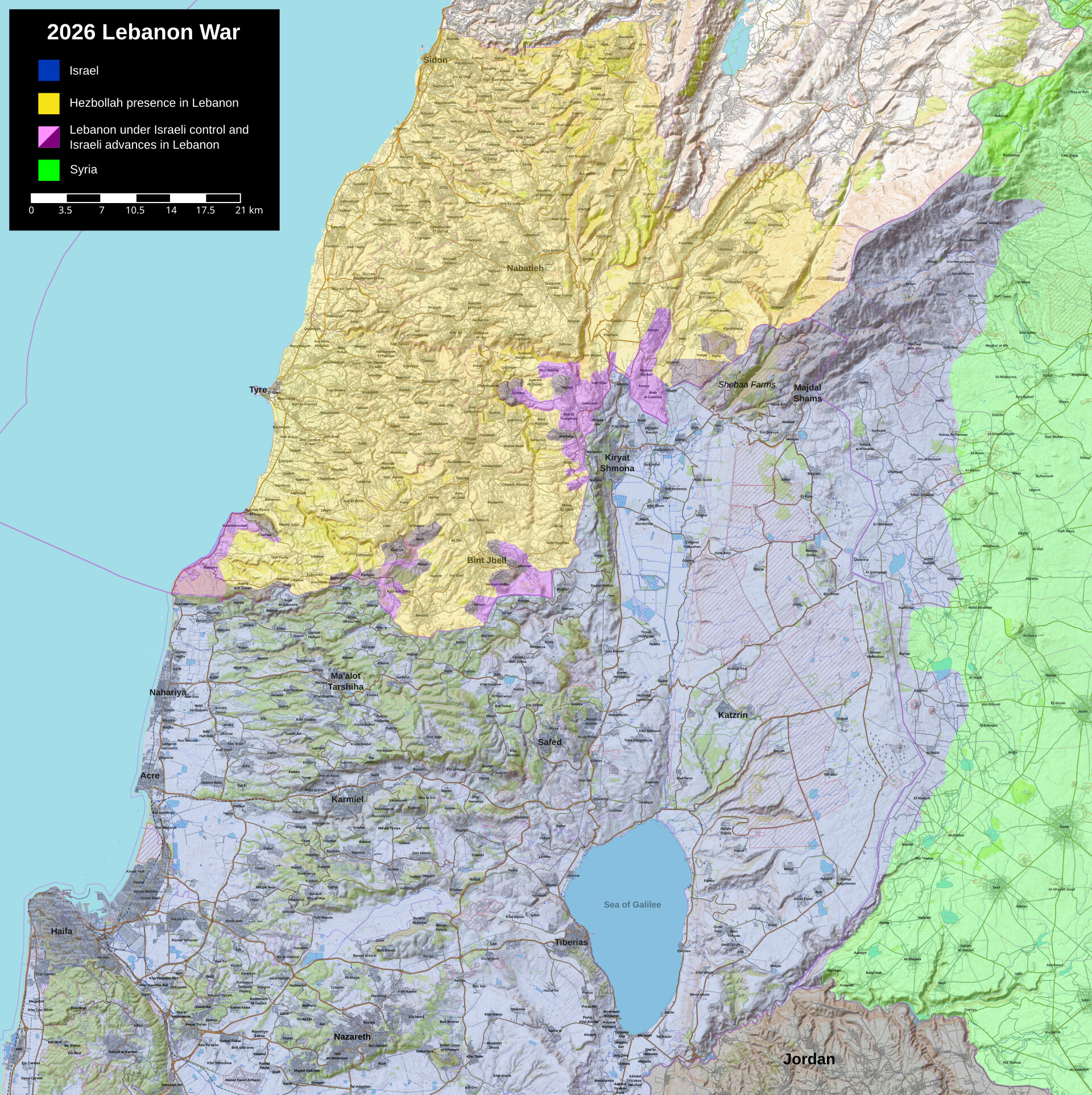
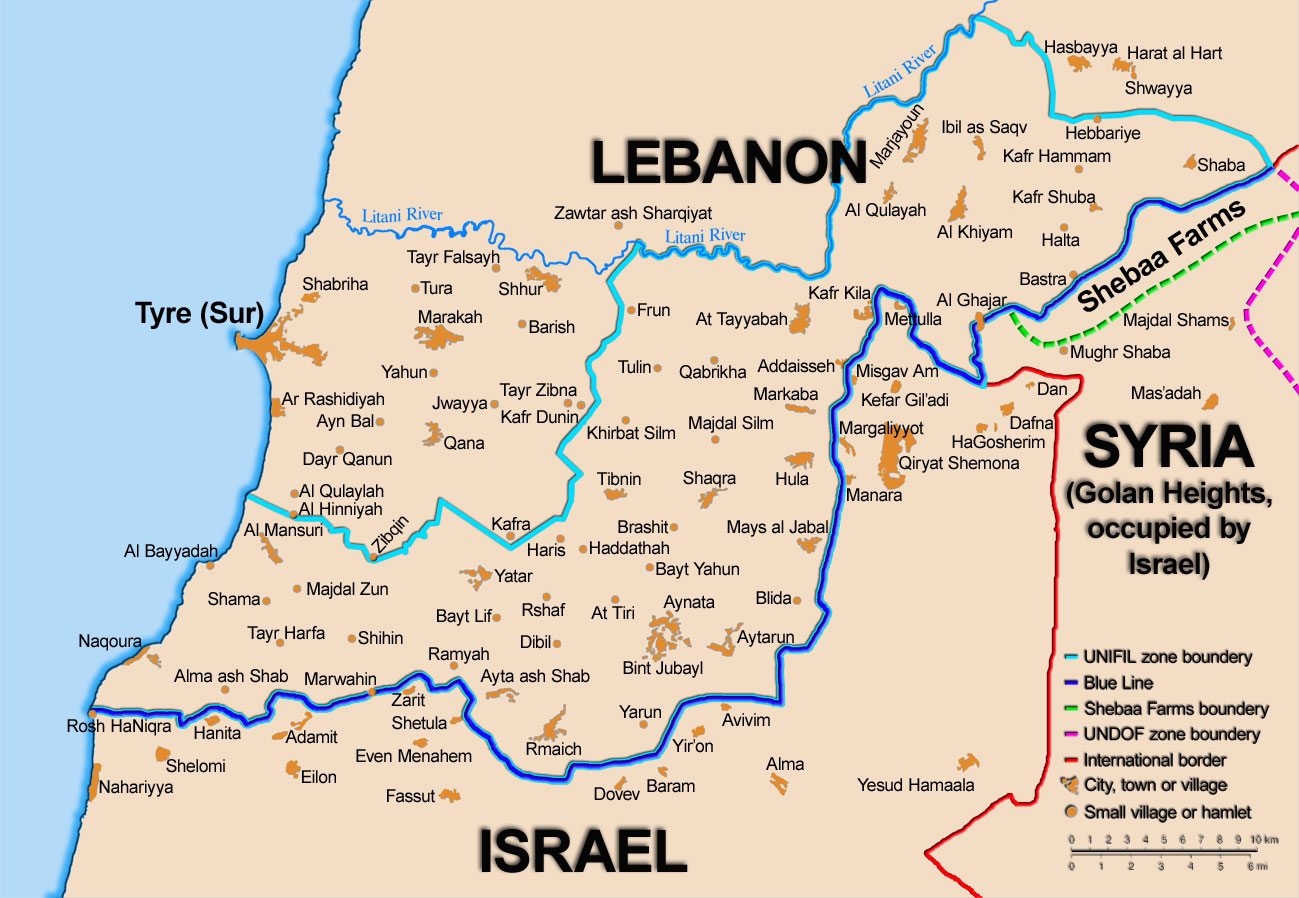
The Yellow Line is an approximately 10-kilometre security cordon running north of the Israeli-Lebanese border, encompassing roughly 500 square kilometres of southern Lebanese territory and 55 towns and villages whose residents are barred from returning. Israeli forces established it on or around April 18, 2026 — the day after the 10-day ceasefire nominally took effect. Within hours of the truce, the IDF carried out demolitions, artillery shelling, and land-clearing operations inside the zone, under Katz’s explicit order citing “the Beit Hanoon and Rafah models” — the systematic destruction of civilian infrastructure Israel employed in Gaza’s buffer zones.
The Lebanon zone is more than twice the size of the equivalent Israeli-controlled area inside Gaza, which covers approximately 220 square kilometres. Brigadier General Fadi Daoud, a Lebanese security expert, described the line as “unofficial but effectively constitut[ing] a dangerous point of friction. It is not an internationally recognized boundary but a security measure imposed by Israel that extends beyond the Blue Line.” Defence analyst Riad Kahwaji put the expansion in operational terms: “When the war began, the Israelis were in five points, but today Israeli forces are deeper inside Lebanese territory, with Israeli control having reached 10 km.”
The Yellow Line is not a negotiated boundary. It is not referenced in the ceasefire text. No monitoring committee exists to adjudicate whether it constitutes a violation. Israel declared the army “will continue to hold and control all the positions it has cleared and secured,” language that treats the zone as permanent operational reality rather than temporary wartime measure. For Saudi Arabia, this is the structural problem: MBS spent diplomatic capital demanding Lebanon’s inclusion in the ceasefire precisely to prevent this kind of fait accompli, and it materialized before the ink was dry.
The Middle East briefing 3,000+ readers start their day with.
One email. Every weekday morning. Free.
The MBS Phone Call and the Lebanon Insertion Strategy
Saudi Arabia’s Lebanon play was not improvised. It was the product of a deliberate diplomatic insertion strategy that MBS executed across multiple channels throughout the Iran war’s negotiating track. Middle East Eye confirmed that MBS called Trump the day before the April 16 ceasefire announcement, telling him a Lebanon truce was “critical” — a word chosen to tie Lebanon directly to the Hormuz reopening and the broader Iran talks. The Saudi Ministry of Foreign Affairs formally welcomed Trump’s ceasefire announcement on April 16, framing it as a validation of the kingdom’s diplomatic influence.
The strategy had been building for weeks. When UK Prime Minister Keir Starmer met MBS in Jeddah on April 8, Saudi Arabia extracted something valuable: a Western ally willing to call Israeli strikes on Lebanon “wrong” on the record, giving Riyadh’s Lebanon-inclusion demand a voice it could not use itself. UK Foreign Secretary Yvette Cooper’s Mansion House speech the following day was even more explicit: “Lebanon must be included…Hormuz must be fully reopened…there is no place for tolls.” The 20-nation joint statement issued April 14 included Lebanon — Saudi Arabia was not a signatory, but the substance of the statement reflected precisely the position MBS had been pressing bilaterally.
This is MBS’s characteristic diplomatic pattern, one that this publication has documented before: paying for frameworks he cannot subsequently control. The phone call worked. Lebanon was included. The ceasefire was announced. And within 24 hours, the Yellow Line rendered the Lebanon provisions structurally unenforceable — not because the ceasefire text was flawed, but because neither signatory with guns on the ground in southern Lebanon considers itself bound by it.
Why Has Hezbollah Pre-Emptively Rejected the Ceasefire Framework?
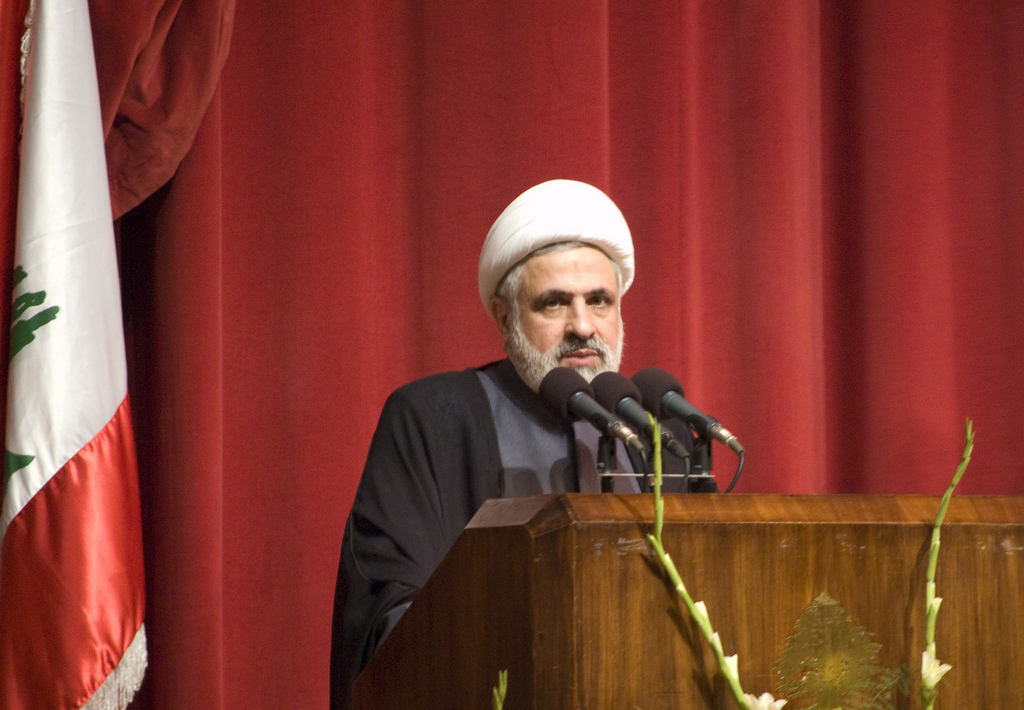
Hezbollah did not wait for the ceasefire to take effect before declaring it irrelevant. On April 13, four days before the truce began, Hezbollah Political Council member Wafiq Safa stated the group’s position with a clarity that left no interpretive room: “As for the outcomes of this negotiation between Lebanon and the Israeli enemy, we are not interested in or concerned with them at all. We are not bound by what they agree to.” This was not a hedged diplomatic position. It was a pre-emptive institutional rejection of any framework negotiated without Hezbollah at the table.
Secretary-General Naim Qassem reinforced the point on April 19, two days into the ceasefire: “Because we do not trust this enemy, the resistance fighters will remain in the field with their hands on the trigger, and they will respond to violations accordingly. There is no ceasefire from the side of the resistance only; it must be from both sides.” The language is instructive. Qassem did not reject the ceasefire in principle — he rejected its asymmetry. Israeli demolitions inside the Yellow Line, in his framing, constitute ongoing violations that release Hezbollah from any obligation to observe the truce.
Chatham House assessed the structural dynamic accurately: “Rare direct talks are unlikely to succeed in the long-term without Hezbollah disarming, but they are a welcome opportunity for the Lebanese state to regain its authority in foreign policy.” The caveat that followed was the load-bearing one: “Hezbollah has the military and intelligence capabilities to eliminate its domestic political opponents and pressure the Lebanese government.” The Lebanese government accepted the ceasefire. Hezbollah did not.
Hezbollah was not a formal signatory to either the November 2024 or April 2026 ceasefire frameworks — a structural gap that has persisted across two ceasefires and two years. The Carnegie Middle East Center’s one-word assessment — “fragile” — understates what is actually a framework that one of the two armed parties on the ground explicitly rejects.
For Saudi Arabia, Hezbollah’s rejection creates an impossible enforcement geometry. Riyadh has no direct channel to Hezbollah’s command structure, no bilateral security agreement with Lebanon, and no presence in UNIFIL. The diplomatic achievement of inserting Lebanon into the ceasefire framework depends entirely on actors who have declared, on the record, that they do not consider themselves participants.
The Ghandouriyeh Ambush and the Monitoring Vacuum
Staff Sergeant Florian Montorio of the French 17th Parachute Engineer Regiment was killed by direct small-arms fire in an ambush in the village of Ghandouriyeh on April 18 — ceasefire Day Two. Three additional UNIFIL soldiers were wounded in the same attack. French President Emmanuel Macron condemned what he called an “unacceptable attack,” stating that “everything points to Hezbollah” for the killing. Hezbollah denied involvement, expressing what it called “surprise at positions that rushed to make baseless accusations.”
The killing exposed a gap that the ceasefire’s architects apparently considered secondary: the Lebanon-Israel ceasefire monitoring committee is not currently in place. Al Jazeera reported on April 19 that no mechanism exists to adjudicate violations — meaning neither the Yellow Line demolitions nor the UNIFIL ambush have any institutional pathway toward formal assessment, attribution, or consequence. UNSC Resolution 1701, originally passed after the 2006 Lebanon War, called for Hezbollah’s disarmament, withdrawal north of the Litani River, and deployment of UNIFIL and the Lebanese army. None of those provisions were fulfilled after 2006. The April 2026 ceasefire ostensibly reinvokes them but provides no new enforcement architecture.
Macron’s response to the Montorio killing carried a diplomatic subtext beyond the immediate outrage. France was part of the UK-France alignment on Lebanon that had been building since early April — Macron called both Trump and Pezeshkian; the 20-nation joint statement reflected Franco-British drafting. The killing of a French paratrooper on Day Two of the ceasefire France helped shape puts Paris in a position where its credibility demands escalation that its UNIFIL force structure cannot support. The Ghandouriyeh ambush was not an anomaly in a functioning ceasefire. It was the predictable consequence of a ceasefire with no monitoring committee, no adjudication mechanism, and one armed party that had publicly rejected the framework before it began.
What Enforcement Tools Does Saudi Arabia Actually Have?
The answer is quantifiable: zero. Saudi Arabia has no bilateral security treaty with Lebanon. It has no UNIFIL presence. It has no direct communication channel to Hezbollah’s military or political command. It has no ability to compel Israeli withdrawal from any territory through any mechanism — diplomatic, economic, or military. The kingdom’s entire Lebanon position rests on influence exerted through Washington, and Washington’s own leverage over the Yellow Line has proven to be either nonexistent or deliberately withheld.
This is not a novel Saudi vulnerability. Across the Iran war’s negotiating track, the same structural risk has recurred in every major agreement Riyadh helped broker. The Hormuz reopening demand required American naval enforcement. The Iran ceasefire required Pakistani mediation and IRGC compliance. The Lebanon inclusion required Israeli restraint and Hezbollah acquiescence. In each case, Saudi Arabia invested diplomatic capital to shape the framework’s design while possessing none of the coercive tools required to ensure its survival.
The MBS-Trump phone call the day before the ceasefire announcement was effective — Lebanon was included. But inclusion in a ceasefire text and protection on the ground in southern Lebanon are separated by the entire distance between diplomatic language and military reality. Katz’s demolition order cited the Gaza models not as a threat but as operational doctrine. The 55 villages inside the Yellow Line are being cleared under a framework that the ceasefire’s text neither authorizes nor prevents, because no monitoring body exists to make that determination. Saudi Arabia’s diplomatic achievement is real. Its durability depends on enforcement tools that Riyadh does not possess and cannot acquire before April 26.
The 1982 Security Zone Parallel Israel Does Not Want You to Draw
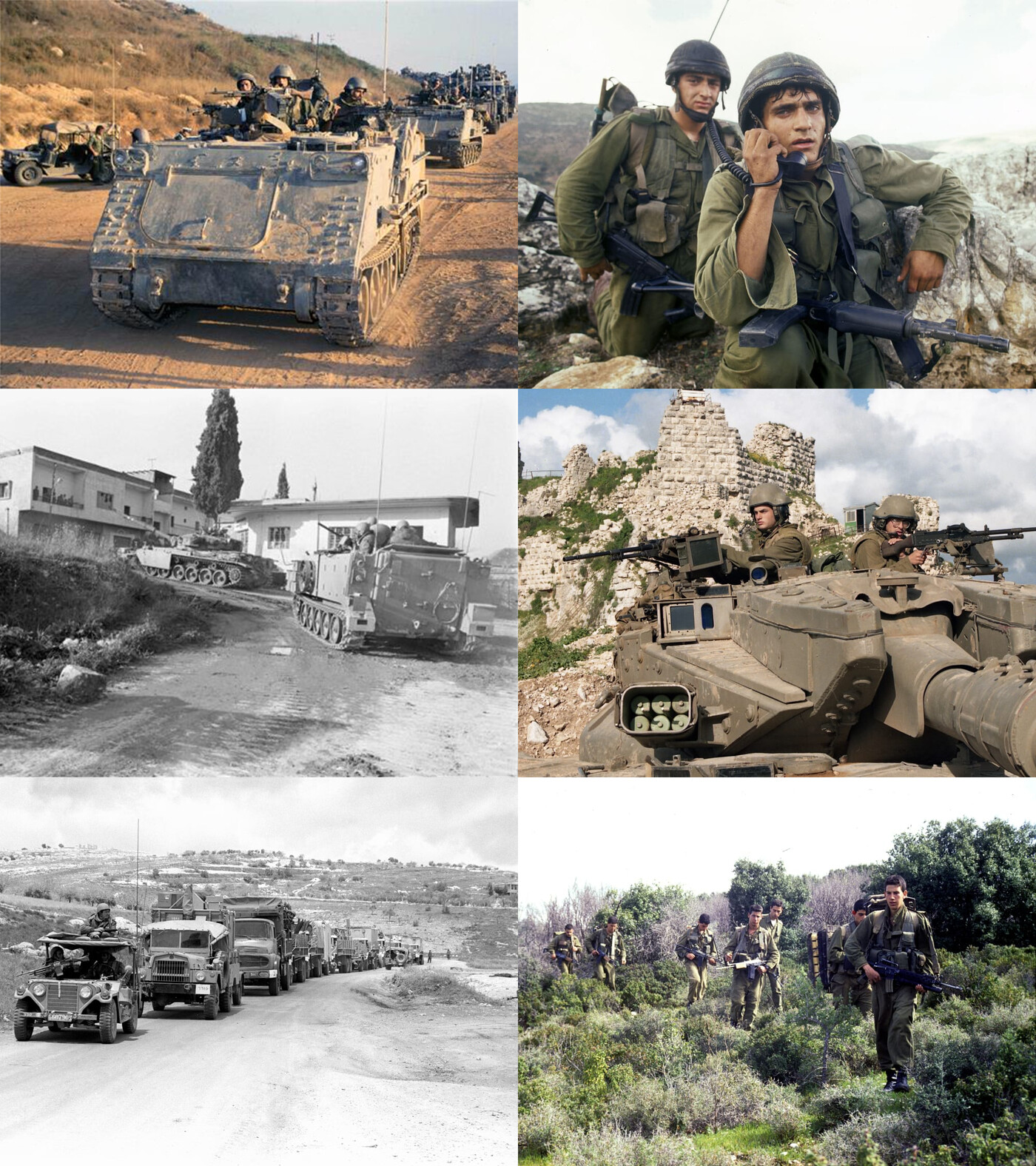
Israel maintained a security zone in southern Lebanon from 1985 to 2000 — roughly 800 square kilometres, running 5 to 20 kilometres deep, encompassing approximately 100 villages and 180,000 residents. The zone was staffed by the IDF and the South Lebanon Army, a proxy militia whose collapse in May 2000 precipitated Israel’s unilateral withdrawal under Prime Minister Ehud Barak pursuant to UNSC Resolution 425. The occupation lasted 15 years and became, in Israeli domestic politics, a synonym for strategic overreach.
The current Yellow Line covers approximately 500 square kilometres — smaller than the 1982-2000 zone but established within 24 hours of a ceasefire rather than emerging gradually over years of conflict. The speed of establishment is the relevant variable. Israel’s prior security zone grew incrementally as tactical needs expanded; the Yellow Line arrived as a planned operational fact, complete with demolition orders referencing Gaza precedents. Kahwaji’s assessment — “Israeli forces are deeper inside Lebanese territory” compared to the war’s opening positions — describes not creep but acceleration.
The Gaza Yellow Line, implemented in October 2025 under the Gaza peace plan, provides the more immediate structural precedent. It divides Gaza into a 47 percent Palestinian-controlled western area and a 53 percent Israeli-controlled eastern sector. Israeli troops fire on anyone approaching the line. The Lebanon Yellow Line has not yet reached that enforcement posture, but Katz’s invocation of “the Beit Hanoon and Rafah models” is a direct doctrinal bridge between the two zones. For MBS, the historical parallel is uncomfortable in a specific way: Saudi Arabia cannot be seen endorsing an Israeli occupation zone in an Arab country while simultaneously claiming to lead the region’s diplomatic architecture. But opposing it requires enforcement tools the kingdom does not have.
How Do the April 22 and April 26 Expiry Dates Interact?
The Iran war ceasefire expires approximately April 22. The Lebanon ceasefire expires approximately April 26. No automatic extension mechanism exists for either track. The four-day gap between the two expiries creates a structural trap that Saudi Arabia cannot navigate without accepting losses on at least one front.
If the Iran ceasefire collapses on April 22, the Lebanon ceasefire’s remaining four days become strategically meaningless. Iran’s IRGC threatened a “regret-inducing response” if Israeli strikes on Lebanon continued — less than 24 hours after the Iran-US ceasefire was agreed. That threat was not about Lebanon per se; it was about maintaining pressure over the broader negotiation, and once that negotiation expires, so does any restraint. As this publication analyzed, the structural impossibility of ceasefire extension means the April 22 date functions as the effective deadline for both tracks.
If the Iran ceasefire extends but the Lebanon ceasefire does not, Saudi Arabia faces a different problem. MBS tied the two tracks together deliberately — the phone call to Trump framed Lebanon as “critical” to preserving the Iran negotiations and reopening Hormuz. A surviving Iran track with a dead Lebanon track would demonstrate that the linkage MBS insisted upon was, in practice, severable. The April 22-26 gap means Saudi Arabia needs both tracks to extend simultaneously, an outcome that requires Israeli restraint inside the Yellow Line, Hezbollah compliance with a framework it has rejected, Iranian IRGC willingness to restrain its proxy, and American diplomatic pressure on Israel that has not materialized in any prior phase of this crisis. The three Saudi clocks running toward expiry are now effectively two clocks, with Lebanon’s tick dependent on Iran’s.
The Antalya Quad and the Missing Joint Statement
The foreign ministers of Saudi Arabia, Turkey, Egypt, and Pakistan met in Antalya on April 18-19 — the same 48 hours during which the Yellow Line was being established, Staff Sergeant Montorio was killed, and Hezbollah’s Qassem declared that resistance fighters would “remain in the field with their hands on the trigger.” Turkish Foreign Minister Hakan Fidan stated that the ceasefire should include Lebanon, echoing the position Saudi Arabia had been pressing through Western channels for weeks. But the Antalya quad produced no joint communiqué on the Iran ceasefire, no collective statement on the Yellow Line, and no mechanism for the four nations to exert coordinated pressure on either Israel or Hezbollah.
The absence of a joint statement is not a diplomatic oversight — it reflects the structural limits of the quad itself. Turkey maintains communication channels with both Iran and Hezbollah that Saudi Arabia lacks, but Ankara’s leverage over Israeli military operations in Lebanon is no greater than Riyadh’s. Egypt’s role in Lebanon diplomacy is marginal; Cairo’s regional influence runs through Gaza and the Sinai, not through southern Lebanon’s Shia heartland. Pakistan, as this publication has documented, has been consumed by its role as the Iran ceasefire’s sole enforcement mechanism — a function that leaves no diplomatic bandwidth for a second simultaneous mediation track.
The Antalya meeting revealed something that the bilateral phone calls and multilateral statements had obscured: no combination of Saudi Arabia’s available diplomatic partners possesses the specific capabilities required to enforce the Lebanon ceasefire. The coalition that MBS assembled for the Iran track — Pakistan as mediator, Turkey as interlocutor, Egypt as regional anchor — does not map onto the Lebanon problem, which requires influence over Israeli military doctrine and Hezbollah’s chain of command. The quad that survives the ceasefire is an architecture designed for the wrong conflict.
What Breaks First
The Lebanon ceasefire’s structural vulnerabilities are now enumerable. No monitoring committee. No adjudication mechanism. One armed party — Hezbollah — that pre-emptively rejected the framework. Another armed party — the IDF — demolishing villages inside a self-declared buffer zone under explicit orders citing Gaza precedents. A UNIFIL force that lost a soldier on Day Two. And a diplomatic sponsor — Saudi Arabia — that invested more political capital in this ceasefire than any other regional actor while possessing fewer enforcement tools than any other party with a stake in the outcome.
The first Washington talks between Lebanese and Israeli ambassadors, chaired by Secretary Rubio on April 14, were described as “historic.” They were also, in Chatham House’s assessment, unlikely to succeed without Hezbollah’s disarmament — a precondition that no actor in the current framework has the capacity or willingness to impose. Lebanon’s government strategy, as Asharq Al-Awsat described it, is “betting on US pressure to win Israeli concessions.” That bet requires the United States to pressure Israel on the Yellow Line, which would mean opposing the same “Beit Hanoon and Rafah models” that Washington has not opposed in Gaza.
Saudi Arabia’s request for the United States to lift the Hormuz blockade it originally supported reveals the broader pattern. MBS shapes frameworks through phone calls, bilateral pressure, and proxy diplomacy. The frameworks take effect. Then the actors with guns, ships, and operational doctrine on the ground determine what the frameworks actually mean. The Yellow Line is what the Lebanon ceasefire actually means. Fifty-five villages emptied, 500 square kilometres cordoned, demolitions proceeding under Gaza doctrine, and the kingdom that made it all possible watching from Jeddah with no tool sharper than the next phone call.
Frequently Asked Questions
Has the Yellow Line been recognized by any international body?
No international body has recognized the Yellow Line as a legitimate boundary. The line exists solely as an Israeli-imposed security measure that extends beyond the UN-demarcated Blue Line. UNSC Resolution 1701, which governs the southern Lebanon security framework, makes no provision for a unilateral buffer zone of this depth. International law scholars have noted that unilateral buffer zones imposed beyond a recognized boundary raise violations of the sovereignty provisions in UN Charter Article 2(4); none of the ceasefire’s principal signatories have formally invoked those provisions against Israel’s Yellow Line declaration.
Could Saudi Arabia use its financial leverage over Lebanon to influence the ceasefire outcome?
Saudi Arabia’s financial relationship with Lebanon has been deliberately curtailed since 2021, when Riyadh recalled its ambassador over remarks by a Lebanese minister about the Yemen war. Saudi investment in Lebanon dropped from approximately $1.2 billion annually in the 2010s to near-zero by 2024. The kingdom’s remaining economic leverage — Gulf Cooperation Council remittance flows, potential reconstruction funding, and Hajj quota allocation — operates on timescales of months to years, not the seven days remaining before the April 26 ceasefire expiry. Financial leverage requires a functioning Lebanese state apparatus to receive and distribute it; Hezbollah’s parallel governance structures in southern Lebanon operate outside that apparatus entirely.
What happens to the 55 villages if the ceasefire expires without extension?
The precedent from Gaza’s Yellow Line, implemented October 2025, suggests the zone becomes functionally permanent regardless of ceasefire status. In Gaza, the Yellow Line persisted through multiple ceasefire cycles and is now enforced with live fire against anyone approaching from the Palestinian-controlled western sector. Israel’s explicit invocation of “the Beit Hanoon and Rafah models” for the Lebanon zone indicates doctrinal intent to apply the same enforcement posture. The 180,000 residents who lived in the equivalent 1982-2000 security zone were displaced for 15 years. Current displacement figures for the 55 Lebanese villages have not been independently verified, but UNHCR estimated approximately 40,000 residents in the affected area prior to the war.
Why was Saudi Arabia not a signatory to the 20-nation joint statement on Lebanon?
The April 14 joint statement, coordinated primarily by the UK and France, was designed as a Western-aligned diplomatic product. Saudi Arabia’s absence as a signatory was deliberate: Riyadh preferred to exert influence bilaterally through the MBS-Trump phone call rather than appear alongside Western nations in a document that could be framed domestically and regionally as alignment with the same coalition conducting military operations alongside Israel. The statement’s substance — Lebanon inclusion, Hormuz reopening, rejection of tolls — reflected Saudi positions without requiring Saudi signature, allowing MBS to claim credit for the diplomatic outcome while maintaining distance from its Western packaging.
Could UNIFIL’s mandate expansion resolve the monitoring gap?
UNIFIL’s current mandate under Resolution 1701 does not authorize the force to monitor or enforce a buffer zone imposed unilaterally by one party. Expanding the mandate would require a new Security Council resolution, which Russia and China would likely veto or condition on broader demands related to the Iran negotiations. UNIFIL’s force posture in southern Lebanon has already been degraded by the war — the Ghandouriyeh ambush on Day Two demonstrated that peacekeepers face direct kinetic threats from actors who deny responsibility. France, UNIFIL’s most politically committed contributor, now faces domestic pressure to either reinforce or withdraw after the Montorio killing, with reinforcement requiring force protection capabilities that the current UNIFIL structure does not possess.