
ANTALYA — Iran’s foreign minister called Saudi Arabia’s Prince Faisal bin Farhan three times in nine days — on April 9, April 13, and April 17 — and each call performed a different function in what amounts to the most deliberate diplomatic co-optation campaign of the war. The sequence ended on Thursday with Abbas Araghchi declaring the Strait of Hormuz “completely open” while standing in the same Turkish city as the Saudi foreign minister, a declaration that Saudi Arabia demanded for weeks but now cannot endorse, cannot oppose, and cannot ignore — because endorsing it would validate IRGC authority over the strait, opposing it would contradict Riyadh’s own stated position, and ignoring it would hand Iran the one thing more useful than Saudi agreement: Saudi silence.
The three calls were not reconciliation. They were targeting — of a state excluded from the negotiations that produced the ceasefire, excluded from the Islamabad talks that collapsed, and now being folded back into the frame as a validating witness to terms it did not write. Araghchi did not call to share good news. He called to make sure Saudi Arabia could not escape it.
Table of Contents
- The Forty-Day Silence
- Call One: Re-Entry (April 9)
- Call Two: Liability Transfer (April 13)
- Why Did Araghchi Need Saudi Arabia to Hear the Blockade Framing First?
- Call Three: The Declaration (April 17)
- What Does “Completely Open” Actually Mean?
- The Co-optation Trap
- The Fiscal Arithmetic of Forced Gratitude
- What Can Saudi Arabia Do Before April 22?
- FAQ
The Forty-Day Silence
From February 28 — the day US and Israeli strikes began against Iranian nuclear and military infrastructure — until April 9, there was no publicly confirmed direct communication between the Saudi and Iranian foreign ministers. Forty days. The 2023 Beijing normalization deal, which China brokered and both sides celebrated with embassy reopenings and handshakes and ministerial visits, provided no conflict-prevention mechanism whatsoever when the first missiles flew, and whatever private channels existed through Oman, Turkey, or Pakistan, they did not produce a single bilateral Saudi-Iranian statement in those forty days.
This is not because Saudi Arabia had nothing to say. IRGC strikes hit the East-West Pipeline pumping station on April 8, Ras Tanura was struck on March 2, Khurais went offline, and Saudi oil production collapsed 30% in a single month — from 10.4 million barrels per day in February to 7.25 million in March, according to the IEA. The Kingdom had been subjected to Iranian coercive strikes against its energy infrastructure as a pressure mechanism in a war Saudi Arabia did not start, did not join, and was not consulted about. Riyadh had every reason to pick up the phone.
It did not. And that restraint — whether calculated or paralysed — is the gap through which Araghchi drove his three-call sequence. By the time Iran broke the silence, the call came on Iran’s terms, at Iran’s chosen moment, and with Iran’s framing already loaded into the conversation. The party that had been hit hardest economically was not the party that initiated contact, and that asymmetry shaped everything that followed.
Call One: Re-Entry (April 9)
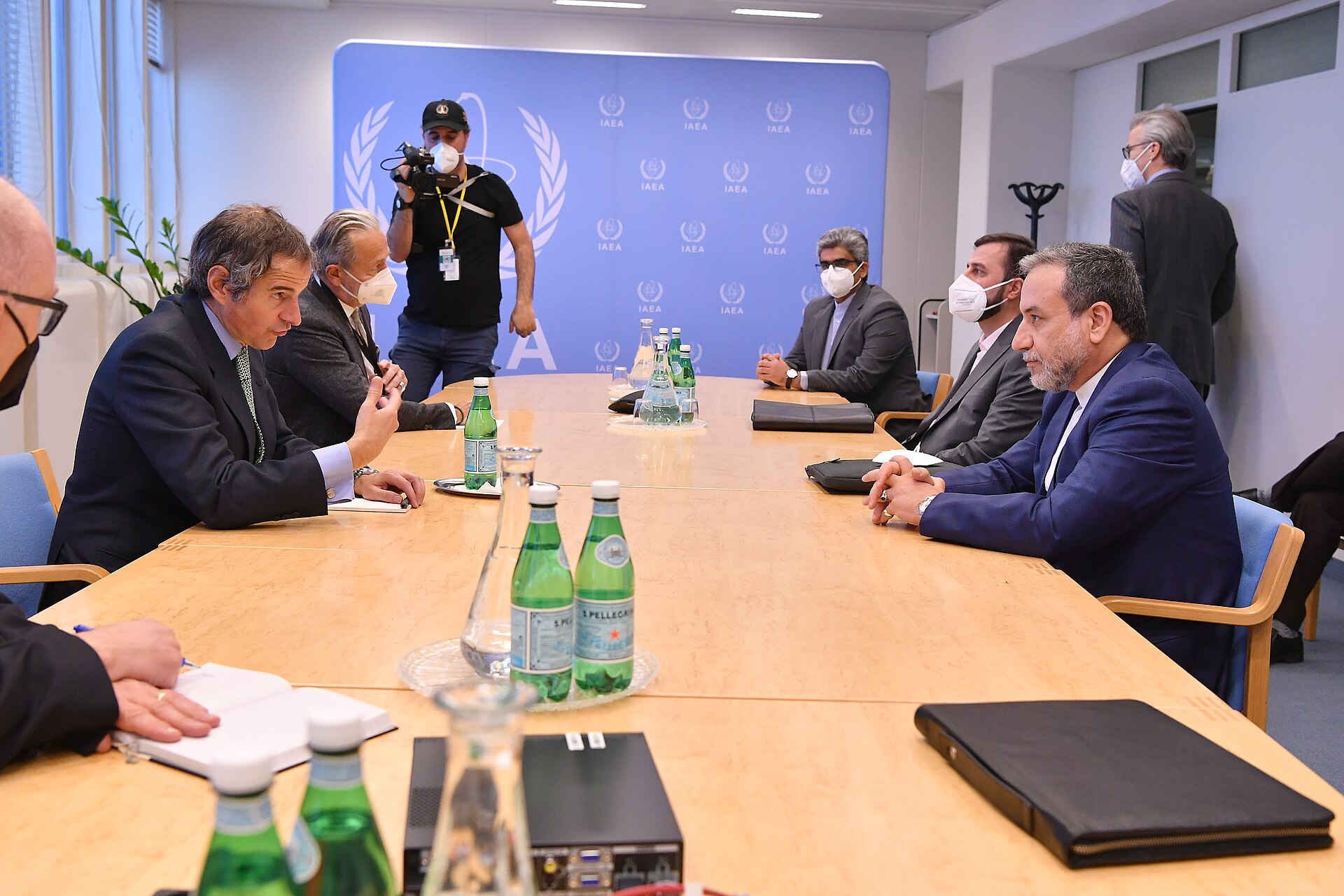
The first call came on April 9, one day after the ceasefire was announced through the Islamabad framework. Araghchi initiated. The Saudi Press Agency’s readout was formulaic — Prince Faisal and Araghchi “reviewed the latest developments and discussed ways to reduce tensions to restore security and stability in the region” — which is the diplomatic equivalent of a press release that says nothing while confirming that something happened. The National, the Abu Dhabi-based outlet closest to the Gulf diplomatic perspective, framed it correctly: this was the first publicly announced Saudi-Iranian FM call since the start of the Iran war.
The Middle East briefing 3,000+ readers start their day with.
One email. Every weekday morning. Free.
The timing was surgical. The ceasefire had been announced through Pakistan as mediator, with US and Iranian negotiators at the table in Islamabad and Saudi Arabia nowhere near it. Riyadh had been consulted — Pakistani PM Shahbaz Sharif spoke to Prince Faisal — but consultation is not participation, and the distance between being briefed and being at the table is the distance between being a principal and being managed. Araghchi’s call the next day was not an olive branch; it was a notification. Iran was telling Saudi Arabia: we see you as a party whose posture matters, but we will define the terms on which you re-enter.
Consider what Araghchi achieved with a single phone call. He broke the forty-day silence on his initiative, which means the narrative of who reached out first belongs to Tehran. He made the call the day after a ceasefire that excluded Saudi Arabia, which frames the contact as Iran graciously including a sidelined party rather than Saudi Arabia asserting its own interests. And he did it through Turkey’s back-channel architecture — Ankara had established a communication line reconnecting Saudi Arabia and the UAE to Iran — which means even the infrastructure of the call was built by a third party, not by Riyadh.
Call Two: Liability Transfer (April 13)
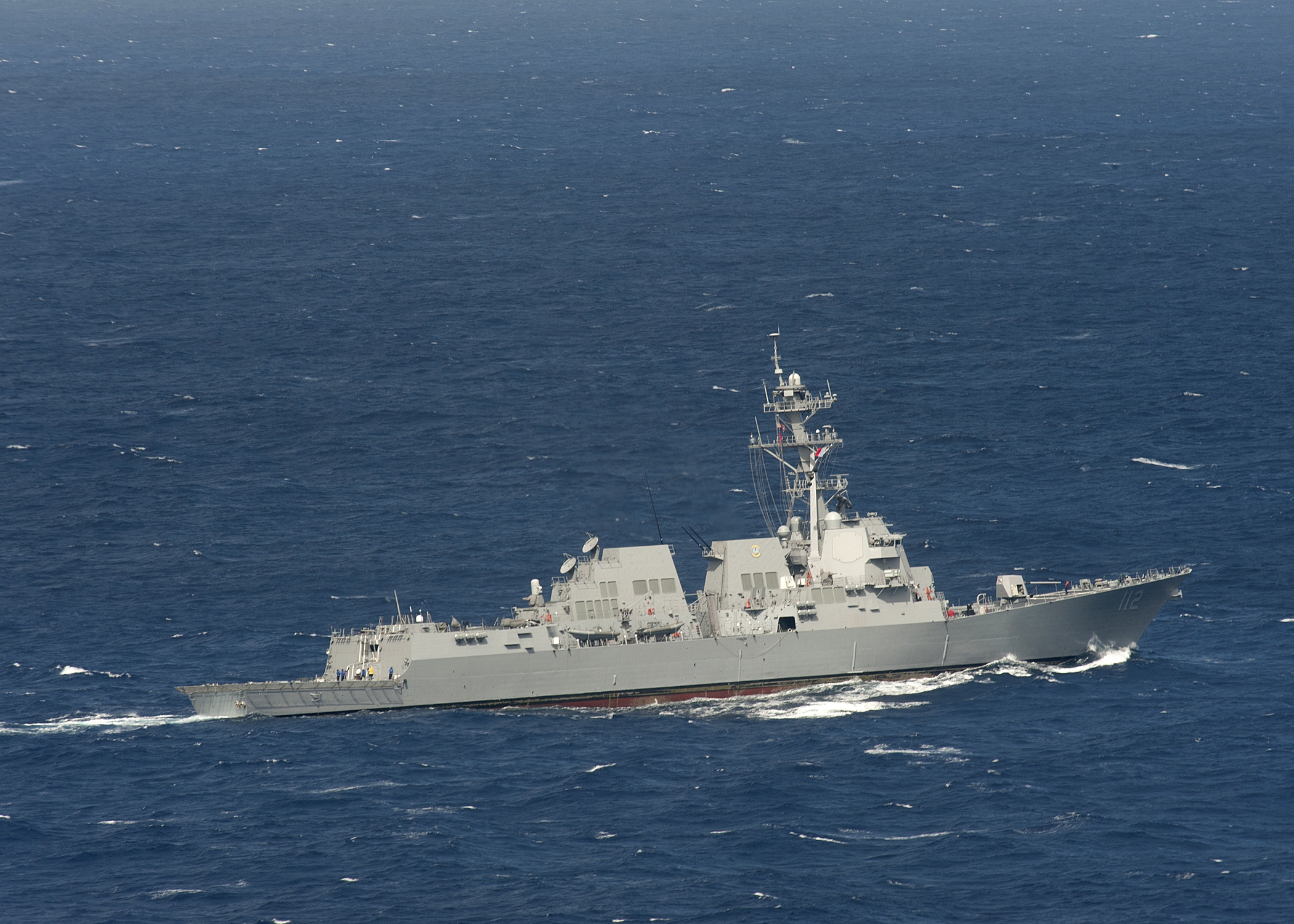
Four days later, Araghchi called again. The date was not accidental: April 13 was the day the US naval blockade on Iranian ports went live at 10 a.m. Eastern Time. CENTCOM’s blockade applied to all Iranian ports on the Arabian Gulf and Gulf of Oman, and the US Navy would turn back thirteen ships in the days that followed, according to CNBC. Araghchi needed to reach Prince Faisal before the American reassurance machine could frame the blockade as Gulf-protective, and the call’s content — released through Iranian state channels — reveals its function with unusual clarity.
Araghchi told Prince Faisal that “unfortunately, we witnessed the continuation of the American side’s greed in the negotiations, which caused the failure to reach a result.” He warned of “dangerous consequences of provocative US actions in the Persian Gulf and the Strait of Hormuz for regional and global peace and security.” This is not the language of a country seeking Saudi mediation. This is the language of a country briefing a target-state neighbour on American culpability, depositing a framing in Riyadh’s inbox before Washington could deposit its own.
The function was liability transfer — the diplomatic equivalent of calling someone to tell them who to blame before the other side gets their version out. Iran needed Saudi Arabia to receive the blockade as American aggression rather than American protection, because the moment Riyadh accepted the US framing — that the blockade secured freedom of navigation and pressured Iran toward a deal — Saudi Arabia would become a stakeholder in the blockade’s success rather than a neutral party Iran could use against Washington. Araghchi was trying to insert Saudi Arabia as a pressure vector on the United States, and to do that, he needed to reach Faisal first.
Tasnim News Agency confirmed the strategy from the Iranian side, reporting that Araghchi’s calls with both Prince Faisal and the Qatari foreign minister were used to “complain about American aggression.” Tehran’s narrative to its Gulf neighbours was consistent and deliberate: the problem is US maximalism, not Iranian intransigence. Whether Prince Faisal accepted this framing is unknowable from the SPA readout, which maintained its studied blandness. But Araghchi did not need acceptance — he needed delivery, and that he got.
Why Did Araghchi Need Saudi Arabia to Hear the Blockade Framing First?
Because Saudi Arabia is the only Gulf state whose posture could affect American blockade calculus, and Araghchi understood that if Riyadh aligned publicly with the blockade, Iran’s negotiating position would collapse on two fronts simultaneously — the military pressure of the naval cordon and the diplomatic isolation of having its largest Gulf neighbour endorse it. Saudi Arabia’s silence on the blockade, its refusal to publicly celebrate or condemn it, was the outcome Iran needed and the outcome the April 13 call was designed to produce.
Gulf analysts tracking the negotiations identified the underlying Saudi anxiety with precision: “There is a quiet but palpable concern that President Trump, eager for a quick political victory, could tolerate some Iranian leverage over the strait in exchange for a fragile truce, prioritising optics over Gulf realities.” That concern — that Washington might trade Hormuz sovereignty for a headline — is exactly the wedge Araghchi was exploiting. By calling Faisal on blockade day and framing the US as the aggressor, Iran was telling Saudi Arabia: your real problem is not us, it is the Americans who might sell you out for a deal.
The pattern runs through the war: Saudi Arabia financing the infrastructure of a conflict resolution process from which it is excluded, while the parties at the table — Washington and Tehran — negotiate over Saudi equities without Saudi participation. The April 13 call was Araghchi’s attempt to ensure that exclusion generated resentment toward the US rather than toward Iran, and the fact that Riyadh’s public posture remained neutral in the days after the blockade suggests the call was not entirely unsuccessful.
Call Three: The Declaration (April 17)
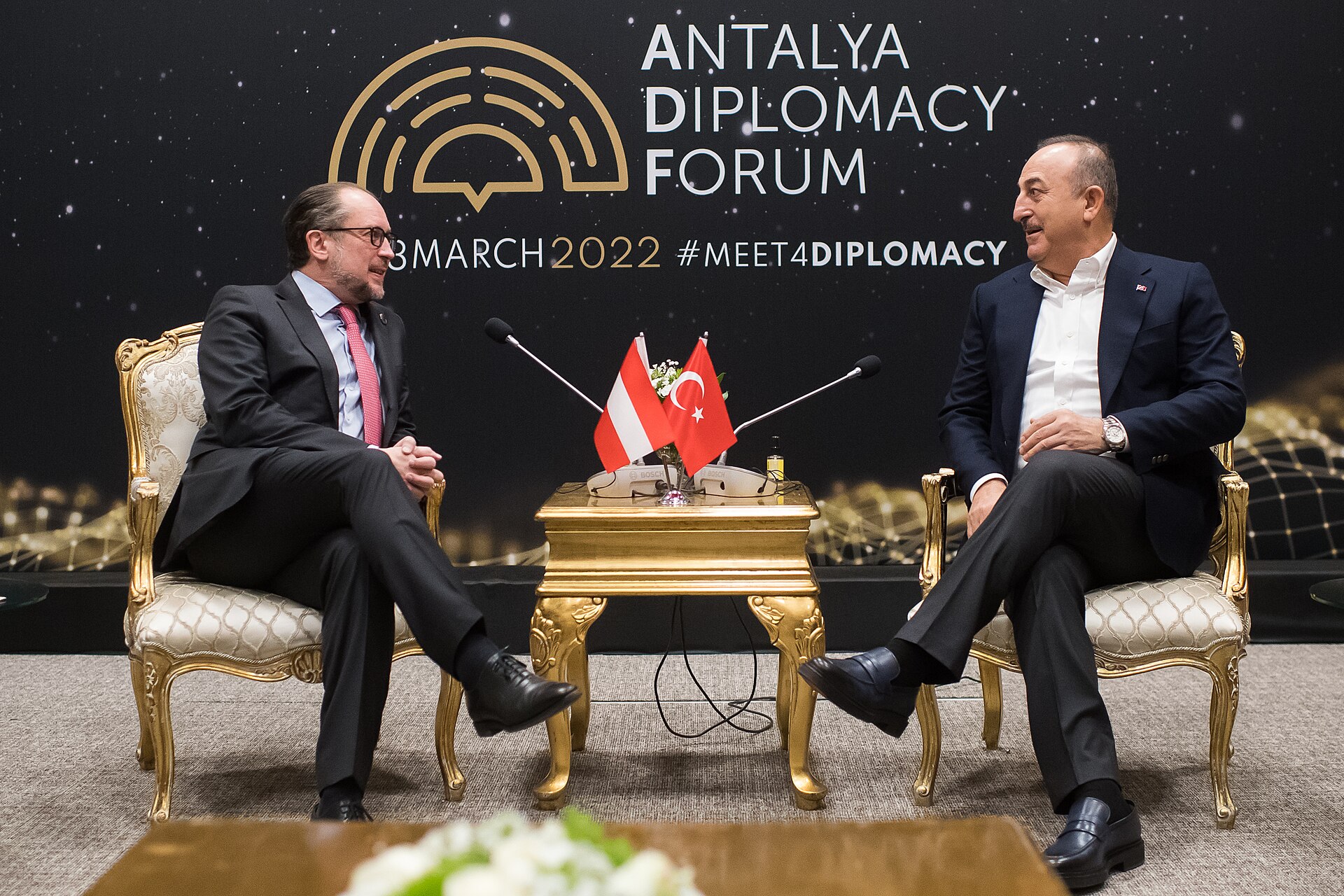
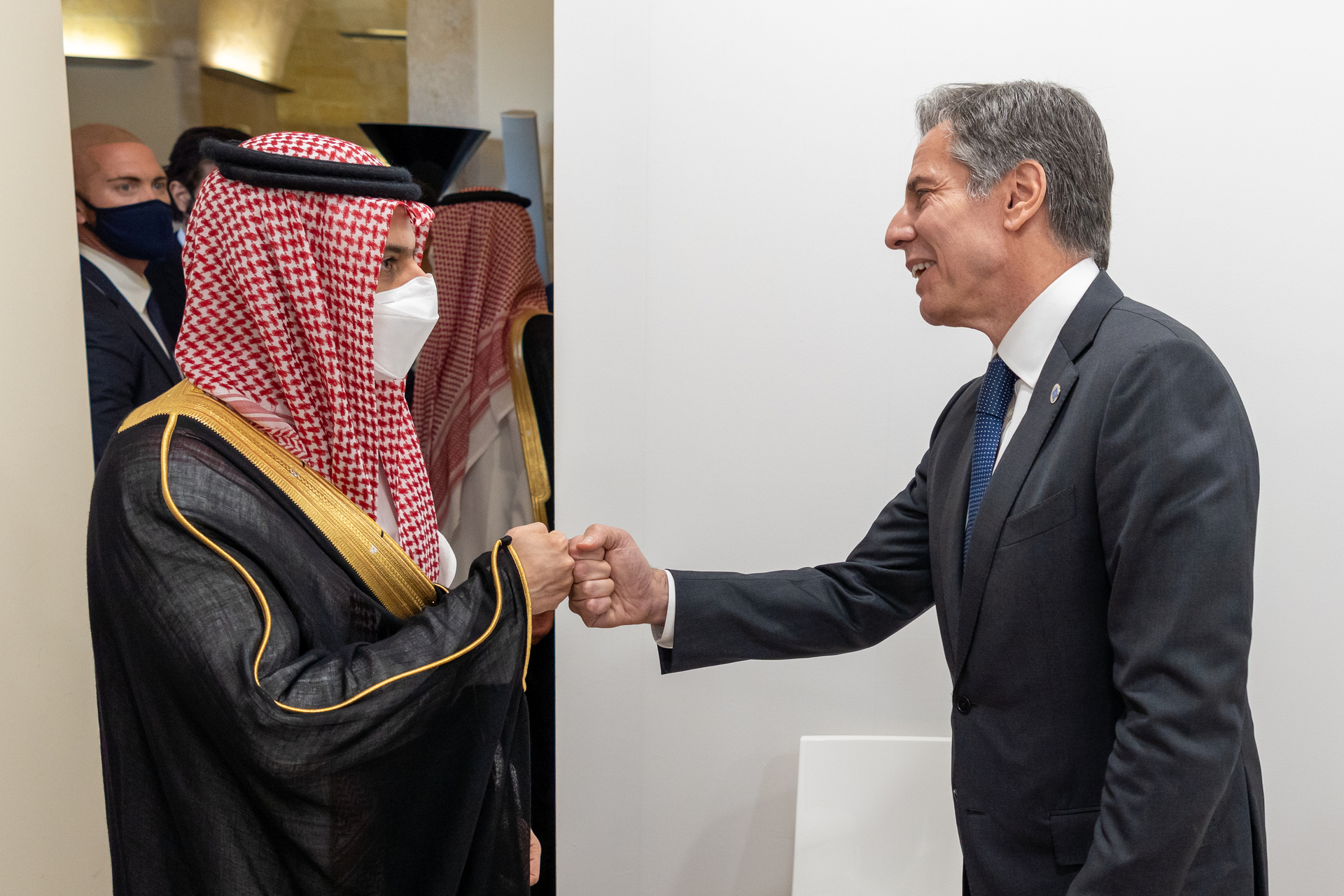
The third contact was not a private phone call but a public detonation. On April 17, Araghchi posted on X that “in line with the ceasefire in Lebanon, the passage for all commercial vessels through Strait of Hormuz is declared completely open for the remaining period of ceasefire, on the coordinated route as already announced by Ports and Maritime Organisation of the Islamic Rep. of Iran.” He made the announcement from Antalya, Turkey, where the Antalya Diplomacy Forum was hosting a quad meeting of Turkey, Egypt, Pakistan, and Saudi Arabia — meaning Prince Faisal bin Farhan was in the same city when the declaration landed.
Brent crude crashed roughly 11% within hours, dropping from around $98 to $88.73, according to Bloomberg. Tankers that had been waiting made a dash for the strait. The market read “completely open” and priced in relief. But the declaration’s actual text — which most headlines did not parse — contains three conditions that make it something other than what it appears, and each condition is a trap of its own design.
First, the opening is conditioned on the Lebanon ceasefire, not on the US-Iran ceasefire framework. This is a legally deliberate distinction: Iran can re-close Hormuz if the ten-day Israel-Lebanon truce collapses without violating any commitment to Washington. Second, the phrase “for the remaining period of ceasefire” means the opening has a built-in expiry — April 22, five days from the announcement — after which the strait reverts to Iranian discretion. Third, the “coordinated route as already announced by Ports and Maritime Organisation” is the lane that requires IRGC coordination, as a senior Iranian official confirmed to Reuters: all ships can transit, but they must coordinate with the IRGC and are restricted to lanes Iran deems safe.
Iran offered five days of Hormuz normalcy with an expiry date, conditioned on a ceasefire Iran did not negotiate and administered through IRGC coordination that amounts to a peacetime sovereignty claim over an international waterway. And it delivered this package in the same city as the Saudi foreign minister, inside the venue of a quad meeting where Riyadh was meant to be coordinating its own position. The declaration’s internal contradictions — Araghchi’s deputy said on the same day that no temporary ceasefire is acceptable — are Iran’s problem. Saudi Arabia’s problem is different and more immediate.
What Does “Completely Open” Actually Mean?
It means less than the market priced in and more than the blockade allowed, and the gap between those two readings is where Iran’s leverage lives. “Completely open” with IRGC coordination is not completely open in any sense that UNCLOS or the five GCC states that demanded Hormuz reopening “in accordance with international law” would recognise. It is a managed opening — transit permitted but administered, commercial vessels welcomed but military vessels prohibited, coordination required but the coordinating authority is the same IRGC Navy that declared “full authority to manage the Strait” on April 5 and April 10.
The IRGC’s position has been consistent throughout the war, even as the diplomatic language has softened: Iran claims administrative authority over Hormuz transit and treats that authority as non-negotiable. Point 7 of Iran’s ten-point plan requires IRGC “coordination” over Hormuz as a treaty requirement in any permanent settlement. The April 17 declaration does not abandon that claim — it operationalises it under the cover of a goodwill gesture, converting a unilateral ceasefire concession into an administrative precedent that Iran will cite in every subsequent negotiation. If vessels transit Hormuz under IRGC coordination for five days without incident, Tehran will argue that the system works and should be formalised.
Trump, for his part, was not fooled or was not interested in being fooled. His Truth Social post on the same day stated the US blockade “will remain in full force” until a peace deal is signed. The blockade applies to Iranian ports, not to Hormuz transit for non-Iranian-port vessels — a scope distinction that allows both the blockade and the “opening” to coexist, which is another way of saying that Iran’s declaration changed less about the physical reality of the strait than it changed about the diplomatic framing of who controls it.
| Date | Initiated By | Context | Function | Saudi Response |
|---|---|---|---|---|
| April 9 | Araghchi | Day after ceasefire announced; 40 days of silence broken | Re-entry — Iran defines terms of renewed contact | SPA formulaic readout: “discussed ways to reduce tensions” |
| April 13 | Araghchi | US naval blockade activated 10 a.m. ET same day | Liability transfer — frame US as aggressor before Washington frames blockade as protection | No public statement on blockade alignment |
| April 17 | Araghchi (public declaration) | Antalya Forum; Saudi FM in same city; Hormuz “completely open” | Co-optation — Saudi silence functions as consent to IRGC-administered opening | No public endorsement or opposition |
The Co-optation Trap
The mechanism is elegant in its cruelty. Saudi Arabia spent the war demanding Hormuz reopening — five of six GCC states made it the centrepiece of any permanent settlement, according to ACLED, and Riyadh’s entire bypass strategy through the East-West Pipeline to Yanbu was built on the premise that Hormuz was closed and would remain so. Now Iran has declared the strait open, and Saudi Arabia cannot respond honestly without undermining its own position. If Riyadh welcomes the declaration, it validates IRGC authority over the strait and accepts that Hormuz reopening is a gift Tehran can give and take away rather than a right under international law. If Riyadh opposes the declaration, it looks like a state that demanded Hormuz reopening but rejected it when offered — an incoherent position that benefits no one except Iran’s narrative operation.
The third option — silence — is what Saudi Arabia chose, and silence is what Araghchi was engineering from the first call onward. Saudi silence on the Hormuz declaration functions as passive consent in every international forum: Iran opened the strait, the state most affected did not object, therefore the opening’s terms (IRGC coordination, Lebanon conditionality, five-day expiry) are acceptable to the region. Chatham House analysts warned in April that if talks focus “too narrowly on American and Iranian priorities, they may succeed in stabilizing the immediate crisis while leaving the broader regional order fragile.” The Hormuz declaration is the embodiment of that warning — a narrow US-Iran crisis-management gesture that reshapes the regional order by establishing IRGC administrative authority as the default, with Saudi silence as the ratifying seal.
This is not the first time Saudi Arabia has been co-opted by silence in this war. The pattern of exclusion followed by fait accompli — where decisions are made at tables Saudi Arabia does not sit at and then presented to Riyadh as settled terms requiring response — has defined the Kingdom’s diplomatic experience since February 28. But the three-call sequence adds a new dimension: Iran did not merely exclude Saudi Arabia and present a result. Iran re-included Saudi Arabia, through carefully sequenced bilateral contact, specifically so that Saudi Arabia’s presence in the conversation would function as implicit validation of the outcome. Exclusion is embarrassing. Inclusion as a prop is worse.
“The current disintegrating ceasefire again appears to have been negotiated without any involvement of the Arab Gulf state partners.”
— ACLED, April 2026
The Fiscal Arithmetic of Forced Gratitude
The economic dimension of the trap is as precise as the diplomatic one. Saudi Arabia’s fiscal break-even sits at roughly $108-111 per barrel, according to Bloomberg’s PIF-inclusive estimate, and Brent’s crash to $88.73 on the Hormuz declaration puts Riyadh approximately $19-22 per barrel below the price it needs to balance its budget. The June OSP has already been reset to +$3.50 per barrel from May’s extraordinary +$19.50 war-premium — a $16 price signal collapse that tells Asian buyers the worst is over before the worst is actually over, because the ceasefire expires in five days and the Hormuz opening expires with it.
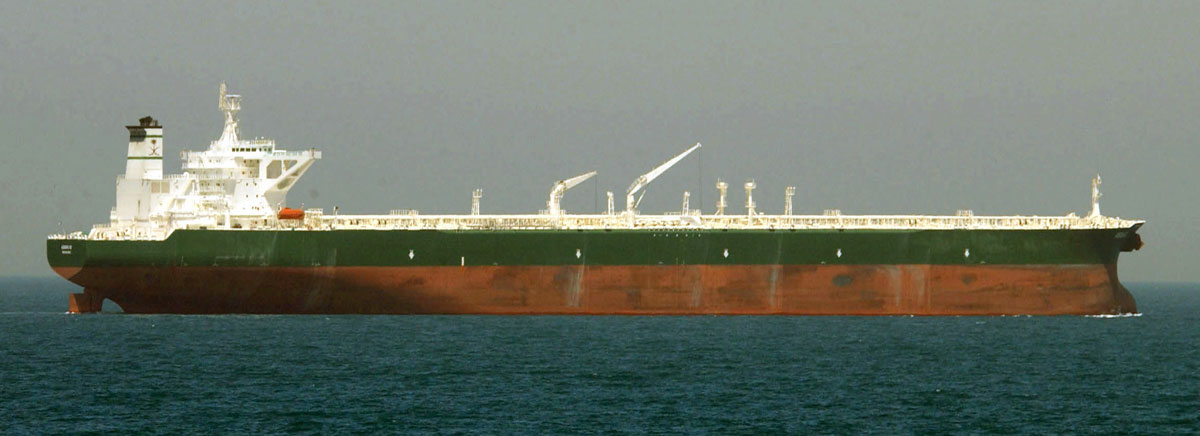
Saudi March production of 7.25 million barrels per day, down 30% from February’s 10.4 million, reflects the physical damage of IRGC strikes on the Kingdom’s eastern infrastructure. The Yanbu bypass through the East-West Pipeline provides a ceiling of 4 to 5.9 million bpd — a structural gap of 1.1 to 1.6 million bpd below the minimum pre-war Hormuz throughput of 7 million bpd. Even if Hormuz stays open past April 22, Saudi Arabia cannot immediately restore its pre-war export volumes because the onshore infrastructure damage has not been repaired. Khurais remains offline at 300,000 bpd with no announced restoration timeline. The revenue mathematics are brutal: lower production, lower prices, and a fiscal deficit that Goldman Sachs estimates at 6.6% of GDP on a war-adjusted basis versus the official projection of 3.3%.
| Metric | Pre-War (Feb 2026) | Current (April 17) | Change | Source |
|---|---|---|---|---|
| Oil production | 10.4M bpd | 7.25M bpd | -30% | IEA |
| Oil exports | ~6.7M bpd | ~3.33M bpd | -50% | Bloomberg |
| Brent crude | ~$82/bbl | $88.73/bbl | +8% (but below $108-111 break-even) | Bloomberg |
| Aramco OSP (Arab Light to Asia) | +$3.50/bbl | +$3.50/bbl (June reset) | -$16 from May’s +$19.50 | Aramco |
| Yanbu export ceiling | N/A (Hormuz open) | 4–5.9M bpd | Gap of 1.1–1.6M bpd vs pre-war | IEA/HOS analysis |
| GDP growth forecast | 4.5% | 3.1% | -1.4 pp | IMF (April 14) |
The fiscal trap compounds the diplomatic one. Iran’s five-day Hormuz opening crashed the oil price that Saudi Arabia needs to stay solvent, which means Iran’s “gift” to the region — reopening the strait Saudi Arabia demanded reopened — actively damages Saudi revenue at the exact moment when Riyadh can least afford it. If Saudi Arabia complains, it is complaining about Hormuz being open. If Saudi Arabia stays quiet, it absorbs the revenue hit in silence. Iran managed to construct a scenario in which giving Saudi Arabia what it publicly wanted is more damaging than continuing to withhold it, because the conditional and temporary nature of the opening creates price volatility without price recovery, transit uncertainty disguised as transit freedom, and a five-day clock that guarantees another crisis on April 22.
What Can Saudi Arabia Do Before April 22?
Very little that does not play into one of the traps already set. The Antalya quad — Turkey, Egypt, Pakistan, and Saudi Arabia — met on April 17, and the forum runs through April 19, which gives Prince Faisal two days of face-to-face diplomacy with the three states most active in ceasefire mediation. Pakistan’s PM Shahbaz Sharif met MBS in Jeddah the previous week and “reiterated Pakistan’s commitment to advancing efforts to encourage both the US and Iran towards an agreement,” according to Qatar Tribune, which is the language of a mediator managing a patron rather than consulting a partner. Turkey’s back-channel to Iran is the infrastructure that made the April 9 call possible, which means Ankara is both mediator and enabler of the co-optation sequence.
The structural problem is that Saudi Arabia’s oil production, fiscal capacity, and military hosting are all being consumed by the war itself, and the diplomatic options it might wield through OPEC+ coordination, Asian buyer relationships, or direct bilateral engagement with Iran are constrained by the fact that Iran has already framed the Hormuz conversation in terms Saudi Arabia cannot reshape without looking either ungrateful (rejecting the opening) or complicit (accepting IRGC coordination as normal). The Pakistan enforcement mechanism that underpins the ceasefire is itself structurally limited — Islamabad cannot adjudicate IRGC compliance or compel Iranian military commanders who do not answer to the civilian government that signed the ceasefire.
What Saudi Arabia can do — and what Prince Faisal is almost certainly attempting in Antalya — is build a coalition position on the April 22 expiry that treats Hormuz reopening as an international law issue rather than an Iranian concession, insisting that the strait must remain open not because Iran generously declared it so but because UNCLOS requires it. This reframing would strip the declaration of its gift-wrapper and reposition Saudi Arabia from grateful recipient to legal enforcer, but it requires consensus among the quad partners that none of them — Turkey, Egypt, and Pakistan each have their own equities with Tehran — may be willing to deliver. Ali Vaez of the International Crisis Group noted that the Islamabad talks “underscore the wide gaps,” and those gaps include the distance between what Gulf states need and what ceasefire mediators are willing to demand on their behalf.
The five-day window is not enough time to renegotiate the ceasefire terms, secure a Hormuz permanence guarantee, or repair the onshore infrastructure damage that limits Saudi export capacity regardless of whether the strait is open or closed. It is enough time for Iran to establish the administrative precedent of IRGC-coordinated Hormuz transit as the working reality, which is exactly why Araghchi chose five days rather than five weeks — long enough to normalise, short enough to threaten.
Frequently Asked Questions
Has Saudi Arabia responded publicly to the Hormuz “completely open” declaration?
As of April 17, Riyadh has issued no public statement on the Hormuz declaration itself — neither endorsing nor opposing it. The Saudi Press Agency’s readouts of the April 9 and April 13 calls used identical formulaic language about “reducing tensions” without addressing Hormuz governance, IRGC coordination, or the Lebanon-linkage condition. Saudi Arabia’s diplomatic corps in Antalya has focused its public messaging on the quad meeting’s broader agenda — ceasefire extension, humanitarian corridors, and post-war reconstruction — rather than on the strait declaration specifically. The silence extends to Saudi-aligned media outlets, which as of filing have not editorialised on the IRGC coordination requirement embedded in the opening.
Could Saudi Arabia route all its oil exports through Yanbu permanently, bypassing Hormuz entirely?
Not at pre-war volumes. The East-West Pipeline’s maximum throughput is approximately 7 million bpd, but effective Yanbu loading capacity sits between 4 and 5.9 million bpd due to port infrastructure constraints, storage limitations, and the SAMREF refinery damage sustained on April 3. Pre-war Saudi exports through Hormuz ran at 7 to 7.5 million bpd, leaving a structural gap of 1.1 to 1.6 million bpd that no amount of pipeline optimisation can close without multi-year terminal expansion at Yanbu. Additionally, Red Sea routing from Yanbu adds transit time and insurance costs for Asian buyers accustomed to direct Gulf loading, and Bab el-Mandeb — the Red Sea’s southern chokepoint — remains a potential vulnerability if Iran’s Houthi allies escalate, a risk that Aramco’s pricing team has not publicly addressed.
Why did Iran condition the Hormuz opening on the Lebanon ceasefire rather than on the US-Iran ceasefire?
The Lebanon linkage serves two purposes that the US-Iran ceasefire linkage would not. Operationally, the ten-day Israel-Lebanon truce (effective April 17) provides a defined trigger for re-closure that is outside Washington’s control — if Israel resumes strikes in Lebanon, Iran can re-close Hormuz without violating any commitment to the United States, shifting the blame for re-closure to Tel Aviv rather than Tehran. Strategically, the Lebanon link validates Iran’s claim to be a regional security actor whose Hormuz policy responds to the broader Middle Eastern conflict architecture, not merely to bilateral pressure from Washington. This framing also insulates Iran from the charge that it is using Hormuz as leverage in nuclear negotiations, since the opening is formally tethered to a conventional military ceasefire rather than to the enrichment and sanctions discussions that dominate the US-Iran track.
What happens to oil markets if the ceasefire expires on April 22 without extension?
The expiry would trigger an immediate reversal of the Brent price collapse that followed the April 17 declaration, with traders pricing in re-closure risk. The $88.73 Brent level already reflects a market that has priced in partial Hormuz normalisation; a reversion to pre-declaration conditions — IRGC-managed transit restrictions, selective exemptions, and blockade enforcement — would push Brent back toward the $98-105 range within days, according to energy trading desks cited by Bloomberg. The more dangerous scenario is not re-closure but ambiguity: Iran maintaining the “open” declaration verbally while IRGC naval units resume selective interdiction, creating a split between the diplomatic signal (open) and the operational reality (managed), which would produce the worst possible outcome for tanker insurance markets — unquantifiable risk premium layered on top of elevated base rates.
Is there a precedent for one state declaring an international strait “open” as a concession?
The closest parallel is Egypt’s management of the Suez Canal during the 1973 Arab-Israeli War aftermath, but that analogy breaks down because Suez is an artificial waterway over which Egypt has recognised sovereign authority, whereas Hormuz is a natural strait governed by UNCLOS transit passage provisions that do not require coastal state permission for transit. A more precise — and more troubling — precedent is the Ottoman Empire’s management of the Turkish Straits under the 1936 Montreux Convention, which gave Turkey administrative authority over Bosphorus and Dardanelles transit while formally keeping them “open.” Iran’s April 17 declaration echoes the Montreux structure: the strait is declared open, but the declaring state’s military retains coordination authority, and the declaration is conditional on political circumstances the declaring state defines. The difference is that Montreux was negotiated multilaterally over years with all affected parties at the table. Iran’s Hormuz declaration was announced on social media.