
JEDDAH — Saudi Arabia blocked Pakistan’s $1.5 billion arms deal with Sudan’s military government on April 20, withdrawing the financing that made the agreement possible, according to two Pakistani security sources and one diplomatic source cited by Reuters. The suspension came on the same day Crown Prince Mohammed bin Salman hosted Sudan’s Transitional Sovereign Council chairman Abdel Fattah al-Burhan in Jeddah.
Pakistan’s military, air force, and foreign ministry issued no public comment on the suspension. The silence was itself a data point: Islamabad is simultaneously functioning as Iran’s sole credible ceasefire mediator, and public acknowledgment of Saudi financial overrule would damage that position. Retired Pakistani Air Marshal Aamir Masood had described the deal as a “done deal” in January 2026, according to Reuters.
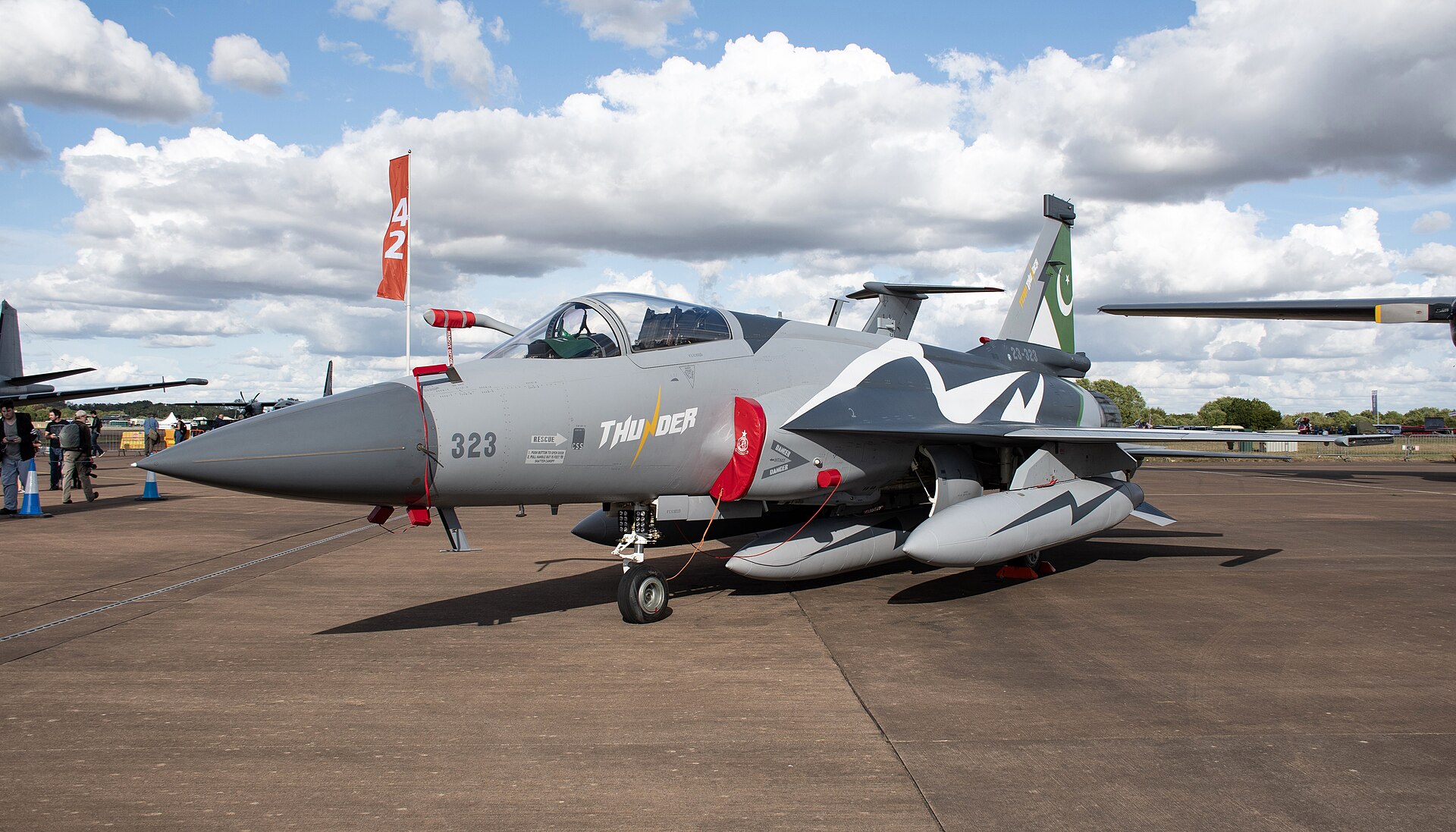
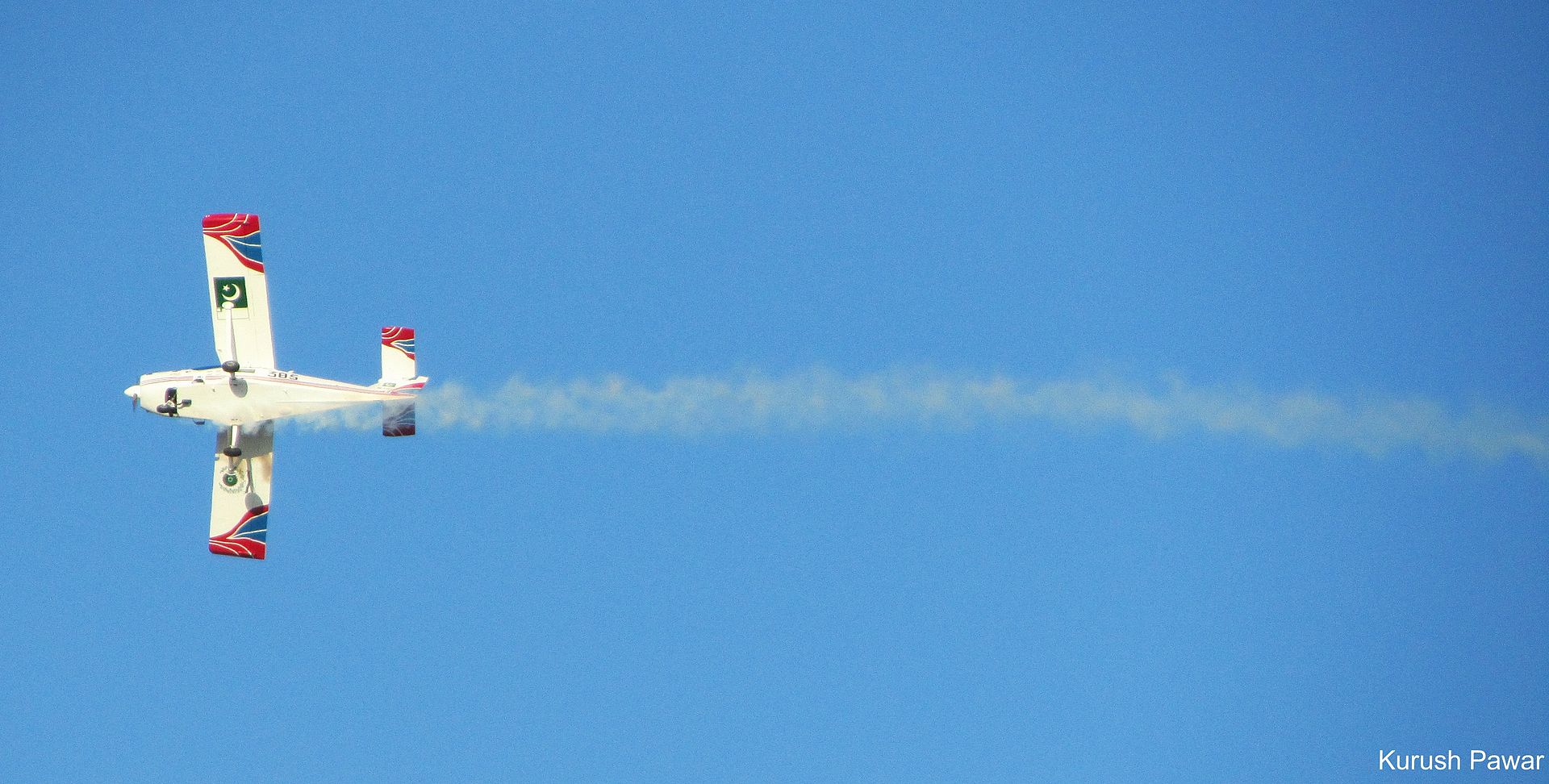
The package included 10 Karakoram-8 light attack aircraft, 200-plus drones, advanced air defense systems, Super Mushshak trainer aircraft, and potentially JF-17 Thunder multirole fighters, Reuters and Al-Monitor reported. Saudi Arabia had originally brokered the agreement and served as its financing backstop. A March 2026 meeting between Sudanese army leaders and Saudi authorities in Riyadh ended that backing.
Contents
- What Was in the Pakistan-Sudan Arms Package?
- How Did Saudi Arabia Kill the Deal?
- Why Did MBS Meet Burhan the Same Day?
- Saudi Arabia’s Financial Hold Over Islamabad
- Does the Suspension Threaten Pakistan’s Iran Mediation Role?
- The Libya Deal and Pakistan’s Defense Export Pipeline
- Background
- FAQ
- 10 Karakoram-8 (K-8) light attack aircraft — a Chinese-Pakistani joint venture trainer/light combat aircraft manufactured at Pakistan Aeronautical Complex, Kamra
- 200-plus drones — type unspecified, but Pakistan has expanded its armed UAV production line since 2024
- Advanced air defense systems — no further specification in the Reuters report
- Super Mushshak trainer aircraft — a turboprop trainer built at Kamra, already exported to Turkey, Nigeria, Qatar, and Saudi Arabia
- JF-17 Thunder multirole fighters — described as a potential addition; Pakistan produces approximately 25 JF-17 frames per year, constrained by dependence on Russian Klimov RD-93 MA engines, according to The Print and Forecast International
What Was in the Pakistan-Sudan Arms Package?
The $1.5 billion agreement covered a broad cross-section of Pakistan’s defense export catalog, according to Reuters and Al-Monitor reporting from January and April 2026. The package centered on platforms Pakistan produces domestically or co-produces with China.
The confirmed components, per Reuters:
Areig Elhag of the Washington Institute for Near East Policy characterized the deal as part of “a deeper regional shift away from sponsoring dialogue and toward a military resolution to the Sudanese conflict.” She added: “Weapons rarely remain instruments of political pressure for long — they rapidly become fuel for expanded warfare.”
The Middle East briefing 3,000+ readers start their day with.
One email. Every weekday morning. Free.
The deal had cleared Pakistan’s internal approvals and awaited delivery scheduling when the financing was withdrawn.
How Did Saudi Arabia Kill the Deal?
Saudi Arabia acted as intermediary when the agreement reached its “final phases” in January 2026, Al-Monitor reported at the time. Riyadh brokered the terms and underwrote the financing. When the decision to cancel came, it required only the withdrawal of that financing.
The termination point was a March 2026 meeting in Riyadh between Sudan’s army leadership and Saudi authorities, according to Reuters. The meeting ended Saudi financial backing for the deal. Pakistan had no independent financing mechanism for the transaction — the $1.5 billion was Saudi money routed through Islamabad.
Neither Pakistan’s Inter-Services Public Relations directorate, the Pakistan Air Force, nor the Foreign Ministry confirmed, denied, or commented on the suspension, Reuters reported. No denial was issued.
As House of Saud previously reported, Saudi Arabia sent Pakistan $3 billion in new financial support the same week it suspended the Sudan deal and placed the Libya agreement under review. The sequencing — money in, arms deals out — was precise.
Why Did MBS Meet Burhan the Same Day?
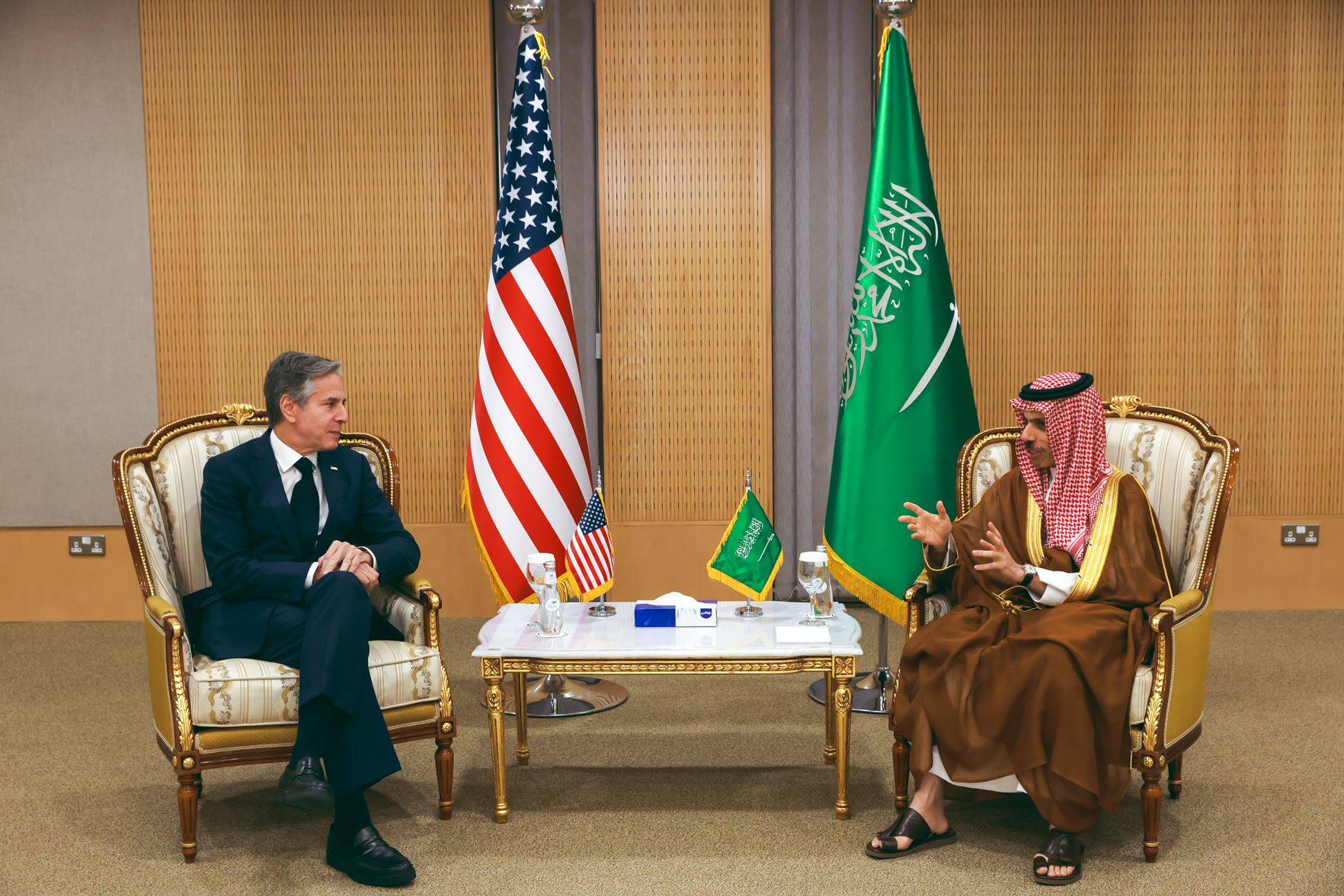
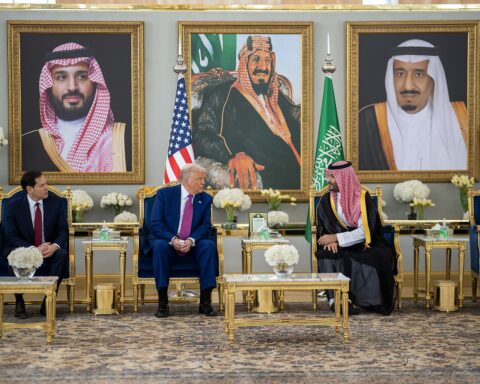
The Saudi Press Agency confirmed that Crown Prince Mohammed bin Salman received General Burhan in Jeddah on April 20. The two leaders “emphasized the importance of ensuring Sudan’s security and stability” and discussed “preserving its sovereignty, unity and territorial integrity,” the SPA readout stated.
Sources cited by Sudan Tribune said Burhan’s visit came at the request of MBS and Egyptian President Abdel Fattah el-Sisi, pressing Khartoum to accept an international peace roadmap for the Sudanese civil war. Saudi Arabia has backed the Sudanese Armed Forces against the Rapid Support Forces since the war began in April 2023 and hosted the Jeddah peace talks platform from May 2023.
The same-day timing produced a three-part sequence: Saudi Arabia blocked the arms deal financing, extended billions in direct financial support to Pakistan, and hosted Burhan to push a peace roadmap — all on April 20. The combination gave Riyadh simultaneous leverage over both Islamabad and Khartoum. Pakistan could not sell weapons Saudi Arabia refused to fund. Sudan could not acquire weapons Pakistan could not deliver.
The broader Saudi interest in Burhan’s visit extended beyond the arms deal. Saudi Arabia’s Red Sea corridor — already constrained by the wider Gulf security environment — runs through Sudanese waters, and Port Sudan remains a potential anchor for Saudi maritime access south of the Strait of Hormuz chokepoint.
Saudi Arabia’s Financial Hold Over Islamabad
Saudi Arabia holds approximately $8 billion in deposits at Pakistan’s State Bank — close to half of Pakistan’s total foreign exchange reserves, according to Bloomberg. The figure comprises a $5 billion existing deposit facility, with maturity rolled to 2028, and $3 billion in new support committed in April 2026.
The $3 billion arrived in two tranches: $2 billion on April 15 and $1 billion on April 21, Bloomberg reported. The timing aligned with the arms deal suspension on April 20 — Pakistan received its first tranche five days before the suspension and the second tranche one day after.
The UAE simultaneously demanded repayment of $3 billion in loans it had previously rolled over for seven consecutive years, Bloomberg reported. Pakistan absorbed that repayment only because Saudi support offset the outflow. Pakistan’s financial survival, at this moment, runs through Riyadh.
Saudi Finance Minister Mohammed al-Jadaan visited Islamabad on April 10, four days before the $3 billion loan was secured, Al Jazeera reported. He met Pakistan’s Prime Minister and military officials. Pakistan’s own Finance Minister publicly acknowledged Field Marshal Asim Munir’s direct role in obtaining the Saudi financial support — the military, not the civilian government, manages this relationship.
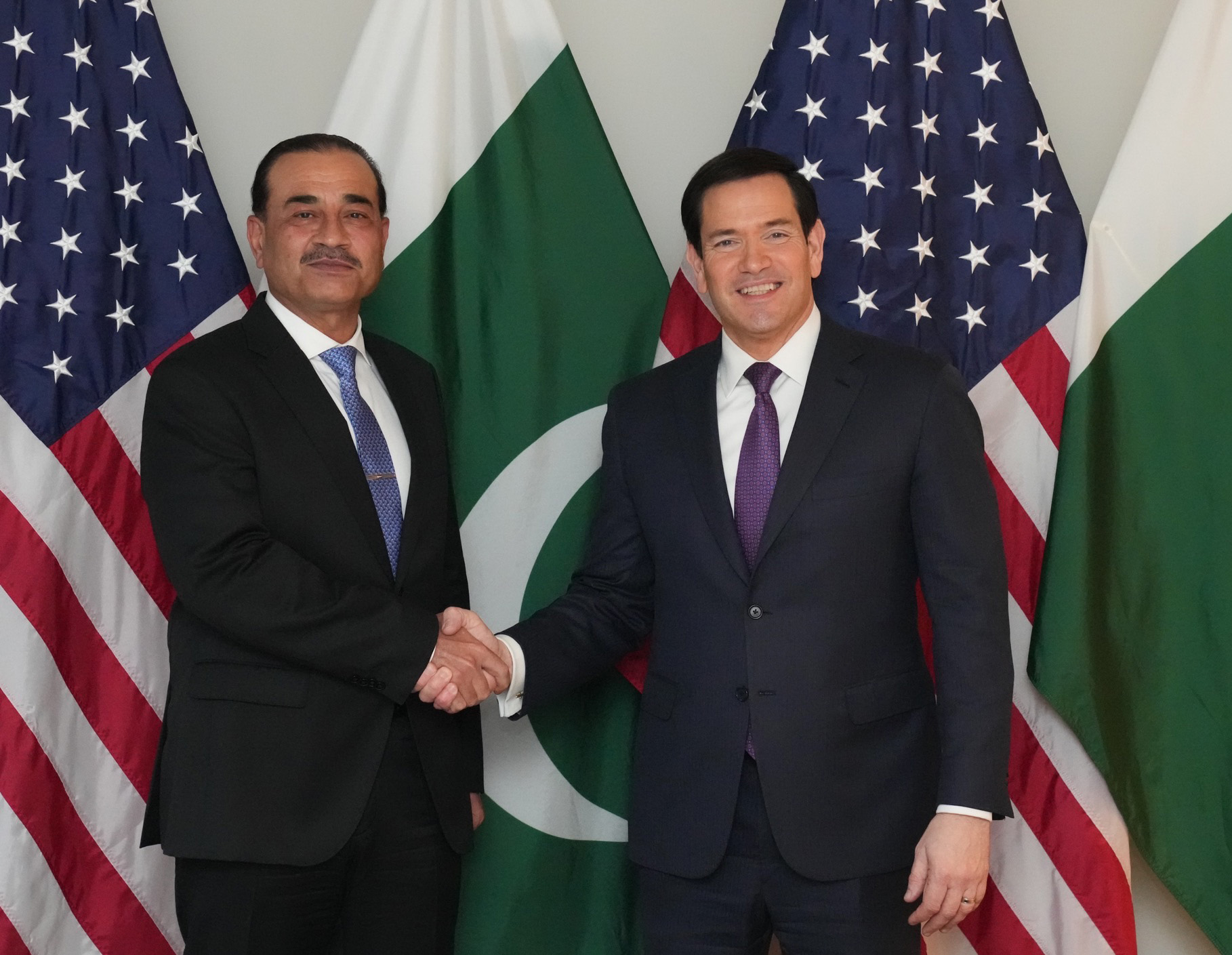
The Saudi-Pakistan Mutual Defense Agreement, signed September 17, 2025 at Al-Yamamah Palace by MBS and Prime Minister Shehbaz Sharif, contains a core clause: “any aggression against either country shall be considered an aggression against both.” The Belfer Center at Harvard characterized the SMDA as “primarily a political signal of solidarity and strategic cooperation, rather than an unconditional war guarantee.”
Azeema Cheema, founding director of Verso Consulting in Islamabad, told Al Jazeera: “The invocation of the SMDA is the price of the significant restraint shown by the Saudis in the progression of this conflict.”
Does the Suspension Threaten Pakistan’s Iran Mediation Role?
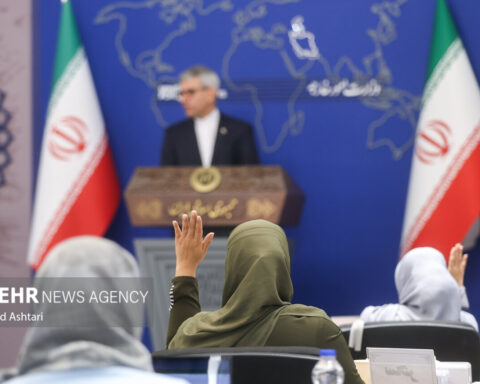
Pakistan is the only state currently functioning as a credible intermediary between Iran and the United States in the ongoing conflict. The arms deal suspension — visible compliance with Saudi direction on a matter of active warfare — directly tests Iran’s willingness to treat Islamabad as neutral.
The Stimson Center, in a 2026 assessment, noted that the IRGC “likely harbors doubts about Islamabad’s reliability, but recognizes that Pakistan is one of the few countries that can serve as a credible mediator.” The same report found that “Pakistani officials have primarily engaged with Iran’s civilian leadership” but “struggle to develop direct channels with the IRGC.”
Umer Karim, an associate fellow at the King Faisal Center for Research and Islamic Studies in Riyadh and former RUSI visiting fellow, told Al Jazeera: “Pakistan is walking a tightrope with regards to both the mediation responsibilities it has taken upon itself and the commitments towards Saudi Arabia’s defence.” He added that the strategy “may work till US-Iran talks continue, but if hostilities restart, Pakistan may have to get fully involved.”
Sina Azodi, assistant professor of Middle East politics at George Washington University, told Al Jazeera that “the Saudi move to partner with Pakistan was more geared toward Israel than Iran” but expressed confidence that Pakistan would not jeopardize its relationship with Tehran.
Cheema pointed to a structural feature that preserves Pakistan’s mediator credibility despite the financial dependence: Pakistan hosts no US military bases and maintains no diplomatic ties with Israel. That configuration, she told Al Jazeera, is what allows Tehran to accept Pakistan as an intermediary even as Islamabad operates under Saudi financial discipline.
An anonymous former Pakistani three-star general told Al Jazeera that the dual role works only if military deployment remains “strictly defensive, time-bound, and transparently limited.” If those conditions fail, “the dual role collapses.” He added: “Iran’s perception, not Pakistan’s intent, will determine whether trust survives.”
Iran has issued no formal complaint about the Sudan arms deal or its suspension. That absence is itself consistent with the Stimson Center’s finding: Iran needs Pakistan as a mediator more than it needs to protest Pakistani arms sales to a Saudi-aligned military government in northeast Africa. The IRGC’s internal authorization disputes have consumed more of Tehran’s bandwidth than Islamabad’s defense export portfolio.
The Libya Deal and Pakistan’s Defense Export Pipeline
The Sudan suspension is not the only Pakistani defense deal under Saudi review. A separate $4 billion agreement with the Libyan National Army, signed in December 2025, is also under pressure, Pakistan Today and Araweelo News reported in April 2026. That package covers 12 JF-17 fighters and 16 Super Mushshak trainers.
Combined, the Sudan and Libya deals represent $5.5 billion in defense export revenue contingent on Saudi approval. Pakistan signed defense export contracts worth nearly $10 billion in 2025 — the highest in its history, according to The Print and Asia Times. Pakistan’s stated target is $20 billion per year in defense export revenue by 2030.
The JF-17 production constraint shapes the stakes. Pakistan builds approximately 25 frames per year, limited by Russian Klimov RD-93 MA engine supply, Forecast International reported. Every JF-17 committed to one buyer is a JF-17 unavailable to another. Saudi Arabia, by virtue of the SMDA and its position as Pakistan’s largest financial patron, sits at the front of that queue — not as a buyer, but as the entity that decides who else can buy.
The UAE complicates the picture further. Abu Dhabi backs the Rapid Support Forces in Sudan — the SAF’s enemy. The UAE’s simultaneous demand for Pakistan to repay $3 billion in loans, after rolling them over for seven years, arrived at the same moment Saudi Arabia was pulling the Sudan deal. Pakistan could not afford to antagonize either Gulf capital, and Saudi money was the only reason it could absorb the UAE’s withdrawal.
Background
Sudan’s civil war began in April 2023 when fighting erupted between the SAF under Burhan and the RSF under Mohamed Hamdan Dagalo (Hemedti). Saudi Arabia hosted the Jeddah peace talks beginning May 2023 and has progressively aligned with the SAF, driven by Red Sea maritime security, counter-UAE positioning, and Vision 2030 corridor protection.
Pakistan and Saudi Arabia have maintained a mutual defense relationship since 1967. The September 2025 SMDA formalized that relationship at treaty level, triggered eight days after Israel struck Doha on September 9, 2025 — an event Al Jazeera reported had “deeply unsettled Gulf states’ sense of security.”
Pakistan’s 27th Constitutional Amendment, passed in 2025, concentrated foreign policy authority under the military establishment, making ceasefire diplomacy Field Marshal Munir’s operation rather than the elected government’s. Pakistan has served as Iran’s protecting power in the United States since 1992.
FAQ
Has Pakistan sold JF-17 fighters to any country before Sudan?
Yes. Myanmar received 16 JF-17s beginning in 2018, making it the first export customer. Nigeria signed a deal for three JF-17s in 2022. Argentina explored a purchase but withdrew under British diplomatic pressure related to the Falkland Islands. Each export required Chinese approval because the JF-17 is a joint Sino-Pakistani program — Beijing holds effective veto power over sales alongside any financing-state leverage.
What role does the UAE play in Sudan’s civil war?
The UAE has provided military support to the RSF, the SAF’s adversary, including arms shipments routed through Chad, according to a UN Panel of Experts report in January 2024. Abu Dhabi’s alignment with the RSF puts it directly opposite Saudi Arabia’s SAF backing. This Gulf rivalry within Sudan means Pakistani arms sales to either side carry consequences with at least one major financial patron.
Could Pakistan finance the Sudan deal without Saudi backing?
Pakistan’s foreign exchange reserves stood at approximately $16.5 billion in April 2026, of which roughly $8 billion consisted of Saudi deposits. A $1.5 billion defense export financed independently would require either a direct Sudanese payment — unlikely given Khartoum’s wartime fiscal crisis — or credit extended by Pakistan’s own banking system, which is under IMF conditionality restrictions limiting sovereign exposure to new defense lending.
What is the Karakoram-8 and why does Sudan want it?
The K-8 is a tandem-seat light attack and trainer aircraft developed jointly by China’s Hongdu Aviation and Pakistan Aeronautical Complex. Unit cost runs approximately $10–15 million, according to Jane’s Defence Weekly. For Sudan’s air force — which lost multiple aircraft to ground fire and maintenance failures during the civil war — the K-8 offers a low-cost close air support platform that requires less maintenance infrastructure than fourth-generation fighters.
Has Saudi Arabia blocked Pakistani arms exports before?
There is no publicly documented precedent of Saudi Arabia vetoing a Pakistani defense export through financial withdrawal. Pakistan has historically managed Gulf relationships by avoiding sales to states at war with its patrons — Islamabad declined Iranian requests during the Iran-Iraq war despite geographic proximity. The April 2026 Sudan suspension appears to be the first case where Saudi Arabia used its role as deal financier to unilaterally suspend a transaction Pakistan had already approved.