
{“content”: “
{“content”: “
n
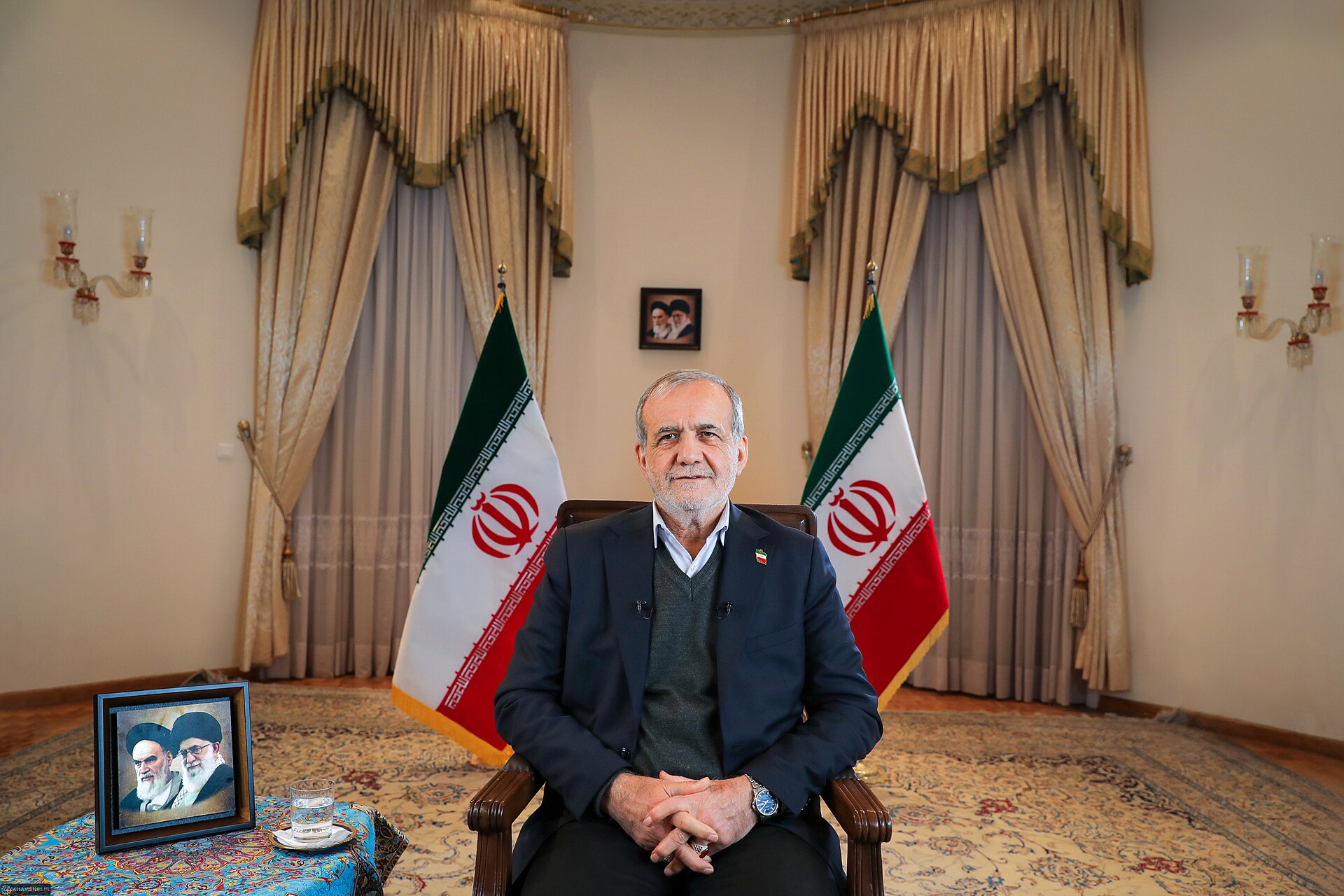
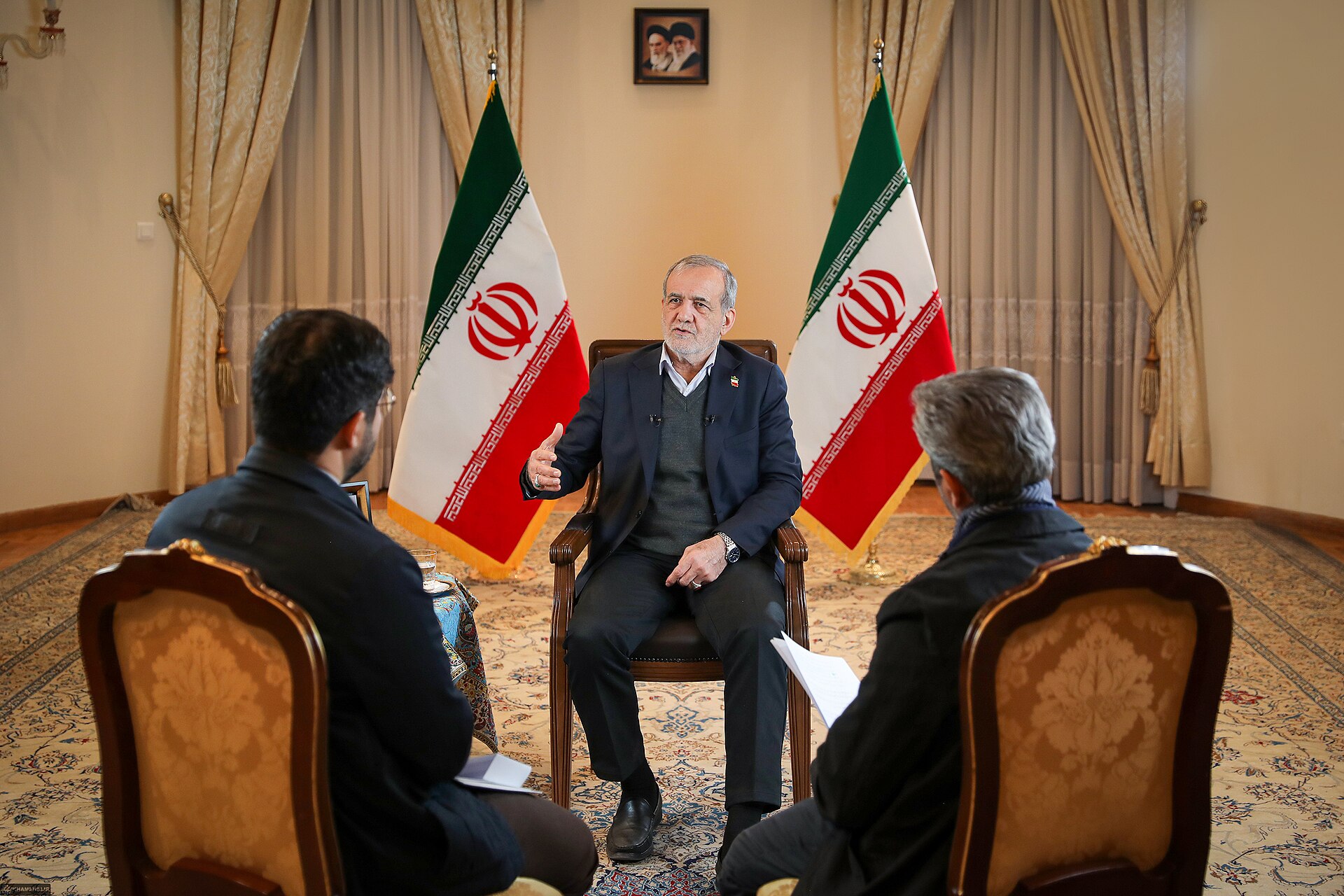
TEHRAN u2014 Iran’s President Masoud Pezeshkian has done what no sitting Iranian president has done during wartime: he named the generals wrecking the ceasefire. On April 4, in a confrontation with Supreme Leader advisor Hossein Taeb that sources described as “tense and highly charged,” Pezeshkian accused IRGC Commander-in-Chief Ahmad Vahidi and Khatam al-Anbiya Central Headquarters commander Ali Abdollahi of “acting unilaterally” and driving escalation through infrastructure attacks on regional countries u2014 policies that, in his words, “destroyed any remaining chance of a ceasefire” and were steering Iran toward “a huge catastrophe.” For months, analysts at the Foundation for Defense of Democracies, at INSS in Tel Aviv, and across Gulf foreign ministries have described the authorization ceiling u2014 the structural gap between what Iran’s civilian government promises and what IRGC commanders permit. That was a thesis. On April 4, the president of the Islamic Republic made it a confession.
n
n
The Middle East briefing 3,000+ readers start their day with.
One email. Every weekday morning. Free.
n
That confession acquired new diplomatic weight on April 18, when Rubio’s call for European sanctions targeted Iranian nuclear capacity while the authorization ceiling Pezeshkian described remained structurally unchanged u2014 the IRGC commanders he publicly accused were still the only actors capable of halting operations that Islamabad is meant to restrain. The full implications of that ceiling for Iran’s nuclear programme u2014 and for Saudi Arabia’s 123 Agreement window u2014 are detailed in Iran’s Nuclear Clock and Saudi Arabia’s Closing Window.
n
n
n
n
Table of Contents
n
n
n
- n
- What Pezeshkian Actually Said u2014 And Why It Matters Constitutionally
- Why Can’t Iran’s President Fire IRGC Commanders?
- Has an Iranian President Ever Named IRGC Commanders This Way?
- The Vahidi Timeline: From March Refusal to Islamabad Walkout
- The Zolghadr Appointment Trap
- What Happens When the Supreme Leader Cannot Command?
- What Does the Rupture Mean for Saudi Arabia’s Ceasefire Investment?
- Pakistan’s Enforcement Architecture and Its Broken Chain
- Frequently Asked Questions
n
- n
n
n
n
n
n
n
n
n
n
n
n
n
n
n
n
n
n
n
n
n
n
n
n
n
n
n
n
n
n
n
n
n
n
n
n
n
n
n
What Pezeshkian Actually Said u2014 And Why It Matters Constitutionally
n
n
n
The April 4 confrontation was not a policy disagreement. It was an accusation with names attached.
n
n
n
According to Iran International, citing two sources close to the presidential office, Pezeshkian met with Hossein Taeb u2014 the former IRGC intelligence chief who now serves as advisor to Supreme Leader Mojtaba Khamenei u2014 and stated directly that Ahmad Vahidi and Ali Abdollahi had destroyed the ceasefire through unilateral military escalation. The language Iran International reported was specific: their policies had “destroyed any remaining chance of a ceasefire.” Ynet News independently confirmed the account.
n
n
n
This was not the first time Pezeshkian tried. On March 7, he issued a public video calling for a ceasefire and instructing armed forces to cease “fire at will” attacks on neighboring countries. Attacks continued. He retracted the message under IRGC pressure. On March 29, he confronted Vahidi directly and demanded “executive and operational control” return to the civilian government. Vahidi refused.
n
n
n
The escalation pattern matters. March 7: public plea, ignored. March 29: private demand, refused. April 4: named accusation to the Supreme Leader’s advisor. Each step was louder because each prior step failed. The president of Iran spent a month discovering u2014 publicly u2014 that he cannot stop his own military from attacking neighboring countries during a war. That gap between presidential accusation and IRGC authority was formally institutionalized on May 1, when the IRGC Navy named Mojtaba Khamenei’s April 30 declaration a “historic directive” governing Hormuz u2014 converting the authorization ceiling from an analyst’s inference into public state doctrine: the dual-track architecture behind Mojtaba’s directive and Iran’s simultaneous 14-point peace proposal is examined here. The authorization ceiling Pezeshkian named produced its most concrete field evidence seventeen days later: six armed IRGC officers — including two full colonels — landed on Kuwait’s Bubiyan Island on May 1, executing a directed operation while the foreign ministry conducted parallel diplomacy in the same week.
n
n
n
Roya Izadi, assistant professor of political science at the University of Rhode Island, framed the structural dynamic in the Journal of Democracy in April 2026: “The U.S.-Israeli war intended to decimate the IRGC has produced the opposite effect, militarizing Iranian politics and concentrating power in coercive institutions rather than civilian bodies.” The war was supposed to weaken the IRGC. It made the IRGC the only institution in Iran that can make decisions that stick.
n
n
n
Why Can’t Iran’s President Fire IRGC Commanders?
n
n
n
The answer is Article 110 of the 1979 constitution, revised in 1989 u2014 and it is unambiguous.
n
n
n
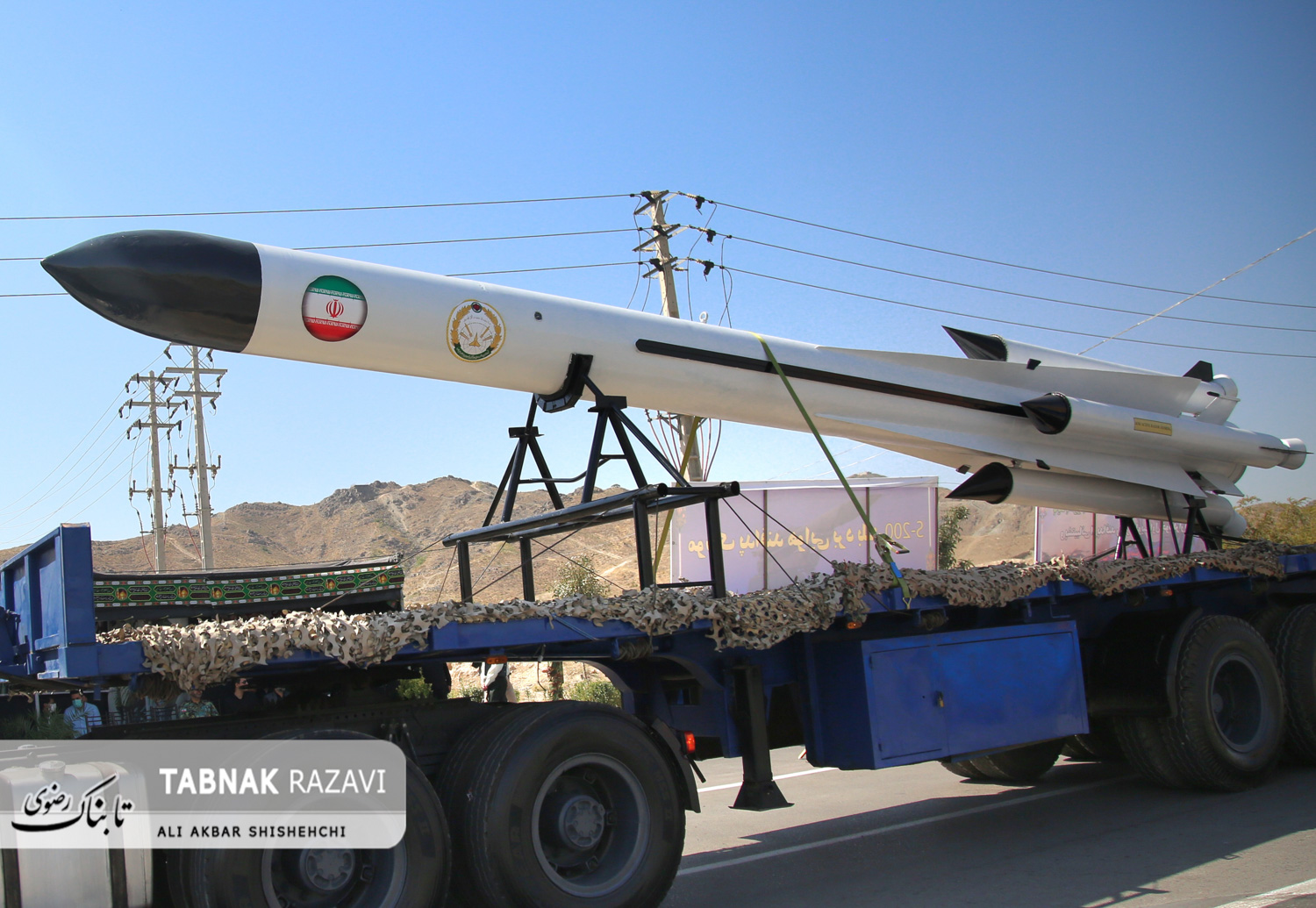
Article 110 vests supreme command of all armed forces u2014 the IRGC, the Artesh (regular military), the Basij, and the police u2014 in the Supreme Leader. Not the president. Not the cabinet. Not the parliament. The Supreme Leader alone appoints and dismisses the IRGC commander-in-chief, the chief of joint staff, and supreme commanders of all branches. The president’s formal authority over the IRGC is zero.
n
n
n
This is not a matter of interpretation or political convention. It is constitutional text. When Pezeshkian demanded that Vahidi return “executive and operational control” to the civilian government on March 29, he was demanding something the constitution does not permit him to receive. Vahidi’s refusal was not insubordination. Under Article 110, it was compliance with the chain of command u2014 a chain that runs upward to the Supreme Leader, not laterally to the president.
n
n
n
The presidency in the Islamic Republic was designed u2014 deliberately, after 1989 u2014 as a subordinate office. The 1989 constitutional revision abolished the prime ministership and expanded both the president’s administrative duties and the Supreme Leader’s strategic authority. The result: the president manages budgets, appoints some ministers (subject to parliamentary approval), and represents Iran diplomatically. The Supreme Leader controls the military, the judiciary, state broadcasting, and the intelligence services. In wartime, the gap between these two portfolios is the gap between relevance and irrelevance.
n
n
n
n
n
n
Behnam Ben Taleblu, senior fellow at the Foundation for Defense of Democracies, stated the implication directly: “He clearly does not have the authority to turn on or turn off a major military conflict.”
n
n
n
Article 176 compounds the problem. The Supreme National Security Council u2014 the body that ratifies IRGC operational orders with strategic consequence u2014 requires the Supreme Leader’s ratification for major decisions. Its secretary, as of March 24, is Mohammad Bagher Zolghadr. He was not Pezeshkian’s choice. He was Vahidi’s.
n
n
n
Has an Iranian President Ever Named IRGC Commanders This Way?
n
n
n
Not during a war. The Islamic Republic has produced civil-military friction before, but never an on-the-record accusation by a sitting president naming serving commanders as responsible for destroying a ceasefire during active conflict.
n
n
n
The closest precedent is Mohammad Khatami’s presidency (1997-2005). In July 1999, when student protests erupted at Tehran University, IRGC and Basij forces moved to suppress them without consulting the president. Twenty-four IRGC commanders subsequently signed a letter to Khatami that carried an implicit threat u2014 warning him against policies that would destabilize the state. Khatami attempted throughout his presidency to limit IRGC influence. He failed. But Khatami’s clashes with the IRGC occurred during peacetime, and he never publicly named specific commanders as wrecking a diplomatic process.
n
n
n
Mahmoud Ahmadinejad’s presidency (2005-2013) inverted the dynamic. A former IRGC-affiliated figure himself, Ahmadinejad presided over an era in which former IRGC officers held nine of 21 ministry portfolios. There was no civil-military rupture because the civilian government was the military government.
n
n
n
Hassan Rouhani (2013-2021) came closest to Pezeshkian’s frustration. He publicly criticized IRGC economic dominance, describing Iran’s post-revolution privatization as the transfer of assets from “an unarmed government” to “a government with arms” u2014 a reference to IRGC-linked bonyads and enterprises that control an estimated one-third of Iran’s economy. But Rouhani’s critique was economic, not military. He did not name commanders. He did not accuse generals of wrecking a diplomatic process. And Iran was not at war.
n
n
n
Pezeshkian’s April 4 accusation breaks with all three precedents simultaneously. It is wartime. It names specific serving commanders u2014 Vahidi and Abdollahi u2014 by title and action. And the accusation is not about economic overreach or political interference but about military escalation that the civilian president has publicly stated he cannot stop. The Iranian constitution was designed to prevent the president from challenging the IRGC. What the constitution did not anticipate is a president who confirms u2014 on the record u2014 that the design works exactly as intended.
n
n
n
Iran’s 1979 constitution originally prohibited military personnel from factional activity and electoral campaigning. Both Khomeini and Khamenei warned the IRGC to stay out of politics at least 13 times between 1979 and 2014. That norm is gone. Izadi’s survey of 2,667 Iranians, conducted after the April 2024 missile strike on Israel, recorded a 35-percentage-point swing in public opinion toward supporting IRGC political involvement. The guardrail was already down before the war began.
n
n
n
The Vahidi Timeline: From March Refusal to Islamabad Walkout
n
n
n
Ahmad Vahidi is not a peripheral figure. He is the IRGC commander-in-chief, subject to an INTERPOL red notice for his role in the 1994 AMIA bombing in Buenos Aires that killed 85 people. The man who controls ceasefire compliance cannot be dealt with formally by any US ally. He cannot travel to most Western capitals. He cannot be summoned to The Hague. He cannot be sanctioned more than he already is. And he holds the operational authority that Pezeshkian does not. The structural consequence became audible on April 18, when the Sanmar Herald audio documented two IRGC command loops operating independently at Hormuz — the same mosaic doctrine architecture that makes Vahidi’s authorisation ceiling impossible for Pezeshkian or any civilian to override. The US has since moved to the next logical step: naming Vahidi as a designated strike target while simultaneously flying to Islamabad, testing whether the ceiling can be removed kinetically when it cannot be negotiated away.
n
n
n
The authorization ceiling problem extends to the nuclear track: even if Iran’s civilian government signs a $20 billion HEU transfer deal, the IRGC’s structural autonomy means the enrichment program could resume the moment a new political alignment forms in Tehran. The full international context of that authorization ceiling u00e2u0080u0094 and why the 2026 NPT Review Conference opens today with every enforcement tool for constraining Iranu00e2u0080u0099s enrichment already spent u00e2u0080u0094 is examined in the NPT Review Conference analysis.
n
n
n
That ceiling operated in full view during the April 24 Vienna session, where China and Russia joined Iran for their third trilateral meeting with IAEA chief Grossi — coordinating nuclear terms two days before Muscat — without Pezeshkian’s government holding any formal seat at the table it was supposedly negotiating from. The institutional choreography of the China-Russia-Iran trilateral meeting with IAEA chief Grossi illustrates how the authorization ceiling fractures Iran’s negotiating coherence even when talks appear to be progressing.
n
n
n
The timeline of Vahidi’s actions since March tells a story that Pezeshkian’s April 4 confession merely narrated:
n
n
n
March 7: Pezeshkian issues public ceasefire appeal. IRGC attacks continue. The president retracts the message under pressure.
n
n
n
March 24: Vahidi compels Pezeshkian to appoint Mohammad Bagher Zolghadr as Secretary of the Supreme National Security Council. Pezeshkian was dissatisfied with the appointment. He made it anyway. Iran International reported the appointment was imposed “amid intensifying internal struggles.”
n
n
n
March 29: Pezeshkian confronts Vahidi directly, demanding return of “executive and operational control” to the civilian government. Vahidi refuses.
n
n
n
Late March: Vahidi rejects all of Pezeshkian’s proposed candidates for intelligence minister, including Hossein Dehghan, a former defense minister and IRGC brigadier general who was apparently not IRGC enough. Vahidi insisted wartime roles be managed directly by the IRGC.
n
n
n
April 4: Pezeshkian accuses Vahidi and Abdollahi by name to Taeb, stating their policies “destroyed any remaining chance of a ceasefire.”
n
n
n
April 10: Iran International reports exclusively that Vahidi and the IRGC Aerospace Force commander explicitly ordered Iran’s negotiating delegation to avoid any negotiations over Iran’s missile program at the Islamabad talks.
n
n
n
April 11: Iran’s negotiating team abandons the Vance-Ghalibaf talks in Islamabad u2014 the first direct US-Iran engagement since 1979 u2014 and returns to Tehran. The order came from senior IRGC commanders and Taeb. The trigger: Zolghadr u2014 Vahidi’s appointee to the SNSC u2014 filed a report accusing Foreign Minister Araghchi of “deviation from the delegation’s mandate” after Araghchi showed flexibility on Hezbollah financial support, Iran International reported on April 14.
n
n
n
Read that sequence again. On March 24, Vahidi forced Pezeshkian to appoint Zolghadr. On April 11, Zolghadr filed the report that killed the Islamabad talks. The instrument Vahidi installed in the SNSC was the instrument Vahidi used to destroy the negotiation.
n
n
n
The Zolghadr Appointment Trap
n
n
n
On April 18, the same SNSC Zolghadr now controls issued a statement claiming it is “currently reviewing” US proposals delivered via Pakistan’s army chief. Whether that review represents a genuine shift or institutional theater — and what Zolghadr’s structural position means for any outcome — is examined in this follow-on analysis.
n
n
n
Mohammad Bagher Zolghadr is himself sanctioned u2014 by the US, the EU, and Australia u2014 for his role in the 2009 post-election crackdown. He is a former IRGC deputy commander and a Vahidi loyalist. His appointment to the SNSC on March 24 was the structural precondition for the Islamabad walkout 18 days later. His sanctions exposure across the US, EU, and every jurisdiction that could plausibly host ceasefire extension talks is the procedural barrier this analysis examines directly. The same Zolghadr-controlled SNSC is now the institution that received Trump’s May 16 nuclear proposal — the third SNSC secretary in four months to receive a US overture, each drawn from deeper within the IRGC’s institutional core than the last.
n
n
n
The SNSC matters because of Article 176. Under the constitution, the SNSC is the coordinating body for defense and national security policy, and its decisions require ratification by the Supreme Leader. Whoever controls the SNSC secretariat controls the paperwork u2014 the reports, the framing of events, the characterization of what a negotiator said or did not say. Zolghadr’s report accusing Araghchi of “deviation from the delegation’s mandate” was not a battlefield order. It was a bureaucratic instrument, filed through proper channels, that gave Vahidi’s walkout order the appearance of institutional process.
n
n
n
The language of that report u2014 “deviation from the delegation’s mandate” u2014 was precise enough to be dispositive. In a system where the SNSC ratifies strategic decisions, a finding that the chief negotiator deviated from his mandate is a finding that the negotiation itself was unauthorized. Araghchi’s flexibility on Hezbollah financial support may or may not have exceeded his instructions. Zolghadr’s report ensured that the characterization of his flexibility was determined by the commander who wanted the talks to fail.
n
n
n
Pezeshkian’s March 29 demand for “executive and operational control” to return to the civilian government was, in effect, a demand that he u2014 not Vahidi’s appointee u2014 control the SNSC’s output. It was refused. Thirteen days later, the SNSC’s output killed the ceasefire talks.
n
n
n
Iran International reported the Zolghadr appointment was made “amid intensifying internal struggles.” That phrasing understates what happened. The appointment was not a byproduct of internal struggle. It was the instrument through which internal struggle was resolved u2014 in Vahidi’s favor, using the constitutional architecture that gives the president no recourse.
n
n
n
What Happens When the Supreme Leader Cannot Command?
n
n
n
Article 110 vests all military authority in the Supreme Leader. Article 176 requires the Supreme Leader’s ratification of SNSC decisions. The entire constitutional architecture assumes a functioning Supreme Leader. Since approximately March 9, 2026, Iran has not had one.
n
n
n
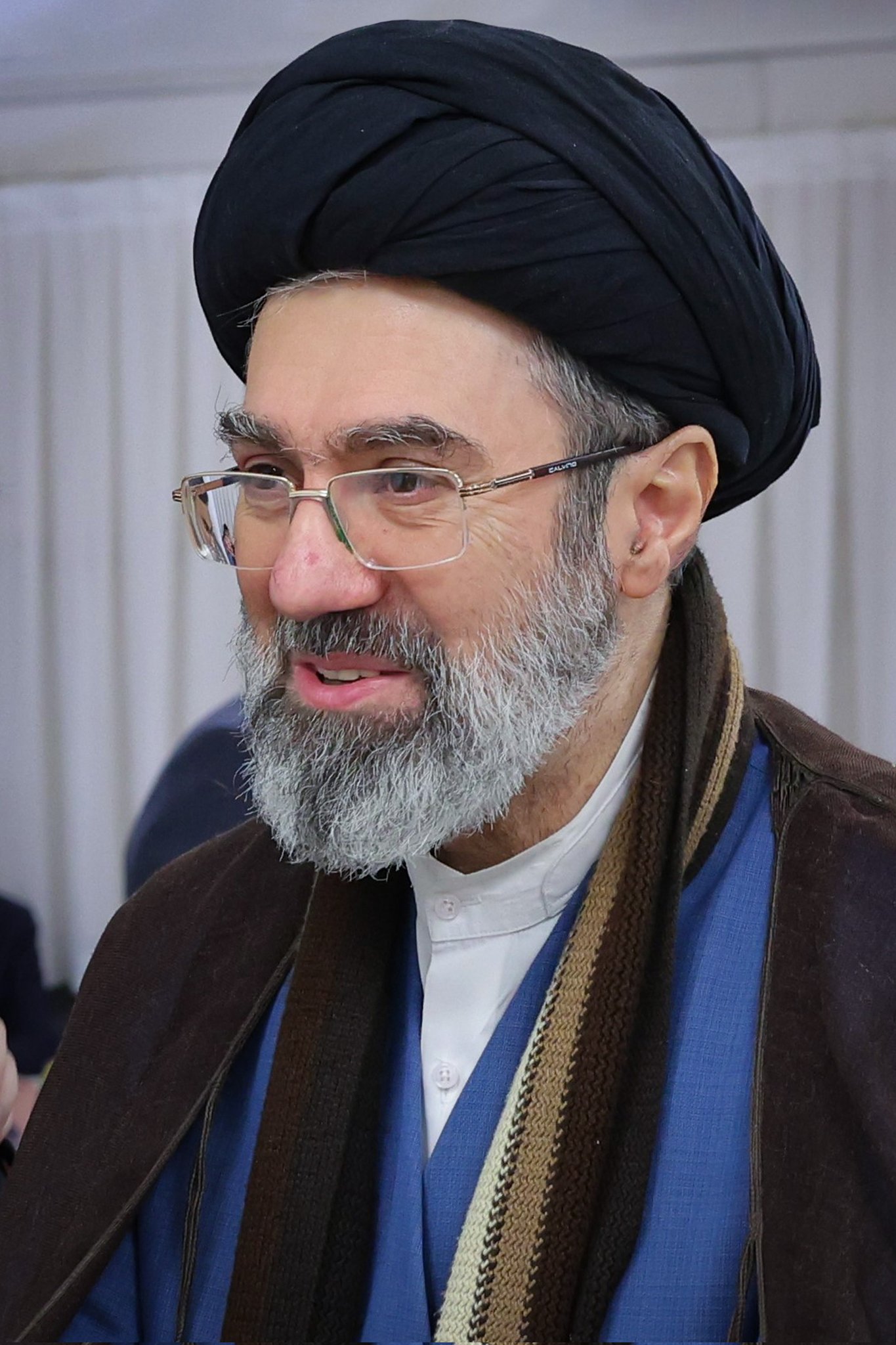
Mojtaba Khamenei u2014 who assumed the Supreme Leader title after his father Ali Khamenei was killed in the same strike that injured him u2014 reportedly suffered severe facial injuries and leg injuries. A US-Israeli intelligence memo shared with Gulf allies, reported by the Times on April 7, assessed him in “severe condition” and unable to participate in decision-making. He has not made a verified public appearance in 44 days as of April 17 u2014 a figure that had grown to 58 days by April 27, when a Mashhad mural depicted him alongside confirmed war dead and Putin claimed to have received a message from him. Statements attributed to him have been delivered in written form read aloud by others. A detailed reconstruction of how Mojtaba has exercised authority over the past 40 days — including the April 8 ceasefire order and the April 18 Hormuz firings — demonstrates that the authorization ceiling was never a command vacuum but an active decision-making chain.
n
n
n
The constitutional consequence is straightforward. If the Supreme Leader cannot exercise the powers of Article 110, no one can exercise them legally. The president cannot fire Vahidi. The parliament cannot fire Vahidi. The judiciary cannot fire Vahidi. Only the Supreme Leader can u2014 and the Supreme Leader is, by all available evidence, incapacitated. The medical reality behind that incapacitation u2014 three leg surgeries, awaited prosthetic limb, facial burns limiting speech, and a communication chain running through motorcycle couriers u2014 is documented in the medical reality behind Iran’s authorization ceiling.
n
n
n
n
n
n
The Foundation for Defense of Democracies, in an April 6 analysis, identified the five men effectively running Iran: Vahidi (IRGC commander-in-chief), Zolghadr (SNSC secretary), Ghalibaf (parliament speaker), Mohsen Rezaei (military advisor to the Supreme Leader), and Mojtaba Khamenei (nominal leader, incapacitated). Pezeshkian was not on the list. The question of what that means for any Hormuz commitment issued under Mojtaba Khamenei’s name — given that the nominal leader has not made a verified public appearance in weeks — is examined in the Supreme Leader legitimacy analysis here.
n
n
n
Izadi’s analysis in the Journal of Democracy identified a deeper structural shift. Unlike his father u2014 who maintained a decades-long practice of balancing IRGC ambitions against other institutional interests u2014 Mojtaba Khamenei “rose through IRGC-networked channels.” Even if he recovers full capacity, his political base is the military establishment he would need to constrain. The structural counterweight that the elder Khamenei (inconsistently, imperfectly) provided is gone u2014 not temporarily absent but structurally eliminated.
n
n
n
The same command architecture that sidelined Pezeshkian is the one that directed the congressional blackout on US base damage assessments u2014 $5 billion in verified infrastructure losses across 11 Gulf installations, a figure the Pentagon has declined to present to Congress in open session, leaving Saudi Arabia to calculate its own exposure from satellite imagery and private intelligence channels.
n
n
n
The result is what FDD’s roster makes visible: a de facto junta of five, three of whom are current or former IRGC commanders (Vahidi, Zolghadr, Rezaei), one of whom is an IRGC-networked Supreme Leader (Mojtaba), and one of whom is a former IRGC Aerospace Force commander turned parliament speaker (Ghalibaf). The civilian president is outside the room. On April 20, Ghalibaf used that Aerospace Force credential to signal post-ceasefire escalation: his “new cards on the battlefield” warning, set against the arithmetic of Saudi Arabia’s 400 remaining PAC-3 interceptors, is examined here. Now, on Day 68, Ghalibaf has gone further — publicly branding the US-drafted MoU “Operation Fauxios,” making the authorization ceiling’s obstruction of every diplomatic exit explicit for the first time.
n
n
n
When Pezeshkian warned on March 28 that without a ceasefire “Iran’s economy could face total collapse within three weeks to one month,” he was speaking from the portfolio the constitution gives him u2014 economic management, budgets, administrative survival. An internal Central Bank memo leaked to Iran International on April 13 confirmed the scale: recovery could take “more than a decade” u2014 up to 12 years u2014 and inflation could reach 180% even without US sanctions if industrial input shortages persist. Israel Hayom independently obtained the same figures. Prices for ordinary Iranians have risen 40% since the war began.
n
n
n
Pezeshkian holds the economic portfolio. Vahidi holds the guns. Article 110 determines which one matters during a war.
n
n
n
What Does the Rupture Mean for Saudi Arabia’s Ceasefire Investment?
n
n
n
Riyadh’s exposure is structural, not speculative.
n
n
n
Saudi Arabia has invested in the ceasefire framework through multiple channels: diplomatic support for the Antalya Quad process, financial exposure through the $5 billion deposit to Pakistan (which anchors Pakistan’s mediator role), and operational adjustments including the East-West Pipeline bypass that reroutes 5.9 million barrels per day through Yanbu u2014 a ceiling that still leaves a 1.1-1.6 million barrel-per-day gap against pre-war Hormuz throughput of 7-7.5 million barrels per day.
n
n
n
The problem Pezeshkian’s confession creates for Saudi planners is epistemological. Any ceasefire the Kingdom pays for u2014 through diplomatic capital, through Pakistan’s mediation infrastructure, through economic concessions at the negotiating table u2014 is guaranteed by a government whose own president has publicly stated it cannot control the commanders who would violate it.
n
n
n
This is not a hypothetical concern. On April 15, Ali Abdollahi u2014 one of the two commanders Pezeshkian named on April 4 u2014 told PressTV that if the US continues its maritime blockade, “Iran’s armed forces would not allow any exports or imports to continue in the Persian Gulf, the Sea of Oman and the Red Sea.” That is a threat to shut down all Gulf maritime commerce u2014 made by a commander whom the Iranian president has publicly accused of unilateral escalation, whom the president cannot fire, and whom the Supreme Leader cannot discipline because the Supreme Leader cannot function.
n
n
n
PressTV carried Abdollahi’s statement as Iranian governmental policy. It did not reference Pezeshkian’s accusation. Tasnim News Agency u2014 IRGC-aligned u2014 runs IRGC commander statements as authoritative without any acknowledgment of presidential dissent. The adversary media architecture presents Iran as a unified state. The president’s own statements confirm it is not.
n
n
n
For Saudi Arabia, the operational question is whether a ceasefire signed by Araghchi u2014 or any civilian diplomat u2014 binds the IRGC. Pezeshkian’s answer, as of April 4, is no. He said so. The authorization ceiling was a foreign-policy analyst’s inference. Now it is a statement by the counterparty’s head of government. The diplomatic consequences of that ceiling became explicit on April 20, when Araghchi formally labelled the US blockade an “act of war” and cancelled the second Islamabad round — either defecting to the IRGC’s position or being overruled into it.
n
n
n
Beni Sabti, a researcher at INSS, has warned of the “hudna” framework u2014 the Arabic term for a temporary truce designed for military rebuilding before renewed attacks. If Vahidi’s institutional interest is served by continued conflict (IRGC controls approximately one-third of Iran’s economy through wartime contracting, sanctions evasion, and bonyad networks), then a ceasefire is not a pathway to peace but a pause in a revenue model. Saudi Arabia would be paying u2014 through Pakistani mediation infrastructure, through economic concessions, through Hormuz risk u2014 for a pause that the IRGC has every institutional incentive to end when convenient.
n
n
n
Pakistan’s Enforcement Architecture and Its Broken Chain
n
n
n
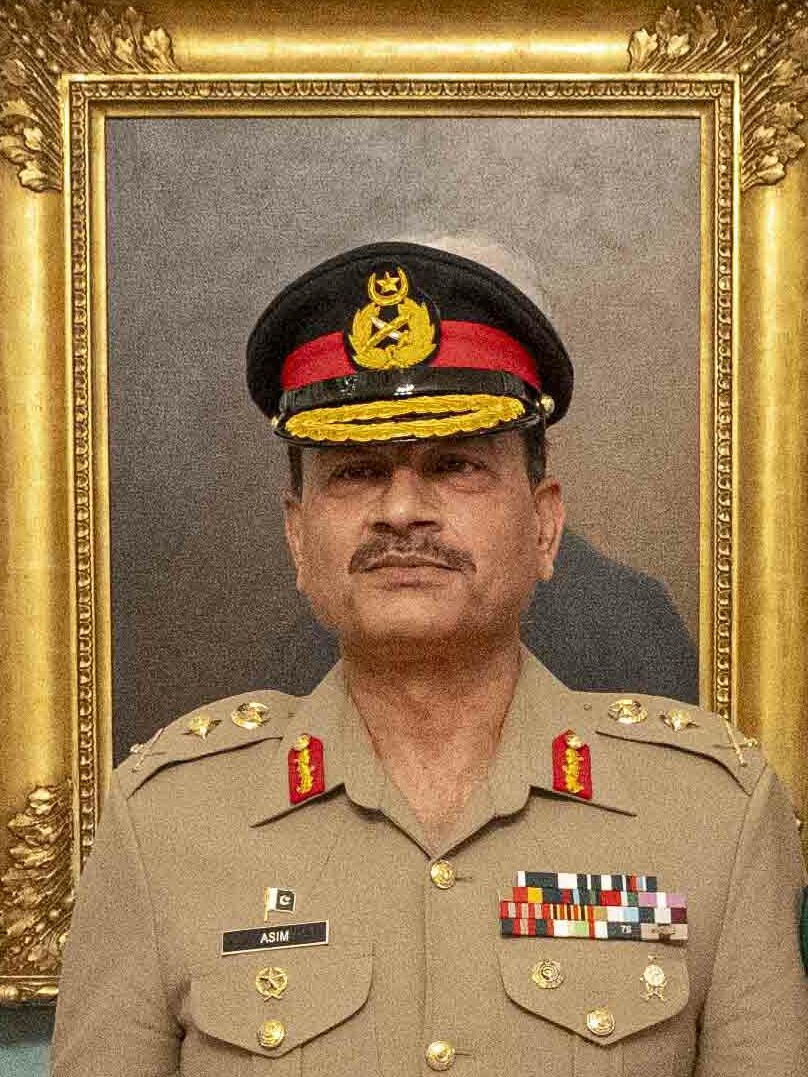
Pakistan is the sole enforcement mechanism for the ceasefire framework. It is not an enforcement mechanism in any conventional sense. Pakistan has no legal authority over IRGC operational decisions. It has no coercive authority over Iranian military commanders. It has a $5 billion Saudi deposit, a September 2025 Saudi Military Defense Agreement (SMDA) that makes it simultaneously Iran’s interlocutor and Saudi Arabia’s treaty ally, and General Asim Munir’s personal relationship with commanders on both sides.
n
n
n
On April 16, Munir visited Iran’s Khatam al-Anbiya Central Headquarters u2014 Abdollahi’s command. Not Pezeshkian’s presidential office. Not the Foreign Ministry. The military headquarters of one of the two commanders Pezeshkian has accused of wrecking the ceasefire. Ghalibaf u2014 the parliament speaker and former IRGC Aerospace Force commander u2014 met Munir the same day to push for ceasefire extension. Abdollahi demonstrated the same pattern of autonomous IRGC command directly to Pakistan’s army chief the following day, threatening ceasefire termination at Antalya as the quad forum opened.
n
n
n
The same April 16 visit carried an immediate diplomatic cost: Saudi Arabia withdrew financing for Pakistan’s $1.5 billion Sudan arms deal within 48 hours of Munir’s departure from Tehran, revealing the structural veto Riyadh holds over Islamabad’s Arab-world export program — how MBS used arms finance as leverage over Pakistan’s ceasefire diplomacy is reported here.
n
n
n
The architecture is now visible. Pakistan’s sole lever is personal appeals to the commanders Pezeshkian has just accused of acting unilaterally. The enforcement chain runs: Saudi Arabia funds Pakistan, Pakistan appeals to IRGC commanders, IRGC commanders decide whether to comply. The civilian president of Iran u2014 the person who would sign any ceasefire document u2014 is outside this chain. He said so himself.
n
n
n
The ceasefire declared April 8 expires on April 22. As of April 16, the White House stated that extension is “not true at this moment.” Pakistan is pushing for a second direct meeting u2014 following the Vance-Araghchi near-miss and the Vance-Ghalibaf face-to-face in Islamabad that ended in walkout. But any meeting produces, at best, a commitment from interlocutors who do not control the military apparatus. Araghchi was reportedly “inches away” from a memorandum of understanding before Zolghadr’s “deviation” report triggered the walkout order. Proximity to agreement is irrelevant when the authorization chain is broken at the command level. That structural reality shaped Iran’s messaging on April 17, when Tehran simultaneously accepted the Lebanon ceasefire and rejected it as a stand-alone win — demanding a comprehensive simultaneous ceasefire that requires the same IRGC authorization ceiling to be cleared before any sequenced deal can proceed.
n
n
n
The US blockade declared April 13 introduced a coercive variable u2014 estimated by FDD at $435 million per day in damage to Iran u2014 but coercion works only against actors who can respond. Pezeshkian can respond diplomatically. The IRGC can respond militarily. These are not the same response, and they may move in opposite directions simultaneously. Abdollahi’s April 15 threat to shut down all Gulf maritime commerce was made four days after the blockade began. It was not a diplomatic response. It was an operational threat from a commander who does not report to the president. On April 21 u2014 the same day Pakistan brokered the ceasefire extension Trump announced on Truth Social u2014 Abdollahi escalated that pattern into an explicit war warning on state television, invoking the Supreme Leader’s directives and threatening four waterways simultaneously. How Abdollahi’s public statement on ceasefire extension day dismantled Pakistan’s enforcement theory is reported here.
n
n
n
Pakistan’s 27th Constitutional Amendment, passed in late 2025, concentrated foreign-policy authority in the military establishment under Munir u2014 making ceasefire diplomacy structurally Munir’s operation, not the elected civilian government’s. In an irony that requires no commentary, both sides of the ceasefire mediation u2014 Iran and Pakistan u2014 are run by military establishments that have sidelined their elected civilian governments.
n
n
n
Pakistan has served as Iran’s protecting power in the United States since 1992 u2014 a role that gives it diplomatic standing but no operational authority. Munir’s April 16 visit to Khatam al-Anbiya was a personal appeal to a military commander, conducted by a military commander, on behalf of a ceasefire framework funded by a third country. The constitutional architecture of Iran ensures that the commander he visited u2014 Abdollahi u2014 answers to the Supreme Leader, who is incapacitated, and to the IRGC commander-in-chief Vahidi, who has already refused the president’s demands. Pakistan’s enforcement role depends on an authorization chain that the Iranian president has publicly admitted is broken.
n
n
n
n
n
n
How the Khatam al-Anbiya authorization ceiling confirms that no ceasefire Pezeshkian signs can bind the commanders he named — and why April 22 is a political deadline rather than a real one — is analyzed in The Ceasefire Already Ended — Trump’s Deadline Is for Everyone Else.
The authorization ceiling Pezeshkian named — and the Mojtaba meeting he arranged to challenge it — resolved on May 7 in the opposite direction from every Western diplomatic assumption: Pezeshkian went to Mojtaba Khamenei to stop the IRGC and came out carrying their demands, confirming that the blockade-lift precondition now runs through the presidency itself. That authorization ceiling played out in real-time on May 19, when Iran’s 14-point proposal arrived at the NSC with the nuclear file entirely absent — confirming that the structural gap Pezeshkian confessed to in April had not moved. How the authorization ceiling Pezeshkian named shaped Iran’s May 19 proposal is examined in full.
n
n
n
Frequently Asked Questions
n
n
n
What specific constitutional provisions prevent Pezeshkian from controlling the IRGC?
n
n
n
Article 110 of Iran’s 1979 constitution (revised 1989) vests supreme command of all armed forces in the Supreme Leader alone. The president holds zero authority to appoint, dismiss, or issue orders to IRGC commanders. The Assembly of Experts theoretically oversees the Supreme Leader but has no wartime precedent for intervention, and its current membership is IRGC-aligned. No institutional pathway exists for the president to override commanders short of a constitutional amendment u2014 which requires the Supreme Leader’s approval to initiate.
n
n
n
Could Mojtaba Khamenei, if he recovers, actually constrain the IRGC?
n
n
n
Structurally unlikely. Mojtaba rose through IRGC-networked channels u2014 his political base is the military establishment he would need to constrain. Unlike his father, who spent decades cultivating independent relationships with clerical networks and the judiciary, Mojtaba has no independent institutional base. Izadi’s Journal of Democracy analysis calls this a permanent structural shift: the commanders who backed Mojtaba’s succession would expect deference, not constraint. The counterweight is gone, not temporarily absent.
n
n
n
Why does Pakistan’s enforcement role fail if the authorization chain is broken?
n
n
n
Pakistan has no treaty authority, no coercive power, and no legal mechanism to compel IRGC compliance. Its enforcement model is personal appeals by General Munir to the same commanders Pezeshkian accused of unilateral action. The $5 billion Saudi deposit anchoring Pakistan’s mediator role matures in June 2026 u2014 a financial clock that does not align with the ceasefire’s April 22 expiry. Proximity to agreement is irrelevant when the commanders involved have already demonstrated they act on institutional IRGC interests, not civilian government instructions.
n
n
n
What is the IRGC’s institutional incentive regarding the ceasefire?
n
n
n
The IRGC controls roughly one-third of Iran’s economy through bonyads and linked entities u2014 a position wartime conditions consolidate rather than threaten. INSS researcher Beni Sabti has identified the “hudna” framework: temporary ceasefires used for military rebuilding before renewed operations. Wartime contracting, sanctions-evasion networks, and IRGC dominance of sanctioned-goods supply all generate revenue that peace would shrink. Abdollahi’s April 15 threat to close the Persian Gulf, Sea of Oman, and Red Sea to all trade is behaviorally consistent with an actor whose power grows with conflict, not resolution.
n
n
n
How does Pezeshkian’s confession compare to adversary media framing?
n
n
n
PressTV carried Abdollahi’s April 15 maritime threat as unified governmental policy with no reference to Pezeshkian’s accusation that Abdollahi acts unilaterally. Tasnim (IRGC-aligned) runs commander statements as authoritative. IRIB u2014 which answers to the Supreme Leader, not the president u2014 cut off a live broadcast in February 2026 when Pezeshkian clashed with its director over coverage. Pezeshkian’s statements, sourced through Iran International and confirmed by Ynet, reveal an Iran that is fractured. The adversary media architecture presents it as unified. The same fracture shapes the Iran-US memorandum negotiations now underway: Iran’s quid pro quo — frozen assets for Hormuz access — can only be delivered if the IRGC commanders Pezeshkian accused of unilateral action are prepared to honor it. Why Iran’s quid pro quo — frozen assets for Hormuz access — cannot be guaranteed by the government offering it is analyzed in The Iran-US Memorandum Makes Saudi Arabia Pay Whether It Works or Not.
n
n
n
The contradiction advanced to FM level on April 17, when Foreign Minister Araghchi declared Hormuz “completely open” while his deputy simultaneously rejected any temporary ceasefire at the Antalya Diplomacy Forum — two officials, one ministry, opposite policies on the same day. The Araghchi–Khatibzadeh contradiction and what it reveals about the civilian foreign ministry’s inability to speak for the IRGC’s enforcement apparatus is analyzed in Iran’s FM Declared Hormuz Open. His Deputy Said No. That same day, the IRGC formalized the override: IRGC Reversed Iran’s Own Foreign Minister on Hormuz Within Hours, Restoring ‘Strict Control’ documents the joint command statement that closed the diplomatic window Araghchi had briefly opened. The IRGC then made the override impossible to misread: an IRGC patrol unit broadcast on VHF Channel 16 — the international maritime distress frequency — that Hormuz would open “by the order of our leader, Imam Khamenei, not by the tweets of some idiot,” publicly delegitimizing Araghchi in terms that every ship captain in the Gulf could receive. What the Channel 16 broadcast reveals about the authorization ceiling and its consequences for Islamabad is analyzed here.
n
n
n
The fiscal dimension of that confession has since been confirmed: Iran’s Hormuz toll scheme collected zero dollars across 36 days, stripping away the pragmatic argument Pezeshkian once used to justify IRGC chokepoint control as economically rational. The authorization fracture Pezeshkian confessed reached its operational extreme on April 18, when the IRGC command issued a new order overriding existing vessel clearances — IRGC gunboats fired on the VLCC Sanmar Herald and bulk carrier Jag Arnav despite both holding IRGC-issued transit permits, proof that no civilian authority can coordinate the permit registry with the patrol units that act on their own command.
n
n
n
The Touska seizure on April 19 subsequently provided the external tripwire that converted Pezeshkian’s confession from a political admission into an operational reality: how the IRGC publicly named its retaliation countdown and why the mechanism went unnoticed in Western analysis is examined in The Touska Countdown — Iran Named Its Trigger and No One Noticed.
n
n
n
The White House moved to exploit that fracture on April 19, characterizing US-Iran negotiations as “productive” even as the IRGC simultaneously re-closed Hormuz and fired on ships it had cleared — publicly advertising the split Pezeshkian had confessed. How Washington is instrumentalizing the Pezeshkian-IRGC contradiction as diplomatic leverage is examined in White House Calls Iran Talks ‘Productive’ as IRGC Re-Closes Hormuz.
n
n
n
The broader structural pattern — why the bilateral US–Iran format was built without Gulf states, and what that means for Saudi Arabia regardless of the authorization ceiling problem — is analysed in Gulf Exclusion from US-Iran Talks Is Not a Snub — It Is a Security Architecture Failure.
n
n
n
Iran’s internal authorization paralysis is inseparable from the fiscal arithmetic it has created for its adversaries: the mechanism by which the ceasefire’s suppressed oil price benefits the United States at Saudi Arabia’s expense is examined in Trump’s $200 Oil and the War America Considers Cheap. How that same authorization ceiling is now priced into energy markets directly — with Brent spiking above $105 on a single unsourced report that Ghalibaf had resigned from the negotiating team — is analysed in Brent Tops $105 on Ghalibaf Resignation Rumour as Markets Price Iran’s Authorization Ceiling Over Any Denial.
n
n
n
How Trump’s premature Truth Social posts converted the Araghchi-Ghalibaf negotiating flexibility into an irretrievable public denial — and why the enrichment gap at Islamabad was narrower than the authorization ceiling problem alone would explain — is analysed in Trump’s Truth Social Posts Killed an Iran Nuclear Deal That Was Closer Than Anyone Reported — and Saudi Arabia Is Paying the Price.
n
n
n
The constitutional framework that governs — or fails to govern — those orders is examined in The Unconscious Sovereign: How the IRGC Captured Iran Without Triggering Article 111, which analyses how Mojtaba Khamenei’s 45-day incapacitation enabled the IRGC to assume functional authority the constitution reserves exclusively for a ratified guardian jurist.
n
n
n
Trump’s April 24 Hezbollah financing demand tests the same ceiling Pezeshkian confessed to in April. The financing channel runs through Unit 190 of the IRGC Quds Force, which Pezeshkian cannot command, defund, or redirect. The full mechanism is examined in Trump’s Hezbollah Ultimatum Demands IRGC Self-Amputation Iran Cannot Deliver.
n
n
n
The authorization ceiling Pezeshkian confessed to in April has a physical expression that outlasts any political agreement: IRGC Navy units continued laying GPS-guided influence mines in Hormuz shipping lanes throughout the ceasefire window, placing full clearance at six months minimum. The mine-clearance timeline and its implications for Saudi export recovery are examined in Iranu00e2u0080u0099s Ceasefire Mines Will Keep Hormuz Closed Until Winter.
n
n
n
The authorization ceiling Pezeshkian confessed to in April now has a diplomatic expression: Iran’s three-phase proposal sequences ceasefire first and nuclear talks last precisely because the IRGC’s Vahidi controls Phase 2 Hormuz governance while the elected government manages Phase 1 optics — a structural split the proposal exploits rather than resolves. The argument is detailed in Iran’s Hormuz-First Proposal Is Not a Concession. It Is a Sovereignty Claim Dressed as a Peace Plan.
n
n
n
The authorization ceiling that Pezeshkian publicly named now has a physical occupant in the negotiating chair: Saeed Jalili is set to replace Ghalibaf as Iran’s nuclear talks lead. Jalili holds Khamenei’s personal representative seat on the SNSC — the same body whose veto Pezeshkian confessed to being unable to override — meaning the ceiling and the seat are now held by the same person.
n
n
n
The authorization ceiling Pezeshkian named u2014 and the sequencing wall it creates in the US-Iran deadlock u2014 are examined together in Trump’s u201cNot Happyu201d Declaration and the Sequencing Wall Neither Side Can Remove.
n
n
n
That authorization ceiling now has a second institutional voice behind it: on April 28, Iran’s regular army declared itself still on war footing, with Artesh spokesperson Brigadier General Mohammad Akraminia stating that “a ceasefire does not make much difference to us compared to wartime conditions” — confirming that the military consensus Pezeshkian confessed to runs deeper than the IRGC alone.
n
n
n
The constitutional vacuum at the center of that confession u2014 Pezeshkian publicly naming Vahidi and Abdollahi as ceasefire wreckers he is powerless to discipline u2014 has a structural complement: the three men who informally govern in Mojtaba Khamenei’s place hold no Article 110 authority themselves. The governance framework is examined in full in Three Men, No Authority: Iran’s Troika Cannot Deliver the Hormuz Deal Saudi Arabia Needs.
n
n
n
The authorization ceiling Pezeshkian named also shapes what Putin’s April 27 disclosure in St. Petersburg actually proved: that Khamenei can communicate through Moscow, but not that he can command the IRGC chain that Pezeshkian publicly confessed to being unable to override. What the Khamenei-Putin message means for Iran’s authorization ceiling is examined in full.
On May 14, that same authorization ceiling extended to Iran’s courts: Iran’s judiciary declared standing legal authority over tanker seizures, adding a third constitutional actor — answerable to the Supreme Leader, not the president — to the institutional veto structure Pezeshkian confessed he cannot override.
n
n
n
The authorization ceiling Pezeshkian confessed to has now generated its own public escalation signal: on May 2, IRGC deputy commander Asadi declared on record via Fars News that renewed Iran-US conflict is “likely” — a threshold statement from Iran’s apex war command that Pezeshkian’s government is constitutionally unable to retract.
n
n
n
That authorization ceiling Pezeshkian named — and the commander he named as its enforcer — escalated further on May 4: Abdollahi’s May 4 threat against US forces at Hormuz arrived on the same day Pakistan confirmed Tehran had received Washington’s counter-proposal to Iran’s 14-point peace plan, making Abdollahi simultaneously the subject of a presidential accusation and the voice of Iran’s most direct military warning of the conflict. Six days later, on the eve of Round 4 in Muscat, Khamenei personally briefed Abdollahi on “new guiding measures to pursue military operations” — the same day Araghchi called Saudi FM Faisal, running the civilian diplomatic channel in parallel with a military command that answered to an entirely different authority.
n
n
n
The same authorization ceiling Pezeshkian confessed to shapes how Araghchi performs his May 5 dual-audience play: his public condemnation of Project Freedom is not incoherence but IRGC permission-buying for the Pakistan talks. Araghchi’s dual-audience diplomacy and what IRGC media silence reveals about his internal mandate is examined in full.
The authorization ceiling Pezeshkian named extends to Washington’s 14-point nuclear proposal itself: the man who could have authorized a nuclear signal — Ali Shamkhani — died in the February 28 strike, and no figure with comparable standing and willingness has emerged to replace him. Why Washington’s nuclear proposal is addressed to a building with no one inside it is examined in full. The same void has produced an extraordinary response to Trump’s May 16 ultimatum: IRGC-aligned media are amplifying Shamkhani’s year-old NBC interview as Tehran’s current offer — a three-audience architecture built around a signal its sender cannot reaffirm.
n”}