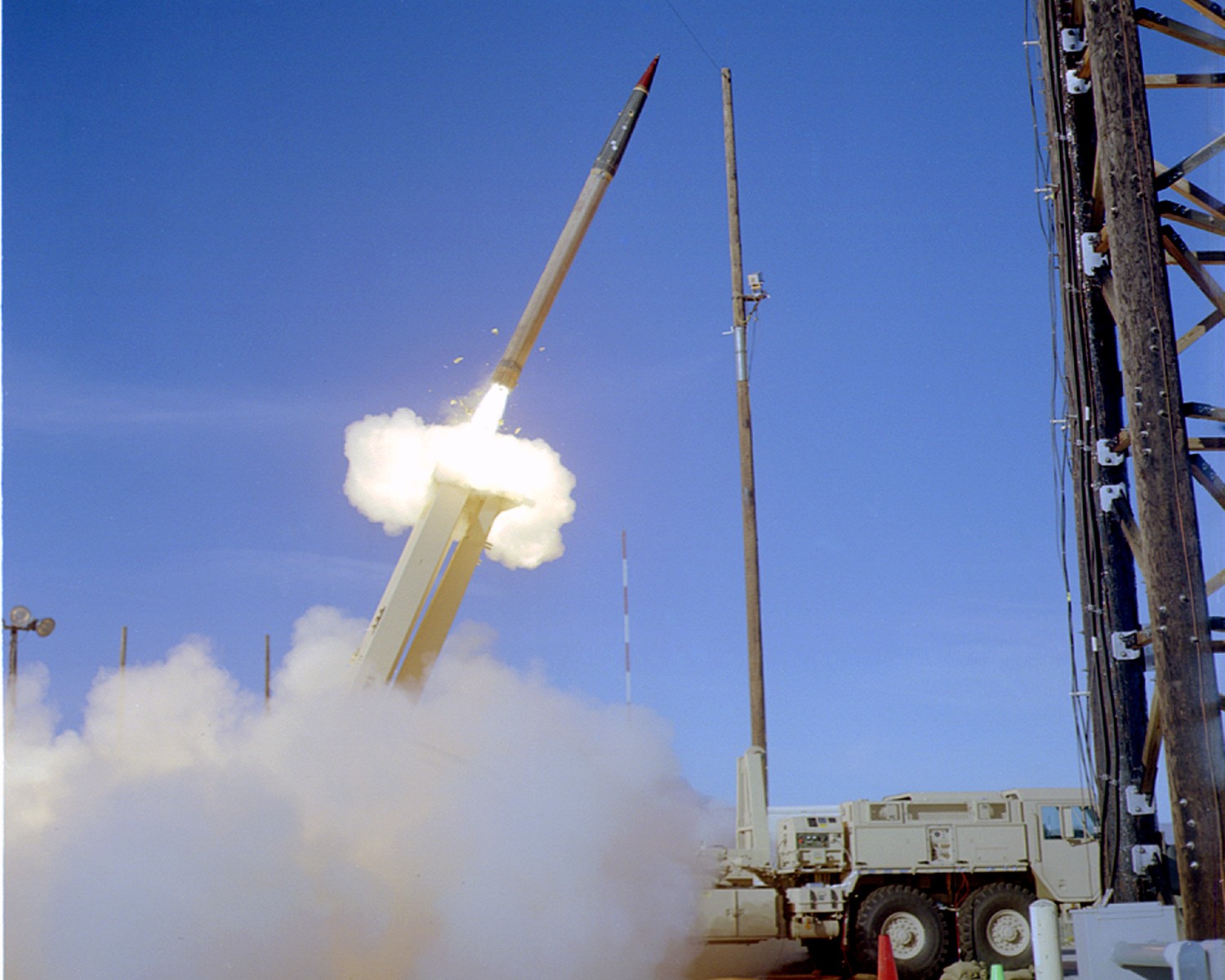

KHAMIS MUSHAIT — The Saudi-led coalition intercepted one ballistic missile and multiple drones aimed at Saudi Arabia’s southern region on Friday, extending Houthi projectile activity targeting the Asir-Jizan corridor that has continued since at least November 18, coalition spokesman Major-General Turki al-Maliki announced via posts on X. Saudi Civil Defense issued province-wide alerts for Jizan, Abha, and Khamis Mushait Governorate through its National Early Warning Platform, warning of “potential danger” before confirming the threat had passed in all three areas, according to Free Malaysia Today and the Jerusalem Post.
The November 20 intercepts extend a barrage that began on November 18 with Houthi claims of strikes on Jizan and Khamis Mushait Air Base, continued on November 19 when a missile damaged the PIF Tower in Riyadh’s King Abdullah Financial District and four ballistic missiles were intercepted over the south, and now reaches the provinces that host both the Jazan Refinery and King Khalid Air Base — the RSAF’s forward staging point for strikes into Yemen. No casualties or confirmed damage from Friday’s southern intercepts were reported by any outlet, but the sustained cadence of fire over the same corridor, combined with Reuters’ report that Riyadh is preparing a Yemen campaign to last “well into 2027,” frames the southern front as the most persistently tested section of the Kingdom’s defensive perimeter.
The House of Saud Daily Briefing
Saudi Arabia's news in 3 minutes, every morning. Free. See today's issue
Table of Contents
What Did the Coalition Intercept on November 20?
Al-Maliki posted multiple statements on X across Friday morning — not a single consolidated announcement — covering a ballistic missile and a series of drone interceptions over what the coalition described as the southern region, a designation that encompasses Jizan and Asir provinces where the projectiles were tracked. Xinhua reported that “one statement covered the missile; three separate statements covered the drones,” a staggered disclosure pattern that partly explains the count divergences across outlets and that has become the coalition’s default communication method on days when interceptions occur in rapid succession.
AFP, carried by Free Malaysia Today, reported two drones and one ballistic missile intercepted. Xinhua tallied three drones and one ballistic missile, tracking al-Maliki’s three separate drone posts individually. Saudi Gazette put the number at five drones and one ballistic missile, while Syria’s SANA reported three drones total — initially two, then a third after a later al-Maliki post. In none of his statements did al-Maliki provide specific targets, fall-zone coordinates, or casualty figures, Xinhua confirmed — a pattern consistent with previous intercept announcements in which the coalition discloses the type and number of projectiles destroyed but not where they were heading or where debris fell.
Civil Defense issued alerts for three areas — Jizan, Abha, and Khamis Mushait Governorate — through its official X account, Gulf News reported. The warnings carried the standard “potential danger” language the agency has deployed in every southern-province alert cycle since the resumption of hostilities in July, before Civil Defense announced that the threat had passed in each area, according to Free Malaysia Today and the Jerusalem Post. The exact sequence of alerts across the three areas varied by source — some outlets listed Jizan first, others led with Abha and Khamis Mushait — though all confirmed the alerts were subsequently lifted.
Why Do 4 Outlets Report 4 Different Drone Counts?
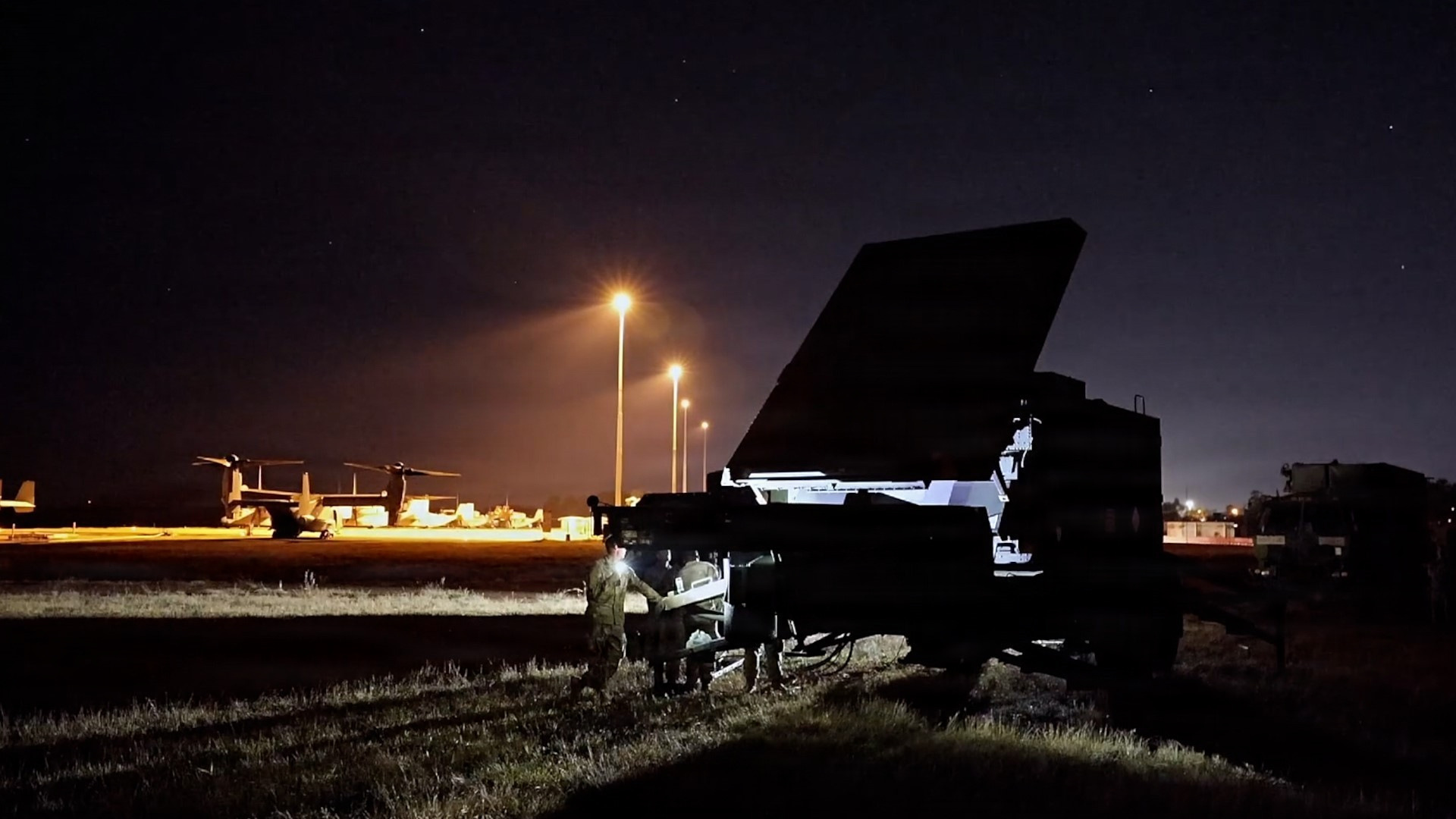
The November 20 drone count is a textbook illustration of fog-of-war reporting — the same event, the same spokesman, four different tallies — and it matters because drone counts are the primary metric by which analysts and defence officials gauge Houthi operational tempo, the resilience of whatever supply chains continue to replenish the group’s arsenal, and the rate at which the coalition is expending interceptors to stop them.
| Outlet | Drones | Ballistic missiles | Basis |
|---|---|---|---|
| AFP / Free Malaysia Today | 2 | 1 | Al-Maliki X posts captured before filing |
| Xinhua | 3 | 1 | 3 separate al-Maliki drone statements tracked |
| Saudi Gazette | 5 | 1 | Paywalled; basis not independently verifiable |
| SANA | 3 | — | Initially 2, updated after 3rd al-Maliki post |
Xinhua’s explanation — that al-Maliki posted three separate drone announcements rather than one consolidated statement — is the most plausible reconciliation of the numbers. AFP appears to have captured two of the three drone posts before filing, Saudi Gazette may have incorporated additional posts or edited its tally upward after publication, and SANA tracked the posts in sequence, noting a third drone announcement after its initial count of two. The Saudi Gazette’s figure of five remains the outlier, and the text — behind a paywall — could not be directly accessed to determine whether it conflated intercepts across dates or reflected a later al-Maliki update that the other wires missed.
The discrepancy is not academic, because when four credible outlets produce four different drone counts from a single morning’s interceptions, the difficulty is not identifying which number is correct but whether any single number can be treated as authoritative without access to the coalition’s raw intercept data, which remains classified. The range — two to five from one event — also illustrates the broader challenge of assessing Houthi stockpiles: whether the group is firing from reserves that are running down or from a pipeline that continues to deliver, a question that the coalition’s staggered, piecemeal disclosure does nothing to resolve.
Three Days of Barrages on the Southern Front
What makes Friday’s intercepts operationally notable is not their scale — a single ballistic missile and a disputed handful of drones — but their position in a three-day sequence that has kept Civil Defense cycling alerts across the same provinces, taxing both the air defence network covering the Asir-Jizan corridor and the civilian populations underneath it who have faced repeated alert-and-all-clear cycles across the mornings of November 18, 19, and 20.
On November 18, Houthi military spokesman Yahya Saree claimed via X and Al-Masirah TV that the group had hit “a sensitive, vital site in the Jizan region with several ballistic missiles” and struck “a sensitive site at Khamis Mushait Air Base using a drone,” Al Quds reported, citing Al-Masirah. Saudi authorities did not confirm direct hits from either claim, and independent verification remains unavailable, Cryptobriefing noted. Civil Defense issued warnings that day for Jizan, Najran, Khamis Mushait, and Sharurah — four areas, compared with Friday’s three — suggesting the projectile threat on November 18 covered a wider geographical spread across the southern and south-western provinces.
“Operations would continue as long as what he called aggression and blockade on Yemen continued.”
Yahya Saree, Houthi military spokesman, November 18 — Al Quds, citing Al-Masirah TV
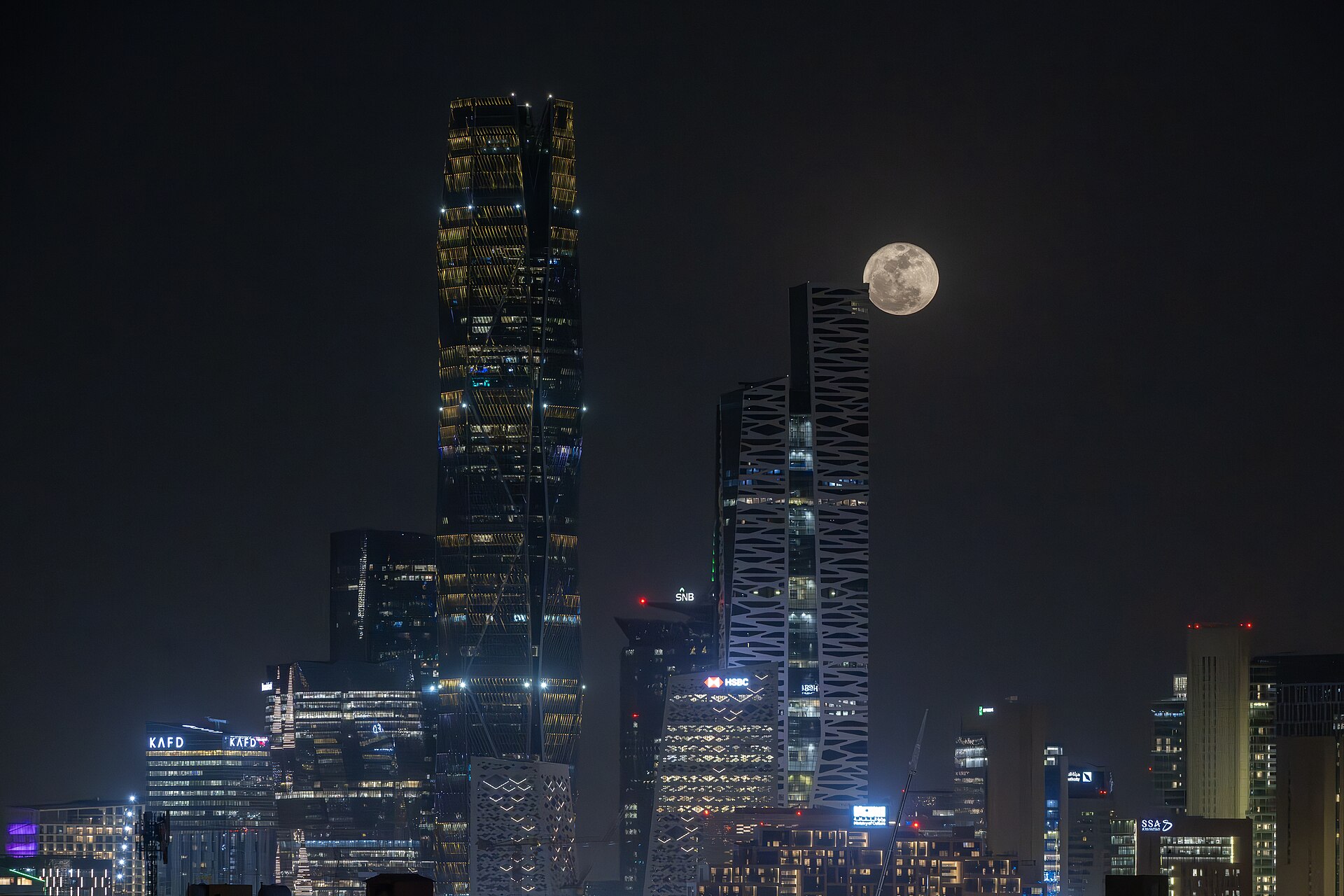
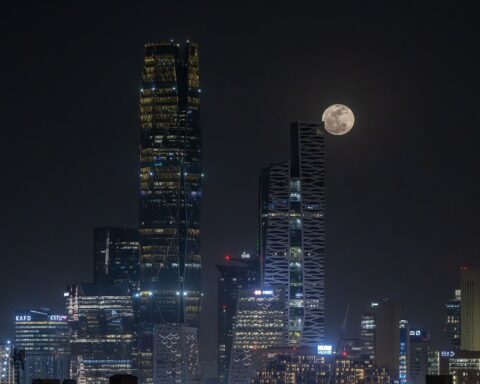
On November 19, the southern front took second billing to Riyadh, where the PIF Tower in the King Abdullah Financial District was confirmed “materially damaged” by what the coalition described as a missile strike — an escalation whose impact rippled through oil markets — with no casualties reported, Al Jazeera reported. Al-Maliki confirmed the interception of one drone and four ballistic missiles across the capital and the southern region on the same day, while Civil Defense issued alerts for Khamis Mushait and Abha, Anadolu Agency confirmed. The PIF Tower strike grabbed the headlines, but the four ballistic missiles aimed south that same day were a reminder that the Asir-Jizan corridor was absorbing fire at the same time Riyadh was.
No Houthi spokesman issued a specific public claim on November 20 targeting the Asir or Jizan region, based on available reporting from AFP, Xinhua, the Jerusalem Post, and SANA. Houthi-run Al-Masirah TV instead reported Saudi coalition airstrikes on Sanaa on that Friday, which Saudi Arabia did not immediately comment on, the Jerusalem Post and SANA noted. The absence of a November 20 Houthi claim for the southern attacks does not mean no claim was made — Saree’s statements have on occasion followed interception reports by hours or days — but as of Friday evening, the most recent explicit Houthi claim targeting the Asir-Jizan corridor remained the November 18 statement.
Why Do the Houthis Keep Targeting Khamis Mushait?
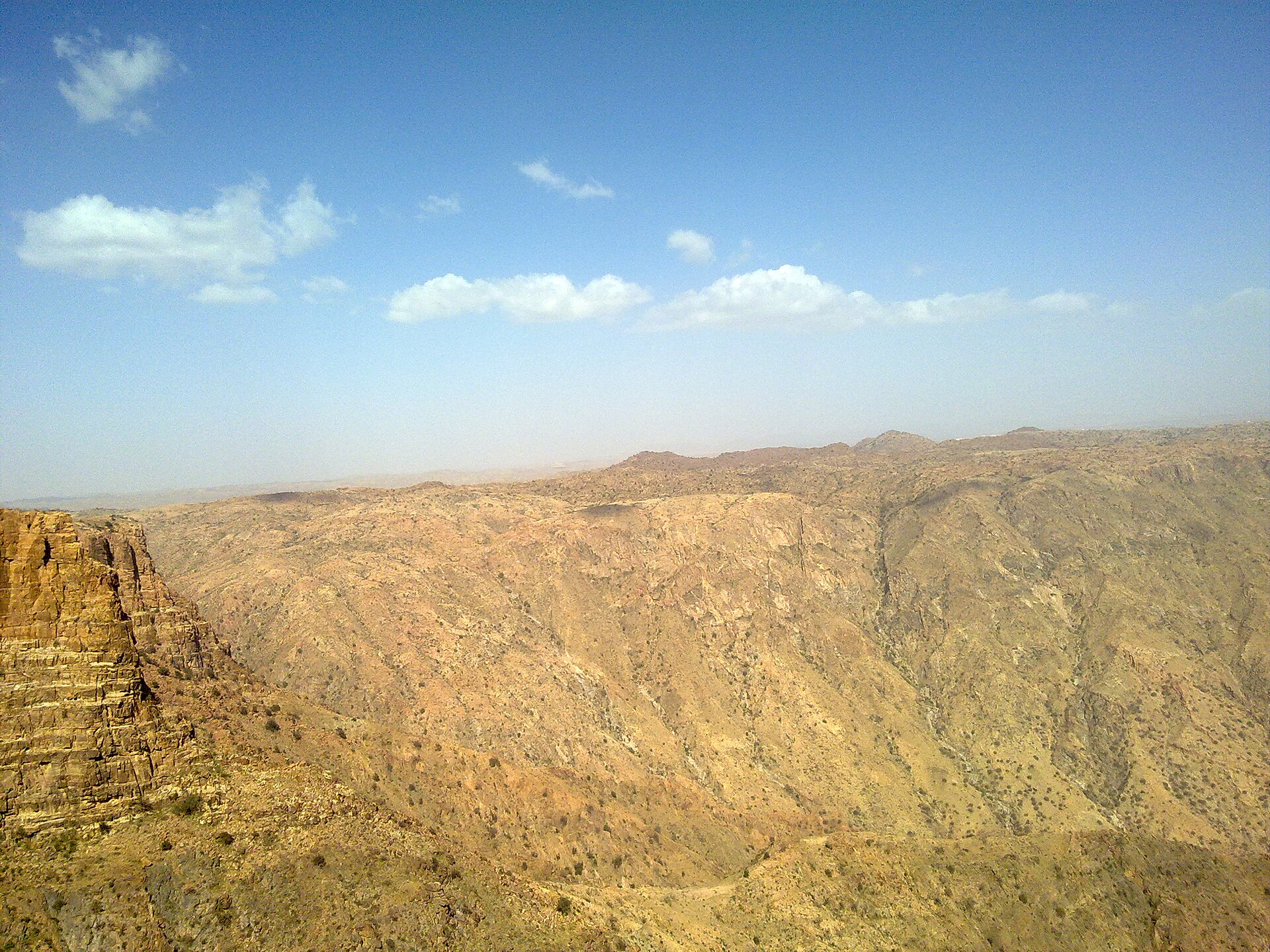
Khamis Mushait appears in every Civil Defense alert cycle over the past three days because it hosts what the Houthis have repeatedly named as a primary target: King Khalid Air Base, the RSAF’s forward staging point for the Yemen air campaign, sitting at approximately 2,050 metres elevation in the Asir highlands and less than 150 kilometres from the Yemen border, according to MigFlug’s Afterburner aviation database. That proximity — close enough that an F-15SA sortie from runway to Yemeni airspace and back is measured in minutes rather than hours — makes the base the coalition’s most operationally efficient permanent installation for sustaining the air campaign, and by the same logic, the target the Houthis have the strongest incentive to degrade.
King Khalid hosts RSAF Wing 5, with No. 6 and No. 55 Squadrons flying the F-15SA — the most capable F-15 variant in the Saudi inventory — and the older F-15S, which together have been conducting coalition strikes into Yemen since the war’s resumption in July, MigFlug reported. The F-15SA is the aircraft Saudi Arabia bought specifically to project force across its southern border, with capabilities including conformal fuel tanks and advanced targeting pods that allow precision strikes deep into Yemeni territory without in-flight refuelling from Khamis Mushait’s altitude — which is why every Houthi claim about the base carries operational weight beyond its propaganda value.
The Houthis have tried to hit it repeatedly, and the attempts are escalating. On September 14, an attack claimed by the group left 13 civilians wounded across Khamis Mushait, Abha, and Taif, with minor to moderate injuries, according to the coalition spokesman and multiple news agencies including Anadolu Agency, Arab News, and Gulf News. On September 26, two ballistic missiles aimed at the base were intercepted, according to MigFlug. Saree’s November 18 claim of a drone strike on “a sensitive site at Khamis Mushait Air Base” is the latest in a series that stretches across the conflict — though Saudi authorities have not confirmed damage from that claim and independent battle-damage assessments from any of these attacks remain unavailable, Cryptobriefing noted.
The 6-Month Campaign and the Southern Corridor
The persistence of Houthi fire on the Asir-Jizan front lands in the same week that Reuters, citing two anonymous Western officials briefed by the Saudis, reported that Saudi Arabia is preparing a Yemen campaign to last “well into 2027.” Saudi-backed Yemeni forces are regrouping to defend Aden and may shift offensive focus to eastern fronts, one official said, while another official cited by Reuters said Riyadh hopes US offensive support “could shift the conflict’s momentum,” Reuters reported via US News on November 18. The Saudi Foreign Ministry declined to comment on the report.
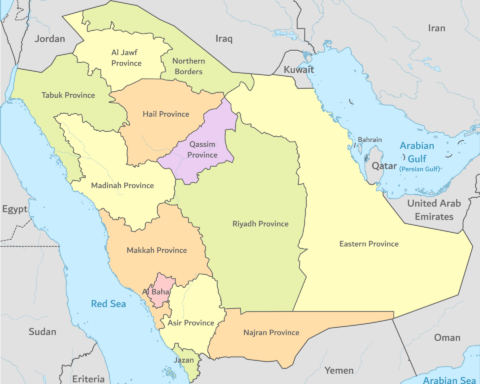
The southern corridor’s vulnerability is a function of geography and density, and the numbers tell the story plainly. Jizan province runs along the Red Sea coast directly north of Yemen, with the border approximately 60 kilometres from Jizan city, and its roughly 1.4 million people make it the most densely populated province in Saudi Arabia, according to census data cited by the Jerusalem Post. The Jazan Refinery — Aramco’s 400,000-barrel-per-day facility — sits on the coast within Friday’s alert zone, the Jerusalem Post and Pakistani Tribune both noted. Khamis Mushait and Abha in Asir province immediately to the north have appeared in almost every Civil Defense alert since July, making them the two population centres most consistently inside the Houthi targeting envelope since the war resumed.
If the campaign does stretch “well into 2027,” as the Reuters sources described, the southern corridor will bear the cumulative weight of it, because every Houthi projectile that the coalition intercepts over Asir and Jizan is an interceptor that cannot be used somewhere else, and the Houthis have shown no sign of relenting. Trump’s decision to delay a wider Iran confrontation leaves the group free to test the coalition’s endurance on its own terms, and on Friday morning, as al-Maliki posted his intercept announcements one by one and Civil Defense cycled through warnings for Jizan, Abha, and Khamis Mushait, the same cycle of alert and all-clear that played out over the same provinces on November 18 and 19 repeated again over the provinces closest to Yemen.
Frequently Asked Questions
Has King Khalid Air Base been used by non-Saudi forces?
During Operation Desert Storm in 1991, US Air Force F-117 Nighthawk stealth fighters of the 37th Tactical Fighter Wing flew combat missions against Baghdad and other high-priority targets from King Khalid Air Base. Royal Air Force VC10 tankers from No. 101 Squadron also launched from the base on the opening night of the war, refueling RAF Tornado GR1s that flew their strikes from other Saudi locations including Tabuk and Bahrain. The base’s elevation of approximately 2,050 metres in the Asir highlands and its proximity to the border made it a forward staging point for coalition air operations against Iraq — a role it now serves, three decades later, for the Saudi-led campaign in Yemen under different circumstances and against a different adversary.
Have the Houthis specifically named the Jazan Refinery as a target?
No Houthi spokesman has named Aramco’s Jazan Refinery directly in the November 18–20 sequence of claims. Saree’s November 18 statement referenced “a sensitive, vital site in the Jizan region” without specifying the facility, Al Quds reported. The 400,000-barrel-per-day refinery — an anchor project of Jazan Economic City on the Red Sea coast — sat within the Civil Defense alert zone activated on all three days of the sequence, according to the Jerusalem Post and Pakistani Tribune, though no damage to the facility has been reported.
Is Jizan the most densely populated Saudi province?
With approximately 1.4 million residents as of the 2022 Saudi census, Jizan has the highest population density of any Saudi province, placing a larger civilian population per square kilometre within the conflict’s front line than any other border region. The province’s proximity to Yemen and the regularity of Civil Defense alerts since July have kept safety in the southern region among the most closely watched questions of the conflict, with Jizan’s alerts on November 18, 19, and 20 covering the same residential and industrial areas each time.
Did the coalition carry out airstrikes on Yemen on November 20?
Houthi-run Al-Masirah TV and Syria’s SANA both reported Saudi coalition airstrikes on Sanaa on the same Friday the coalition announced defensive intercepts over its southern region, the Jerusalem Post and SANA noted. Saudi Arabia made no immediate public comment on the reported Sanaa strikes, and the claims remain independently unverified — a mirror of the broader information asymmetry in the conflict, where each side reports its own version of events and independent confirmation from the ground is rarely available.
The House of Saud Daily Briefing
Saudi Arabia's news in 3 minutes, every morning. Free. See today's issue