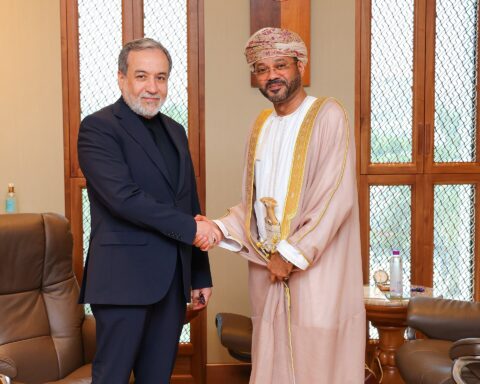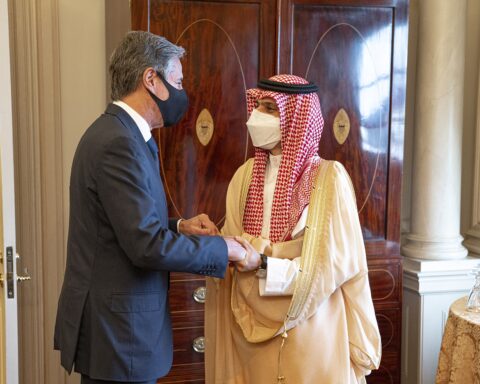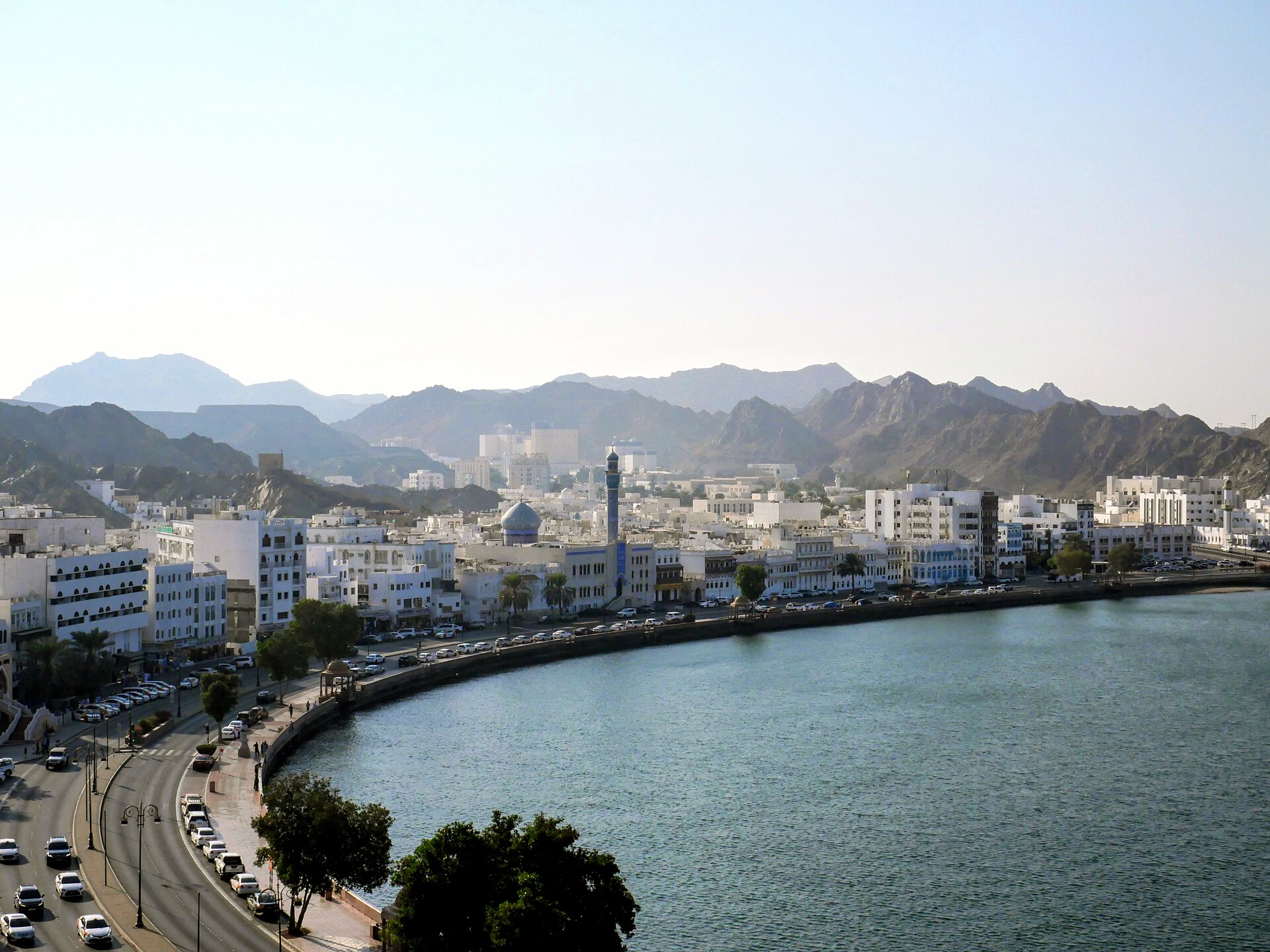

MUSCAT — Iran’s foreign minister Abbas Araghchi left Oman’s capital on November 17 without a Hormuz agreement after talks with his Omani counterpart Badr al-Busaidi, the latest round in a ceasefire channel that runs entirely through Qatar and Oman — with Saudi Arabia, the Gulf state absorbing the highest war costs, unable to enter the room. Busaidi described the session as “constructive,” according to Arab News, while Tehran continued advancing a revised two-day plan to reopen the Strait of Hormuz that Saudi Arabia has no seat to accept or reject.
The mediation architecture now taking shape — Oman managing the shipping corridor and mine-clearance file, Qatar relaying political proposals between Washington and Tehran — represents the only active diplomatic channel in a conflict that Western officials briefed by Riyadh expect to last “well into 2027,” according to Reuters. Saudi Arabia’s absence from these negotiations is not incidental but structural: the kingdom is a co-belligerent under the Makkah Pact, signed on August 7, and Iran has refused to negotiate directly with Riyadh throughout the war. The result is that the most viable path toward a reduction in Saudi Arabia’s mounting war costs runs through two capitals where Riyadh has no representative at the table.
Table of Contents
- What Are Qatar and Oman Doing Differently?
- How Did Iran’s 7-Day Plan Become a 2-Day Offer?
- Why Is Saudi Arabia Not in the Room?
- Iran’s Shipping Exemptions Draw the Line
- Can a Saudi-Houthi Bilateral Truce End the War?
- Washington’s Posture Compounds the Problem
- Oman’s Backchannel History
- Frequently Asked Questions
What Are Qatar and Oman Doing Differently?
Qatar and Oman are running two distinct but complementary tracks. Qatar handles the US-Iran political communication track, relaying proposals between Tehran and Washington, as it did when Araghchi submitted his seven-day roadmap to the United States via Qatari mediators on September 25, according to Al Jazeera. Under that plan, Hormuz would reopen in return for the US lifting its naval blockade, sanctions waivers, and the release of frozen Iranian assets.
The House of Saud Daily Briefing
Saudi Arabia's news in 3 minutes, every morning. Free. See today's issue
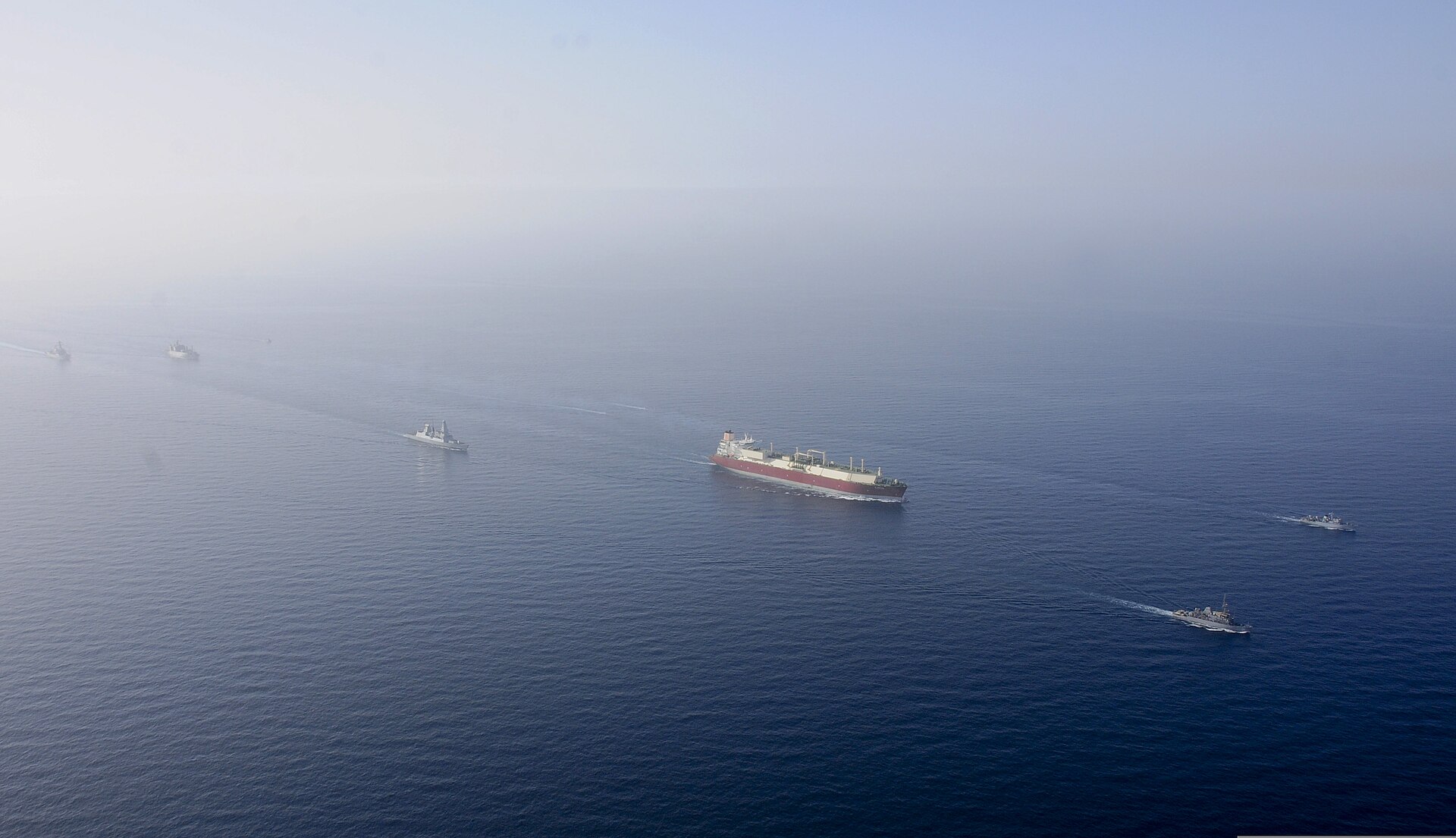
Oman manages the operational file: shipping corridor access, mine clearance, and transit management through Hormuz. Direct Iran-Oman talks on managing Hormuz shipping began between July 24 and 27, with the Associated Press reporting substantial progress by July 27. By November 19, the two sides were advancing toward a temporary joint shipping corridor through Hormuz with joint mine-clearance provisions under discussion, according to UAE Vartha.
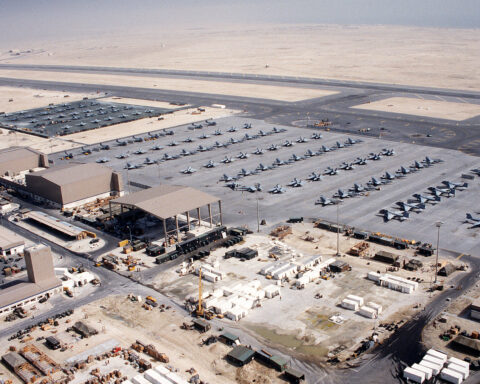
The division of labour reflects geography and access. Qatar hosts Al Udeid Air Base, the largest US military installation in the Middle East, giving Doha direct channels to both Washington and Tehran that no other Gulf state can replicate. Oman, which arranged the first direct US-Iran discussions in Muscat between 2012 and 2013 — talks that laid the groundwork for the 2015 JCPOA, according to Foreign Policy — brings a decades-old tradition of backchannel diplomacy and a border with Iran across the Gulf of Oman.
Qatar’s economic incentive sharpens its commitment to the channel. Iran’s closure of Hormuz has severely disrupted Doha’s LNG export capacity, making a shipping agreement an economic priority for Qatar rather than merely a diplomatic exercise. The demand by the ADNOC CEO for Hormuz to reopen unconditionally after the latest vessel attack reflects the same desperation felt across Gulf energy exporters — but Qatar, unlike Saudi Arabia, has a seat at the negotiating table.
How Did Iran’s 7-Day Plan Become a 2-Day Offer?
The trajectory of Iran’s proposals tracks a negotiation shrinking in scope but growing in urgency. In September, Araghchi submitted a seven-day roadmap via Qatari mediators, as reported by Al Jazeera on September 25. Trump rejected the plan; the Wall Street Journal reported the administration expected to renew pressure after the midterm elections, according to Hurriyet on September 26.
By November 16, Iran had shortened the timeline from seven days to two. Araghchi claimed that a bloc of regional nations at the ECO summit in Islamabad had backed the revised plan, telling Arab News that the group “responded positively and, by supporting the plan proposed by Iran, namely the two-day plan, expressed hope that this plan would lead to a definitive and comprehensive ceasefire.” The exact number of nations is unresolved — Arab News reported 10 while the French edition of the Times of Israel reported nine.
Iran had submitted a seven-day roadmap via Qatar to reopen the Strait of Hormuz in return for the US lifting its blockade, sanctions waivers and release of about $12bn in frozen assets.
Al Jazeera summary of Araghchi’s briefing to reporters outside the UN Security Council, September 25, 2026
Iran’s underlying conditions, however, remain unchanged. Tehran insists Hormuz will not reopen until seven demands are met: the US naval blockade lifted, oil sanctions removed, approximately $12 billion in frozen assets released, an end to hostilities on all fronts including Yemen, compensation for war damage, no interference in internal affairs, and nuclear and missile discussions deferred — conditions compiled from reporting by Al Jazeera, CBS News, and Anadolu in November. The November 17 Muscat meeting produced no breakthrough because the gap between these conditions and what Washington is willing to concede has not narrowed.
Why Is Saudi Arabia Not in the Room?
Saudi Arabia is absent from the Qatar-Oman channel for a reason no amount of diplomatic skill can fix: it is a party to the war, not a mediator. The kingdom signed the Makkah Pact on August 7, formalizing a military alliance with Turkey and Pakistan against the Houthis, according to Globalsecurity. Turkey’s parliament ratified the pact by a vote of 279 to 119 on November 5, according to Anadolu Agency, and Pakistan ratified on October 23.
Iran has refused direct negotiations with Saudi Arabia throughout the conflict. When Araghchi offered in October to “facilitate dialogue between Saudi Arabia and Yemen,” as reported by the BBC on October 11, it was a mediator’s gesture — positioning Tehran above the two warring parties — rather than an invitation to bilateral talks. By October 21, Araghchi told ARY News that Iran had “not received a response from Saudi Arabia or Yemen’s Houthis” to its mediation offer.
The structural bind is visible in the kingdom’s recent diplomatic activity. Saudi foreign minister Prince Faisal bin Farhan told the UN General Assembly in September that the international community had been “absent,” according to The National. The kingdom has since sought European military support, including requesting naval escorts at the Brussels EU Foreign Affairs Council in November. These are the actions of a state trying to shape a situation it cannot negotiate directly — pursuing military support and international pressure because the diplomatic channel itself is closed to it.
The Islamabad MOU of June 17 — co-mediated by Pakistan and Qatar, according to Anadolu — foreshadowed this dynamic. Saudi Arabia was credited as a facilitator, but Pakistan and Qatar carried the file. That agreement collapsed on July 8 when three ships, including the Saudi-flagged Wedyan, were struck near Hormuz and Trump declared the ceasefire “over,” according to The New Arab. The lesson was that even when Saudi Arabia is nominally included, it does not control the channel or its outcomes.
Iran’s Shipping Exemptions Draw the Line
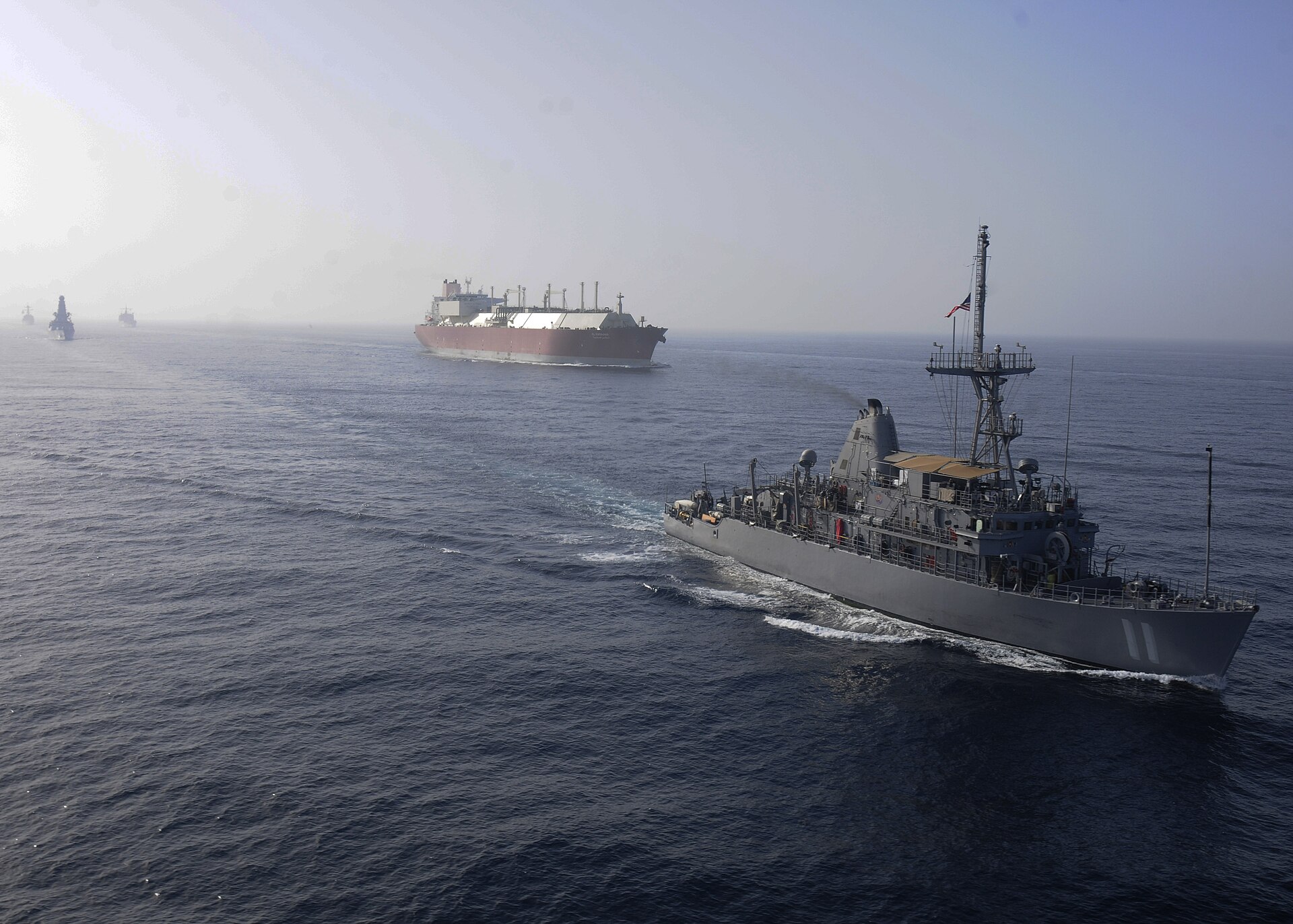
Iran’s decisions on who gets Hormuz transit access reveal the hierarchy. On November 3, Iranian lawmaker Ahmad Hayat-Moghaddam announced that ships from Qatar, India, China, and Iraq were exempted from Hormuz transit restrictions, as reported by IranWire, WION, and The Print on November 4. Saudi Arabia was not among the exempted countries.
The exemptions serve multiple purposes for Tehran. Exempting Qatar protects Iran’s most useful diplomatic intermediary, while exempting China and India — Iran’s remaining oil customers — preserves revenue channels. Exempting Iraq reflects the two countries’ economic interdependence. The absence of Saudi Arabia from the exemption list is a continuation of war by other means: with Hormuz transits running far below the pre-closure baseline of 138 ships per day reported by the Joint Maritime Information Centre, every day that Saudi-flagged or Saudi-bound vessels remain blocked costs Riyadh export revenue it cannot recover.
The pattern connects to the ongoing disruption from mines and strikes east of Hormuz that has further constricted transit. Iran’s approach is to reward the states it needs and punish the ones it opposes, using physical control of the strait as a pressure tool that no UN resolution or coalition statement has yet been able to override.
Can a Saudi-Houthi Bilateral Truce End the War?
The shortest answer, according to analysts and the parties involved, is not soon. A Saudi-Houthi bilateral truce has been assessed as the least likely near-term path out of the conflict, and the reasons are structural rather than tactical.
Iran’s influence over the Houthis is real but limited. Al Jazeera’s analysis on October 12 concluded that Tehran “can facilitate talks and potentially influence the intensity of escalation, but cannot simply order the Houthis to surrender their gains around Mocha or Bab al-Mandeb.” The Houthis hold territory and military assets that give them bargaining power independent of Tehran’s diplomatic calendar.
“We welcome any mediation, Arab or Islamic, to reach peace, which entails ending the war and the blockade from both sides — whether from Iran, Pakistan or Turkey.”
Mohammad Abdulsalam, Houthi spokesman, to The National News, October 19, 2026
Abdulsalam’s conditions are revealing: ending “the blockade from both sides” links any Houthi deal to the broader US-Iran file, which is the Qatar-Oman channel. The National reported exclusively on October 27 that Iranian officials had linked Houthi de-escalation to US approval of a regional truce, making a Saudi-Houthi deal contingent on progress in a channel where Saudi Arabia has no seat. A single anonymous Gulf source told Israel Hayom on September 19 that Iran was “pressuring the Houthis not to reach a ceasefire agreement with Saudi Arabia, or even enter talks on reopening Bab el-Mandeb.” That claim, from one unverified source, should be treated with caution, but it aligns with the structural incentive: a separate Saudi-Houthi deal would remove Iran’s most potent pressure tool without addressing Tehran’s own conditions.
Israel Hayom also reported on October 26 that Saudi Arabia had offered the Houthis $1 billion in an Iran-brokered deal to halt attacks; Riyadh did not confirm any such transfer. Risk consultancy Steptoe’s analysis concluded that “a decisive end to the conflict is highly unlikely” but judged “a pragmatic ceasefire in the coming months is achievable” given eroding Houthi bargaining power — a window that depends, however, on the very Qatar-Oman channel from which Saudi Arabia is excluded.
Washington’s Posture Compounds the Problem
The US position deepens Saudi Arabia’s isolation. NPR reported on November 13 that “Trump’s strategy appears to be to keep things as they are, for now,” adding that “negotiations with Iran are stuck with mediator Qatar working to bridge the divide.” Trump wrote on Truth Social that the United States does not “need a deal with Iran,” a posture that eliminates urgency from the American side of the channel.
That stance leaves Saudi Arabia absorbing war costs under terms it cannot negotiate. CENTCOM reported by October 10 that 135 ships had been turned around since the US naval blockade of Iran began on July 14, according to CBS News. The blockade has not broken Iranian resolve, and Trump’s reluctance to escalate — he told CNN on October 10, “They’re able to defend. The Saudis are good fighters” — signals that Washington sees the status quo as sustainable even though Riyadh does not.
The kingdom’s most recent cabinet meeting chaired by Crown Prince Mohammed bin Salman addressed the war and Hormuz, but without a channel to Tehran, Saudi Arabia’s options remain limited to military prosecution, coalition management, and indirect diplomatic pressure. Iran told a Saudi-Turkish-Pakistani delegation at the October 26 Tehran meeting that it would not resume US talks until its demands were met, according to Al Jazeera — a message delivered to Saudi Arabia’s face but aimed at a channel Saudi Arabia does not hold.
Oman’s Backchannel History
Oman’s intermediary role between the United States and Iran predates the current war by more than a decade. In 2012–2013, Muscat arranged the first direct US-Iran discussions that laid the groundwork for the 2015 Joint Comprehensive Plan of Action, as reported by the Washington Times on November 24, 2013, and Foreign Policy on November 26, 2013. Sultan Haitham bin Tariq has continued his predecessor’s approach, and Oman’s neutrality in the current conflict — it is not a Makkah Pact signatory and maintains open channels with Tehran — makes it the only Gulf Arab state Iran will engage on operational shipping matters.
Qatar’s mediation role is newer but backed by harder power. Al Udeid hosts the forward headquarters of US Central Command, giving Doha direct lines to the Pentagon and the State Department. Together, the two states offer what no other combination in the region can: a channel to Tehran that Washington trusts and that Iran has not rejected — a channel whose outcomes will shape a war that Saudi Arabia is fighting but cannot negotiate its way out of.
Frequently Asked Questions
How many times have Araghchi and Busaidi met in Muscat during the current conflict?
The November 17 session was at least the second known Araghchi-Busaidi meeting in Muscat during this phase of the war, following earlier direct talks. Araghchi has also engaged Omani officials at the ECO summit in Islamabad in November 2026 and during sideline conversations at the UN General Assembly in September. The frequency of meetings has accelerated since the Iran-Oman shipping corridor discussions began in July, reflecting Muscat’s expanding role as the operational intermediary on Hormuz transit.
Has Saudi Arabia attempted direct talks with Iran at any point during the war?
Saudi Arabia and Iran co-attended a multilateral meeting in Tehran on October 26, alongside Turkey and Pakistan, where the Makkah Pact nations met with Iranian officials. Iran told the delegation it would not resume talks with the US until its demands were met, according to Al Jazeera. This was a multilateral format initiated under the Makkah Pact framework, not a bilateral Saudi-Iran negotiation. No confirmed direct bilateral Saudi-Iran meeting has been reported since the conflict began in February 2026.
Why does Qatar’s LNG vulnerability make it a more effective mediator?
Qatar is the world’s largest LNG exporter, and virtually all of its LNG tankers must transit Hormuz. Iran’s exemption of Qatari vessels from transit restrictions, announced November 3, was partly a gesture to preserve the mediation channel but also reflected Qatar’s status as an intermediary Tehran cannot afford to alienate. A mediator whose own economy depends on a deal has credibility and urgency that purely diplomatic intermediaries lack, which is why the broader Iranian pressure campaign across the Gulf has conspicuously spared Qatar.
What would a shipping pause under the Qatar-Oman channel look like?
Analysts at the Foreign Affairs Forum described the concept on November 19 as an arrangement where Qatar and Oman “help the US and Iran agree to pause attacks on ships and the blockade at the same time.” It would not resolve underlying political disputes but could reduce transit risk in the strait, potentially allowing limited commercial shipping under joint Iranian-Omani oversight. The joint mine-clearance provisions discussed on November 19, as reported by UAE Vartha, suggest the operational details of such a pause are further advanced than the political framework supporting it.
Has Turkey offered to mediate between Saudi Arabia and Iran?
Turkey’s mediation capacity was constrained when its parliament ratified the Makkah Pact on November 5, formally joining the military alliance against the Houthis by a vote of 279 to 119, according to Anadolu Agency. Pakistan, which ratified on October 23, co-mediated the collapsed June 17 Islamabad MOU but its pact membership similarly limits its neutral standing with Tehran. Among the pact’s three signatories, none can serve as a credible intermediary with Iran while simultaneously participating in the coalition’s military campaign in Yemen.
The House of Saud Daily Briefing
Saudi Arabia's news in 3 minutes, every morning. Free. See today's issue