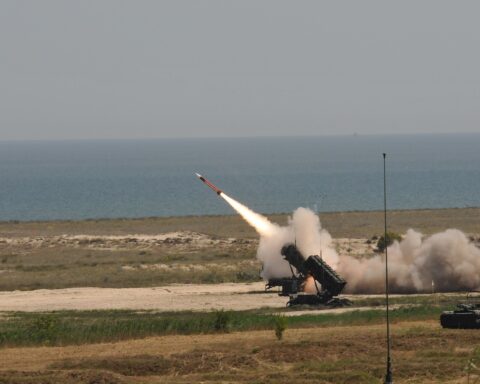
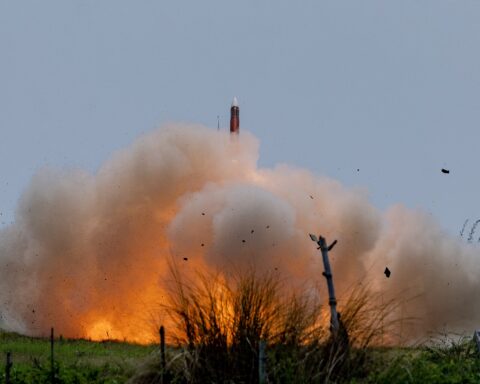
RIYADH — Saudi coalition air defences intercepted and destroyed two Houthi ballistic missiles fired at Riyadh on Thursday evening, October 29, 2026. AFP journalists in the capital reported hearing eight explosions. Saudi Civil Defence issued simultaneous emergency alerts across three zones — Riyadh city, Al-Kharj Governorate and Najran.
The three-zone alert, triggered at 8:53 PM local time via the National Early Warning Platform, spanned the capital, Al-Kharj Governorate — home to Prince Sultan Air Base, Saudi Arabia’s primary air-defence and strike hub — and Najran, a southern border city within Houthi missile range. Coalition spokesman Maj. Gen. Turki al-Maliki confirmed the two Riyadh intercepts on X, calling the launches the work of “the terrorist Houthi militia.” The alert was lifted at 9:16 PM.
Table of Contents

What Caused Eight Explosions Over Riyadh?
AFP journalists stationed in Riyadh heard eight distinct explosions on Thursday evening, a count that exceeds the two ballistic missile intercepts confirmed by the coalition (AFP via Albeu.com, October 29, 2026). The gap between the two numbers is real but not unusual. Ballistic missile interceptions typically generate multiple detonations — the interceptor’s warhead, the incoming missile’s breakup, and the resulting debris and shockwaves can each produce a separate blast audible across a city.
The House of Saud Daily Briefing
Saudi Arabia's news in 3 minutes, every morning. Free. See today's issue
Before the explosions, Saudi authorities sent residents text messages warning of an “air attack threat,” according to AFP (AFP via Albeu.com, October 29, 2026). Maj. Gen. Turki al-Maliki, the coalition spokesman, said on X that air defences “intercepted and destroyed two ballistic missiles launched by the terrorist Houthi militia toward Riyadh” (Middle East Monitor citing Anadolu, October 29, 2026; Gulf News, October 29, 2026). He did not specify the missile type. No casualties and no damage were reported from the evening interceptions (Middle East Monitor, October 29, 2026).
Saudi Civil Defence followed the alert with a public warning: photographing, publishing or sharing information about missile or drone interceptions and their impact sites could bring legal consequences (Gulf News, October 29, 2026; Ajel English, October 29, 2026). The directive, issued on the same day, extended to images of debris fields and intercept trails.
Three-Zone Civil Defence Alert
The simultaneous emergency alerts for Riyadh, Al-Kharj and Najran were issued at 8:53 PM local time through the National Early Warning Platform (Gulf News, October 29, 2026; Arab News, October 29, 2026). All three alerts were lifted at 9:16 PM — roughly 23 minutes later (Gulf News, October 29, 2026).
The geographic spread matters. Al-Kharj Governorate, roughly 80 kilometres southeast of Riyadh, is home to Prince Sultan Air Base, the hub from which Saudi and coalition aircraft fly strike sorties into Yemen and from which air-defence operations over the Eastern Province are coordinated. Najran sits on the Yemeni border and has been a frequent Houthi target since the war’s earliest phase. Riyadh itself has absorbed repeated attacks throughout October, including missile debris that damaged a building on October 28.
Triggering all three zones at once forces air-defence batteries and command networks to track and prioritise threats across a wide arc simultaneously. Whether the Houthis fired additional missiles toward Al-Kharj or Najran that evening — or whether the alerts were precautionary based on launch-trajectory analysis — has not been publicly disclosed.
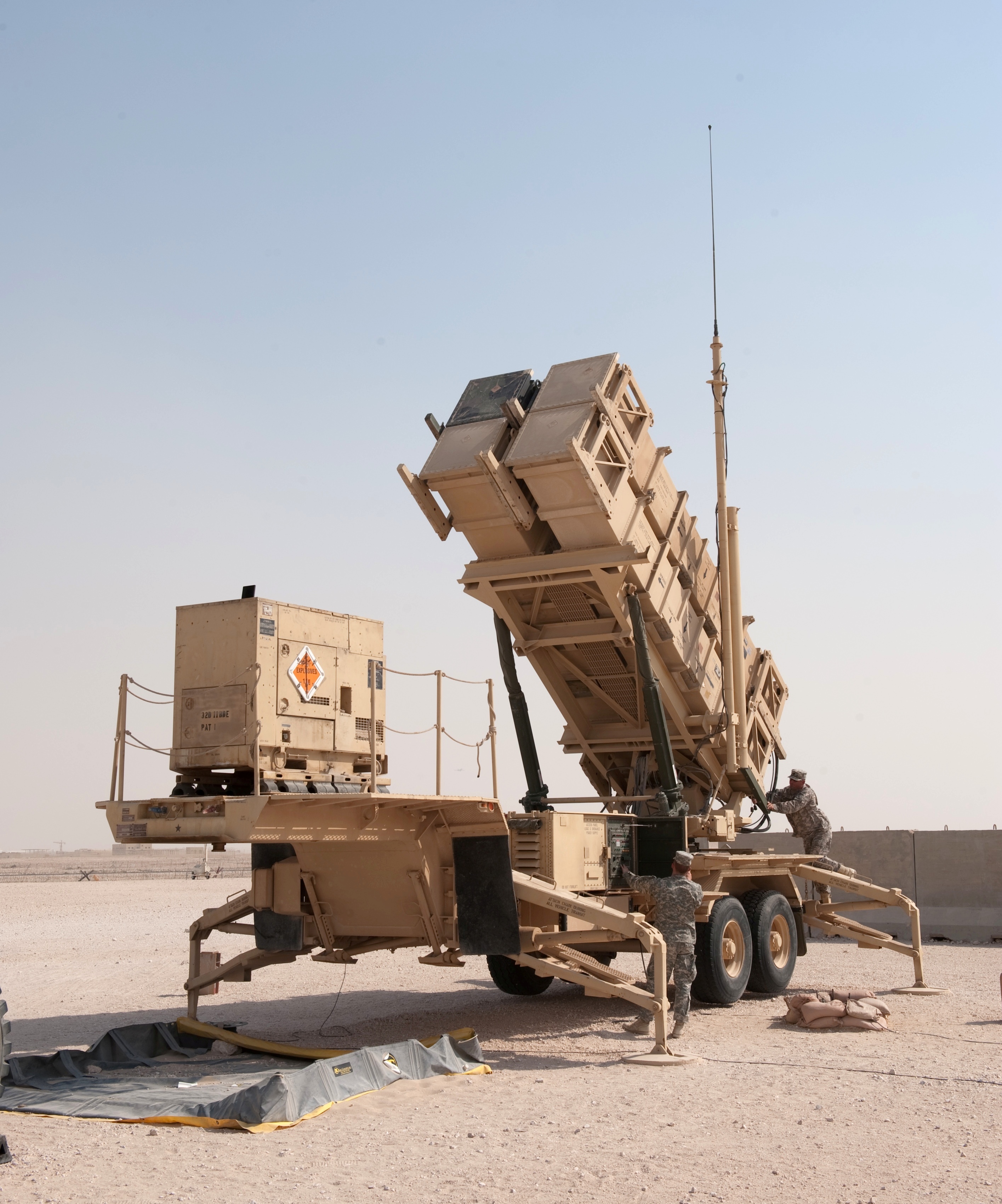
Civil Defence guidance issued on October 29 told residents to move to the nearest interior room away from windows, avoid balconies and rooftops, and stay indoors until the all-clear. The emergency numbers listed were 911 for Riyadh and 998 for Najran (Ajel English, October 29, 2026).
Eastern Province Intercept Earlier Thursday
The evening salvo followed a separate attack hours earlier. At approximately 5:15 AM local time on Thursday, coalition air defences intercepted a third Houthi ballistic missile fired toward the Eastern Province, with no casualties reported (Gulf News, October 29, 2026; HNGN, October 29, 2026). HNGN described the Eastern Province missile as “the second missile in three days aimed at the coast that carries nearly all of Saudi Arabia’s Gulf oil exports” (HNGN, October 29, 2026).
The Eastern Province hosts the Ras Tanura refinery complex, the Abqaiq processing facility and Saudi Arabia’s Gulf oil export terminals. Houthis claimed a missile strike on the 550,000 bpd Ras Tanura refinery on October 28, and the pattern of attacks targeting Saudi oil infrastructure along the Gulf coast has intensified since late October.
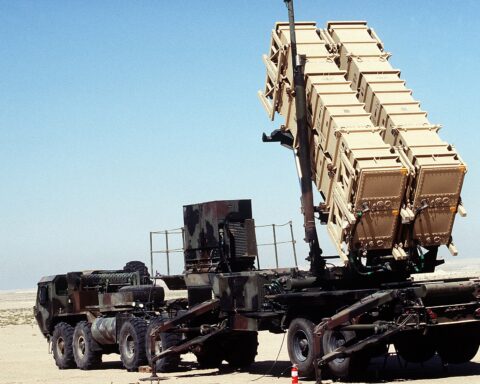
Three ballistic missiles intercepted in a single day — one at dawn, two in the evening — represents a tempo that strains interceptor stocks and crew rotations. The coalition has not disclosed its remaining Patriot inventory.
How Is the Attack Affecting Riyadh Flights?
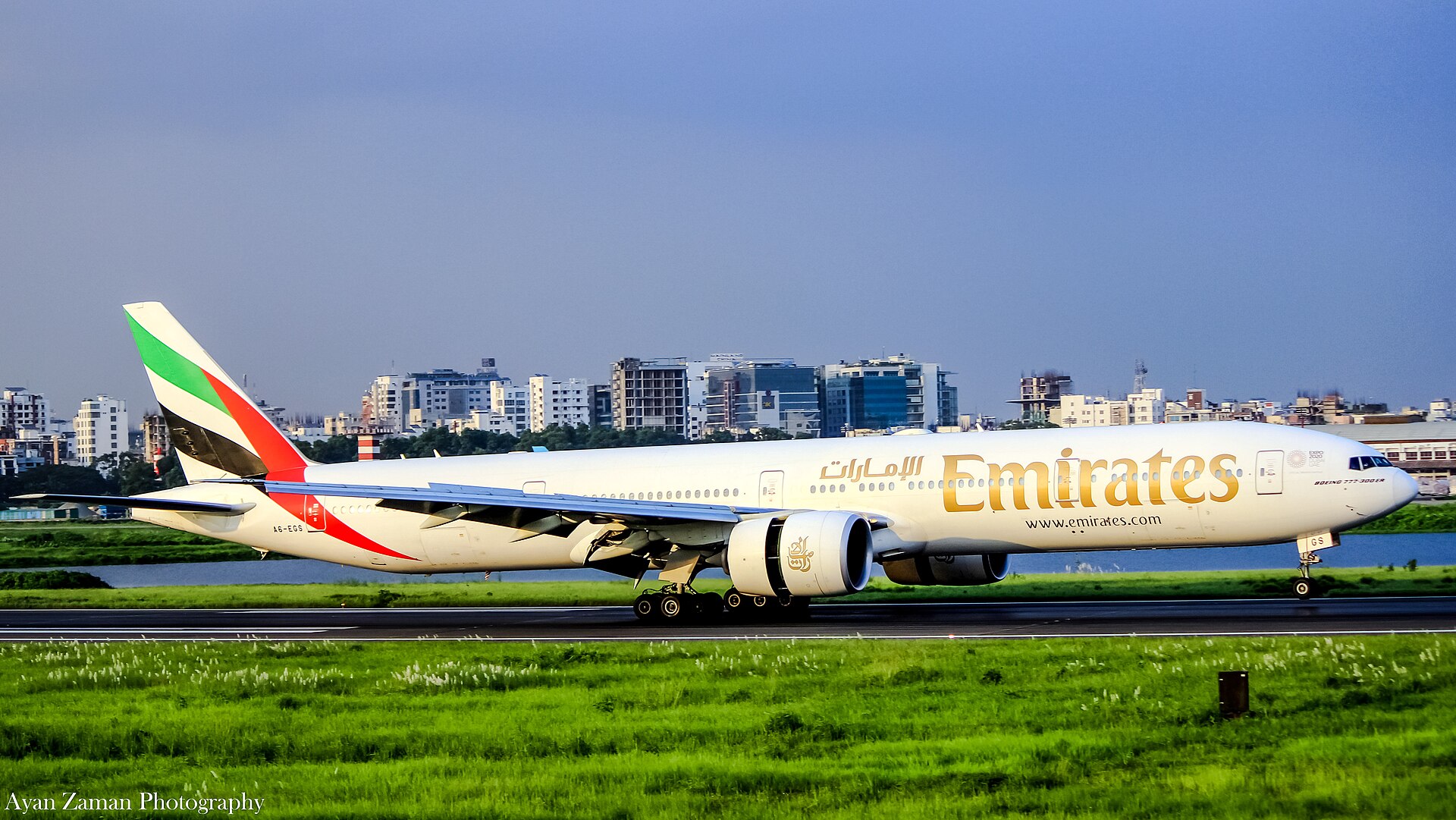
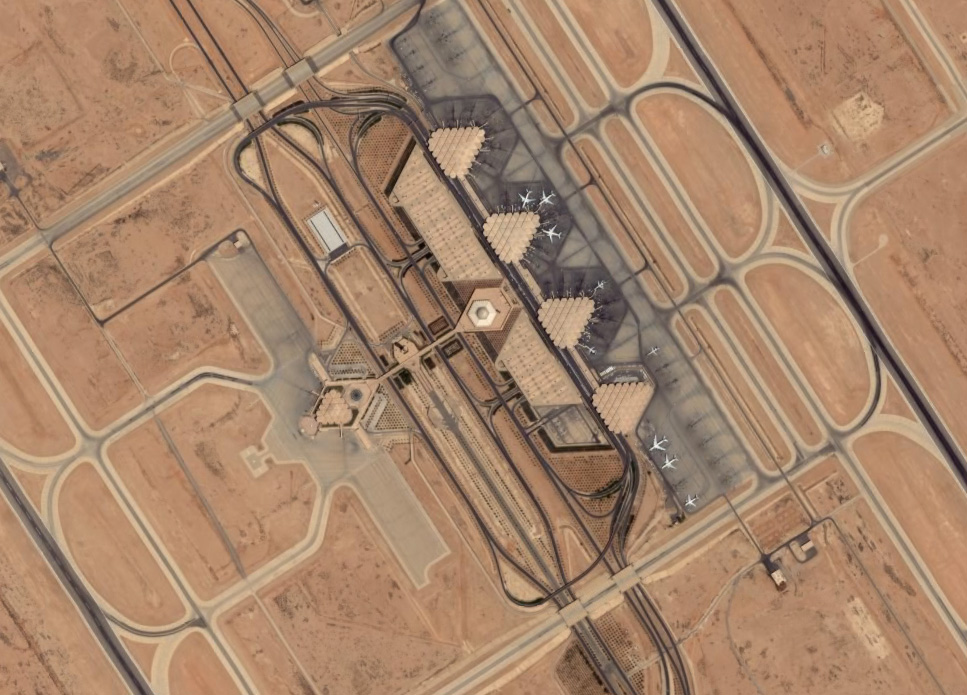
King Khalid International Airport remained partially operational on October 29. KKIA had partially re-opened on October 25 (Terminals 1 and 2) for domestic flights and some international services requiring prior permission, after being shut following the October 10 strike that killed 13 people and wounded 308–309 (Al Jazeera, October 10, 2026; BBC, October 11, 2026). Flightradar24 data showed 32 cancellations — 14 percent of the day’s schedule — at RUH on October 29 (Flightradar24 via Gulf News, October 29, 2026).
Canada issued a travel advisory at 4:59 PM on October 29 advising citizens to avoid all travel to KKIA and King Fahd International Airport in Dammam, and suggesting routing via Bahrain, Qatar, the UAE or Jordan (Gulf News, October 29, 2026). The US Embassy in Riyadh had warned the previous day — Wednesday, October 28 — of potential attacks on airports and travel disruptions in Saudi Arabia (Fox News live blog, October 29, 2026). On October 26, the US ordered all non-emergency staff and families to leave Saudi Arabia.
For travellers navigating the current situation, the House of Saud Saudi airport guide tracks operational status and alternative routing options.
A Week of Escalating Salvos
Thursday’s three-missile day caps a week in which Houthi attacks have grown in frequency and geographic spread. On October 25, the coalition intercepted missiles and drones across multiple sectors — including Riyadh, the south and the western oil corridor — in what Al Jazeera described as a multi-weapon attack involving 10 ballistic missiles toward southern Saudi Arabia (Al Jazeera, October 25, 2026; CNBC, October 25, 2026).
On October 27, the coalition issued three separate interception announcements in a single day: two missiles targeting Riyadh, three targeting the Eastern Province and four drones aimed at southern Saudi Arabia — nine projectiles in total (verified record; AP, October 28–29, 2026). That same day, Houthi military spokesman Yahya Saree claimed a “direct hit on the headquarters of the Saudi Defence Ministry in Riyadh,” a claim AP could not verify (AP via Rutland Herald, October 28–29, 2026).
On October 28, a missile was intercepted over Taif and debris from a separate interception damaged a building in Riyadh — not the first time debris struck the capital in October. Saudi Gazette and Ajel reported debris hitting residential homes in Riyadh on both October 13 and October 14.
The pattern: single-target harassment has given way to multi-axis, multi-day salvos that span the capital, the oil coast and the southern border simultaneously.
Have the Houthis Claimed the Attack?
No confirmed Houthi claim had been issued for the specific October 29 evening attack on Riyadh as of the time sources were gathered. The most recent public statement from Yahya Saree — the Houthi military spokesman — relates to the October 27 attack, in which he claimed a ballistic missile scored “a direct hit on the headquarters of the Saudi Defence Ministry in Riyadh.” AP could not verify that claim (AP via Rutland Herald, October 28–29, 2026). Saudi authorities confirmed they intercepted and destroyed the missiles; they did not confirm any impact.
The Houthis have previously threatened continued strikes on Saudi airports and Aramco oil facilities, with statements to that effect on record from October 13–14 (Al Jazeera, October 13, 2026; Anadolu, October 13, 2026). They have also struck Aden’s airport in Yemen: on October 28, two Houthi ballistic missiles hit the perimeter of Aden’s airport, wounding several civilians. Yemen’s transport ministry called it the sixth attack on that airport in recent days (Gulf News, October 28, 2026; Al Arabiya, October 28, 2026).
Background and Context
The Houthi missile campaign against Saudi Arabia has escalated sharply since the collapse of the 2022 truce. Riyadh came under fire in the current escalation on September 19, when smoke rose near KKIA (Kathmandu Post/Reuters, September 20, 2026). By early October, the Houthis had moved from targeting southern cities — Khamis Mushait, Abha, Taif — to the capital’s airport.
The deadliest single strike came on October 10, when KKIA was hit — the attack that forced the airport’s closure (casualties detailed in the flights section above). Between October 6 and 11, airport attacks killed 20 people across KKIA and Abha (BBC, October 8–11, 2026; Wikipedia, October 2026 Houthi attacks on Saudi Arabian airports). KKIA was closed entirely after October 11, then partially reopened on October 25 (Terminals 1 and 2) with prior-permission requirements.
The coalition’s air campaign has responded with strikes on Houthi missile launchers, tunnels and storage facilities in Yemen (Al Jazeera, October 26, 2026). On Thursday, October 29, Saudi coalition strikes in Yemen hit a market area, with the Houthis claiming 14 killed.
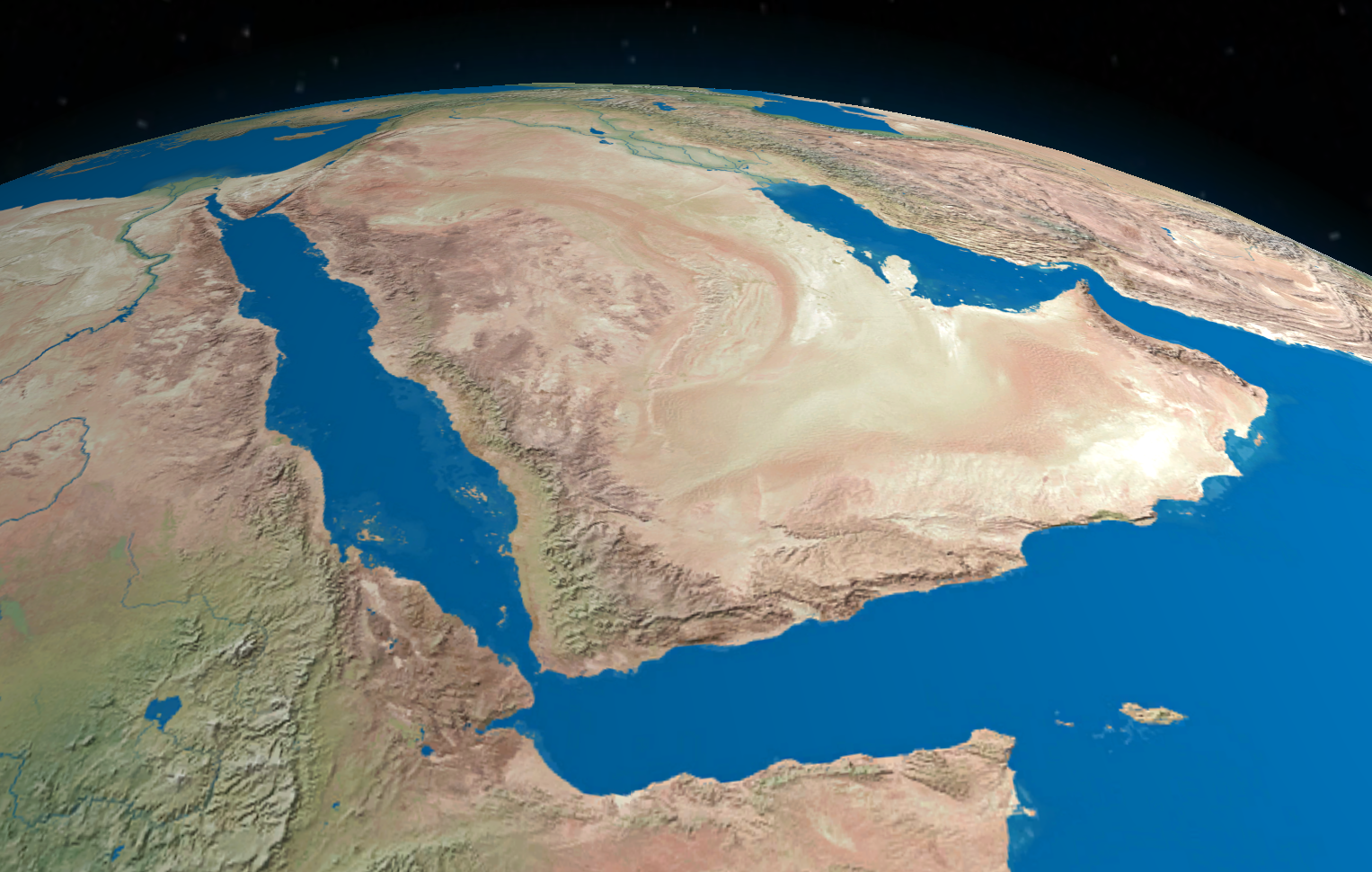
Diplomatically, the war sits in a holding pattern. The US ruled out attacking Iran before the November 3 midterm elections (The National, October 8, 2026). On October 27, Saudi Arabia, Iran, Turkey and Pakistan issued a joint communiqué from Tehran talks that ended without a ceasefire. The Houthis, who were not party to those talks, have shown no sign of restraint.
The coalition’s multinational character has deepened since the Makkah pact’s activation in early October. Prince Khalid bin Salman, the defence minister, announced on October 5 that the pact committee had agreed to “activate collective deterrence measures… in response to the attacks and all those responsible for them” (Al Jazeera, October 6, 2026). Pakistani and Turkish forces have deployed under that framework, while France has contributed radars and air defences for Yanbu (Al Jazeera, September 25, 2026). Washington has sent more than 100 military advisers for intelligence support but has not directly joined strikes (CNN, October 11, 2026).
Frequently Asked Questions
What type of missiles did the Houthis fire at Riyadh on October 29?
The coalition confirmed two ballistic missiles but did not identify the specific model. The Houthis have previously used Iranian-derived Burkan and Quds-series ballistic missiles against Saudi targets. Without a coalition or independent identification of debris, the exact type used on October 29 remains unknown.
Why were eight explosions heard if only two missiles were intercepted?
Each interception generates several distinct blasts: the interceptor’s warhead, the incoming missile’s breakup, secondary fragmentations, and falling debris. Sonic booms from high-altitude intercepts can add further counts. The coalition tallies successful intercepts, not total audible events — so eight explosions and two confirmed intercepts are not contradictory.
What is the significance of Al-Kharj in the civil defence alert?
Al-Kharj Governorate hosts Prince Sultan Air Base, where coalition strike aircraft, tankers and intelligence platforms are stationed. An alert covering Al-Kharj alongside Riyadh and Najran implies the command assessed a possible threat to the base — or to assets transiting between it and the capital. If the Houthis can credibly threaten Prince Sultan Air Base, they pressure the infrastructure that sustains the air campaign against them.
Is Riyadh airport safe to fly into?
KKIA is partially operational with a prior-permission requirement for some international flights. Canada and the United States have both issued advisories warning against travel through Riyadh and Dammam airports. Several Western governments recommend alternative routing through Bahrain, Qatar, the UAE or Jordan. Travellers should check their government’s latest advisory and confirm flights directly with airlines before booking.
How many Houthi missile attacks has Riyadh faced in October 2026?
Riyadh has been targeted multiple times in October, with verified incidents on October 10 (the KKIA strike), October 13–14 (debris on residential homes), October 25 (multi-weapon attack), October 27 (two missiles, part of a nine-projectile day), October 28 (building damaged by debris), and October 29 (two intercepts, eight explosions heard). The frequency has increased week by week, from single-missile firings to multi-axis salvos.
The House of Saud Daily Briefing
Saudi Arabia's news in 3 minutes, every morning. Free. See today's issue