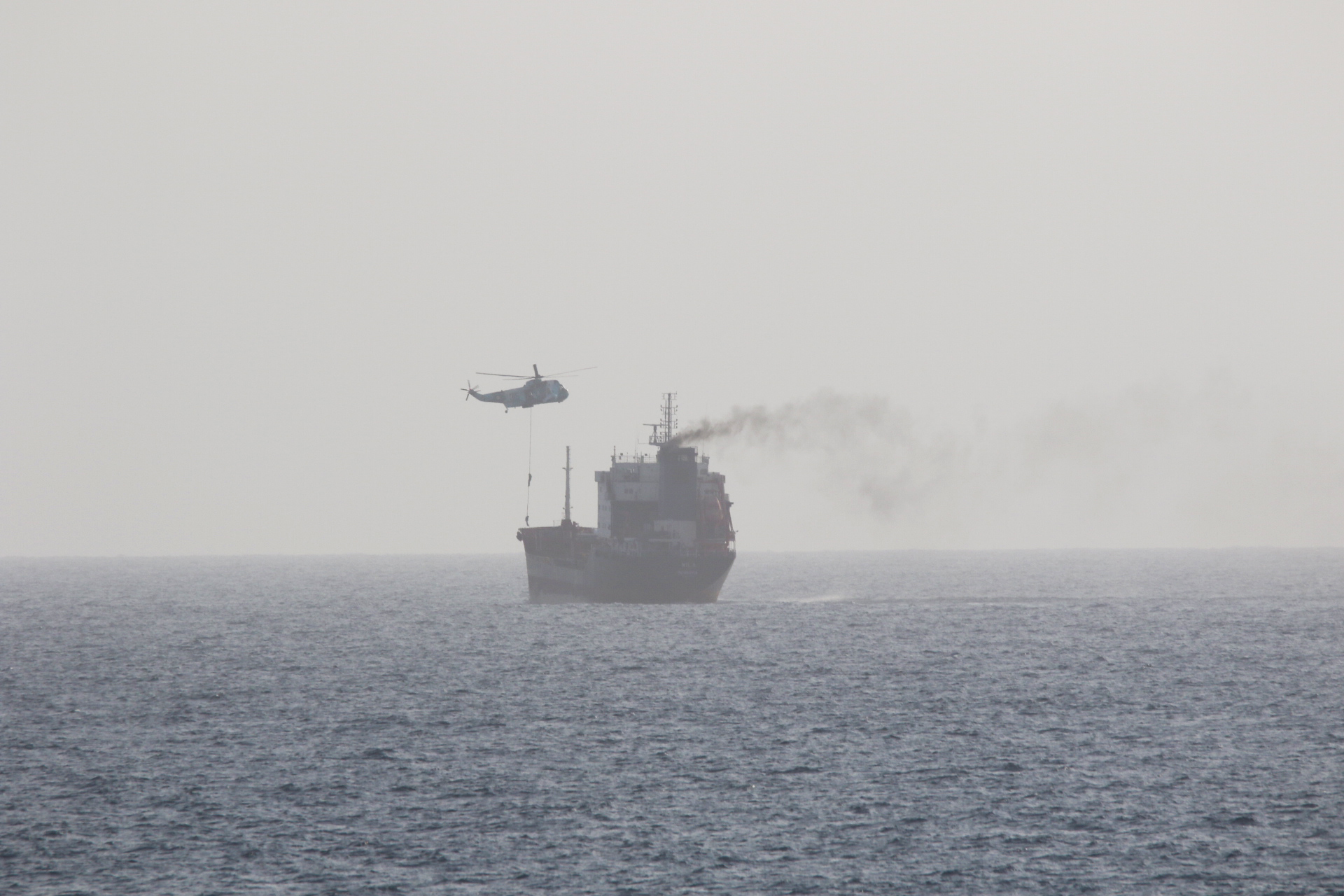

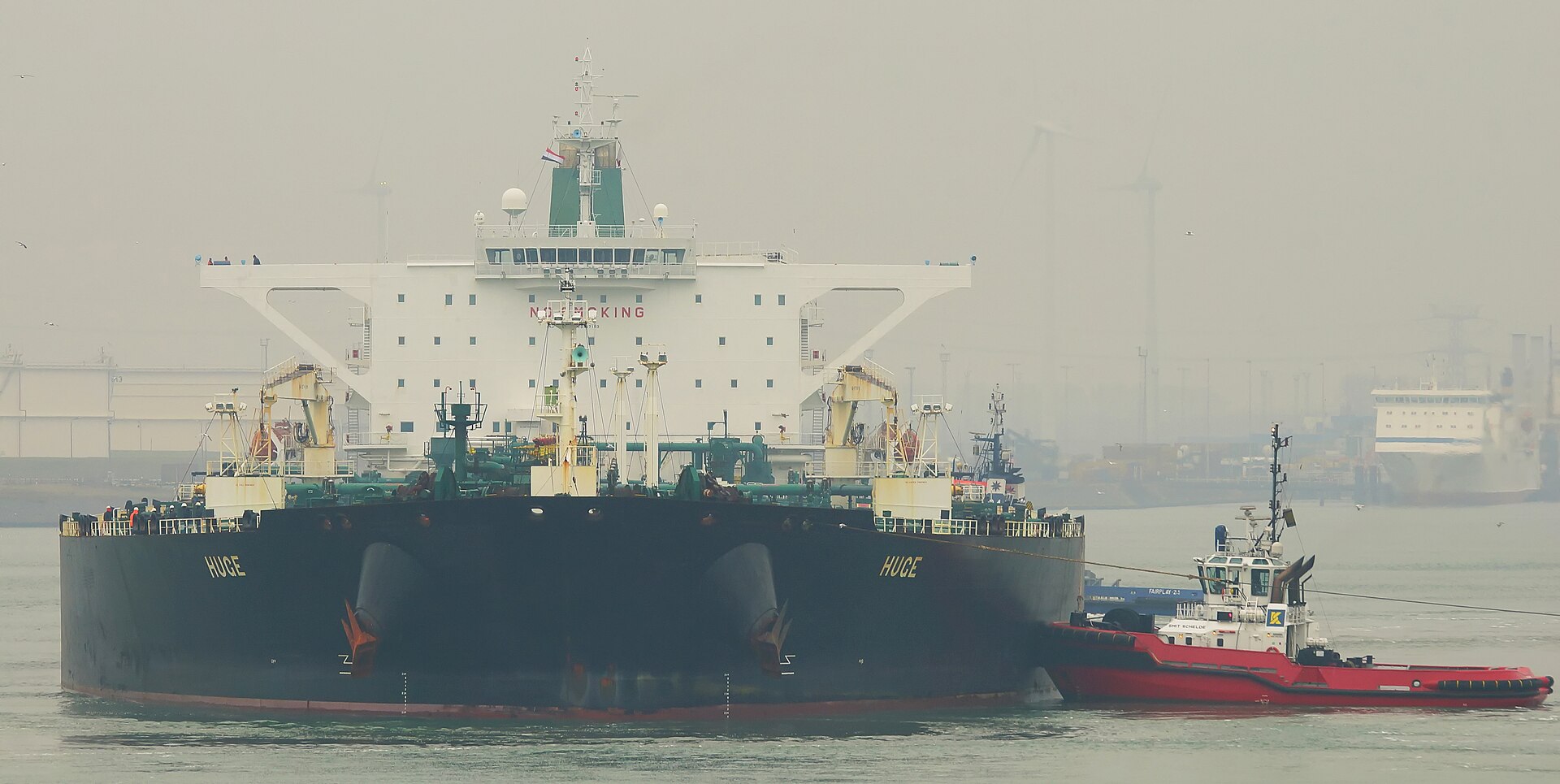
TEHRAN — Iran’s Islamic Revolutionary Guard Corps claimed on November 19 that two supertankers carrying a combined cargo of more than 4 million barrels of crude oil exploded after striking naval mines on a “prohibited” southern route through the Strait of Hormuz, with the vessels now “abandoned” and burning near the strait’s southern coast. The IRGC alleged that both tankers were operating covertly with support from US fighter jets while surveillance drones flew overhead — a claim that could not be independently verified as of November 20, with no confirmation from Western maritime authorities, shipping registries, or the US military.
The announcement marks the largest single cargo volume in any mine-strike claim since the IRGC’s campaign began in late August, escalating from 750,000 barrels in a mid-October claim to 4 million barrels now. Yet oil markets registered almost no reaction: Brent barely moved in Asian trading on November 19, rising less than 0.2 percent, as traders appeared to discount the unverified claims amid rising US inventories and expectations of a global crude surplus.
The House of Saud Daily Briefing
Saudi Arabia's news in 3 minutes, every morning. Free. See today's issue
Table of Contents
What the IRGC Claimed
The IRGC Navy’s public relations office issued a statement claiming that “two supertankers carrying more than four million barrels of crude oil have exploded after striking naval mines while attempting to cross a prohibited route in the Strait of Hormuz,” according to Iranian state broadcaster PressTV and Iran International on November 19.
The statement described both vessels as “abandoned” and burning near the strait’s southern coast. The IRGC provided no vessel names, IMO numbers, flag states, crew nationalities, or casualty figures.
The Guards issued a warning alongside the claim: “Oil tankers under the command of and cooperating with the murderous and criminal US army will be dealt with decisively if they cross through unauthorized routes in the Strait of Hormuz,” according to PressTV.
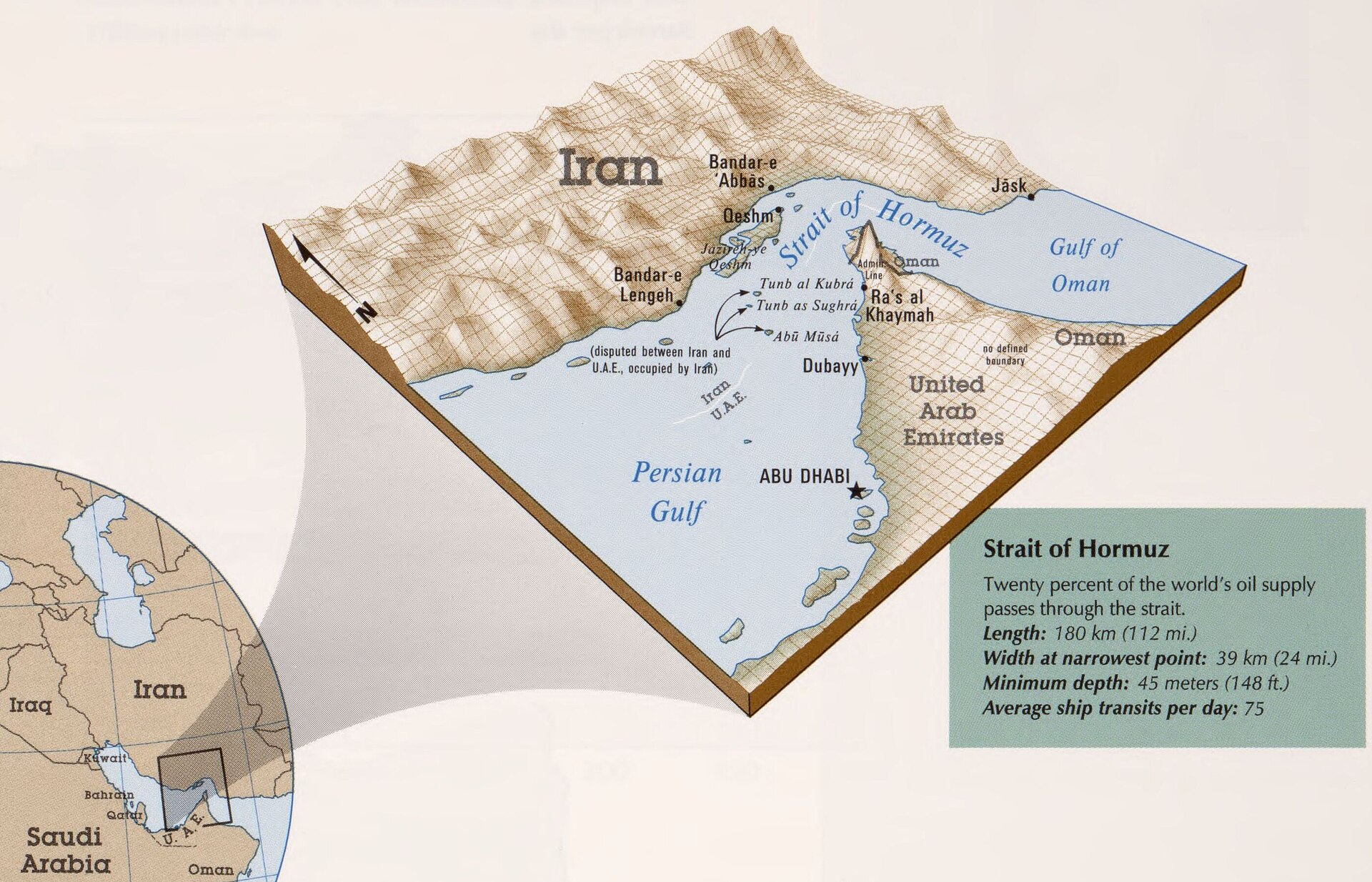
Iran has declared the southern route through Hormuz — near Omani waters — unauthorized and mined, confining what it terms safe passage to designated northern corridors. Tehran says vessels require prior authorization from Iranian naval authorities, restrictions Iran claims were imposed “in response to the latest round of US-Israeli aggression, which began on February 28,” when Iran first closed the strait before re-closing it on April 18.
No Independent Verification
As of November 20, no Western maritime authority, shipping registry, or classification society had confirmed either explosion or attributed any November 19 incident to a mine strike.
The United Kingdom Maritime Trade Operations, which issues advisories for the region, made no reference to the claimed supertanker explosions. Its most recent warning before the IRGC announcement — UKMTO Warning 212-26, dated November 18 — reported a tanker struck by an “unknown projectile” in the engine room approximately 6 nautical miles north of Khasab, Oman, according to Gulf News. UKMTO did not classify that incident as a mine strike.
The Joint Maritime Information Centre, Lloyd’s List, and other maritime tracking services have not substantiated the November 19 claim. No search and rescue operations, oil spill reports, or crew evacuation announcements have emerged in connection with the alleged sinkings.
No CENTCOM statement specifically denying or responding to the November 19 claim was found in open sources as of November 20. CENTCOM’s established pattern has been to characterize prior IRGC mine claims as “false” and “disinformation.” In late October, CENTCOM stated: “Iranian claims that tankers are hitting naval mines in the Strait of Hormuz are false. Iran uses missiles and drones in its aggression in the Strait of Hormuz,” according to Kurdistan24.
The absence of wreck locations, oil spill evidence, or crew rescue reports for vessels allegedly carrying 2 million-plus barrels each has been flagged by maritime analysts as a credibility red flag. A single VLCC sinking would typically produce a visible slick and trigger international response protocols.
Why Is Iran Alleging US Military Escort?
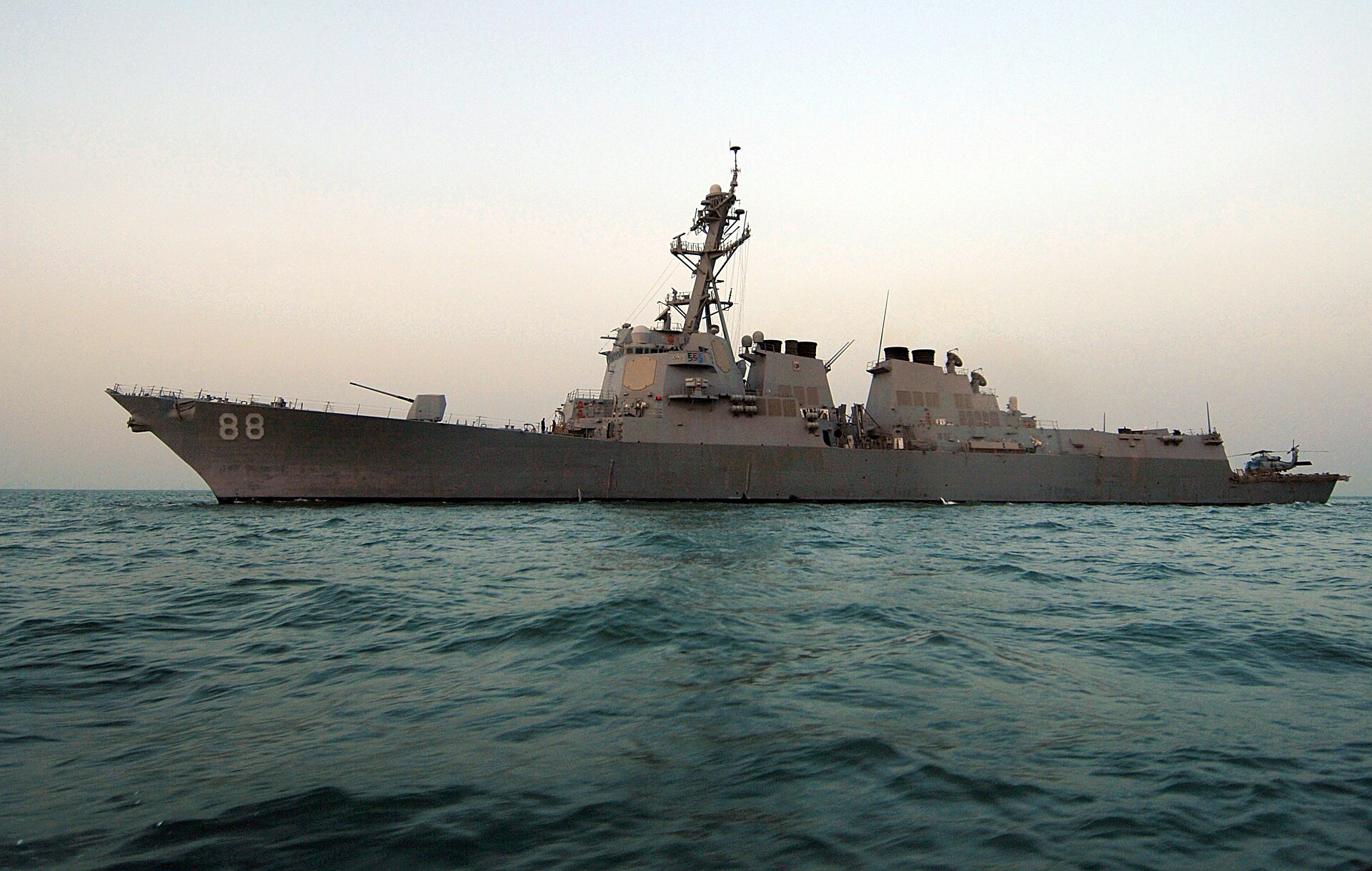
The IRGC’s claim that the supertankers were “operating covertly with support from US fighter jets, while surveillance drones were flying overhead” directly invokes the intelligence, surveillance, and reconnaissance assets CENTCOM uses for Hormuz escort corridors under Operation Project Freedom, the US armed naval escort program in effect since May 4, 2026.
The routing dispute at the center of these claims reflects divergent positions. CENTCOM directs vessels to transit via the southern route, stating US forces have cleared the Traffic Separation Scheme of Iranian sea mines. The IRGC has declared that same route unauthorized and mined, claiming authority over strait transit.
By alleging US military complicity, the November 19 statement frames any tanker losses not as collateral damage but as the consequence of deliberate American defiance of Iranian-declared restrictions. The statement serves as a warning to commercial operators: even with US military support, Tehran claims it can enforce its declared exclusion zones.
The claim also complicates verification. Over 80 percent of Hormuz oil tanker traffic was running with Automatic Identification System transponders disabled as of August 2026, according to Kpler data reported by Al Jazeera, with the practice continuing into the November crisis period. With most vessels AIS-dark, independent tracking of which ships are where — and what may have happened to them — has become structurally difficult.
Why Did Oil Prices Barely Move?
Despite the scale of the claimed cargo losses, Brent January futures rose only 17 cents to $92.12 in Asian trading on November 19 at 02:37 GMT, a 0.18 percent increase, according to FinanceFeeds.
Three factors appear to be suppressing the geopolitical risk premium:
First, the market has absorbed multiple unverified IRGC claims without subsequent confirmation of the alleged scale of destruction. The JMIC noted in October that “there is no substantiation to these claims” after the IRGC announced two supertankers had struck mines on October 17.
Second, supply indicators point toward abundance rather than shortage. The US Energy Information Administration reported a crude stock build of 3.4 million barrels in the week to November 13, against a forecast of only 58,000 barrels. ING analysts noted that higher OPEC+ output, steady Russian exports, and rising US inventories pointed to “a more comfortable supply position that capped any geopolitical risk premium,” according to FinanceFeeds.
Third, forward expectations reflect surplus rather than crisis. Goldman Sachs expects Brent to average $88 per barrel in 2027 as global crude surplus widens, according to FinanceFeeds and Invezz on November 19.
Brent has fallen approximately 20 percent over the course of November 2026, suggesting that whatever disruption the Hormuz crisis has caused, it has not been enough to offset broader supply-demand dynamics.
The Escalating Cargo Claims
The November 19 announcement represents a marked escalation in the stated scale of IRGC mine-strike claims:
| Date | Vessels Claimed | Cargo Volume Claimed | Independent Verification |
|---|---|---|---|
| October 12 | 1 | 750,000 barrels | None |
| October 17 | 2 | Not specified | None (JMIC: “no substantiation”) |
| November 15 | 1 | 2+ million barrels | None (UKMTO 205-26 noted a report but did not confirm sinking) |
| November 19 | 2 | 4+ million barrels combined | None as of November 20 |
The pattern shows cargo volume claims rising from 750,000 barrels in mid-October to 4 million barrels now — more than a fivefold increase in stated impact within five weeks. The November 15 claim of a single supertanker with 2 million-plus barrels was noted by UKMTO Warning 205-26, which acknowledged an Indian shipping report of a tanker attack and said crew were safe with damage unknown, but did not confirm a sinking or mine cause.
By late August through November 19, the IRGC had made repeated mine-strike announcements across multiple weeks. Tuneer Mukherjee of the Observer Research Foundation published analysis titled “Mines, Blockades, and Coercion: Iran’s Strategy in the Strait of Hormuz,” treating the mine campaign as primarily a coercive and deterrence operation rather than a kinetic one.
The claims serve multiple functions regardless of their accuracy: they deter commercial traffic, they complicate insurance underwriting, and they provide Tehran with leverage in ongoing diplomatic channels even when the underlying events cannot be verified.
The Human and Commercial Toll
Whether or not the November 19 claim is accurate, the cumulative impact on shipping through Hormuz has been severe.
As of November 15, IMF PortWatch recorded only 2 commercial transits through Hormuz against a pre-crisis baseline of approximately 85 per day, according to the Straits.live briefing on November 19. JMIC reports “single-digit to low double-digit” daily transits against its 138-per-day baseline.
At 05:30 UTC on November 19, 44 AIS-visible vessels were holding position in the Strait and Gulf watch box, according to Straits.live — a fraction of normal traffic, with the majority of vessels running AIS-dark.
The commercial cost of attempting transit has become prohibitive for most operators. War-risk hull premiums for a single Hormuz supertanker transit were quoted above $10 million in late October 2026, up from roughly $250,000 pre-conflict, according to Nautilusshipping.com. Acting US Navy Secretary Hung Cao told the Senate Armed Services Committee on November 17 that war-risk insurance for a single Hormuz transit now costs $64 million, according to Al Jazeera — a figure significantly higher than Lloyd’s market quotes, possibly reflecting combined hull, cargo, and protection and indemnity coverage.
Major protection and indemnity clubs cancelled war-risk cover effective March 5, 2026.
The human toll has been documented by international bodies. Thomas Kazakos, Secretary-General of the International Chamber of Shipping, called on all parties to protect seafarers at Hong Kong Maritime Week on November 18. As of November 17, the International Maritime Organization had logged 138 confirmed incidents and 25 seafarers killed, according to the IMO’s incident registry.
Saudi Arabia, facing both the Hormuz crisis and an intensifying Houthi campaign from Yemen, has committed to a 6-month military operation extending into 2027. Meanwhile, the Trump administration has delayed decisions on Iran strikes, leaving the kingdom without a US backstop for its campaign.
The same day as the IRGC’s November 19 claim, Iran staged a 14-tanker convoy at Kharg Island to test the US oil blockade, and an ADNOC vessel was hit near Hormuz on November 18, underscoring the escalating pressure on Gulf energy infrastructure.
Frequently Asked Questions
How many IRGC mine-strike claims have been verified?
None of the IRGC’s mine-strike claims since the campaign began in late August 2026 have been independently verified by Western maritime authorities, shipping registries, or classification societies. JMIC stated in October that “there is no substantiation to these claims.” CENTCOM has characterized the claims as “false” and asserted that Iran uses missiles and drones rather than mines in its Hormuz operations. The absence of wreck locations, significant oil spills, or crew rescue operations corresponding to the claimed supertanker sinkings has been noted by analysts.
What share of global oil transits Hormuz?
Before the current crisis, the Strait of Hormuz was among the world’s most critical shipping chokepoints for seaborne crude. Two different tracking methodologies produce different baselines: JMIC, which counts all commercial vessel transits, recorded 138 per day; IMF PortWatch, which tracks a narrower category of cargo vessels, recorded roughly 85 per day. Both now show near-total collapse — JMIC reports single-digit to low double-digit daily transits, while IMF PortWatch recorded only 2 transits on November 15.
Why are vessels transiting AIS-dark?
Over 80 percent of Hormuz oil tanker traffic was running with Automatic Identification System transponders disabled as of August 2026, according to Kpler data reported by Al Jazeera, with the practice continuing through the November crisis period. Vessels switch off AIS to avoid detection and targeting, but the practice makes independent tracking of commercial shipping structurally difficult. It also complicates verification of IRGC claims: without AIS data, confirming which vessels are where — and whether specific ships have been attacked — requires other intelligence sources.
What would a 4-million-barrel spill look like?
Two supertankers carrying a combined 4 million barrels of crude would, if sunk, rank among the largest oil spills in recorded history. Such an event would trigger massive international response efforts, produce visible satellite imagery of the slick, and generate search and rescue operations for crew. The absence of any such evidence following the November 19 claim is among the factors maritime analysts cite when questioning its credibility.
The House of Saud Daily Briefing
Saudi Arabia's news in 3 minutes, every morning. Free. See today's issue