
Table of Contents
Killed on Day One
BEIRUT — A French UNIFIL soldier was killed by small-arms fire in southern Lebanon on April 18, less than 24 hours after the Lebanon ceasefire took effect — the ceasefire that Saudi Arabia spent weeks of diplomatic capital engineering through proxies to make happen. Staff Sergeant Florian Montorio, 17th Parachute Engineer Regiment, based in Montauban, was hit by a direct shot while his patrol cleared explosive ordnance near the village of Ghandouriyeh, according to a UNIFIL statement and French Armed Forces Minister Catherine Vautrin.
Three additional French soldiers were wounded, two of them seriously. The patrol had been working to re-establish links with isolated UNIFIL positions — a routine task that should have been unremarkable on the first full day of a truce. France blamed Hezbollah. Hezbollah denied it. And in Riyadh, the kingdom that had pressed Trump directly for a Lebanon ceasefire found itself unable to say much of anything at all.
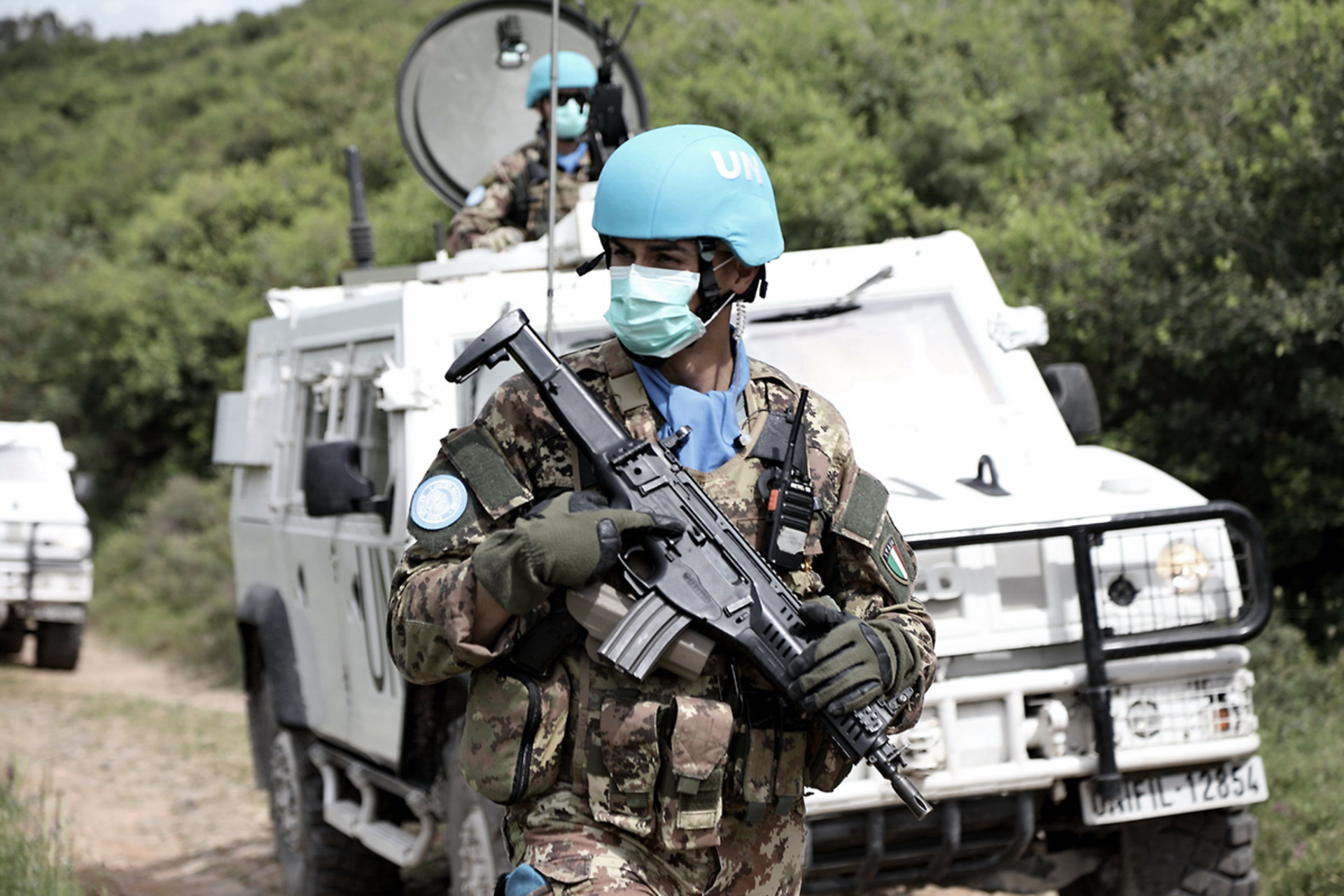
The killing of Montorio is the second UNIFIL fatality in three weeks. On March 29, an Indonesian peacekeeper was killed by Israeli Merkava tank fire — a death confirmed by UNIFIL’s own investigation. France condemned the April 18 attack within hours. President Emmanuel Macron pointed at Hezbollah before any investigation concluded. The March 29 Israeli killing drew no equivalent French statement naming Israel. That asymmetry is not lost on anyone in Beirut, and Hezbollah’s response made sure of it.
What Happened on the Road to Ghandouriyeh?
Vautrin told reporters that Montorio was “caught in an ambush” and “hit by a direct shot from a light weapon.” His comrades pulled him back under fire but could not resuscitate him. The UNIFIL statement described the attackers as “non-state actors,” language that stops short of naming Hezbollah directly but excludes the Israeli military and the Lebanese Armed Forces from suspicion. The patrol’s mission — clearing ordnance to reconnect isolated positions — is standard post-ceasefire procedure, the kind of work UNIFIL has been doing since its establishment under UN Security Council Resolution 425 in March 1978.
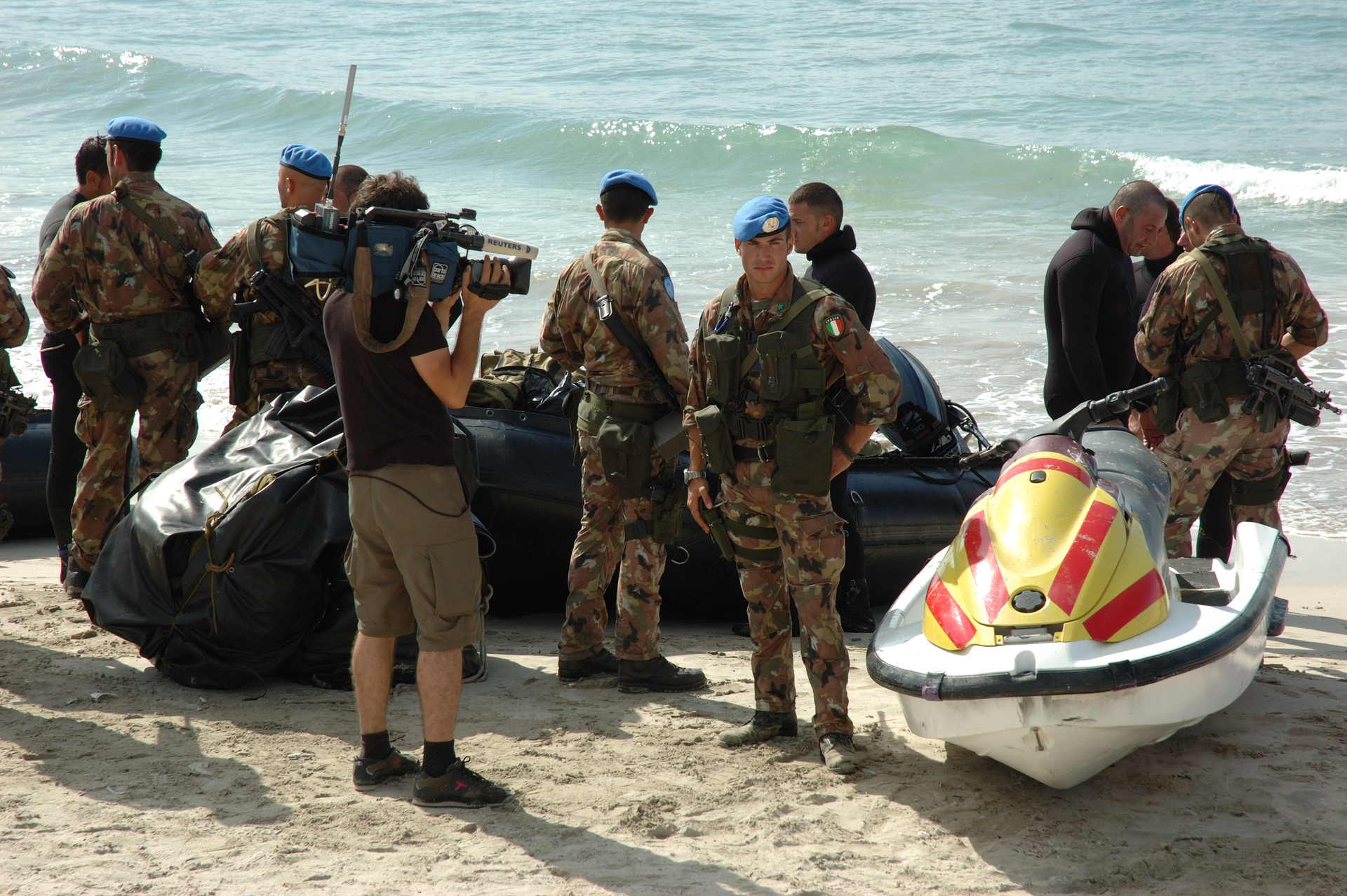
UNIFIL currently deploys 7,505 troops from 47 contributing countries. France fields 605 of them, making it the sixth-largest contributor behind Indonesia (755), Italy (754), and Spain (658). Since 1978, at least 339 UNIFIL personnel have been killed. The force’s mandate was renewed for a final time in August 2025 and expires on December 31, 2026 — meaning that every fatality now occurs against the backdrop of a mission with a known end date and no political appetite in New York for extension.
Lebanese Prime Minister Nawaf Salam ordered what he called an “immediate investigation to uncover the circumstances of this assault and to hold the perpetrators accountable.” The Lebanese army, which has limited operational presence south of the Litani River, confirmed it was cooperating with UNIFIL but offered no independent assessment of the shooting. Salam’s government, still establishing its authority after Lebanon’s prolonged political crisis, lacks the security apparatus to investigate independently in territory contested between Hezbollah, the IDF, and a UNIFIL force that is itself the victim.
The Middle East briefing 3,000+ readers start their day with.
One email. Every weekday morning. Free.
Who Fired?
Macron moved fast. “Everything suggests that responsibility for this attack lies with Hezbollah,” he said on April 18, adding: “The nation bows in respect and extends its support to the families of our soldiers and to all our military personnel engaged for peace in Lebanon.” The attribution came before any UNIFIL investigation had concluded and before the Lebanese government’s own inquiry had begun. France’s confidence appeared to rest on the UNIFIL designation of the attackers as “non-state actors” and on the location of the ambush deep inside territory where Hezbollah has historically maintained operational control.
Hezbollah’s denial was pointed and deliberate. The group expressed “surprise at the hasty accusations leveled against it, especially given the silence of these same parties when the Israeli enemy attacks UNIFIL forces.” The reference was unmistakable — the March 29 killing of an Indonesian peacekeeper by Israeli tank fire, confirmed by UNIFIL’s own investigation, had produced no French statement attributing blame to Israel by name. Hezbollah was not merely denying the charge; it was exposing the selectivity of Western outrage as a structural feature of the UNIFIL mission.
Everything suggests that responsibility for this attack lies with Hezbollah.
Emmanuel Macron, French President, April 18, 2026
The comparison is harder to dismiss than Paris would like. When the Indonesian soldier died on March 29, UNIFIL confirmed Israeli fire as the cause — a Merkava tank round, not an ambiguous incident requiring forensic reconstruction. Twenty days later, a French soldier dies and France attributes blame to Hezbollah within hours, before the investigation that UNIFIL itself has not yet completed. Both deaths occurred in southern Lebanon, both involved uniformed peacekeepers performing standard duties, and the difference in response speed and specificity is a data point, not an opinion — it feeds directly into the narrative that Western nations apply different standards depending on who pulls the trigger.
The Israeli Violations No One Is Counting
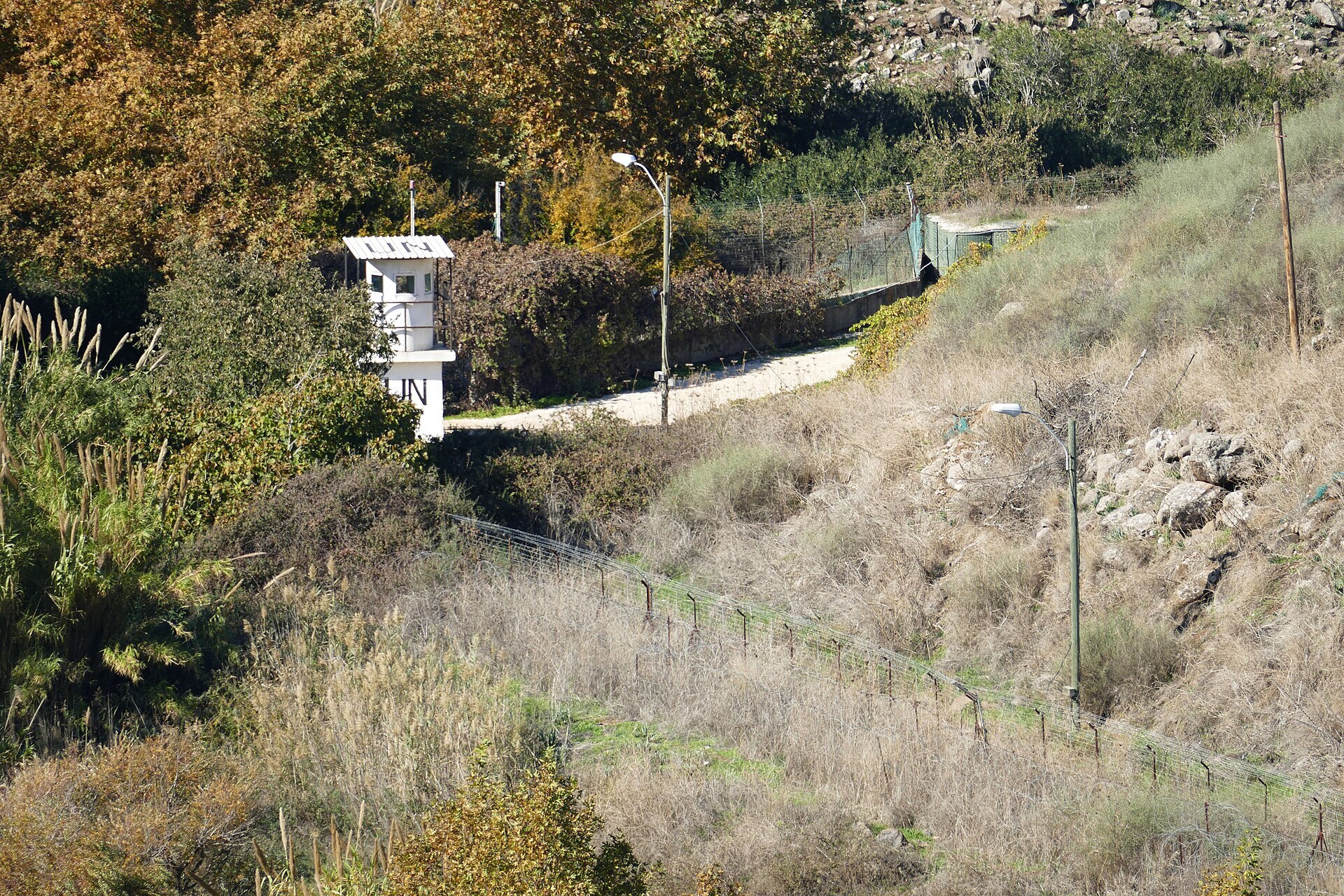
The French soldier’s death dominated headlines on April 18, but it was not the first act of violence after the ceasefire took effect on April 17. Within hours of the truce, the Lebanese army confirmed Israeli shelling of Khiam, Bint Jbeil, and Dibbin — three towns in the south that fall squarely within the ceasefire zone. On April 17 itself, an Israeli drone strike in Beit Yahoun killed one person on a motorcycle and wounded three others. The IDF characterized these as “precise strikes” against operatives who presented “immediate threats.”
Israeli Defense Minister Israel Katz had telegraphed this posture on April 16, one day before the ceasefire began. The territory south of the Litani, he said, “had yet to be cleared of Hezbollah militants and arms. This will have to be done politically or through the continuation of the IDF’s military activity after the ceasefire ends.” Prime Minister Benjamin Netanyahu reinforced the message: the IDF stays in southern Lebanon, and the area is “not yet cleared.” The ceasefire, in Israeli framing, is a pause in operations, not a commitment to withdraw.
This matters because the ceasefire was the product of a specific diplomatic chain. Saudi Arabia wanted Lebanon included in the broader regional truce framework because Iran had made Lebanon a precondition for reopening the Strait of Hormuz. Mohammed bin Salman told Trump directly that “a Lebanon ceasefire is critical to reopening Hormuz and ending the war,” according to a western official cited by Middle East Eye. The kingdom used Starmer’s Jeddah bilateral with MBS on April 8 to get the Lebanon-inclusion demand attributed to a Western ally — deniability by design, with the Saudi SPA readout of that meeting running to exactly one sentence.
Netanyahu accepted the ceasefire at Trump’s request, not as a strategic concession. And Katz’s language on April 16 — “politically or through military activity” — made clear that Israel views the south-Litani question as unresolved regardless of what any ceasefire document says. Saudi Arabia built a quiet win on Lebanon that depended entirely on parties it cannot control agreeing to behave as if the agreement meant what it said.
Why Did Saudi Arabia Want Lebanon in the Ceasefire?
The Iran war ceasefire — the Islamabad ceasefire — expires on April 21 or 22, depending on interpretation. Islamabad II talks are confirmed for approximately April 20. Iran’s VP Mohammad Reza Aref said on April 18 that Iran would pursue its right to manage the Strait of Hormuz “either at the negotiating table or in the field.” The same day, Iran reimposed Hormuz controls, citing the US blockade. Saudi Arabia’s entire export corridor depends on Hormuz staying open or on the East-West Pipeline bypass to Yanbu functioning at capacity — and Yanbu’s ceiling remains 4-5.9 million barrels per day against a pre-war Hormuz throughput of 7-7.5 million.
Lebanon was never about Lebanon for Riyadh. It was about clearing an Iranian precondition. Tehran had linked Hormuz reopening to Lebanon in a way that made the two files inseparable — and MBS, who cannot negotiate with Iran directly without undermining his own position as the Gulf’s security guarantor, needed someone else to deliver the Lebanon piece. The UK, through Starmer’s April 8 visit, provided the vehicle. British Foreign Secretary David Lammy’s Mansion House speech — “Lebanon must be included, Hormuz must be fully reopened, no place for tolls” — gave Saudi Arabia a Western-attributed demand it could point to without having authored it publicly.
The problem was always execution. Saudi Arabia could engineer the diplomacy, but it could not enforce the result. The Lebanon trap was structural from the start: Saudi Arabia’s export corridor now depends on Israeli restraint in a territory where Israel has declared it will not exercise restraint. A French soldier is dead. Israeli shelling continues. And the ceasefire that was supposed to unlock Hormuz is fraying before anyone has even begun drafting the Islamabad II terms.
The Silence That Tells You Everything
Saudi Arabia welcomed the Lebanon ceasefire on April 16 via the Ministry of Foreign Affairs, crediting Trump, Lebanese President Joseph Aoun, and Prime Minister Salam. The statement contained zero acknowledgment of any Saudi role in engineering the agreement. It was a textbook case of a kingdom that wants the outcome but not the ownership — because ownership means accountability when the outcome collapses.
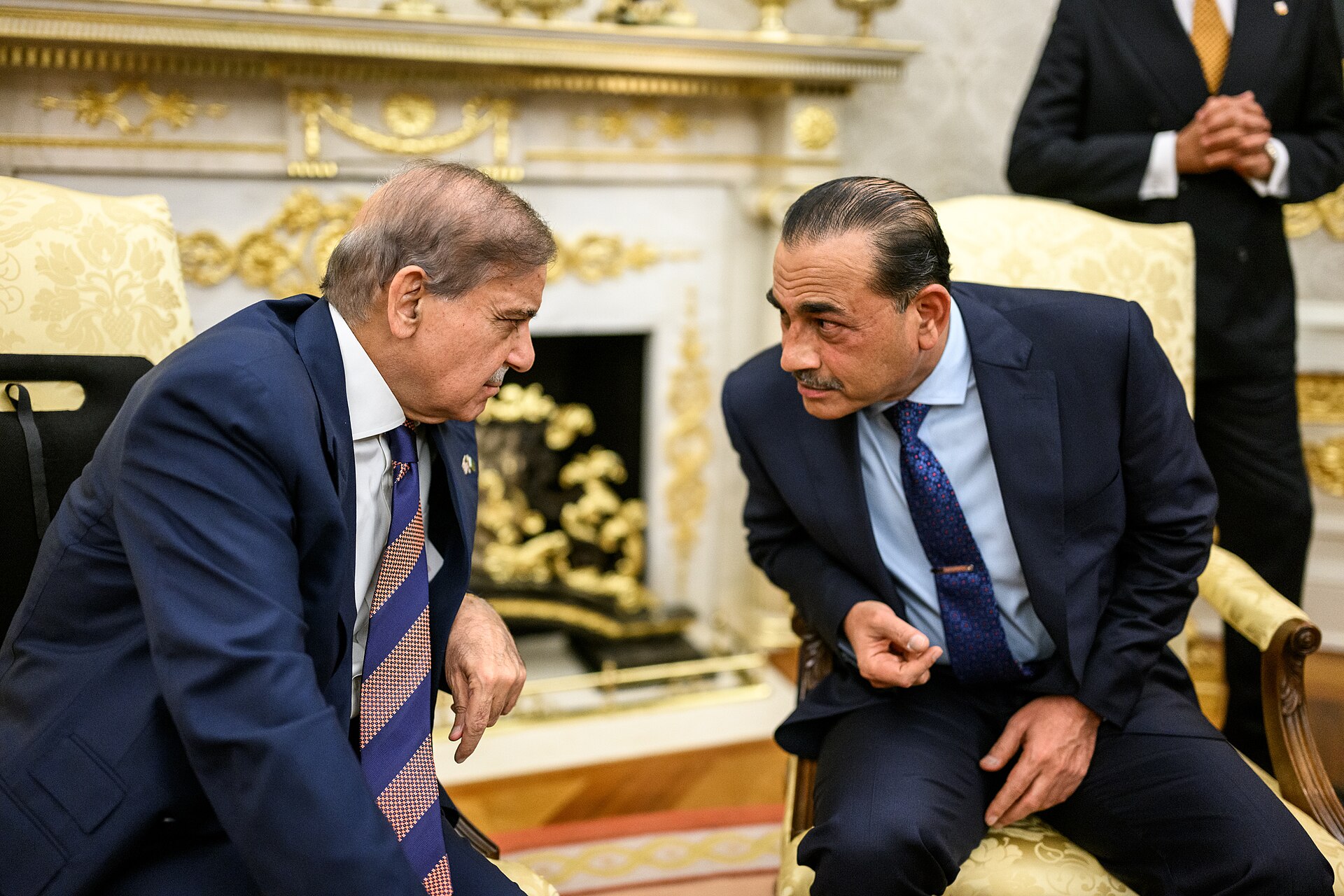
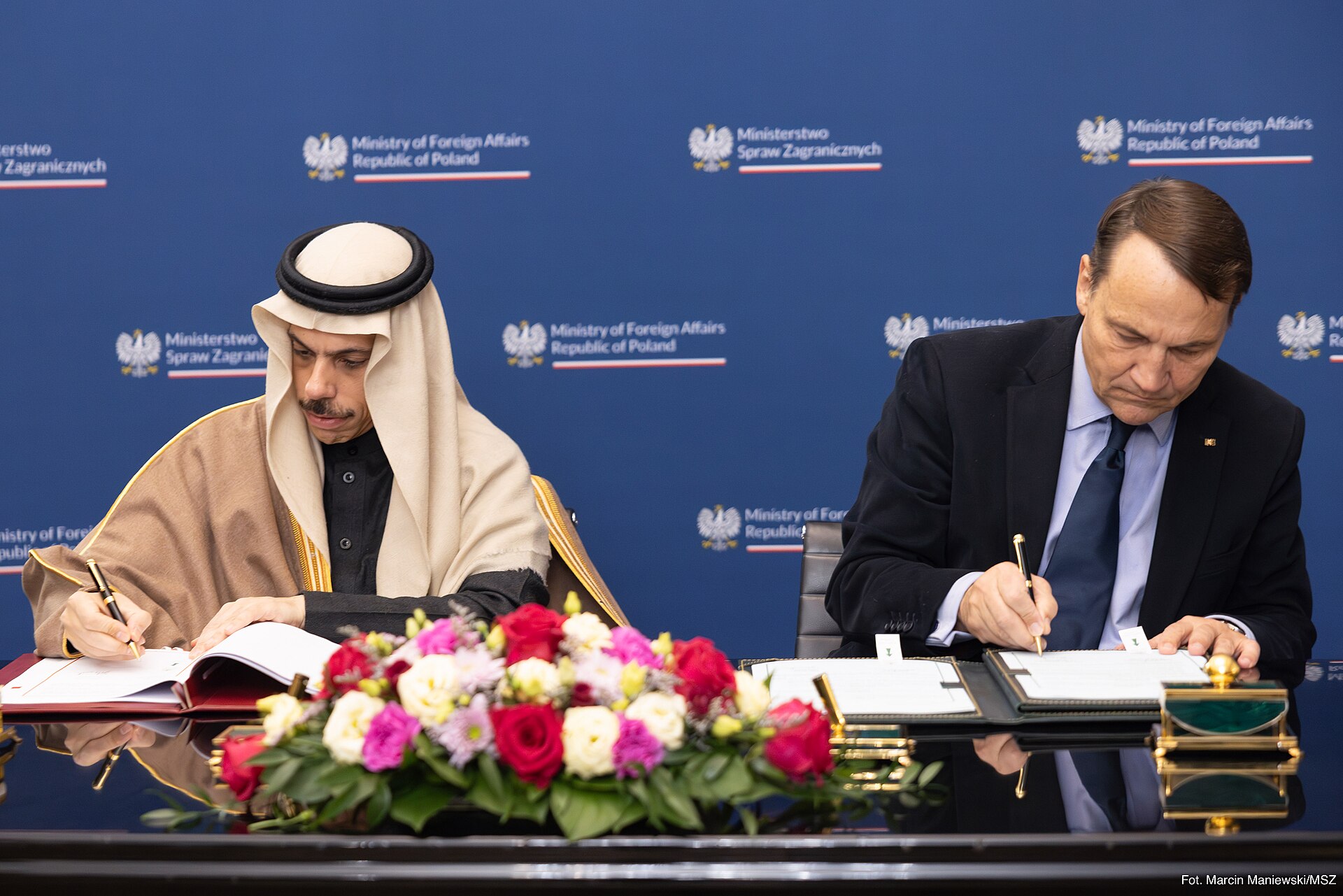
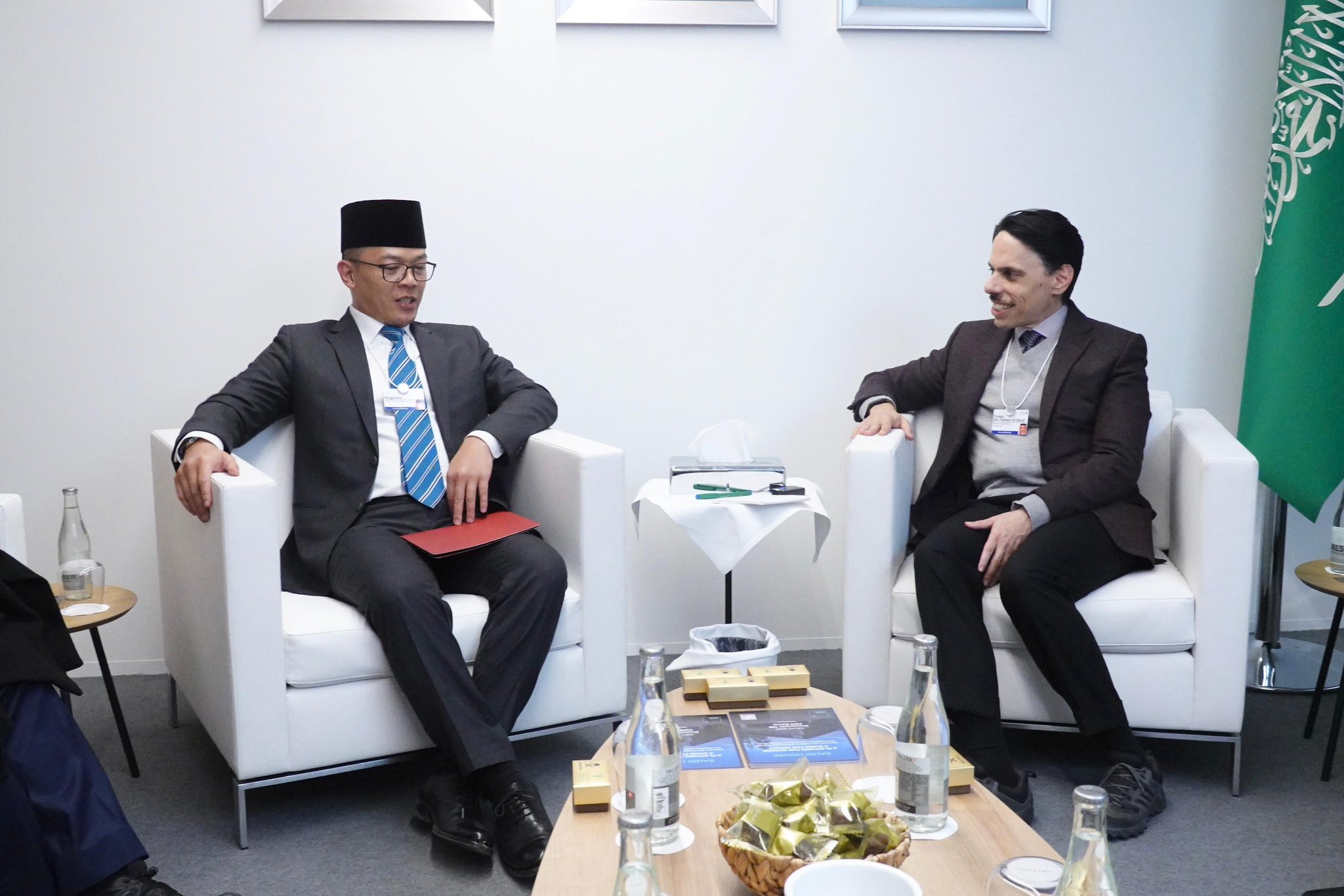
After the French soldier’s death and the confirmed Israeli violations, the Saudi response came through a joint call between Saudi Foreign Minister Prince Faisal bin Farhan and Pakistani Deputy Prime Minister and Foreign Minister Ishaq Dar. They expressed “deep concern over ceasefire violations in Lebanon” and stressed the “urgent need for full respect and implementation.” The language could not have been more muted if it had been written by a committee tasked with saying nothing. No party was named. No violation was attributed. No consequence was threatened.
The bind is real and has three sides. Saudi Arabia cannot condemn Israel for ceasefire violations without jeopardizing the US support it needs for the Iran talks expiring in four days. It cannot condemn Hezbollah without validating the very Israeli military posture — IDF forces remaining south of the Litani indefinitely — that is itself violating the ceasefire Saudi engineered. And it cannot stay silent without appearing to abandon the diplomatic framework it spent weeks building through UK proxies and back-channel pressure on the White House. The Saudi-Pakistan call was the sound of a kingdom choosing the least damaging option: vague concern, directed at no one, satisfying no one, and buying perhaps 48 hours before the next violation forces another statement equally empty.
At the Antalya Diplomacy Forum on April 17-19, Saudi FM Faisal met with Turkish, Egyptian, and Pakistani counterparts — a meeting format that pointedly excluded both Israel and Iran. The forum provided diplomatic cover for coordination that cannot happen bilaterally, but it also exposed Saudi Arabia’s structural exclusion from the peace process it is trying to shape. Saudi Arabia can convene side meetings at Turkish forums. It cannot sit at the table where the ceasefire’s fate is decided.
Four Days Left
The broader ceasefire expires in four days. The French soldier is the 340th UNIFIL fatality since 1978 and the second in three weeks. France has blamed Hezbollah. Hezbollah has invoked Israel’s confirmed killing of an Indonesian peacekeeper 20 days earlier. Israel continues to shell and strike south of the Litani while its defense minister says the area must be cleared “politically or through military activity.” Iran has reimposed Hormuz controls on the same day Staff Sergeant Montorio was killed, citing the US blockade. And Saudi Arabia, which spent weeks maneuvering behind proxies to get Lebanon into the ceasefire framework, is issuing joint communiques about “deep concern” with Pakistan — the same Pakistan that is supposed to enforce the Islamabad ceasefire expiring alongside Lebanon’s.
The UNIFIL mandate expires December 31, 2026. No renewal process has begun. The force that has lost 340 personnel since 1978 is operating on a known countdown with no political will in the Security Council to extend it. Contributing nations — France, Indonesia, Italy, Spain — are watching their soldiers die in a mission that may not exist in eight months. Indonesia lost a soldier to confirmed Israeli fire on March 29. France lost one to disputed small-arms fire on April 18. The next contributor to bury a peacekeeper will do the math on whether the remaining mandate is worth the cost.
The Islamabad II talks are expected around April 20. The Iran ceasefire expires April 21 or 22. The Lebanon ceasefire that Saudi Arabia engineered as the precondition for Hormuz — the one that was supposed to remove Iran’s excuse for keeping the strait closed — has already produced confirmed Israeli violations, a dead French paratrooper, and a Hezbollah denial that doubles as an indictment of Western selectivity. Iran’s VP Aref made clear on April 18 that Tehran views the Hormuz question as live regardless of what happens in Lebanon — the same “negotiating table or in the field” formulation that left no room for the Lebanon ceasefire to change the calculus. The Lebanon piece was supposed to take that option off the table. It has not.
Frequently Asked Questions
What is UNIFIL actually authorised to do when its soldiers are attacked?
UNIFIL operates under UN Security Council Resolution 1701 (2006), which authorises it to use force in self-defence and to resist forcible prevention of its mandate. It cannot arrest suspects, conduct offensive operations, or compel the withdrawal of armed groups — its mandate is to assist the Lebanese Armed Forces in establishing control, not to substitute for them. When attacked, UNIFIL can return fire but cannot pursue perpetrators across territory it does not control.
Has France threatened to withdraw from UNIFIL over attacks before?
Yes. After the October 2023 attack on a French UNIFIL patrol that left three soldiers wounded, France summoned the Lebanese ambassador and demanded accountability. In 2006, during the initial post-war UNIFIL expansion, France threatened to withhold troops unless the mandate was strengthened. It eventually contributed 2,000 soldiers — the second-largest contingent at the time — after securing assurances from Lebanon’s government. France has never followed through on a withdrawal threat.
What happens to UNIFIL if the Security Council does not renew its mandate in December 2026?
Without renewal, all 47 contributing nations would be obligated to withdraw their 7,505 troops within a negotiated drawdown period, typically 90 days. The Lebanese Armed Forces would inherit sole responsibility for the south-Litani zone — a force that currently lacks the armour, logistics, and political authority to fill the gap. No contingency plan for a post-UNIFIL southern Lebanon has been publicly tabled by any Security Council member.
Why does Iran link Lebanon to Hormuz in its negotiating position?
Iran’s formal position, set out in its ten-point Hormuz plan, treats Lebanese sovereignty — specifically the end of Israeli military presence in southern Lebanon — as a precondition for any normalisation of Hormuz passage. The logic is coercive leverage: by bundling two distinct files, Tehran forces any deal on Hormuz to carry a Lebanon component that Israel will resist, giving Iran a structural veto over the outcome. Analysts at the International Crisis Group described this as Iran’s most reliable “off-ramp denial” tool.
Staff Sergeant Florian Montorio’s regiment, the 17th Parachute Engineers, is based in Montauban, a town of 60,000 in the Tarn-et-Garonne in southern France. He was 24 hours into a ceasefire when he died.