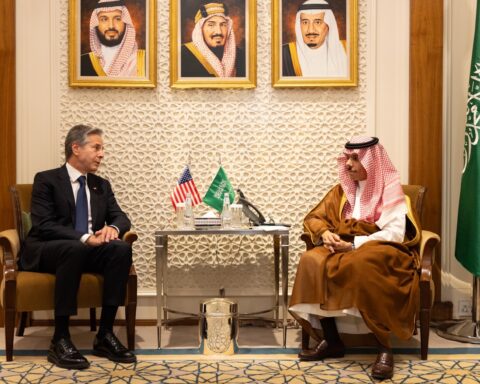

RIYADH — Saudi Arabia, Egypt, Pakistan, and Turkey held three foreign ministers’ meetings in thirty-one days between March 19 and April 18, 2026 — a pace the International Institute for Strategic Studies described as marking the shift “from reactive coordination to institutionalised consultation.” None of the three sessions produced a communiqué, a joint statement, or any document acknowledging the formation’s existence.
n
Pakistan’s dual role within the quadrilateral deepened on June 7 when Interior Minister Naqvi delivered two separate letters to Supreme Leader Khamenei — one from Prime Minister Shehbaz Sharif, one from Army Chief Munir — formalizing Islamabad’s courier function as a civilian-military hybrid that no other quadrilateral member can replicate.
n
The quadrilateral is not a defence alliance. None of its members can offer the others collective defence, and none has proposed doing so. It is a set of institutionalised channels that give Riyadh indirect reach into the US-Iran nuclear track, the Hormuz shipping dispute, and ceasefire mediation — all negotiations from which Saudi Arabia is formally absent. Pakistan relayed messages between Washington and Tehran. Turkey’s foreign minister hosted his Iranian counterpart in Istanbul. Saudi Arabia’s own foreign ministry has been publicly silent on Iran for more than ten consecutive days. The quadrilateral exists because those silences need intermediaries. When FM Faisal finally ended the fourteen-day silence on June 2–4, the channel selection confirmed the same logic: six contacts producing zero negotiating positions, each chosen to avoid constraining Riyadh’s future options.
n
The Middle East briefing 3,000+ readers start their day with.
One email. Every weekday morning. Free.
The formation emerged in the same weeks that exposed the structural limits of the US security umbrella. Saudi Arabia has no status-of-forces agreement with Washington and no mutual defence treaty. It received no emergency resupply waiver in Secretary Rubio’s $8.6 billion May 2 package. Bahrain received one.
n
n
Table of Contents
n
- n
- Three Sessions, Thirty-One Days, Zero Documents
- What Does the Quadrilateral Actually Do?
- Why Was Nothing Signed?
- The Troops That Arrived Without a Treaty
- Can Pakistan Mediate a War It Has Joined?
- The Channel to Tehran and the Alternative to Hormuz
- What Did Saudi Arabia’s Last Islamic Security Coalition Achieve?
- The Draft That Exists and the Alliance That Does Not
- Frequently Asked Questions
- n
n
n
n
n
n
n
n
n
n
n
n
n
Three Sessions, Thirty-One Days, Zero Documents
n
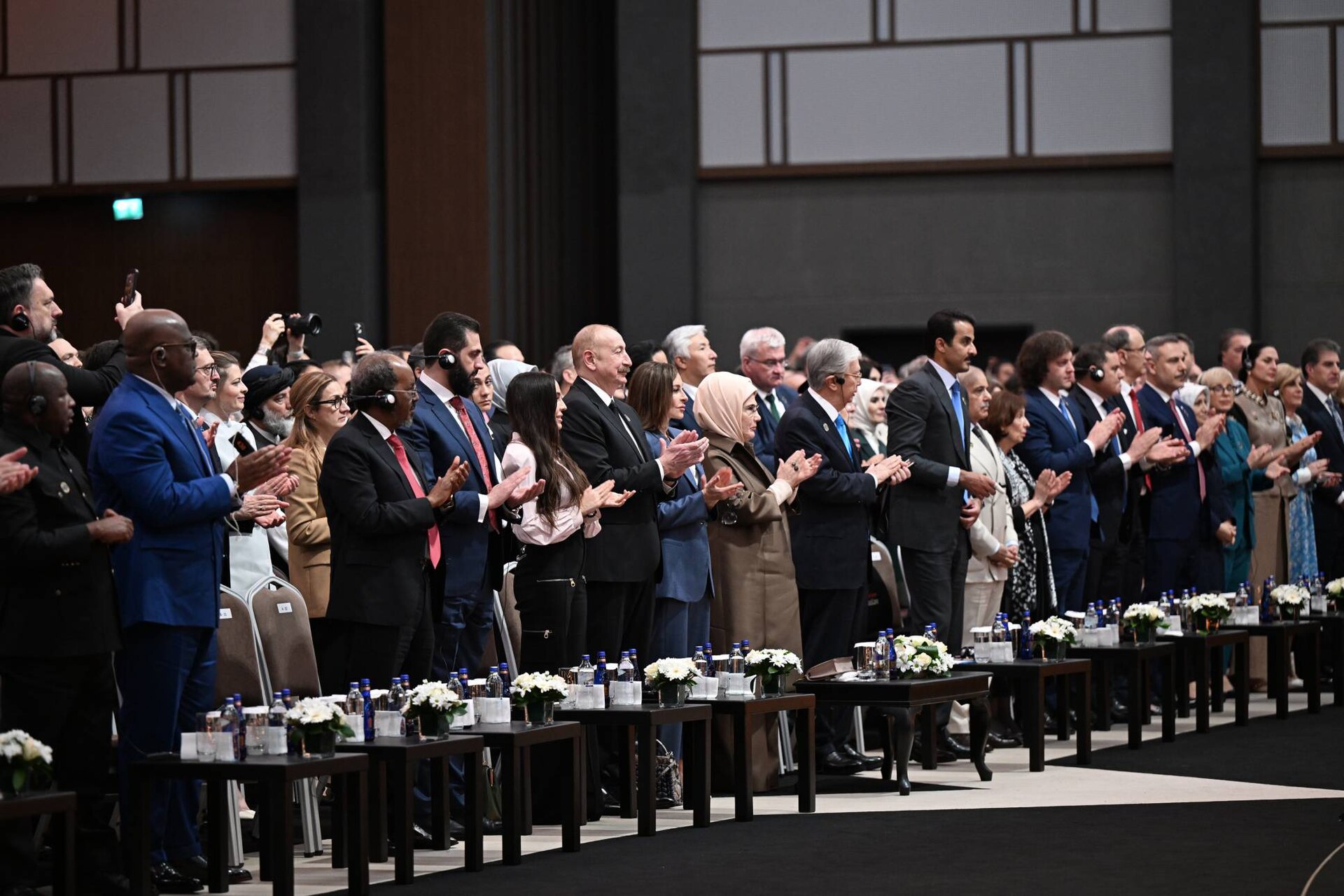
The first session convened on March 19 in Riyadh, on the sidelines of a wider Islamic summit that condemned Iranian attacks on Gulf states. The founding context is not incidental: the grouping’s first act occurred at an event whose stated purpose was to denounce Iran. Turkey’s Hakan Fidan, Saudi Arabia’s Prince Faisal bin Farhan, Egypt’s Badr Abdelatty, and Pakistan’s Ishaq Dar discussed “the possibility of combining their capabilities within a joint security framework,” according to the Al Jazeera Centre for Studies.
n
Ten days later, the same four met in Islamabad. They endorsed Pakistan’s mediation between Washington and Tehran — an endorsement that positioned Islamabad as the formation’s diplomatic broker and its most exposed member if that mediation collapsed.
n
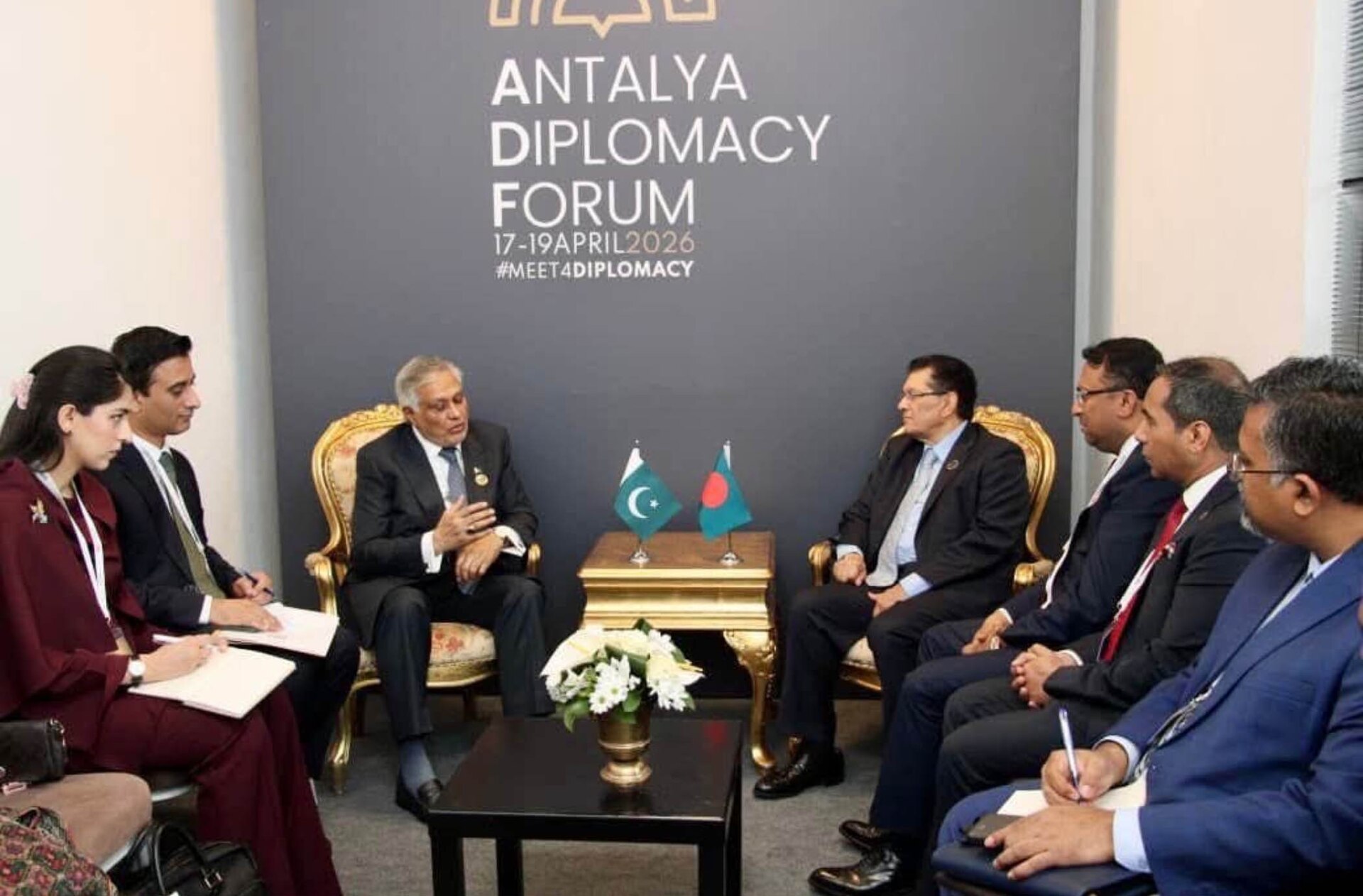
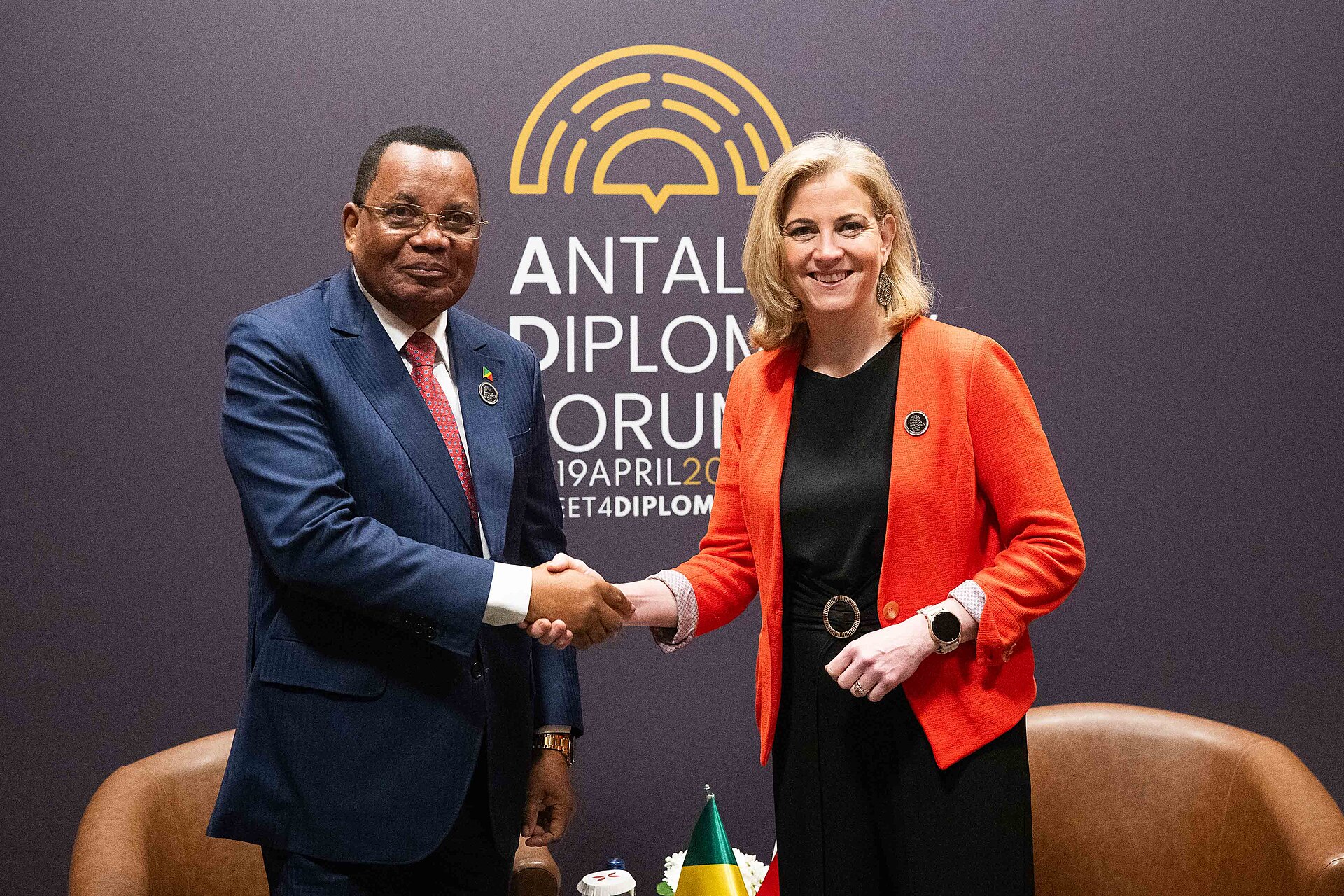
The third session convened in Antalya on April 18, at Turkey’s Fifth Antalya Diplomacy Forum. Abdelatty told Middle East Eye that the four nations were “currently hammering out a security deal designed to end the current conflict and prevent it from breaking out again” — the most explicit public framing any principal has offered about the quadrilateral’s purpose.
n
| Session | Date | Location | Sideline Event | Formal Output |
|---|---|---|---|---|
| First ministerial | 19 March 2026 | Riyadh | Islamic summit condemning Iranian attacks on Gulf states | None |
| Second ministerial | 29 March 2026 | Islamabad | Pakistan-hosted ministerial | None |
| Deputy-ministerial | Early April 2026 | Islamabad | Senior officials’ preparatory session | None |
| Third ministerial | 18 April 2026 | Antalya | Fifth Antalya Diplomacy Forum | None |
n
n
Between the second and third sessions, senior officials met at deputy foreign ministers’ level in Islamabad. The IISS identified this as the clearest evidence that the formation is acquiring permanent institutional infrastructure beneath its ministerial surface. Ministerial gatherings on summit sidelines are common; deputy-ministerial sessions require staffing, agendas, and continuity between meetings. They exist to do preparatory work that ministers then validate or redirect.
n
Every session was held on the sidelines of a broader event. The sideline format allows the four governments to meet without issuing the kind of joint declaration that would force them to define what the grouping is, whom it targets, or what obligations it creates. Ibrahim Karatas of the Middle East Council on Global Affairs, in his April 28 analysis, noted this deliberate ambiguity as a defining feature of the formation’s design.
n
What Does the Quadrilateral Actually Do?
n
The quadrilateral provides indirect access to negotiations Saudi Arabia cannot enter. Riyadh is excluded from all three active tracks on the Strait of Hormuz — the US-Iran bilateral, the Oman-brokered channel, and the UK-France maritime coalition coordinated from Northwood. Saudi Arabia has no diplomatic channel to Tehran. France carried the Hormuz message Saudi Arabia could not send when MBS called Macron on May 31 — and the Élysée issued no readout. Pakistan relayed the MOU text. Turkey maintained the line to Tehran. The quadrilateral places all three proxy functions under one institutional umbrella. On June 4, MBS called King Hamad of Bahrain to condemn Iranian strikes as “brutal” — his most explicit public statement on the attacks since the war began, though Saudi Arabia again stopped short of any diplomatic action.
n
Natasha Lindstaedt of the University of Essex described the formation in The Conversation as “the primary negotiating channel between Tehran and Washington” — a characterisation that overstates the quadrilateral’s formal role but captures its functional one. No member negotiates on Saudi Arabia’s behalf. But each partner maintains bilateral lines with parties Riyadh cannot reach, and the sideline sessions provide a venue where Saudi positions can be shaped and transmitted without Saudi attribution.
n
Ismail Numan Telci of the Al Jazeera Centre for Studies described the underlying logic as “a convergence of necessity rather than a fully consolidated strategic vision,” driven by “perceived unreliability of U.S. security guarantees and regional instability.” Saudi Arabia holds $142 billion in US arms agreements. In September 2019, Iran struck Aramco’s Abqaiq processing facility — the single largest disruption to global oil supply in decades — and the United States did not respond militarily.
n
The pattern is visible across Saudi Arabia’s recent diplomatic moves. When MBS needed to communicate on Hormuz, he called Macron — not because France is Saudi Arabia’s closest ally, but because France co-leads the Hormuz coalition, holds a UNSC permanent seat, and maintains a direct channel to Tehran that Riyadh lacks. The quadrilateral institutionalises this proxy-communication method across three governments rather than relying on ad hoc bilateral calls.
n
Why Was Nothing Signed?
n
The absence of documentation is structural, not provisional. Saudi Basic Law Article 70 requires King Salman’s signature on any treaty — and the ninety-year-old monarch’s approval for a security grouping that would publicly position Saudi Arabia against Iran is not assured. The constraint is familiar: the same article blocks any Saudi-Israeli normalisation agreement. A signed quadrilateral charter would face the same bottleneck.
n
The format also serves the other three members. Turkey maintains an active diplomatic channel to Tehran — Fidan hosted Iranian FM Abbas Araghchi in Istanbul in late February — and cannot join a formation that Iran reads as explicitly anti-Iranian without jeopardising that channel. Pakistan is simultaneously the quadrilateral’s most committed military partner, with troops on Saudi soil, and Iran’s most active diplomatic courier, relaying messages between Washington and Tehran. Any signed document would force Islamabad to publicly reconcile two roles that currently coexist only because neither is formalised.
n
Egypt’s interest in ambiguity is subtler. Cairo controls the Suez Canal — the world’s most consequential maritime alternative to Hormuz — and President Sisi declared Gulf security “an extension of Egypt’s own national security” during a 48-hour tour of Gulf capitals. But Egypt commands the Arab world’s largest military and has historically avoided binding commitments that would draw it into Gulf wars it did not choose.
n
A signed charter would also crystallise the formation’s adversarial orientation. As long as the four meet without producing documents, Iran can engage each member bilaterally — maintaining the Hormuz exemption for Pakistan, dialogue with Turkey, and working relations with Egypt on Palestinian issues. A formal charter naming collective security as its purpose would force Tehran to treat the formation as a bloc, eliminating the bilateral engagement strategy that currently prevents the four from being targeted collectively.
n
The IISS settled on “institutionalised consultation” — calibrated to describe something more than ad hoc meetings but less than an alliance. Karatas was more cautious: “Labeling this formation a formal alliance may be premature, as the depth of cooperation remains uncertain.”
n
The Troops That Arrived Without a Treaty
n
The quadrilateral is primarily a diplomatic formation, but one of its bilateral pillars has a military dimension that predates and exceeds anything the four have collectively discussed.
n
Saudi Arabia and Pakistan signed the Strategic Mutual Defence Agreement on September 17, 2025, at Al-Yamamah Palace. The core clause: “any aggression against either country shall be considered an aggression against both.” The text has never been officially published. Pakistan’s Defence Minister Khawaja Asif initially hinted at nuclear sharing, then retracted. The signing came eight days after Israeli airstrikes in Doha, Qatar, on September 9 — an event the Financial Times identified as a direct catalyst.
n
n
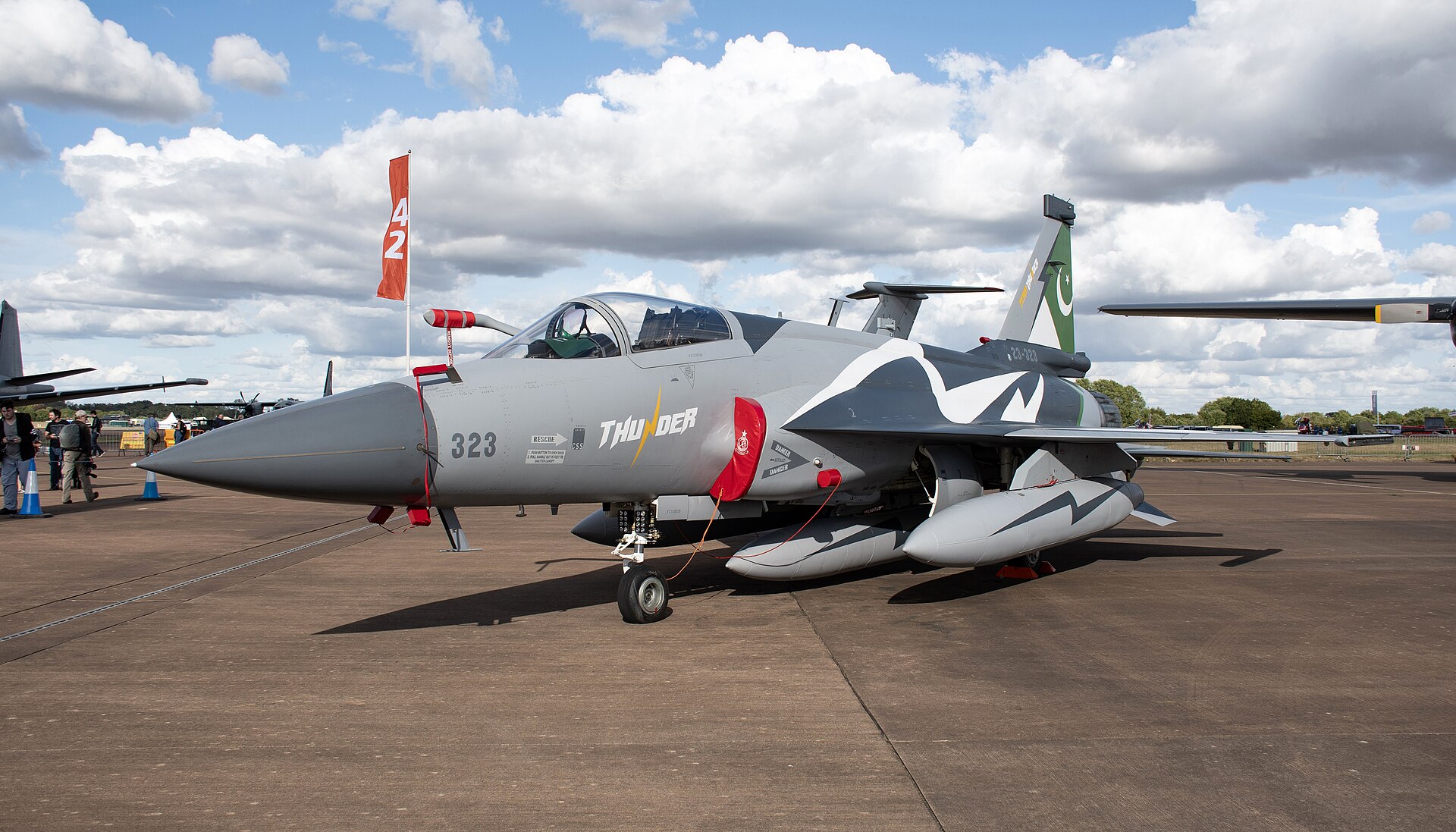
Under the SMDA, up to 80,000 Pakistani troops are authorised for deployment to Saudi Arabia, according to anonymous Pakistani government sources cited by Reuters. An initial deployment of approximately 8,000 troops began in April 2026, accompanied by JF-17 fighter jets, military UAVs, and Chinese-manufactured HQ-9 surface-to-air missile systems with a 200-kilometre engagement envelope, as reported by Al Jazeera.
n
Pakistani forces have been stationed in Saudi Arabia since at least the 1970s — reportedly including protection of the royal family. The 2025 SMDA formalises a decades-old arrangement. But the scale of the current authorisation and the introduction of Chinese-manufactured air defence systems operated by Pakistani crews represent a qualitative shift. Saudi Arabia’s existing air defence relies on US-supplied Patriot PAC-3 batteries, of which an estimated 80 to 150 interceptors remain — between 3 and 5 percent of the pre-war inventory. The HQ-9 systems introduce a non-American air defence layer on Saudi soil for the first time.
n
Sina Azodi of George Washington University offered an assessment that complicates the deployment’s stated purpose: the Pakistani military presence in Saudi Arabia “targets Israel more than Iran.” Faisal Alhamad, a retired Saudi brigadier, reinforced the reading: it is “a deterrence step more than preparation” for actual combat.
n
Can Pakistan Mediate a War It Has Joined?
n
Pakistan is simultaneously deploying troops to defend Saudi Arabia under the SMDA and relaying diplomatic messages between Washington and Tehran. Islamabad hosted direct US-Iran talks on April 11, transmitting a fifteen-point American peace plan to Iranian officials. Iran tolerates this dual role because it retains the ability to revoke Pakistan’s Hormuz transit exemption at any time — a conditional arrangement that limits how far Islamabad can lean toward Riyadh without losing access to Tehran.
n
Joshua Kurlantzick of the Council on Foreign Relations wrote that Pakistan “achieved something many diplomats from wealthy democracies and leading global organizations had failed at for nearly five decades: producing direct talks between Washington and Tehran.” Pakistan’s Chief of Army Staff Asim Munir was reportedly on the phone with both Trump and Tehran during critical mediation moments, according to Farah Jan’s reporting in War on the Rocks. Azeema Cheema of Verso Consulting identified the asset that makes this dual role operationally viable: Pakistan “has no US bases and maintains credibility with Tehran.”
n
The credibility is conditional. Pakistan has 40 million Shia Muslims — a population with sympathies toward Tehran that constrains how explicitly anti-Iranian Islamabad’s Saudi posture can become. Iran’s Hormuz transit exemption for Pakistan-flagged tankers is not a concession. It is a revocable instrument.
n
Pakistan’s energy imports depend on Gulf shipping routes. Iran’s decision to exempt Pakistan-flagged tankers from the PGSA toll — the same toll that Saudi and UAE-flagged vessels pay — gives Islamabad a direct economic incentive to maintain its courier role. The exemption also serves as a visible demonstration to the other quadrilateral members that Tehran can selectively reward or punish each partner’s posture.
n
n
“The indispensable broker is also a state that could be consumed by the very contradictions its indispensability creates.” — Farah Jan, War on the Rocks
n
n
Umer Karim of the King Faisal Center for Research and Islamic Studies was direct: Pakistan is “walking a tightrope” whose stability depends on the continuation of diplomacy. If hostilities resume in full, the tightrope disappears.
n
There is also the question of whether the transaction is being honoured. An anonymous Pakistani military source told War on the Rocks: “It was supposed to be cash for deterrence…But we’ve not gotten any new Saudi investments.” The transactional deficit — troops deployed, Hormuz risk absorbed, mediation delivered, and no new Saudi capital flowing to Islamabad — may define the formation’s limits more precisely than any external adversary.
n
The Channel to Tehran and the Alternative to Hormuz
n
Turkey and Egypt bring assets that are geographic and diplomatic rather than directly military-deployable.
n
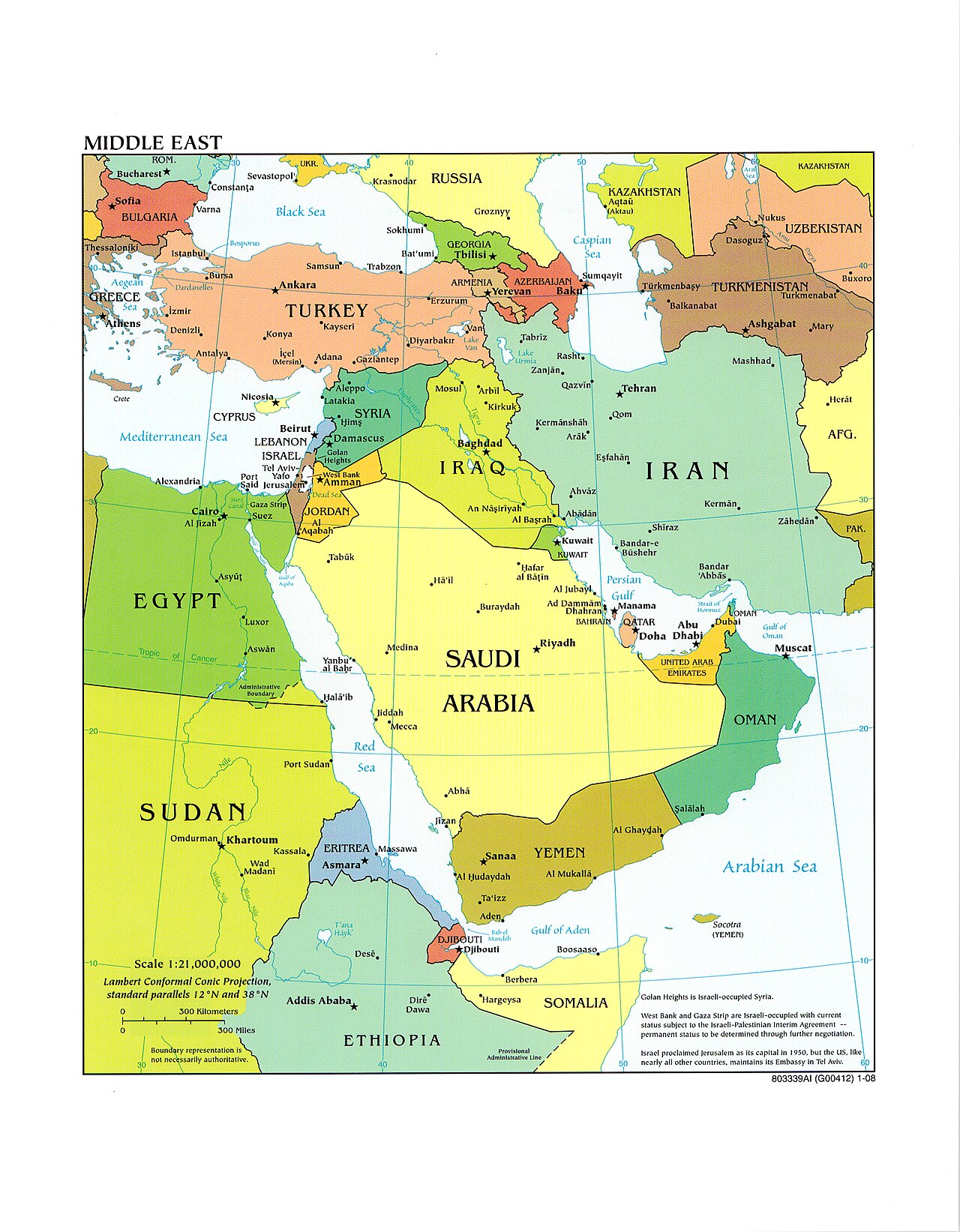
Turkey’s primary contribution is Hakan Fidan’s access to Tehran. In late February 2026, Fidan hosted Iranian FM Abbas Araghchi in Istanbul, maintaining a direct channel to the Iranian government that Saudi Arabia has not possessed since the conflict’s onset. Matthew Bryza of the Atlantic Council’s Turkey Program described Turkey as “the sole actor capable of maintaining dialogue with all warring parties simultaneously.” Trump appeared to validate the assessment: “Yeah, Erdoğan can…he’s respected by the world.”
n
Washington reinforced the signal on March 6 by dropping the Halkbank prosecution — a long-standing US criminal case against Turkey’s state-owned bank for violations of Iran sanctions, and a persistent irritant in US-Turkish relations. The timing, thirteen days before the quadrilateral’s first session in Riyadh, was read by Atlantic Council analysts as Washington accepting Turkey’s mediation indispensability.
n
n
Turkey also brings the formation’s most advanced domestic defence industry. Bayraktar drones are operational in conflicts from Libya to Ukraine. Karatas identified Turkey as “the most advanced military in the group” — an assessment that carries weight in a formation that includes Egypt’s 450,000-active-duty force and Pakistan’s nuclear arsenal.
n
Turkey-Saudi relations were severed or frozen between 2017 and 2022 over the Khashoggi killing. Erdoğan visited Riyadh in April 2022 to normalise. The quadrilateral is built on a rapprochement that is four years old — recent enough that institutional memory of the rupture shapes how much strategic weight either side places on the new arrangement.
n
Egypt’s contribution is the Suez Canal. In any Hormuz-adjacent negotiation, control of the world’s second-most-critical maritime chokepoint is structural weight that does not require articulation. President Sisi’s 48-hour tour of Gulf capitals, during which he met MBS in Jeddah, formalised Cairo’s stake. Telci’s analysis for the Al Jazeera Centre for Studies identified both Egypt’s military scale and its Suez position as the specific assets Cairo brings.
n
But Egypt is the quadrilateral’s quietest member. Abdelatty’s April 18 remark about “hammering out a security deal” remains the only on-the-record statement from any of the four principals that describes a forward agenda. Cairo’s pattern — in this formation as in most — is to signal commitment while preserving the option to withdraw if the architecture acquires obligations Egypt did not negotiate.
n
| Member | Primary Asset | Active Channel | Structural Constraint |
|---|---|---|---|
| Saudi Arabia | Convening power, financing capacity | None to Tehran; MOFA silent 10+ days | Article 70 treaty requirement; no US SOFA |
| Pakistan | Nuclear status; 8,000 troops under SMDA | US-Iran courier; hosted April 11 talks | 40M Shia population; Iran Hormuz exemption as lever |
| Turkey | NATO-grade defence industry; Bayraktar drones | Fidan-Araghchi direct line; February Istanbul meeting | 4-year-old Saudi rapprochement; NATO member |
| Egypt | Largest Arab military (450,000); Suez Canal | Limited; Arab institutional weight | Historical avoidance of binding Gulf commitments |
n
n
What Did Saudi Arabia’s Last Islamic Security Coalition Achieve?
n
Saudi Arabia launched the Islamic Military Counter Terrorism Coalition on December 15, 2015, with 43 member states, a joint operations centre in Riyadh, and no Shia-majority member. RUSI described it as “a coalition of the willing” that doubled as “an anti-Iran front.” In the decade since its founding, the IMCTC has not conducted a joint military operation or developed collective defence capability.
n
The quadrilateral shares structural DNA with the IMCTC: Saudi-led, Islamic-world framing, Iran excluded, conceptually headquartered in Riyadh. The IMCTC had broad membership but shallow capability — dozens of countries that could not project force beyond their own borders. The quadrilateral trades breadth for depth: Pakistan has nuclear weapons, Turkey has NATO-grade military industry, and Egypt fields the largest Arab military.
n
The structural parallel is the absence of binding mechanisms. The IMCTC never developed the integrated command structure that would have allowed it to function as a military coalition rather than a political declaration. The quadrilateral, three sessions in, has not proposed one.
n
The IMCTC comparison raises a question the quadrilateral’s advocates do not address publicly: why should this formation succeed where the IMCTC did not? The answer, if there is one, lies in the specificity of the current crisis. The IMCTC was created in response to terrorism — a diffuse threat that required broad membership but produced no single adversary forcing collective action. The quadrilateral was created in response to an active war with a named adversary whose blockade of the Strait of Hormuz has prompted the IMF to condition Saudi Arabia’s recovery forecast on Iran opening the strait. The urgency is specific and the cost is measurable, which may concentrate commitment in ways the IMCTC’s founding rationale could not.
n
Fahil Abdulbasit Abdulkareem, writing for the Russian International Affairs Council in April 2026, characterised the quadrilateral as “a fluid consultation and coordination mechanism rather than a formal alliance.” He cited the Baghdad Pact’s dissolution after Iraq’s 1958 revolution as the cautionary precedent. The Baghdad Pact — a US-UK backed alliance among Turkey, Iraq, Pakistan, Iran, and the UK — lasted four years from formation to collapse.
n
Russia’s role as a strategic calculation in Saudi Arabia’s hedging posture extends beyond the quadrilateral. At St. Petersburg in June 2026, Saudi Arabia signed thirty bilateral agreements as Putin’s guest of honor — a public alignment with Moscow that the bloc’s members have avoided formalizing in any of their own joint communiqués.
n
The Draft That Exists and the Alliance That Does Not
n
The gap between institutional activity and institutional substance is the quadrilateral’s defining condition.
n
Pakistan’s Minister for Defence Production told Reuters that a draft three-way defence agreement between Turkey, Saudi Arabia, and Pakistan had been prepared. If accurate, the formation has moved from ministerial conversation into the production of legal text — a step the IMCTC took years to reach. The exclusion of Egypt from the draft suggests the formation’s military and diplomatic dimensions may evolve on separate tracks.
n
The IISS used the phrase “concert of powers” as a potential trajectory — the most ambitious framing any Western institution has applied. A concert requires shared interests, sustained leadership, and the absence of defection incentives. The quadrilateral has the first, unevenly.
n
n
Saudi Arabia’s investment in bilateral backchannels with Iran — private de-escalation tracks whose necessity has grown since the MOU’s collapse — runs parallel to the quadrilateral, not through it. The formation supplements those tracks with a multilateral signalling capacity that bilateral channels cannot provide: the ability to project Saudi positions simultaneously to Washington, Tehran, and the broader Islamic world through partners whose attendance at a meeting conveys what a Saudi statement alone cannot.
n
The Islamabad session reportedly produced a proposal to replace Iran’s unilateral Persian Gulf Strait Authority with a multilateral Suez-modelled maritime consortium. If it advances, it would be the quadrilateral’s first substantive institutional product — a direct challenge to Iran’s toll architecture that carries more weight from four governments than from Riyadh alone.
n
Indian, Russian, and some Western commentary has attached the label “Islamic NATO” to the formation. The four members resist it. The label implies an anti-Western posture incompatible with Saudi economic dependency on US markets, Pakistan’s warming relationship with Washington, and Turkey’s actual NATO membership. But the formation’s genesis — born at a Riyadh summit condemning Iranian attacks — makes the anti-Iranian orientation difficult to obscure, regardless of how many communiqués are not issued.
n
The quadrilateral’s practical test will come not from its ability to produce documents or conduct joint operations but from whether it can maintain cohesion when the interests of its four members diverge. Pakistan cannot indefinitely maintain its courier role if the MOU track collapses entirely. Turkey cannot preserve its Iran channel if the formation’s anti-Iranian character becomes explicit. Egypt will not accept military obligations it did not negotiate. And Saudi Arabia cannot offer the investments that Pakistan expects, or the treaty commitments that would give the formation binding force.
n
Frequently Asked Questions
n
Has the quadrilateral established a permanent secretariat or institutional headquarters?
n
No. As of June 2026, the formation has no permanent secretariat, no dedicated staff, and no fixed meeting schedule. Sessions have rotated between Riyadh, Islamabad, and Antalya — each on the sidelines of a broader event, avoiding the infrastructure that would require a formal charter. The IMCTC, by contrast, established a Riyadh-based joint operations centre within its first year but never used it for collective military action. The quadrilateral appears to have absorbed that lesson: permanent infrastructure without binding commitments creates expectations without capacity.
n
How has Iran responded to the quadrilateral?
n
Iran has not issued a formal statement addressing the quadrilateral as a named formation. Tehran’s approach has been to engage each member bilaterally: granting Pakistan-flagged tankers Hormuz transit exemptions that can be revoked, maintaining active dialogue with Turkey through the Fidan-Araghchi channel, and preserving working relations with Egypt on Palestinian issues and Suez transit. This bilateral engagement strategy appears designed to prevent the four from adopting a unified position by giving each member an individual incentive to avoid collective confrontation.
n
What is the Baghdad Pact precedent and why does it matter?
n
The Baghdad Pact (1955) was a US-UK backed defence alliance among Turkey, Iraq, Pakistan, Iran, and the UK — the closest Cold War precedent for a multilateral security formation in the Middle East involving both Turkey and Pakistan. It collapsed after Iraq’s 1958 revolution, lasting four years from formation to dissolution. The RIAC analysis cited it as a warning that internal political fragility in any single member state can dissolve the entire structure. Pakistan’s civil-military tensions and the fragility of the four-year-old Turkey-Saudi rapprochement are the equivalent variables today.
n
Could the quadrilateral expand to include other members?
n
The formation’s value derives partly from its exclusivity. Adding members would dilute the specific capability combination — Pakistan’s nuclear status, Turkey’s defence industry, and Egypt’s military scale and Suez control — that distinguishes it from the 43-member IMCTC. Qatar and Jordan have been named in regional commentary as potential additions, but neither attended any of the three sessions or the deputy-ministerial meeting. The “Islamic NATO” label that Indian and Russian media have applied makes expansion politically sensitive, as each new member would reinforce that framing and complicate the deniability that the sideline-meeting format is designed to preserve. On June 3 — the same day the IRGC struck Kuwait International Airport — the US House passed H.Con.Res.38 by 215–208, the first congressional invocation of the War Powers Resolution on Iran, introducing a domestic political constraint on the executive’s war authority that runs parallel to, and independent of, the informal channels the quadrilateral has been managing.
n
The Saudi bloc’s aversion to written agreements reflects the same domestic constraint that governs normalization: nothing can be signed while the Palestinian track remains unresolved, and on June 3, Rubio’s Senate testimony made clear that Washington cannot resolve it either — opposing annexation without affirming statehood. That double gap is documented in Rubio Opposed Annexation. Saudi Arabia Required Statehood. While Saudi Arabia built a bloc without paperwork, Pakistan was simultaneously running the only channel with direct access to Khamenei’s office — as detailed in Islamabad’s Iran back-channel. By June 8, that back-channel function had migrated from Pakistan to Qatar: FM Faisal called Doha to relay to Tehran — the mechanics of that relay are in The Back-Channel Saudi Arabia Cannot Name.