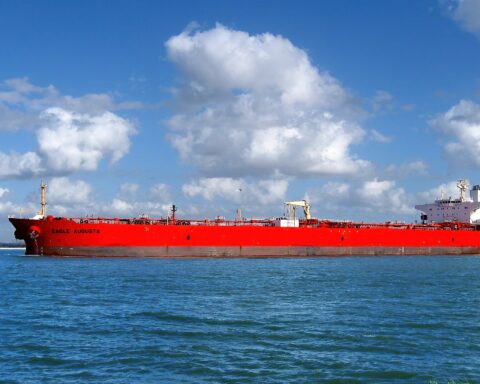
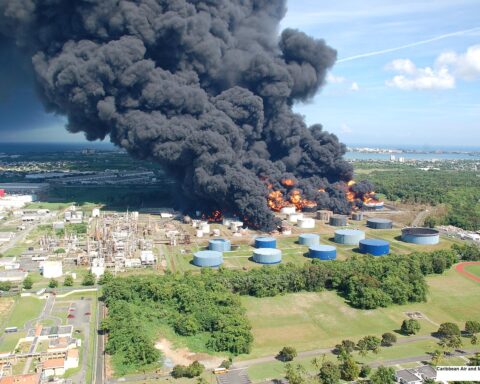
DHAHRAN — A Houthi projectile struck Saudi Aramco’s Jazan refinery on the kingdom’s Red Sea coast on November 26, killing one Nepali worker and injuring several others, the Saudi Energy Ministry said. The Saudi-led coalition confirmed the attack and announced it had destroyed the ballistic missile launcher used in the strike, located in Yemen’s western Hodeidah province, coalition spokesman Maj. Gen. Turki al-Maliki told Asharq Al-Awsat.
The Jazan complex — one of Aramco’s largest Red Sea coast installations, combining crude refining with integrated power generation — supplies both refined products and electricity to the national grid.
Table of Contents
- What the Saudi Energy Ministry Said
- Coalition Destroys Ballistic Missile Launcher in Hodeidah
- How Does the Jazan Attack Compare to Recent Strikes on Saudi Energy Sites?
- What Is at Stake at the Jazan Complex?
- Jazan Refinery Under Fire Since July
- Red Sea Targeting and Export Disruption
- Frequently Asked Questions
What the Saudi Energy Ministry Said
The Ministry of Energy described the incident as a “hostile aerial projectile attack” on the refinery, Anadolu Agency reported. Emergency teams brought the resulting fire under control, but “some refinery operations were temporarily suspended,” the ministry said in a statement carried by multiple outlets.
The House of Saud Daily Briefing
Saudi Arabia's news in 3 minutes, every morning. Free. See today's issue
One worker of Nepali nationality was killed and “several workers of different nationalities” were injured with varying severity, the ministry said, as reported by Arab Times Online and Anadolu Agency. The multinational composition of the casualties reflects the refinery’s large expatriate workforce — a feature common to Saudi Arabia’s major industrial installations, particularly those in the southern provinces nearest the Yemeni border.
The Saudi Civil Defense had issued a “potential danger” warning for the Jazan region earlier on November 26, before the ministry’s public confirmation of the attack, Middle East Monitor reported. Civil defense alerts have frequently preceded confirmed Houthi strikes on Saudi infrastructure during the current conflict, and the November 26 sequence — warning, then attack, then ministry acknowledgment — followed that pattern.
Damage assessments and safety checks were still underway as of the ministry’s statement, with no timeline published for restarting operations, Anadolu Agency reported.
Coalition Destroys Ballistic Missile Launcher in Hodeidah
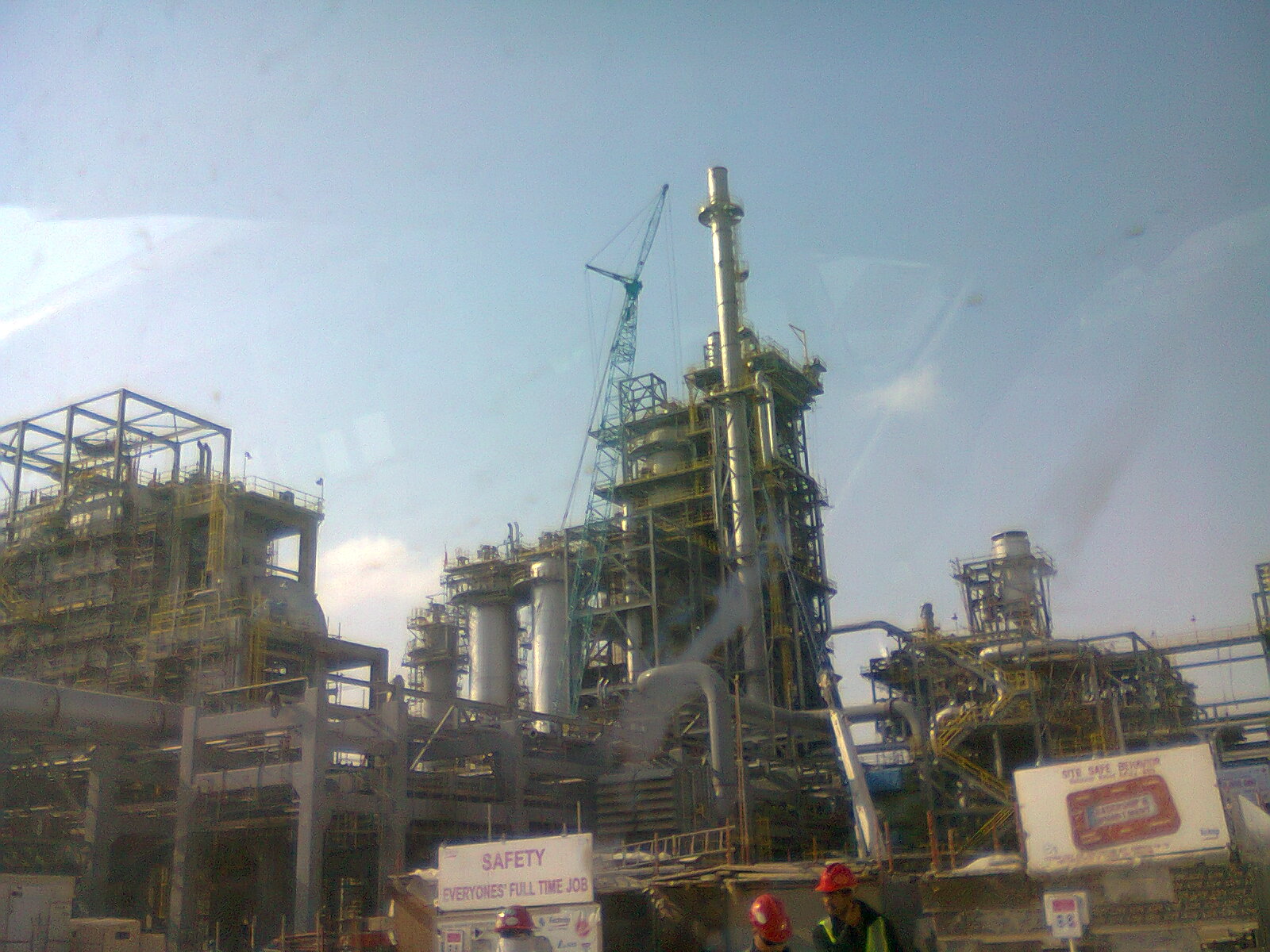
“The terrorist Houthi militia attacked Jazan Refinery,” al-Maliki said, according to Asharq Al-Awsat. In a follow-up statement, he said the coalition had “destroyed a ballistic missile launcher in Hodeidah that the terrorist Houthi militia used in its attack on Jazan Refinery today.”
“Attacks on civilians and civilian infrastructure will be met with a decisive military response.”
Maj. Gen. Turki al-Maliki, coalition spokesman — Middle East Monitor, November 26, 2026
The retaliation struck western Hodeidah province, an area where the coalition had already carried out confirmed strikes on November 20 and November 25. Al-Maliki’s language linked the destroyed launcher directly to the Jazan attack — identifying both the weapon platform and its use in a named operation, a degree of attribution the coalition does not always provide in its post-strike statements.
The ministry’s characterization of the weapon as a “hostile aerial projectile” and the coalition’s identification of the launch platform as a “ballistic missile launcher” leave the precise weapon type unresolved. Neither authority has elaborated, and the two descriptions may reflect different stages of a still-ongoing assessment rather than a contradiction.
The Jazan retaliation came on a day of intense coalition activity. Earlier on November 26, the coalition intercepted Houthi ballistic missiles targeting Riyadh and struck targets in Sanaa in response to Houthi attacks on the capital. Coalition operations in Hodeidah — where confirmed airstrikes took place on November 20 and November 25 — have focused on Houthi launch infrastructure along Yemen’s western coast, with the November 26 launcher destruction continuing that pattern.
How Does the Jazan Attack Compare to Recent Strikes on Saudi Energy Sites?
The Jazan refinery attack sits within a dense 48-hour sequence of Houthi strikes on Saudi energy and military targets. A day earlier, on November 25, a Houthi projectile hit Jazan port — a separate facility on the same Red Sea coast — causing what the coalition described as minor damage. On the same day, the coalition intercepted four drones heading for the Ras Tanura refinery and export terminal on the Arabian Gulf coast. The coalition confirmed no damage at Ras Tanura, The National reported on November 25.
The language of the coalition’s own assessments draws the line. At Ras Tanura, the word was “intercepted.” At Jazan, it was “attacked” — with a confirmed fire, a confirmed death, and operations suspended. The Houthis have also claimed strikes on the Rabigh refinery on November 22 and November 24, but the coalition has not confirmed either. Among the energy targets struck or claimed over the past five days, the Jazan refinery is the only processing facility where the coalition has confirmed both a hit and operational disruption.
The Jazan attack carries the full weight of official acknowledgment — a ministry statement, casualty disclosure, operational suspension, and a named coalition retaliation targeting the specific launcher used. That combination distinguishes it from every other energy site strike or claim in the past five days.
| Facility | Date | Coast | Coalition Assessment | Casualties |
|---|---|---|---|---|
| Jazan Refinery (JIGPP) | Nov 26 | Red Sea | Confirmed hit; fire; operations suspended | 1 killed, several injured |
| Jazan Port | Nov 25 | Red Sea | Hit confirmed; minor damage | None reported |
| Ras Tanura | Nov 25 | Arabian Gulf | 4 drones intercepted; no damage confirmed | None |
| Rabigh (claimed by Houthis) | Nov 22, 24 | Red Sea | Not confirmed by coalition | Unknown |
No claim from Houthi military spokesperson Yahya Saree for the November 26 Jazan refinery attack has been located in available reporting. That is a departure from the November 25 Ras Tanura event, where Saree explicitly claimed credit, and from earlier attacks on the Jazan facility in July and August, when Houthi statements followed within hours.
What Is at Stake at the Jazan Complex?
The Jazan refinery is wholly owned by Saudi Aramco, with a design capacity of 400,000 barrels per day, according to Saudipedia. Adjacent to it sits the Jazan Integrated Gasification Combined Cycle plant, which converts vacuum residue — the heaviest refinery byproduct — into approximately 3.8 gigawatts of electricity, according to ACWA Power’s project documentation. Of that output, roughly 2.4 gigawatts feed the Saudi national grid.
Total investment in the combined refinery-IGCC complex stands at approximately $21 billion, Saudipedia reports. The facility processes Arabian heavy crude and feeds refined products into both domestic consumption and Red Sea export channels. Its location in Jazan province, near the Yemeni border, places it within range of multiple types of Houthi munitions — from armed drones to the ballistic missiles that the coalition said were used on November 26.
The extent of damage on November 26 remains unclear. The ministry said “some” operations were suspended and that damage assessments were underway. When the facility caught fire in August 2026, Aramco CEO Amin Nasser said at the time that Houthi attacks had caused production interruptions but had no material operational or financial impact, Al Jazeera reported. Aramco has not commented publicly on the November 26 strike. Because the refinery and IGCC plant are operationally linked — the IGCC converts the refinery’s vacuum residue into electricity — the suspension of refining operations raises the question of whether power generation was also affected. The ministry’s statement addressed only the refinery.
Jazan Refinery Under Fire Since July
The November 26 attack is the latest in a series of Houthi strikes on the Jazan refinery. On July 25, 2026, the Houthis claimed to have launched “dozens” of ballistic missiles and drones at both Jazan and Yanbu, according to Türkiye Today, citing the Houthi-run Saba agency. Satellite data showed fire hotspots at the Jazan refinery, and the government offered partial acknowledgment of the incident.
On August 9, 2026, the Saudi Energy Ministry confirmed a fire at an Aramco facility in Jazan, Al Jazeera reported. Saree claimed a “precise” drone strike on the refinery. The fire was extinguished with no reported casualties, and Nasser said at the time that there had been no material operational impact.
The November 26 event stands apart from both predecessors. A worker was killed, the ministry acknowledged suspended operations, and the coalition confirmed the attack by name and attributed it to a specific launcher that it said it destroyed. The earlier incidents in July and August produced no reported casualties, and the coalition’s public responses to those strikes were less specific in their attribution. Nasser’s August statement that disruptions had “no material operational or financial impact” — the company’s last public comment on the Jazan facility — now sets the benchmark against which any Aramco response to the November 26 strike will be measured.
Red Sea Targeting and Export Disruption
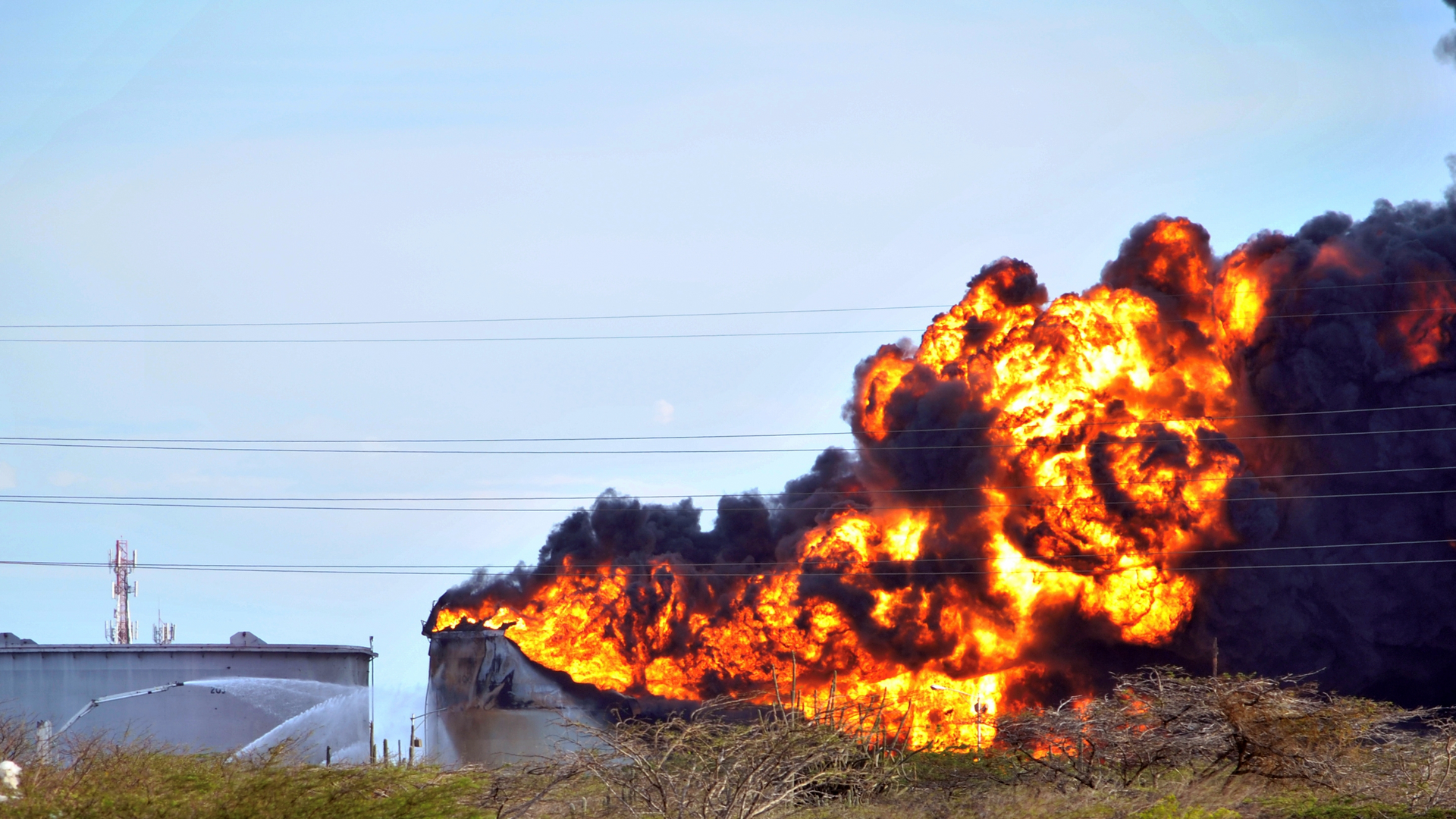
Since declaring a Red Sea blockade on July 20, 2026, the Houthis have systematically targeted Saudi energy assets on both the kingdom’s coasts, according to an August 6 analysis by the Foundation for Defense of Democracies. West-coast targets have included the Jazan refinery, Yanbu, Jazan port, Jeddah port, and the Rabigh refinery — though Rabigh strikes remain unconfirmed by the coalition. East-coast targets have included Ras Tanura and Abqaiq.
The campaign has pushed costs higher. War-risk insurance premiums for Saudi Red Sea transits tripled by September 2026, with most operators routing via Suez and the SUMED pipeline, Zawya reported. Aramco’s nine-month production fell 13.7 percent, with pipeline attacks leaving the Yanbu terminal operating below 3 million barrels per day.
Before the conflict began, Yanbu processed roughly 5 million barrels per day of crude transported from the Eastern Province via the East-West pipeline, which has a capacity of approximately 7 million barrels per day, according to Aramco. At below 3 million barrels per day through November, the terminal is operating at less than 60 percent of its pre-conflict flow — a compression that the Jazan refinery’s suspension extends further along Saudi Arabia’s western export corridor.
The confirmed damage at Jazan compounds those pressures. The ministry has not indicated whether the power plant adjacent to the refinery was affected by the November 26 strike, or when full operations at the complex will resume.
Frequently Asked Questions
What type of weapon struck the Jazan refinery on November 26?
The Saudi Energy Ministry described the weapon only as a “hostile aerial projectile,” without specifying its type. The coalition’s retaliation targeted a “ballistic missile launcher” in Hodeidah that al-Maliki said was used in the attack, suggesting a ballistic missile. In previous attacks on the Jazan facility, the Houthis have used both armed drones and ballistic missiles. Saree claimed a drone strike in August, while the July attack involved claims of “dozens” of ballistic missiles and drones, according to Türkiye Today citing Saba.
Has any Houthi spokesperson claimed the November 26 Jazan attack?
No statement from Yahya Saree or any other Houthi military spokesperson specifically claiming the November 26 Jazan refinery attack has been located in available reporting as of the evening of November 26. This contrasts with the Ras Tanura event a day earlier, where Saree explicitly claimed credit. In the July 25 and August 9 attacks on the same refinery, Saree issued claims within hours, according to Türkiye Today and Al Jazeera respectively — making the absence of a comparable November 26 statement notable.
What does the Jazan IGCC plant produce?
The Jazan Integrated Gasification Combined Cycle plant converts vacuum residue — the heaviest byproduct of the refining process — into synthesis gas that powers turbines generating approximately 3.8 gigawatts of electricity, according to ACWA Power, of which roughly 2.4 gigawatts feed the Saudi national grid. Because the IGCC’s feedstock is vacuum residue from the adjacent refinery, any halt in refining cuts off the IGCC’s raw material supply — a dependency that makes the two plants operationally inseparable, even though only the refinery was explicitly named in the Ministry’s November 26 statement. The design also eliminates the need to burn crude oil or heavy fuel oil directly for regional power generation, freeing that crude for export.
Has Aramco given a timeline for restarting Jazan refinery operations?
No. As of the ministry’s November 26 statement, damage assessments were underway and “some refinery operations” remained suspended. No restart timeline has been published. After the August 9 fire at the same facility, Aramco CEO Amin Nasser said disruptions had “no material operational or financial impact,” Al Jazeera reported — the standard the company will likely be measured against when it next comments publicly on the November 26 attack. That event — involving a confirmed worker death and a named coalition retaliation — is a qualitatively more serious incident than its predecessors.
How close is the Jazan refinery to the Yemeni border?
The Jazan refinery complex sits in Jazan province on Saudi Arabia’s southwestern Red Sea coast, among the Saudi Aramco installations nearest to Houthi-controlled territory. The coalition’s confirmation that the November 26 launcher was positioned in Hodeidah — across the border on Yemen’s western Red Sea coast — illustrates the ballistic reach that makes the facility a persistent target. The three confirmed attacks on the complex since July 2026 have each originated from Houthi-controlled territory across that border.
The House of Saud Daily Briefing
Saudi Arabia's news in 3 minutes, every morning. Free. See today's issue