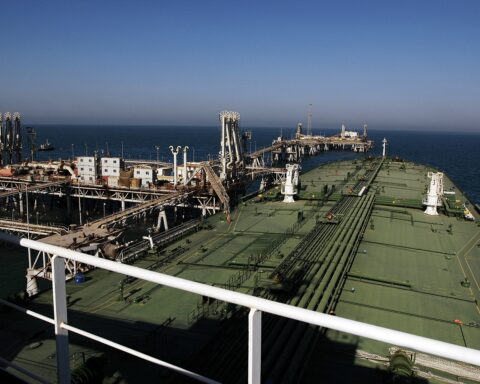
JAZAN — A Houthi projectile landed at Saudi Arabia’s Jazan Port on November 25 with minor damage and no civilian casualties, the Saudi-led coalition confirmed. The same day, the coalition intercepted four drones targeting the Ras Tanura oil terminal on the Persian Gulf coast — a contrast that underscores the difference between a weapon stopped in the air and one that reaches a commercial port.
Coalition spokesman Maj. Gen. Turki al-Maliki said the projectile had been launched by what he called the “terrorist Houthi militia” and that efforts were underway to identify its type, according to Asharq Al-Awsat, Gulf News, and Anadolu Agency. The projectile’s arrival at a port integrated into Jazan Economic City — adjacent to Aramco’s Jazan refinery — adds a new dimension to the Houthi campaign, which had previously struck the city’s refinery, residential areas, and airport but not the port.
The House of Saud Daily Briefing
Saudi Arabia's news in 3 minutes, every morning. Free. See today's issue
The hit followed the coalition’s second confirmed strike on Yemen’s Hodeidah port in five days. Houthi spokesman Yahya Saree had warned that Jeddah and all Saudi Red Sea ports would become targets if Hodeidah strikes continued, AFP reported.
Table of Contents
- What Did the Coalition Confirm About the Jazan Port Hit?
- How Does the Port Hit Compare With the Ras Tanura Interceptions?
- The Hodeidah-Jazan Cycle
- Why Does Jazan Port Matter?
- War-Risk Insurance and the Lloyd’s Listed Area
- Prior Houthi Attacks on Jazan
- Frequently Asked Questions
- July 25: Houthis claimed attacks on Aramco energy facilities at both Yanbu and Jazan, according to the Long War Journal.
- July 27: The Jazan refinery shut after a Houthi strike damaged its IGCC complex and tank farm, Hydrocarbon Processing’s IIR service reported on August 11.
- August 9: The Houthis said they hit the Jazan refinery with a drone. The Saudi energy ministry said a fire was extinguished with no injuries. Aramco delayed the refinery restart from August 15 to August 30, Al-Monitor reported.
- September 8: The coalition said Houthi missiles and drones targeted Khamis Mushait, Abha, Jazan, and Najran, injuring at least 73 civilians across four southern cities, The National reported.
- September 13: Saudi Civil Defence said a Houthi projectile wounded two people in Al-Tuwal governorate, Jazan, and damaged a mosque, buildings, and vehicles, Khaleej Times and Al Jazeera reported.
- October 5–6: Houthis struck King Abdullah bin Abdulaziz Airport in Jazan, wounding three people, Al Jazeera reported.
- November 20: Saree claimed strikes on Jazan Port and Al-Shuqaiq power station. Coalition intercepted two ballistic missiles; did not confirm port damage (Shafaq News).
- November 25: The coalition confirmed a projectile landed at Jazan Port with minor damage and no casualties.
What Did the Coalition Confirm About the Jazan Port Hit?
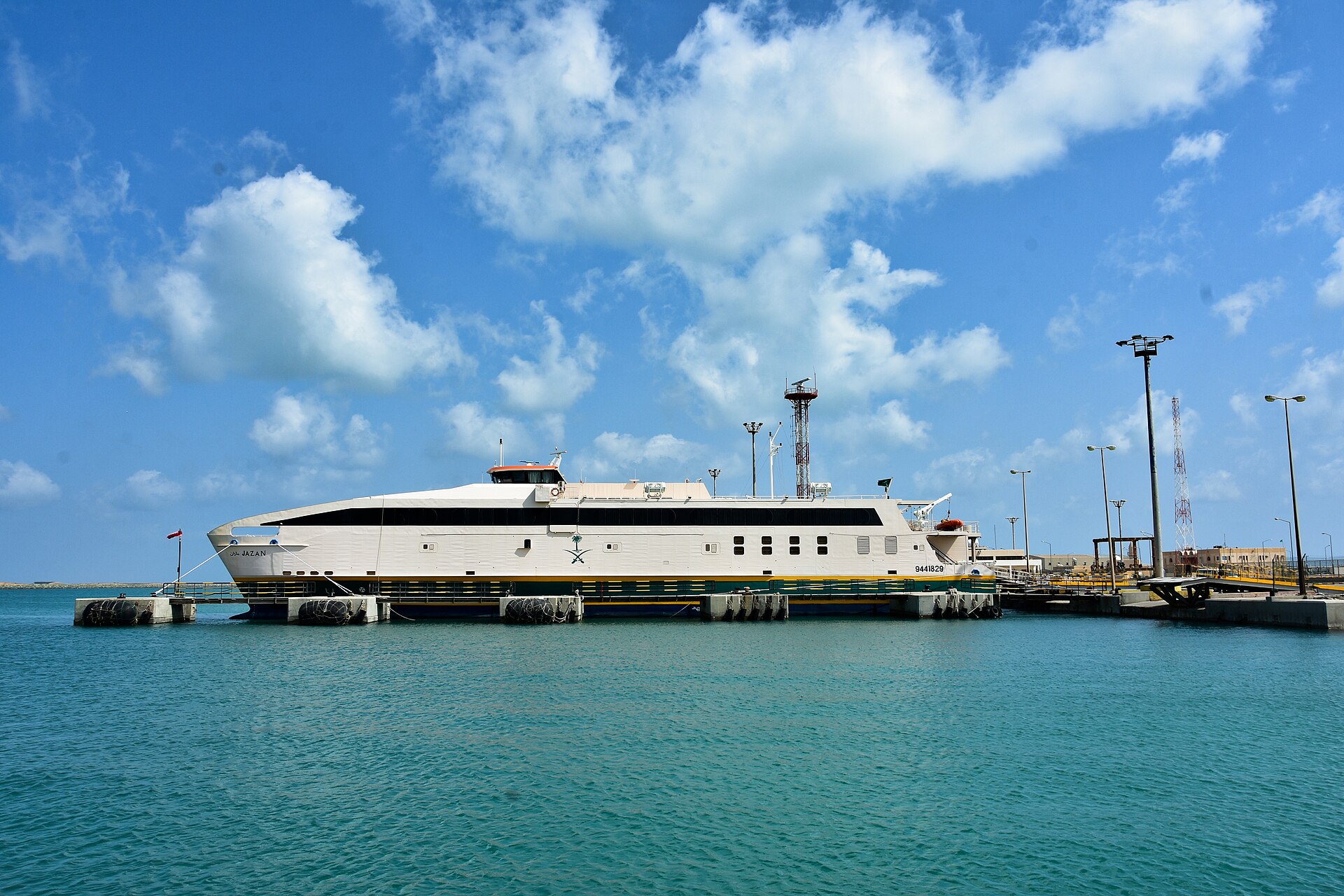
Al-Maliki said on November 25 that a projectile launched by the Houthi movement had fallen at Jazan Port, resulting in minor damage with no injuries to civilians, Asharq Al-Awsat, Anadolu Agency, and Gulf News reported. He said efforts were underway to identify the type of projectile used.
The coalition’s statement left three questions unanswered.
The projectile type is unknown. The coalition did not classify it as a ballistic missile, cruise missile, drone, or any other weapon category. Houthis have deployed all of these against Saudi targets during the current war. Each type implies a different launch site, flight profile, and vulnerability to air defenses. The investigation results, if released, may indicate whether this was a detection gap, an interception failure, or a weapon type that existing systems handle less effectively.
No time of impact was given. Reporting from Gulf News, Asharq Al-Awsat, and Anadolu Agency did not include an impact time.
No disruption to port operations was reported. Neither the coalition nor Mawani, the Saudi ports authority, announced a suspension of activity at Jazan Port. The coalition described the physical consequences as “minor damage” and “limited material damage at the port,” according to Gulf News, but did not specify which facilities were affected.
No Houthi military media claim for the November 25 Jazan port hit was found in available reporting. The confirmation came solely from the coalition. This is notable because Saree had claimed on November 20 that Houthi forces struck both Jazan Port and the Al-Shuqaiq power station with what he described as significant damage, according to Shafaq News. The coalition said that day it intercepted two ballistic missiles aimed at the Jazan area but did not confirm any port damage.
How Does the Port Hit Compare With the Ras Tanura Interceptions?
On the same day the projectile landed at Jazan, the coalition intercepted four drones over the Ras Tanura oil terminal, with an initial assessment reporting no injuries. At Ras Tanura, the air defense system identified incoming weapons and destroyed them before they reached the facility. At Jazan, the projectile reached the port.
The two outcomes illustrate a gap that matters for more than military assessment. When the coalition announces interceptions, it signals that the defense umbrella is holding. Insurance underwriters, port operators, and shipping companies calculate risk based partly on whether weapons reach their targets or are stopped short. A confirmed physical hit at a port is a different data point than a confirmed interception above an oil terminal.
The contrast sharpens when set against what happened at Jazan five days earlier. On November 20, the coalition said it intercepted two ballistic missiles aimed at the Jazan area, according to Shafaq News. The defense worked. By November 25, a projectile got through. What changed — whether in the weapon type, the launch method, or the defense response — is precisely what the coalition’s investigation may clarify.
Geography tilts the calculus. Ras Tanura sits on the Persian Gulf coast, where the coalition maintains a dense air defense network around Saudi Arabia’s oil export infrastructure. Jazan, on the southwestern Red Sea coast near the Yemen border, faces shorter-range attacks with less warning time. Weapons launched from northern Yemen toward Jazan travel a fraction of the distance required to reach Ras Tanura, compressing the interception window.
The Hodeidah-Jazan Cycle
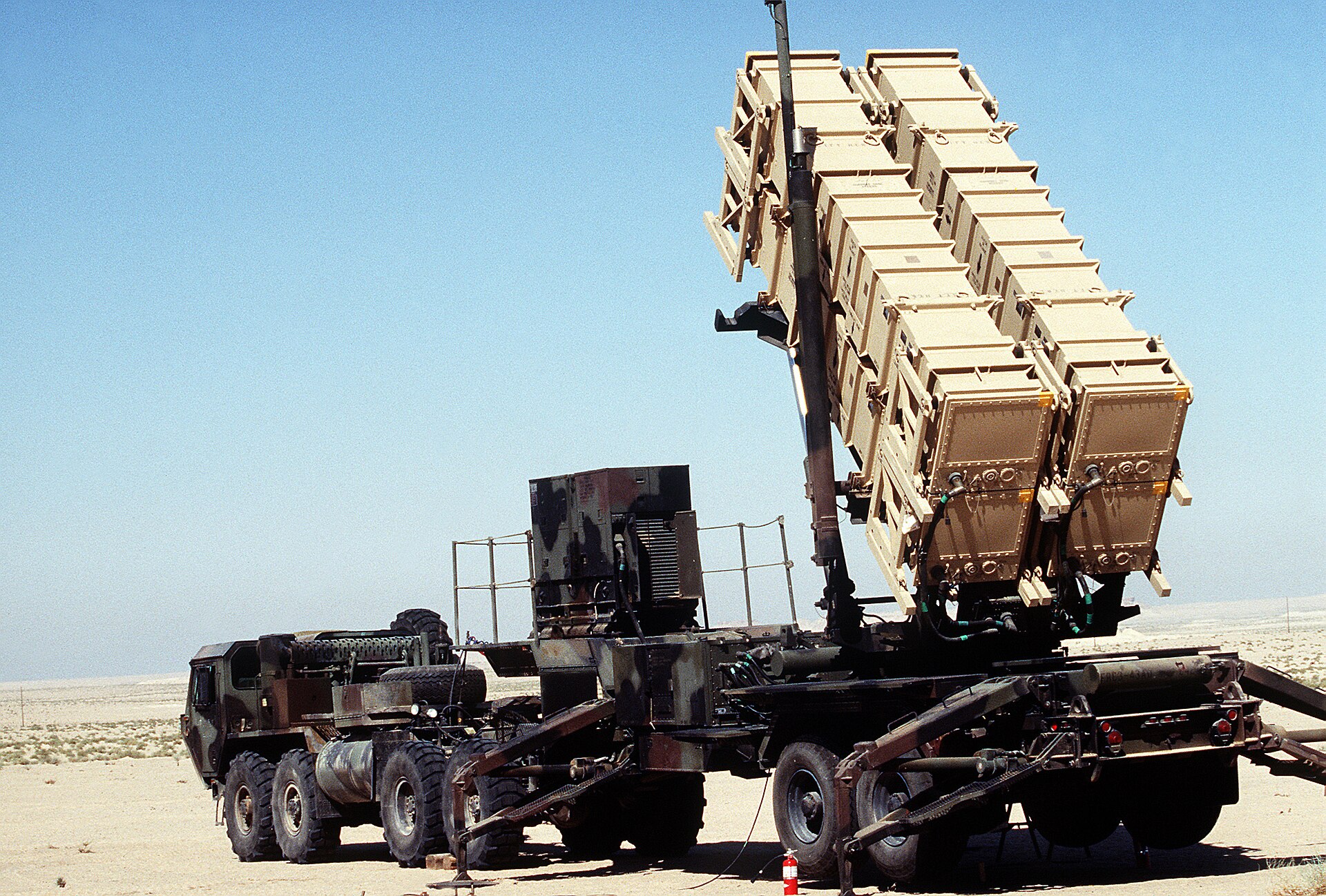
The Jazan port hit occurred on the same day the coalition carried out its second confirmed strike on Yemen’s Hodeidah port. The first confirmed Hodeidah strike was on November 20. The second came on November 25, according to Asharq Al-Awsat. No confirmed coalition strike on Hodeidah occurred between those dates.
The Houthis have framed their attacks on Saudi infrastructure as direct retaliation for coalition strikes on Yemeni ports. Saree’s pattern, as reported by AFP and Shafaq News, has been to warn that any attack on Hodeidah or Houthi-controlled power stations would draw an immediate response targeting Saudi ports and power stations.
On November 25, Saree warned that Jeddah and all Saudi Red Sea ports would become targets if coalition strikes on Hodeidah continued, AFP reported via 24newshd and Shafaq News. The Houthi threat to Jeddah — Saudi Arabia’s largest Red Sea port and the gateway for Hajj pilgrims — represents a broadening of the stated target set beyond the southwestern border region.
The timeline from November 20 to November 25 traces a tightening cycle. The coalition struck Hodeidah on November 20. Saree claimed Jazan Port and Al-Shuqaiq as retaliation; the coalition intercepted two missiles. The coalition struck Hodeidah again on November 25. A projectile landed at Jazan Port. The cycle’s compression — five days from one Hodeidah strike to the next, with a confirmed port hit in between — suggests neither side is deescalating.
Why Does Jazan Port Matter?
Jazan Port handled 317,000 tonnes of cargo in the first quarter of 2026, a 44% increase from the same period a year earlier, according to Arab News.
The port is the primary supply chain link for Saudi Arabia’s southwestern region. It is integrated into Jazan Economic City, a planned industrial zone designed to diversify the economy of a province historically dependent on agriculture and fishing. The port handles imports for the city and the surrounding area, connecting a region that sits closer to the Yemeni border than to any other major Saudi economic center.
Critically, the port sits adjacent to the Aramco Jazan refinery, a 400,000 barrel-per-day facility, according to Hydrocarbon Processing’s IIR service. The refinery was shut on July 27 after a Houthi strike and hit again by a drone on August 9 — both incidents detailed in the attack timeline below. The port and refinery share the same coastal corridor, meaning a projectile that reaches one lands within the broader energy-and-trade complex that underpins the region’s output.
Jazan is one of several Red Sea ports — alongside Jeddah, Yanbu, and the King Fahd Industrial Port — that handle the kingdom’s non-Gulf exports and imports. Any sustained disruption to these ports would force cargo rerouting through the Persian Gulf coast, where Dammam and Jubail already face their own security exposure from the Iran conflict.
War-Risk Insurance and the Lloyd’s Listed Area
The Joint War Committee, the Lloyd’s of London body that sets war-risk zones for maritime insurance, expanded its Red Sea Listed Area to 25.5°N latitude on July 29, 2026, through circular JWLA-034, Reuters reported via Baird Maritime. The expansion encompassed Saudi ports including Jazan. Ships calling at Saudi ports have since been required to purchase additional war-risk cover.
“The decision… to amend those listed areas reflects the recent escalation by the Houthis,” JWC secretary Neil Roberts said, linking the amendment to their attacks on Saudi vessels in the Red Sea, according to Baird Maritime on July 30, 2026.
War-risk premiums for Saudi ports rose to approximately 1% of hull value from 0.25% after the July 2026 escalation, according to unnamed insurance industry sources cited by Reuters via Baird Maritime on July 30. Southern Red Sea voyage premiums rose to between 1% and 2% from 0.3%. These figures are from July 2026; current rates have not been publicly confirmed.
The Houthis reinforced the insurance pressure from a different direction. In July 2026, they warned shipping companies by email to avoid Saudi ports or face targeting, according to Al-Monitor. They declared a maritime blockade on Saudi vessels on July 20, Al Jazeera reported. The insurance and airline response to Houthi threats had already widened the risk map for vessels calling at Saudi Red Sea ports before the November 25 hit added physical evidence.
A coalition-confirmed physical hit on a Saudi port — not a claimed hit, not an intercepted projectile — provides underwriters with tangible evidence that weapons are reaching port infrastructure. How the market prices that evidence will depend on what the projectile investigation reveals and whether the event remains isolated or begins a pattern of undeflected arrivals.
Prior Houthi Attacks on Jazan
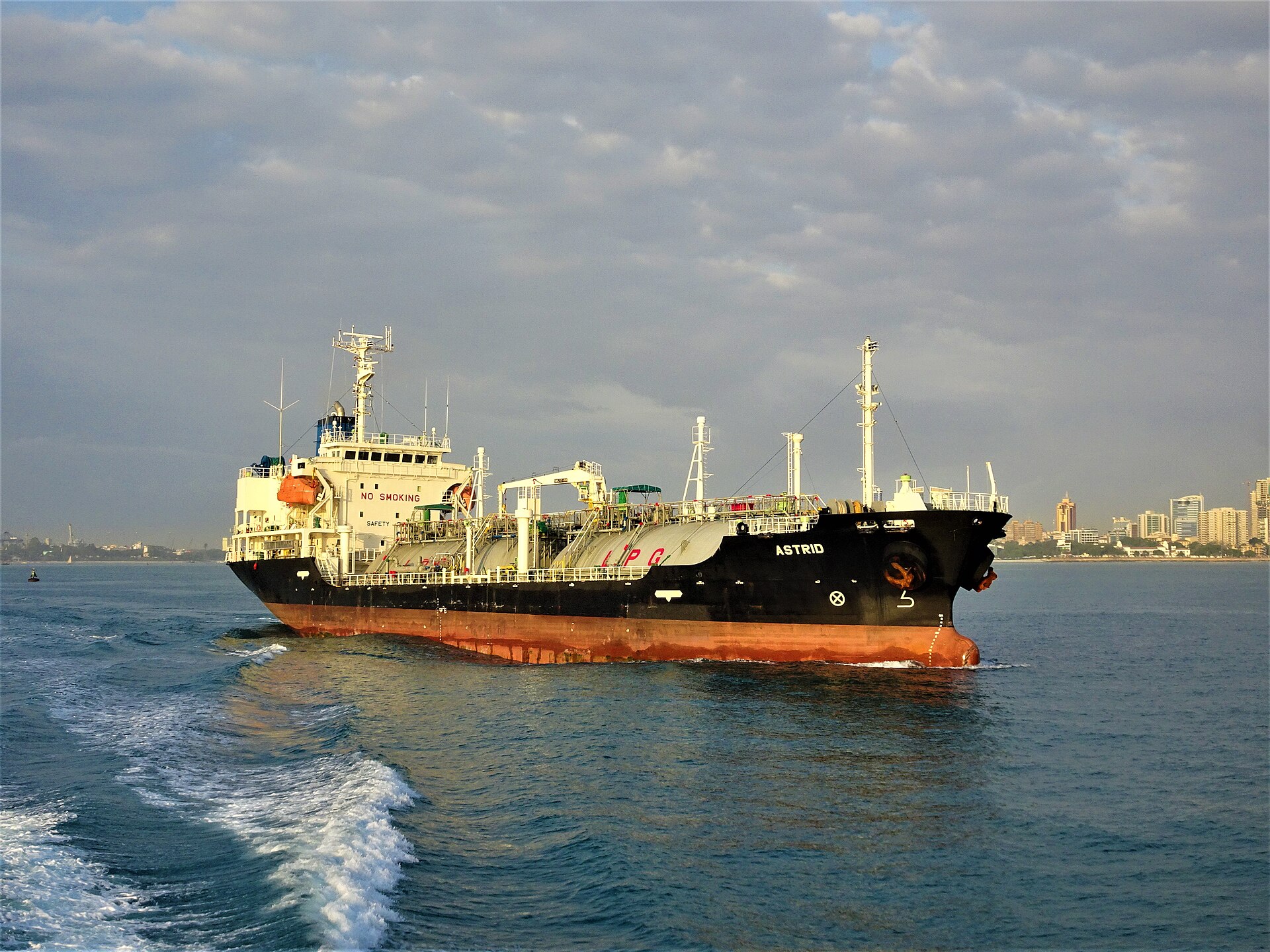
The November 25 port hit is the latest in an expanding pattern of Houthi attacks on the Jazan area. Prior confirmed strikes targeted the Aramco refinery, residential neighborhoods, and the airport before the port.
The pattern traces a widening target set within the same geographic area. The refinery, an industrial target, was struck first. Residential neighborhoods in Al-Tuwal followed. The airport came next. The port — Jazan’s connection to international trade routes — is the latest addition. Each new target category raises a different set of consequences: industrial output, civilian safety, air travel, and now maritime commerce.
The Houthi campaign on Saudi territory extends beyond Jazan. Riyadh’s King Abdullah Financial District, Ras Tanura, Rabigh, Abha, and other cities have all been targeted. But Jazan’s proximity to Yemen makes it the most frequently struck region, and the one where warning times are shortest.
Frequently Asked Questions
Has any Houthi group claimed the November 25 Jazan port hit?
No Houthi military media claim for the November 25 hit appeared in available reporting as of publication. The absence is notable in context: on November 20, Saree publicly claimed strikes on Jazan Port and Al-Shuqaiq without coalition confirmation. The pattern reversed on November 25 — the coalition confirmed a hit while Saree issued no corresponding claim. Whether the movement will post a delayed statement through Al-Masirah television or Saree’s official channels, now that the coalition itself has acknowledged the hit, remains an open question.
What type of projectile struck Jazan Port?
The type remains under investigation by the coalition. If the projectile proves to be a short-range ballistic weapon launched from northern Yemen, it would suggest the existing air defense batteries at Jazan did not engage it in time. If it was a low-flying cruise missile or loitering munition, it may have approached below radar coverage. Each scenario carries different implications for defensive adjustments at Red Sea ports. The coalition has not indicated when it expects to release identification results.
Is Jazan Port operating normally after the November 25 hit?
No suspension of port operations was announced by the coalition or by Mawani, the Saudi ports authority. The coalition described the damage as minor but did not name the specific port facilities affected — no berth, crane, storage area, or vessel was identified. Without a Mawani statement or commercial satellite imagery of the port, the operational status cannot be independently confirmed.
Could the November 20 Houthi claim and the November 25 coalition confirmation refer to the same event?
No. The two dates describe separate events with different circumstances. On November 20, Saree claimed strikes on Jazan Port and the Al-Shuqaiq power station; the coalition confirmed it intercepted two ballistic missiles aimed at the Jazan area that day, without confirming port damage, Shafaq News reported. On November 25, the coalition confirmed a projectile had landed at the port. The coalition’s November 25 statement did not reference the November 20 interceptions. The two events also carry different weapon profiles: the November 20 interceptions involved ballistic missiles, while the November 25 projectile remains unidentified.
The House of Saud Daily Briefing
Saudi Arabia's news in 3 minutes, every morning. Free. See today's issue