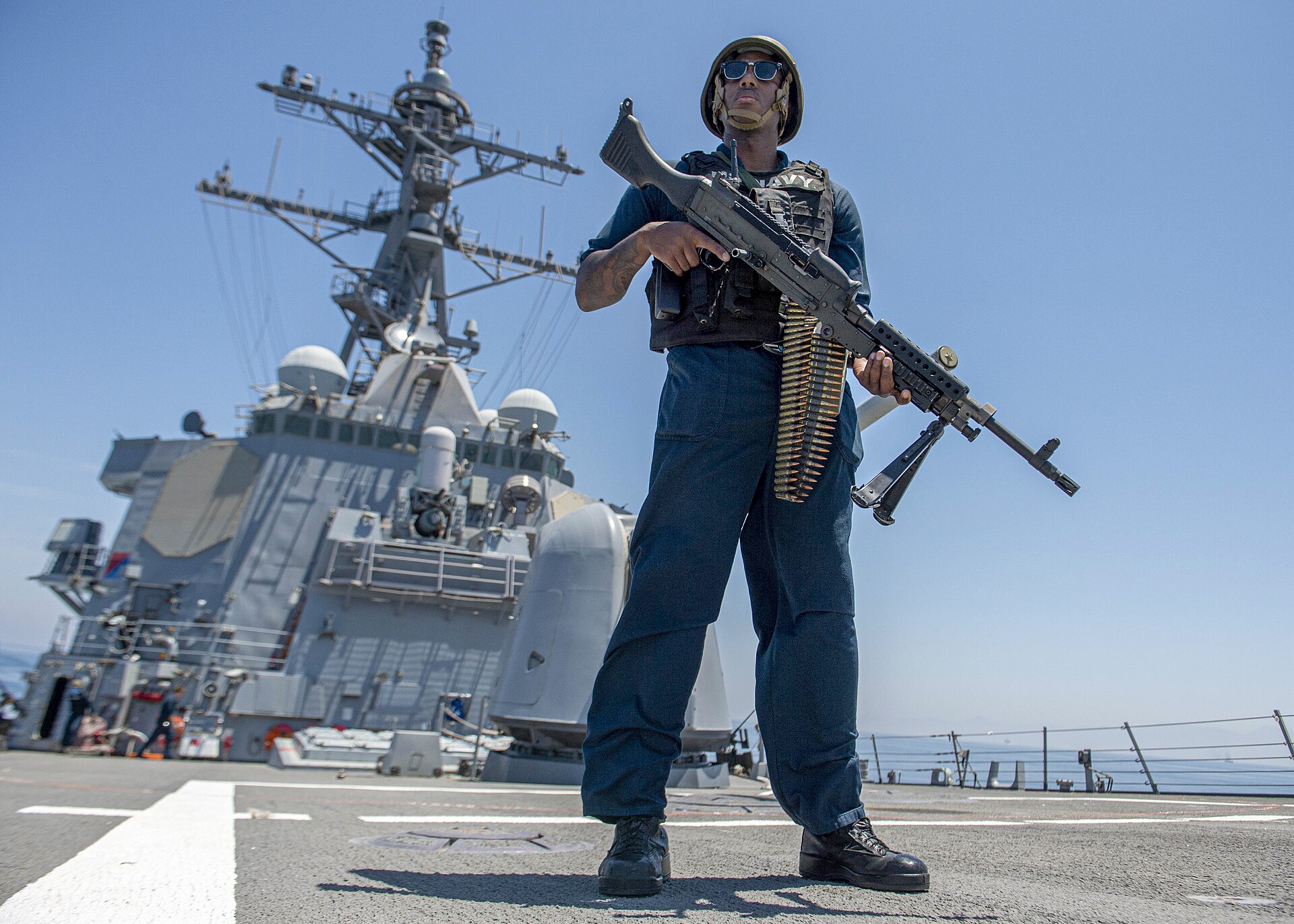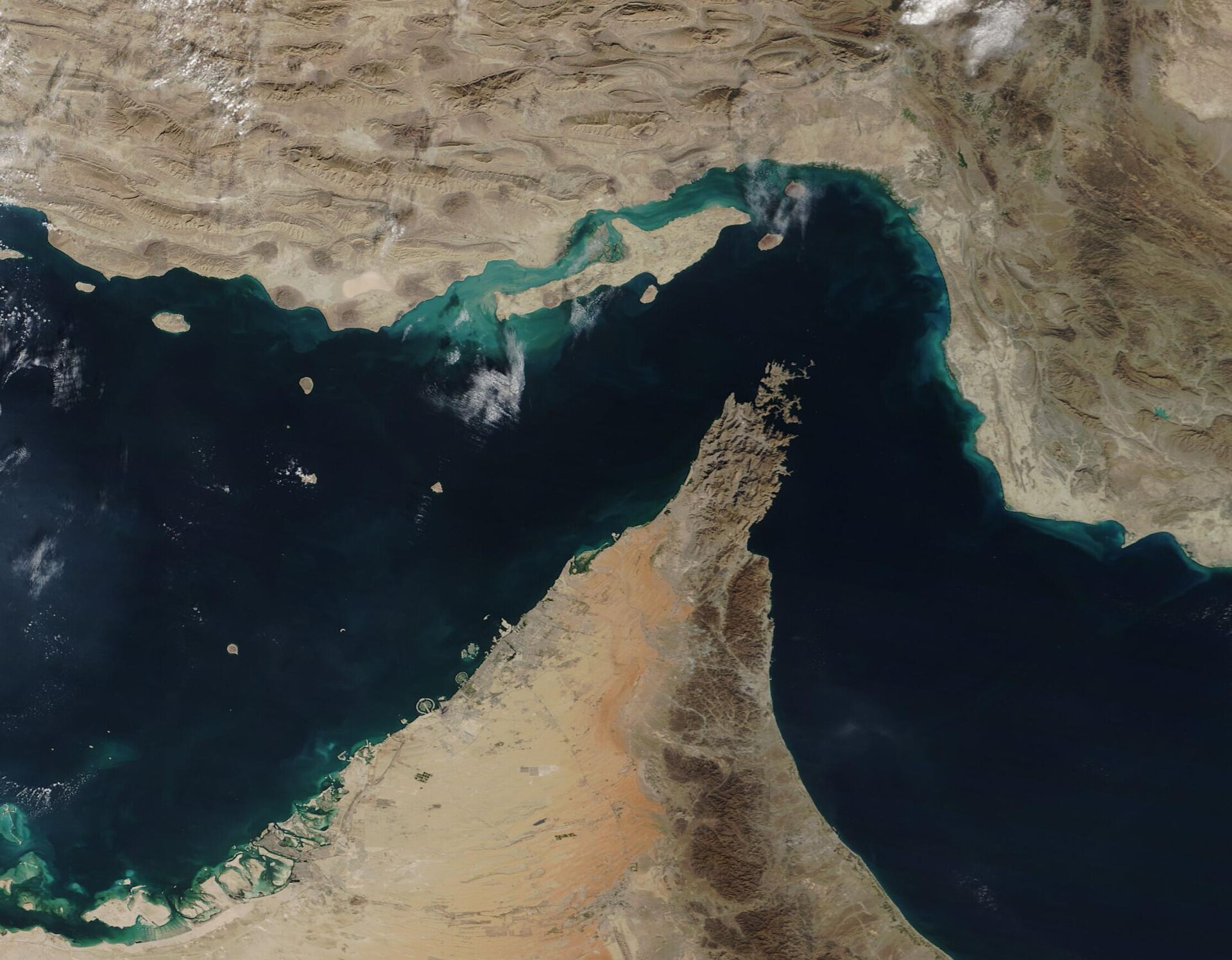

TEHRAN — Iran’s Islamic Revolutionary Guard Corps fired warning shots at four vessels attempting to transit the Strait of Hormuz at approximately 12:35 a.m. local time on May 28, 2026, forcing all four to turn back — the same day US Vice President JD Vance described Iranian negotiators as acting in “good faith” on a nuclear deal. The incidents, reported by IRIB and confirmed by Tasnim News Agency, came hours before the US Treasury designated the Persian Gulf Strait Authority as an IRGC-linked entity and minutes after CENTCOM struck an Iranian drone control station near Bandar Abbas.
n
The shots were not random. They enforced a prior-authorization layer the IRGC now operates over the strait, separate from and upstream of the PGSA toll system. Vessels were warned by radio, ignored the warnings, and were fired upon, according to IRIB via Safety4Sea. No vessel names, flags, or nationalities were released by Iranian authorities, though PressTV and Tasnim described at least one of the four as an “American oil tanker.”
n
Simultaneously, IRGC-affiliated Tasnim declared that “the text of the agreement has not yet been finalized or made definitive” — directly contradicting Axios reporting that US and Iranian negotiators had reached a draft 60-day memorandum of understanding. The IRGC fired at ships in the strait while its own media arm denied the existence of the deal that would reopen it. The May 28 events expose the structural fracture between Iran’s diplomatic track and its military command — and that fracture determines whether any MOU can hold.
n
The Middle East briefing 3,000+ readers start their day with.
One email. Every weekday morning. Free.
Table of Contents
n
- n
- What Happened at Hormuz on May 28?
- The PGSA-OFAC Compliance Trap
- Why Did Vance Call Iran’s Negotiators ‘Good Faith’ the Same Day?
- The Araghchi-IRGC Split: Constitutional Design, Not Factional Accident
- How Did CENTCOM Respond?
- Transit Collapse and Insurance Irreversibility
- Background: From MSC Aries to the PGSA
- FAQ
n
n
n
n
n
n
n
n
n
n
What Happened at Hormuz on May 28?
n
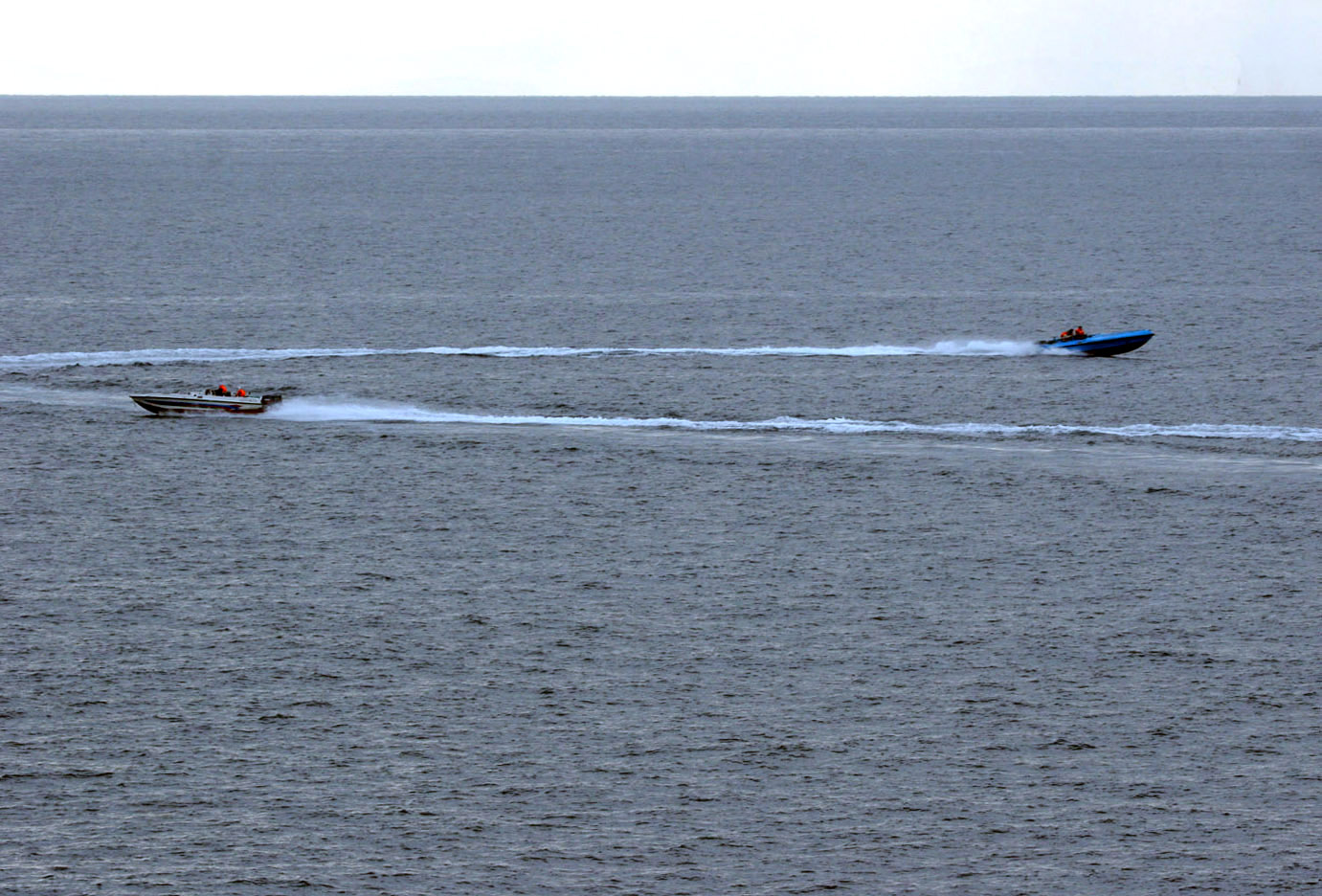
IRGC Naval forces intercepted four vessels approaching the Strait of Hormuz at approximately 12:35 a.m. local time on May 28, 2026, issuing radio warnings and then firing warning shots when the vessels did not comply, according to IRIB reporting carried by Safety4Sea. All four vessels turned back. The IRGC released no vessel names, flag states, or cargo manifests. PressTV described at least one vessel as an “American oil tanker” — language Tasnim repeated — but no independent confirmation of the vessel’s identity or registry has emerged.
n
IRIB framed the encounter as routine enforcement, describing the vessels as entering “without coordination with the security forces.” PressTV characterized the incident as Iran forcing a “trespassing US tanker back after illegal attempt at crossing Strait of Hormuz.” The language matters: both outlets treated the IRGC’s prior-authorization requirement as established law rather than a wartime imposition.
n
Safety4Sea reported that IRGC small-craft deployments shifted from coastal patrol positions into the open body of the strait simultaneously with the warning shots, placing IRGC vessels within visual range of all major commercial shipping lanes. The redeployment extended the interdiction envelope beyond the narrow chokepoint into the broader transit corridor.
n
 n
nn
The timing was precise. The warning shots came minutes after CENTCOM’s strike on an Iranian drone control station near Bandar Abbas, and hours before the US Treasury’s designation of the PGSA as an IRGC-linked entity. The three events — IRGC naval interdiction, US kinetic response, and sanctions designation — occurred within a single 24-hour cycle on the same day Vance described Iran as negotiating in “good faith.”
n
The PGSA-OFAC Compliance Trap
n
The Office of Foreign Assets Control designated the Persian Gulf Strait Authority on May 27-28, 2026, as an IRGC-linked entity, according to gCaptain and the Jerusalem Post. Treasury Secretary Scott Bessent called the PGSA Iran’s “desperate attempts to extort global maritime trade.” The designation creates a binary for every vessel operator transiting Hormuz: pay the PGSA’s $2 million per-transit toll in yuan and face OFAC sanctions exposure, or refuse payment and face the IRGC interdiction regime the May 28 warning shots demonstrated.
n
The PGSA went operationally live on May 18, 2026. It requires vessel operators to submit ownership documentation, insurance details, crew manifests, and cargo declarations for a transit permit, according to Windward AI maritime intelligence. No Western-flagged operator has publicly acknowledged payment. Chinese-linked and UAE-managed gray- and shadow-fleet operators have absorbed the tolls, per Windward and HSToday reporting from May 2026.
n
The May 28 warning shots demonstrated the enforcement mechanism behind the authorization layer that sits upstream of the toll itself. Before a vessel reaches the PGSA payment portal, it must secure IRGC clearance. The four vessels turned back on May 28 never reached the toll stage — they were stopped at the military checkpoint. As House of Saud reported on May 29, the PGSA-OFAC binary and P&I club exclusions have created a distributed closure mechanism that functions without a formal blockade order.
n
Why Did Vance Call Iran’s Negotiators ‘Good Faith’ the Same Day?
n
Vice President JD Vance told The Hill on May 28 that there remained “a couple of issues on the nuclear stuff, the highly enriched stockpile, and also the question of enrichment,” calling these points “TBD.” He described Iran as “negotiating, at least so far, in good faith.” Vance’s comments addressed the Foreign Ministry diplomatic track led by FM Araghchi — the track that has no operational authority over the Strait of Hormuz.
n
Axios reported on May 28 that US and Iranian negotiators had reached a draft 60-day MOU. The reported terms included a synchronized Hormuz opening described as “unrestricted,” mine clearance within 30 days, and nuclear talks on HEU disposal. Trump had not approved the draft. Iran had not confirmed it. Trump separately told CNN he was “not satisfied” with the terms. An analysis published the same day examines how Trump’s domestic political calculation replaced Iran as the MOU bottleneck — with Republican hawks creating a political cost that is visibly shaping the signing timeline.
n
The draft MOU specifies that the first issues during the 60-day window would be HEU disposal and enrichment parameters, according to Axios. No enrichment cap figure or timeline appeared in the publicly reported text. Iran International reported on May 23 that the enrichment question remained the structural gap between the two sides.
That gap extends further than the public MOU text suggests. Reporting published after the Situation Room non-decision reveals that Trump made private commitments to Netanyahu on nuclear terms — full dismantlement of Iran’s enrichment infrastructure — that the MOU as drafted explicitly defers. Trump told Netanyahu the final deal requires full dismantlement, a position irreconcilable with the enrichment language Araghchi’s team negotiated.
n
n
“The text of the agreement has not yet been finalized or made definitive.”
n
— Tasnim News Agency (IRGC-affiliated), May 28, 2026
n
n
Tasnim’s denial appeared the same day as Vance’s “good faith” characterization. The juxtaposition is not a coincidence — it reflects two parallel and structurally disconnected authority tracks within the Iranian system. Vance was describing Araghchi’s behavior at the negotiating table. Tasnim was describing the IRGC’s position on the product of those negotiations. The IRGC fired at ships while denying that any deal existed to constrain it. The constitutional fracture between Iran’s negotiating and military tracks makes these two statements entirely consistent with each other.
n
Andreas Krieg, Associate Professor at King’s College London, assessed in May 2026 that “Washington has accepted that the simultaneous resolution of the war, Hormuz, and the nuclear file in one final package is not currently feasible.” The compartmentalization Krieg described is visible in Vance’s own framing: he addressed “the nuclear stuff” as a self-contained file, detached from the kinetic events unfolding in the strait on the same day.
n
The Araghchi-IRGC Split: Constitutional Design, Not Factional Accident
n
FM Araghchi does not command the assets the MOU would constrain. Under Articles 150 and 176 of the Iranian constitution, any Supreme National Security Council-level commitment requires Supreme Leader confirmation through an institutional chain running through the IRGC’s command structure. IRGC Commander Vahidi, in post since March 1, 2026, controls Hormuz naval operations, missile batteries, and mine-laying capability. Any concession Araghchi offers at the negotiating table is non-binding until the SNSC ratifies it — and the SNSC ratification process runs through the IRGC’s institutional base.
n
An unnamed Iranian official told Gulf counterparts, as corroborated through analyst sourcing and the 2025-2026 negotiations record: “What [US negotiators] agreed with Araghchi was rejected by Vahidi.” The pattern has a direct precedent. In a leaked audio tape from April 2021, former FM Zarif admitted that “diplomacy paid the price for military activities” — that Qasem Soleimani’s operations undermined nuclear negotiations. The Araghchi-Vahidi dynamic is structurally identical to the Zarif-Soleimani one.
n
The May 28 warning shots are the kinetic expression of this split. Araghchi’s track produces draft MOUs. The IRGC’s track fires at ships. The two tracks are not in conflict because they were never unified — they are parallel authority structures designed into the 1979 constitutional architecture. The IRGC’s statement via Tasnim — “The Islamic Republic of Iran’s exercise of sovereignty over the Strait of Hormuz has now been firmly established” — asserts a permanent condition, not a bargaining position. Iran left Doha on Arafah Day without signing in part because the IRGC had not committed to the deal’s Hormuz terms.
n
Mojtaba Khamenei’s operational posture compounds the bottleneck. Mojtaba operates from a hidden location using courier-only communications. Any MOU requiring Supreme Leader confirmation must pass through this channel. The 44-day gap between the start of MOU talks and the May 28 warning shots with no signature reflects, in part, the physical constraints of a ratification circuit that runs through couriers rather than encrypted communications.
n
How Did CENTCOM Respond?
n
CENTCOM struck an Iranian drone control station near Bandar Abbas on May 28, shooting down four Iranian drones and hitting a ground station “that was about to launch a fifth drone,” according to CNN’s live blog. The strike was the second CENTCOM action since the April ceasefire and came within hours of the IRGC’s warning shots at the four vessels.
n
The Bandar Abbas strike followed a broader pattern of escalation across the Gulf. Kuwait intercepted nine missiles — seven ballistic and two cruise — plus 26 drones in a 24-hour period, with the Mina al-Ahmadi refinery struck for the third time in two weeks. CENTCOM described the IRGC’s actions as an “egregious ceasefire violation” following the Camp Buehring strike earlier in the week.
n
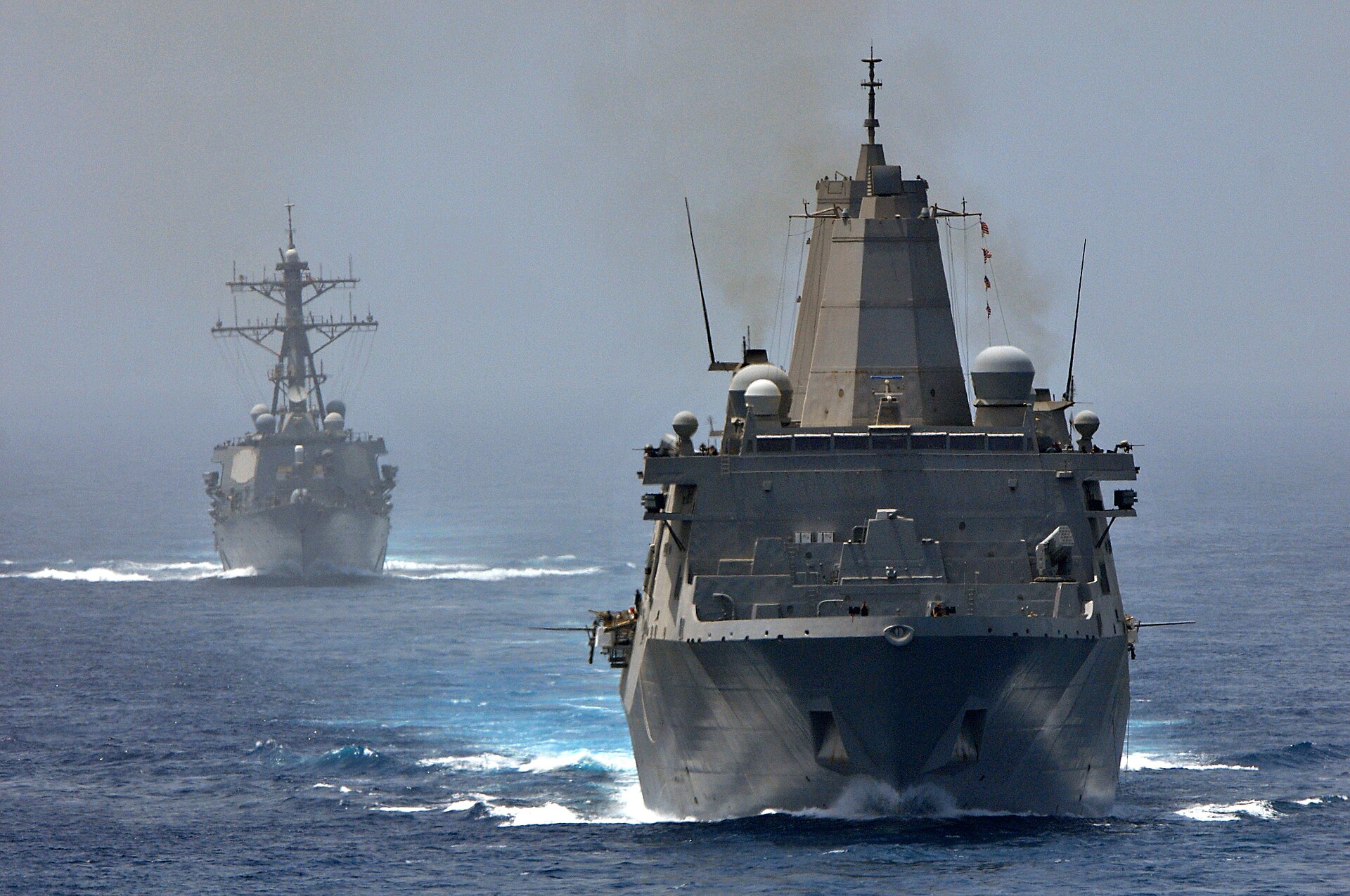
The US response targeted the drone control infrastructure rather than the IRGC naval units operating in the strait. The distinction matters: CENTCOM addressed the aerial threat while the IRGC’s surface interdiction of commercial shipping continued uncontested. No US naval assets escorted the four vessels turned back at Hormuz. No freedom-of-navigation operation accompanied the warning shots.
n
The Bessent-Oman compliance track and the CENTCOM kinetic track are running on separate timelines. The Treasury designated the PGSA as an IRGC entity. CENTCOM struck an IRGC drone facility. The IRGC fired at ships. None of these actions appeared coordinated with the Vance diplomatic messaging.
n
 n
nn
Transit Collapse and Insurance Irreversibility
n
Pre-conflict transit volumes through Hormuz averaged approximately 140 vessels per day. By early May 2026, Windward AI recorded as few as 5-9 transits per day — a collapse exceeding 93%. The May 28 warning shots reinforce the conditions driving that collapse: any vessel transiting without IRGC authorization faces interdiction, and any vessel paying for authorization through the PGSA faces OFAC exposure.
n
War-risk insurance premiums have risen from a pre-conflict 0.25% of hull replacement value to 1% per vessel per week by March 2026 — a fourfold increase, according to S&P Global and Caixin Global. P&I clubs have issued 72-hour cancellation notices for war-risk extensions. The Joint Maritime Information Centre rated the Hormuz maritime security threat level as CRITICAL in its May 4, 2026 assessment, per Albany Antree’s war-risk update.
n
The insurance mechanism is self-reinforcing. Each interdiction event — the MSC Aries seizure in April 2024, the two MSC-linked containership seizures in April 2026, and now the May 28 warning shots — feeds the actuarial models that set premiums. Premium increases reduce traffic. Reduced traffic means fewer data points suggesting safe passage. The insurance market’s memory of interdiction events persists long after any diplomatic agreement, as the structural impact on Saudi crude exports to Asia has demonstrated. That dynamic was confirmed on May 29 by Chevron CEO Mike Wirth’s disclosure of unreported kinetic activity at Hormuz this week — war-risk insurance premiums that have risen eightfold since March reflect incidents whether or not they appear in Pentagon press releases.
n
PressTV’s May 23 framing is instructive: “Progress in talks to end imposed war as IRGC continues to oversee Strait of Hormuz transits.” The headline juxtaposed diplomatic progress and IRGC oversight in the same sentence, treating Hormuz control as a permanent condition rather than a negotiating concession. The insurance market has arrived at the same conclusion through pricing rather than ideology.
n
Background: From MSC Aries to the PGSA
n
The IRGC’s Hormuz interdiction capability did not emerge on May 28. In April 2024, IRGC forces boarded and seized the MSC Aries via helicopter in international waters — a container vessel with no connection to any belligerent party. In April 2026, the IRGC seized two additional MSC-linked containerships attempting to exit the Persian Gulf. These seizures established the precedent the May 28 warning shots escalated: the IRGC treats transit through Hormuz as subject to its authorization, regardless of vessel flag, cargo, or destination.
n
The PGSA formalized this authority into a bureaucratic system on May 18, 2026. The entity collects approximately $2 million per transit in yuan, according to gCaptain and Windward AI. The toll revenue — estimated at $1-2 billion annually if pre-conflict volumes resumed — provides an institutional incentive to maintain control independent of any diplomatic agreement. The Hormuz Tracker analysis noted that the PGSA’s permanence undermines any MOU provision for “unrestricted” transit, because the toll infrastructure and the military authorization layer would need to be dismantled, not merely suspended.
n
The constitutional architecture described in the Araghchi-IRGC section means Araghchi cannot commit to dismantling the PGSA. The entity operates under IRGC authority, not Foreign Ministry jurisdiction. IRGC Commander Vahidi’s institutional base controls both the naval assets that fired the warning shots and the bureaucratic structure that collects the tolls. The MOU draft’s “unrestricted” Hormuz language, as reported by Axios, requires a concession from an institution that has publicly declared the opposite.
n
FAQ
n
What vessels did the IRGC fire at on May 28?
n
Iran released no vessel names, flag states, or cargo manifests. PressTV and Tasnim described at least one as an “American oil tanker,” but no independent confirmation of vessel identity exists. The lack of identifying detail is consistent with prior IRGC interdiction events, where vessel specifics emerged only through third-party maritime tracking services days or weeks after the incident. Lloyd’s List and Windward AI typically provide post-incident vessel identification once AIS data is cross-referenced.
n
Can the MOU reopen the Strait of Hormuz if the IRGC opposes the terms?
n
Structurally, no — not through the Foreign Ministry track alone. The MOU requires SNSC ratification, which under Articles 150 and 176 of the Iranian constitution runs through the IRGC’s institutional chain. A comparable bottleneck delayed JCPOA implementation for eight days in 2015, and the current IRGC command has publicly asserted sovereignty over Hormuz as a permanent condition. Any reopening would require IRGC Commander Vahidi’s affirmative cooperation, which the May 28 warning shots suggest has not been secured.
n
What is the PGSA’s current operational status?
n
The PGSA has been collecting tolls since May 18, 2026, processing approximately $2 million per transit in yuan. OFAC designated it as an IRGC-linked entity on May 27-28, 2026, creating sanctions exposure for any operator making payment. The designation has not halted PGSA operations — Chinese-linked and shadow-fleet operators continue to pay. The entity now operates under a dual legal framework: recognized by Iran as a sovereign toll authority, designated by the US as an IRGC sanctions-evasion vehicle.
n
Why did CENTCOM strike Bandar Abbas rather than the IRGC naval units in the strait?
n
CENTCOM targeted drone control infrastructure — the source of aerial threats to US military assets — rather than the surface naval units conducting commercial vessel interdiction. The distinction reflects a persistent gap in US Hormuz policy: kinetic responses address direct military threats to US forces while the IRGC’s commercial shipping interdiction, which threatens global oil transit rather than US military platforms, continues without direct US naval intervention. The last sustained US escort operation in the strait was Operation Earnest Will in 1987-88.
n
How many vessels transit Hormuz daily now compared to pre-conflict levels?
n
Windward AI recorded as few as 5-9 transits per day by early May 2026, down from a pre-conflict average of approximately 140 vessels per day — a decline exceeding 93%. The collapse has fallen unevenly across vessel types: VLCC and Suezmax tankers carrying Gulf crude have disproportionately rerouted via the East-West Pipeline to Yanbu or shifted to ESPO cargoes, while LNG tankers face an additional constraint from Qatar’s 10 blocked vessels. Container traffic through Hormuz has effectively ceased for Western-flagged carriers, consistent with IMO Circular Letter CL 5028 issued May 20, 2026, which all GCC states signed except Oman. The inbound lane of the Traffic Separation Scheme runs through Omani territorial waters under the 1974 Iran-Oman boundary treaty, meaning any enforcement of free passage in that lane implicates Omani sovereignty as well as Iranian.