RIYADH — Saudi Arabia’s Ministry of Foreign Affairs issued a single statement on the US-Iran negotiations — a May 20 endorsement of President Donald Trump’s “decision to give diplomacy a chance” — and has said nothing publicly since about CENTCOM strikes launched partly from Saudi soil, three Iranian attacks on a Kuwaiti refinery in two weeks, or the Trump administration’s designation of Iran’s Hormuz toll authority as a sanctioned entity.
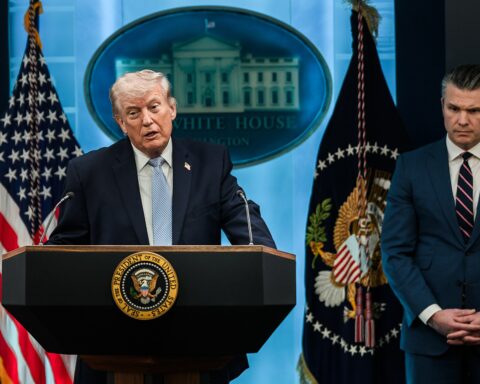
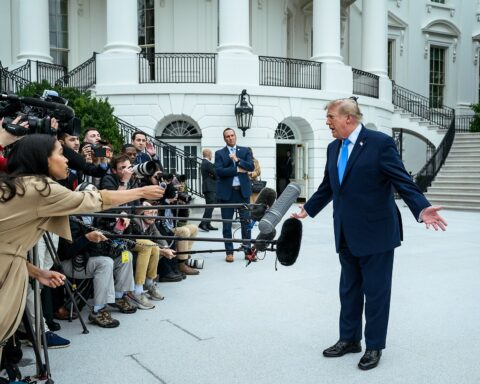
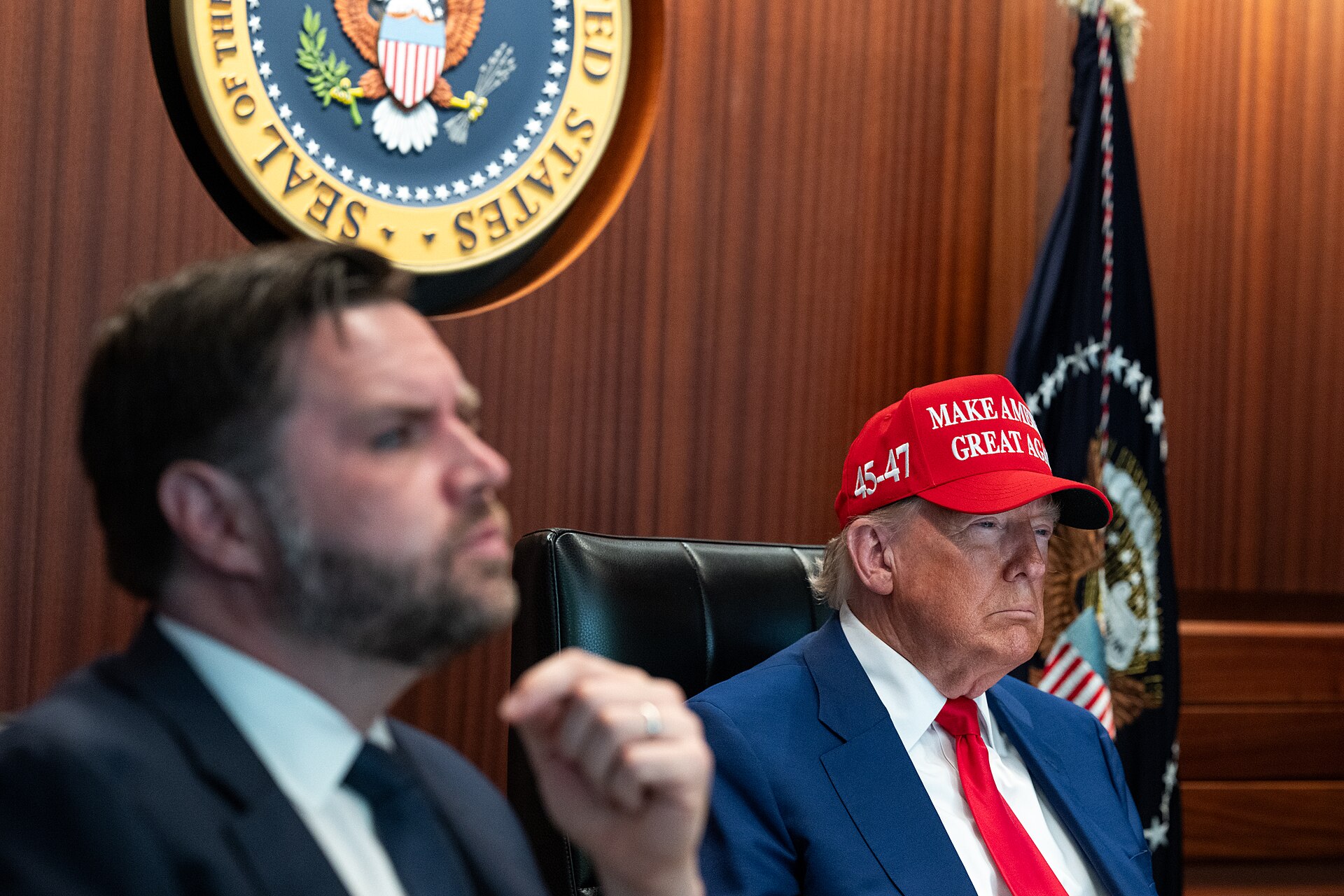
The statement is now nine days old. On May 29, Trump entered the White House Situation Room for what he called a “final determination” on the Iran memorandum of understanding, demanding the Strait of Hormuz open “immediately” with “no tolls” and all enriched material “destroyed.” Iran rejected those terms within hours, with Parliament Speaker Mohammad Bagher Ghalibaf declaring: “We seize concessions not through dialogue, but with missiles; in negotiations, we merely make them understand.” Saudi Arabia’s carefully worded endorsement of a diplomatic process — built to accommodate any outcome — now sits between a president who claims the deal is his and a negotiating counterpart who says the deal as described does not exist.
Table of Contents
What the MOFA Statement Said — and What It Left Out
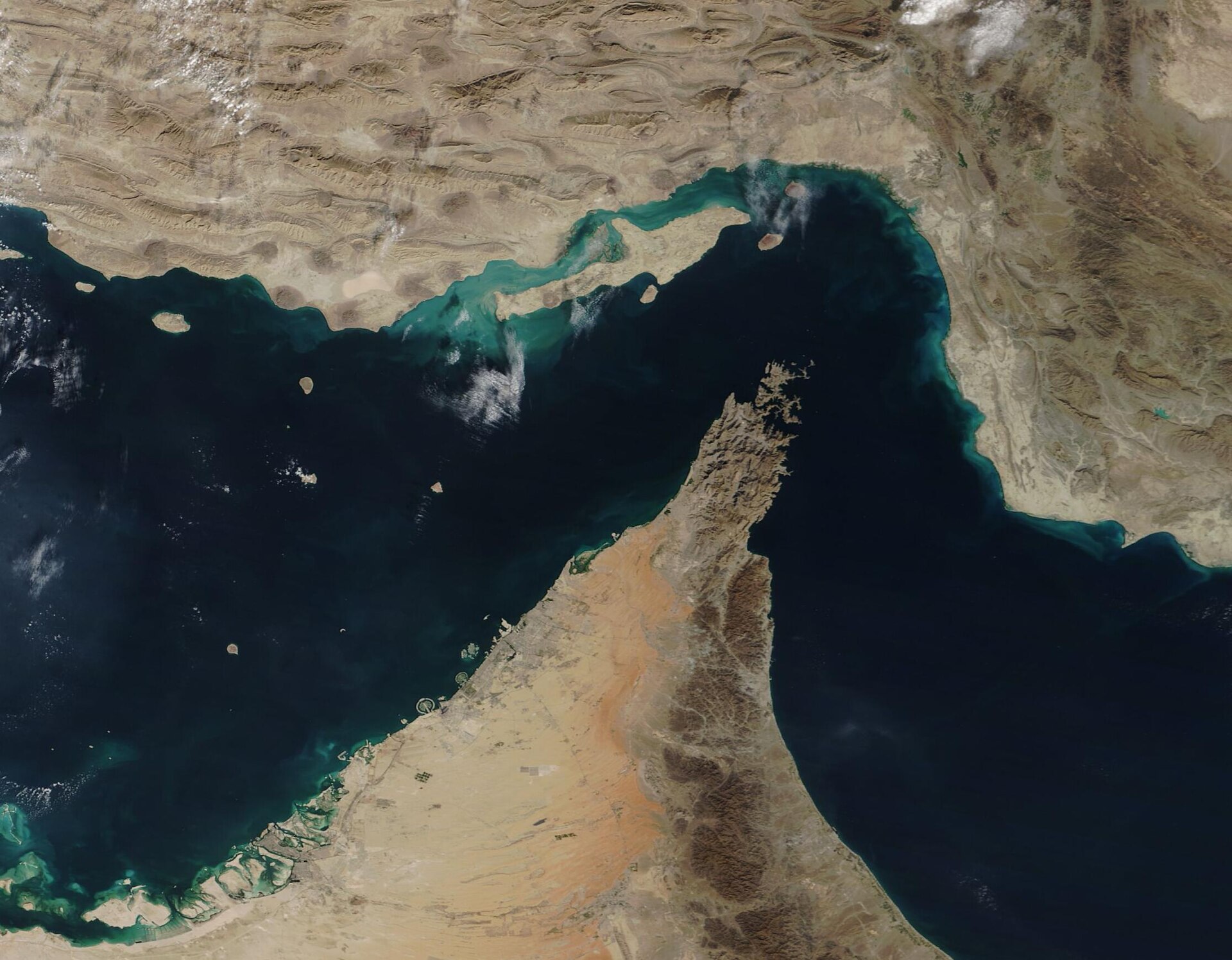
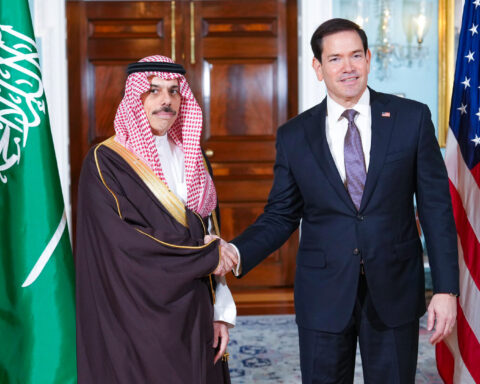
Foreign Minister Prince Faisal bin Farhan posted the full statement to X on May 20. Its operative text: “The Kingdom of Saudi Arabia highly appreciates the US President Donald Trump’s decision to give diplomacy a chance to reach an acceptable agreement to end the war, restore the security and freedom of maritime navigation in the Strait of Hormuz to its state prior to February 28th 2026, and address all points of contention in a way that serves the security and stability of the region.”
A second clause added that “the Kingdom looks forward to Iran seizing the opportunity to avoid the dangerous implications of escalation.” The statement also expressed “high appreciation” for Pakistan’s mediation role, according to Arab News.
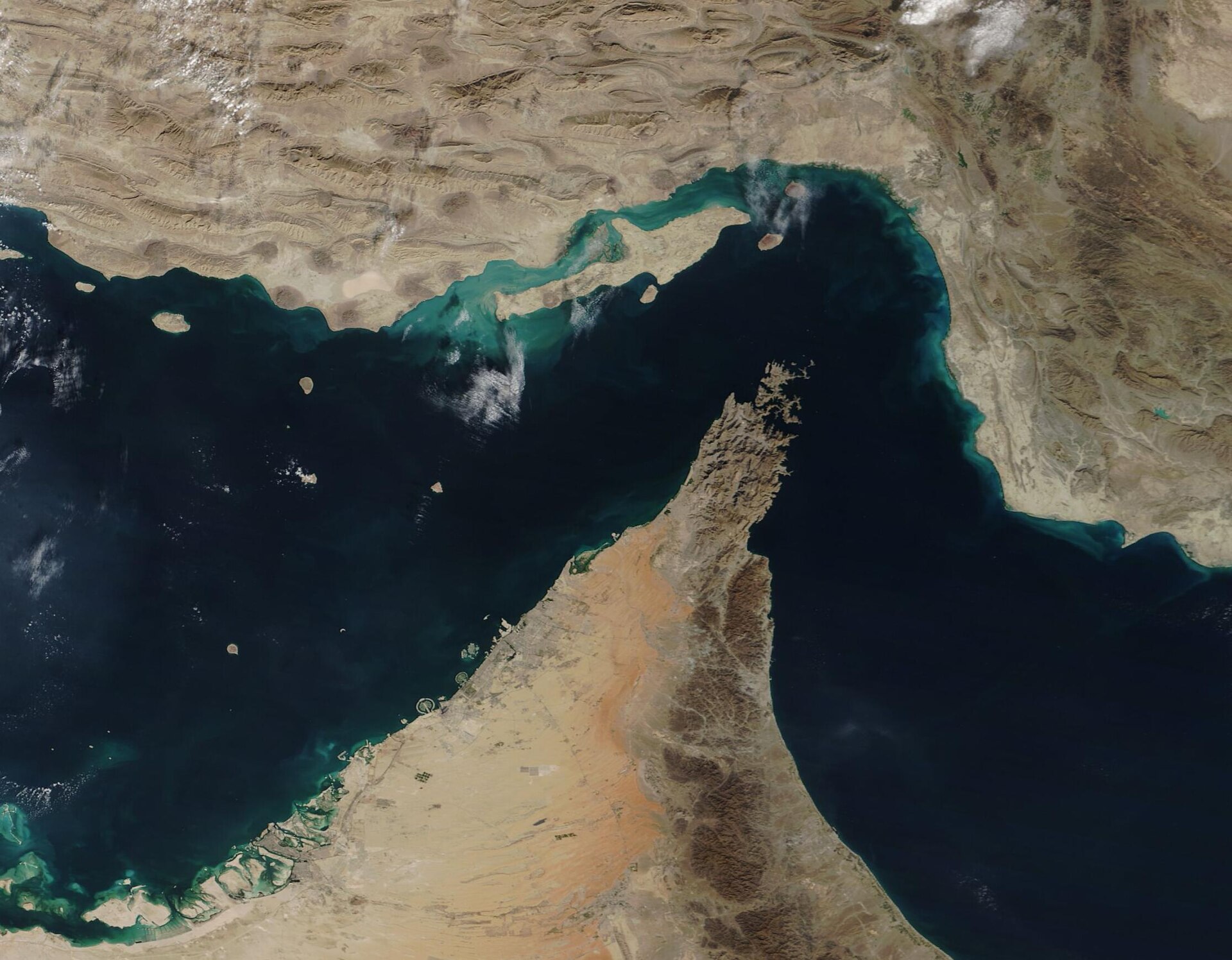
The omissions are specific. The statement makes no reference to the Persian Gulf Shipping Authority — the Iranian toll mechanism that has charged approximately $2 million per vessel transit since May 18 and was placed on the OFAC Specially Designated Nationals list on May 28. It does not mention the frozen-assets sequencing dispute — Iran’s demand for $12 billion at signing, the US insistence that Hormuz opens first. It says nothing about uranium enrichment levels, the Lebanon clause that Iran’s FM Abbas Araghchi has confirmed remains in the draft MOU, or the Hormuz governance architecture being negotiated between Tehran and Muscat.
One day after issuing the statement, Saudi Arabia joined the UAE, Bahrain, Kuwait, and Qatar in a joint letter to the International Maritime Organization warning commercial vessels not to engage with the PGSA or use Iran’s designated Hormuz route, Bloomberg reported on May 21. The endorsement of diplomacy and the operational warning were separated by 24 hours.
The Middle East briefing 3,000+ readers start their day with.
One email. Every weekday morning. Free.
Trump’s “No Tolls” Demand and Saudi Arabia’s Implicit Alignment
When Trump spoke before entering the Situation Room on May 29, he listed his terms: Iran “must agree” to never possess a nuclear weapon, the Strait of Hormuz must be “immediately open” with “unrestricted shipping traffic in both directions,” “no tolls,” all mines “terminated,” and enriched material at nuclear sites “unearthed” and “destroyed” in coordination with the IAEA, CNBC reported. He added that “no money will be exchanged, until further notice.”
The Saudi MOFA statement’s call to “restore the security and freedom of maritime navigation in the Strait of Hormuz to its state prior to February 28th 2026” implicitly describes the same condition: before that date, there were no tolls. Trump’s “no tolls” on May 29 and Saudi Arabia’s “prior to February 28” on May 20 arrive at the same destination through different syntax.
Iran treats both formulations as fabrications. Iranian state media asserted on May 29 that “there is no such clause in the text of the agreement” regarding toll-free transit, according to CNBC. The gap between what Washington and Riyadh describe as the deal’s terms and what Tehran says the deal actually contains is not a disagreement about implementation. It is a disagreement about what was agreed.
Ghalibaf’s response was direct. “We have no trust in guarantees or words. Only actions are the measure,” he said, according to HUBFX. Iranian media asserted that “the most important part of the agreement” is “the immediate payment of $12 billion of Iran’s frozen assets” — a condition Trump’s “no money exchanged, until further notice” explicitly forecloses.
Saudi Arabia’s statement endorses a version of the deal that Iran says does not exist. If Trump’s terms prevail, Riyadh endorsed the winning position at no cost. If Iran’s terms prevail — assets disbursed first, some form of transit governance persists — Riyadh endorsed a process, not an outcome.
Why Has Saudi Arabia Said Nothing About the War?
The May 20 endorsement arrived during what has become the longest sustained MOFA silence on operational events since the war began on February 28. In the nine days between the statement and Trump’s Situation Room entry, Saudi Arabia issued no public response to at least four categories of events that directly affect the kingdom’s security and economic interests.
On May 25-26, CENTCOM struck Iranian missile launch sites and two IRGC mine-laying fast boats near Bandar Abbas — the second US military action since the April ceasefire and the first inside what Saudi Arabia had reportedly described as a 96-hour no-escalation window around Hajj. The strikes were launched partly from Prince Sultan Air Base, where 2,500-2,700 US personnel operate without a formal Status of Forces Agreement, as this publication has reported. Saudi MOFA said nothing.
On May 28, the IRGC fired a Zolfaghar ballistic missile at Kuwait — the first post-ceasefire ballistic missile targeting a GCC state. That same day, Kuwait intercepted a barrage of seven ballistic missiles, two cruise missiles, and 26 drones within 24 hours. The Mina al-Ahmadi refinery — processing 346,000 barrels per day — was struck for the third time in two weeks. Six Kuwaiti power lines were severed and ten soldiers were injured, CENTCOM confirmed. Saudi MOFA said nothing.
Also on May 28, the US Treasury placed the PGSA on its Specially Designated Nationals list, creating a binary compliance choice for every vessel, insurer, and port authority operating near Hormuz. Saudi MOFA said nothing.
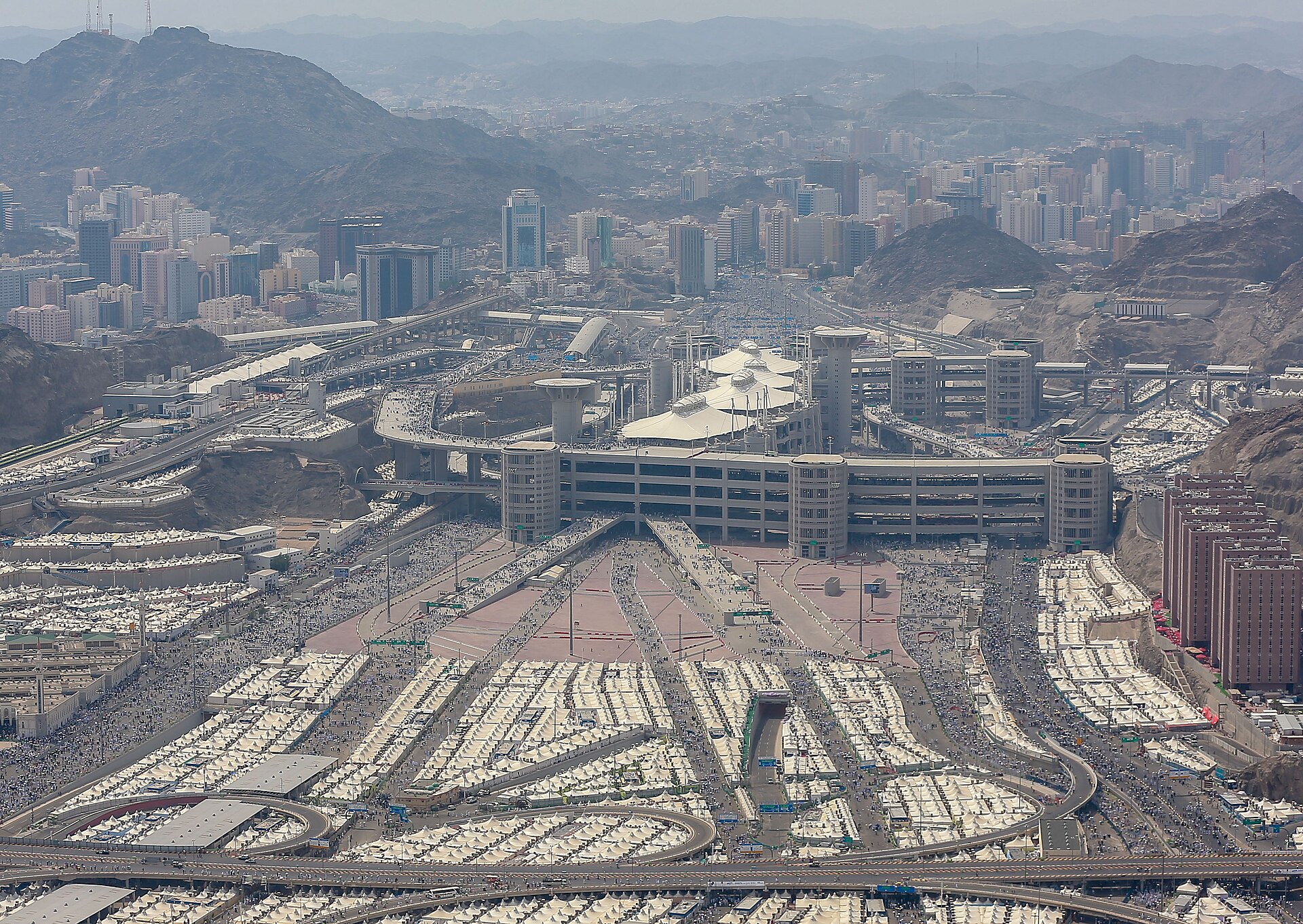
The silence is not operational lag. In September 2019, Saudi Arabia attributed the Abqaiq-Khurais drone and missile attack to Iran within hours — a response timeline that demonstrated the kingdom’s capacity for rapid diplomatic mobilization when it chose to act. The 2026 pattern is policy, not delay. That policy shifted marginally on May 29: MBS used the Mina Palace Eid al-Adha reception to thank Saudi military commanders for their “efforts to defend the country” during “the crises the region is experiencing” — the first royal acknowledgment of Saudi Arabia’s undeclared combat role in the ninety-one-day Iran war, delivered through Hajj protocol language rather than a MOFA communiqué. One valley away, the Ministry of Defence had done the same in print: the Hajj disclosure of Saudi war dead — camps prepared at Mina for the families of martyrs and injured personnel — was the first official Saudi government document to acknowledge casualties from the conflict.
The Fiscal Bind Behind the Endorsement
Saudi Arabia’s first-quarter fiscal deficit reached SAR 126 billion — 76% of its full-year SAR 165 billion target consumed in three months, according to the Saudi Ministry of Finance. Bloomberg Economics estimates the kingdom’s fiscal breakeven at $108-111 per barrel when PIF commitments are included. Brent crude settled at approximately $91 per barrel on May 29, according to Trading Economics, leaving a gap of $17-20 per barrel between what Saudi Arabia needs and what the market provides.
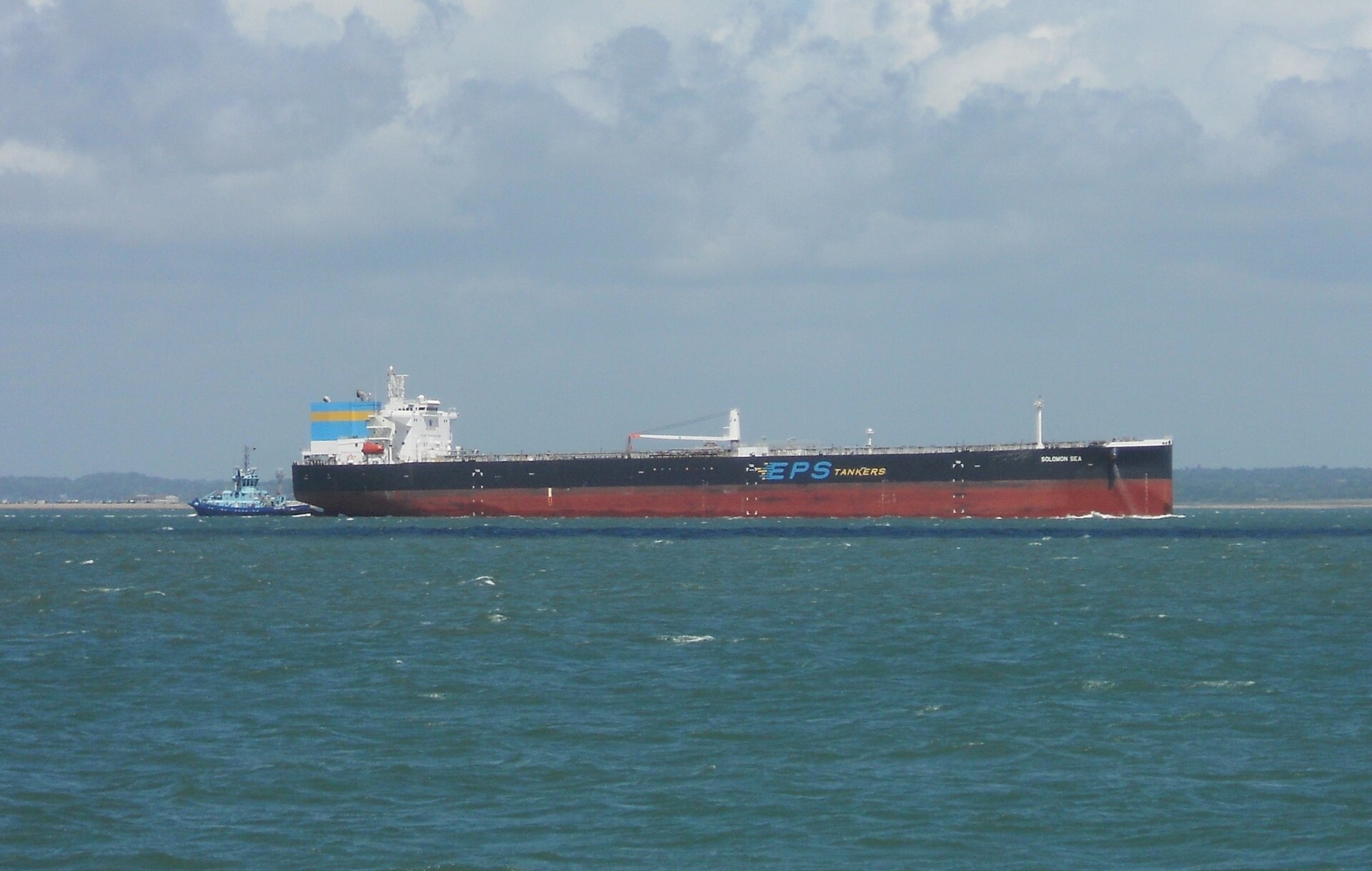
Every week that Hormuz remains functionally closed costs the kingdom revenue it cannot replace through alternative routes. The East-West Pipeline to Yanbu can handle roughly 5 million barrels per day against production of 7.76 million, leaving approximately 2.5 million barrels per day dependent on Hormuz transit. But each week that deal optimism pushes Brent lower — it has fallen approximately 19% from its May 4 peak of $114.97 — the fiscal arithmetic worsens regardless of whether tankers are moving.
Goldman Sachs analyst Daan Struyven has upgraded his Q4 Brent forecast to $90 four times this year, with the war premium expected to collapse if the MOU is signed. Wood Mackenzie’s “Quick Peace” scenario projects Brent at $80 by end-2026 and $65 through 2027. Either trajectory falls below Saudi Arabia’s breakeven by double digits.
The endorsement of diplomacy is, among other things, an endorsement of the only pathway that could restore oil prices to levels approaching breakeven. Opposition to the deal, or visible participation in it, would risk association with failure. The statement endorses process without specifying terms — reflecting a treasury that cannot afford to be blamed for a collapsed negotiation or credited with a deal whose provisions it did not set.
Can Riyadh Shape a Deal It Cannot Enter?
Saudi Arabia has been absent from all five rounds of US-Iran MOU negotiations across 106 days, and its exclusion goes deeper than the negotiating room: Riyadh has no established channel to Mojtaba Khamenei, the Supreme Leader whose SNSC confirmation is required to ratify any MOU — the one Iranian official Saudi Arabia structurally cannot reach. The Carnegie Endowment for International Peace assessed in April 2026 that “the GCC has no seat at the table.” The Atlantic Council’s Brian Alter described Gulf states as “largely sidelined” from the MOU process. The Soufan Center reported on May 14 that the war has “widened Gulf state fissures,” with GCC members diverging on engagement with Iran.
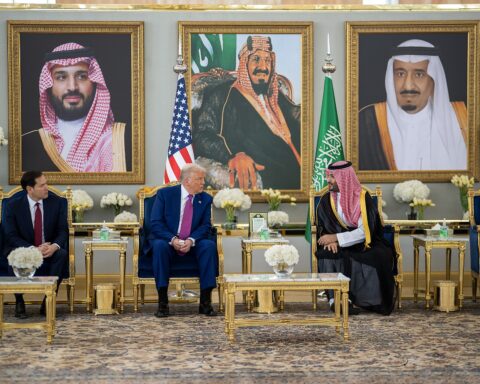
The kingdom’s available instruments are few and mostly negative. The Times of Israel reported that Trump paused a planned Hormuz military operation after Saudi Arabia denied use of its airspace — though a Saudi source close to the government denied the report to AFP, stating the US retains “regular access to Saudi bases and airspace.” If the denial occurred, it represents the single instance of Saudi Arabia exercising operational influence over Hormuz policy since February 28. It is a blocking instrument, not a shaping one. The one positive instrument Riyadh deployed was a May 31 call from MBS to President Macron, whose government co-leads the 50-nation coalition and holds an active Tehran channel — routing Saudi Arabia’s Hormuz position through France because every direct negotiating track remains structurally closed.
Euronews reported in mid-May that Saudi Arabia asked the US to pause military action against Iran by two to three days, with Gulf states communicating their belief they were “very close to making a deal.” If confirmed, this is Saudi Arabia’s only semi-public effort to influence the timing of US operations — exercised outside the MOU framework, through bilateral channels, and with no apparent effect on CENTCOM’s subsequent May 25-26 strikes.
The Gulf International Forum documented a shift it described as Saudi Arabia having “changed its tune” from the 2015 JCPOA — when Riyadh privately opposed the deal while issuing measured public language — to 2026’s “full-throated support” for American diplomacy with Iran. GIF assessed that Saudi’s endorsement “lends the talks legitimacy” but noted that Riyadh “likely does not need inducements or inclusion to view the talks favorably.”
Saudi Arabia’s endorsement of a process whose timeline is set by Washington and whose terms are contested by Tehran grants the kingdom rhetorical alignment with the US without requiring commitment to specific outcomes. If the MOU collapses over frozen-assets sequencing or the enrichment ceiling, Saudi Arabia endorsed diplomacy. If it succeeds on terms Iran defines — assets disbursed, PGSA reformed rather than eliminated — Saudi Arabia endorsed a process that produced those terms.
The last confirmed contact between the Saudi and Iranian foreign ministers was a May 11 phone call in which Bin Farhan and Araghchi discussed Pakistan’s mediation role and the US-Iran talks, Al Arabiya reported. No subsequent call has been confirmed. The Eid call between Crown Prince Mohammed bin Salman and President Masoud Pezeshkian produced warm bilateral language but no structural shift — Araghchi’s spokesman Esmaeil Baghaei described the exchange as “purely bilateral.”
Bin Farhan resurfaced at the EU Gymnich informal foreign ministers meeting in Limassol, Cyprus on May 27, where Asharq Al-Awsat reported he met with India’s FM S. Jaishankar and Finland’s FM on the sidelines. The venue — a European foreign ministers’ retreat — is itself a data point about where Saudi diplomacy is being conducted, and where it is not.
Trump’s demand that Saudi Arabia normalize relations with Israel as a condition of the Iran deal runs into a constraint that has nothing to do with diplomacy: the normalization obstacle is dynastic, not diplomatic — MBS told Trump ally Mike Evans he would acknowledge Israel today, but Article 70 of the Basic Law requires King Salman’s signature on any treaty, and King Salman has not signed.
Background and Context
The 2015 JCPOA provides the closest structural precedent. Saudi Arabia was not party to the P5+1 negotiations with Iran. When the deal was announced on July 14, 2015, the Saudi Press Agency issued a statement of “measured” support attributed to an unnamed official. The Gulf International Forum noted that Gulf states were privately “unaware of the talks and were understandably stunned.” Saudi Arabia subsequently became one of the most vocal supporters of Trump’s 2018 JCPOA withdrawal — a public endorsement of a deal followed by private and eventually public opposition to its results.
The 2026 pattern shares the structure but not the stakes. In 2015, Hormuz was open, oil was trading below $50, and the Gulf states’ exposure to the deal was indirect — they objected to sanctions relief funding Iranian proxy activity. In 2026, Hormuz is functionally closed, oil prices directly determine whether the Saudi budget can cover its obligations, and the deal’s terms — particularly the PGSA toll architecture and frozen-assets sequencing — carry immediate fiscal consequences for Riyadh.
Israel’s position adds a dimension the 2015 round did not carry in the same form. A senior Israeli official told CNN there is “a real concern that Trump will settle for a bad interim deal.” The Jerusalem Post reported Israeli sources describing the emerging agreement as failing to address missiles, enrichment infrastructure, and proxy networks. Netanyahu was not included in Trump’s May 24-25 call with eight regional leaders — Saudi Arabia, UAE, Qatar, Pakistan, Turkey, Egypt, Jordan, and Bahrain — during which he described Abraham Accords participation as “mandatory.” Israel’s objections and Saudi’s endorsement occupy the same diplomatic space without coordination or apparent consultation between Jerusalem and Riyadh.
The 2023 Beijing-brokered Saudi-Iran normalization agreement produced warm public language — as the current MOFA statement does — but no measurable change in Iranian proxy behavior or IRGC operational posture. Iran has internalized that precedent. Ghalibaf’s “missiles not talks” formulation on May 29 treats all diplomatic endorsements, whether from Riyadh or Washington, as irrelevant to operative variables. Saudi Arabia’s statement occupies a category Iran’s lead negotiating voice has explicitly dismissed.
Frequently Asked Questions
Has Saudi Arabia issued any statement on the US-Iran deal since May 20?
No. As of May 29, the May 20 MOFA statement remains Saudi Arabia’s only public communication directly addressing the MOU negotiations. Bin Farhan has appeared publicly — the EU Gymnich meeting in Cyprus on May 27 — but issued no Iran-related statement there. The kingdom’s single multilateral action in the interval was the GCC-IMO letter of May 21, an operational maritime advisory co-signed with four other Gulf states. Saudi Arabia did not sign that letter alone and did not issue any statement on the events that followed it: the CENTCOM strikes, the ballistic missile attack on Kuwait, or the PGSA sanctions designation.
What is the PGSA and why does it matter for Saudi Arabia?
The Persian Gulf Shipping Authority is an Iranian-administered toll mechanism that has charged approximately $2 million per vessel transiting the Strait of Hormuz since May 18. Its placement on the OFAC Specially Designated Nationals list on May 28 creates a compliance binary: any entity paying the toll risks US secondary sanctions, while any entity refusing risks Iranian enforcement action in the strait. Saudi Arabia’s MOFA statement does not name the PGSA and does not address what happens to vessels that have already paid the toll — a practical gap, since retroactive OFAC compliance exposure is a live question for Saudi-linked shipping and port operators. The mechanism remains a central obstacle in the MOU negotiations because it represents revenue Iran has already collected and a governance architecture Tehran is unwilling to simply terminate.
How does Saudi Arabia’s 2026 position differ from its 2015 JCPOA stance?
In 2015, Riyadh issued a measured public statement through an unnamed official while privately opposing the deal — a pattern that ended with an open endorsement of Trump’s 2018 withdrawal. The 2026 posture is the opposite in form: public, attributed, effusive. What it shares with 2015 is the avoidance of specifics. The 2015 statement did not address sanctions-relief sequencing or centrifuge limits. The 2026 statement does not address PGSA governance, frozen-assets sequencing, or enrichment ceilings. In both cases, Saudi Arabia endorsed a process while leaving itself room to distance from any particular outcome. The difference is that in 2015, Saudi Arabia could absorb a bad outcome over years. In 2026, the fiscal consequences of a deal that preserves the PGSA or depresses oil prices below the $108-111 breakeven would arrive within months.
Why was Saudi Arabia excluded from the US-Iran MOU talks?
The MOU negotiations use a bilateral US-Iran format, with Pakistan and Oman as mediators. Neither the format nor the mediation structure includes a seat for GCC states. Saudi Arabia has not publicly requested inclusion or proposed an alternative structure — a silence that mirrors its 2015 posture when P5+1 talks also excluded Gulf states. The difference is that the MOU’s provisions — PGSA governance, frozen-assets sequencing, the Lebanon clause, enrichment ceilings — carry direct fiscal and security consequences for Riyadh in ways the 2015 nuclear provisions did not. Saudi Arabia is excluded from a negotiation whose outcome it cannot insulate itself from.
What influence does Saudi Arabia actually have over the deal’s outcome?
Saudi Arabia’s influence is structural rather than procedural. Riyadh cannot shape MOU text, but it hosts US forces, controls airspace, and holds the largest oil production capacity in the region — factors that give it negative leverage (the ability to withhold or complicate US military options) rather than positive leverage (the ability to add or remove deal provisions). The reported airspace denial, if it occurred, illustrates the distinction: Saudi Arabia may have delayed a US military action, but it did not change the terms Iran faces or the terms Washington will accept. The MOFA statement represents positive leverage that Saudi Arabia chose not to exercise — a specific endorsement of US terms, had it been issued, would have changed Riyadh’s position from observer to co-author of the diplomatic pressure campaign.