“
DHAHRAN u2014 Saudi Arabia’s two largest petrochemical operations have each filed the same sentence with regulators u2014 “cannot provide, at the present time, an estimate for the return to production” u2014 and the calendar has not stopped. SABIC, 70% owned by Aramco and still carrying a SAR 25.78 billion net loss from 2025, declared force majeure on five product lines in late March and took missile debris damage on April 7. Sadara, the $20 billion Aramco-Dow joint venture whose 26 manufacturing units have generated zero revenue since late March, faces a $3.7 billion principal repayment deadline on June 15. The debt clock is indifferent to ceasefire negotiations.
n
What makes this an emergency without precedent since the 1980s is not the shutdowns themselves but the ownership architecture behind them. PIF owns 16% of Aramco. Aramco owns 70% of SABIC and 65% of Sadara. Aramco’s own dividend has already fallen roughly 31% u2014 from $124 billion in 2024 to approximately $85 billion in 2025. The Saudi state is simultaneously equity holder, implied creditor of last resort, and fiscally constrained guarantor for both entities at once. The war did not create this trap. It revealed it.
n
The Middle East briefing 3,000+ readers start their day with.
One email. Every weekday morning. Free.
Table of Contents
n
- n
- SABIC’s Tadawul Filing: The First Formal Admission
- What Happens When Sadara’s $3.7 Billion Grace Period Expires?
- The PIF-Aramco-SABIC Loop: One Balance Sheet, Three Crises
- How Much of the Saudi Economy Sits Inside Jubail?
- The Losses That Predated the War
- Force Majeure Before the Missiles
- Why a Ceasefire Does Not Solve the June 15 Problem
- Who Fills the Gap When Jubail Cannot Ship?
- Can Saudi Arabia Restructure Its Way Out?
- Frequently Asked Questions
- n
n
n
n
n
n
n
n
n
n
n
n
n
n
SABIC’s Tadawul Filing: The First Formal Admission
n
On the Tadawul exchange in April 2026, SABIC became the first listed Saudi company since the Iran conflict began to issue a formal financial disclosure acknowledging war-related production losses. The filing warned shareholders of a “material impact to 2026 financial results” and stated the company “cannot provide, at the present time, an estimate for the return to production, as this is contingent on domestic and international factors.” For a company that had already posted its worst annual loss in more than a decade, the language was remarkable for what it did not attempt: reassurance.
n
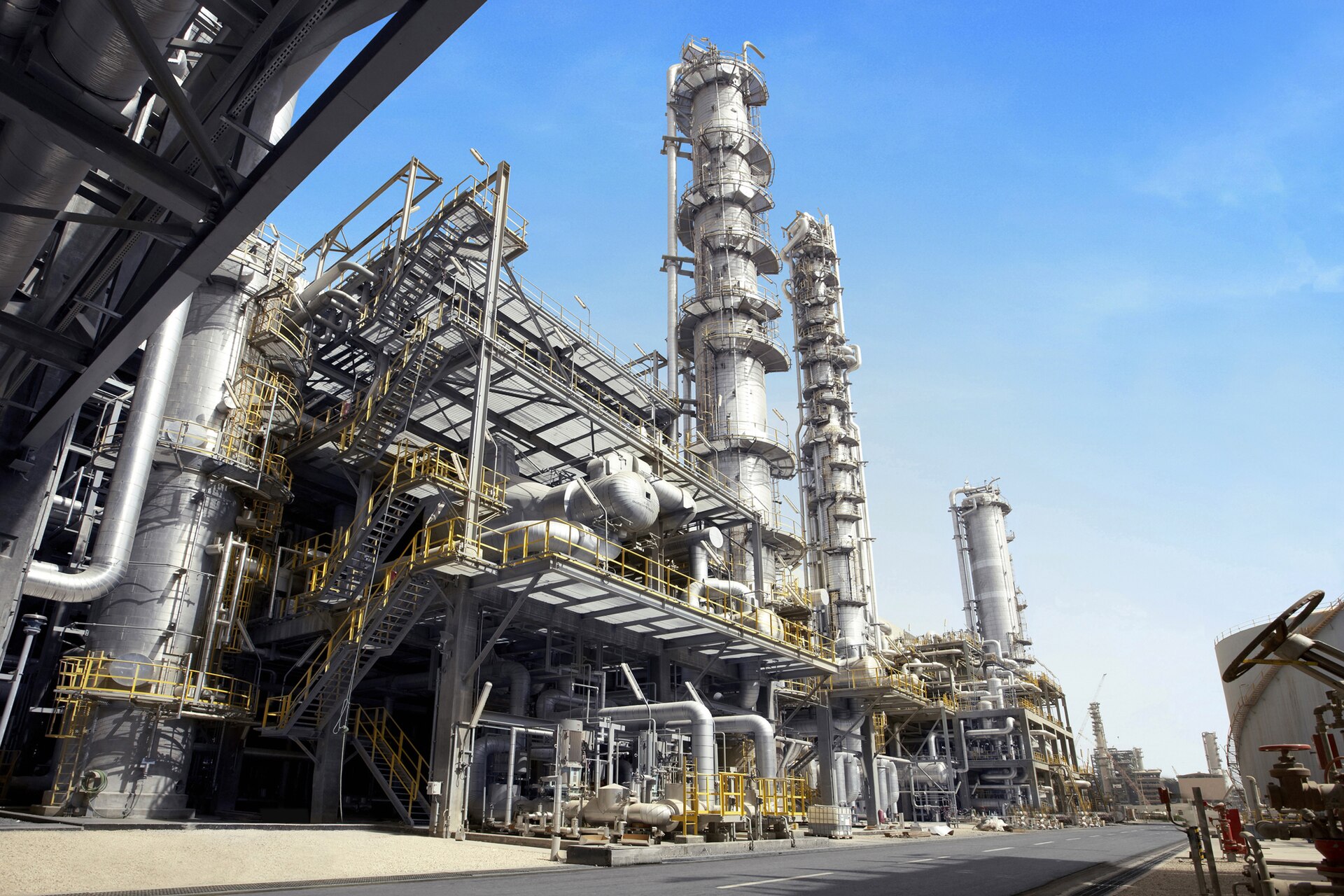
SABIC had declared force majeure on March 26-27 across five product lines u2014 methyl methacrylate, mono- and diethylene glycol, styrene monomer, and methanol u2014 triggered not by physical damage but by the Hormuz shipping blockage that had severed its export corridors. The physical damage came later. On April 7, Iranian ballistic missile debris ignited a fire at SABIC’s Jubail complex, forcing partial worker housing evacuation. AFP sources in Jubail reported that “the sounds of explosions were very loud.”
n
The IRGC, via Tasnim and Fars News, claimed the April 7 strikes targeted “Saudi petrochemical and industrial infrastructure in Jubail” as part of a declared counter-target list that included eight Gulf bridges across four countries. Jubail was not collateral. It was named.
n
n
Faisal Al-Faqeer, SABIC’s new CEO, had been appointed on March 4, 2026 u2014 three weeks before force majeure, four weeks before missile debris. He inherited a balance sheet carrying a SAR 25.78 billion annual loss and a production base with no publicly disclosed restart timeline. On April 8, SABIC formalized that uncertainty in a first-of-its-kind Tadawul regulatory disclosure u2014 the first war-damage securities filing by a listed Saudi company since the Iran conflict began.
n
What Happens When Sadara’s $3.7 Billion Grace Period Expires?
n
Sadara Chemical Company u2014 the world’s largest integrated chemical complex built in a single phase, a $20 billion project financed by a 25-bank syndicate including HSBC, JPMorgan, and Saudi commercial banks u2014 shut all 26 of its Jubail manufacturing units in late March 2026. Its regulatory filing used language identical to SABIC’s: “cannot provide, at the present time, an estimate for the return to production.” Revenue since shutdown: zero.
n
The company’s principal repayment grace period, the central concession of a March 2021 restructuring that extended debt maturity from 2029 to 2038, expires on June 15, 2026. Total guaranteed senior debt: $3.7 billion. Aramco backstops approximately $2.405 billion, proportional to its 65% ownership stake. Dow Chemical backstops approximately $1.295 billion, proportional to its 35%.
n
The 2021 restructuring had replaced $10 billion in shareholder completion guarantees u2014 released in November 2020 when Sadara achieved project completion u2014 with senior debt guarantees. The grace period was designed to give the complex time to generate cash before principal payments began. That five-year cash generation window never produced the sustained profitability that would make $3.7 billion in principal comfortable. And now the complex produces nothing.
n
| Component | Detail |
|---|---|
| Total project cost | $20 billion |
| Guaranteed senior debt | $3.7 billion |
| Aramco guarantee share (65%) | ~$2.405 billion |
| Dow guarantee share (35%) | ~$1.295 billion |
| Grace period expiry | June 15, 2026 |
| Maturity (post-restructuring) | 2038 |
| Manufacturing units operational | 0 of 26 |
| Revenue since shutdown | $0 |
n
n
The original financing stack included $2.2 billion in uncovered commercial bank debt, a $2 billion sukuk, a $1.3 billion PIF loan, and approximately $7 billion in export credit agency contributions. The syndicate that assembled this u2014 in an era when Jubail was the flagship of Saudi industrial ambition u2014 now watches a borrower with no revenue approach a repayment date that its guarantors cannot afford to meet and cannot afford to miss.
n
The PIF-Aramco-SABIC Loop: One Balance Sheet, Three Crises
n
The fiscal trap facing the Saudi state is best understood as a circular ownership problem. PIF owns 16% of Aramco. Aramco owns 70% of SABIC. Aramco co-owns 65% of Sadara. When Aramco acquired PIF’s 70% SABIC stake in 2020 for $69.1 billion, the transaction served both sides: Aramco would hold a capital-intensive industrial asset with downstream integration potential; PIF would hold liquidity to fund Vision 2030 megaprojects u2014 NEOM, The Line, the entertainment and tourism bets requiring tens of billions in upfront capital.
n
The $69.1 billion SABIC asset is now generating multi-billion-dollar annual losses, cannot restart production, and has declared force majeure. The Aramco dividend that PIF relies upon u2014 the fund’s primary income source u2014 fell from $124 billion in 2024 to roughly $85 billion in 2025, a decline of approximately $39 billion, or 31%. Aramco itself backstops $2.405 billion in Sadara debt that comes due in sixty-four days.
n
n
PIF’s own 2026-2030 strategy, released in April 2026, acknowledged the compression. Construction commitments were cut from $71 billion to $30 billion. The fund took an approximately $8 billion write-down on giga-projects. The Line’s population target fell from 1.5 million to fewer than 300,000. PIF’s 2024 return was roughly zero percent.
n
Every node in this ownership chain is under simultaneous stress. PIF cannot fund Vision 2030 because Aramco dividends have been cut. Aramco cannot restore dividends because it is absorbing SABIC’s losses and guaranteeing Sadara’s debt. SABIC cannot restart because Jubail is physically damaged and shipping corridors remain constrained. Sadara cannot generate revenue because all 26 units are dark. No single entity can fix this by acting alone.
n
How Much of the Saudi Economy Sits Inside Jubail?
n
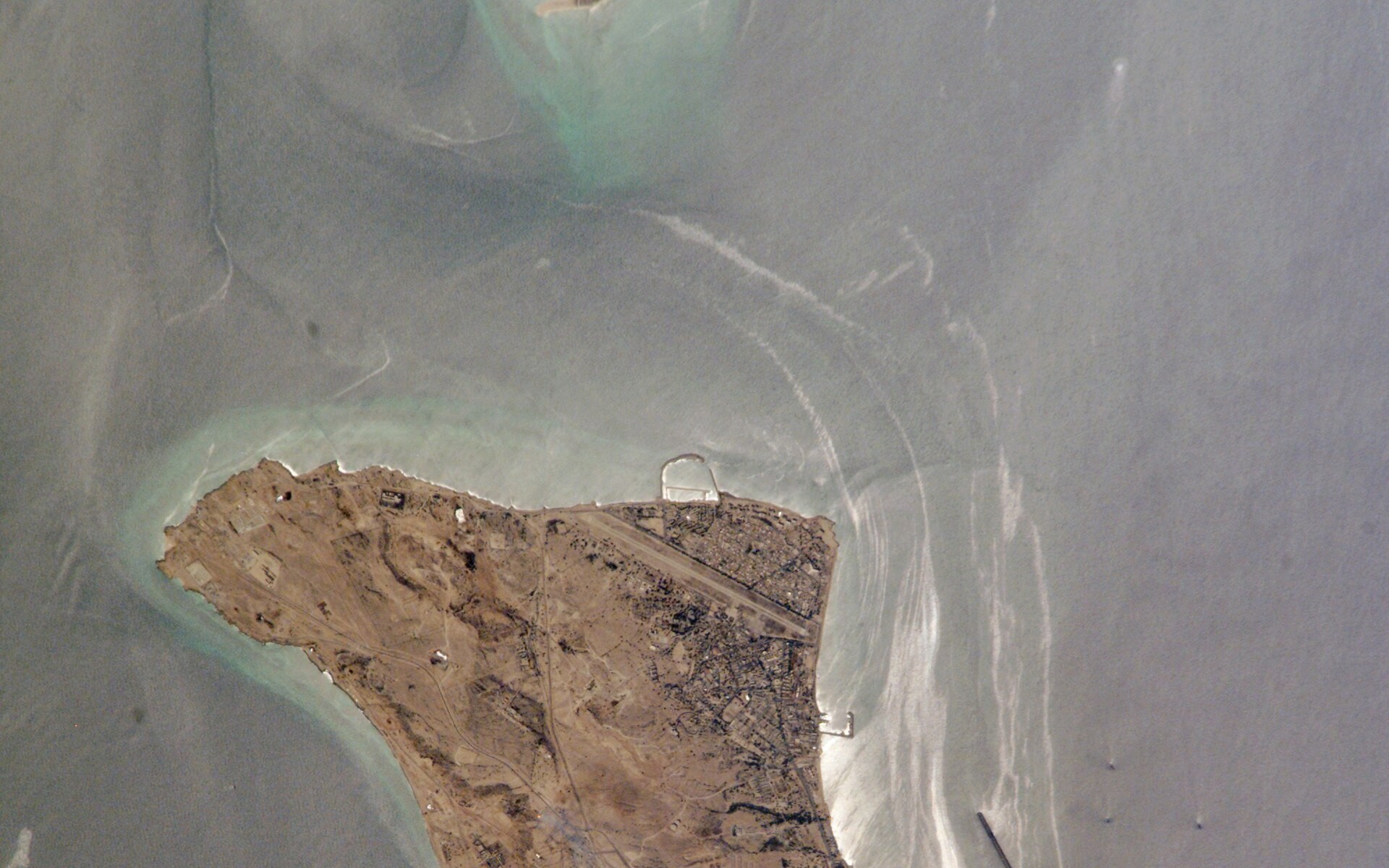
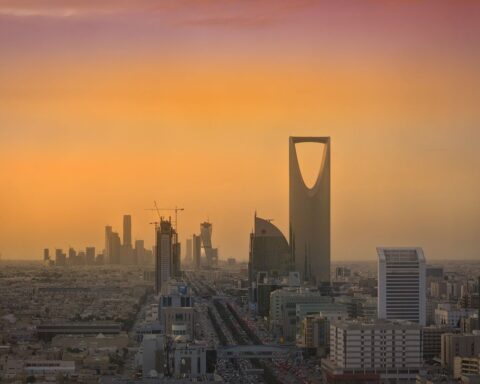
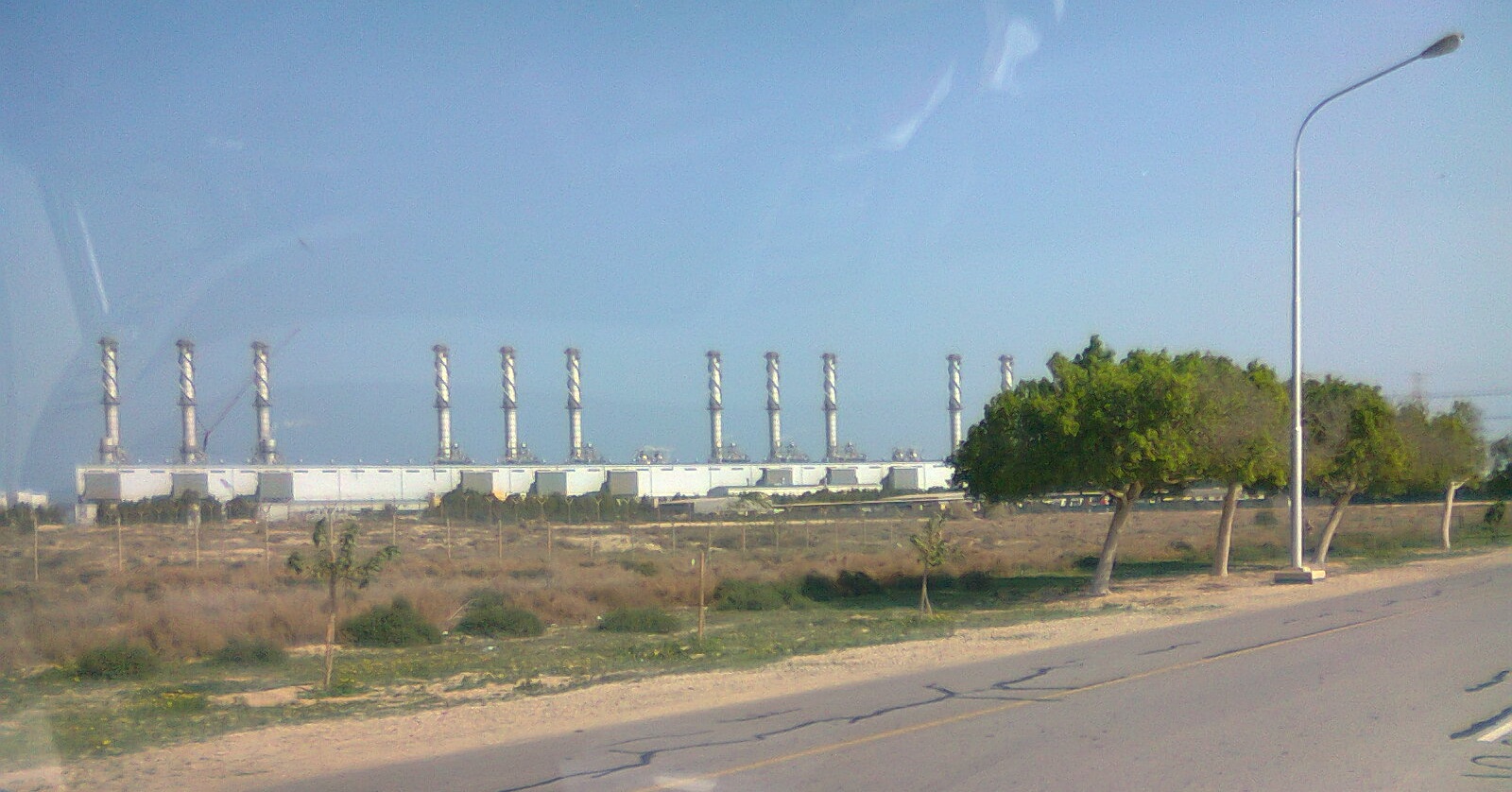
Jubail Industrial City occupies 1,016 square kilometres of the Eastern Province coastline and accounts for 6-8% of global petrochemical output, according to the Royal Commission for Jubail and Yanbu. The complex u2014 together with its Red Sea counterpart at Yanbu u2014 generates approximately 85% of Saudi non-oil exports and attracts roughly 50% of total foreign direct investment into the Kingdom. Jubail’s contribution to Saudi GDP is estimated at 7-12%.
n
These numbers describe the asset at full capacity, integrated into global supply chains, shipping freely through Hormuz. None of those conditions currently apply. The production capacity offline at Sadara alone is detailed in the table below; the SABIC lines add methyl methacrylate, glycols, styrene monomer, and methanol to the tally.
n
| Product | Capacity (tonnes/year) |
|---|---|
| Ethylene | 1,500,000 |
| LLDPE/HDPE | 750,000 |
| MDI | 400,000 |
| Propylene oxide | 330,000 |
| Ethylene oxide | 360,000 |
| TDI | 200,000 |
| Ethanolamines | 150,000 |
| Propylene | 400,000 |
n
n
A Singapore-based trader told ICIS on March 30 that “any sustained disruption in Jubail would tighten regional availability significantly, especially with Asia already facing constrained feedstock flows.” The market response was immediate. Spot benzene rose from $1,079 per metric tonne FOB Korea on April 1 to $1,182 on April 6 u2014 roughly 10% in five trading sessions, according to ICIS. US styrene exporters redirected supply toward European buyers who had lost Gulf feedstock within 48 hours of SABIC’s declaration.
n
The Losses That Predated the War
n
SABIC’s 2025 full-year net loss of SAR 25.78 billion u2014 approximately $6.87 billion u2014 was the company’s worst result in more than sixteen years. The fourth quarter alone accounted for SAR 20.94 billion of that loss, approximately $5.58 billion. Full-year revenue was SAR 116.53 billion, roughly $31 billion. The EBITDA margin in Q3 2025 stood at 14.5%.
n
A large portion of the annual loss u2014 SAR 15.2 billion u2014 came from non-cash write-downs on European and American asset divestitures. This was not war damage. This was the tail end of a deliberate strategic retreat. In January 2026, SABIC announced a $950 million divestiture programme to shrink its global footprint back to Saudi Arabia and Asia. The company had already sold its stake in Alba, divested its steel arm Hadeed, and closed a UK ethylene plant. The new CEO arrived in March to manage a company that was simultaneously contracting internationally and about to lose its domestic production base.
n
The first quarter of 2025 had already shown a net loss of SAR 1.21 billion, approximately $323 million. Losses widened through each subsequent quarter, culminating in the Q4 write-down u2014 all of this established before any Iranian missile left its launcher. The deterioration has two distinct layers: structural (overcapacity in global petrochemicals, margin compression from cheap Chinese competition) and operational (the January 2026 divestiture programme signalled that SABIC’s own management did not believe the global footprint was viable at scale). The war then removed the domestic production base that was supposed to anchor the post-divestiture company. The asset Aramco acquired for $69.1 billion in 2020 u2014 celebrated as downstream integration u2014 is now a liability generating losses it cannot restart and carrying force majeure it cannot clear.
n
Force Majeure Before the Missiles
n
The sequence matters. Dow Chemical declared force majeure on European markets on March 10, 2026 u2014 before Sadara’s physical shutdown, before SABIC’s force majeure, before any missile struck Jubail. The supply chain crisis preceded the kinetic damage. Hormuz’s closure had already severed feedstock flows and export corridors weeks before the IRGC’s counter-target list named Jubail directly.
n
SABIC’s five force majeure declarations on March 26-27 were triggered by the shipping blockage, not by physical plant damage. The methanol, glycol, styrene, and MMA lines were intact but landlocked u2014 product that could be manufactured but not moved. Sadara’s 26-unit shutdown followed the same logic: even where plants were operable, the absence of shipping corridors made continued production economically irrational.
n
This distinction carries consequences for restart timelines. Physical damage u2014 the April 7 missile debris fire u2014 requires engineering assessment, procurement of replacement equipment, and reconstruction. Supply chain disruption requires reopened shipping lanes. The two problems have different solutions and different timescales. A ceasefire might, over weeks or months, restore some Hormuz transit. It cannot repair a fire-damaged petrochemical complex. SABIC and Sadara face both problems simultaneously, which is why neither company has named a date.
n
Why a Ceasefire Does Not Solve the June 15 Problem
n
The Islamabad ceasefire framework operates on a diplomatic calendar. The IRGC struck the East-West Pipeline on April 8, the day the ceasefire was nominally in effect. Hormuz throughput stands at 15-20 ships per day against a pre-war baseline of 138. Even optimistic scenarios for Hormuz reopening involve weeks of mine clearance, insurance renegotiation, and gradual throughput restoration.
n
Sadara’s June 15 deadline is sixty-four days away. Meeting it with anything other than a default or a second restructuring would require, in sequence: a durable ceasefire; Hormuz reopening; mine clearance across approximately 200 square miles of shipping lane; insurance underwriters agreeing to cover Gulf-bound vessels; physical restart of 26 manufacturing units; and sufficient revenue generation to service principal. Each step depends on completion of the previous one. No serious analyst projects this sequence completing by mid-June. The more likely scenario is a second restructuring negotiated under duress, with 25-plus bank creditors asked to absorb an extension on a debt that was already restructured once, against a borrower now posting zero revenue and an uncertain restart date.
n
Goldman Sachs has projected Saudi Arabia’s war-adjusted 2026 fiscal deficit at $80-90 billion, against an official estimate of $44 billion. The Kingdom’s fiscal breakeven oil price sits at $108-111 per barrel; Brent trades near $95. The Aramco May OSP, set at $109 Brent, is now approximately $14-17 above spot. The state is running deficits it did not budget for, absorbing industrial losses it did not anticipate, and approaching a debt guarantee it cannot fund from current revenue.
n
| Metric | Figure | Source |
|---|---|---|
| Official 2026 deficit estimate | $44 billion | Saudi MoF |
| War-adjusted deficit estimate | $80-90 billion | Goldman Sachs |
| Fiscal breakeven oil price | $108-111/bbl | Bloomberg (PIF-inclusive) |
| Current Brent price | ~$95/bbl | Market |
| Aramco dividend decline (2024-2025) | ~$39 billion (31%) | Goldman Sachs/Bloomberg |
| PIF construction commitment cut | $71B u2192 $30B | PIF strategy document |
| PIF giga-project write-down | ~$8 billion | PIF strategy document |
n
n
Who Fills the Gap When Jubail Cannot Ship?
n
The global petrochemical market absorbed SABIC’s force majeure with the speed of a pricing mechanism. Spot benzene rose from $1,079 per metric tonne FOB Korea on April 1 to $1,182 on April 6 u2014 roughly 10% in five trading sessions, according to ICIS. US styrene exporters redirected supply toward European buyers who had lost Gulf feedstock. Chemical Week reported that European buyers were scrambling for alternative styrene monomer supply within 48 hours of SABIC’s force majeure declaration.
n
Sadara’s offline capacity is not easily substitutable. The MDI and TDI lines u2014 400,000 and 200,000 tonnes per year respectively u2014 feed global polyurethane supply chains running through automotive, construction, and insulation manufacturing. Sadara’s ethylene oxide and propylene oxide lines supply surfactant and polyol intermediates with limited swing capacity elsewhere in the Gulf. When Dow declared force majeure on March 10 for European markets, it signalled that Sadara’s shutdown would transmit through Dow’s own global distribution network.
n
The marketing rights split from the 2021 restructuring adds a further dimension: Aramco and SABIC hold marketing rights for Sadara’s polyethylene and chemicals; Dow holds polyurethanes. Both marketing channels are currently selling nothing. Dow’s Q1 2026 earnings call will be the first moment its investors receive a full account of the guarantee exposure in an active force majeure environment. The $1.295 billion guarantee obligation is disclosed in Dow’s SEC filings, but the downstream revenue impact u2014 lost MDI and TDI supply to automotive and construction customers u2014 is harder to quantify and sits across Dow’s Performance Materials segment, which had already faced margin pressure from Chinese MDI overcapacity entering 2026.
n
Can Saudi Arabia Restructure Its Way Out?
n
A second Sadara restructuring is the most likely near-term outcome. The precedent exists: the 2021 deal extended maturity by nine years and replaced $10 billion in completion guarantees with $3.7 billion in senior debt guarantees. The syndicate u2014 more than 25 banks plus export credit agencies contributing approximately $7 billion u2014 has institutional memory of Sadara workouts. A further grace period extension, or a standstill agreement pending restart, is within the normal range of project finance distress management.
n
The difficulty is that Aramco’s capacity to backstop has deteriorated since 2021. The company’s dividend has fallen $39 billion in a single year. It is absorbing SABIC’s losses u2014 a company it paid $69.1 billion for and that lost $6.87 billion in 2025 alone. Goldman Sachs estimates the national deficit at nearly double the official projection. Aramco remains one of the most profitable companies on earth, but its balance sheet is no longer the bottomless backstop it was when the SABIC acquisition closed.
n
For PIF, the options are narrower still. The fund’s 2026-2030 strategy already reflects severe triage. The $41 billion cut to construction commitments and the formal suspension of The Line are not war-related adjustments u2014 they are acknowledgements that the capital pipeline from Aramco dividends has structurally contracted. PIF cannot recapitalise SABIC, inject equity into Sadara, or restore the Aramco dividend it depends on. The fund that was supposed to be Saudi Arabia’s post-oil future is now a passive observer of the industrial base that was supposed to be Saudi Arabia’s post-oil present.
n
n
The $69.1 billion SABIC acquisition in 2020 was the single largest transaction in Saudi corporate history, and it was widely praised at the time as an act of capital recycling u2014 PIF converting an illiquid industrial stake into cash it could deploy on Vision 2030, while giving Aramco downstream integration. Six years later, PIF has spent the liquidity on projects it is now writing down, and Aramco holds an industrial asset generating annual losses with no disclosed restart timeline. The architecture was designed when Aramco dividends seemed inexhaustible and Hormuz seemed permanent.
n
The question of whether Aramco writes down some portion of the $69.1 billion SABIC acquisition is one that auditors and analysts will face in the 2026 reporting cycle. Under IFRS u2014 the standard Aramco reports against u2014 an asset must be tested for impairment whenever there is an indication that its carrying amount may exceed its recoverable amount. A company acquired for $69.1 billion, now posting multi-billion-dollar annual losses and operating under force majeure with no disclosed restart timeline, meets that threshold. The result of impairment testing, whenever it arrives, will flow directly into the Aramco balance sheet that PIF relies on for income and that Sadara’s creditors look to as the ultimate backstop. An impairment charge large enough to affect Aramco’s equity would tighten every link in the ownership chain simultaneously u2014 the PIF income line, the Sadara guarantee credibility, and the Kingdom’s sovereign credit narrative.
n
Frequently Asked Questions
n
What specific products are covered by SABIC’s force majeure?
n
SABIC declared force majeure on March 26-27, 2026 across five product lines: methyl methacrylate (MMA), mono-ethylene glycol (MEG), di-ethylene glycol (DEG), styrene monomer, and methanol. MEG and DEG are critical intermediates for global textile and polyester production; MMA feeds acrylic glass and coatings markets. The force majeure was triggered by Hormuz shipping disruption, not by the April 7 missile debris fire, which added physical damage to a pre-existing supply chain shutdown. Customers with long-term offtake agreements face contractual ambiguity about when u2014 or whether u2014 deliveries resume.
n
Who are the lenders in Sadara’s $3.7 billion debt syndicate?
n
The original Sadara financing involved a syndicate of more than 25 banks, including HSBC and JPMorgan, alongside Saudi commercial banks. The debt stack included $2.2 billion in uncovered commercial bank debt, a $2 billion sukuk, a $1.3 billion PIF loan, and approximately $7 billion from export credit agencies. The March 2021 restructuring converted the guarantee structure from $10 billion in shareholder completion guarantees to $3.7 billion in senior debt guarantees split proportionally between Aramco (65%, ~$2.405 billion) and Dow (35%, ~$1.295 billion). ECA lenders u2014 typically backed by US, European, and Asian government trade agencies u2014 hold exposure that connects Sadara’s default risk to sovereign trade finance programmes beyond the Gulf.
n
How does the Sadara situation affect Dow Chemical’s global operations?
n
Dow declared force majeure on European markets on March 10, 2026 u2014 before Sadara’s physical shutdown u2014 indicating that supply chain disruption from Hormuz had already impaired Dow’s ability to fulfil contracts. Under the 2021 restructuring, Dow holds marketing rights for Sadara’s polyurethane products (MDI, TDI, polyols), meaning its European and Asian customers depend directly on Jubail production that is currently offline. Dow’s $1.295 billion guarantee obligation is disclosed in SEC filings (8-K, March 2021). A Sadara default or second restructuring would require Dow to either fund its guarantee share or negotiate a workout u2014 either outcome visible to US equity markets.
n
What would restart at Jubail require?
n
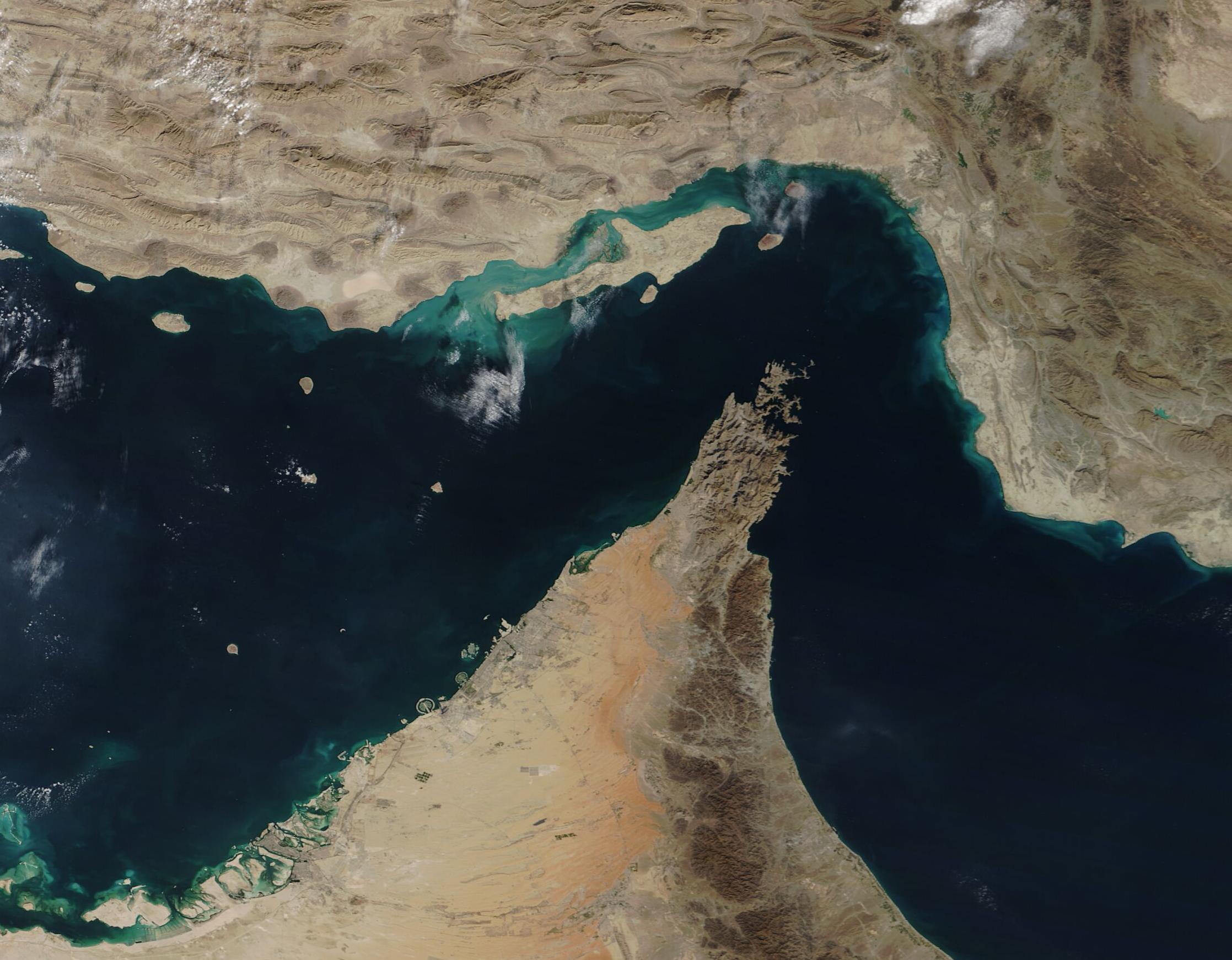
Restart involves two separate problems with different timescales. The supply chain problem requires durable Hormuz reopening, which the US Navy estimates needs clearance of approximately 200 square miles of mined shipping lanes u2014 a process benchmarked at roughly 51 days based on the 1991 Kuwait experience, assuming mine countermeasure vessels are available (the four Avenger-class MCM ships previously based in Bahrain were decommissioned in September 2025). The physical damage problem u2014 from the April 7 missile debris fire at SABIC u2014 requires engineering assessment and equipment procurement timelines that neither company has disclosed. Even under ideal conditions, restarting a complex of Sadara’s scale takes weeks of sequential unit commissioning.
n
n
Has Saudi Arabia faced an industrial crisis of this scale before?
n
The closest precedent is the 1980s oil price collapse, which forced the cancellation and delay of second-phase Jubail and Yanbu industrial projects and led to SABIC’s joint venture model with international partners as a risk-sharing mechanism. At that point, SABIC carried no debt of the scale Sadara now faces, and Aramco’s dividend obligations were minimal. The 2019 Abqaiq-Khurais drone attack temporarily halved Saudi oil output but did not affect petrochemical operations or trigger debt distress u2014 because Hormuz remained open and Sadara was still in its grace period. The current crisis combines physical damage, supply chain severance, pre-existing financial losses, and a debt maturity cliff across two entities simultaneously u2014 a convergence the 1980s crisis and the 2019 attack each lacked.
n”
As Sadara’s debt clock runs toward June 15, Saudi Arabia is simultaneously attempting to attract fresh foreign capital through four special economic zones activating April 16 — a counterintuitive bid examined in Saudi Arabia’s Four Special Economic Zones Activate Wednesday — Into a War.
The broader PIF strategic context — including the formal suspension of The Line and the pivot to Humain as Vision 2030’s new flagship — is examined in what Vision 2030 looks like without The Line, analysing whether the NEOM downgrade leaves Saudi Arabia’s diversification thesis intact.