
Saudi Arabia and Oman are the two standout destinations on the Arabian Peninsula — and choosing between them is the best problem a Gulf-bound traveller can have. Saudi Arabia offers ancient Nabatean tombs, futuristic megaprojects, Red Sea coral reefs and a dining scene that has exploded since the Kingdom opened to tourism in 2019. Oman counters with dramatic wadis, fjord-carved coastlines, a quieter cultural pace shaped by its Ibadi Islamic tradition, and an adventure-travel density that few countries in the world can match. This guide, part of our comprehensive Saudi Arabia travel resource, breaks down every comparison that matters — visa costs, daily budgets, top attractions, food, outdoor activities, safety and which country suits which type of traveller — so you can plan with confidence rather than guesswork.
Best Time to Visit: October–March for both; Salalah (Oman) is a summer exception
Getting There: Saudi has 4 major international airports; Oman has Muscat and Salalah
Visa Required: Saudi e-visa ~$142; Oman visa-free for 100+ nationalities (14 days)
Budget: Saudi $40–150/day; Oman $60–200/day
Must-See: Hegra & AlUla (Saudi); Wadi Shab & Musandam (Oman)
Avoid: Visiting either country June–September unless heading to Salalah or Saudi highland retreats
Visa and Entry: Which Is Easier?
Oman wins on accessibility. Over 100 nationalities can enter Oman visa-free for up to 14 days, provided they hold a return ticket, hotel booking and travel insurance. For longer stays, a 30-day e-visa costs roughly $52 (20 OMR). Holders of valid US, UK, Schengen, Canadian, Australian or Japanese visas can also apply regardless of nationality.
Saudi Arabia’s e-visa costs 535 SAR (approximately $142), which includes mandatory insurance. It covers 66 nationalities, grants a one-year multiple-entry window, and allows stays of up to 90 days per visit. Processing takes as little as five minutes online. GCC nationals — including Omanis — enter Saudi Arabia without a visa. For a full breakdown of Saudi entry requirements, see our dedicated guide.
Tip: If you are visiting both countries on one trip, enter Oman first. Its visa-free policy means you spend nothing on the Oman leg, reserving your visa budget for the Saudi e-visa. The Saudi-Oman land border at Al Buraimi/Al Ain is open to tourists.
Cost Comparison: Daily Budgets
Saudi Arabia is the cheaper destination across almost every category. Budget travellers can manage $40–70 per day in Saudi Arabia — a figure that drops further outside Riyadh and Jeddah. Oman’s floor is higher, typically $60–100 per day, driven in part by the near-mandatory car rental and fewer ultra-budget accommodation options.
| Category | Saudi Arabia | Oman |
|---|---|---|
| Budget hotel / hostel | $30–60/night | $40–80/night |
| Mid-range hotel | $80–150/night | $100–180/night |
| Local meal | $5–10 | $7–12 |
| Restaurant dinner | $15–30 | $20–40 |
| Car rental | $30–40/day | $13–35/day |
| Fuel per litre | ~$0.60 | ~$0.65 |
| Tourist e-visa | ~$142 | Free–$52 |
For a detailed look at stretching your riyals, see our budget travel guide for Saudi Arabia. Car rental is one area where Oman can be cheaper — basic rentals start around $13/day — but the total transport cost is usually higher because you cannot rely on public transit the way you can in Saudi cities with Uber and Careem.
Top Attractions: Saudi Arabia
Saudi Arabia’s tourism offering has expanded dramatically since 2019. The Kingdom’s highlights span ancient history, modern spectacle and raw natural beauty.
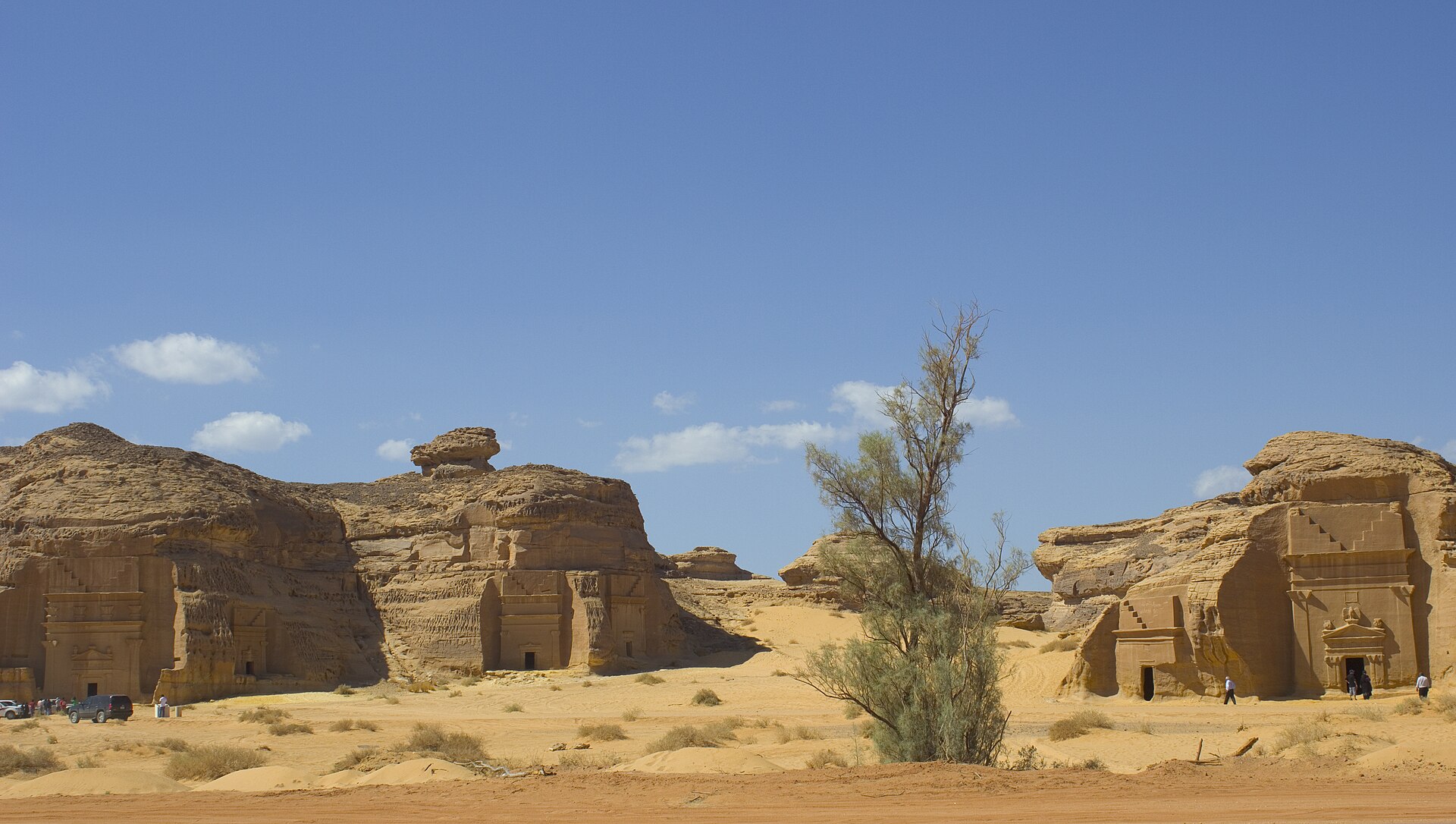
Hegra and AlUla
Saudi Arabia’s answer to Petra — and arguably more atmospheric because you will often have the site nearly to yourself. Hegra’s 111 Nabatean rock-cut tombs, dating to the first century CE, earned UNESCO World Heritage status in 2008. The surrounding AlUla valley adds Elephant Rock, the ancient Dadan civilisation ruins and a growing luxury resort scene anchored by Banyan Tree and Habitas properties. The annual Hegra Season festival (typically October–March) layers in live music, art installations and stargazing events.
Riyadh
The capital has reinvented itself as an entertainment hub. The Riyadh Season festival, running from October onward, brings international concerts, sporting events and pop-up experiences to Boulevard City and Boulevard World. Beyond the festival circuit, Masmak Fortress, the National Museum and the Kingdom Centre sky bridge are essential. The Edge of the World day trip — a 90-minute drive to dramatic Tuwaiq Escarpment cliffs — is one of the most photographed landscapes in the Gulf.
Jeddah and the Red Sea
Old Jeddah (Al-Balad) is a UNESCO-listed maze of coral-stone merchant houses, while the modern city stretches along a 30-kilometre corniche. The Red Sea coast from Jeddah south to Yanbu offers world-class diving — over 300 coral species and visibility exceeding 30 metres. The Saudi Arabian Grand Prix runs on the Jeddah Corniche Circuit each year.
The Empty Quarter
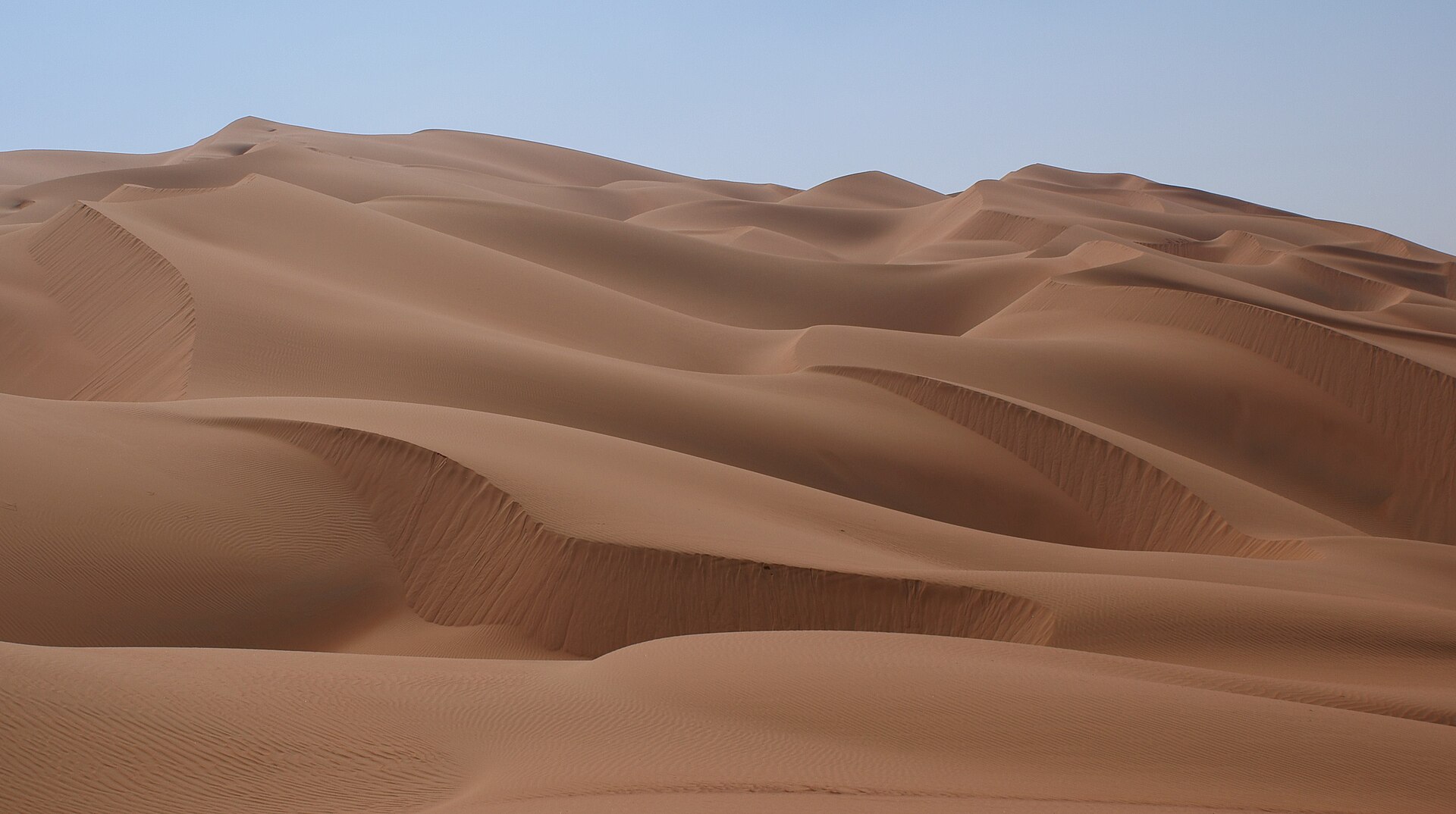
The Rub’ al Khali is the world’s largest contiguous sand desert, stretching across Saudi Arabia’s southern border into Oman. On the Saudi side, access points near Sharurah offer dune camping, sandboarding and camel treks into genuinely remote territory. For practical tips, see our desert camping guide.
Asir Highlands
The cool green mountains around Abha are Saudi Arabia’s summer escape. Temperatures drop to the low 20s°C when the rest of the Kingdom bakes above 45°C. Flower men of the Qahtani tribe, terraced villages and the Rijal Alma heritage village are cultural highlights.
Top Attractions: Oman
Oman packs extraordinary geographic diversity into a country roughly the size of Italy. Its appeal lies in the fact that you can swim in a turquoise wadi, climb a 3,000-metre peak and cruise through fjords in the same week.
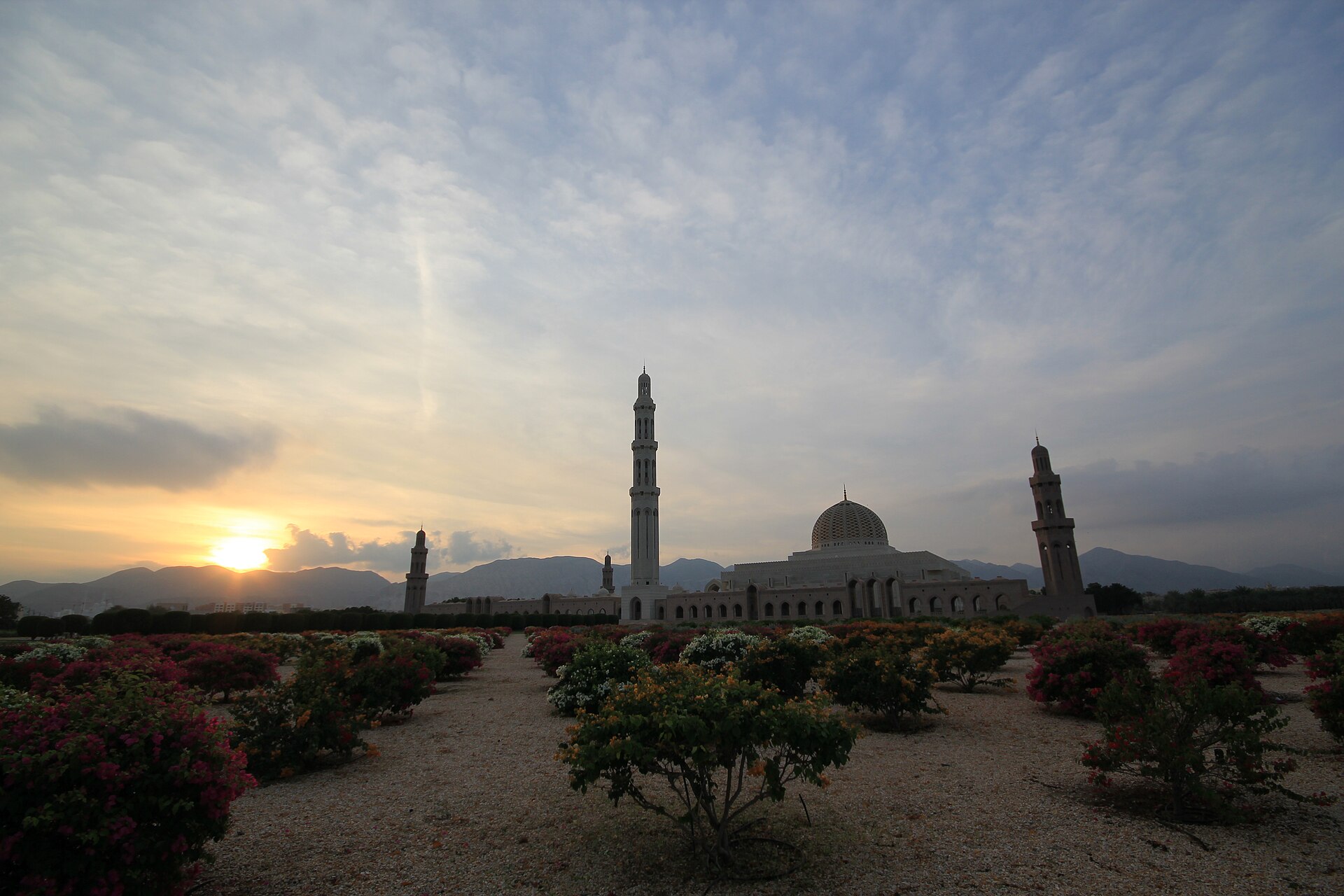
Sultan Qaboos Grand Mosque, Muscat
One of the most beautiful mosques in the Islamic world, open to non-Muslim visitors from 8am to 11am Saturday to Thursday. The prayer carpet inside was the world’s largest hand-woven carpet when installed, and the central chandelier weighs eight tonnes. It is free to enter.
Wadi Shab
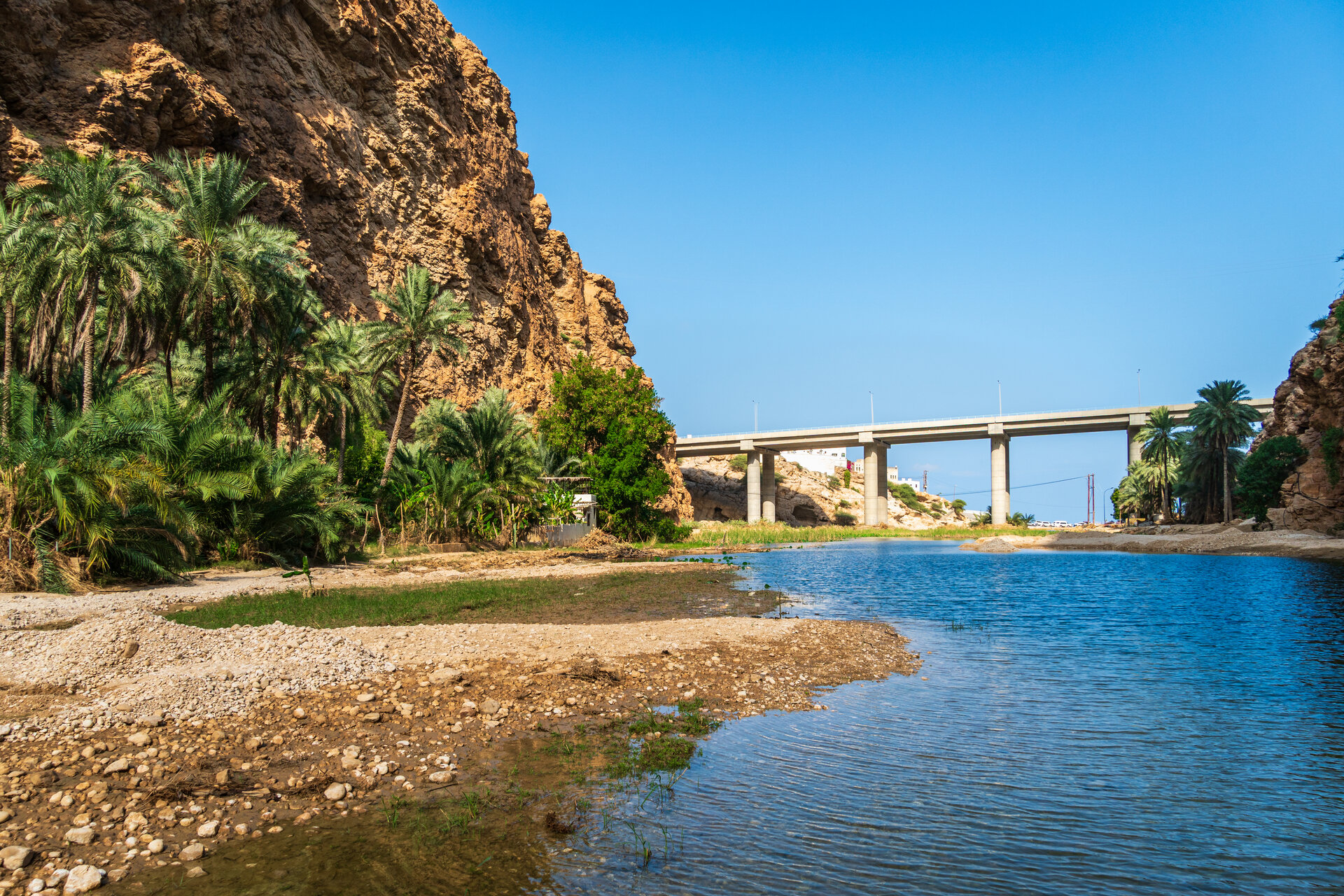
Oman’s most famous wadi requires a boat crossing, a 45-minute hike through a palm-fringed canyon, and a swim through turquoise pools to reach a hidden cave with a waterfall. No admission fee — just the boat crossing (roughly 1 OMR). Bring water shoes and a dry bag.
Musandam Peninsula
Separated from mainland Oman by the UAE, Musandam’s limestone fjords have earned it the nickname “the Norway of Arabia.” Traditional dhow cruises run from Khasab, passing dolphin pods and isolated fishing villages accessible only by sea. The diving here — at Telegraph Island and Lima Rock — rivals anything in the region.
Jebel Shams and Jebel Akhdar
Oman’s highest peak, Jebel Shams (3,009 metres), offers the “Balcony Walk” — a narrow trail skirting Wadi Ghul, known as the Grand Canyon of Arabia. Nearby Jebel Akhdar (“Green Mountain”) is home to terraced rose gardens, ancient villages and luxury cliff-edge resorts including the Anantara Al Jabal Al Akhdar.
Nizwa
The former capital of Oman’s interior is anchored by a 17th-century round-tower fort and a Friday livestock market that has barely changed in centuries. The adjacent souq is the best place in the Gulf to buy Omani silver khanjars (ceremonial daggers) and frankincense.
Ras al Jinz Turtle Reserve
Green sea turtles nest on this beach year-round, with peak activity from May to October. Guided night visits (advance booking required, about 7 OMR) let you watch turtles haul themselves ashore to lay eggs — one of Oman’s most memorable wildlife experiences.
Culture and Customs: How They Differ
Both countries are conservative Muslim societies, but the texture of daily life differs in ways that matter to travellers.
Saudi Arabia
The Kingdom follows Sunni Islam with a historically Wahhabi orientation, though the social landscape has liberalised rapidly under Vision 2030. Women are no longer required to wear an abaya (though modest clothing covering shoulders and knees is expected). Gender-mixed dining, concerts and cinemas are now standard. Alcohol is strictly prohibited — there are no exceptions, not even in hotels. For a detailed overview, see our alcohol in Saudi Arabia guide. Hospitality is generous to the point of excess: your host may keep offering food and coffee long after you are full. Place your hand over your heart to politely decline.
Oman
Oman follows Ibadi Islam, a distinct tradition that predates both the Sunni-Shia divide. Ibadism has historically emphasised tolerance and consensus, and this permeates daily life. Omanis are reserved but warm. Alcohol is available at licensed hotels and restaurants — a significant practical difference for many Western visitors. The dress code expectations are similar to Saudi Arabia (shoulders and knees covered), but enforcement is more relaxed. Oman’s social pace is slower: shops may close for extended afternoon breaks, and the national philosophy seems to prioritise depth over speed.
Key difference: If you are a first-time visitor to the Gulf, Oman generally presents a gentler learning curve. The availability of alcohol at hotels, the Ibadi tradition of tolerance and the smaller scale of Omani cities all reduce culture shock. Saudi Arabia rewards visitors who arrive prepared — our Saudi etiquette guide covers what not to do.
Food: Kabsa vs Shuwa
Both cuisines share a foundation of spiced rice, slow-cooked meat and Arabic coffee, but each has distinct character.
Saudi cuisine
The national dish is kabsa — fragrant basmati rice layered with slow-braised lamb, chicken or goat, seasoned with cardamom, saffron, cinnamon and dried lime. Other staples include jareesh (crushed wheat porridge), mutabbaq (stuffed filo pastry) and ubiquitous shawarma. Jeddah excels at Red Sea seafood — try the grilled hammour. Riyadh has a booming restaurant scene, from high-end Saudi cuisine at Najd Village to international dining at venues launched during Riyadh Season. Arabic coffee (qahwa) with dates is the universal welcome — refusing it is considered impolite.
Omani cuisine
Oman’s star dish is shuwa — a whole lamb marinated in a spice paste of cumin, coriander, chilli and garlic, wrapped in banana or palm leaves, then slow-cooked underground in a sand oven for 24 to 48 hours. It is typically reserved for celebrations (Eid, weddings), so ask your hotel or a local tour operator to arrange a tasting. Everyday staples include machboos (spiced rice similar to kabsa but with more Indian Ocean influence), harees (slow-cooked wheat and meat porridge) and mishkak (marinated meat skewers). Oman’s cuisine carries stronger Indian and East African flavours than Saudi food — a reflection of Muscat’s centuries as an Indian Ocean trading hub. The traditional welcome is Omani halwa (a rosewater-saffron confection) served with kahwa (cardamom coffee).
Verdict: Saudi Arabia has a larger and more diverse restaurant scene, especially in Riyadh and Jeddah. Oman’s food has more subcontinental depth. Both are affordable for local meals ($5–12).
Adventure and Outdoor Activities
This is where the comparison gets interesting. Both countries offer genuine adventure, but the character of that adventure differs.
Saudi Arabia’s strengths
- Red Sea diving: Over 300 coral species, shipwrecks and visibility exceeding 30 metres along the coast from Jeddah to Yanbu. See our diving and snorkelling guide.
- Desert scale: The Empty Quarter, Hail’s Jubbah rock art and the volcanic harrats near Tabuk offer landscapes that dwarf anything in Oman’s Sharqiya Sands.
- Mountain hiking: The Asir Mountains around Abha and the Hejaz Railway trails near Tabuk are under-explored. Our hiking guide covers the best routes.
- Rock climbing: AlUla’s sandstone formations are attracting a growing climbing community.
- Wadi canyoning: Wadi Shab, Wadi Bani Khalid, Snake Canyon (Wadi Bani Awf) — Oman’s wadis offer world-class swimming, scrambling and rappelling in compact, accessible settings.
- Mountain trekking: The Balcony Walk on Jebel Shams, the Via Ferrata on Jebel Akhdar, and multi-day treks through the Western Hajar range.
- Fjord exploration: Musandam’s limestone khor (inlets) by dhow or kayak — unlike anything else in the Gulf.
- Marine diversity: Daymaniyat Islands and Musandam offer excellent diving, though the Red Sea’s coral biodiversity is harder to match.
- Turtle watching: Ras al Jinz is unique in the region.
- Salalah, Oman (June–September): The Khareef monsoon transforms southern Oman into a green, misty landscape with temperatures in the mid-20s°C. It is Oman’s most popular domestic summer destination and one of the only places in the Gulf where summer travel is genuinely pleasant.
- Asir Highlands, Saudi Arabia (June–September): Abha and Taif sit above 2,000 metres, where summer temperatures stay in the low-to-mid 20s°C. Our summer escape guide covers these mountain retreats.
- Days 1–3: Muscat (Sultan Qaboos Mosque, Muttrah Souq, Royal Opera House)
- Days 4–5: Nizwa and Jebel Shams (fort, souq, Balcony Walk)
- Day 6: Wadi Shab and Sur
- Day 7: Drive to Al Buraimi border, cross into Saudi Arabia
- Days 8–9: Dammam and Al Khobar (Eastern Province coast, Al Ahsa Oasis)
- Days 10–11: Fly to AlUla (Hegra, Elephant Rock)
- Days 12–14: Riyadh (Masmak, Edge of the World, Riyadh Season if running)
- Saudi Arabia Travel Guide 2026 — The complete guide to visiting the Kingdom
- Saudi Arabia vs UAE — Another Gulf comparison to help you decide
- First Time in Saudi Arabia — Everything you need to know before your first visit
- Saudi Arabia Hotels Guide — Where to stay across the Kingdom
- Saudi Arabia for Europeans — Practical tips for European visitors
- Saudi Arabia Visa Guide — Every visa type explained
Oman’s strengths
Verdict: Oman is the stronger all-round adventure destination. Its wadis, mountains and fjords pack world-class variety into a compact area that you can cover in a two-week road trip. Saudi Arabia wins on Red Sea diving quality and sheer desert scale — but the adventure infrastructure is newer and less established.
Getting Around
Saudi Arabia
Saudi transport infrastructure is the most developed on the peninsula. Uber and Careem operate in all major cities. The Haramain High-Speed Railway connects Jeddah, Mecca and Medina at 300 km/h. Domestic flights on Saudia, flynas and flyadeal connect cities affordably — Riyadh to Jeddah takes 90 minutes. The Riyadh Metro (six lines) opened in 2024. The catch: distances are vast. Riyadh to AlUla is over 1,000 km by road. A rental car is useful but not essential if you fly between regions.
Oman
A rental car is effectively mandatory. Public transport outside Muscat is limited to the ONTC government bus network, which connects major cities but runs infrequently. Taxis in Muscat are white-and-orange and unmetered — agree on a fare before getting in. The OTaxi app works in Muscat. There is no rail network. The upside: Oman’s compact size makes road trips practical and scenic. Muscat to Nizwa is 170 km (under two hours). Muscat to Sur is 300 km, with Wadi Shab along the way.
Verdict: Saudi Arabia has better transport infrastructure. Oman effectively requires self-driving, which adds cost but also freedom. If you do not drive, Saudi Arabia is the more practical choice.
Safety
Both countries are very safe for tourists. Street crime is rare in both, and violent crime against visitors is essentially unheard of.
Oman holds a slight edge: its longstanding neutrality policy insulates it from the regional geopolitical tensions that occasionally prompt travel advisory upgrades for Saudi Arabia. Oman consistently ranks among the safest countries in the Middle East by the Global Peace Index.
The shared risk in both countries is road safety. Aggressive driving, high speeds on desert highways, and occasional camel crossings are genuine hazards. If you are driving in Saudi Arabia, be aware of speed cameras and fines. In Oman, mountain roads in the Hajar range are winding and sometimes unpaved — a 4WD is recommended for Jebel Shams and wadi access roads.
For a full assessment, see our Saudi Arabia safety guide.
Best Time to Visit
Both countries share the same peak season: October to March, when daytime temperatures range from 15°C to 30°C. Summer (June–September) is punishingly hot across most of both countries, with temperatures regularly exceeding 45°C.
Two exceptions break this pattern:
For month-by-month detail on Saudi Arabia, see our weather guide by region.
Which Country Suits You?
| Traveller Type | Better Choice | Why |
|---|---|---|
| Budget traveller | Saudi Arabia | Cheaper accommodation, food and transport; no car rental needed in cities |
| Luxury traveller | Saudi Arabia | Red Sea mega-resorts, AlUla luxury camps, Riyadh five-star scene |
| Adventure seeker | Oman | Wadis, canyoning, fjords and mountains in compact geography |
| Families | Oman | Manageable distances, beach resorts, turtle watching, gentle pace |
| Solo female traveller | Oman | More relaxed social norms, alcohol at hotels, Ibadi tolerance |
| History and culture | Tie | Saudi has Hegra, Diriyah, Al-Balad; Oman has Nizwa, frankincense trail, Bahla Fort |
| Diving | Saudi Arabia | Red Sea coral reefs are world-class; Yanbu and Jeddah sites |
| First-time Gulf visitor | Oman | Gentler learning curve, English widely spoken, less culture shock |
| Entertainment and nightlife | Saudi Arabia | Riyadh Season, concerts, F1, boxing — though no alcohol |
| Road trip | Oman | Compact, scenic, diverse landscapes within short drives |
Can You Visit Both on One Trip?
Yes — and you should consider it. The Saudi-Oman border crossing at Al Buraimi (near the UAE’s Al Ain) is open to tourists. A practical two-week itinerary might look like this:
Visa note: You will need a Saudi e-visa (apply online before your trip via our step-by-step guide). Oman’s visa-free entry covers most Western passport holders for 14 days — enough for the Oman leg. Check visa-on-arrival eligibility if you prefer not to apply in advance.
The Verdict
There is no wrong choice here. Saudi Arabia is the bigger, bolder, more rapidly evolving destination — choose it if you want world-class diving, ancient history at Hegra, a buzzing entertainment scene in Riyadh, or the best value for money in the Gulf. Oman is the quieter, more intimate alternative — choose it if you want wadi swimming, fjord cruises, a relaxed cultural atmosphere and the kind of road trip where every hour brings a different landscape.
The ideal answer, of course, is both. They complement each other perfectly: Saudi Arabia’s scale and ambition paired with Oman’s intimacy and natural beauty makes for one of the best two-country trips in the Middle East.