
JEDDAH — Pakistani Prime Minister Shehbaz Sharif met Saudi Crown Prince Mohammed bin Salman in Jeddah on April 15-16 for a two-hour bilateral meeting with no joint statement, the first stop on an emergency regional shuttle aimed at securing endorsements for a 45-day extension of the Iran-US ceasefire before it expires on April 22. Sharif arrived carrying the results of Army Chief Field Marshal Asim Munir’s three-day visit to Tehran — where he met President Masoud Pezeshkian, Parliament Speaker Mohammad Bagher Ghalibaf, Foreign Minister Abbas Araghchi, and Khatam al-Anbiya commander Major General Ali Abdollahi — and a financial relationship with Riyadh now worth approximately $8 billion in combined commitments.
The shuttle — Saudi Arabia first, then Qatar, then Turkey’s Antalya Diplomacy Forum — is Pakistan’s attempt to build a coalition of regional endorsements strong enough to give Washington political cover to formally agree to the extension. As of April 19, that formal agreement does not exist. AP reported that regional officials described an “in-principle agreement” to extend. A US official told Reuters that Washington has not “formally requested an extension.” White House Press Secretary Karoline Leavitt offered only: “At this moment, we remain very much engaged in these negotiations, in these talks.”
The gap between regional optimism and American ambiguity is precisely the space Sharif’s diplomacy is trying to close — and Jeddah is where the structural contradictions converge. Pakistan simultaneously serves as Iran’s protecting power in the United States, hosts 13,000 troops on Saudi soil under a mutual defense agreement, and depends on Saudi financial lifelines that dwarf anything Tehran can offer.
Table of Contents
The Jeddah Bilateral: Two Hours, No Statement
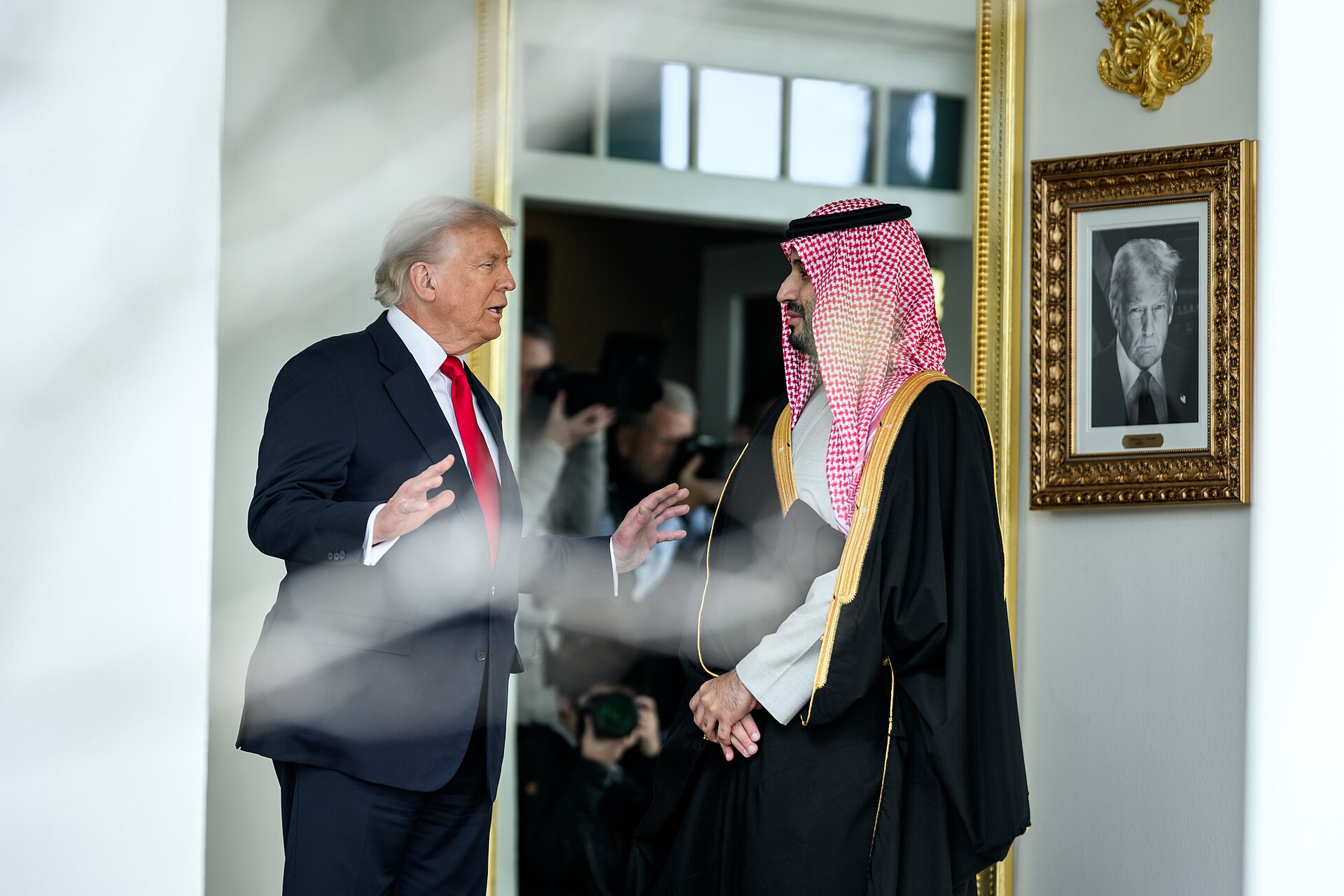
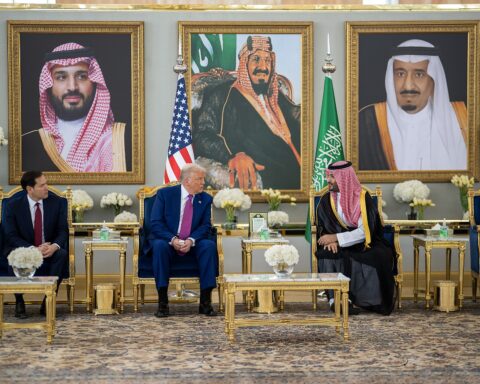
The MBS-Sharif meeting lasted two hours — long for a bilateral that produced no communiqué. Arab News reported that MBS “appreciated the constructive role played by Pakistan’s civilian and military leadership — particularly Prime Minister Shehbaz Sharif and Chief of Army Staff Field Marshal Syed Asim Munir.” The word “particularly” is doing work: it names Munir alongside the prime minister in a Saudi royal statement, an acknowledgment that Pakistan’s ceasefire diplomacy runs on two tracks — civilian face and military substance.
Pakistan’s Finance Minister Muhammad Aurangzeb accompanied Sharif to Jeddah, telling AP that “leadership efforts continue to help resolve the conflict.” The presence of the finance minister at a meeting nominally about ceasefire mediation underscores what everyone in the room already knew: the conversation covered money as well as missiles.
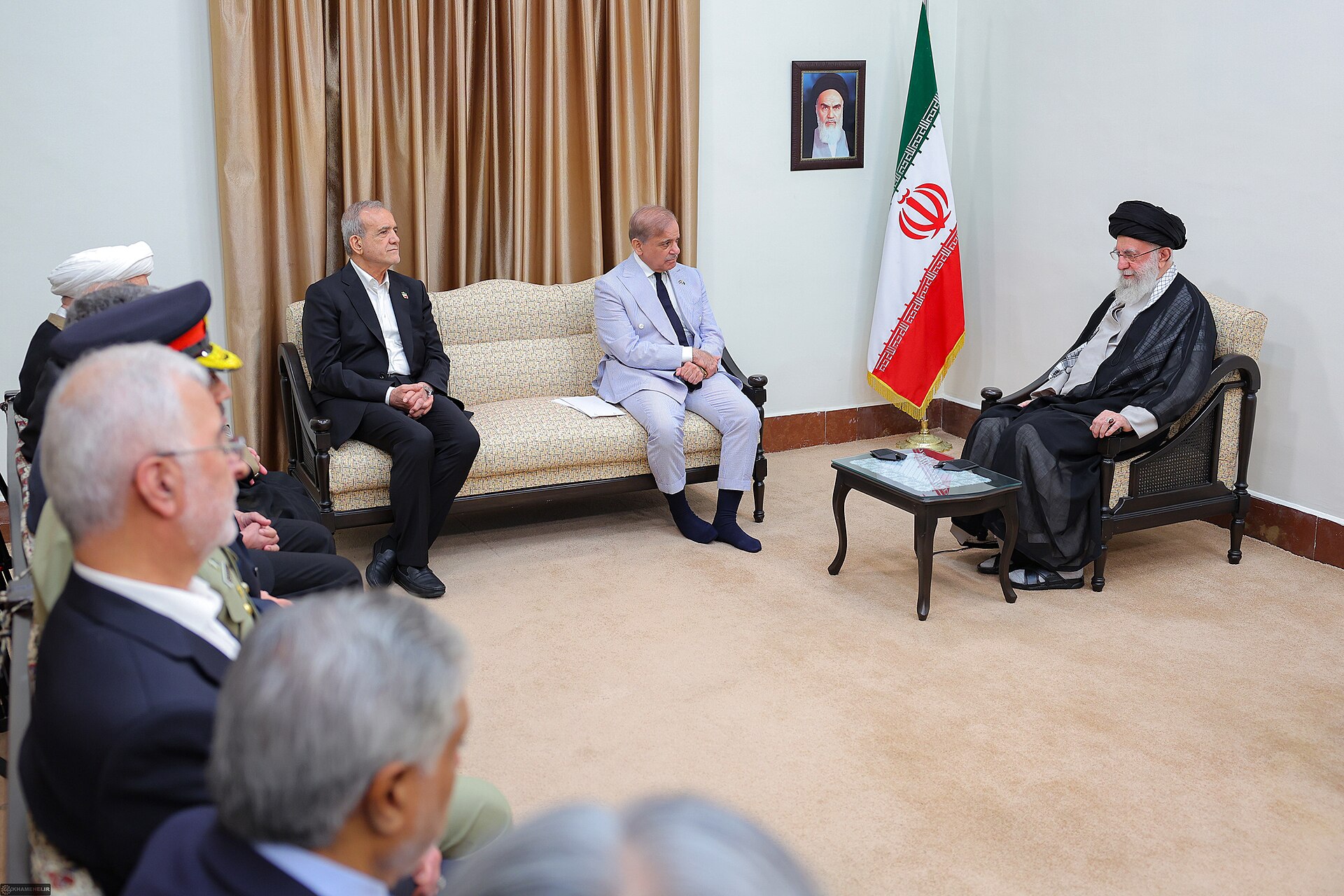
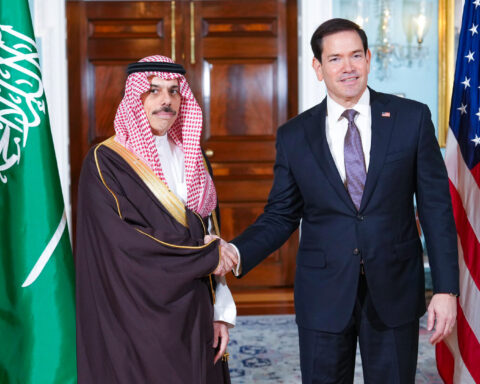
Saudi Arabia’s specific demand going into this meeting was already known. Middle East Eye reported that Riyadh has pressed Washington to include Lebanon in the ceasefire framework. Saudi FM Prince Faisal bin Farhan’s call with Secretary of State Rubio on April 18-19 explicitly discussed “the need to consolidate the ceasefire in Lebanon” alongside “continued flow of shipping through the Strait of Hormuz,” according to Asharq Al-Awsat. Sharif needed to demonstrate that the 45-day extension framework he was carrying addressed both Saudi priorities — not just the US-Iran nuclear and Hormuz tracks.
The Middle East briefing 3,000+ readers start their day with.
One email. Every weekday morning. Free.
What Did Munir Actually Get in Tehran?
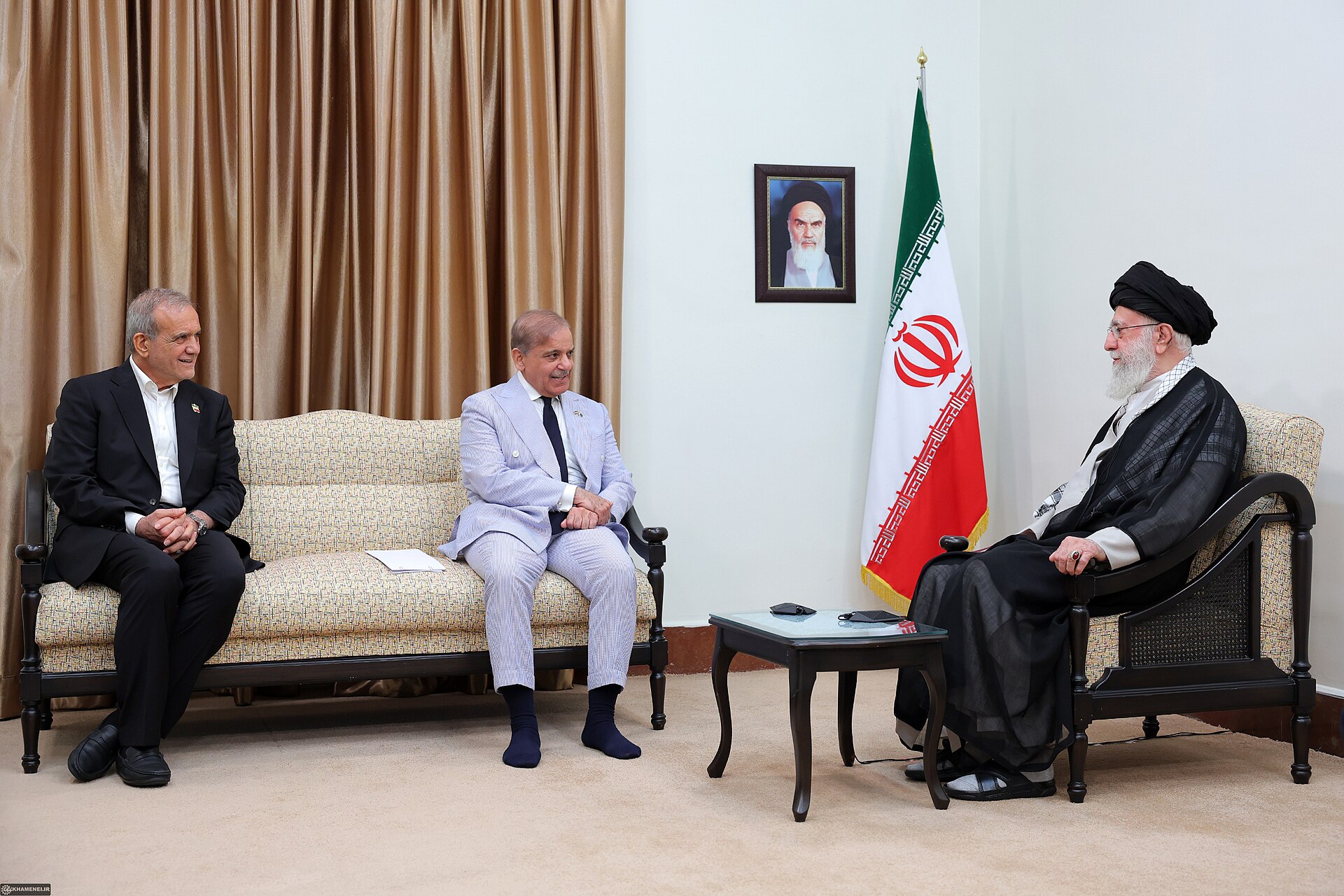
Munir’s three-day Iran visit concluded April 17-18. The itinerary was unusually broad: Pezeshkian, Ghalibaf, Araghchi, and — critically — Major General Ali Abdollahi at Khatam al-Anbiya headquarters. Pakistan’s Interior Minister Mohsin Naqvi attended the Pezeshkian meeting, indicating civilian representation alongside the military channel, according to The Nation.
The public record of what Abdollahi offered is thin and revealing. PressTV, via GlobalSecurity.org, reported that Abdollahi told Munir Iran’s armed forces are “totally prepared for all-out defense of the country against aggressors” and “remain on alert and prepared to respond to any potential escalation.” He credited Pakistan’s “supportive position.” He made no named commitments on ceasefire terms.
“Iran’s armed forces are totally prepared for all-out defense of the country against aggressors.”
Major General Ali Abdollahi, Khatam al-Anbiya commander, to Field Marshal Munir — PressTV
This is the core problem Sharif carried into Jeddah. Munir met the commander of the organization — Khatam al-Anbiya, the IRGC’s construction and engineering conglomerate that also coordinates major military operations — that President Pezeshkian publicly accused on April 4 of wrecking the last deal. Munir went to the source of the obstruction and received a military readiness declaration, not a diplomatic concession.
The $8 Billion Architecture
Days before Sharif’s Jeddah meeting, Saudi Arabia announced a fresh $3 billion deposit to Pakistan’s central bank and extended its existing $5 billion facility for an additional three years, pushing maturity to 2028. The combined Saudi financial commitment to Pakistan now stands at approximately $8 billion, confirmed at the IMF Spring Meetings by Geo.tv, Pakistan Today, and The Saudi Times.
The timing is not subtle. The UAE, by contrast, refused a two-year rollover on its $3.5 billion loan to Pakistan, extending by only one month, according to Organiser.org. Abu Dhabi’s stinginess makes Riyadh’s generosity structural rather than incidental: Saudi Arabia is Pakistan’s indispensable financial backstop, and both sides know it.
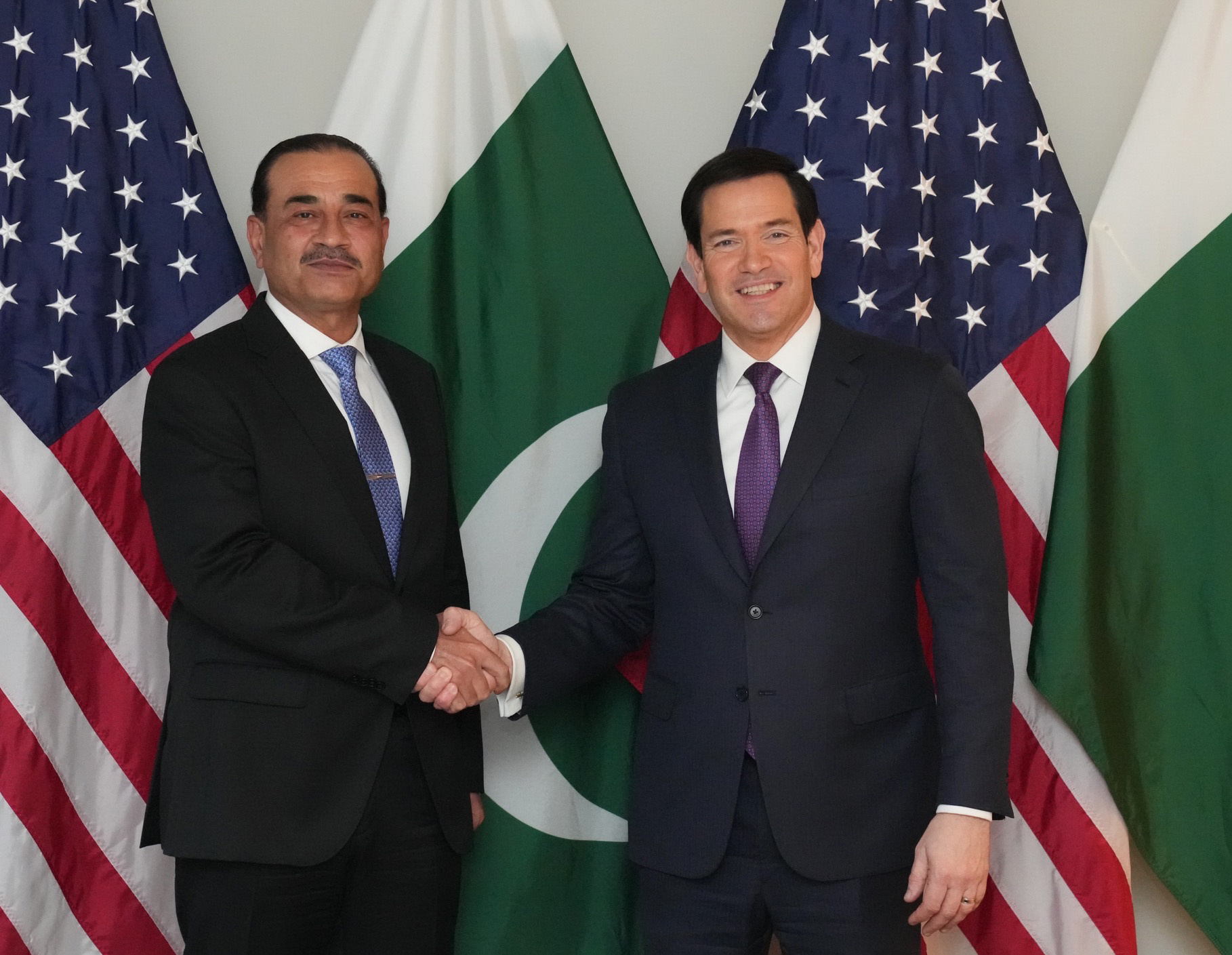
Under the Security and Mutual Defense Agreement signed September 17, 2025, Pakistan has deployed approximately 13,000 troops and more than 10 fighter jets to King Abdulaziz Air Base in the Eastern Province, confirmed active as of April 11 by Al Jazeera. Deputy Prime Minister Ishaq Dar personally conveyed Pakistan’s SMDA obligations to Araghchi to manage Iranian concerns about the deployment.
Umer Karim of the King Faisal Center in Riyadh told Al Jazeera that Pakistan walks “a tightrope with regards to both the mediation responsibilities and commitments towards Saudi Arabia’s defence.” The strategy may work, he said, “till US-Iran talks or engagement continue” but risks collapse if hostilities restart.
An anonymous former Pakistani general, also speaking to Al Jazeera, was more direct: Pakistan can maintain its dual role only if deployment remains “strictly defensive, time-bound, and transparently limited. Once offensive operations begin, the dual role collapses.”
Who Agreed to the 45-Day Extension?
Pakistan is pushing for a 45-day extension of the ceasefire, Iran International reported, citing Dawn and a Pakistani diplomatic source. This is the specific number Sharif was carrying into capitals. It matches the original 45-day framework reported by Axios and The National in early April — Phase 1 being a ceasefire, with Hormuz and enrichment deferred to Phase 2.
The AP report describing an “in-principle agreement” between the US and Iran sourced the claim to unnamed “regional officials” — mediators speaking optimistically. Reuters, sourcing a US official, reported Washington has not “formally agreed” to an extension. Both claims can be simultaneously true: mediators may have agreed to a framework; Washington has not ratified it. Sharif’s shuttle is designed to close exactly this gap.
The structural blockers remain. Iran’s FM Araghchi told AP that Iran is “open to discussing the type and level of its uranium enrichment” but must “continue enrichment” based on national needs. The US demands a 20-year moratorium; Iran has countered with five years. Ghalibaf, speaking on April 19, described the talks as showing “progress” but said “many gaps remain,” naming enrichment and Lebanon as the two outstanding obstacles. “Still far from the final discussion,” he told reporters, according to Gulf News and CNBC.
Azeema Cheema of Verso Consulting in Islamabad told Al Jazeera that the SMDA invocation reflects “significant restraint shown by the Saudis.” She added: “The Iranians will know that Pakistan does not wish to be in combat against Iran.” Sina Azodi of George Washington University expressed less concern about the Iran relationship specifically, citing “religious ties and ethnic and linguistic affinity” between Pakistan and Iran.
Trump’s Leverage Play
President Trump, speaking aboard Air Force One on April 18, delivered three statements that frame the negotiating environment Sharif is operating within. First: “Maybe I won’t extend it, so you’ll have a blockade and unfortunately we’ll have to start dropping bombs again.” Second: “I think it’s close to over, yeah. I view it as very close to over.” Third: “We could take out every one of their bridges in one hour. We could take out every one of their power plants in one hour. We don’t want to do that.”
The juxtaposition is deliberate. The threat of resumed hostilities and the suggestion of imminent resolution serve the same purpose: pressure on Iran to accept terms before the April 22 expiry without committing the United States to any specific framework. Washington’s refusal to formally endorse the extension that Pakistan is shopping is not an oversight — it is the leverage.
Saudi FM Prince Faisal’s call with Rubio on April 18-19 confirms Riyadh is working the Washington track in parallel. UN Secretary-General António Guterres, speaking April 19, added: “We need negotiations to go on, and we need a ceasefire to persist.” Pakistan’s President Asif Ali Zardari urged officials “to remain engaged with the US, Iran and other key powers to try to sustain the peace process.”
The Shuttle Sequence: Jeddah, Doha, Antalya
The three-stop itinerary is not random. Each capital represents a different form of legitimation Pakistan needs before returning to Washington with a credible package.
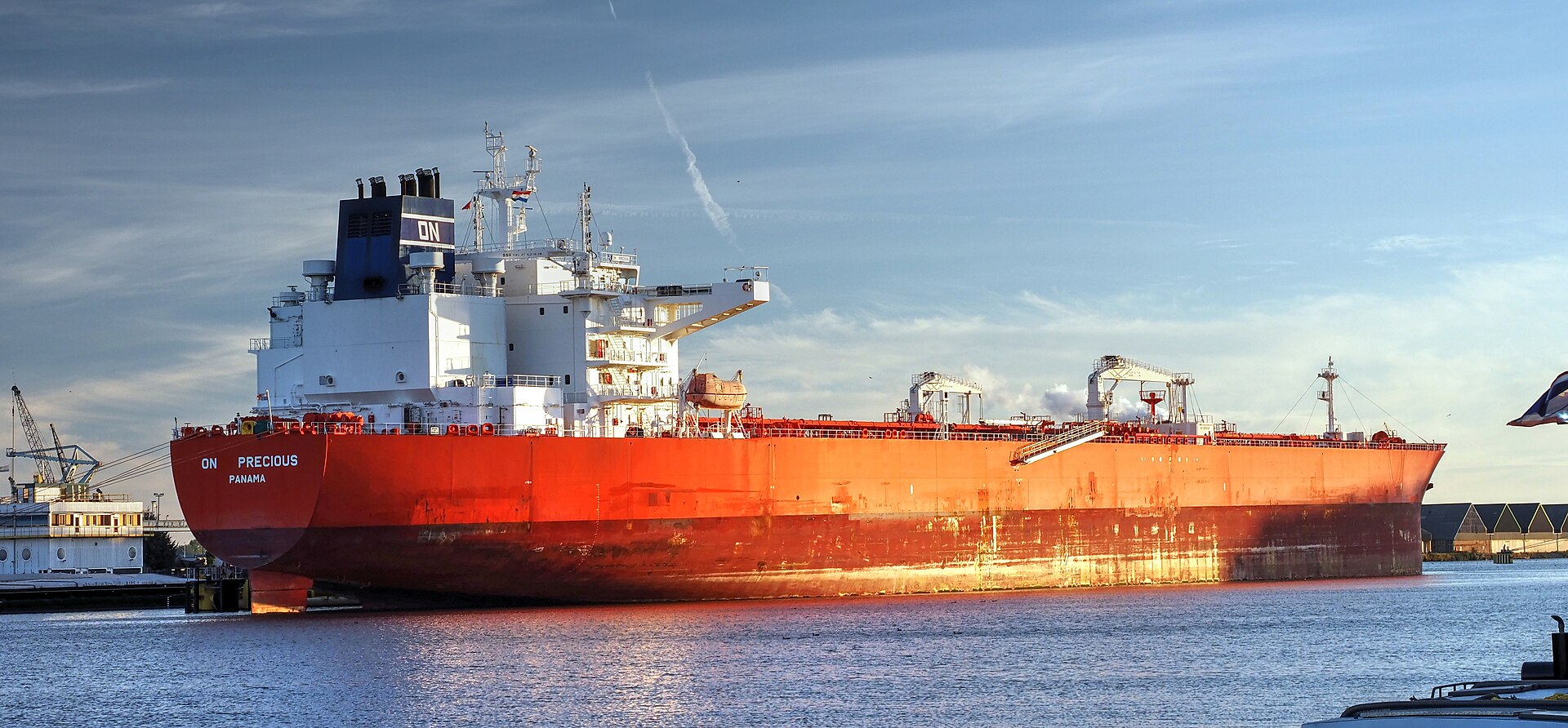
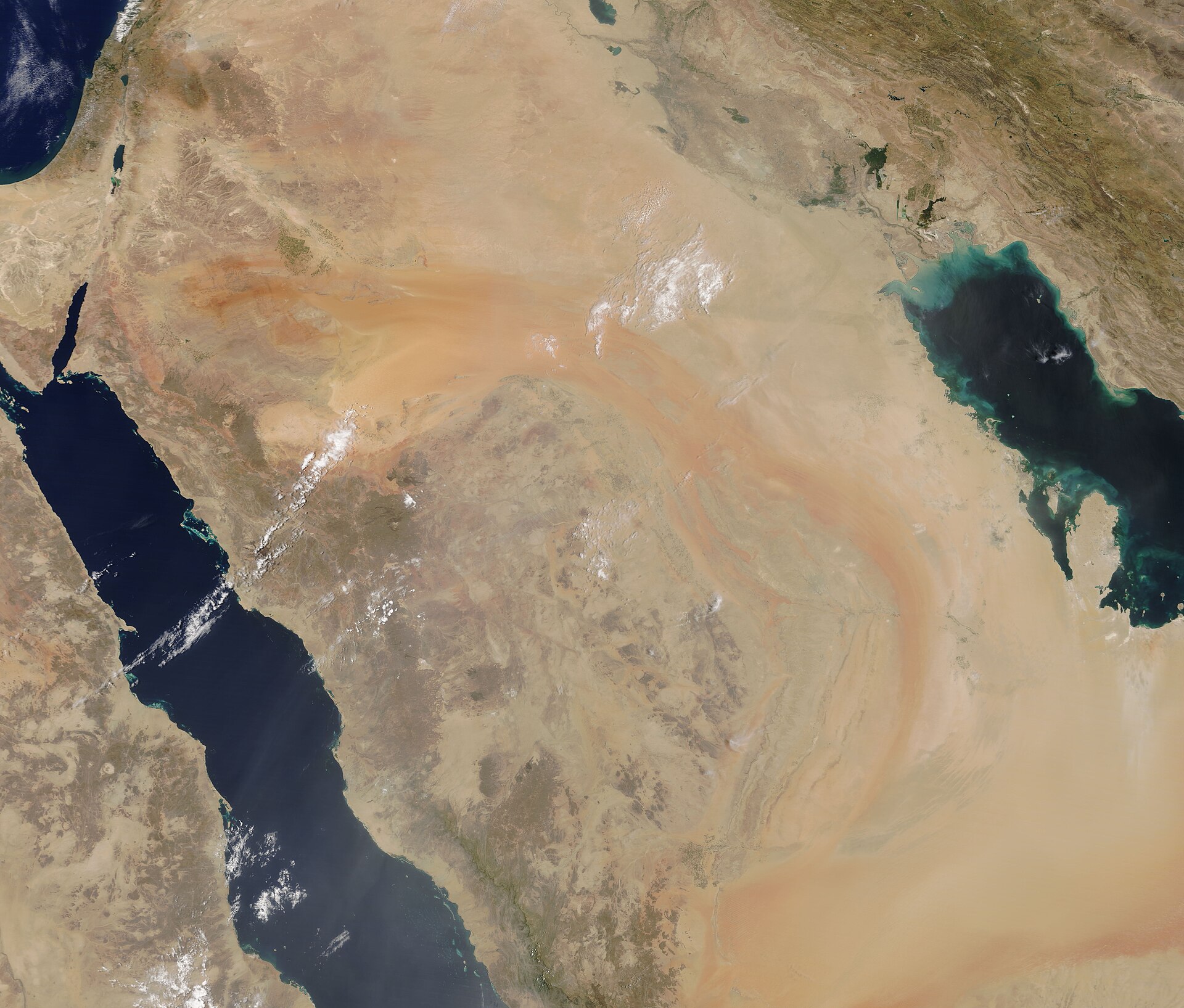
Saudi Arabia is the financial backer, military host, and the government demanding Lebanon’s inclusion in any ceasefire framework. Riyadh’s endorsement signals to Washington that the Gulf’s most important US partner accepts the terms. Without it, any extension is a bilateral US-Iran arrangement that leaves Saudi Arabia — whose March production crashed 30% to 7.25 million barrels per day — exposed.
Qatar is the LNG stakeholder with a quiet Iran channel and the host of Al Udeid Air Base, the largest US military facility in the Middle East. Qatar’s LNG tankers have already tested Hormuz transit with Chinese intermediation. Doha’s backing validates the framework from the perspective of a country whose economic survival depends on Hormuz remaining navigable.
Turkey, via the Antalya Diplomacy Forum, provides a NATO-member multilateral platform. FM Dar met the Saudi, Egyptian, and Turkish foreign ministers on the Forum’s sidelines on April 17 — a coordination session before Sharif’s arrival. Ankara’s endorsement transforms a Pakistani proposal into something with broader diplomatic weight.
The Authorization Ceiling Has Not Moved
The fundamental obstacle to any ceasefire extension is not diplomatic — it is constitutional. Under Iran’s Article 110, the Supreme Leader holds exclusive authority over the armed forces. President Pezeshkian has zero authority over the IRGC. Pezeshkian said so himself on April 4 when he publicly accused Vahidi and Abdollahi of deviating from the negotiating delegation’s mandate.
Munir went to Khatam al-Anbiya headquarters and met Abdollahi directly — an attempt to bypass the civilian-military gap that wrecked the Islamabad talks. Abdollahi responded with military readiness language, not ceasefire commitments. Tasnim, the IRGC-aligned news agency, characterized US demands as “excessive” and reported on April 10 that “no Iranian negotiating delegation had traveled to Islamabad for discussions with the American side” — a denial that highlighted the IRGC’s role in blocking Pezeshkian’s diplomatic channels.
The authorization ceiling — the structural gap between what Iran’s civilian government can promise and what the IRGC will allow — has not moved. Araghchi carries ceasefire language. Abdollahi and Vahidi decide whether it holds. Sharif’s shuttle can assemble regional endorsements, secure financial backing, and deliver a credible package to Washington. What it cannot do is solve the problem inside Tehran that has blocked every previous iteration of this deal.
Pakistan’s 27th Constitutional Amendment adds a mirror-image complication: ceasefire diplomacy runs through Munir, not civilian channels. Sharif’s trip is the political face; Munir’s Tehran visit was the operational substance. Two countries negotiating through military-first constitutional architectures, each claiming civilian authorization for positions their generals actually control.
Background
Pakistan has served as Iran’s protecting power in the United States since March 1992, when Algeria withdrew the role after Iran endorsed Algeria’s Islamic Salvation Front. The Iranian Interests Section operates from a small office associated with the Pakistani Embassy on Wisconsin Avenue in Washington, DC, employing 60-65 Iranians, according to the Chicago Council on Global Affairs. The Vance-Ghalibaf face-to-face in Islamabad on April 11 represented the first direct US-Iran talks since 1979, but ended without agreement after Vahidi blocked key concessions.
Saudi Arabia’s war-economy exposure frames the financial stakes. Brent crude traded at approximately $90 on April 18 — well below Saudi Arabia’s fiscal break-even of $108-111 per barrel, per Bloomberg PIF-inclusive estimates. The East-West Pipeline’s Yanbu terminal provides a Hormuz bypass but loads only 4-5.9 million bpd against pre-war throughput of 7-7.5 million bpd through the Strait, leaving a structural gap of 1.1-1.6 million bpd.
FAQ
What is the SMDA and how does it affect Pakistan’s mediation?
The Security and Mutual Defense Agreement, signed September 17, 2025, commits Pakistan to Saudi Arabia’s defense. Under it, Pakistan has deployed approximately 13,000 troops and more than 10 fighter jets to King Abdulaziz Air Base in the Eastern Province. Deputy PM Dar conveyed the SMDA obligations directly to Iranian FM Araghchi. The agreement makes Pakistan simultaneously Iran’s interlocutor and Saudi Arabia’s treaty ally — a dual role that, as one former Pakistani general told Al Jazeera, “collapses” if offensive operations begin.
Why did Pakistan’s finance minister attend a ceasefire meeting?
Muhammad Aurangzeb’s presence in Jeddah signals that the $8 billion Saudi financial commitment — the $3 billion fresh deposit and $5 billion facility extension to 2028 — was discussed alongside ceasefire terms. The UAE’s refusal to extend its $3.5 billion loan for more than one month makes Riyadh’s financial support existential for Islamabad. Pakistan’s IMF program and foreign exchange reserves depend on Gulf deposits that are politically conditioned.
What happens if the ceasefire expires April 22 without extension?
Trump stated on April 18: “Maybe I won’t extend it, so you’ll have a blockade and unfortunately we’ll have to start dropping bombs again.” The US naval blockade of Iranian ports, effective since April 13, would presumably intensify. The Hajj arrival season opens April 18 with the Makkah cordon already sealed and 1.2-1.5 million pilgrims expected, raising the kinetic threshold for any military action near Saudi territory. Indonesia’s first departure of 221,000 pilgrims coincides with the April 22 expiry date.
Has Iran actually agreed to extend the ceasefire?
The evidence is contradictory. AP sourced an “in-principle agreement” to regional officials. Reuters sourced a denial to a US official. Ghalibaf said on April 19 that talks show “progress” but are “still far from the final discussion.” Araghchi has expressed openness to discussing enrichment levels but not to a moratorium. The IRGC, through Abdollahi and Tasnim, has offered military readiness declarations and characterized US demands as excessive — not ceasefire commitments.
Why is Lebanon a blocker in a US-Iran ceasefire?
Saudi Arabia has pressed for Lebanon’s inclusion in any ceasefire framework, according to Middle East Eye. Saudi FM Prince Faisal raised “the need to consolidate the ceasefire in Lebanon” with Rubio on April 18-19. For Riyadh, a US-Iran deal that leaves Israel’s operations in Lebanon unaddressed is incomplete. For Iran, Lebanon inclusion validates Hezbollah’s role as a legitimate party. For Washington, including Lebanon risks entangling the Iran negotiation with the separate Israeli-Lebanese track. Ghalibaf named Lebanon alongside enrichment as one of two remaining structural blockers on April 19. For an analysis of what Saudi Arabia’s exclusion from these negotiations means for the kingdom most exposed to their outcome, see Saudi Arabia’s exclusion from the negotiations it finances.