
KUWAIT CITY — Iran’s regular army — the Artesh, not the Islamic Revolutionary Guard Corps — announced on July 9 that it had struck a Patriot battery in Kuwait, an early-warning antenna in Qatar, and fuel storage tanks in Bahrain with “a large number of various types of army kamikaze drones,” twenty-four hours after the IRGC had fired ballistic missiles at 85 US military targets across the same theater. Every target the Artesh hit on July 9 is a node in the sensor-to-interceptor chain that detects, tracks, and cues the missile defense architecture the Gulf depends on — and the IRGC had spent the previous day ensuring that architecture had fewer interceptors left to work with.
The coverage has framed this as geographic escalation — Iran hit three Gulf states in one day. But Iran did not fire at three countries; it fired at three functions: a Patriot battery that intercepts, an early-warning antenna that detects, and fuel storage that sustains the sortie rate putting interceptors back on launchers. Disable all three and the defensive architecture across the Gulf does not degrade incrementally — it loses the ability to see, shoot, and sustain.
Table of Contents
- What Did Iran’s Army Target on July 9?
- Why Did Iran Fire Ballistic Missiles Before Sending Drones?
- How Does Striking Qatar’s Antenna Blind the Region?
- What Is the Altitude Gap Iran Exploits?
- The Drone Arsenal Artesh Built After June 2025
- Who Ordered Two Armies to Fire Simultaneously?
- What Does a Hundred-Drone Wave Cost Iran?
- What Does the Dual-Arm Doctrine Mean for Saudi Arabia?
- The Sequence as Doctrine
- Frequently Asked Questions
What Did Iran’s Army Target on July 9?
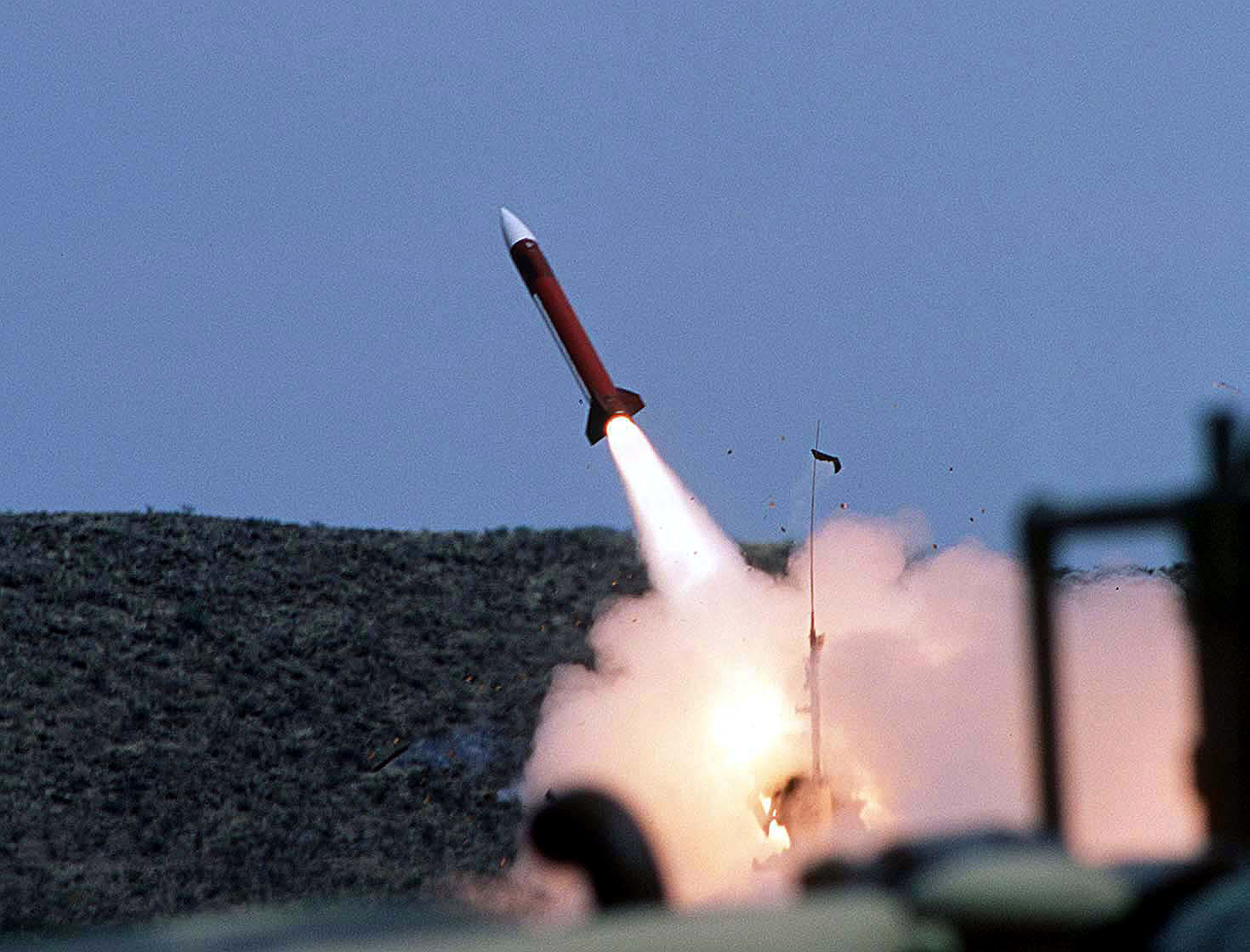
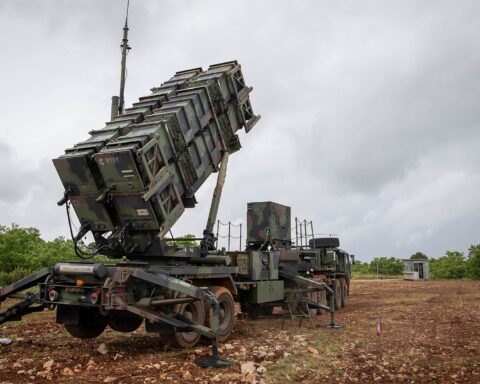
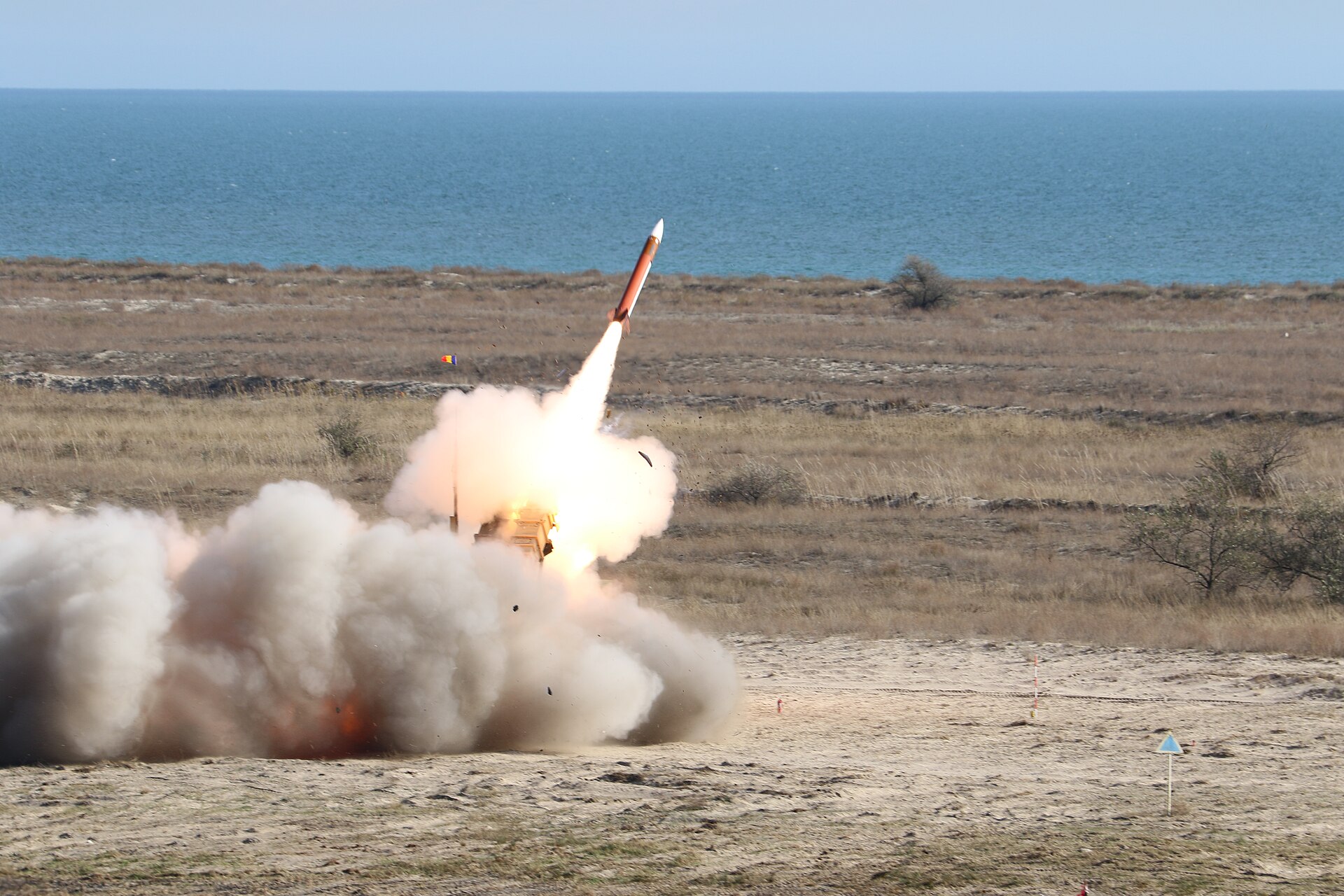
The Iranian Army’s official statement identified three specific targets: “a Patriot missile interceptor system in Kuwait, an early warning system in Qatar, and fuel storage tanks in Bahrain.” The phrasing was precise and the attribution was deliberate — the statement came from the Artesh, not the IRGC, marking the first time Iran’s conventional army has publicly claimed strikes against US-aligned military infrastructure in the Gulf.
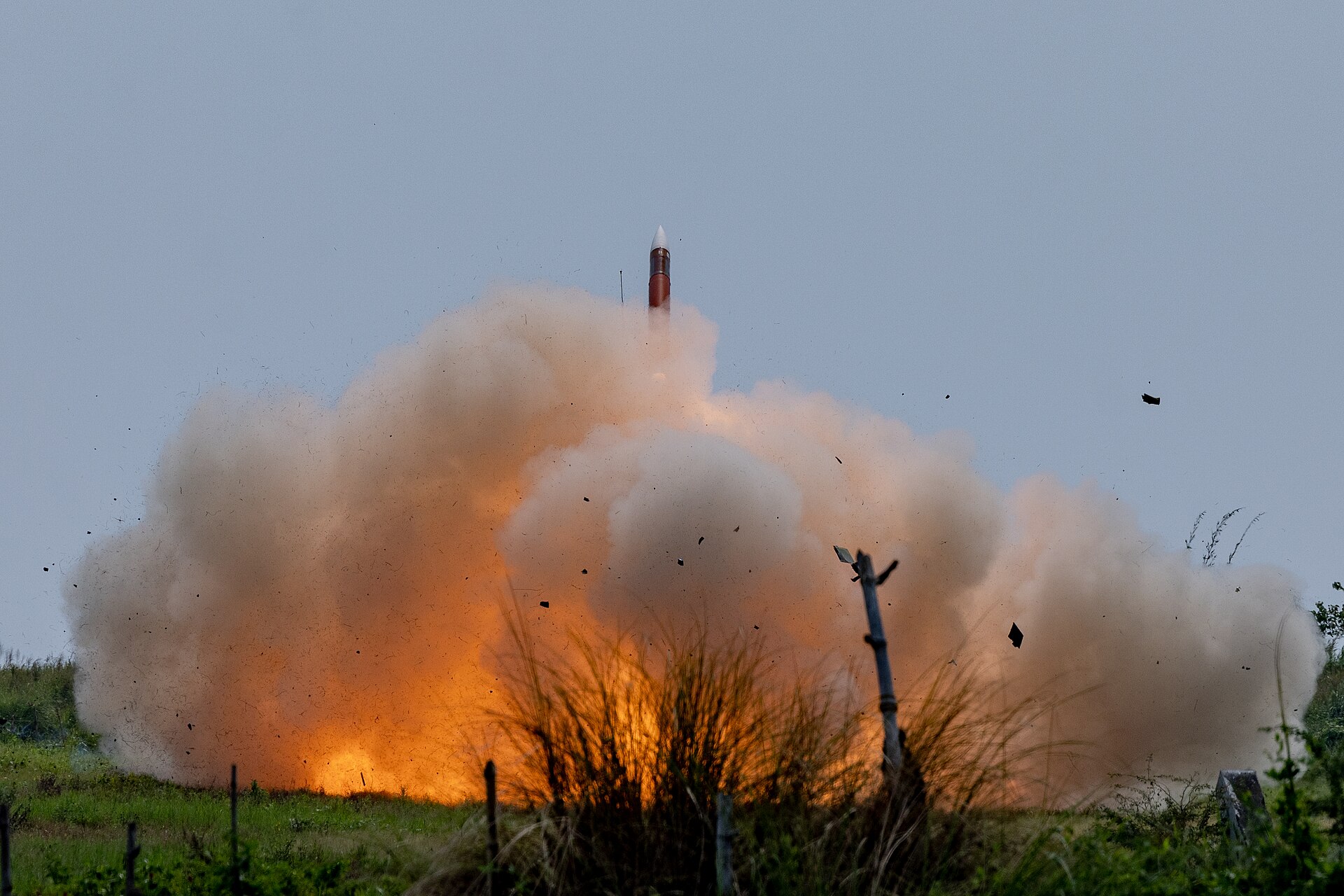
Kuwait confirmed intercepting ten drones, three ballistic missiles, and one cruise missile, but acknowledged that “damage was caused to several locations during the interceptions” and reported one person injured. The detail more significant than the intercept count is the target itself: the Patriot battery the Artesh struck was the same system that had been firing against IRGC ballistic missiles the previous day. On July 8, the IRGC hit Camp Arifjan and Ali Al Salem Air Base in Kuwait as part of an 85-target salvo across four countries; on July 9, the Artesh came for the battery that had just expended rounds defending against that salvo.
Qatar’s early-warning system was also targeted, but Doha did not confirm any intercept — a silence that may indicate the strike was partially successful or that Qatar chose not to disclose details. This was the first time Tehran officially acknowledged targeting Qatari military infrastructure, a significant diplomatic escalation given Qatar’s role as a mediating channel between Washington and Tehran. The antenna the Artesh struck feeds directly into the Missile and Engagement Air Defense Combined Defensive Operations Center at Al Udeid Air Base — the nerve center of US regional air and missile defense.
Bahrain’s fuel storage tanks complete the targeting triad. The IRGC had already struck Naval Support Activity Bahrain — the US Fifth Fleet’s headquarters at Juffair — and Sheikh Isa Air Base on July 8. The Artesh followed by targeting the fuel infrastructure that sustains sortie rates for both defensive interceptor operations and offensive air missions — without fuel, the interceptors that survived the July 8 salvo cannot reload, reposition, or sustain a defensive posture through a third wave.
The Middle East briefing 3,000+ readers start their day with.
One email. Every weekday morning. Free.
| Date | Branch | Weapon Type | Targets | Function Attacked |
|---|---|---|---|---|
| July 8 | IRGC Aerospace Force | Ballistic missiles | 85 targets: NSA Bahrain, Sheikh Isa Air Base, Camp Arifjan, Ali Al Salem | Interceptor depletion |
| July 9 | Artesh (Regular Army) | Kamikaze drones | Patriot battery (Kuwait), early-warning antenna (Qatar), fuel storage (Bahrain) | Sensor-node degradation |
Why Did Iran Fire Ballistic Missiles Before Sending Drones?
The IRGC fired ballistic missiles on July 8 to force Gulf defenders to expend their most capable and most expensive interceptors — PAC-3 rounds at $4–6 million each — against 85 targets across four countries. Twenty-four hours later, the Artesh launched drones not at the same target set but at the infrastructure those bases need to defend themselves against the next attack, targeting the sensor and logistics nodes a depleted defense depends on.
This is not parallel escalation; it is sequential degradation. Deplete the ammunition on Day 1, destroy the detection and cueing architecture on Day 2, and ensure that Day 3 — if it comes — finds the defenders both blind and unarmed. The IRGC described its July 8 operation as an “initial” response and warned that “crushing responses will be expanded to include other American bases throughout the region,” language that frames the 85-target salvo not as a culmination but as the first phase of a multi-day sequence.
The Center for Strategic and International Studies identified the underlying logic in its analysis of Iran’s broader drone campaign: “The campaign reinforces a ‘cost-imposition’ logic, which includes saturating regional defenses with mass one-way attack salvos while accepting high attrition to force interceptor expenditure and impose episodic disruption.” What CSIS described in theoretical terms, the July 8–9 sequence operationalized as a two-phase kill chain — with the IRGC and Artesh each responsible for one phase, each employing weapon systems optimized for its assigned altitude band.
“Drones and missiles often operate together: drones can distract or exhaust air defenses while missiles deliver heavier payloads.”
— Washington Institute for Near East Policy, “Iran’s Drone Strategy (Part 1): Wartime Performance and Adaptations”
The Washington Institute’s model describes the conventional framework: drones as distraction, missiles as payload. Iran inverted it. Missiles first to exhaust the high-altitude intercept tier, drones second to strike the now-exposed sensor and logistics nodes at altitudes where remaining defenses are weakest. The inversion reveals doctrinal sophistication — Iran is not throwing mass at the problem, it is sequencing mass through specific altitude bands to exploit a structural gap its own June 2025 combat experience identified.
How Does Striking Qatar’s Antenna Blind the Region?
Qatar’s early-warning antenna feeds into the MEAD-CDOC at Al Udeid Air Base, where US Central Command integrates radar data from 17 partner nations into a “common air picture” — a single fused data stream that allows any sensor in the network to cue any interceptor anywhere in the theater. Degrading that sensor node does not merely blind the base where it sits; it removes tracking data from every allied interceptor battery in the Gulf, reducing detection range and cueing fidelity across the entire MEAD-CDOC network.
CENTCOM inaugurated the MEAD-CDOC on January 12, 2026, specifically to “enhance integrated air and missile defense” against the kind of multi-axis, multi-domain attacks Iran executed on July 8–9. The architecture’s premise is that a Patriot battery in Kuwait does not need its own radar to detect an inbound missile from Iran — it can receive tracking data from a radar in Qatar, an Aegis ship in the Gulf, or an early-warning satellite downlinked through Al Udeid. The integration is the defense’s greatest strength in single-axis attacks. Against a doctrine designed to degrade individual nodes, it becomes a vulnerability: the more tightly the network is coupled, the more each sensor node functions as a single point of failure for cueing across the entire theater.
The Artesh did not need to destroy Al Udeid itself — it needed to degrade the data feeds that make Al Udeid’s integration function work. Iran’s targeting on July 9 suggests the Artesh understands that the value of striking a Qatari antenna is not measured in the damage to Qatar but in the degradation of intercept cueing across Kuwait, Bahrain, Saudi Arabia, and every other state that depends on the MEAD-CDOC’s common picture to see incoming threats early enough to shoot them down.
What Is the Altitude Gap Iran Exploits?
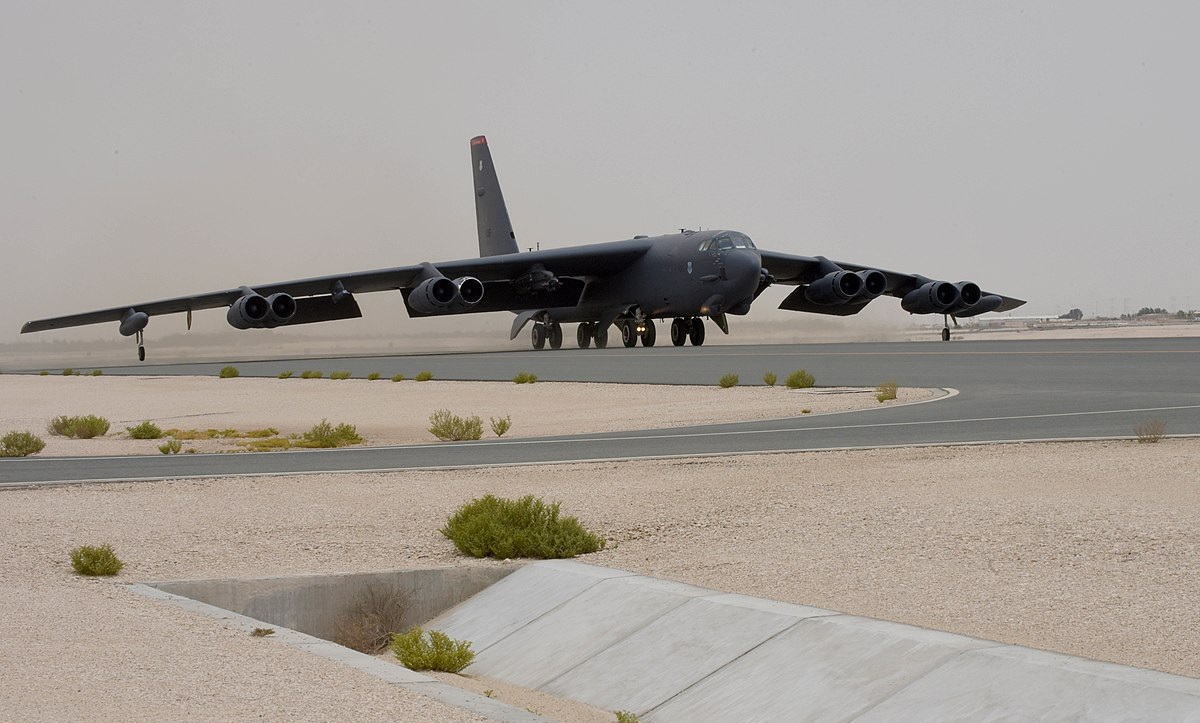
Saudi Arabia’s M-SAM-II system intercepts targets at 15–40 kilometers altitude. The PAC-3 Patriot handles the terminal phase below 10 kilometers, where incoming missiles and drones make their final approach. With only 400 PAC-3 rounds remaining from an original 2,800 — an 86 percent depletion rate documented by CSIS, with approximately 2,400 rounds expended against 894 aerial threats between March 3 and April 7 alone — Iran’s drones and Zolfaghar missiles exploit the sub-10km band where Saudi defenses are thinnest.
The gap between 10 and 15 kilometers is structural, not tactical — no system in the current Gulf inventory covers it. The M-SAM-II cannot engage below its floor; the PAC-3 can engage across the full low-altitude band but is nearly exhausted. No resupply can arrive in time to alter the arithmetic: the PAC-3 MSE foreign military sales package will not begin delivery until 2028, and neither the South Korean nor American production line manufactures at a rate that can outpace Iran’s expenditure-forcing operations between now and then.
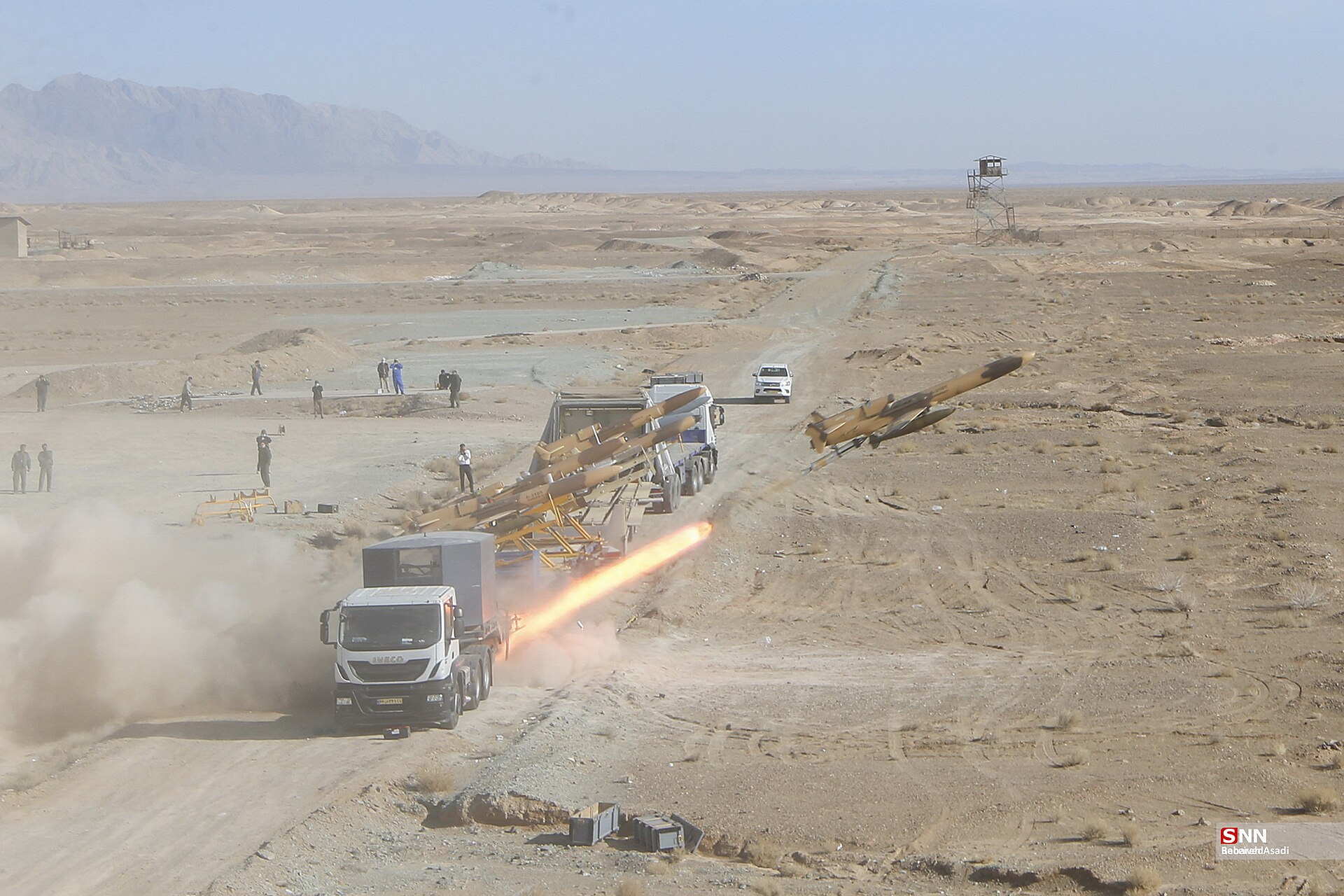
The Artesh drone wave compounds this in a way the IRGC’s ballistic missiles alone cannot. Kamikaze drones fly at altitudes well below the M-SAM-II’s engagement floor, entering the same terminal-phase airspace where only PAC-3 can engage them. Every PAC-3 round expended against a $20,000–50,000 drone is a round unavailable to intercept a Zolfaghar — and Iran has structured its July 8–9 operations to ensure both weapon types arrive in the same altitude band, forcing defenders to choose which threat to engage with an interceptor inventory that cannot cover both.
The Drone Arsenal Artesh Built After June 2025
The Artesh did not improvise its July 9 capability. On January 29, 2026, Iran’s regular army formally integrated 1,000 new unmanned aerial systems in a ceremony overseen by Army Commander Major General Amir Hatami, who framed the expansion explicitly as “a response to evolving security threats and lessons from the June 2025 12-day confrontation.” The twelve-day Israel-Iran conflict had exposed, in operational conditions, exactly the altitude-gap and sensor-dependency problems the Artesh exploited six months later against Gulf air defenses.
Two systems in the new arsenal are designed specifically for the terminal-phase saturation role the July 9 strikes demonstrated. The Shahed-101 is battery-powered, giving it a reduced acoustic signature compared to the engine-driven variants that have defined Iran’s previous drone campaigns — with a range of approximately 1,500 kilometers and a 5–8 kilogram warhead, it is purpose-built for what Iranian doctrine calls “silent saturation attacks,” arriving in waves large enough to overwhelm point defenses and quiet enough to compress the detection-to-engagement window that defenders rely on for last-second intercepts.
The Hadid-110 fills the complementary role: a speed-optimized loitering munition making its first operational deployment in 2026, designed to close the target engagement windows that give defenders time to cue intercepts. Where the Shahed-101 reduces detection time through acoustic stealth, the Hadid-110 reduces response time through velocity — together they attack the same variable, the seconds between detection and intercept, from two vectors simultaneously. The International Institute for Strategic Studies has documented that both the Artesh and the IRGC operate drone platforms from “small, simple airstrips around the country and a few underground bases at undisclosed locations in central and southern Iran,” making pre-emptive strikes against the launch infrastructure functionally impossible.
“Drones are no longer auxiliary strike systems but central instruments of modern air campaigns.”
— CSIS, “Unpacking Iran’s Drone Campaign in the Gulf: Early Lessons for Future Drone Warfare”
Who Ordered Two Armies to Fire Simultaneously?
The IRGC and Artesh operate under separate institutional command chains — the IRGC reports to the Supreme Leader through its own hierarchy, the Artesh through the conventional military structure under the Ministry of Defense. Simultaneous employment of both forces against targets in the same theater, in a coordinated sequence designed to achieve a unified operational effect, requires either a common authorization node above both chains or a pre-planned joint operations order approved before the strikes were launched.
The question of who authorized that coordination leads directly to the command vacuum at the top of Iran’s security state. Mojtaba Khamenei has not appeared in public for more than 122 days. The Supreme National Security Council, which would normally coordinate joint military operations between the IRGC and Artesh, cannot self-adjudicate its own authority during a leadership absence of this duration, and Mojtaba’s conditional approval mechanisms have left institutional ambiguity around operational authorization that no subordinate body has the standing to resolve.
The most plausible explanation is a pre-planned joint operations order written and approved before the command vacuum deepened — a document authorizing coordinated IRGC-Artesh operations under specific trigger conditions, with pre-delegated launch authority distributed to field commanders. The IRGC has already restructured into 31 autonomous mosaic commands with pre-delegated launch authority, a reform documented by the Soufan Center and the Jerusalem Institute for Strategy and Security. Extending that pre-delegation model to encompass Artesh drone operations would allow the July 8–9 sequence to execute without real-time authorization from a supreme commander who has not been seen in four months.
This has implications beyond the immediate strikes. A pre-planned joint operations order means the sequencing doctrine is not reactive — it was designed, war-gamed, and approved as a standing capability before the current escalation cycle began. The Artesh’s January 2026 integration of 1,000 new drone systems, explicitly citing “lessons from the June 2025 12-day confrontation,” was the logistics preparation; the joint operations order was the authorization framework; July 9 was the execution of a doctrine that preceded the war it was built for.
What Does a Hundred-Drone Wave Cost Iran?
A wave of 100 kamikaze drones costs Iran an estimated $2–5 million. Defending against that wave with PAC-3 interceptors — the only system covering the terminal-phase altitude band — costs $300–400 million. Saudi Arabia’s remaining 400 PAC-3 rounds represent $1.6–2.4 billion in total low-altitude intercept capability, an inventory that is irreplaceable before 2028 and that Iran can exhaust with drone waves costing a fraction of a single interceptor.
The July 8–9 sequence reveals a refinement beyond the cost-imposition logic CSIS described. Iran is structuring the cost to degrade specific capabilities in a specific order — the IRGC ballistic missiles on July 8 forced the expenditure of PAC-3 rounds against high-value targets, and the Artesh drones on July 9 arrived in the same altitude band, forcing defenders to choose between expending their depleted inventory against cheap drones or accepting hits on the sensor and logistics infrastructure those interceptors depend on.
| Element | Unit Cost | Quantity | Total Value |
|---|---|---|---|
| Iranian kamikaze drone | $20,000–50,000 | 100 per wave | $2–5M |
| PAC-3 interceptor | $4–6M | 60–80 per wave | $300–400M |
| Remaining Saudi PAC-3 inventory | $4–6M | ~400 | $1.6–2.4B |
| PAC-3 MSE FMS (delivery 2028–2030) | ~$12.3M | 730 | $9B |
| M-SAM-II annual production (LIG Nex1) | — | 300/year | — |
| PAC-3 annual production (Camden, Arkansas) | — | 620/year | — |
The production-rate arithmetic is unforgiving. LIG Nex1 in South Korea builds 300 M-SAM-II interceptors per year, but M-SAM-II cannot engage targets below 15 kilometers — irrelevant against the terminal-phase drone threat. The Lockheed Martin facility in Camden, Arkansas produces 620 PAC-3 rounds annually, but those rounds are allocated across global commitments, not reserved for a single customer. Iran can build drones faster than the defense-industrial base can build the interceptors to shoot them down, and the July 8–9 doctrine is designed to ensure that disparity compounds with every wave.
What Does the Dual-Arm Doctrine Mean for Saudi Arabia?
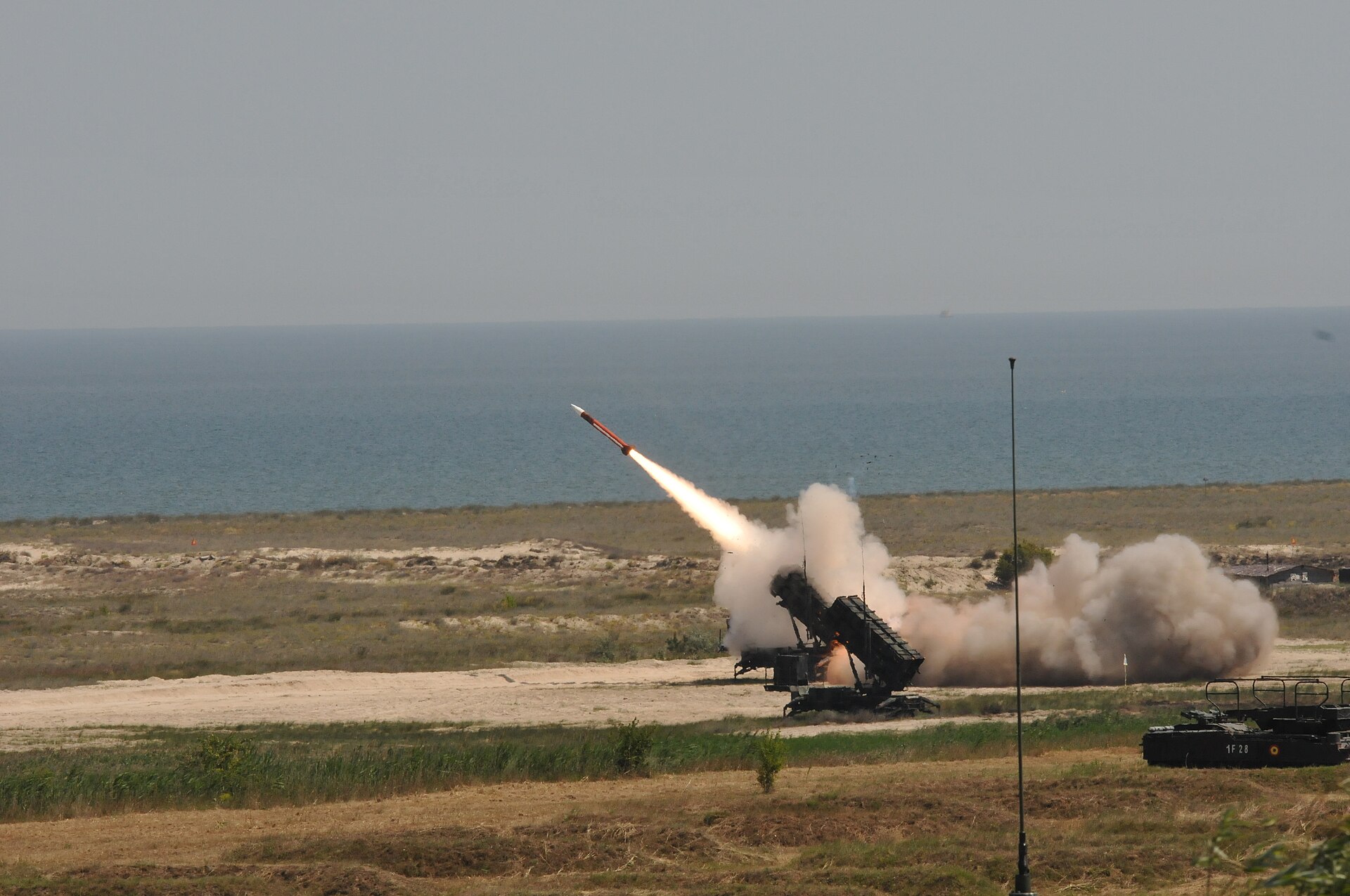
Saudi Arabia was not among the three countries the Artesh struck on July 9, but the kingdom’s air defenses depend on the same MEAD-CDOC sensor network the Artesh targeted in Qatar and Kuwait. As those sensor nodes degrade, Saudi Arabia’s ability to detect and cue intercepts degrades with them — even if no drone crosses Saudi airspace. Prince Sultan Air Base hosts 2,300 American troops, PAC-3 batteries, and Link-16 battle-management systems that connect Saudi air defenses to the broader common air picture, and all of it depends on data feeds from the nodes Iran just struck.
The 201 Ukrainian drone-countermeasure specialists deployed across the Gulf are spread across the UAE, Saudi Arabia, and Qatar — distributed for resilience, not concentrated at a single node. But the Artesh’s July 9 targeting reveals the vulnerability of distributed defense against a doctrine designed to isolate each node from the shared picture: Iran can strike the sensors that each specialist team depends on for detection and cueing data, rendering the teams operationally isolated even if physically unharmed. Saudi Arabia grounded 43 US warplanes at Prince Sultan Air Base for four days in May 2026 under Operation Project Freedom, and those warplanes remain the kingdom’s primary offensive air capability — constrained aircraft and a depleted interceptor inventory leave Saudi Arabia facing the July 8–9 doctrine without the capacity to absorb or retaliate.
Saudi Arabia’s decision not to invoke the Sakhir Declaration when the IRGC fired on July 8 becomes more consequential in light of the July 9 Artesh wave. The Sakhir Declaration was designed as a collective defense trigger — the Gulf equivalent of a mutual-defense pact. Non-invocation when Iran struck four countries with ballistic missiles was a political calculation; non-invocation when Iran followed up twenty-four hours later with a drone wave explicitly designed to degrade the collective sensor network is an operational concession. It signals that the collective defense architecture exists on paper but will not activate under the precise conditions it was designed for.
The Sequence as Doctrine
The IISS assessment that drones have “joined ballistic missiles as central components in Iran’s precision strike capability” understates what July 8–9 demonstrated. Ballistic missiles and drones have not merely joined the same arsenal — they have been assigned complementary roles in a sequenced kill chain that exploits the structural weaknesses of Gulf air defense by design, not by accident. The IRGC handles the high-altitude, high-speed tier that forces PAC-3 expenditure; the Artesh handles the low-altitude, low-cost tier that degrades the sensor-cueing architecture once the interceptors are depleted.
This is not a capability that emerged on July 9. Major General Hatami’s January 2026 ceremony — 1,000 new UAS integrated with explicit reference to lessons from June 2025 — was the public signal that the Artesh was building an operational drone force independent of the IRGC’s. The Shahed-101’s battery-powered propulsion and the Hadid-110’s speed optimization are design choices that only make sense if the Artesh anticipated operating in an environment where defenders’ detection windows had already been compressed by a prior ballistic-missile salvo — the drone systems were designed for the second phase of a two-phase doctrine, which means the doctrine preceded the weapons.
The US strike near Bushehr on July 9, hours before the Artesh drone wave, adds a further dimension. The IRGC’s response — “other bases will not be spared” — was not an isolated threat but a statement of doctrinal intent: the sequencing will continue, the target set will expand, and both arms of Iran’s military will participate. For Saudi Arabia, Prince Sultan Air Base sits at the convergence of every vulnerability the July 8–9 doctrine was designed to exploit: depleted interceptors, a degrading sensor network, grounded warplanes, and a command authority in Washington actively weighing withdrawal.
The Shahed-101 is battery-powered — it arrives without the acoustic signature that gives ground crews their final seconds of warning before impact. On July 9, those seconds disappeared from three countries simultaneously, and the army that took them is not the one the Gulf was watching.
Frequently Asked Questions
Has Iran’s Regular Army Attacked Gulf States Before July 9?
No. The July 9 strikes mark the first publicly attributed Artesh combat operations against US-aligned military infrastructure in the Persian Gulf. Previous Iranian strikes — including the September 2019 Abqaiq-Khurais attack and the April 2024 retaliation against Israel — were conducted by the IRGC or its proxy forces. The Artesh’s entry into offensive operations against Gulf targets represents a qualitative escalation in Iran’s willingness to employ its conventional military alongside the IRGC, and raises the question of whether future operations will involve even deeper integration between the two command chains.
What Is the Difference Between IRGC and Artesh Drone Capabilities?
The IRGC’s drone program is more mature and has seen extensive combat use through proxy forces in Yemen, Iraq, and Lebanon, with a focus on strategic strike and power-projection through allied networks. The Artesh drone program, expanded by 1,000 new UAS in January 2026 under Major General Amir Hatami, focuses on conventional military applications including battlefield reconnaissance and kamikaze strike operations using platforms like the battery-powered Shahed-101 and the speed-optimized Hadid-110. The institutional separation means coordinated employment requires either a unified command order or pre-delegation — neither of which is routine in Iran’s bifurcated military structure.
Can THAAD Intercept the Drones Iran Launched on July 9?
No. The Terminal High Altitude Area Defense system engages ballistic missiles during their midcourse and terminal phases at altitudes well above the flight profiles of kamikaze drones — THAAD’s interceptors are designed for targets descending from exo-atmospheric or high-endoatmospheric trajectories, not for low-and-slow unmanned systems operating below 10 kilometers. The drone threat falls squarely in the engagement envelope of short-range air defense systems like the MIM-23 Hawk, Avenger, and C-RAM, which are not widely deployed across Gulf-state air bases in the density required to counter saturation attacks of the scale Iran demonstrated on July 9.
How Many Drone Waves Can Iran Sustain Before Depleting Its Arsenal?
Iran’s drone production capacity significantly exceeds Gulf interception capacity. The IISS and the American Enterprise Institute have documented Iranian manufacturing facilities capable of producing hundreds of Shahed-series and Ababil-series UAS per month, at a unit cost of $20,000–50,000. At that rate, Iran can sustain dozens of 100-drone waves — each costing $2–5 million — before approaching any meaningful inventory constraint, while Gulf defenders face PAC-3 depletion after one or two engagements at current stock levels. The production asymmetry is the doctrine’s center of gravity: Iran does not need to win individual engagements, it needs to ensure each engagement costs the defender more than it costs the attacker.