
RIYADH — Iranian ballistic missiles struck Prince Sultan Air Base on the night of July 18, 2026, and by dawn three governments with 2,300 American lives and a formal mutual defense pact between them had said nothing about it. Video geolocated to the base perimeter, a US official speaking to Axios, and Iran’s own state broadcaster all confirmed the impact within hours. Washington, Riyadh, and Islamabad each posted routine statements about “regional stability” that named no country, no base, and no strike.
The silence is not a coincidence of drafting. It is a coordinated architecture, with each capital calculating that acknowledgement triggers obligations or legal consequences worse than the strike itself — and each capital’s reasons for refusing are different enough that they lock the others in place.
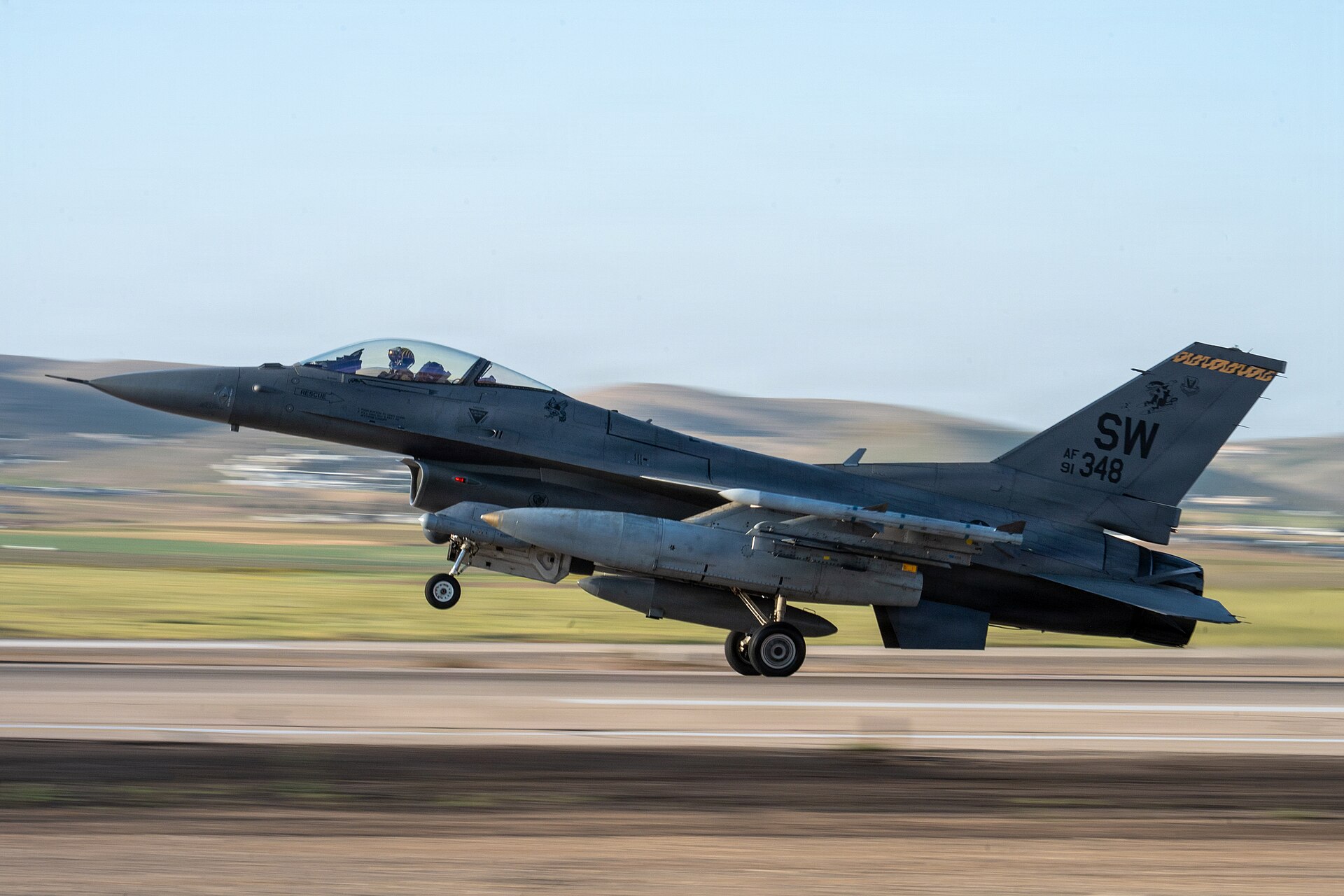
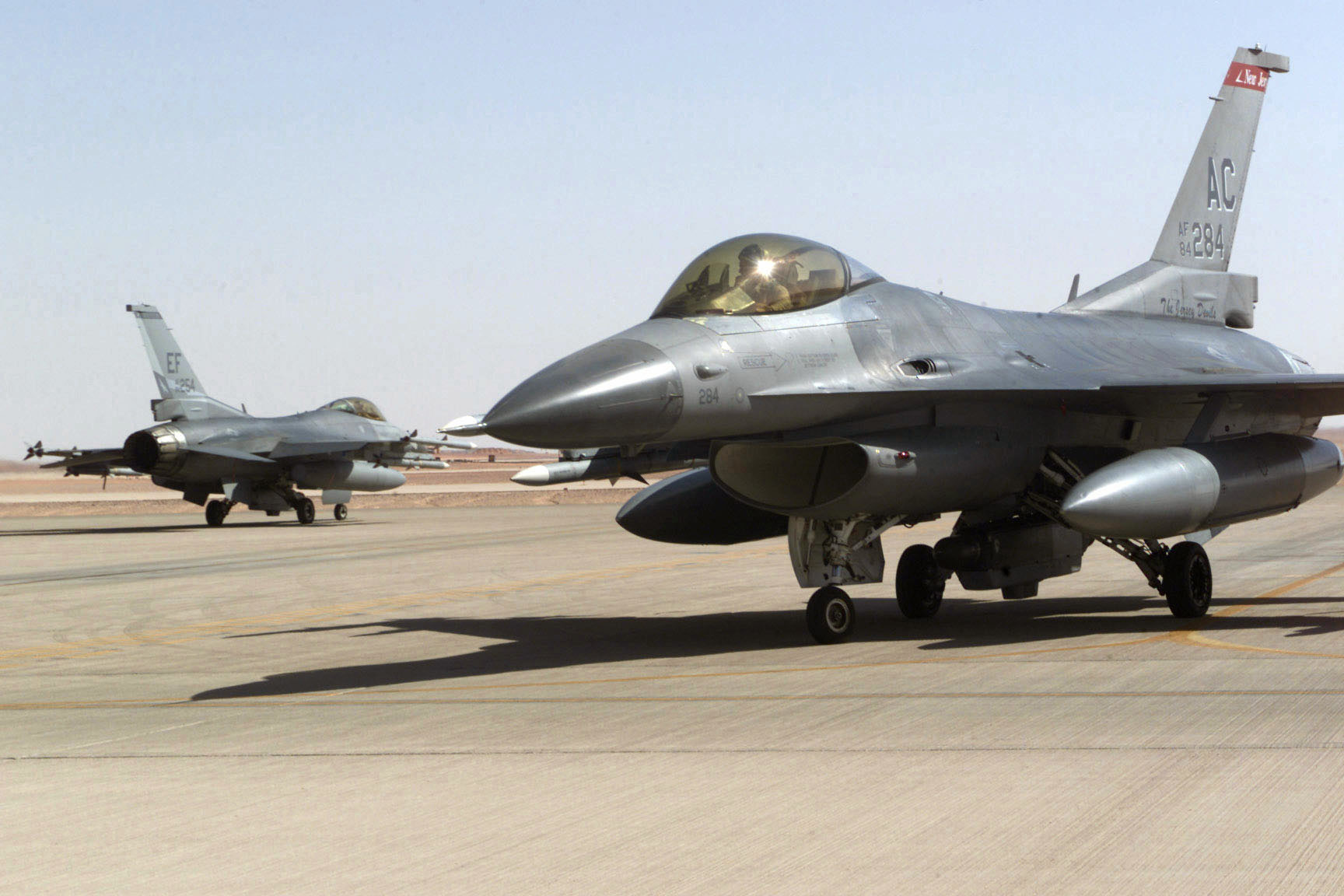
Saudi Arabia cannot admit the strike without being forced to invoke the Sakhir Declaration it has spent two months evading. The United States cannot confirm casualties without answering why 43 US warplanes remain grounded at the base that was just hit. Pakistan cannot confirm its HQ-9 battery engaged Iranian missiles without becoming a belligerent under laws of armed conflict — with its 8,000 troops in the Kingdom instantly reclassified as legitimate military targets.
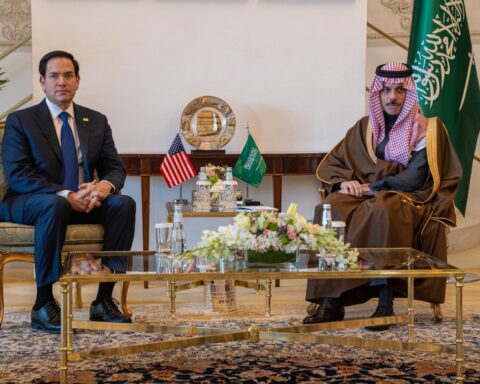
The Rubio-Faisal call the same afternoon produced a State Department readout referring to “regional developments” and “the importance of close coordination to promote regional security and stability.” Iran was not named. Prince Sultan was not mentioned. The article that stood on July 16 declaring PSAB unstruck through ten waves has been overtaken by a strike no signatory of the pact protecting it will officially acknowledge.
Table of Contents
- What Happened at Prince Sultan on the Night of July 18?
- Why Is No Capital Confirming the Strike?
- The Saudi Trap: Sakhir, Silence, or Sovereignty
- Washington’s Problem: 43 Grounded Warplanes at a Struck Base
- Pakistan’s Red Line and the HQ-9 Question
- Which Layer of the Air Defense Failed?
- Why Iran Will Not Name Pakistan Either
- What Rezaei’s Ultimatum Means for Night Nine
- Frequently Asked Questions
What Happened at Prince Sultan on the Night of July 18?
Iranian ballistic missiles struck Prince Sultan Air Base in the early hours of July 18, 2026, according to TRT World, The Aviationist, Caspian Post, Daily Pakistan, Times of Israel, WION News, and a US official cited by Axios. TRT World’s first bulletin reported Saudi Arabia intercepted three ballistic missiles targeting the base. Its follow-up reported that at least one Iranian missile hit the base and injured several US soldiers. WION News put the casualty count at ten US soldiers wounded, which if confirmed would add to the 427 WIA already recorded in Operation Epic Fury.
IRIB, Iran’s state broadcaster, framed the timing with precision that suggests ISR cueing rather than a general area attack. The missiles were launched “moments after American refueling planes took off,” meaning the tanker rotation from PSAB was being watched from western Iran and struck on departure signature. The KC-46 and KC-135 rotation supporting the eighth-night deep strikes into Yazd had made PSAB operationally active for the first time since Operation Project Freedom grounded its warplanes in May.
The Middle East briefing 3,000+ readers start their day with.
One email. Every weekday morning. Free.
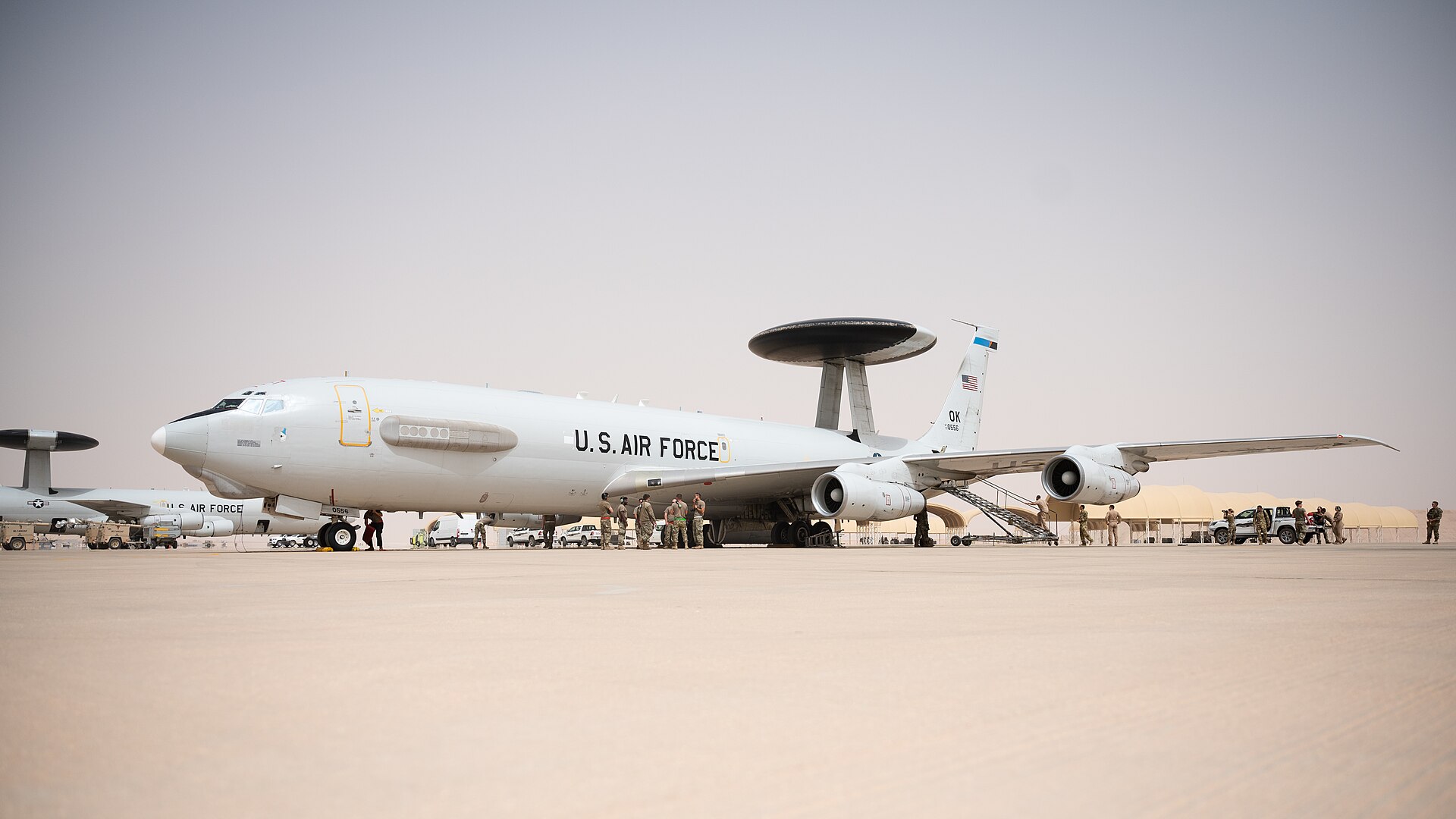
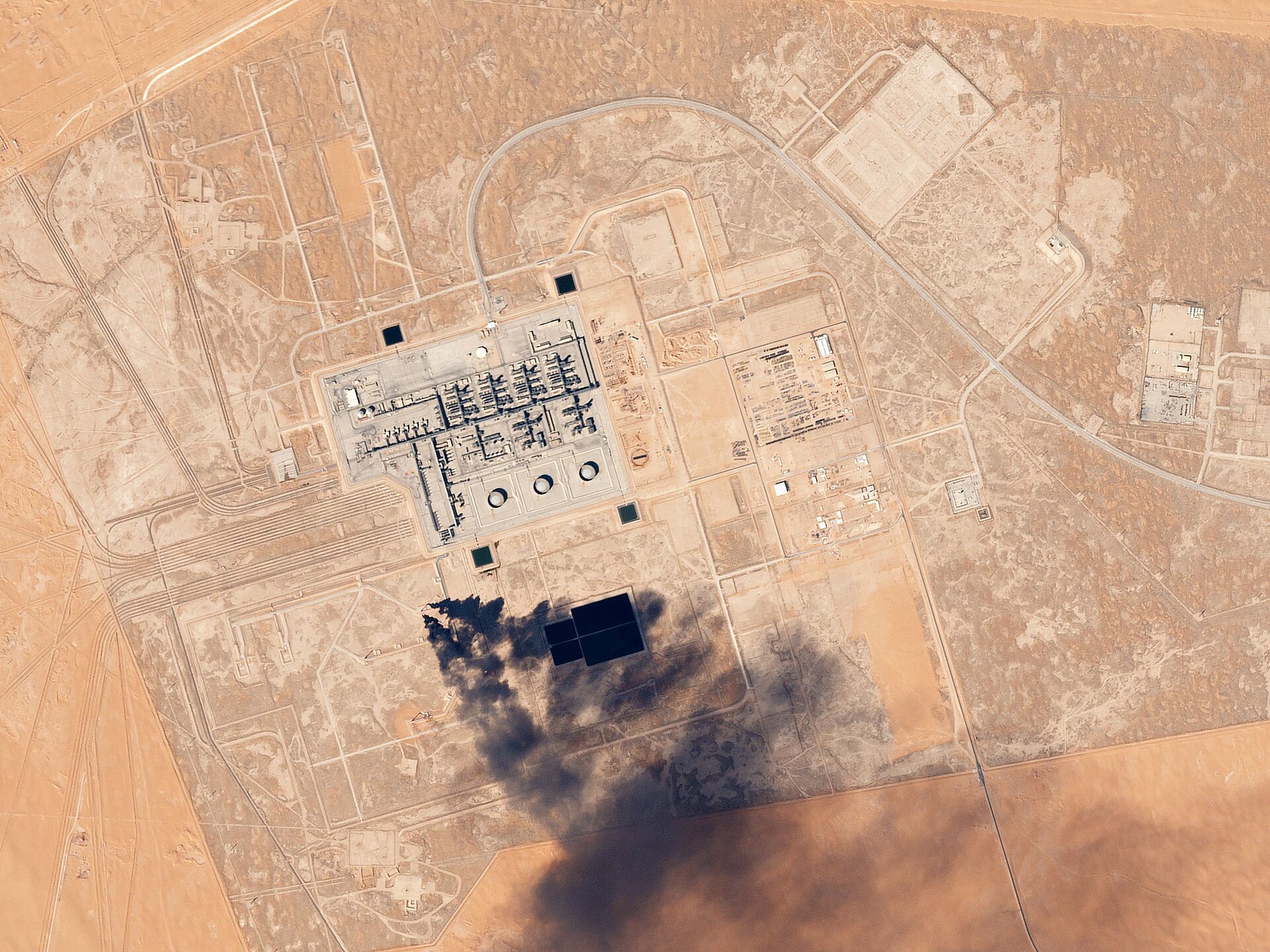
Video circulating from the perimeter within hours showed impact plumes consistent with terminal-phase ballistic strikes rather than the interceptor engagements Saudi Arabia’s earlier statements described in March. The March 27 strike on the base — which destroyed an E-3G Sentry AWACS worth approximately $270 million and wounded ten to fifteen US personnel — produced formal Saudi Press Agency confirmations of intercepts, though not of impact. On July 18 there has been neither. The Saudi Ministry of Defense has not issued a bulletin. CENTCOM has not commented. The July 17 attack is now the third confirmed or claimed Iranian strike on PSAB since March.
The chronology matters because the timing eliminates the possibility of confusion. March 14 damaged five KC-135 Stratotankers at the same base and produced a Saudi statement within six hours. March 27 destroyed the AWACS and produced a Saudi statement within four. July 18 has now passed twelve hours without acknowledgement from any government whose personnel, equipment, or interceptors were involved in the engagement.
The pattern break is the story. When the March strikes were smaller and the political stakes lower, the silence lasted hours — not into a full news cycle. When the July 18 strike hit a base whose survival had become the political totem of Operation Project Freedom, the silence has held and shows no sign of breaking.
Why Is No Capital Confirming the Strike?
The silence is coordinated because acknowledgement forces each government into a position none of them can occupy. Riyadh, Washington, and Islamabad have each calculated that confirming the strike triggers obligations, admissions, or legal consequences worse than the strike itself. The pattern is not unprecedented: Saudi Arabia and Iran ran the same playbook in late March 2026, when Reuters later confirmed on May 12 that Saudi Arabia had conducted covert strikes on Iranian launch sites and Iranian attacks on Saudi territory fell 76% in the following week. Neither side acknowledged the exchange while it was happening.
What is different this time is that a third party — Pakistan — is now embedded in the physical defense of the target through its September 2025 Strategic Mutual Defense Agreement with Saudi Arabia. The SMDA text signed at Al-Yamamah Palace declared that “any attack against either state shall be considered an attack against both states.” The text has never been published. Nawal Nawaz of Global Security Review wrote in November 2025 that the agreement “remains ambiguous” regarding “precise obligations and permissible courses of action for both parties in response to acts of aggression.” A Brookings analysis described the pact as “primarily a signal of intent, not a clearly codified mutual defense trigger.” The Belfer Center titled its own paper on the subject with a warning: “Beyond the Hype: Pakistan-Saudi Defense Pact Is Not a Saudi Nuclear Umbrella.”
Each of those hedges — remains ambiguous, primarily a signal, beyond the hype — describes the diplomatic room the three governments now need. Acknowledging the strike closes that room. Silence keeps it open.
The Saudi Trap: Sakhir, Silence, or Sovereignty
Saudi Arabia’s problem with confirming the strike begins with the Sakhir Declaration and the GCC collective defense architecture that Iran’s July 8 opening wave was the first serious test of. Invoking Sakhir requires a coalition response the United States has not committed to. Riyadh has already declined to invoke it once. The unexplained civil defense alerts at Al-Kharj and Yanbu on July 18 — first triggered, then all-clear without published cause — sit inside the same evasion architecture. Publicly cataloguing incoming threats forces publicly cataloguing the response, and the response has been managed ambiguity backed by a partially depleted PAC-3 stockpile.
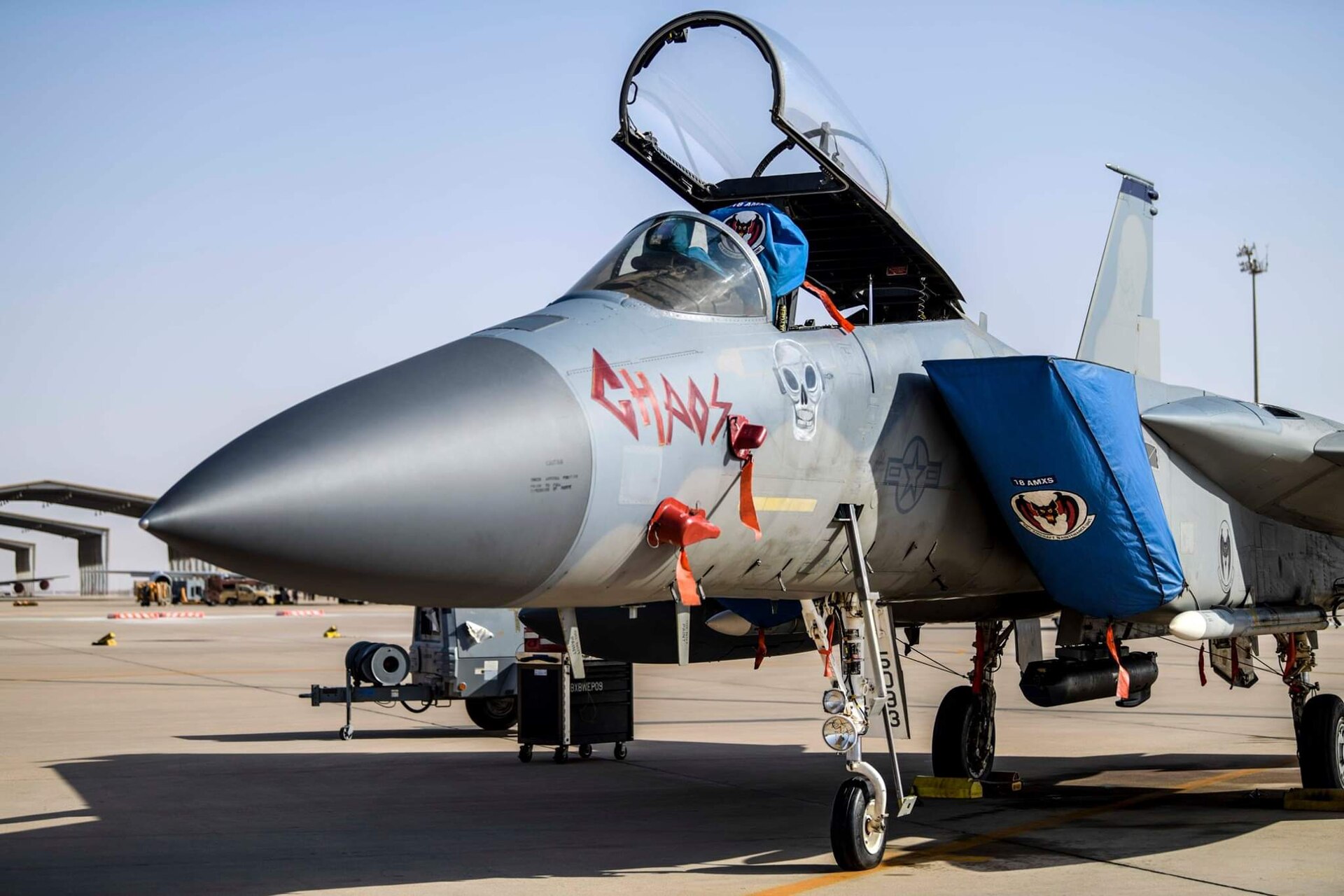
Confirming the July 18 strike also publicly demolishes the premise of Operation Project Freedom. In May 2026, Saudi Arabia grounded all 43 US warplanes at Prince Sultan Air Base for four days and suspended US military operating authority. The message to Iran was that the base was neutralized as an offensive platform, and Iran appears to have read the grounded aircraft as a signal of partial Saudi withdrawal from the conflict. That signal held through Night Seven — the base was the only major US installation in the Gulf spared during July 8-17.
On Night Eight, CENTCOM flew fighter jets 650 kilometers inland to Yazd — the deepest penetration of the campaign — with tanker support routed through Ben Gurion. PSAB became operationally active again, and the Iranian read of Project Freedom collapsed within hours.
Publicly admitting the strike is publicly admitting that the coercive lever Saudi Arabia used against Washington in May is spent — that grounding US aircraft did not immunize the base, and that the ambiguity Riyadh sold to Tehran has already been overwritten by the missiles that hit it. The next Iranian strike is a question of timing, not deterrence. None of that produces a domestic political benefit. Silence produces the opposite: the fiction of continued deterrence, the space to keep negotiating quietly with Tehran, and the plausible deniability required to keep the US-Saudi relationship from an open rupture.
Washington’s Problem: 43 Grounded Warplanes at a Struck Base
The United States cannot confirm the strike without triggering the question that Washington has spent two months refusing to answer publicly: why are 43 US warplanes still on the ground at a base that was just hit by Iranian ballistic missiles? Every answer to that question damages a different equity. Saying the aircraft are grounded because Saudi Arabia has not lifted its Project Freedom restrictions confirms that Riyadh retains veto authority over US operations in the Gulf. Saying the aircraft are grounded because CENTCOM chose not to reactivate them concedes that the base’s operational status is a US political decision rather than a military necessity. Saying the aircraft were quietly reactivated for Night Eight tanker support explains why Iran struck — and forces public discussion of what CENTCOM is doing at the base while claiming it is inactive.
Casualty confirmation is the second problem. If WION’s ten-wounded figure is accurate, the total wounded in Operation Epic Fury moves from 427 to approximately 437, and the fourteen US personnel already killed have to be defended in Congress against a rising casualty curve. Confirming the strike converts every previous evasion — the Saudi refusal to invoke Sakhir, the Project Freedom grounding, the SOFA void that dates to 1976/1977 and has never been renegotiated — into fresh Congressional inquiries. Silence buys the executive branch time to shape the narrative.
There is also a legal seam. The PSAB Status of Forces framework has been effectively void since the original 1976/1977 agreements expired without renewal. No public treaty codifies US retaliation rights on Saudi soil for attacks on US personnel there. A confirmed strike triggers the demand that Washington produce that framework — a demand Riyadh will refuse and Washington cannot force. Non-confirmation postpones the demand.
The pact is primarily a signal of intent, not a clearly codified mutual defense trigger.
Brookings, “The signal and substance of the new Saudi-Pakistan defense pact,” September 2025
Pakistan’s Red Line and the HQ-9 Question
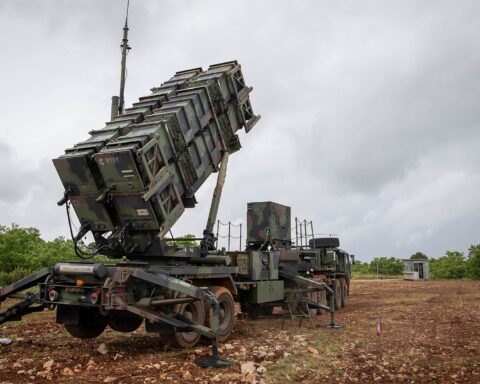
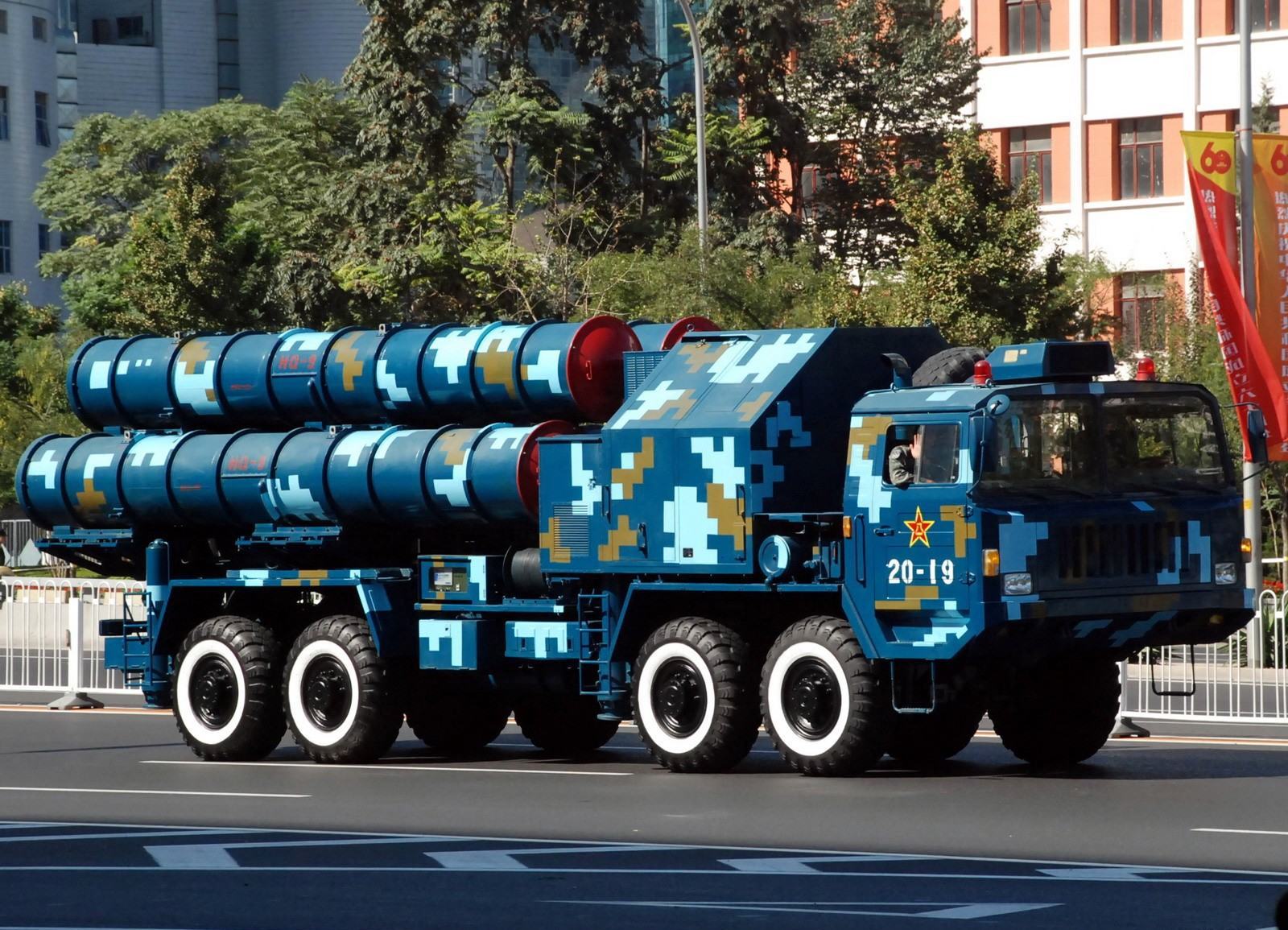
Pakistan’s silence is the most legally consequential of the three. Islamabad has one HQ-9 battery deployed to Saudi Arabia along with roughly 8,000 troops and sixteen JF-17 fighters. The battery is the primary high-altitude intercept layer at PSAB now that the PAC-3 MSE stockpile has fallen to approximately 400 of 2,800 original rounds — an 86% depletion that Lockheed Martin’s Camden plant cannot replace before 2028. If TRT World’s report of three intercepted ballistic missiles is accurate, and if HQ-9 engagement is what produced those intercepts, then Pakistani air defenders have now engaged Iranian ordnance in defense of a US base on Saudi soil. That is a formal act of war by any traditional reading of laws of armed conflict.
The problem for Islamabad is that Pakistan is simultaneously acting as a mediator with Tehran. The Foreign Office has publicly urged Iran to “return to diplomacy” and to accept the Islamabad-brokered MOU framework whose signing window opens and closes with each ultimatum from Rezaei. Confirming HQ-9 engagement classifies Pakistan as a belligerent — and instantly reclassifies its 8,000 troops in Saudi Arabia as legitimate military targets under the same body of law that governs everything else. The mediator role collapses. The IRGC’s July 17 statement warning that “no political border will be secure” acquires a specific address.
Pakistan’s most-quoted red line, cited by Geo.tv and Reuters, is that “our top civil and military leaders have conveyed to Iran at the highest level that the attacks on Saudi Arabia are attacks on Pakistan. It is our red line.” The statement was framed at the time as covering Houthi attacks and drone incursions, not Iranian ballistic missile strikes launched from Iranian territory. Whether the SMDA extends to confirmed Iranian ballistic strikes is the operative ambiguity that silence conveniently postpones. Islamabad has made the ambiguity part of its deterrent posture. Naming the July 18 engagement dissolves it.
Which Layer of the Air Defense Failed?
The technical structure of the July 18 strike reveals a seam in the layered defense architecture that Iran has been probing since March. PAC-3 MSE engages targets up to approximately 40 km. Pakistan’s HQ-9B battery has a ceiling of approximately 50 km. THAAD historically covered the 40-150 km band, but its radar at PSAB was damaged in the March 27 strike and has not been publicly confirmed as replaced. The undefended gap sits between 40 and 70 km — which is precisely where Iran’s Fattah-2 hypersonic glide vehicle operates.
| System | Engagement band | Status |
|---|---|---|
| PAC-3 MSE | 0-40 km | 400 rounds remaining (86% depleted) |
| HQ-9B (Pakistan) | 0-50 km terminal | 1 battery, first combat use vs. Iranian SRBMs |
| THAAD | 40-150 km midcourse/terminal | Radar damaged March 27; status not disclosed |
| Fattah-2 HGV glide phase | 40-70 km | Undefended seam if THAAD offline |
Zolfaghar is the more likely component of the July 18 salvo based on range and inventory. It has a stated maximum range of approximately 770 km, which places PSAB well inside its footprint from launch sites in western Iran. Its BeiDou-3 satellite guidance operates with frequency-hopping resistance that Iran claims delivers roughly 98% terminal accuracy under US electronic warfare jamming. At least one Zolfaghar has previously executed terminal maneuvers that defeated a PAC-3 MSE engagement in the current campaign. If HQ-9B engaged Zolfaghar warheads descending through the 30-40 km zone, TRT World’s reported intercept count of three is plausible.
Fattah-2 explains what got through. The system’s stated terminal speed is Mach 13-15 with maneuvering capability of up to ten Gs during the glide phase. Its glide altitude sits at 40-70 km — above HQ-9B’s ceiling, below THAAD’s midcourse engagement band, and above PAC-3 MSE’s reach entirely. With THAAD’s radar unrepaired at PSAB since March 27, the seam is undefended. A single Fattah-2 penetrating that band while HQ-9 engaged the Zolfaghars descending through the lower altitudes matches the reported outcome — three intercepts, at least one impact, US personnel wounded.
The seam is not a Pakistani failure. It is a US architectural gap that Pakistan’s HQ-9 was never designed to close. The interceptor arithmetic that Washington approved rockets without funding shields now has an audit trail at PSAB.
Why Iran Will Not Name Pakistan Either
Iran’s own silence about Pakistan is the mirror image of Islamabad’s. No IRGC announcement has named Pakistan’s HQ-9 or described engagement by Pakistani air defenders. The Iranian state media framing has focused on the tanker aircraft departure timing and the successful strike on the base — not on whose interceptors were fired against the incoming warheads. This is deliberate. Iran is preserving the same ambiguity Pakistan is preserving, and for reasons that mirror it.
Naming Pakistan converts Iran’s mediation channel with Islamabad into a formal adversary relationship. The Foreign Ministry in Tehran has spent the past month working the Pakistan back-channel as an alternative to the collapsed Doha track and the frozen Muscat track — Islamabad has hosted delegations, and Prime Minister Sharif has taken calls from Ayatollah Khamenei’s office. The Rezaei ultimatum of July 17 threatening “full-scale offensive operations and offensive and complete destruction” was directed at Washington, not at Islamabad. Naming Pakistani air defenders as combatants closes the last diplomatic door Tehran has kept open.
There is also a targeting logic. If Iran names Pakistan, Iran’s target list must expand to include Pakistani forces in Saudi Arabia — the 8,000 troops, the sixteen JF-17s, the HQ-9 battery itself. Iran does not have the interceptor inventory or the escalation ladder to fight Pakistan and the United States simultaneously. Islamabad’s ambiguity is Iran’s operational convenience: Iran gets to strike PSAB while Pakistan gets to remain a mediator. Both governments understand that the utility of the fiction depends on nobody in Riyadh, Washington, or Islamabad speaking on the record.
What Rezaei’s Ultimatum Means for Night Nine
Mohsen Rezaei’s July 17 statement was calibrated to the CENTCOM tempo. “If US attacks continue for another two or three days, we will enter a phase of full-scale offensive operations and offensive and complete destruction.” The two-to-three-day window closes on the night of July 18-19 — the same 24-hour period in which PSAB has been struck for the first time since March. Rezaei’s ultimatum has not been withdrawn. The strike is inside the window it named.
What “offensive and complete destruction” contains is unclear, and that is part of the point. Ras Tanura, Abqaiq, and the Ghawar eastern infrastructure corridor have not been struck at full scale. Iran has publicly warned against targeting oil infrastructure and has restricted attacks so far to military installations and secondary port facilities. The Aramco processing facilities at Abqaiq alone handle roughly 60% of Saudi crude flow. A confirmed strike there converts the current managed escalation into an oil market crisis and a US-Saudi mutual defense question that neither government can evade with a State Department readout.
General Fayyad Al-Ruwaili, Saudi Chief of General Staff, met CENTCOM Deputy Commander Lieutenant General Patrick Frank at Riyadh on July 15 — three days before the strike. The bilateral was framed as “expanding defense cooperation.” The optics of that meeting alongside a confirmed July 18 strike on the base most tied to that cooperation are the specific optics all three capitals are working to avoid. Silence buys time to shape what the next 48 hours look like. If Rezaei’s window expires without a further strike, the ultimatum quietly dies. If it expires with Abqaiq hit, the silence is over — because Aramco cannot conceal a strike on Abqaiq the way three governments have concealed one on PSAB.
The escalation ladder Iran has climbed since Night One follows a pattern that argues against silence lasting into a second cycle. Nights One and Two targeted Kuwait and Bahrain — small-signature strikes calibrated to test coalition response. Nights Three and Four moved to Jordan and Qatar, hitting a US satellite dish at Al-Udeid and drawing MIM-23 Hawk engagements at Muwaffaq Salti. Nights Five through Seven extended into Omani waters and secondary Saudi ports without producing a mass casualty event.
Night Eight opened the deep-strike phase into central Iran and, in response, opened Prince Sultan to strike. Every rung has escalated the target’s political weight while the coalition’s public acknowledgement has narrowed. The trajectory suggests the silence architecture is holding capacity for a strike Iran has not yet delivered — and that the July 18 hit at PSAB was the last escalation the current architecture can absorb without cracking.
The same day, Tehran removed any doubt about its diplomatic posture: Iran’s formal MOU suspension, announced by Deputy Foreign Minister Gharibabadi on July 18, confirmed that the sixty-day Islamabad framework Iran had used to signal conditional restraint was no longer operative — leaving the base’s silence and the escalation ladder with no diplomatic ceiling above them.
Arab Center DC’s assessment written before Night One described the current campaign as “a vivid display of just how vulnerable Gulf economies are to attacks by Iranian ballistic missiles, rockets, and drones, with military bases, civilian airports, and energy infrastructure all being targeted.” Two of the three target categories have now been hit — energy infrastructure at full scale is the third. Silence about PSAB depends on Iran choosing not to force the issue during the 48-72 hours between Rezaei’s ultimatum and the next Saudi civil defense cycle.
Every prior Iranian action in the current campaign has preferred escalation to restraint. The base for the assumption that silence holds is thinner than it looked at breakfast on July 18.
Frequently Asked Questions
How many US personnel are stationed at Prince Sultan Air Base?
Approximately 2,300 US personnel are stationed at PSAB as of July 2026, drawn from the 378th Air Expeditionary Wing and supporting units. The base was rebuilt as the CENTCOM forward air component headquarters after the 2003 Al-Udeid transition and hosted the 609th Air Operations Center until portions were dispersed following the March 27 AWACS strike. Force protection has been provided by a combination of US Air Force security forces, Saudi Royal Guard elements, and — since the September 2025 SMDA — a rotating Pakistani infantry contingent.
Has the Sakhir Declaration ever been formally invoked?
No. The Sakhir Declaration, signed at the 2000 GCC summit in Bahrain, establishes collective defense obligations among GCC members but contains no automatic trigger comparable to NATO’s Article 5. Invocation requires consensus among all six GCC states and coordination with the United States under the separate 1990 defense framework. The declaration has never been invoked since its signing, and the current conflict has not produced a formal invocation despite eight consecutive nights of attacks on Gulf infrastructure. Bahrain and Kuwait have both declined to raise the matter at the ministerial level.
Where does the Zolfaghar missile fit in Iran’s ballistic inventory?
Zolfaghar is a solid-fueled short-range ballistic missile with a stated range of approximately 700-770 km, first paraded in 2016 and first used in combat against ISIS positions in Deir ez-Zor in 2017. It is the workhorse of Iran’s regional strike inventory and sits below Fattah-2 and above Fajr-3 in yield and range. Its BeiDou-3 guidance package was retrofitted in 2023 and is optimized for GPS-denied environments. Western analysts tracking satellite imagery of the Parchin complex have estimated Iran manufactures roughly 30-40 Zolfaghars per month, giving Tehran the sustainment depth that its hypersonic inventory does not yet match.
What is Operation Epic Fury?
Operation Epic Fury is the US Department of Defense designation for the strike campaign against Iranian military and nuclear infrastructure that began on July 11, 2026. As of July 18, DoD has confirmed 14 US personnel killed in action and 427 wounded in action across the operation’s first eight nights, before any casualties from the July 18 PSAB strike. The operation is being conducted primarily from Al-Udeid Air Base in Qatar, Ali Al-Salem in Kuwait, and — since Night Eight — with tanker support flown from PSAB and refueling tracks routed through Ben Gurion.
How does the Pakistan-Saudi SMDA differ from a NATO-style guarantee?
The SMDA, signed September 17, 2025, at Al-Yamamah Palace, uses language that mirrors NATO Article 5’s “attack against one is an attack against all” formulation but omits the automatic-response architecture that gives Article 5 its deterrent weight. There is no equivalent to NATO’s integrated military command, no shared force generation planning, and no published treaty text specifying which acts of aggression trigger which responses. The Belfer Center has assessed publicly that the pact does not extend Pakistan’s nuclear umbrella over Saudi Arabia in any operationalized form. NATO Article 5 has never been invoked without a formal declaration process requiring consensus; the SMDA has no equivalent process and no public text against which compliance could be measured.
The structural gap between Saudi Arabia paying for an air defence system and retaining the authority to fire it — HQ-9 command authority, the classified rules of engagement, the Sakhir Declaration left uninvoked — is examined in Saudi Arabia Paid for the Shield It Cannot Fire.