
RIYADH — Saudi Arabia struck Sanaa International Airport on July 13, 2026, to prevent the landing of a US-designated Iranian airline carrying a Houthi delegation from Ayatollah Khamenei’s state funeral, then issued no public acknowledgment when the Houthis retaliated with six ballistic missiles and drones against Abha International Airport the same day. The silence — covering both the offensive strike on Sanaa and the retaliatory attack on a Saudi civilian airport — marks the widest gap in Saudi wartime communications since the Iran conflict began.
Four civilian airports across Saudi Arabia’s southern border closed within a four-minute administrative window. Eight airlines suspended service. Asir province residents heard air defense intercepts over a Vision 2030 tourism gateway designed to handle thirteen million passengers a year. Coalition spokesperson Maj. Gen. Turki al-Maliki confirmed only that air defenses “dealt with ballistic missiles launched by the terrorist Houthi militia toward the southern region.” No airport named. No aircraft identified. No mention of Sanaa.
The following sections examine what the silence costs, what the Mahan Air interdiction signals about Saudi-Iranian proxy operations, and how a cratered runway in Sanaa became the declared trigger for a Houthi naval blockade of the kingdom seven days later.
Table of Contents
- What Happened at Sanaa International Airport on July 13?
- What Did the Houthis Fire at Abha?
- The Four-Minute NOTAM Window
- Why Has Saudi Arabia Not Acknowledged Either Strike?
- The Mahan Air Problem
- What Did the July 13 Exchange Do to the 2022 Truce?
- Abha as Vision 2030 Target
- From Sanaa Runway to Bab al-Mandeb Blockade
- Frequently Asked Questions
What Happened at Sanaa International Airport on July 13?
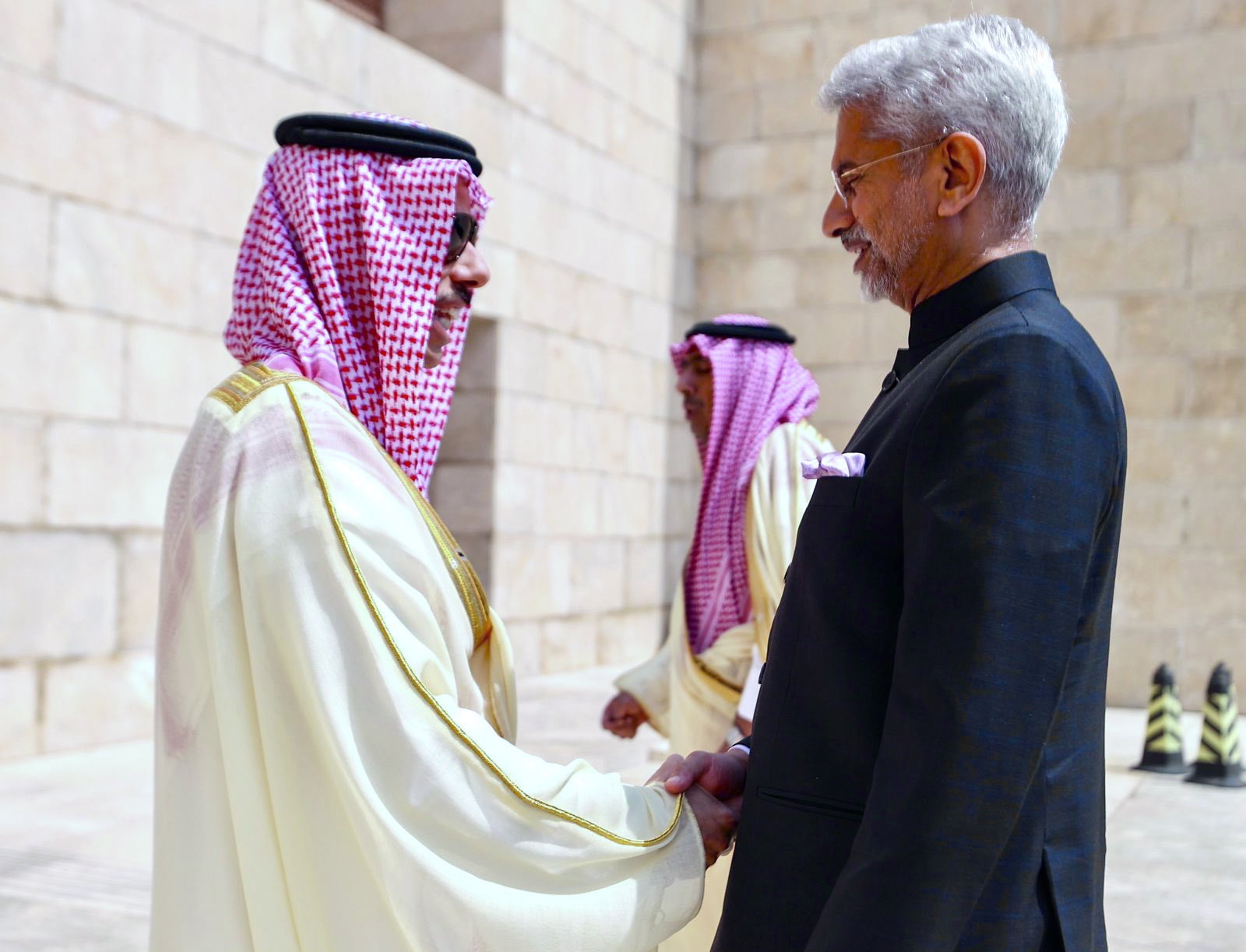
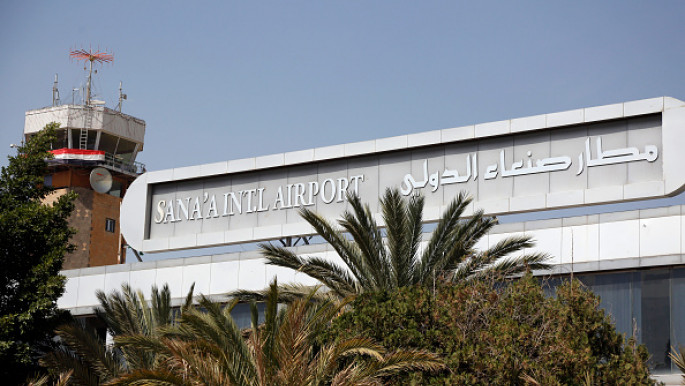
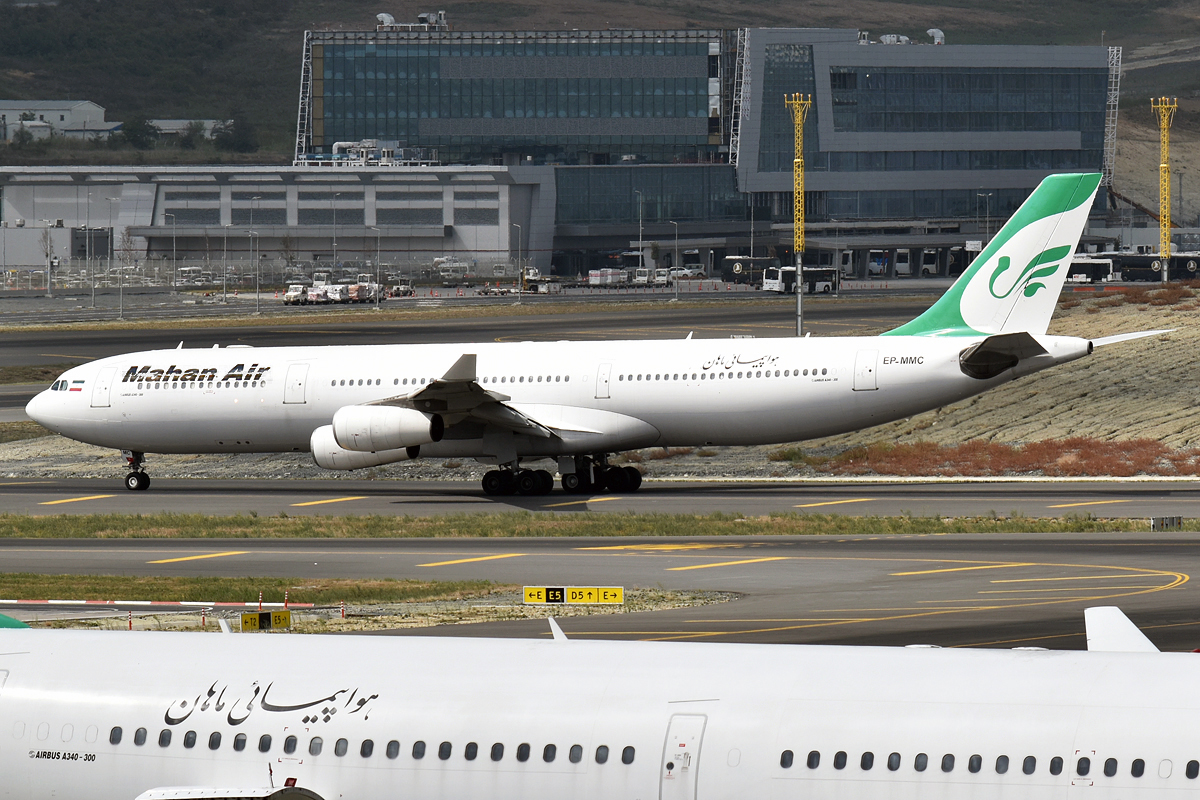
Saudi coalition aircraft struck the runway of Sanaa International Airport as Mahan Air flight IRM1199 — an Airbus A340-313, registration EP-MMC — was on final approach from Tehran carrying a senior Houthi delegation led by Supreme Political Council member Mohammed Al-Nuaimi, according to Flightradar24 tracking data and reporting by Aerotime Hub and Misbar.
Flightradar24 recorded the aircraft’s descent into Sanaa between 05:01 and 05:23 local time on July 13, approximately 10:20 Tehran time. The runway strike forced the A340 to break off its approach and divert west, landing instead at Hodeidah International Airport on the Red Sea coast. The aircraft subsequently departed for Tehran. The delegation had been attending the state funeral of Ayatollah Ali Khamenei — the same event that produced a temporary pause in CENTCOM’s air campaign against Iran and an overt Iranian flight into Sanaa ten days earlier.
Saudi Arabia did not claim the strike. Attribution was channeled through the Ministry of Defense of Yemen’s internationally recognized government — the Riyadh-based Presidential Leadership Council — allowing the kingdom to maintain legal and diplomatic distance from an act its own air assets conducted. The AP wire reported the Yemeni government’s claim; no Saudi official elaborated.
The Middle East briefing 3,000+ readers start their day with.
One email. Every weekday morning. Free.
Edmund Fitton-Brown, Senior Fellow at the Foundation for Defense of Democracies and former British Ambassador to Yemen, assessed that “the attack was intended to resist Iranian and Houthi efforts to break the air blockade on the Houthi-controlled part of Yemen that has existed for more than a decade.” He added: “Iran and the Houthis took the opportunity of Khamenei’s funeral to test Saudi resolve. Their explicit intention is to establish a regular air link between Iran and Sanaa, uncontrolled by the Saudis or their allies.”
The interdiction delayed the delegation’s return. It did not prevent it. Al-Nuaimi and his party reached Tehran through Hodeidah, according to Yemen Monitor. The runway at Sanaa — cratered but not permanently disabled — had been struck and repaired before. The question the strike answered was not whether the Houthis could reach Tehran. It was whether Saudi Arabia would use force to prevent a second Iranian aircraft from landing at Sanaa within a ten-day window.
What Did the Houthis Fire at Abha?
The Houthis responded on July 13 with a barrage of six ballistic missiles and drones targeting Abha International Airport and King Khalid Air Base at Khamis Mushait, according to the Washington Post and Solace Global’s Gulf situation report. Saudi air defenses engaged the incoming projectiles. Houthi military spokesman Yahya Saree said on Telegram the operation “successfully achieved its objectives” and marked “the end of a period of de-escalation.”
No casualties were reported publicly. The comparison to Abha’s prior targeting is instructive. On June 12, 2019, a Houthi missile struck the arrivals hall and wounded twenty-six civilians. On June 23, 2019, a follow-up attack killed one Syrian national and wounded twenty-one others — thirteen Saudis, four Indians, two Egyptians, and two Bangladeshis. Human Rights Watch characterised the June 23 strike as an apparent war crime. In August 2021, a Houthi drone attack on Abha wounded eight.
The July 2026 barrage was larger in scale than any previous Abha strike, but produced no publicly reported casualties. The difference lies in the defensive posture. Four airports closed preemptively. Intercepts engaged over Asir province. The entire southern airspace was shut down within minutes of the first warning. Saudi air defenses absorbed the blow. The public was told nothing about what it absorbed.
Saree separately warned airlines globally to avoid Saudi airspace, saying the warnings should be taken “seriously until the blockade on Sanaa International Airport is lifted.” He framed the Abha strike not as a one-time retaliation but as the opening of an indefinite campaign tied to Saudi behaviour at Sanaa. The dual-target selection — Abha for symbolic civilian impact, Khamis Mushait for military credibility — indicated a calibrated operation, not an opportunistic salvo.
The Four-Minute NOTAM Window
Saudi authorities issued four Notices to Air Missions between 17:10 and 17:14 UTC on July 13, closing all four civilian airports along the kingdom’s southern border in a sequence that spanned four minutes and approximately 455 kilometres of airspace, according to OPSGROUP’s Middle East Airspace advisory.
| Airport | ICAO | NOTAM Issued (UTC) | Province |
|---|---|---|---|
| Abha International Airport | OEAB | 17:10 | Asir |
| King Abdullah bin Abdulaziz Airport, Jizan | OEGN | 17:12 | Jizan |
| Najran Domestic Airport | OENG | 17:13 | Najran |
| Sharurah Domestic Airport | OESH | 17:14 | Najran |
A four-minute issuance window across four airports in three provinces indicates a single command-level decision, not a cascade of local judgments. Someone with authority over the entire southern air sector ordered the closure in one directive. The NOTAMs were extended through at least 1500Z on July 16 — seventy-two hours of closed civilian airspace across Saudi Arabia’s most active summer tourism corridor.
At least eight airlines were directly disrupted: Saudia, flynas, flyadeal, flydubai, Air Arabia, Air Arabia Egypt, Nile Air, and Qatar Airways, according to ch-aviation. Passengers were stranded across the Asir mountain tourism region during peak season — the months when domestic travellers escape Riyadh’s 45°C heat for Abha’s 2,200-metre elevation.
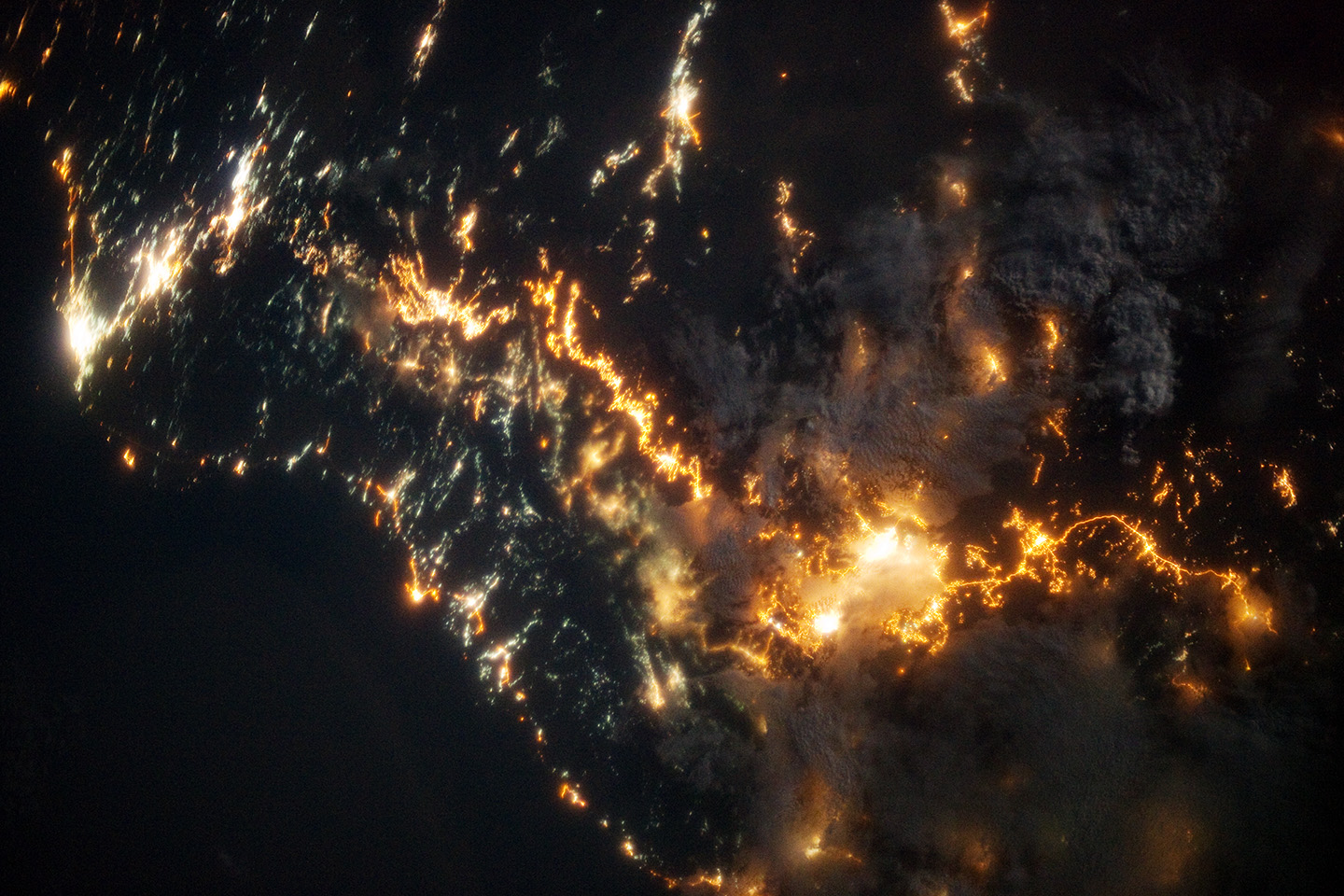
On July 14, the European Union Aviation Safety Agency reinstated a high-level safety warning recommending airlines avoid Bahrain, Kuwait, Qatar, and UAE airspace, according to traveltourister.com and nomadlawyer.org. A runway strike in Sanaa had, within twenty-four hours, reshaped commercial aviation risk across six countries. The NOTAMs told pilots what the government would not tell citizens: that the southern border was under active threat, and that the threat extended across the full 455-kilometre frontier with Yemen.
Why Has Saudi Arabia Not Acknowledged Either Strike?
Saudi Arabia’s wartime silence posture throughout the Iran conflict serves a specific diplomatic function: it preserves the neutrality positioning on which Riyadh’s access to both sides of the conflict depends. The Algemeiner assessed in June 2026 that the kingdom “benefits from deniability because it preserves the neutrality posture on which the kingdom’s diplomatic positioning depends” and that the mutual silence between Riyadh and Tehran “serves both sides, but asymmetrically.”
The asymmetry matters now. Silence about a strike on Sanaa — an offensive action in a proxy theatre, conducted through the legal framework of the Yemeni government — carries low domestic cost. Most Saudi citizens have no immediate stake in whether their air force hit a runway in Houthi-held Yemen. The population most affected by that strike lives in Sanaa, under a government Riyadh does not recognise.
Silence about six missiles hitting Abha is a different category. Asir province residents experienced the attack. They heard the intercepts. Their airport closed. Their flights were cancelled across three days. The government that ordered the NOTAM closures — which required the implicit acknowledgment that the region was under fire — simultaneously declined to explain why.
The sole Saudi-adjacent public statement came from coalition spokesperson al-Maliki, who confirmed air defenses “dealt with ballistic missiles launched by the terrorist Houthi militia toward the southern region.” The statement named no airport, no city, no aircraft, and made zero reference to the Sanaa operation that provoked the retaliation. It was a confirmation of intercepts stripped of every contextual detail that would give the public a narrative.
The Arab Center Washington DC documented this pattern across the broader conflict: Saudi Ministry of Foreign Affairs statements “have called for restraint, urged a return to negotiations, and emphasized the Kingdom’s commitment to regional stability” while officials denied “reports that Saudi Arabia had granted the US military access to bases and airspace for operations against Iran.” Crown Prince Mohammed bin Salman’s only public allusion to military activity came at the Mina Palace Eid al-Adha reception, where he thanked commanders for “efforts to defend the country” during “crises the region is experiencing” — a formulation so abstract it could describe a sandstorm or a budget negotiation.
This posture works when the audience is foreign — diplomats, markets, counterparts in Tehran who benefit equally from ambiguity. It works less well when the audience is domestic and has cancelled boarding passes. Abha is not a forward operating base. It is a civilian airport in a capital city of a densely populated southern province. Those residents heard the intercepts on July 13 and received al-Maliki’s statement naming no airport, no city, and no aircraft.
The Mahan Air Problem
The aircraft Saudi Arabia struck at was not a civilian airline operating under commercial norms. The US Treasury first designated Mahan Air in 2008, then again in 2011, for its role supporting IRGC-Quds Force Unit 190 — the entity responsible for arming Iranian proxies across the Middle East. The EU, UK, Canada, and Australia have imposed additional designations. Mahan Air’s documented logistics routes include flights to Damascus and Beirut carrying weapons and IRGC personnel under civilian manifests, according to FDD’s Long War Journal.
The July 13 flight was the second Mahan Air trip to Sanaa in ten days. On July 3, a Mahan Air aircraft successfully landed at Sanaa International Airport — the first overt Iranian flight into Houthi-held territory in over a decade, according to the Foundation for Defense of Democracies and Sheba Intelligence UK. That flight reportedly carried IRGC personnel, drone and missile specialists, and command-and-control electronics into Sanaa. It returned with a senior Houthi delegation bound for Khamenei’s funeral.
Ibrahim Jalal, a Yemen researcher, titled his analysis of the July 3 flight “Overt at Last: Iran’s Sana’a Flight Revives an 11-Year-Old Playbook” — framing it as Iran making visible what had been covert maritime smuggling for over a decade. Prior Houthi resupply relied on dhow routes through Omani and Somali waters, frequently interdicted by Combined Maritime Forces. A direct Sanaa air corridor would bypass the maritime chokepoint entirely, allowing transfer of precision guidance electronics, advanced telemetry, and senior IRGC advisers at a speed and scale that smuggling routes cannot match.
Iran International framed the dual-flight sequence as “one flight, two chokepoints” — Sanaa as the logistical chokepoint for arming the Houthis, and the Houthis themselves as Iran’s lever over Bab al-Mandeb. Saudi Arabia’s decision to strike the runway rather than allow the second flight to land was a chokepoint decision: close the air corridor before it becomes routine, before the IRGC logistics pipeline shifts from maritime — where it can be interdicted — to aerial, where it cannot.
The interdiction failed on its immediate terms: the delegation reached Tehran through Hodeidah. But it succeeded in its operational aim. The Sanaa air bridge was disrupted. The message that Saudi Arabia would use force to prevent Iranian military logistics flights into Sanaa was delivered without being spoken — and the absence of any Saudi statement was itself the communication.
What Did the July 13 Exchange Do to the 2022 Truce?
The exchange collapsed both competing interpretations of the April 2022 truce simultaneously. The Houthis had for four years treated it as a direct bilateral agreement with Saudi Arabia — a pact between two belligerents. Riyadh had treated it as a UN-brokered Yemen-conflict ceasefire in which the kingdom served as guarantor and facilitator, not as a party to the fighting. Both readings became inoperative on July 13, according to International Crisis Group analysis.
Mohamed Abdel Salam, a Houthi spokesman, described the Sanaa airport strike as a “grave breach” of the ceasefire. The Houthis attributed the strike directly to Saudi Arabia — not to the internationally recognised Yemeni government through which Riyadh channelled its claim — and used that attribution to justify the Abha attack as bilateral retaliation. This framing matters: it transforms the exchange from a Yemen civil war episode into a Saudi-Houthi exchange, the category Saudi Arabia spent four years avoiding.
The definitional disagreement ran deeper than semantics. Under the Houthi reading, Saudi Arabia broke a bilateral truce by attacking Houthi-held infrastructure. Under the Saudi reading, the Yemeni government conducted a lawful interdiction of an IRGC logistics flight under UN Security Council Resolution 2216’s arms embargo framework. Both interpretations carry legal and political weight. Neither survived the day intact.
The National quoted an unnamed analyst assessing the truce as “hanging by a thread.” That assessment was published on July 15 — five days before the Houthis declared a full naval blockade of Saudi Arabia, invoking the Sanaa airport strike by name as its triggering grievance. The thread snapped while analysts were still describing its tension. Seven days separated a runway strike from a blockade declaration. Saudi Arabia acknowledged neither the act that started the sequence nor the escalation that ended it.
Abha as Vision 2030 Target
Abha International Airport is not a minor regional facility. Its terminal expansion — approved under Vision 2030 planning — projects growth from 10,500 to 65,000 square metres of terminal area, with annual passenger capacity rising from 1.5 million to thirteen million, according to Saudi project planning documents reviewed by AQAR Blog. The airport is the primary gateway for Asir province’s mountain tourism corridor, Saudi Arabia’s most developed domestic alternative to its Red Sea and Gulf coastal resorts.
Asir province sits at approximately 2,200 metres elevation — the kingdom’s premier summer destination, drawing domestic tourists from the lowland heat of Riyadh, Jeddah, and the Eastern Province between June and September. The province’s population of 2.02 million, per the 2022 census, includes 422,000 residents of Abha city. The entire province borders Yemen along approximately 455 kilometres of frontier. Every resident lives within the demonstrated range of Houthi ballistic missiles.
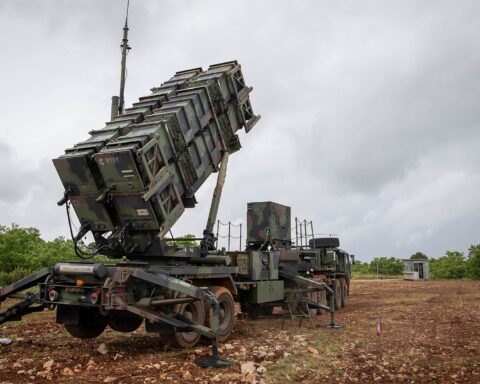
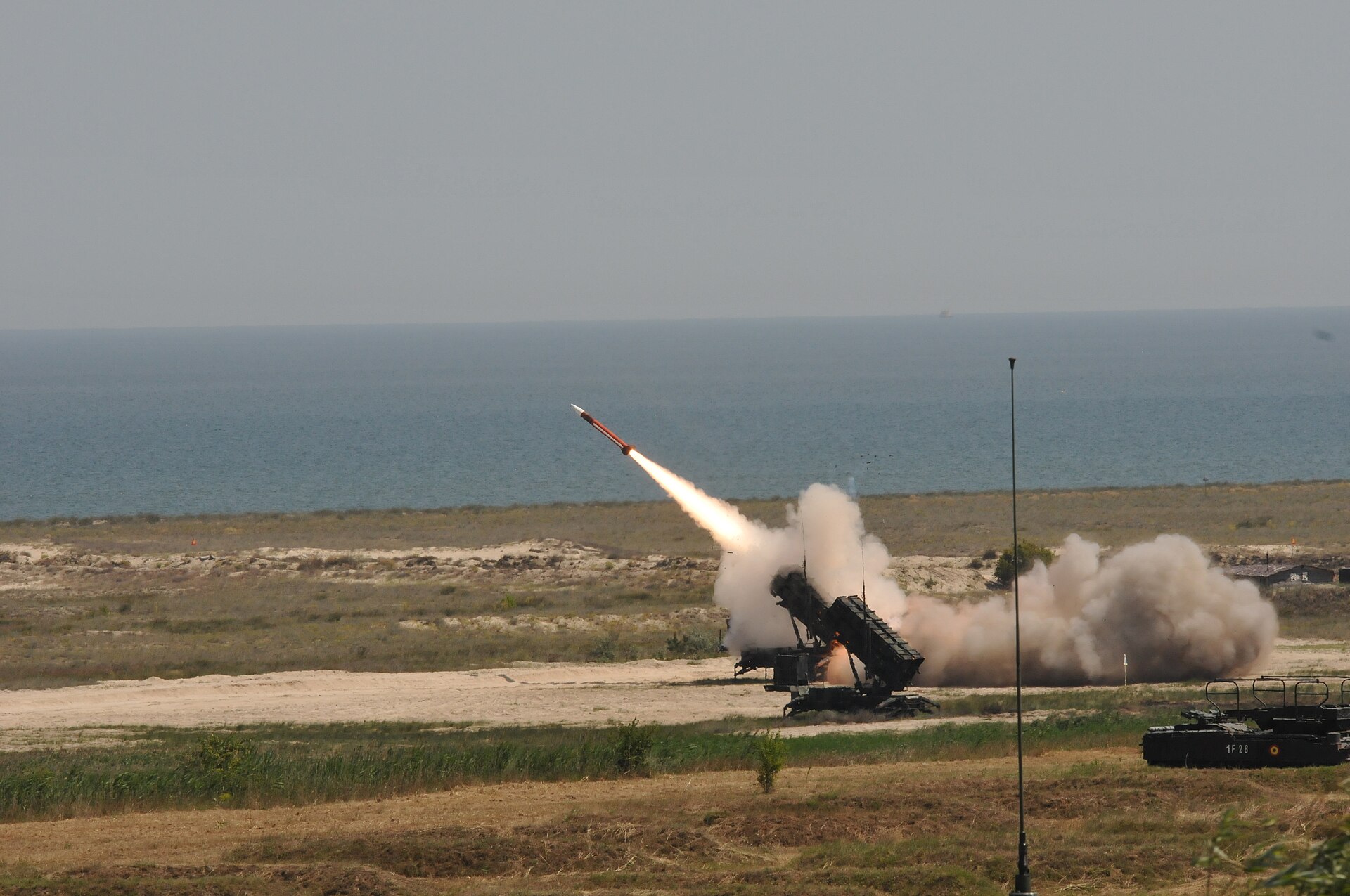
The six missiles fired on July 13 did not damage the terminal expansion. They did something potentially more durable: they demonstrated that a thirteen-million-passenger airport sits inside a threat envelope that Saudi Arabia’s current defense architecture can intercept but not deter. The PAC-3 interceptor stocks that defended Abha on July 13 stood at approximately 400 rounds from an original inventory of 2,800 — an 86% depletion rate that Saudi Arabia cannot sustain across simultaneous threat vectors from Iran and the Houthis.
Airlines can read NOTAMs. Insurers can read them too. Seventy-two hours of closed airspace over a tourism gateway during peak season sends a signal that no marketing campaign can override. The war-risk insurance premium for Gulf aviation has risen to approximately 2% of hull value — an eightfold increase from pre-crisis rates, according to industry reporting. Every aircraft that lands at Abha carries that premium. Every cancelled flight reflects it.
The question is not whether Abha’s terminal will be built. Saudi Arabia has the capital and the political will. The question is whether passengers will book flights to an airport that has been struck four times since 2019, sits within ballistic missile range of an adversary that has declared open-ended operations against it, and that the government will not discuss publicly. Saree’s warning to airlines remained publicly active as of July 20. Al-Maliki’s statement had named no airport.
From Sanaa Runway to Bab al-Mandeb Blockade
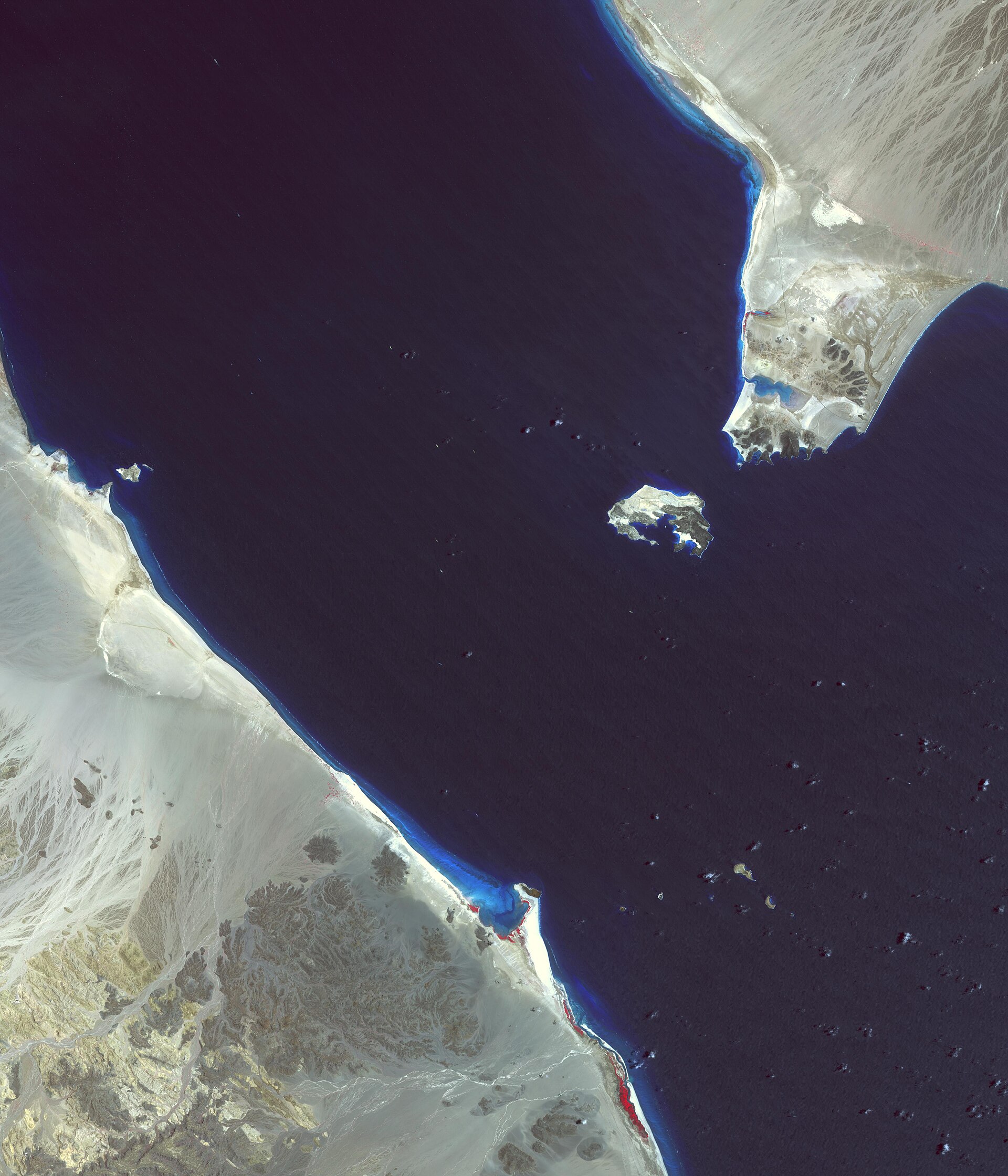
On July 20 — seven days after the Sanaa runway strike — the Houthis declared a full naval blockade of Saudi Arabia, effective immediately. The deputy head of Houthi media specified Bab al-Mandeb closure. Al Jazeera, NBC News, and Foreign Policy reported the declaration, which cited “an eye for an eye” for what the Houthis called the “unjust and oppressive siege” of Yemen. The Sanaa airport strike was named explicitly as the triggering act.
The escalation sequence is worth tracing in full. A Saudi decision to crater a runway — designed to prevent one aircraft from landing, framed through the Yemeni government to preserve diplomatic distance — produced a retaliatory missile barrage on a Saudi civilian airport, the functional collapse of a four-year truce framework, and a blockade declaration covering the strait through which Saudi Arabia ships crude to Asia. Each step followed a logic legible to the actor who took it. The cumulative result was a maritime blockade from a runway strike.
The simultaneous interdiction of both Hormuz and Bab al-Mandeb — the former through Iranian naval operations, the latter through the Houthi blockade declaration — places Saudi Arabia’s export infrastructure under pressure from two directions simultaneously. Iran International’s framing of the Mahan Air flights as “one flight, two chokepoints” has, within seven days, become literal. The air bridge Saudi Arabia struck at was the logistical link between the state that controls one chokepoint and the proxy that claims the other.
The broader CENTCOM campaign against Iran runs in parallel to this arc but does not intersect with it. The Sanaa-Abha exchange is a Saudi-Houthi bilateral event operating on its own escalation ladder — one that Riyadh triggered and now cannot discuss. CENTCOM strikes Iranian nuclear and military infrastructure. Saudi Arabia interdicts Iranian logistics flights into Yemen. The Houthis respond by targeting Saudi civilian airports and declaring maritime blockades. Three conflicts running on three ladders, with Saudi Arabia on two of them and acknowledging neither.
Saudi Arabia’s wartime silence doctrine was designed for a conflict in which the kingdom could act without confirming action. The July 13–20 sequence tested the doctrine’s outer boundary. Silence about Sanaa preserved diplomatic positioning. Silence about Abha left a domestic void. And the Houthis — who have no institutional interest in silence — filled that void with a blockade declaration that named Saudi Arabia directly, cited the airport strike Riyadh would not discuss, and extended the conflict into the maritime domain where the kingdom’s economic survival depends on tankers transiting straits it does not control.
Frequently Asked Questions
Has Mahan Air attempted any flights to Sanaa since July 13?
No confirmed Mahan Air flights to Sanaa have been reported since the July 13 runway strike. The airline continues to operate under US Treasury, EU, UK, Canadian, and Australian designations for IRGC-QF Unit 190 support. Whether Iran will attempt a third flight — potentially routing through Hodeidah directly, or seeking military escort for the corridor — remains an open operational question. The July 13 interdiction deferred the air bridge; it did not resolve the underlying Iranian intent to establish regular air logistics into Houthi-held territory.
Why did the Houthis target King Khalid Air Base at Khamis Mushait alongside Abha airport?
King Khalid Air Base at Khamis Mushait hosts Saudi Royal Air Force assets and has served as a staging point for coalition operations over Yemen throughout the conflict. By targeting it alongside Abha, Saree’s July 13 operation addressed both the civilian-airport deterrence track — hitting the Vision 2030 asset that Riyadh cannot publicly acknowledge defending — and the military track, signalling that the Houthis retained the range and targeting data to strike the air base responsible for the Sanaa runway strike. The dual-target structure sent a different message to each audience: civilian disruption for the public, military reach for the coalition.
What is Saudi Arabia’s legal basis for striking Sanaa airport?
The coalition operates under UN Security Council Resolution 2216, adopted in April 2015, which established an arms embargo on the Houthis and authorised member states to inspect cargo suspected of carrying weapons to Houthi-controlled areas. Saudi Arabia’s interdiction of a Mahan Air flight — operated by a carrier designated since 2008 for IRGC-QF logistics — falls within this enforcement framework. However, the legality of striking a civilian airport runway to prevent a landing, rather than inspecting cargo after arrival, has not been adjudicated by any international body or tribunal.
Did any of the eight disrupted airlines resume service before the NOTAMs expired?
The NOTAMs closing Abha, Jizan, Najran, and Sharurah were extended through at least 1500Z on July 16, according to OPSGROUP. Individual airline schedules varied, but the EASA safety warning issued July 14 — covering not just Saudi airspace but Bahrain, Kuwait, Qatar, and UAE — created a secondary disincentive for carriers to resume southern Saudi routes even after the NOTAMs lifted. Elevated war-risk insurance premiums applied to every flight entering the affected zone regardless of NOTAM status.
Why did the Houthi delegation fly on Mahan Air rather than a non-designated carrier?
Mahan Air is one of the few airlines with both the operational capability and the overflight permissions to operate direct Tehran-Sanaa service into a Houthi-controlled airport under international arms embargo. Most commercial carriers would not seek the route. The choice of carrier was itself a signal: Iran flew the delegation on the airline that arms the Houthis, collapsing the distinction between diplomatic transport and military logistics in a single manifest. The escalation that followed culminated the next night when CENTCOM’s Night Ten strikes severed Bandar Abbas by road, rail, and sea, targeting the submarine facility that enables IRGC enforcement of Hormuz interdiction.