
RIYADH — Saudi Arabia’s General Directorate of Civil Defense activated the National Early Warning Platform for Al-Kharj Governorate and Yanbu on July 17, issuing civil defense alarms at both locations before lifting them with an all-clear. No cause was specified — not in the warning, not in the all-clear, and not in any government statement since.
The silence is the departure. When the same system activated in Al-Kharj six weeks earlier, on June 8, the Saudi Defense Ministry attributed the trigger to a failed Yemeni ballistic missile that had deviated from its trajectory and fallen in empty terrain near the Saudi-Yemeni border. That explanation followed an established template: attribute the threat to Yemen, characterize it as a malfunction, close the news cycle. On July 17, the first two steps — activate, all-clear — executed as before. No explanation followed.
A US official told Axios the same day that Iran had targeted “a U.S. military base in Saudi Arabia with a ballistic missile,” describing it as the first direct Iranian attack on the kingdom in four months. Neither Saudi Arabia nor U.S. Central Command confirmed the characterization publicly. The statement was not repeated in any formal briefing.
Table of Contents
- What Triggered the July 17 Alerts?
- The June 8 Playbook
- Why Did Saudi Arabia Break Its Own Template?
- Two Alerts, Nine Hundred Kilometres Apart
- How Many Interceptors Stand Between Iran and Yanbu?
- Seven Million Barrels Through a Single Corridor
- What Did CENTCOM’s Silence Mean?
- The Forty-Eight-Hour Clock
- Frequently Asked Questions
What Triggered the July 17 Alerts?
The alerts activated during the same operational window as the IRGC’s Wave 15 of Operation Nasr-2. Wave 15 struck Kuwait’s Shuaiba desalination plant and claimed hits on a long-range radar system and a refueling aircraft at Al Udeid Air Base in Qatar. PressTV’s official Wave 15 communiqué did not list Prince Sultan Air Base among the targets. That omission is its own data point. The IRGC has claimed PSAB before — in March 2026, it stated it had “precisely hit” the base “with missiles and drones” — and each prior claim drew a flat denial from CENTCOM: “Like most IRGC claims, this is false.” On July 17, neither side completed its part of the sequence. The IRGC did not claim PSAB. CENTCOM did not deny anything.
Saudi Civil Defense operates three distinct warning tones: danger warning, attack in progress, and all-clear. The National Early Warning Platform — the mobile and broadcast alerting mechanism activated on July 17 — requires an internal assessment of a credible incoming threat by military authorities. It is not a drill protocol and not a precautionary measure.
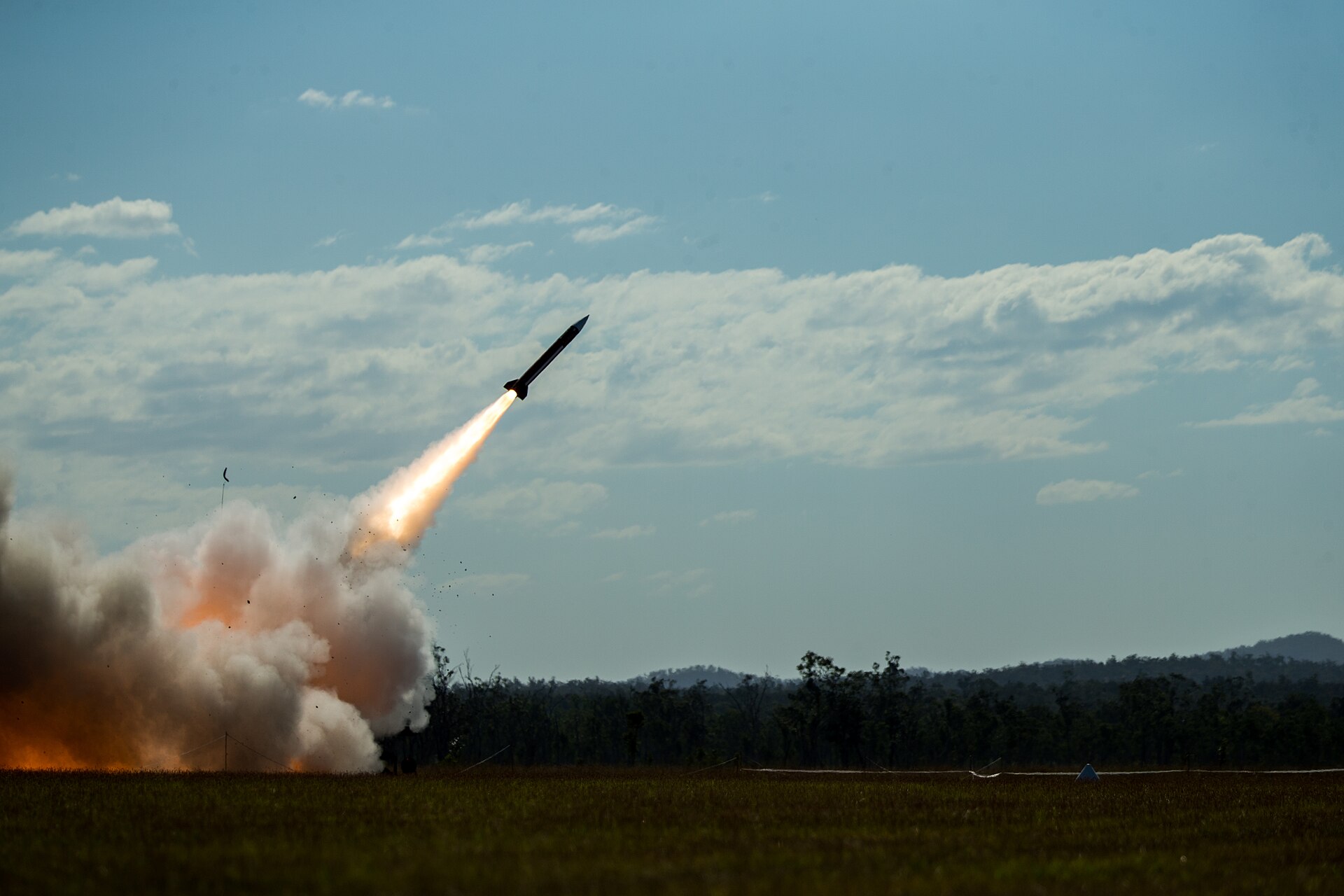
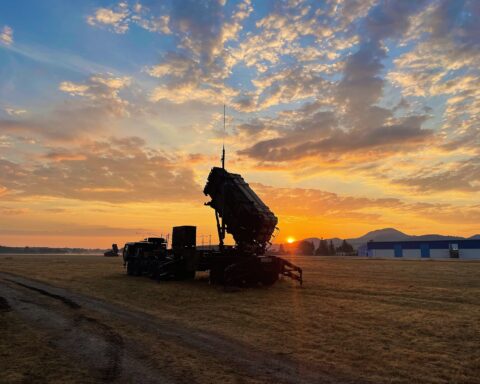
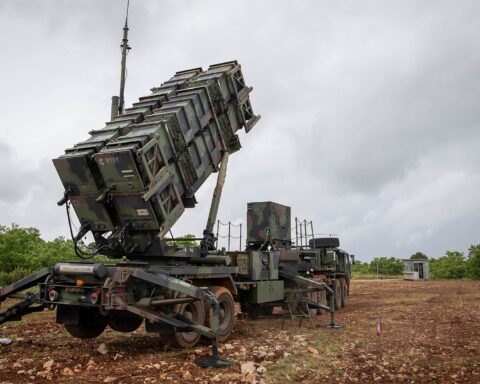
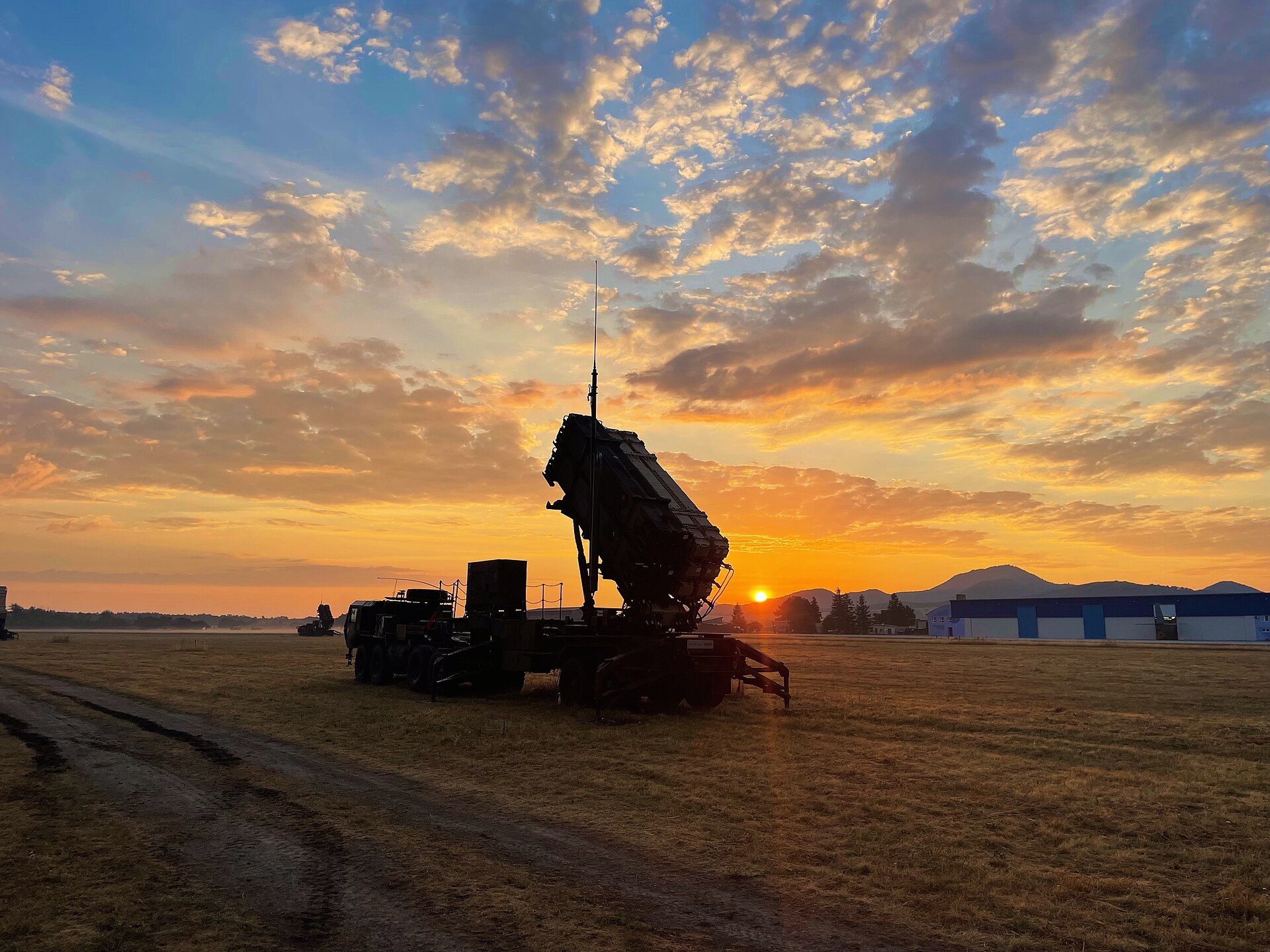
Al-Kharj Governorate hosts Prince Sultan Air Base: 2,300 US military personnel, PAC-3 and THAAD batteries, and the Link-16 data network that connects Saudi Arabia’s integrated air defense system to US early warning feeds. The E-3G Sentry airborne early warning aircraft that fed targeting tracks into the Patriot engagement chain — the platform that told a PAC-3 battery what to shoot at and when — was destroyed at PSAB on March 27. It has not been replaced.
The Middle East briefing 3,000+ readers start their day with.
One email. Every weekday morning. Free.
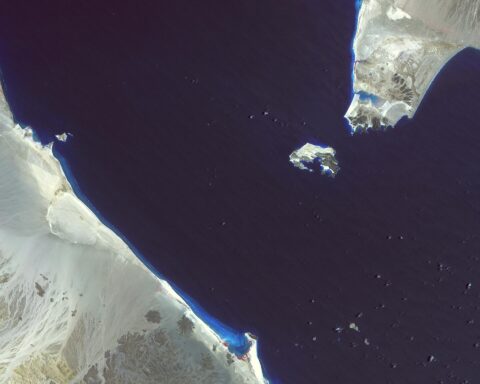
Yanbu, 900 kilometres west on the Red Sea coast, is a different kind of target. The SAMREF refinery, the East-West Pipeline terminus, and King Fahd Industrial Port — through which 70 to 75 percent of Saudi crude now exits the country — sit within a few kilometres of one another. Both locations received civil defense alerts within the same operational window. Both received all-clears. Neither received a word of explanation.
The June 8 Playbook
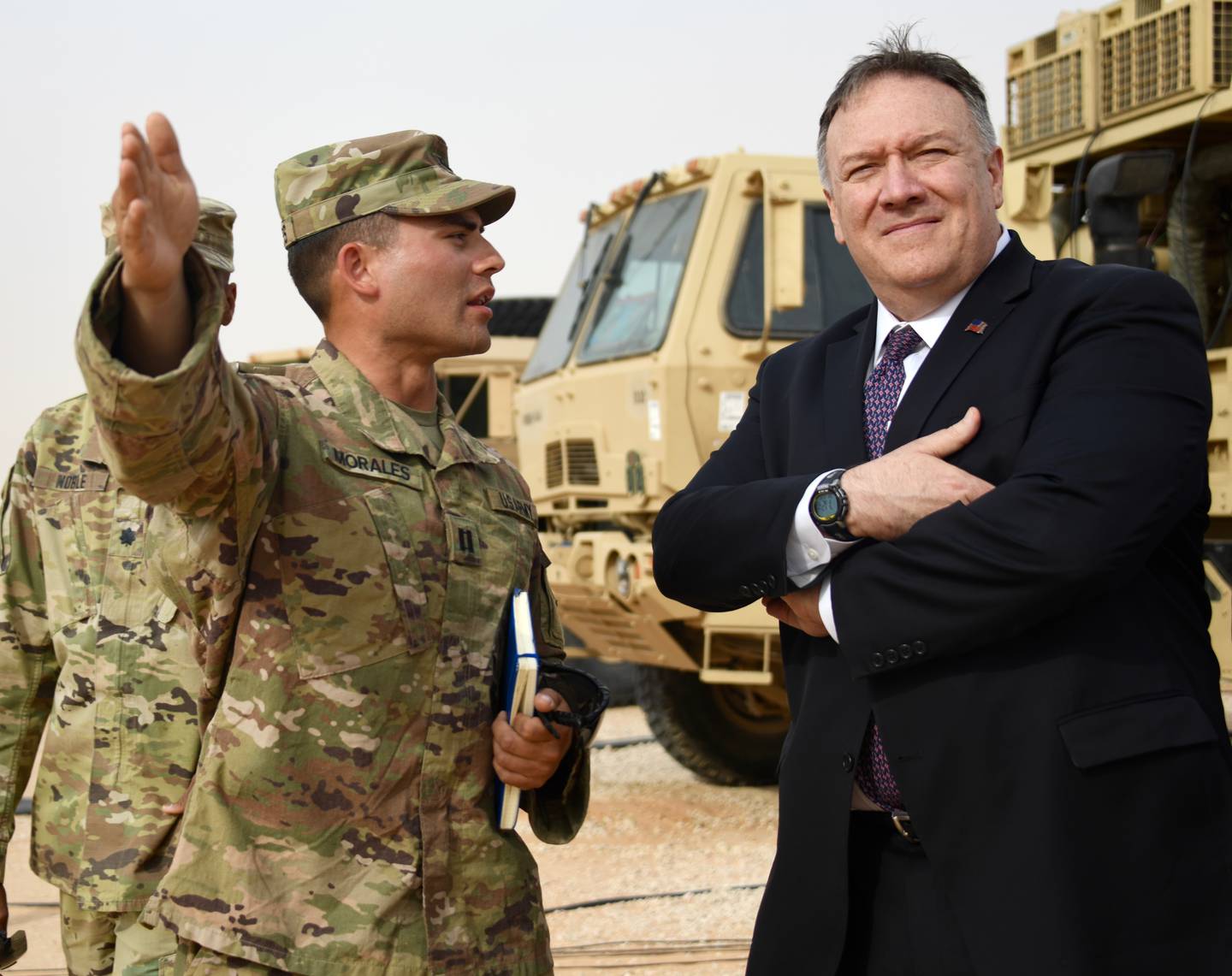
The precedent is specific and recent. On June 8, 2026, the National Early Warning Platform activated in Al-Kharj. Sirens sounded near PSAB. The Saudi Defense Ministry issued a statement within hours, carried by Saudi Gazette, Arab News, and the Saudi Press Agency, attributing the alert to “a ballistic missile from Yemen that failed and deviated from its course, falling in an empty area near the Saudi-Yemeni border.”
That statement performed three functions at once. It acknowledged the alert — residents had heard sirens, and social media had already documented the event. It attributed the threat to Yemen, not Iran, preserving the kingdom’s posture of non-belligerence toward Tehran. And it characterized the incoming projectile as a malfunction rather than a deliberate targeting of Saudi territory, which meant no retaliatory obligation arose under the kingdom’s own rules of engagement or the collective defense provisions of the Sakhir Declaration.
The formula had a fourth, quieter function. By specifying “an empty area near the Saudi-Yemeni border” as the impact site, the ministry ensured that no physical evidence in or near Al-Kharj could contradict the official account. The missile was somewhere out there, hundreds of kilometres from the alert zone, in terrain nobody would search. The explanation was not falsifiable on any timeline that mattered.
| Date | Location(s) | Alert System | Official Attribution |
|---|---|---|---|
| March 19, 2026 | Yanbu | Confirmed strike | Iranian ballistic missiles; Greek ELDYSA intercept confirmed |
| June 8, 2026 | Al-Kharj | National Early Warning Platform | “Failed Yemeni missile, deviated near border” — Saudi Defense Ministry |
| July 17, 2026 | Al-Kharj and Yanbu (simultaneous) | National Early Warning Platform | None |
On July 17, the same inputs were present: platform activation, sirens, public awareness, international media coverage within the hour. ABC News ran the headline “Saudi Arabia sounds missile alert in area home to the Prince Sultan Air Base, which hosts US forces.” Middle East Eye confirmed the dual-location alerts. The Times of Israel tracked them in its live blog alongside the broader IRGC Wave 15 strikes. The information environment was no more hostile than it had been on June 8. The template was available, tested, and proven. The kingdom did not use it.
Why Did Saudi Arabia Break Its Own Template?
No available explanation satisfied the three conditions required for a public statement during wartime: the explanation must be true, or at minimum not immediately falsifiable by open-source evidence; it must be deniable, attributable to an actor or malfunction that does not compel a Saudi military response; and it must not be worse than silence, meaning it cannot disclose information more damaging than the absence of comment.
The June 8 formula — a failed Yemeni missile — satisfied all three. Yemen is a plausible source of ballistic missiles aimed at Saudi territory. Attribution to the Houthis avoided acknowledging Iranian targeting of Saudi soil. Characterizing the projectile as having deviated from its course implied Saudi airspace was never the intended target, eliminating any expectation of retaliation.
If the July 17 threat originated from Iran — and the unnamed US official’s disclosure to Axios points in that direction — the Yemeni-missile template fails on the first condition. Attribution to Yemen becomes a fabrication, not a spin, and one the Axios report has already undermined. If Saudi interceptors engaged the incoming threat, any public characterization risks disclosing how many rounds were fired, from which battery, and at what success rate. Saudi Arabia has approximately 400 PAC-3 MSE interceptors remaining out of a pre-war stockpile of 2,800 — fourteen percent — with no resupply arriving before mid-2027. Each round expended is simultaneously a defense decision and a disclosure problem.
If the threat was not engaged — if an incoming projectile was tracked, assessed as unlikely to strike a defended asset, and allowed to impact uncontested — silence becomes the only available posture. Acknowledging a conscious decision not to fire at an identified threat would confirm that Saudi Arabia is rationing its air defense, a fact the kingdom’s adversaries can infer from open-source ammunition analysis but one that Riyadh cannot place on the public record.
The most parsimonious reading is that no explanation existed which was simultaneously true, deniable, and better than saying nothing.
Two Alerts, Nine Hundred Kilometres Apart
Al-Kharj sits roughly 80 kilometres south of Riyadh in the eastern reaches of Riyadh Province. Yanbu lies on the Red Sea coast in Makkah Province. The straight-line distance between them exceeds 900 kilometres. Simultaneous civil defense alerts at both locations mean Saudi command assessed credible incoming threats from separate azimuths in the same operational window — a geometry that has not appeared in the public record of the current conflict until now.
The eastern vector — toward the Persian Gulf and Iran — is consistent with a ballistic missile trajectory aimed at PSAB or the broader Al-Kharj military complex. The western vector is structurally different. A credible threat to Yanbu could arrive from Houthi-controlled territory in Yemen, from an IRGC naval or drone platform in the southern Red Sea, or from a long-range ballistic trajectory transiting central Saudi airspace. Two alerts at 900-kilometre separation are not one incoming missile. They imply either two separate inbound threats or a single salvo large enough that Saudi command assessed risk to both corridors.
Saudi Arabia operates six PAC-3 battalions across defended areas that include the Eastern Province oil infrastructure, Riyadh, Jeddah, the Makkah-Madinah corridor, and Yanbu. The allocation arithmetic is unforgiving. A realistic commitment to the Makkah-Madinah corridor — the holiest sites in Islam, whose defense cannot be deprioritized without political consequences that exceed any military calculus — could consume 80 to 150 interceptors from the 400 remaining. PSAB and the Eastern Province compete for the same dwindling supply. Yanbu draws from whatever is left.
A two-front alert means the depletion math acquires a second axis. Each interception at Al-Kharj reduces the supply available for Yanbu. Each interception at Yanbu reduces coverage of the Eastern Province and Riyadh. On July 17, both fronts activated at once.
How Many Interceptors Stand Between Iran and Yanbu?
Two batteries defend the Yanbu corridor: a Greek Air Force PAC-3 Patriot under the ELDYSA expeditionary mission, staffed by 120 to 130 personnel and authorized through November 2026, and a Saudi PAC-3 battalion drawing from the kingdom’s remaining 400-round national pool. The Greek battery intercepted and destroyed two Iranian ballistic missiles targeting the SAMREF refinery on March 19, 2026 — the first NATO combat engagement of the Iran war.
ELDYSA has operated at Yanbu since September 2021, initially deployed to defend what was then a secondary export terminal. The SAMREF refinery — a 400,000-barrel-per-day Aramco-ExxonMobil joint venture — and the Yanbu loading port were important before the war but not existential. The closure of the Strait of Hormuz changed that. Yanbu is now the terminus of the only functioning crude export route for Gulf Arab oil. The Greek battery is defending an asset whose strategic weight has multiplied since the mission was authorized.
The ELDYSA battery draws from Greek national interceptor stocks, not from Saudi Arabia’s 400-round pool. That distinction — the reason Yanbu has a defense layer that Riyadh does not control and cannot reallocate to other defended areas — is the single most underreported element of the kingdom’s air defense architecture. But both Greek and Saudi interceptor supplies face the same bottleneck: Lockheed Martin’s PAC-3 MSE production line, which cannot match wartime consumption rates and is committed to multiple allied customers simultaneously.
| Yanbu Defense Layer | Operator | Interceptor Source | Status (July 2026) |
|---|---|---|---|
| ELDYSA PAC-3 battery | Greek Air Force (120–130 personnel) | Greek national stockpile | Active; authorized through Nov 2026 |
| Saudi PAC-3 battalion (Western Sector) | Royal Saudi Air Defense Forces | Saudi stockpile (400 rounds remaining nationally) | Active; competing with 5 other defended areas |
The March 19 intercept is the baseline. Iran targeted SAMREF with two ballistic missiles, and the Greek battery stopped both. Crude loadings at King Fahd Industrial Port were only briefly disrupted. But the engagement consumed interceptors from a stockpile that, like Saudi Arabia’s, does not regenerate at the speed it is being drawn down. If a second Iranian salvo arrives at Yanbu — and the July 17 civil defense alert suggests Saudi command assessed that possibility as credible — the ELDYSA battery’s remaining inventory becomes a factor that neither Athens nor Riyadh has publicly addressed. Greece has not commented on the July 17 alert.
Seven Million Barrels Through a Single Corridor
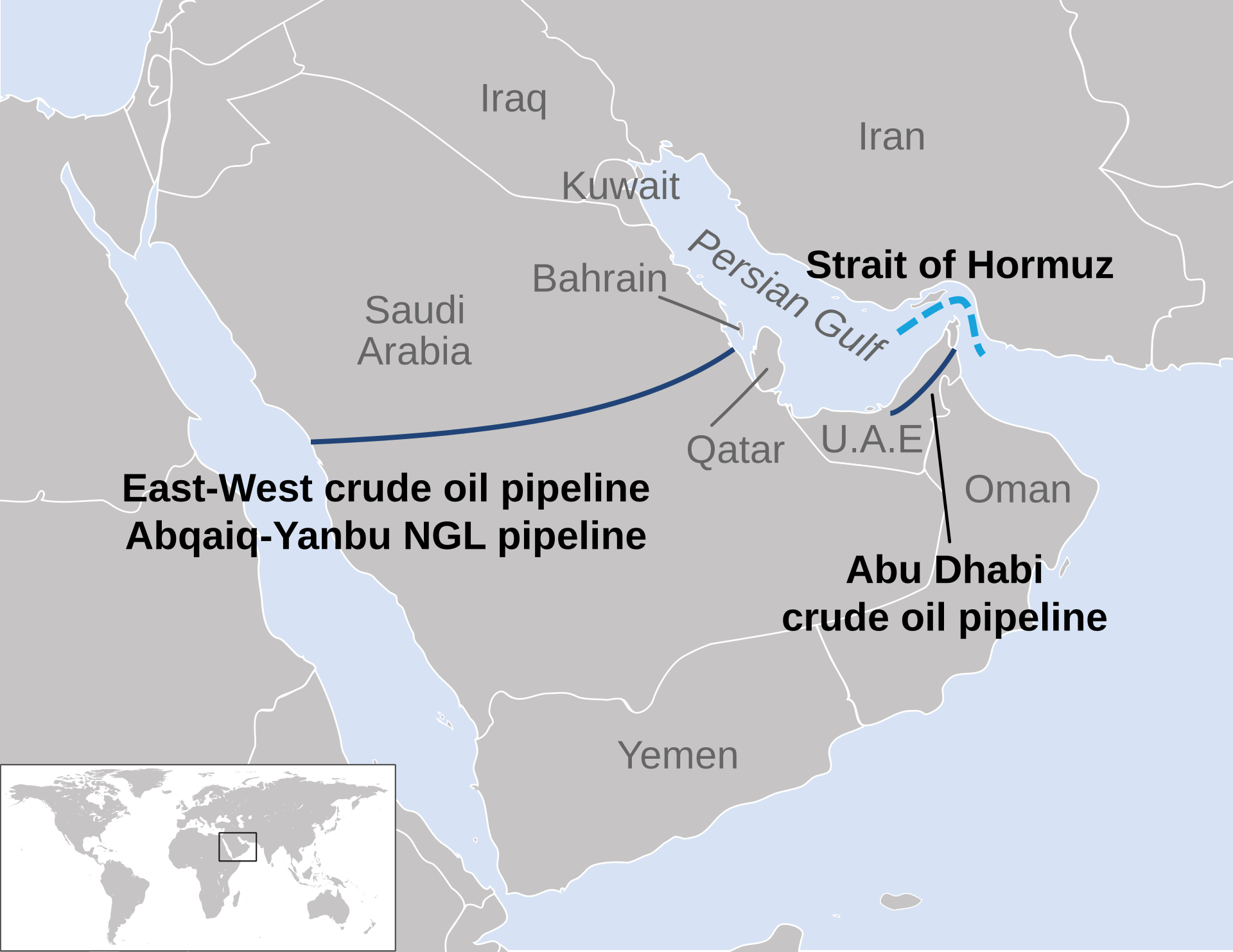
Before the war, Saudi Arabia’s export infrastructure was dispersed across the Persian Gulf and the Red Sea, with the Gulf terminals at Ras Tanura and Ju’aymah handling the bulk of crude shipments. Iran’s effective closure of the Strait of Hormuz compressed that architecture into a single corridor. The East-West Pipeline — the Petroline, 1,201 kilometres from Abqaiq in the Eastern Province to King Fahd Industrial Port in Yanbu — reached its physical maximum throughput of 7 million barrels per day on March 11, 2026. Aramco CEO Amin Nasser confirmed the timeline on the Q4 2025 earnings call: the pipeline would “hit full capacity in the next couple of days.”
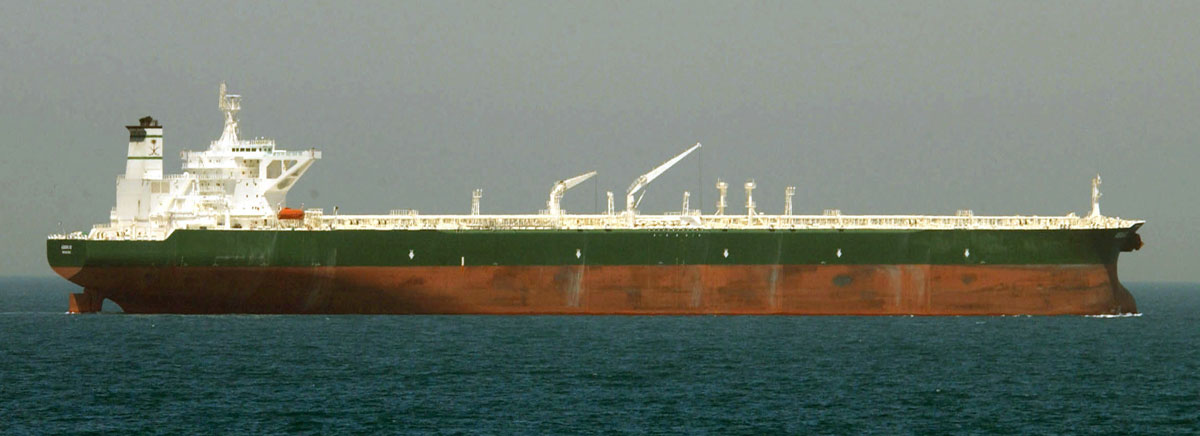
The port now handles the bulk of Saudi crude exports, operating near the pipeline’s ceiling. The SAMREF refinery processes 400,000 barrels per day of that flow. A second successful strike on either the refinery or the port loading infrastructure would not replicate the 2019 Abqaiq disruption — when Iranian-attributed drones and cruise missiles temporarily knocked 5.7 million barrels per day offline. In 2019, Saudi Arabia had the Gulf terminals as a fallback. The Gulf terminals now face a closed strait.
“An absence of international resolve to take concrete action may embolden the attackers and indeed put the world’s energy security at greater risk.”— Amin Nasser, Saudi Aramco CEO, October 9, 2019, London, after the Abqaiq attack
Nasser issued that warning after the September 14, 2019 attack on Abqaiq and Khurais destroyed 5.7 percent of global oil supply. Saudi Arabia declared its right to retaliate, deployed additional US troops, and did not fire back. The international community did not take concrete action. By July 2026, the pipeline bypass that Abqaiq feeds — the very infrastructure the 2019 attack disrupted — is Saudi Arabia’s sole export route for Gulf-bound crude.
The March 19 Yanbu strike was not a hypothetical. Iran targeted the SAMREF refinery with ballistic missiles, and the Greek Patriot battery prevented a direct hit. Crude loadings at the Red Sea port were briefly disrupted before resuming. A second alert at Yanbu on July 17 — five months later, with the pipeline running at capacity and the Gulf terminals still offline — represents escalation within an already-demonstrated targeting corridor. The question is not whether Iran can reach Yanbu. That was answered on March 19. The question is whether the defenses that stopped the first salvo can stop the next.
What Did CENTCOM’s Silence Mean?
CENTCOM has an established protocol for responding to IRGC claims against Prince Sultan Air Base. When the IRGC stated in March 2026 that it had “precisely hit” PSAB, CENTCOM’s reply was public, prompt, and dismissive: “Like most IRGC claims, this is false.” On July 17, CENTCOM issued no statement — no confirmation, no denial. The IRGC also omitted PSAB from its Wave 15 target list, breaking its own pattern of claiming the base after every major salvo.
“Like most IRGC claims, this is false.”— U.S. Central Command, responding to IRGC claims of striking Prince Sultan Air Base, March 2026
That phrase has a corollary. When CENTCOM denies an IRGC claim, the denial implicitly communicates that the command possesses enough operational clarity about the relevant base — damage assessment, personnel accounting, interceptor performance — to state with confidence that no strike occurred. A CENTCOM denial is a demonstration of situational awareness. The command knows what happened at PSAB and is willing to say so.
On July 17, the only US government characterization of the event was the Axios leak: an unnamed official, without rank or service branch, stating that Iran had targeted “a U.S. military base in Saudi Arabia with a ballistic missile.” The phrasing — “targeted,” not “struck” or “hit” — leaves the outcome unspecified. Whether the missile was intercepted, missed, or impacted is not addressed. CENTCOM’s formal communications apparatus produced nothing.
Three actors — Saudi Arabia, CENTCOM, and the IRGC — independently chose silence or near-silence about the same event at the same time. In every prior PSAB incident during the current conflict, at least one party offered a public characterization. The March 2026 episode produced an IRGC claim and a CENTCOM denial. The June 8 alert produced a Saudi Defense Ministry attribution. On July 17, the only characterization came through an anonymous leak to a Washington outlet, positioned not as a statement but as a disclosure that no institution chose to own.
The Forty-Eight-Hour Clock
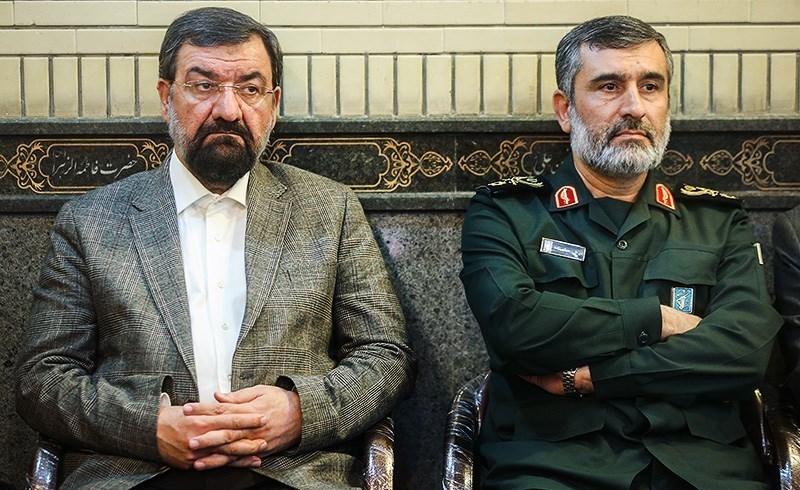
Mohsen Rezaei’s declaration on Iranian state television on July 17 — that “conditions for both war and negotiation are over” and that Iran would launch “full-scale offensive operations” within 48 hours if US strikes continued — landed in the same news cycle as the Al-Kharj and Yanbu alerts. Rezaei, the Supreme Leader’s military adviser and the longest-serving commander in IRGC history, was not freelancing. The statement was broadcast alongside Wave 15’s operational results, framing the strikes and the ultimatum as a single escalatory package.
The 48-hour window, counted from Rezaei’s July 17 broadcast, expires approximately July 19. The Islamabad Memorandum of Understanding — signed June 17 between Washington and Tehran with Pakistani mediation — stands at Day 31 of its 60-day term. US strikes on Iranian territory had continued on CENTCOM’s seventh consecutive night, including strikes on bridges inside Iran that NPR reported the same evening. The dual-track posture — operational strikes plus escalatory ultimatum — is the IRGC’s standard coercive signaling architecture, designed to compress decision timelines for adversaries while preserving Iran’s option to characterize any subsequent escalation as defensive.
Saudi Arabia has no seat at the Islamabad table where the MOU’s terms are being negotiated. PSAB hosts 2,300 US military personnel and remains in the IRGC’s demonstrated target set. Yanbu, with the only export corridor keeping Saudi crude flowing, has already absorbed one Iranian missile salvo and been assessed as under threat for a second. Escalation decisions that result in missiles aimed at Al-Kharj and Yanbu are being made in a diplomatic process Riyadh cannot attend.
The sirens sounded. The all-clear came. The base that had remained unstruck through ten waves activated civil defense for the second time in six weeks. The kingdom’s official statement remains the same one it issued on July 17: the danger has passed. No further detail.
Frequently Asked Questions
Has Saudi Arabia confirmed that the July 17 alerts were triggered by an Iranian missile?
No. The General Directorate of Civil Defense confirmed the alert and the all-clear but provided no attribution — not to Iran, not to Yemen, not to a system test. The Saudi Press Agency, which carried the Defense Ministry’s June 8 attribution within hours, issued no equivalent statement for July 17. The only specific characterization came from an unnamed US official speaking to Axios, who described the event as “the first direct Iranian attack on the kingdom in four months.” Saudi Arabia’s Foreign Ministry and Defense Ministry have both remained silent on the event’s cause.
What is the ELDYSA mission, and how long will Greece maintain it at Yanbu?
ELDYSA is a Greek Air Force expeditionary air defense deployment that has operated a PAC-3 Patriot battery at Yanbu since September 2021, making Greece the only NATO member operating an air defense battery on Saudi soil. The current authorization runs through November 2026. Whether Athens will extend the mission has not been publicly addressed, though the deployment’s original rationale — defending a secondary export terminal — has been overtaken by Yanbu’s transformation into Saudi Arabia’s primary crude export corridor. Greek Prime Minister Kyriakos Mitsotakis visited Riyadh in February 2026 and discussed defense cooperation; ELDYSA renewal was not included in the public readout, but the bilateral defense relationship has expanded since the March 19 intercept.
Could the July 17 alerts have been a drill or system test?
Saudi Civil Defense’s operational guidelines, published on its 998.gov.sa portal, distinguish between scheduled exercises and National Early Warning Platform activations. Scheduled exercises are pre-announced through governorate-level civil defense offices and carry distinct notification language identifying them as drills. The July 17 activation used the standard threat-warning format — “an alert has been issued… to warn of a danger” — and was followed by an all-clear stating the danger had passed. No Saudi government body has characterized the event as an exercise, and the simultaneous activation at two locations 900 kilometres apart — with different threat azimuths and different defensive assets — is inconsistent with the single-site format Saudi Civil Defense uses for scheduled drills.
If Yanbu’s export infrastructure were struck and damaged, does Saudi Arabia have an alternative routing option for its crude?
No functioning alternative exists at equivalent scale. The East-West Pipeline at 7 million barrels per day is already at its rated physical maximum. The Abqaiq-Yanbu NGL pipeline runs in parallel but carries natural gas liquids, not crude. The Gulf terminals at Ras Tanura and Ju’aymah remain accessible by pipeline from the Eastern Province fields, but the Strait of Hormuz closure means tankers loading there cannot reach most markets without transiting Iranian-controlled waters. A partial workaround exists through the Iraq-Turkey pipeline at Ceyhan — Saudi crude can reach Turkish Mediterranean terminals via swaps with Iraqi Kirkuk barrels — but Aramco’s swap arrangements are volume-constrained and have not been publicly confirmed at a scale that could substitute for Yanbu’s throughput. A sustained outage at King Fahd Industrial Port would require a negotiated strait reopening or a rationing arrangement among Gulf Arab producers with no precedent in the current crisis.
The silence Saudi Civil Defense maintained after July 17 carried over into the next evening: Iranian missiles struck Prince Sultan Air Base on July 18, and Saudi Arabia, the United States, and Pakistan each issued statements about regional stability that named no country, no base, and no strike — a coordinated architecture of non-acknowledgement this article’s central question anticipated.