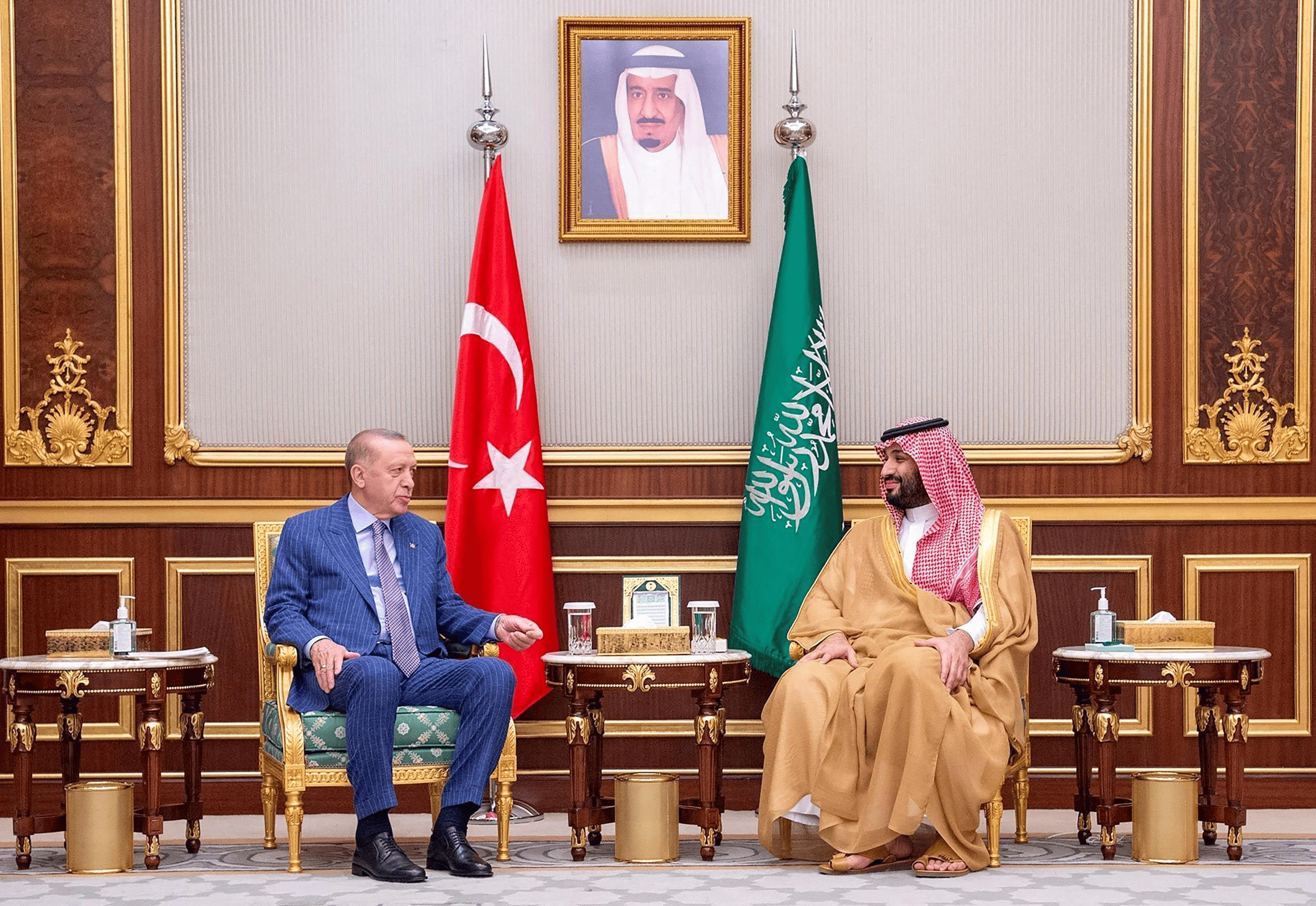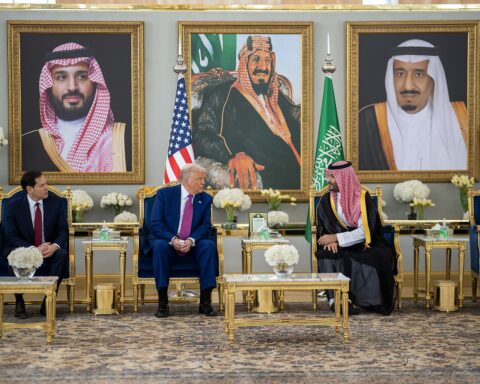

Saudi Arabia’s consistent endeavor to foster relations and forge economic ties with Israel under Crown Prince Mohammed bin Salman occupies a central position in its media and communication strategy. Military and intelligence links between Saudi Arabia and Israel predate bin Salman’s era and have long been an open secret. So, the obvious move was to make these associations public and official.
Since 2017, relations revolving around economic and military intelligence-sharing between Saudi Arabia and Israel have significant visibility, according to Brookings Doha Center’s analysis. During the Gulf Diplomatic Crisis, both nations intended to convey to Western powers that they were inching towards an alliance capable of fostering regional and international economic and security cooperation. This intention was substantiated by leaked comments from a private meeting between bin Salman and Israeli officials in 2018, which made headlines in both Israeli and Arab press, regardless of their potential deliberate release.
Arguably, public collaboration on security matters was best demonstrated when Israeli Prime Minister Benjamin Netanyahu defended bin Salman’s efforts to maintain stability amidst uproar following journalist Jamal Khashoggi’s murder, where bin Salman was alleged to have been involved. bin Salman, in a notable Fox News interview, stated that a permanent peace treaty was within reach between the two nations, which Netanyahu reciprocated, maintaining that Saudi Arabia was committed to finding an acceptable solution for the Palestinians.
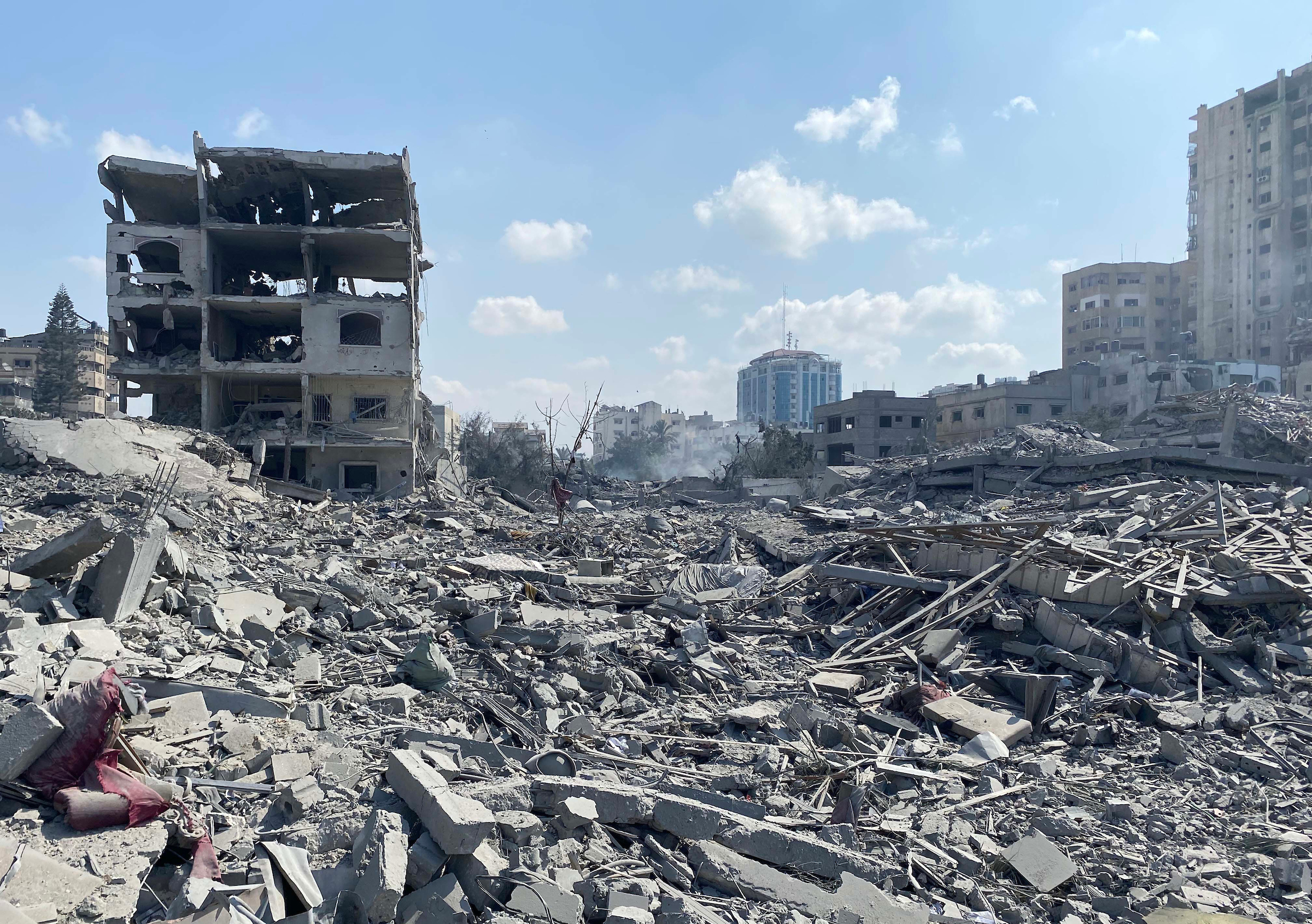
However, following the 7th October attacks and Israel’s subsequent declaration of war against Hamas, Saudi Arabia had to recalibrate its communication strategy and put normalisation plans on pause.
With the onset of the conflict, Saudi’s Ministry of Foreign Affairs made a surprisingly neutral statement. They called for an immediate cease-fire, attributing the tensions to Israel’s occupation and the denial of Palestinians’ legitimate rights but emphasised the need for a robust peace process leading to a two-state solution.
Prince Turki al-Faisal, ex-Director General of Saudi General Intelligence Presidency, while unofficial, condemned Hamas’s harming of civilians against Islamic principles during a time when nearly 3/4th of Palestinians were supporting Hamas. Such statements aren’t unusual when official state communications need to adopt a tone of restraint for international audiences; unofficial, yet connected voices take to media to express what the government cannot.
The Middle East briefing 3,000+ readers start their day with.
One email. Every weekday morning. Free.
Riyadh has had to balance its communications not just relating to the parties in the conflict, but also vis-à-vis other influential Gulf states in response to the war, namely Iran and Qatar.
Saudi Arabia’s modernisation efforts under bin Salman have received criticism domestically and internationally, making Iran a challenging contender for Saudi’s place in the Islamic World. Iran’s definite hard-line stance towards the conflict left Saudi Arabia in a precarious situation.
Despite Iran’s history of creating instability in the region, such as supporting the Houthi movement in Yemen’s civil war, Saudi Arabia has cautiously portrayed Iran as an ally since the China-backed rapprochement in 2023. Saudi’s Ministry of Foreign Affairs publicised a call between bin Salman and Iran’s President, Ebrahim Raisi, discussing the escalation of conflict in Gaza. The Ministry’s press release refrained from mentioning Israel or condemning Netanyahu’s government directly, instead shifting the responsibility of the ceasefire to the international community.
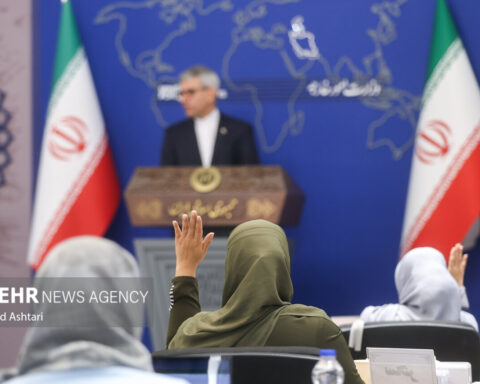
Yet, Iran’s official communication confirmed its support for Hamas, creating a stark contrast to Saudi’s moderately toned stand. Riyadh’s balancing act in communication continues as it carefully navigates the shaky ground of Middle Eastern politics and international affairs.