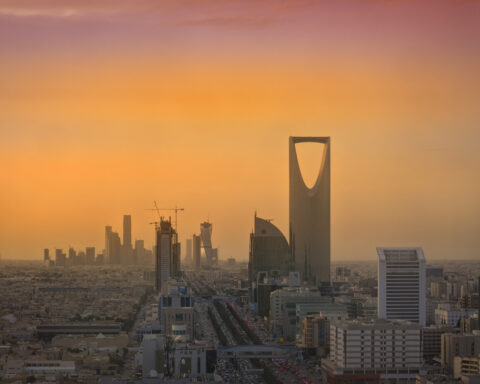

SAN FRANCISCO — Saudi Arabia’s $38 billion plan to become the world’s dominant force in video gaming is colliding with the reality of a war the Kingdom never expected to fight. Savvy Games Group chief executive Brian Ward, speaking at the Game Developers Conference on Wednesday, acknowledged that the Iran conflict had damaged perceptions of Saudi Arabia as a stable destination for talent and investment, telling attendees it was “obviously not helpful” and would “cool the perception” of the region. The admission, made on a stage in San Francisco while Iranian drones struck targets across the Gulf for a thirteenth consecutive day, laid bare the widening chasm between Mohammed bin Salman’s entertainment ambitions and the missiles now reaching Riyadh’s doorstep.
The Esports World Cup, scheduled for July 6 to August 23 in Riyadh with a record $75 million prize pool, has not been cancelled. But the conflict that erupted on February 28 has upended the assumptions underpinning the entire Saudi gaming strategy: that international talent would relocate, that global studios would open offices, and that millions of visitors would fly to a Kingdom pitching itself as the future capital of interactive entertainment.
The Kingdom’s broader sports calendar has already taken a direct hit. Formula 1 cancelled both the Saudi Arabian and Bahrain Grands Prix on March 13, erasing over $100 million in hosting fees and marking the first wartime cancellation of Gulf motorsport events.
Table of Contents
- What Did Savvy Games’ CEO Say at GDC?
- How Saudi Arabia Built a $38 Billion Gaming Empire
- Is the $75 Million Esports World Cup at Risk?
- The Talent Problem Nobody Wants to Discuss
- Saudi Arabia’s Gaming Market in Numbers
- Can PIF Sustain Its Gaming Spending During a War?
- Qiddiya’s Gaming District and the Security Question
- What Happens to Saudi Gaming If the War Drags On?
- Frequently Asked Questions
What Did Savvy Games’ CEO Say at GDC?
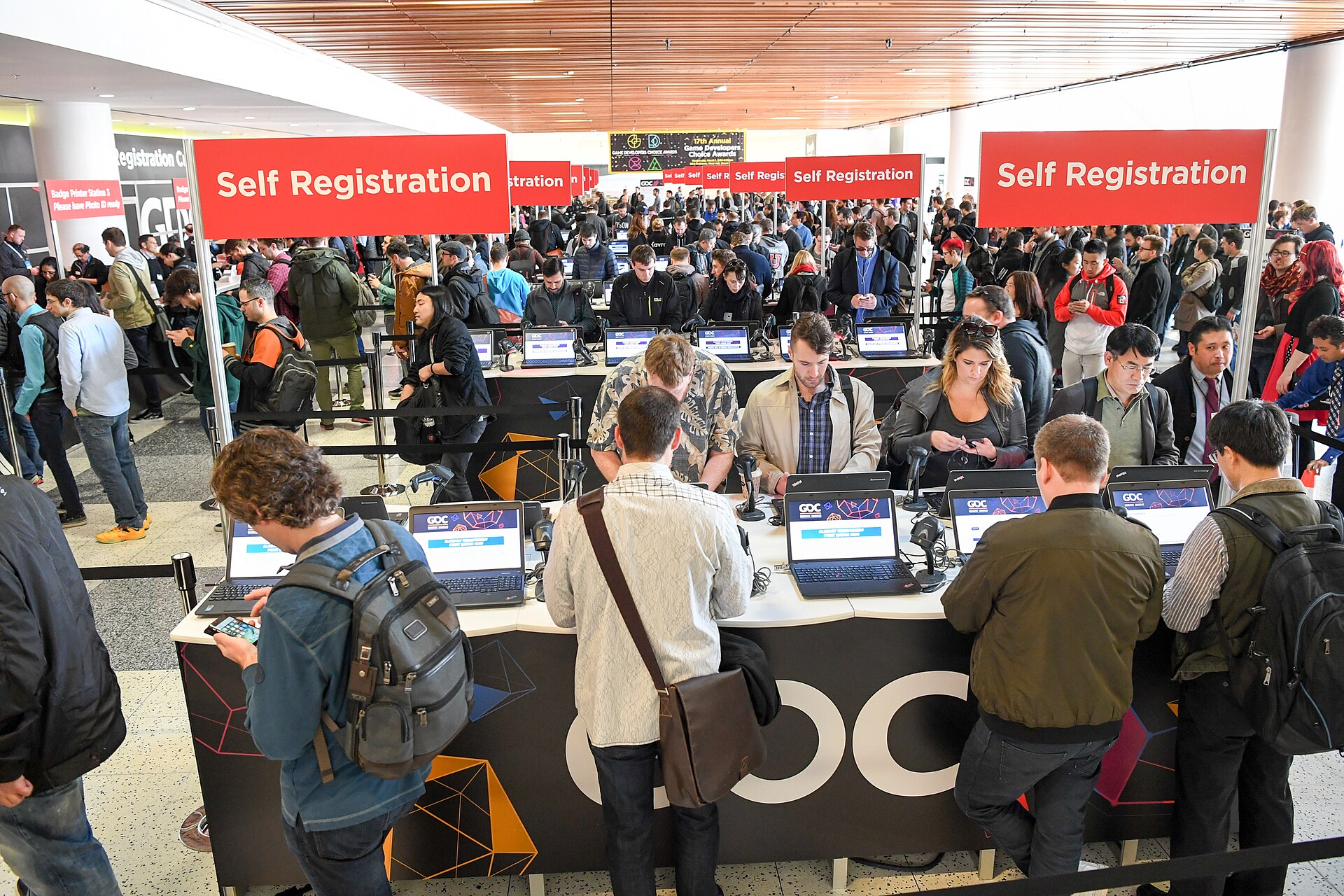
Brian Ward, the American executive who runs Saudi Arabia’s gaming vehicle Savvy Games Group, addressed attendees at the Game Developers Conference in San Francisco on March 12, offering the most candid public assessment yet of how the Iran war is affecting the Kingdom’s gaming ambitions. Ward told the audience that the escalating conflict was “obviously not helpful for the region” and would “probably change or cool the perception of it as being a stable and quiet place where people want to go,” according to Bloomberg.
The remarks carry weight because Ward is not a peripheral figure. He leads the entity through which Saudi Arabia’s Public Investment Fund channels its entire gaming strategy — an operation that has already spent more than $13 billion on acquisitions alone. For Ward to acknowledge reputational damage on an international stage signals that the impact of the war on soft-power investments has become impossible to ignore internally.
Ward was careful to frame the conflict as a temporary disruption rather than a structural threat. Savvy’s long-term plans, he suggested, remained intact. But the gaming industry operates on perception as much as capital, and the images of missile interceptions over Riyadh broadcast nightly across global news networks present a marketing challenge that no amount of prize money can easily overcome.
The Middle East briefing 3,000+ readers start their day with.
One email. Every weekday morning. Free.
How Saudi Arabia Built a $38 Billion Gaming Empire
The Kingdom’s gaming push is one of the most ambitious sectoral investments in Vision 2030’s portfolio, and its scale dwarfs any comparable effort by a sovereign wealth fund. In September 2022, Crown Prince Mohammed bin Salman launched the National Gaming and Esports Strategy, allocating $37.8 billion through the Public Investment Fund to transform Saudi Arabia into a global gaming hub by 2030. The strategy operates through Savvy Games Group, established in 2021 as PIF’s dedicated gaming subsidiary.
Savvy moved quickly. In 2022, it acquired ESL and FACEIT — the two largest competitive gaming platforms in the world — and merged them into ESL FACEIT Group, creating the planet’s largest esports company. In April 2023, Savvy purchased Scopely, the American mobile gaming publisher behind Monopoly GO and Star Trek Fleet Command, for $4.9 billion. Then in March 2025, Scopely acquired Niantic’s video game business for $3.5 billion, bringing Pokémon GO, the most successful mobile game ever made, under Saudi ownership.
| Year | Target | Deal Value | What It Brought |
|---|---|---|---|
| 2022 | ESL + FACEIT | Undisclosed | World’s largest esports company |
| 2023 | Scopely | $4.9 billion | Top U.S. mobile game publisher |
| 2025 | Niantic Games | $3.5 billion | Pokémon GO, 30M+ monthly players |
In early 2026, PIF transferred approximately $12 billion worth of gaming-related equity stakes to Savvy Games Group, consolidating the fund’s scattered gaming positions — including minority stakes in Nintendo, Capcom, Nexon, and Embracer Group — under a single operational roof. Scopely alone has crossed $15 billion in lifetime revenue. The combined portfolio makes Saudi Arabia, through Savvy, one of the 20 largest gaming companies on earth by asset value.
This was never purely a financial play. MBS views gaming and esports as a cultural bridge — a way to connect Saudi Arabia to a global audience of 3.4 billion gamers, most of them under 35, and to position Riyadh alongside Los Angeles, Tokyo, and Seoul as an industry capital. The war threatens that narrative at the precise moment it was gaining traction. As one industry executive told Bloomberg, “Nobody is going to relocate their family to a city that’s intercepting ballistic missiles.”
Gaming is one piece of a broader technology strategy. The Saudi Cabinet has designated 2026 as the Year of Artificial Intelligence, with $9.1 billion in AI investment and 664 companies now operating in the Kingdom’s data and AI sector. The infrastructure being built for AI — data centers, computing clusters, trained specialists — serves the gaming industry as well. That shared infrastructure faces a threat that extends beyond missiles and drones: the Gulf’s submarine cables and data centres sit directly in the conflict zone, and their disruption would cripple the low-latency connectivity that both cloud gaming and AI workloads require.
Is the $75 Million Esports World Cup at Risk?
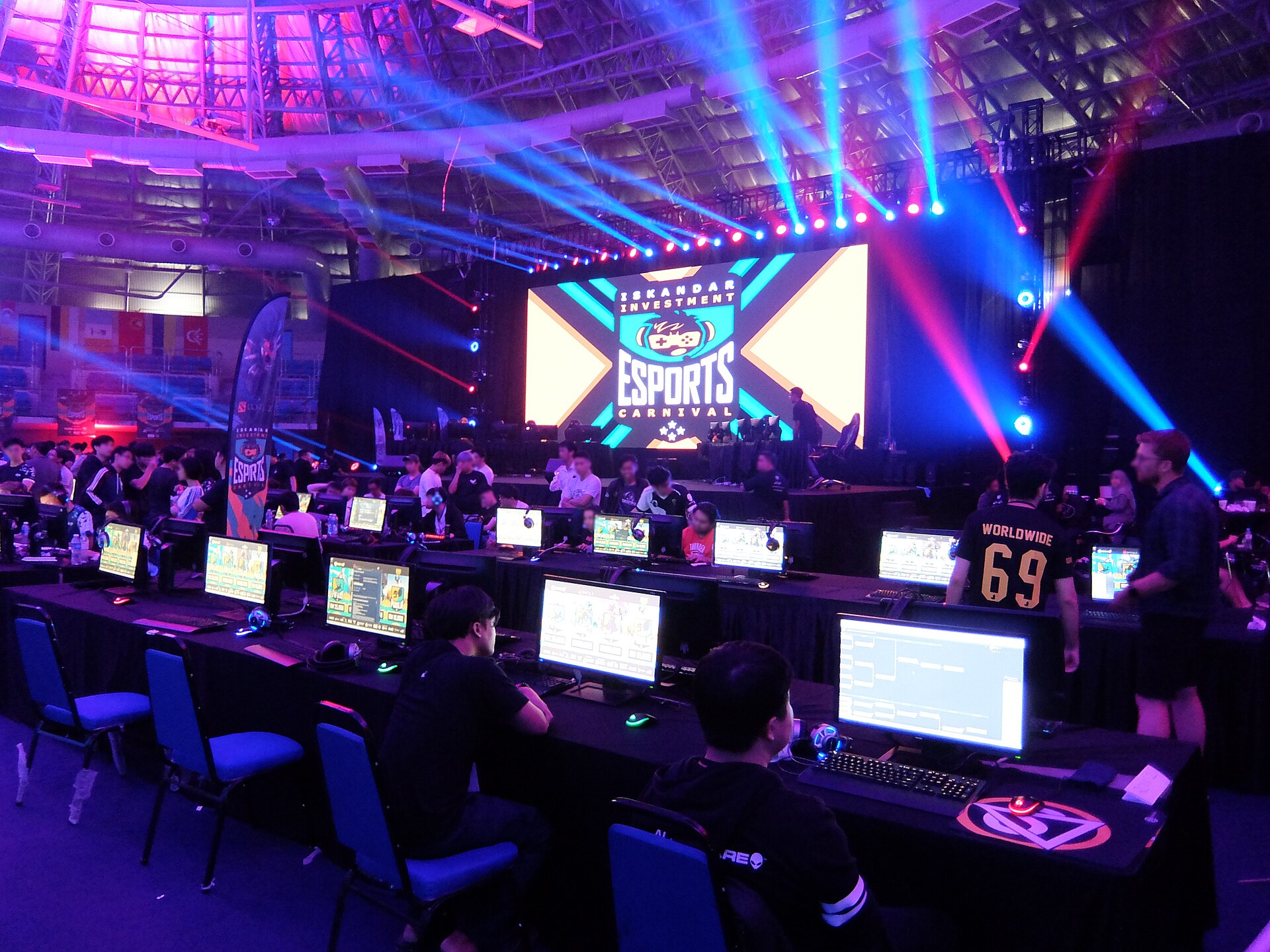
The Esports World Cup, the single largest competitive gaming event in history, is scheduled to run from July 6 to August 23 in Riyadh. Its 2026 edition will feature 2,000 players from more than 200 clubs across 100 countries, competing in 25 tournaments spanning 24 game titles for a combined prize pool exceeding $75 million. The winning club alone stands to collect $7 million.
Organizers have not announced any cancellation or postponement. The Esports World Cup Foundation, established by Crown Prince Mohammed bin Salman in September 2023 as the successor to the Gamers8 festival, has confirmed the full lineup of titles including League of Legends, Fortnite, Counter-Strike 2, and the newly added Trackmania. ESL FACEIT Group, Savvy’s esports subsidiary, is the operational partner.
But the event faces challenges that did not exist when the schedule was set. Saudi Arabia’s airspace has experienced significant disruptions since March 1, with more than 12,000 flights cancelled across the Gulf region in the first week of the conflict alone. Flynas, the Kingdom’s low-cost carrier, has extended cancellations repeatedly. The U.S. Embassy in Riyadh has issued daily shelter-in-place advisories since March 3, and the State Department raised the travel advisory for Saudi Arabia to Level 3 on March 8, ordering non-emergency government employees to depart.
For an event that relies on flying thousands of international competitors and tens of thousands of spectators into Riyadh, the security environment presents a genuine obstacle. Insurance costs for large-scale events in the Gulf have surged since the war began, and several entertainment companies have quietly pulled scheduled appearances from Kingdom events through the spring, according to industry sources cited by Bloomberg.
The Talent Problem Nobody Wants to Discuss
Saudi Arabia’s gaming strategy depends on importing expertise. The Kingdom has 23.5 million gamers — a player penetration rate of 67 percent, according to market research firm Niko Partners — but the domestic pipeline of game developers, designers, and engineers remains thin. Savvy’s plan calls for incubating 30 leading game development companies in Riyadh by 2030, a target that requires persuading hundreds of experienced professionals to relocate from established hubs in California, Sweden, Japan, and South Korea.
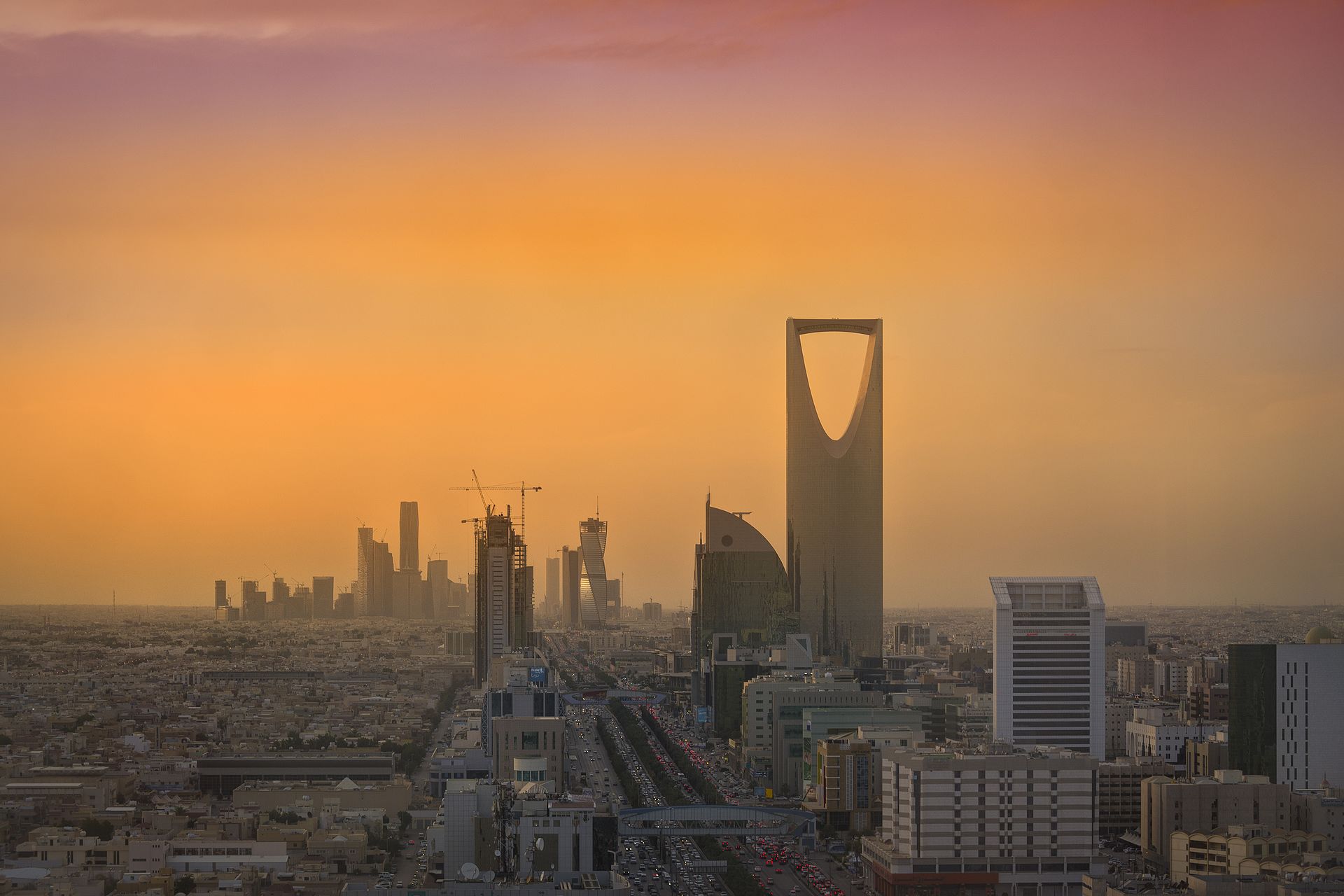
That task was already difficult before the war. Saudi Arabia’s social environment, internet content restrictions, and distance from traditional gaming centers made it a hard sell for many Western developers despite generous compensation packages. The conflict has added a security dimension to an already challenging recruitment pitch.
The broader impact of the war on Vision 2030 extends well beyond gaming. Construction on megaprojects has slowed, expatriate workers have sought departures, and airlines have curtailed routes. For the gaming industry specifically, the damage is reputational — it is difficult to market a creative hub in a country under active drone bombardment, regardless of how effective the air defense systems prove to be. The crown jewel of the sports portfolio — the 2034 FIFA World Cup, with its fifteen stadiums and $26 billion investment — faces questions about whether construction timelines, workforce retention, and venue security can survive the conflict.
Savvy has attempted to mitigate this by keeping its major studios decentralized. Scopely operates from Los Angeles, Dublin, Barcelona, and several other cities. ESL FACEIT Group is headquartered in Cologne, Germany. Pokémon GO’s operations remain in San Francisco. The acquisitions were structured to bring revenue and strategic control to Saudi ownership without requiring the talent to physically relocate to the Kingdom in the near term.
Saudi Arabia’s Gaming Market in Numbers
The domestic market that Saudi Arabia is building on is substantial, and it explains why MBS targeted gaming as a pillar of economic diversification rather than treating it as a niche entertainment play. According to IMARC Group, Saudi Arabia’s gaming market reached $2.39 billion in 2025, with projections to hit $4.96 billion by 2034 at a compound annual growth rate of 8.46 percent. The Kingdom accounts for roughly 20 percent of all gaming revenue in the Middle East and North Africa region, according to a Savvy Games annual report published in late 2025. Saudi Arabia’s young, digitally connected population — roughly 70 percent of the country is under 35 — provides a natural consumer base that most Western gaming markets can no longer match in terms of growth potential.
| Metric | Value | Source |
|---|---|---|
| Market size (2025) | $2.39 billion | IMARC Group |
| Projected market size (2034) | $4.96 billion | IMARC Group |
| Number of gamers (2024) | 23.5 million | Niko Partners |
| Player penetration rate | 67% | Niko Partners |
| Per capita gaming spend | $308 | Antom Research |
| MENA average per capita spend | $102.40 | Antom Research |
| Share of MENA gaming revenue | ~20% | Savvy Games Group |
| PIF total gaming investment | $38 billion | PIF |
Per capita gaming spending in Saudi Arabia stands at $308, roughly three times the MENA average of $102.40, according to payments research firm Antom. The broader Middle East gaming market was valued at $4.56 billion in 2024 and is forecast to reach $9.57 billion by 2030, growing at 12.9 percent annually, according to Grand View Research. Saudi Arabia’s share of that market makes it the single largest national gaming economy in the region.
The numbers explain why PIF committed so heavily. Unlike oil, which faces long-term demand uncertainty, gaming is one of the fastest-growing entertainment sectors globally. The global gaming market was valued at $184 billion in 2025, according to Newzoo, larger than the global film and music industries combined. MBS saw an opportunity to buy a meaningful share of that market at a moment when gaming studios were struggling with layoffs and depressed valuations following the post-pandemic correction.
Can PIF Sustain Its Gaming Spending During a War?
The Public Investment Fund entered the war with an estimated $930 billion in assets under management, but even by sovereign fund standards, the financial pressure of a prolonged conflict is significant. PIF’s commitments across Vision 2030 — from NEOM to the Red Sea tourism project to the $1 trillion investment pledge to the United States — were calculated on the basis of stable oil revenues and functioning capital markets.
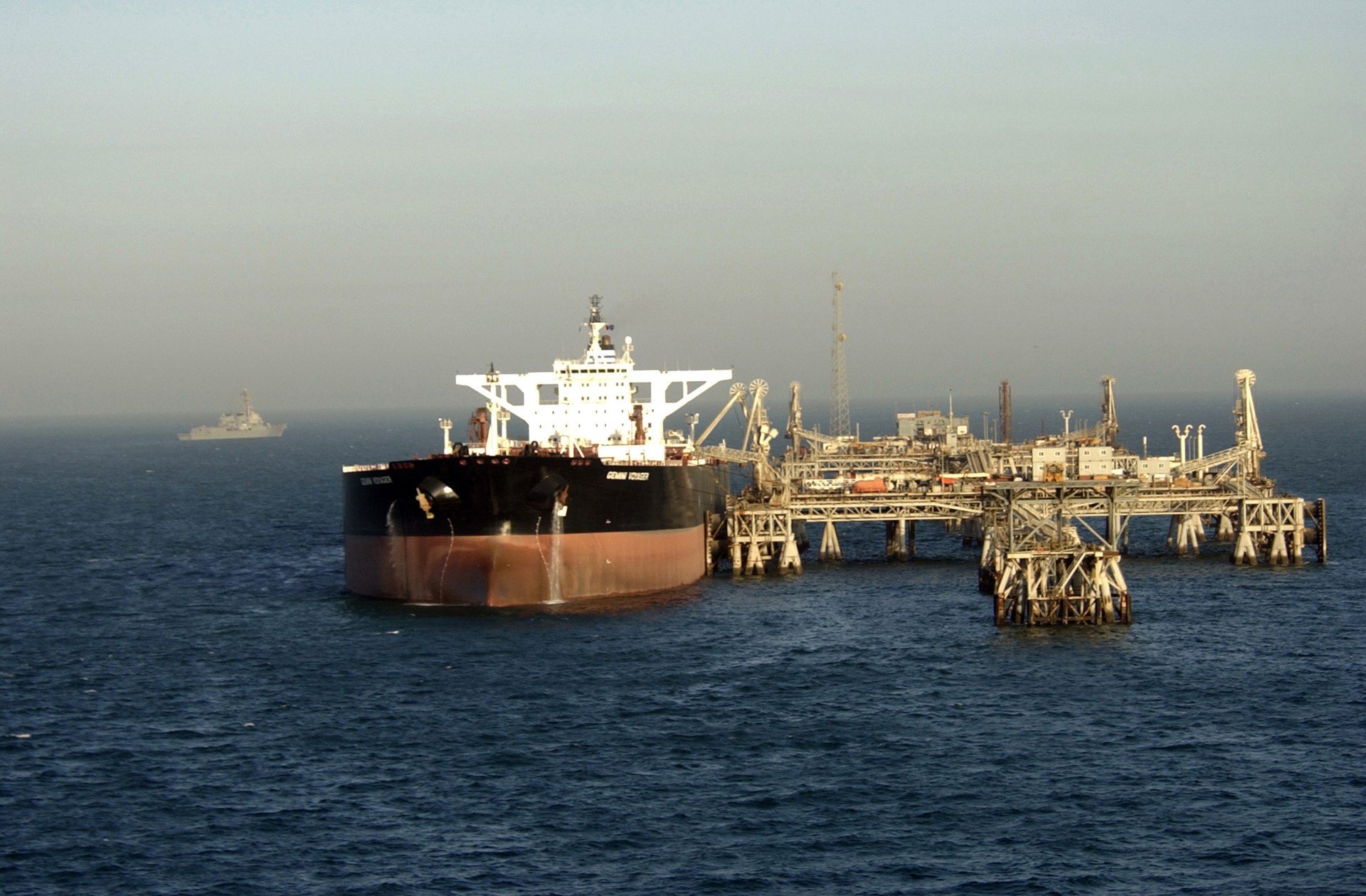
The Iran war has disrupted both. While oil prices spiked above $110 per barrel in the conflict’s first week, Saudi Arabia has been forced to curtail production as the Strait of Hormuz closure filled storage facilities to capacity. Aramco shut down the Safaniya and Zuluf fields, taking two million barrels per day offline. Revenue from oil sales has not tracked the headline price because export volumes collapsed.
Gaming investments, which require continued capital deployment for studio development, talent acquisition, and event hosting, compete with urgent defense spending and economic stabilization measures. PIF was already reported to be “running low on investable cash” before the war, according to a 2025 report by Game Developer, citing the fund’s enormous commitments across dozens of sectors simultaneously.
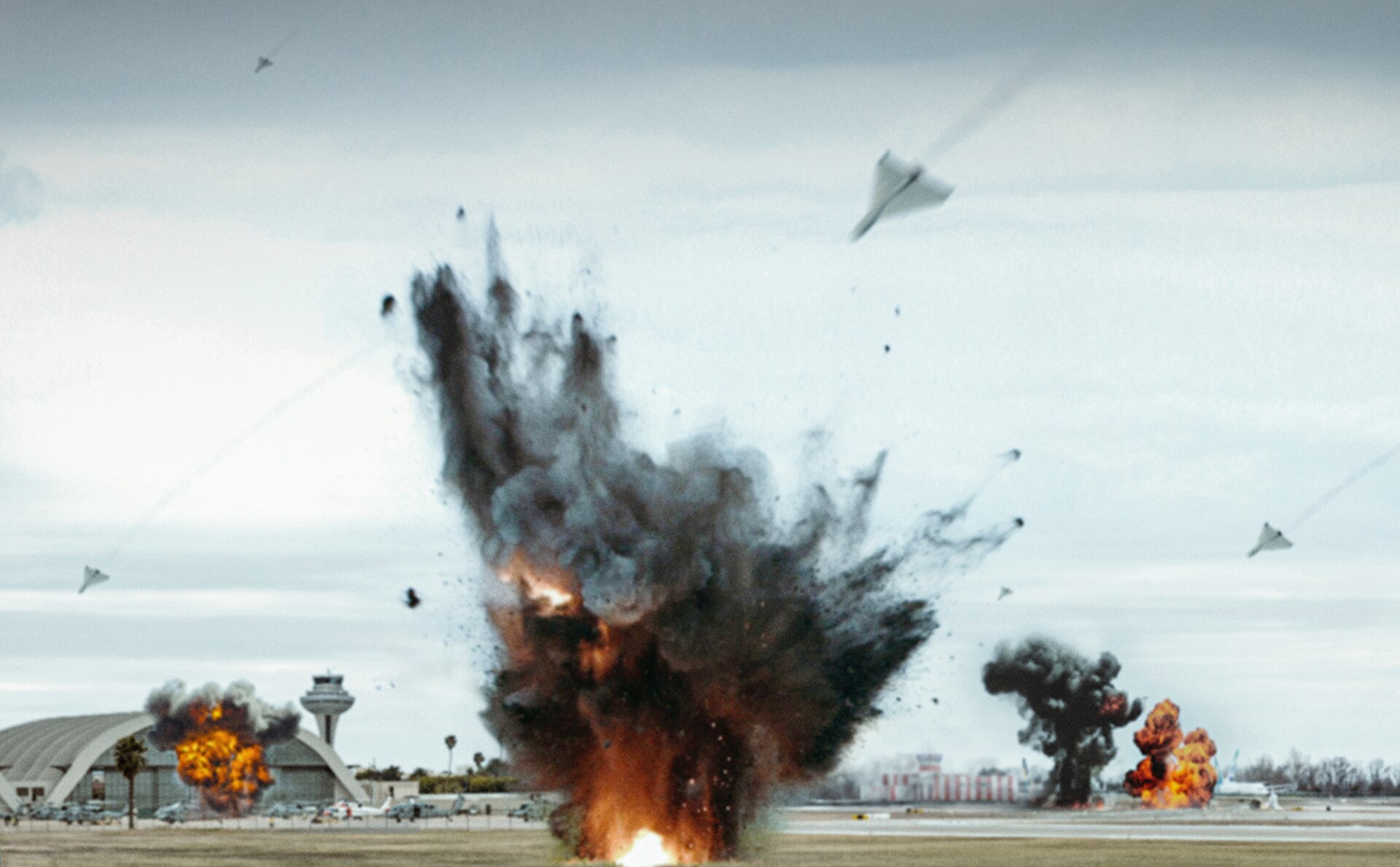
The question is not whether PIF can afford its gaming portfolio — the assets generate revenue and are largely self-sustaining — but whether the fund will deprioritize new gaming expenditures in favor of defense procurement and infrastructure repair. Saudi Arabia has already signaled that some Vision 2030 timelines will slip, and gaming, as a discretionary investment, is more vulnerable to reallocation than critical infrastructure.
Qiddiya’s Gaming District and the Security Question
The physical centerpiece of Saudi Arabia’s gaming ambitions is the Qiddiya Esports and Gaming District, a purpose-built facility within the larger Qiddiya entertainment city southwest of Riyadh. The district aims to attract 10 million visitors annually by 2030 and incubate 30 leading game development studios, according to Qiddiya Investment Company. It is designed to host permanent esports arenas, gaming academies, and developer workspaces.
Qiddiya sits roughly 40 kilometers from central Riyadh, placing it within the same air defense umbrella that has intercepted Iranian ballistic missiles, cruise missiles, and drones targeting the capital since March 1. Saudi defense forces have successfully neutralized the overwhelming majority of incoming threats, but the proximity of a major entertainment investment to an active conflict zone raises questions about long-term viability that project planners did not anticipate.
The broader threat to Saudi Arabia’s event economy is already measurable. The Formula E season in Jeddah proceeded under heightened security in February, but subsequent events have faced disruptions. International entertainment acts and conference organizers have grown cautious, and travel insurance providers have either excluded Saudi Arabia from coverage or imposed prohibitive premiums.
For Qiddiya’s gaming district, the issue is less about immediate physical damage — the site has not been targeted — and more about whether international developers and publishers will commit to establishing a permanent presence in a facility that, as of mid-March 2026, falls within the operational range of Iranian missiles.
What Happens to Saudi Gaming If the War Drags On?
The short-term impact depends on the war’s duration. If hostilities end within weeks — as President Trump has suggested, potentially before Eid al-Fitr on March 19 — the damage to Saudi Arabia’s gaming strategy may prove containable. The Esports World Cup in July would proceed with minimal disruption, and the narrative of Saudi Arabia as a rising gaming capital could recover quickly.
If the conflict extends into the summer, the calculus changes dramatically. A July tournament in a country still intercepting missiles would face boycotts from teams, sponsors, and broadcasters. Insurance costs could make the event financially unviable even with the $75 million prize pool. Studios considering Riyadh offices would delay indefinitely. The entire timetable of MBS’s gaming strategy — built around 2030 milestones that assumed peacetime conditions — would require fundamental revision.
Savvy’s decentralized structure provides a degree of insulation. The revenue-generating assets — Scopely’s mobile games, Pokémon GO, ESL FACEIT’s tournament platform — operate from offices in Los Angeles, San Francisco, Dublin, Barcelona, and Cologne. These businesses are not physically exposed to the conflict. What is exposed is the domestic component: the ambition to make Saudi Arabia itself into a gaming destination, a place where studios open, talent lives, and fans gather.
The global market disruption caused by the war also affects gaming companies worldwide. Consumer spending on entertainment typically contracts during periods of economic uncertainty, and the stagflationary shock from oil price spikes could reduce gaming revenue growth across all markets. Savvy’s portfolio is not immune to these macro pressures.
Ward’s GDC appearance was, in some respects, a reassurance exercise — a signal to the global gaming industry that Saudi Arabia’s money and commitment remain intact even as missiles fly. Whether the industry buys that message will depend less on words at a conference and more on what the skies over Riyadh look like in July.
Frequently Asked Questions
How much has Saudi Arabia invested in the gaming industry?
Saudi Arabia’s Public Investment Fund has committed $38 billion to the gaming sector through Savvy Games Group. Major acquisitions include Scopely ($4.9 billion in 2023) and Niantic’s gaming business including Pokémon GO ($3.5 billion in 2025). PIF transferred approximately $12 billion in gaming equity stakes to Savvy in early 2026, consolidating minority holdings in Nintendo, Capcom, Nexon, and others.
Is the Esports World Cup 2026 cancelled?
The Esports World Cup 2026 has not been cancelled. Organizers confirmed the event will run from July 6 to August 23 in Riyadh with a $75 million prize pool across 24 game titles. The event’s viability depends on the duration of the Iran conflict and the security environment in Saudi Arabia by summer 2026.
What is Savvy Games Group?
Savvy Games Group is a subsidiary of Saudi Arabia’s Public Investment Fund established in 2021 to execute the Kingdom’s National Gaming and Esports Strategy. Led by CEO Brian Ward, it owns ESL FACEIT Group (the world’s largest esports company), Scopely (a leading mobile game publisher), and the Pokémon GO franchise. Savvy ranks among the world’s top 20 gaming companies by asset value.
How does the Iran war affect Saudi Arabia’s gaming plans?
The war creates three distinct threats to Saudi gaming ambitions. It damages perceptions of the Kingdom as a stable destination for talent and events, it diverts PIF capital from discretionary investments toward defense spending, and it risks disrupting major scheduled events including the Esports World Cup. The decentralized structure of Savvy’s portfolio, with most studios operating outside Saudi Arabia, provides partial insulation.
How large is Saudi Arabia’s gaming market?
Saudi Arabia’s domestic gaming market reached $2.39 billion in 2025 with 23.5 million gamers, representing a 67 percent player penetration rate. Per capita gaming spend stands at $308, approximately three times the MENA regional average. The market is projected to reach $4.96 billion by 2034, according to IMARC Group.