WASHINGTON — A U.S. Air Force KC-135 Stratotanker crashed in western Iraq on Thursday with six crew members on board, marking the fourth crewed American aircraft lost since Operation Epic Fury began on 28 February and the first aerial refueling tanker destroyed in more than a decade. U.S. Central Command said the incident was not caused by hostile or friendly fire, though the status of the six-person crew remained unknown as rescue teams raced to the crash site near the Iraqi-Jordanian border.
The loss underscores the punishing operational tempo the U.S. Air Force has sustained across the Middle East since launching its largest air campaign since the 2003 invasion of Iraq. KC-135 tankers are the backbone of American aerial power projection in the region, refueling the fighters, bombers, and surveillance aircraft that have struck approximately 6,000 Iranian targets in thirteen days of war. Without them, the air umbrella that shields Saudi Arabia and its Gulf allies from Iranian missile and drone barrages cannot function.
Table of Contents
- What Happened Over Western Iraq?
- What Happened to the Second KC-135?
- What Is the KC-135 Stratotanker and Why Does It Matter?
- How Does the KC-135 Fleet Protect Saudi Arabia?
- How Many Aircraft Has the U.S. Lost in the Iran War?
- The Human Cost of Operation Epic Fury
- Can an Aging Fleet Sustain the Air War?
- Frequently Asked Questions
What Happened Over Western Iraq?
The KC-135 went down near Turaibil, a remote crossing point on the Iraqi-Jordanian border in western Iraq, on Thursday afternoon local time. CENTCOM confirmed in a statement that the aircraft had been conducting aerial refueling operations in support of Operation Epic Fury when it was involved in an incident with a second KC-135 Stratotanker.
Six crew members were aboard the downed aircraft, according to BNO News. CENTCOM stated that rescue efforts were underway but asked for “continued patience to gather additional details and provide clarity for the families of service members.” The command did not release the names or unit assignment of the crew.
The crash site lies in the vast Anbar desert, far from the frontlines of the Iran campaign but squarely on the aerial refueling tracks that tanker aircraft use to support combat operations deeper in the theatre. CENTCOM emphasized that the incident “was not due to hostile fire or friendly fire,” suggesting a mechanical failure, mid-air collision during the refueling process, or another operational accident.
Tactical Recovery of Aircraft and Personnel missions — known as TRAP — were launched immediately to retrieve the crew and secure any sensitive equipment or classified material at the wreck site. The recovery operation itself carries risk in the current environment, with Iranian-backed militia groups still active in parts of western Iraq.
The Middle East briefing 3,000+ readers start their day with.
One email. Every weekday morning. Free.

What Happened to the Second KC-135?
A second KC-135 Stratotanker was involved in the same incident, CENTCOM confirmed. That aircraft sustained damage but managed to fly out of the area and land safely. CBS News reported that the second tanker declared an in-flight emergency before touching down at an airfield in Tel Aviv on Thursday evening, according to flight tracking data.
The fact that both aircraft were involved in the same event strongly suggests the incident occurred during an aerial refueling operation. Mid-air refueling is among the most technically demanding manoeuvres in military aviation. The process requires two aircraft to fly in close formation at high altitude while fuel is transferred through a rigid boom or drogue system. A momentary lapse in positioning, a mechanical malfunction in the boom, or a sudden wind shift can bring the aircraft into dangerous proximity.
The U.S. Air Force has not confirmed whether the two KC-135s were refueling each other — a procedure sometimes used to extend the operational range of tanker aircraft on long-duration missions — or whether one was refueling a combat aircraft when the second became involved in the incident. An investigation by the Air Force Safety Center is expected, though CENTCOM has not yet formally announced one.
What Is the KC-135 Stratotanker and Why Does It Matter?
The Boeing KC-135 Stratotanker is the primary aerial refueling aircraft of the United States Air Force. Derived from the Boeing 707 airframe, the KC-135 entered service in 1957 and has been refueling American and allied warplanes in every major conflict since the Vietnam War. The current fleet consists of approximately 370 airframes: 151 assigned to active-duty units, 62 to the Air Force Reserve, and 163 to the Air National Guard, according to Air Force data.
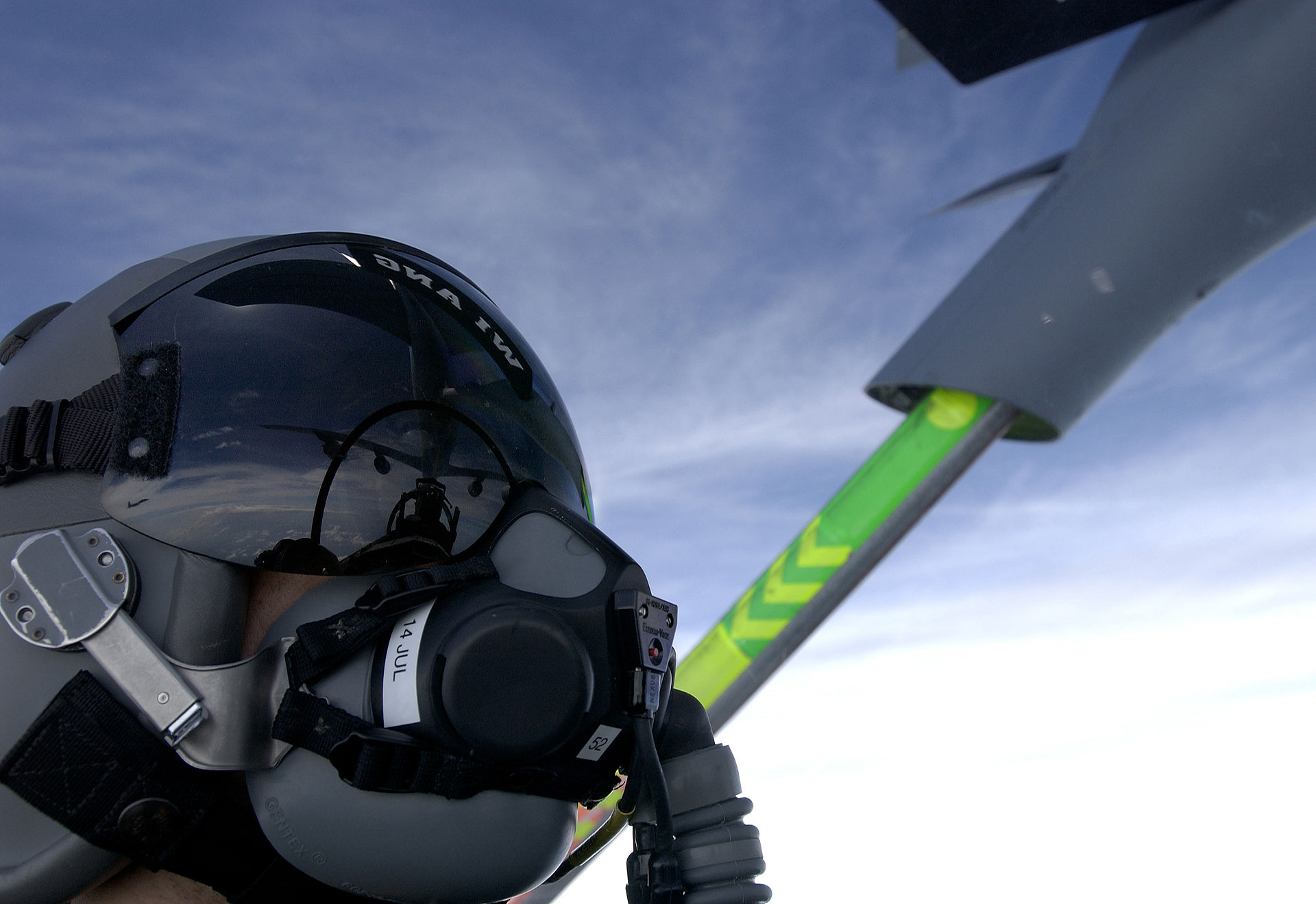
Each KC-135R can carry approximately 200,000 pounds of transferable fuel and offload it through a flying boom operated by a crew member lying prone in the rear of the aircraft. A typical crew consists of a pilot, co-pilot, navigator, and boom operator, though some missions carry additional personnel. The aircraft can refuel most U.S. and allied fighters, bombers, and reconnaissance aircraft at altitudes above 20,000 feet.

The aircraft’s importance to the Iran campaign cannot be overstated. Fighters flying from bases in Saudi Arabia, Qatar, the UAE, and Bahrain require mid-air refueling to reach targets in central and eastern Iran and return safely. Bombers operating from Diego Garcia or the continental United States may require multiple refueling cycles during a single sortie. Without the KC-135 fleet, the air campaign over Iran would collapse within days.
The Pentagon has struck approximately 6,000 Iranian targets since Operation Epic Fury began on 28 February, according to CBS News. Every one of those strikes required fuel — often delivered by a KC-135 flying a racetrack pattern over Iraq, Saudi Arabia, or the Persian Gulf. The tankers also support the combat air patrols that provide the aerial component of Saudi Arabia’s multi-layered air defense network, scrambling to intercept Iranian drones and cruise missiles heading toward Riyadh, the Eastern Province oil fields, and Prince Sultan Air Base.
How Does the KC-135 Fleet Protect Saudi Arabia?
Saudi Arabia’s defense against Iranian air attacks depends in part on the sustained presence of American combat aircraft over the Kingdom — and those aircraft depend on KC-135 tankers for fuel. Prince Sultan Air Base, located approximately 80 kilometres south of Riyadh near Al-Kharj, has served as a primary staging point for U.S. Air Force operations in the region since the 1990s. The base hosts F-15E Strike Eagles, F-16 Fighting Falcons, and Patriot air defense batteries, all of which have been actively engaged since the Iran war began.
One American soldier was killed at Prince Sultan Air Base on 7 March when an Iranian drone struck a maintenance facility, according to CENTCOM. The base has been targeted multiple times by Iranian ballistic missiles, with Saudi and American air defense systems intercepting incoming warheads in at least three separate attacks since 1 March. Each of those interceptions was supported by airborne early warning aircraft — themselves kept aloft by KC-135 refueling — that detected the incoming threats. Saudi Arabia’s own military capabilities have been stretched to their limits by the sustained Iranian bombardment.
The tanker fleet also supports the round-the-clock combat air patrols that fly defensive counter-air missions along Saudi Arabia’s northern and eastern borders. These patrols, flown by F-15s and F-16s at high altitude, are designed to intercept Iranian cruise missiles and Shahed-136 attack drones before they reach populated areas. A single F-15E flying a four-hour combat air patrol may require two or three aerial refueling contacts, each delivered by a KC-135 orbiting in a designated refueling track.
The loss of even one tanker from the operational rotation increases the strain on the remaining fleet and forces mission planners to make difficult choices about which combat operations receive refueling priority. When tankers are unavailable, fighters carry less fuel and must shorten their patrols or divert to land-based refueling points, creating gaps in the air defense coverage that Iran has repeatedly sought to exploit.
Saudi Arabia’s own air force operates a fleet of Airbus A330 MRTT tankers and older KC-130 Hercules refueling aircraft, but these are primarily tasked with supporting Royal Saudi Air Force combat operations rather than U.S. missions. The Kingdom’s Patriot and THAAD air defense batteries, manned by both Saudi and American crews, depend on the intelligence feed from U.S. airborne early warning aircraft such as the E-3 Sentry — which itself requires KC-135 refueling to maintain its patrol orbits. The tanker fleet is, in practical terms, the thread that holds the entire coalition air defense architecture together.
How Many Aircraft Has the U.S. Lost in the Iran War?
Thursday’s crash brings the total number of crewed U.S. aircraft lost during Operation Epic Fury to four. None of the losses have been caused by Iranian forces directly — a fact that reflects both the effectiveness of Iran’s air force in denying airspace and the dangers of sustained high-tempo air operations in a combat theatre.
| Date | Aircraft | Cause | Location | Crew |
|---|---|---|---|---|
| 1 March | F-15E Strike Eagle (x3) | Friendly fire (Kuwaiti F/A-18) | Kuwait | 6 ejected safely |
| 12 March | KC-135 Stratotanker | Refueling incident (not hostile) | Western Iraq | 6 — status unknown |
The first three aircraft losses occurred on the opening night of the campaign. Three F-15E Strike Eagles from the 494th Expeditionary Fighter Squadron were shot down over Kuwait at approximately 11:03 p.m. Eastern Time on 1 March in a friendly fire incident. All six aircrew — two per aircraft — ejected safely and were recovered. Investigations subsequently pointed to a Kuwaiti Air Force F/A-18 Hornet as the likely shooter, in what was described as the first air-to-air friendly fire shootdown since 1994.
In addition to crewed aircraft, Iran has managed to down approximately ten MQ-9 Reaper drones, according to people familiar with the operations, as cited by the Air and Space Forces Magazine. The Reapers, which operate without a pilot on board, have been used extensively for intelligence, surveillance, and reconnaissance missions over Iran, as well as limited strike operations.
By contrast, the United States and Israel have inflicted catastrophic losses on Iran’s military capabilities. Israeli officials claimed on 12 March that more than 1,900 Iranian regime commanders and soldiers had been killed since hostilities began. Over 90 Iranian naval vessels have been damaged or destroyed, including more than 60 ships and 30 mine-laying vessels, according to U.S. Navy reporting.
The Human Cost of Operation Epic Fury
The Pentagon confirmed on 10 March that seven U.S. service members had been killed in action during Operation Epic Fury, with an eighth dying of a health-related incident in Kuwait. Approximately 140 service members have been wounded, eight of them severely, though 108 had returned to duty by the time of the announcement, according to a Pentagon briefing reported by Al Jazeera.
The deadliest single incident occurred on the war’s first night. Six soldiers were killed when an Iranian ballistic missile struck a makeshift operations centre at Port Shuaiba in Kuwait, before air defense systems in the region had been fully activated. CNN reported that there was no warning siren before the impact. A seventh service member was killed at Prince Sultan Air Base in Saudi Arabia on 7 March.
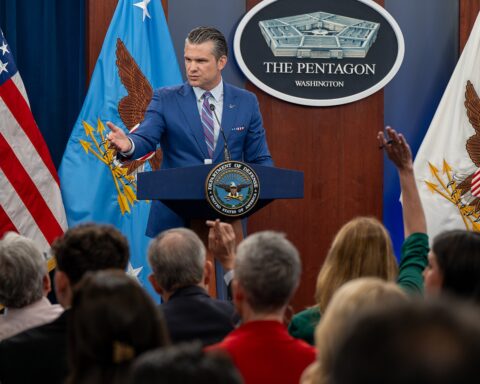
Defense Secretary Pete Hegseth warned early in the campaign that more casualties were expected. “We expect to take additional losses, and as always, we will work to minimize U.S. losses,” he told reporters at the Pentagon on 2 March, according to Fox News.
If the six crew members of the downed KC-135 did not survive, the death toll would rise to at least 14 — making the Iran war the costliest American military operation since the withdrawal from Afghanistan in 2021. CENTCOM has not provided an update on the crew’s condition, saying only that rescue operations were ongoing.
The casualty figures do not account for injuries among coalition partners. Qatar reported 16 people injured on its soil from Iranian attacks. Kuwait reported 32 wounded, Bahrain four, and Oman five, according to statements from their respective governments. An estimated 1,348 Iranians have been killed since hostilities began, according to figures compiled by the Pentagon, alongside at least 15 Israeli fatalities and 17 deaths across Gulf states, as reported by CBS News.
The war’s toll extends beyond the military. The U.S. State Department reported that 47,000 American citizens had been evacuated from the Middle East since 28 February, with 32,000 receiving direct consular assistance. The U.S. Embassy in Riyadh issued a shelter-in-place notice on 12 March, directing all government employees and American citizens in Saudi Arabia to remain indoors until further notice as Iranian drone and missile attacks continued to target the Kingdom’s diplomatic quarter and oil infrastructure.
| Category | Count | Details |
|---|---|---|
| Killed in Action | 7 | 6 at Port Shuaiba, Kuwait; 1 at Prince Sultan Air Base, Saudi Arabia |
| Non-Combat Death | 1 | Health-related incident, Kuwait |
| Wounded | ~140 | 108 returned to duty; 8 severely wounded |
| KC-135 Crew (status unknown) | 6 | Rescue operations ongoing, western Iraq |
Can an Aging Fleet Sustain the Air War?
The KC-135 that crashed on Thursday was part of a fleet whose average airframe age exceeds 66 years, according to the Air and Space Forces Magazine. The aircraft first entered service in 1957. Despite multiple rounds of engine, avionics, and structural upgrades — the most significant being the re-engining programme that produced the KC-135R variant in the 1980s and 1990s — the fleet is operating well beyond its original design life.
Thursday’s crash was the first loss of a KC-135 in 13 years. The last occurred in May 2013, when a KC-135 crashed near the Manas Transit Centre in Kyrgyzstan during a refueling mission supporting operations in Afghanistan. Three crew members were killed in that incident.
The Air Force has been working to replace the KC-135 with the Boeing KC-46A Pegasus, a more modern tanker based on the 767 airframe. But the KC-46 programme has been plagued by technical problems, delivery delays, and cost overruns since its inception. As of early 2026, fewer than 70 KC-46s had been delivered to operational units, and the aircraft still carried Category I deficiencies that restricted its use in some refueling scenarios.
Congress has repeatedly blocked the Air Force’s attempts to retire older KC-135s. The FY2026 National Defense Authorization Act mandated that the entire KC-135 fleet remain available as primary mission aircraft, even as the Air Force argued that maintaining ageing tankers diverted funds and maintenance personnel from the KC-46 transition. The result is a fleet stretched between two platforms, with the older aircraft bearing the heaviest operational burden in a combat environment that demands maximum availability.
The Iran war has pushed the tanker fleet to its highest operational tempo since the 2003 Iraq invasion. KC-135s are flying near-continuous sorties from bases in the Gulf, the eastern Mediterranean, and the Indian Ocean. Maintenance crews are working around the clock to keep aircraft mission-ready, and some units have been surging at rates that exceed peacetime flying hour limits, according to reports in the Air and Space Forces Magazine. The loss of one aircraft — and potentially the temporary grounding of others pending investigation — further tightens the margin.
For Saudi Arabia, the tanker fleet’s health is not an abstract concern. The KC-135s that refuel American fighters over the Kingdom are the same aircraft that enable combat sorties into Iran. Every hour a tanker spends in maintenance or investigation-related downtime is an hour that a combat air patrol goes unfueled and a stretch of Saudi airspace goes unpatrolled. Riyadh has invested $1 trillion in its relationship with the Trump administration in part to ensure that the American military commitment to the Kingdom’s defence remains ironclad. Thursday’s crash is a reminder that commitment is constrained by the physical limits of ageing hardware.
The tanker crash over Iraq was followed days later by an even more significant loss. The Wall Street Journal reported on 14 March that Iranian missiles had damaged five additional KC-135 Stratotankers on the ground at Prince Sultan Air Base, bringing the total number of American tanker aircraft damaged or destroyed in Operation Epic Fury to at least seven.
Frequently Asked Questions
What caused the KC-135 crash in Iraq?
U.S. Central Command stated that the crash was not caused by hostile or friendly fire. The incident involved two KC-135 Stratotankers, one of which went down near Turaibil in western Iraq while the second landed safely after declaring an emergency. An investigation is expected but has not been formally announced. The circumstances suggest a refueling-related accident or mechanical failure.
How many crew members were on board the crashed KC-135?
Six crew members were aboard the KC-135 that crashed in western Iraq, according to BNO News. CENTCOM has not released the names or status of the crew and stated that rescue operations were ongoing as of Thursday evening. The command asked for “continued patience” as it gathered details.
How many U.S. aircraft have been lost in Operation Epic Fury?
Four crewed aircraft have been lost since the operation began on 28 February 2026. Three F-15E Strike Eagles were shot down over Kuwait on 1 March in a friendly fire incident involving a Kuwaiti F/A-18 Hornet — all six crew ejected safely. The KC-135 loss on 12 March is the fourth. Additionally, approximately ten MQ-9 Reaper drones have been downed by Iranian forces.
Why are KC-135 tankers important for Saudi Arabia’s defense?
KC-135 tankers provide the mid-air refueling that allows U.S. combat aircraft to fly extended patrols over Saudi airspace and reach targets deep inside Iran. Without aerial refueling, fighters operating from bases in the Gulf cannot sustain the combat air patrols that intercept Iranian drones and missiles heading toward Saudi cities and oil infrastructure. The loss of any tanker reduces the total refueling capacity available to protect the Kingdom.
How old is the KC-135 fleet?
The average KC-135 airframe is more than 66 years old. The aircraft entered service in 1957 and has been upgraded multiple times. The Air Force operates approximately 370 KC-135s across active duty, Reserve, and Air National Guard units. Its replacement, the KC-46A Pegasus, has experienced persistent technical problems and delivery delays, and fewer than 70 have been delivered as of early 2026.