RIYADH — Saudi Arabia intercepted 56 drones and two ballistic missiles on Friday as Iran launched its largest single-day aerial assault against the Kingdom since the war began two weeks ago, according to the Saudi Ministry of Defence. The barrage struck targets across the Eastern Province, Riyadh’s Diplomatic Quarter, al-Kharj, and the Shaybah oil field in the Empty Quarter, while drone debris killed two Indian nationals in Oman and a French soldier died in a separate Iranian strike on a coalition base in Iraq’s Kurdistan region.
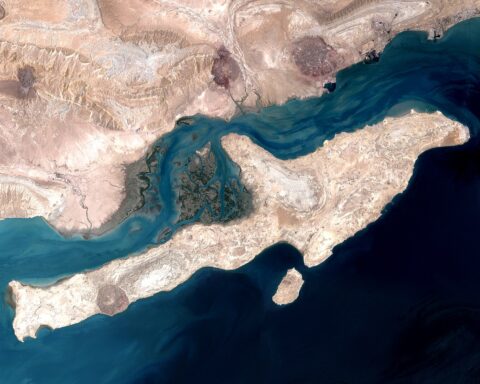
Day 14 of the conflict that began with joint US-Israeli strikes on Iran on February 28 saw the war’s geographic footprint expand further, with attacks reported across Saudi Arabia, Oman, the UAE, Bahrain, and Iraq. The Islamic Revolutionary Guard Corps announced it had launched the 44th phase of Operation True Promise 4, targeting what it described as military installations across multiple countries. As oil prices remain above $100 per barrel and the Strait of Hormuz stays effectively closed to commercial shipping, the human and economic toll of the conflict is accelerating by the hour.
Table of Contents
- Saudi Arabia Intercepts Record 56 Drones and Ballistic Missiles
- What Did Iran Target on Day 14?
- Two Killed in Oman as Drone Debris Hits Industrial Zone
- French Soldier Killed in Iraq Drone Strike
- How Many Ships Have Been Attacked in the Strait of Hormuz?
- What Happened to the US Refuelling Jet That Went Down Over Iraq?
- Hezbollah Launches 200-Rocket Barrage at Israel
- Diplomatic Developments and Coalition Responses
- Oil Markets and Economic Fallout
- Frequently Asked Questions
Saudi Arabia Intercepts Record 56 Drones and Ballistic Missiles
Saudi Arabia’s air defence network faced its most severe test of the war on Friday, intercepting and destroying 56 drones and two ballistic missiles over a span of approximately five hours, according to the Saudi Ministry of Defence. The scale of the assault represented a significant escalation from previous days, with the IRGC deploying multiple waves of Shahed-series one-way attack drones alongside medium-range ballistic missiles.
The drone waves arrived in rapid succession. The Ministry of Defence reported intercepting a single drone over the Eastern Province in the early morning hours, followed by three more and then six additional drones in separate incidents, according to Al Arabiya. Air defence systems in Saudi Arabia’s central region then engaged seven, nine, and 12 drones in three additional waves. Three drones were intercepted over al-Kharj and the Empty Quarter, with a further two destroyed in a separate al-Kharj incident, according to Arab News.
The two ballistic missiles — a more dangerous class of weapon due to their speed and warhead size — were intercepted over the Eastern Province and near Prince Sultan Air Base in al-Kharj, the Ministry said. Prince Sultan Air Base, which has been targeted repeatedly since the war began, hosts US military personnel and serves as a critical node in the coalition’s air defence architecture.

The IRGC announced Friday’s assault as the 44th phase of its Operation True Promise 4 campaign, which began on the first day of the war. The campaign has launched waves of missiles and drones at Israeli, American, and Gulf Arab targets across the region. According to a tally by the Jerusalem Post, Iran has now attacked 11 countries with more than 1,481 projectiles since February 28.
The Middle East briefing 3,000+ readers start their day with.
One email. Every weekday morning. Free.
The Saudi Ministry of Defence reported no casualties from Friday’s attacks on its territory, crediting the performance of the Kingdom’s layered air defence systems, which include American-made Patriot PAC-3 batteries and THAAD systems positioned to protect critical infrastructure. Earlier in the war, drones and debris struck residential areas in al-Kharj, killing two Saudi civilians on March 9.
What Did Iran Target on Day 14?
Iran’s targets on day 14 spanned Saudi Arabia’s most strategically valuable geography, from the oil-rich Eastern Province to the political heart of the capital. The Shaybah oil field in the Empty Quarter, one of Aramco’s most remote producing assets, was targeted by at least five drones in the early morning, the Ministry of Defence confirmed. Shaybah produces approximately 750,000 barrels per day and supplies associated natural gas to Saudi industrial consumers.
The Diplomatic Quarter in Riyadh — a high-security compound housing dozens of foreign embassies — was targeted by at least one drone that Saudi air defences intercepted and destroyed. The US Embassy in Riyadh, which was struck by Iranian drones on March 3, reiterated its shelter-in-place order on Friday, directing all US government employees to remain indoors and recommending the same for all American citizens in Saudi Arabia, the embassy said in a security alert.
| Target Area | Weapon Type | Intercepted | Status |
|---|---|---|---|
| Eastern Province | Drones + 1 ballistic missile | 10+ | All intercepted |
| Shaybah oil field | Drones | 5 | All intercepted |
| Riyadh Diplomatic Quarter | Drone | 1 | Intercepted |
| Al-Kharj / Prince Sultan Air Base | Drones + 1 ballistic missile | 7+ | All intercepted |
| Empty Quarter | Drones | 3 | All intercepted |
| Multiple other areas | Drones | 28+ | All intercepted |
Beyond Saudi Arabia, the IRGC simultaneously targeted sites in Oman, the UAE, Bahrain, Iraq, and Israel as part of the same operational phase. Dubai and Abu Dhabi reported interception debris and issued safety alerts to residents, according to The National. Bahrain, which has suffered more civilian casualties per capita than any other Gulf state in the conflict, reported additional drone and missile activity on Friday.
Two Killed in Oman as Drone Debris Hits Industrial Zone
Two Indian expatriate workers were killed and 10 others were injured when debris from a downed drone struck the al-Awahi industrial area in Sohar, Oman, on Friday morning, according to Omani authorities and India’s Ministry of External Affairs. The incident marked the first civilian fatalities on Omani soil since the conflict began and underscored the growing danger to non-combatant populations across the Gulf region.
A second drone crashed in an open area near Sohar with no injuries recorded, Omani state media reported. Oman, which has maintained a careful neutrality throughout the crisis and serves as a key diplomatic back channel to Tehran, had previously avoided the worst of Iran’s attacks despite a strike on its Salalah port on March 12 that damaged oil storage infrastructure.
India’s Additional Secretary for Gulf Affairs, Aseem Mahajan, confirmed the deaths during an inter-ministerial briefing on the West Asia situation, expressing condolences and stating that the Indian mission in Oman was providing assistance to the injured. India now counts at least five nationals killed in the Iran war — two in the Sohar incident, plus three Indian sailors who died in attacks on merchant vessels in the Persian Gulf and Strait of Hormuz since March 1.
The deaths carry significant implications for New Delhi. India has approximately 9 million citizens living across the Gulf states, including an estimated 2.4 million in Saudi Arabia and 800,000 in Oman. Indian Prime Minister Narendra Modi has so far avoided taking a strong public position on the conflict, but the mounting civilian toll could force a more assertive diplomatic stance.
French Soldier Killed in Iraq Drone Strike
Arnaud Frion, a 42-year-old French soldier, was killed on Thursday when a Shahed-series drone struck a position in Iraq’s Kurdistan region where French forces were conducting counter-terrorism training with Iraqi partners, French authorities confirmed. Six other French service members were wounded in the attack, which President Emmanuel Macron condemned as “unacceptable.”
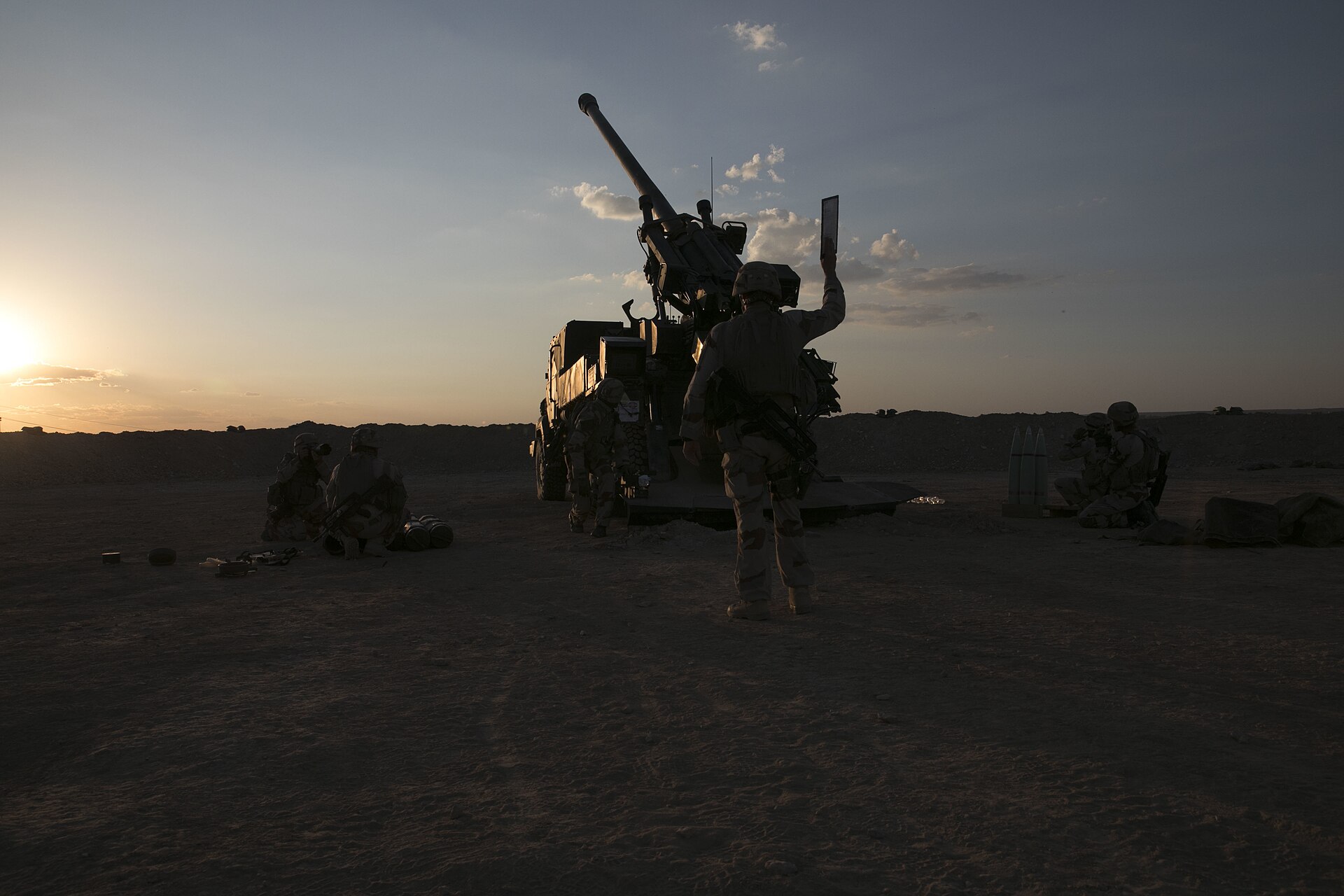
Frion’s death represents the first European military fatality of the Iran war, expanding the conflict’s toll beyond American forces, who have lost at least 13 service members since February 28 according to Pentagon figures. France has approximately 600 troops in Iraq as part of Operation Chammal, its counter-ISIS mission.
Macron spoke with Saudi Crown Prince Mohammed bin Salman on Friday, according to French and Saudi readouts of the call. The French president emphasised that France’s military role in the region remains “strictly defensive” and focused on counter-terrorism, not the broader US-Israeli campaign against Iran. The statement appeared designed to preserve France’s ability to engage diplomatically with Tehran while signalling that the attack on its forces would not go unanswered.
The Macron-MBS call also covered the broader security situation in the Gulf, with both leaders expressing concern about the escalating civilian toll and the impact on regional stability, the Saudi Press Agency reported. France has naval assets deployed in the region and is a significant arms supplier to several Gulf states.
How Many Ships Have Been Attacked in the Strait of Hormuz?
At least 19 commercial vessels have been damaged in the Strait of Hormuz and surrounding waters since the war began on February 28, according to data compiled by the UK Maritime Trade Operations centre. The attacks have escalated in frequency and lethality, with the most recent incidents on Wednesday and Thursday involving drone boats, projectiles of unknown origin, and naval mines.
Six vessels were attacked in a single 24-hour period on March 12, according to Al Jazeera, representing the highest single-day toll for shipping since the conflict started. Two fuel tankers — the Marshall Islands-flagged Safesea Vishnu and the Zefyros — were set ablaze in Iraqi waters by what appeared to be explosive-laden drone boats, killing one crew member. The Thai-flagged Mayuree Naree bulk carrier was struck by two projectiles while transiting the Strait, causing a fire in the engine room and leaving three crew members missing.

The Strait of Hormuz remains effectively closed to non-Iranian commercial shipping. Iran’s new Supreme Leader Mojtaba Khamenei vowed on March 12 to keep the strait blocked until US forces close their bases in the region, and the IRGC Navy has demanded that all vessels seek permission before transiting.
The closure has forced Saudi Arabia to reroute the majority of its oil exports through the East-West Pipeline to the Red Sea port of Yanbu. Aramco has ramped pipeline throughput toward its maximum capacity of 7 million barrels per day, according to Aramco CEO Amin Nasser, but the bypass infrastructure cannot replace the full volume of Gulf crude that previously transited Hormuz.
| Date | Vessels Attacked | Method | Casualties |
|---|---|---|---|
| Feb 28 – Mar 5 | 5 | Drone boats, mines | 3 killed |
| Mar 6 – Mar 10 | 8 | Missiles, drone boats, mines | 2 killed, multiple missing |
| Mar 11 – Mar 13 | 6+ | Projectiles, drone boats | 1 killed, 3 missing |
| Total | 19+ | Mixed | 6+ killed |
What Happened to the US Refuelling Jet That Went Down Over Iraq?
The US military confirmed on Friday that all six service members aboard a KC-135 Stratotanker refuelling aircraft that went down in western Iraq on Thursday have been killed. The Pentagon stressed that the crash was not caused by hostile fire or friendly fire, though it did not provide an immediate cause for the incident.
The crash brings the total US military fatalities since the beginning of the Iran war to at least 13, according to Pentagon figures. The KC-135 was conducting aerial refuelling operations in support of ongoing coalition air operations when it went down. An investigation is underway.
The steady accumulation of American casualties — from drone strikes on Prince Sultan Air Base, attacks on the US Embassy compound in Riyadh, and now an operational accident during a war footing — is intensifying domestic political pressure on the Trump administration. President Trump told reporters on Friday that the war was “going very well,” though he offered no timeline for its conclusion.
The KC-135 Stratotanker is the backbone of the US Air Force’s aerial refuelling fleet, enabling fighter jets and bombers to extend their range during combat sorties over Iran and Iraq. The loss of the aircraft, while not attributed to enemy action, underscores the operational strain on American forces conducting one of the most intensive air campaigns since the 2003 invasion of Iraq. Coalition aircraft have been flying round-the-clock sorties against Iranian military targets, air defence sites, and missile launchers since February 28.
Hezbollah Launches 200-Rocket Barrage at Israel
The Lebanese militant group Hezbollah fired approximately 200 rockets into northern Israel overnight Thursday into Friday, according to the Israel Defense Forces. The barrage represented Hezbollah’s largest single attack since the beginning of the Iran war and was carried out in apparent coordination with the IRGC’s 44th phase of Operation True Promise 4.
The rockets triggered interception attempts by Israel’s Iron Dome and David’s Sling air defence systems and sent residents of northern Israeli communities into shelters repeatedly throughout the night, the IDF said. Casualty figures from the attack were not immediately available.
Hezbollah’s escalation comes two weeks into its coordinated campaign with Iran’s broader proxy network. The group has launched daily rocket attacks at Israel since the war began but Thursday’s barrage marked a significant increase in volume. Iran’s proxy strategy — which also involves militia attacks from Iraq — creates multiple fronts that stretch Israeli and American air defence resources across the region. Yemen’s Houthis, however, remain conspicuously absent from the fight, choosing strategic restraint that has left Saudi Arabia’s southern border quiet.
Diplomatic Developments and Coalition Responses
Several diplomatic moves unfolded on day 14 as the war’s widening footprint forced additional countries to stake out positions.
The most significant escalation came when an explosion struck Tehran’s Ferdowsi Square during the annual Al-Quds Day rally, killing at least one person and threatening Saudi Arabia’s ceasefire diplomacy with Tehran. The strike occurred after Israel issued a Farsi-language warning telling demonstrators to evacuate.
Pakistan’s Prime Minister Shehbaz Sharif met Crown Prince Mohammed bin Salman in Jeddah on March 12, pledging “full solidarity and support” for Saudi Arabia in what the Prime Minister’s Office described as an emergency visit lasting several hours, according to Dawn. The meeting followed Islamabad’s activation of the Strategic Mutual Defence Agreement signed with Riyadh in September 2025, under which Pakistan has deployed air defence assets and military personnel to Saudi Arabia.
President Macron’s call with MBS, prompted by the killing of the French soldier, added a European dimension to the growing coalition of countries directly affected by Iran’s attacks. However, Macron’s insistence that France’s role is “defensive” signalled the limits of European involvement — a position that contrasts with Washington’s offensive posture.
At the United Nations, where the Security Council passed a near-unanimous condemnation of Iran’s attacks on Gulf states earlier in the week, the focus has shifted to ceasefire negotiations. Oman, despite Friday’s attack on its territory, continues to maintain its back-channel role with Tehran, according to Western diplomatic sources cited by Bloomberg. However, the prospect of a ceasefire remains distant — Iran’s new Supreme Leader Mojtaba Khamenei has publicly vowed to continue attacks, and the IRGC has contradicted President Pezeshkian’s earlier apology to neighbouring states, warning that strikes will persist as long as US forces use Gulf bases.
Oil Markets and Economic Fallout
Brent crude remained above $100 per barrel on Friday as the continued closure of the Strait of Hormuz and fresh attacks on shipping kept a risk premium firmly in place. The benchmark had spiked above $110 earlier in the week before retreating slightly.
Approximately 8 million barrels per day of crude oil supply has been removed from global markets since the Strait was effectively closed on March 1, according to the International Energy Agency. The IEA announced the release of 400 million barrels from emergency strategic reserves on March 11, the largest coordinated release in history, but analysts at Goldman Sachs and JPMorgan have warned that the reserves provide only a temporary buffer if the Hormuz closure extends beyond 60 days.
Saudi Aramco has accelerated the rerouting of crude exports through the East-West Pipeline, pushing throughput toward the system’s maximum capacity of 7 million barrels per day, CEO Amin Nasser confirmed. However, the combined bypass capacity of all Gulf producers — Saudi Arabia’s Petroline and the UAE’s ADCOP pipeline — totals approximately 6.5 million barrels per day at maximum throughput, leaving a gap of roughly 13.5 million barrels per day with no alternative route to market, according to CNBC analysis.
| Metric | Figure | Source |
|---|---|---|
| Total projectiles launched by Iran | 1,481+ | Jerusalem Post tally |
| Countries attacked by Iran | 11 | Multiple reports |
| Drones intercepted by Saudi Arabia (Friday) | 56 | Saudi Ministry of Defence |
| Ballistic missiles intercepted (Friday) | 2 | Saudi Ministry of Defence |
| Commercial ships damaged since Feb 28 | 19+ | UK Maritime Trade Ops |
| US military deaths since Feb 28 | 13+ | Pentagon |
| Brent crude oil price | $100+/bbl | Market data |
| Strategic oil reserves released | 400M barrels | IEA |
| Gulf oil supply removed from market | ~8M bpd | IEA |
| Iranian civilian casualties (claimed) | 1,348 | Iran’s UN Ambassador |
The Tadawul All Share Index has lost approximately 15 percent since the war began, with foreign institutional investors withdrawing a net 5.8 billion riyals ($1.55 billion) in the first five trading days of the conflict alone, according to Saudi Exchange data. The Iran war’s economic impact has extended far beyond energy markets, disrupting Gulf supply chains, halting construction on megaprojects, and triggering the US Embassy’s recommendation for American citizens to leave Saudi Arabia.
The food supply chain across the Gulf is also under pressure. More than 70 percent of all GCC food imports transit the Strait of Hormuz, according to the International Food Policy Research Institute. Wealthier Gulf states including Saudi Arabia, Qatar, and the UAE have the financial resources to reroute food imports by air or overland, but the cost of doing so is rising sharply. Saudi Arabia’s General Food Security Authority purchased approximately 794,000 tonnes of wheat in an international tender during March, a precautionary measure to bolster the Kingdom’s strategic grain reserves as the Hormuz closure enters its third week.
Frequently Asked Questions
How many drones has Saudi Arabia intercepted on March 13?
Saudi Arabia intercepted and destroyed 56 drones and two ballistic missiles on Friday, March 13, according to the Saudi Ministry of Defence. The drones were launched by Iran’s IRGC as part of Operation True Promise 4 and targeted the Eastern Province, Riyadh’s Diplomatic Quarter, al-Kharj, and the Shaybah oil field.
Who was killed in the Oman drone strike?
Two Indian expatriate workers were killed and 10 others were injured when debris from a downed drone struck the al-Awahi industrial area in Sohar, Oman, according to Indian and Omani officials. It marked the first civilian deaths on Omani soil since the Iran war began on February 28.
Is the Strait of Hormuz still closed?
The Strait of Hormuz remains effectively closed to non-Iranian commercial shipping as of March 13. Iran’s new Supreme Leader Mojtaba Khamenei has vowed to keep the waterway blocked. At least 19 commercial vessels have been attacked since the war began, and Saudi Arabia has rerouted oil exports through its East-West Pipeline to Yanbu on the Red Sea.
How many US military personnel have died in the Iran war?
At least 13 US military personnel have been killed since the Iran war began on February 28, according to Pentagon figures. The most recent deaths were six service members aboard a KC-135 Stratotanker refuelling aircraft that crashed in western Iraq on March 12. The Pentagon said the crash was not caused by hostile or friendly fire.