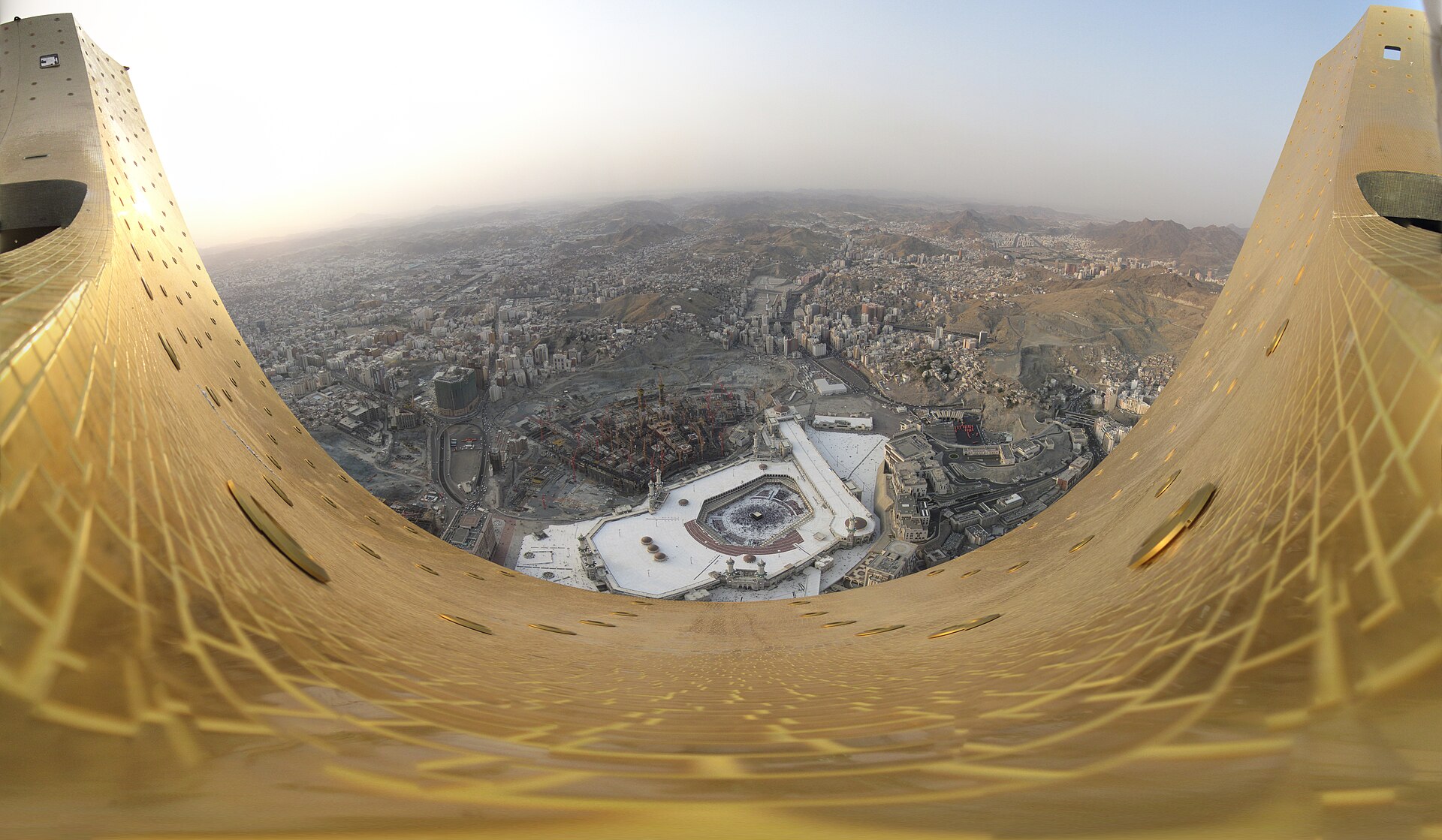

RIYADH — Saudi Arabia is deploying reinforced security across its holiest cities and tightening access to major mosques as the Kingdom prepares to celebrate Eid al-Fitr under the shadow of Iranian drone and missile strikes that have killed more than 2,200 people across the Middle East in eighteen days of war. The Saudi Supreme Court announced on Tuesday that moon-sighting committees will convene on the evening of March 18 to determine the start of Shawwal, with astronomers widely expecting Eid to fall on March 19 or March 20. Across the Gulf Cooperation Council, Kuwait has banned concerts, weddings, and theatre events during the holiday, the United Arab Emirates has cancelled all Eid fireworks, and Bahrain has discouraged public gatherings, marking what officials and residents describe as the most restricted Eid celebration in the region’s modern history.
The holiday arrives as the Iran war enters its third week with no ceasefire in sight. Iranian Foreign Minister Abbas Araghchi told reporters on March 15 that Tehran had “never asked for a ceasefire” and would continue retaliatory operations against U.S. and Israeli targets across the region. Saudi air defenses intercepted more than sixty drones overnight on March 16-17, according to multiple Ministry of Defense statements, with interceptions reported over the Eastern Province, Riyadh, and the al-Jouf region. Against this backdrop, the Saudi Ministry of Human Resources and Social Development confirmed a four-day Eid break beginning after business hours on Wednesday, March 18, with employees returning on March 25.
Table of Contents
- Saudi Arabia Deploys Enhanced Security at Holy Sites
- What Eid Celebrations Have Gulf States Cancelled?
- How Will Air Defense Systems Protect Eid Worshippers?
- Ramadan Spending Hits SAR 16.1 Billion Despite War
- Can Saudi Residents Travel for Eid With Airports Under Threat?
- The Diplomatic Weight of Eid in Wartime
- Millions of Migrant Workers Face Eid Away From Home
- Frequently Asked Questions
Saudi Arabia Deploys Enhanced Security at Holy Sites
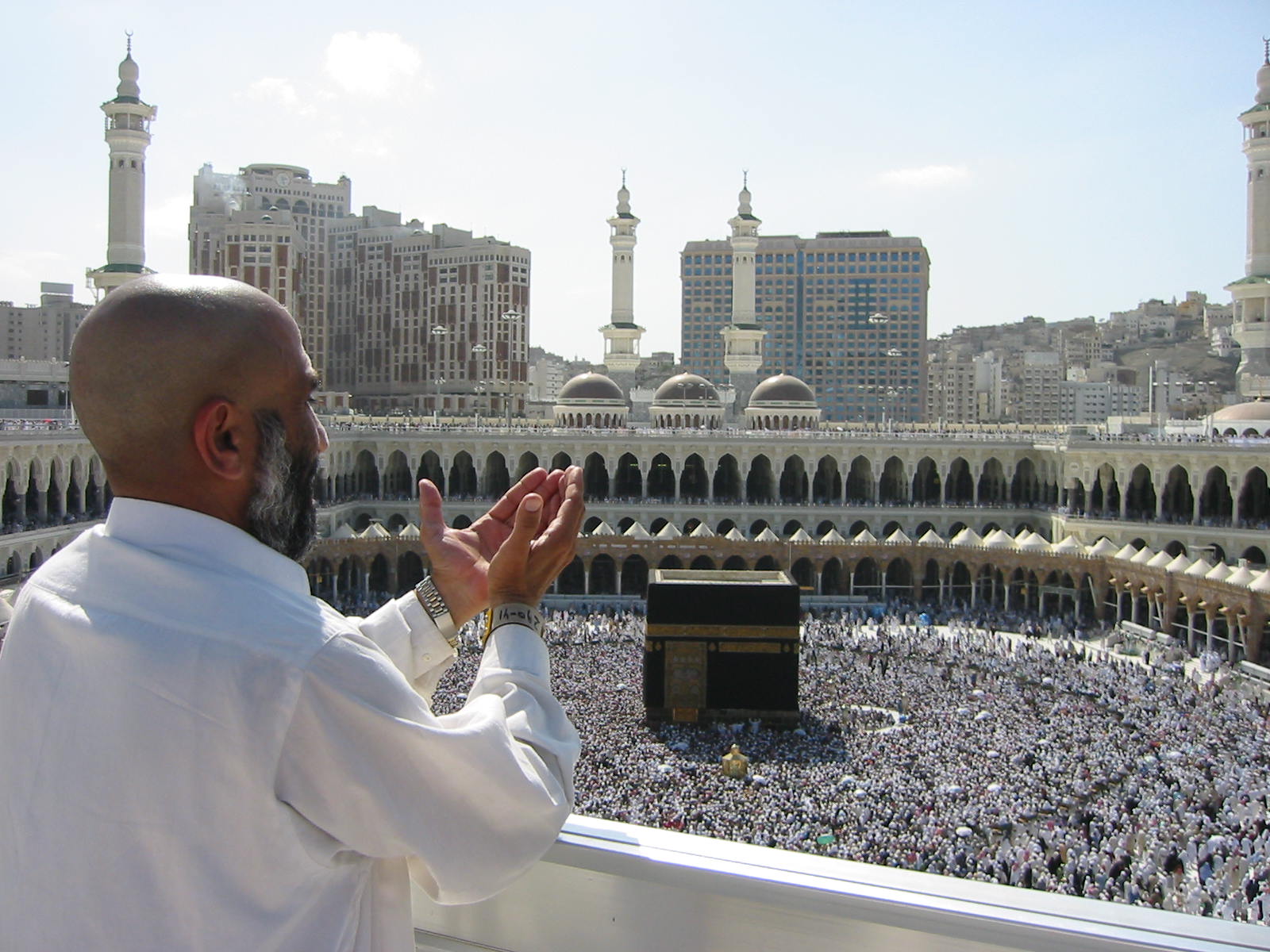
Saudi security forces have implemented what officials describe as the most comprehensive protective operation ever mounted for an Eid celebration. The General Presidency for the Affairs of the Two Holy Mosques, the body responsible for managing the Grand Mosque in Makkah and the Prophet’s Mosque in Madinah, has worked with the Ministry of Interior to establish multi-layered security perimeters around both sites. Worshippers attending Eid prayers will face strict identification checks, bag inspections, and crowd management protocols that officials say are designed to ensure safety without preventing access to the sacred spaces.
The security posture reflects lessons learned during the final nights of Ramadan, when Saudi authorities maintained a missile defense umbrella over Makkah during Laylat al-Qadr, the holiest night of the Islamic calendar. Approximately two million worshippers gathered for those prayers without incident, according to Saudi Press Agency figures, though air raid sirens sounded in several Eastern Province cities during the same period.
The Ministry of Interior has not publicly disclosed the precise nature of the enhanced measures, consistent with Saudi security protocol. However, regional media outlets, including Al Arabiya and Arab News, report that additional police, civil defense, and National Guard units have been deployed to cities with significant mosque populations. Checkpoints have been established on major highways connecting Riyadh, Jeddah, Makkah, and Madinah.
The eighteen days of air raid sirens that have reshaped daily life in Saudi Arabia have created a population that is, by necessity, more practiced at emergency response than at any point in the Kingdom’s history. Civil defense authorities have distributed updated shelter guidance ahead of the holiday, urging families to identify safe rooms in their homes and keep emergency supplies stocked during celebrations.
The Middle East briefing 3,000+ readers start their day with.
One email. Every weekday morning. Free.
What Eid Celebrations Have Gulf States Cancelled?
The scale of Eid cancellations across the GCC is unprecedented. Kuwait’s Ministry of Interior announced a temporary ban on all theatre performances, concerts, and wedding celebrations during the Eid al-Fitr holiday, citing what it called “precautionary security measures aimed at limiting large gatherings,” according to a report by Gulf News on March 17. The directive applies to both public and private venues across the country.
In the United Arab Emirates, authorities confirmed that Dubai’s Global Village, the Sharjah government, and Al Hamra and Al Marjan Island in Ras Al Khaimah will not host Eid fireworks displays, The National reported on March 17. The cancellations follow government directives linked to the ongoing security environment. The UAE’s Ministry of Defense reported intercepting Iranian drones and missiles as recently as March 17, with falling debris from one interception killing a person in Abu Dhabi’s Bani Yas district. Such incidents are part of a broader pattern of civilian deaths documented by Human Rights Watch across six Gulf states, where Iranian strikes on hotels, airports, and homes have killed eleven people and wounded hundreds more.
Bahrain, which has absorbed multiple Iranian strikes since the war began on February 28, has discouraged all public gatherings during the holiday period. Qatar’s Ministry of Defense intercepted thirteen of fourteen ballistic missiles launched from Iran on March 17, and the emirate has imposed strict travel restrictions for overland crossings.
| Country | Fireworks | Public Events | Mosque Access | Travel |
|---|---|---|---|---|
| Saudi Arabia | Not announced | Enhanced security | Open with security checks | Domestic flights operating with disruptions |
| UAE | Cancelled (Dubai, Sharjah, RAK) | Reduced capacity | Open with security | Airspace temporarily closed March 17 |
| Kuwait | Cancelled | Banned (concerts, weddings, theatre) | Limited attendance | Airspace closed since March 10 |
| Bahrain | Cancelled | Discouraged | Open with security | Airport damaged by strikes |
| Qatar | Not confirmed | Restricted | Open with security | Overland restrictions in place |
| Oman | Cancelled | Reduced | Open with security | Salalah Port damaged by drone strike |
The restrictions represent a stark departure from the typical Gulf Eid experience. In previous years, the holiday period generated billions of dollars in consumer spending, tourism, and entertainment activity. Dubai alone typically hosts hundreds of thousands of visitors during the Eid break, drawn by fireworks displays, mall events, and resort packages. Travel and Tour World reported that despite the cancellations, some Gulf states are offering travel deals in an effort to sustain tourism revenues, though demand has cratered alongside the security situation.
How Will Air Defense Systems Protect Eid Worshippers?
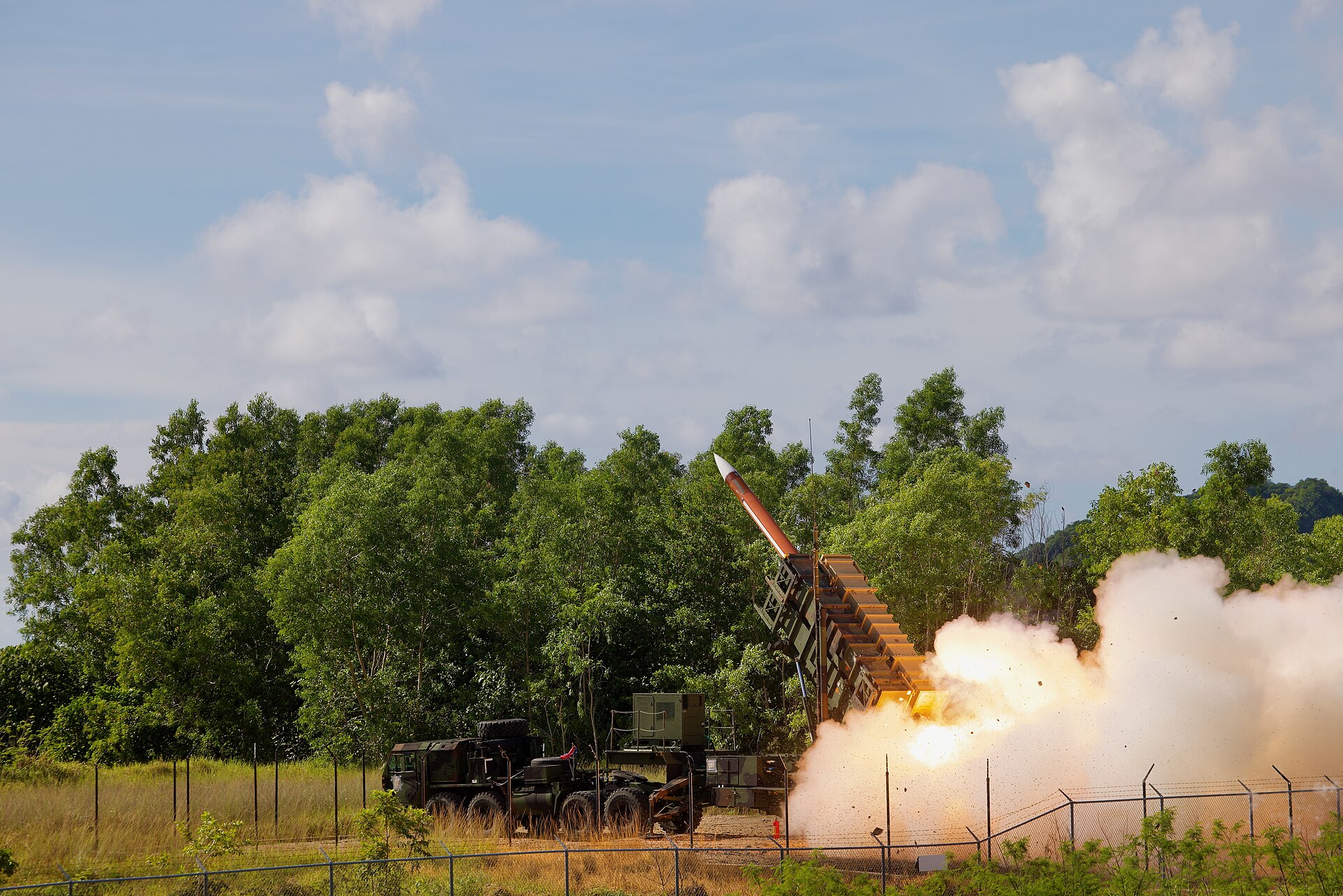
Saudi Arabia’s air defense network, which has intercepted hundreds of Iranian drones and missiles since the war began, faces its most demanding operational test during Eid. The Kingdom’s defense infrastructure, comprising Patriot PAC-3, THAAD, and Shahine short-range systems, will need to maintain continuous coverage over holy sites while simultaneously defending critical infrastructure including oil facilities, military bases, and population centers in the Eastern Province.
The Saudi Ministry of Defense reported intercepting and destroying more than a dozen drones on March 17 alone, many targeting the Eastern Province where the majority of the Kingdom’s oil infrastructure is concentrated. Since February 28, Saudi air defenses have intercepted an estimated 300 to 400 Iranian drones and missiles, according to tallies compiled from daily Ministry of Defense statements. The interception rate has remained above 95 percent, though military analysts caution that sustained operations at this tempo deplete missile inventories that take months to replenish.
The religious dimension of the conflict adds particular sensitivity to the defense of holy sites. Any Iranian strike that damaged the Grand Mosque or the Prophet’s Mosque would constitute an attack on Islam’s two holiest sites, a prospect that Saudi officials have described as an act that would unite the entire Muslim world against Tehran. Iran has publicly denied targeting Saudi religious sites, with its UN envoy stating that the Islamic Republic “respects all Islamic holy places.”
Military analysts say the concentration of worshippers at major mosques during Eid prayers creates a vulnerability that Iran is unlikely to exploit deliberately but that Saudi planners must account for. A single drone that evaded interception and struck near a mosque during prayers could cause catastrophic casualties among densely packed crowds.
Ramadan Spending Hits SAR 16.1 Billion Despite War
Saudi consumer spending defied wartime expectations during Ramadan 2026, reaching SAR 16.1 billion ($4.3 billion) in the week ending March 7, according to Saudi Arabian Monetary Authority (SAMA) point-of-sale data reported by The Saudi Times. The figure represented a notable increase from SAR 14.5 billion the previous week, suggesting that the combination of Ramadan religious observance and pre-Eid shopping was overriding the economic anxiety generated by the conflict.
E-commerce activity surged even more sharply. A joint study by Google and Visa found that Saudi retail search activity rose 13 percent during Ramadan, while consumer spending on digital platforms accelerated by up to 30 percent in the days leading to Eid, according to The Saudi Times. Mobile transactions accounted for a growing share of purchases, with food delivery platforms, fashion retailers, and gifting services all reporting elevated late-night activity during the extended post-iftar hours.
The spending data suggests a bifurcated economy. The Saudi stock market has outperformed regional peers during the war, buoyed by elevated oil prices and domestic fiscal strength. But the consumer economy operates on a different logic: Ramadan and Eid are cultural obligations that most Saudi families will fulfill regardless of the security environment, according to economists at the Saudi-based Jadwa Investment.
The final two weeks of Ramadan, which coincide with the most intense period of the Iran war, have historically been the peak spending window as households purchase new clothing, prepare elaborate meals, and buy gifts. Whether that pattern holds through the Eid break itself will depend on the security situation. The supply shortages that have affected pharmaceutical and healthcare products have also disrupted some consumer goods chains, though food supplies have remained largely stable thanks to Saudi Arabia’s strategic reserves.
Saudi inflation eased to 1.7 percent in February 2026, according to the General Authority for Statistics, before the full economic impact of the war had registered. Economists expect the March and April figures to show a sharper increase, driven by supply chain disruptions from the Strait of Hormuz closure and elevated transportation costs.
Can Saudi Residents Travel for Eid With Airports Under Threat?
Travel during Eid 2026 bears little resemblance to the holiday seasons of previous years. The U.S. Department of State ordered non-emergency government employees and their families to leave Saudi Arabia on March 8, and the U.S. Embassy in Riyadh has issued daily security alerts since the war began, the most recent on March 16. Multiple Western governments have issued similar advisories warning against all but essential travel to the Gulf region.
Domestic air travel within Saudi Arabia continues to operate, but with significant disruptions. Saudi Arabian Airlines (Saudia) and other carriers have reported cancellations and diversions when air defense operations necessitate temporary airspace restrictions. The pattern has been unpredictable: a flight corridor can be open for hours, then close with little warning when incoming threats are detected.
Kuwait has closed its airspace entirely since March 10, after Iranian strikes damaged Kuwait International Airport. The UAE temporarily closed its airspace on March 17 as defense forces responded to incoming missiles and drones. Dubai International Airport, the world’s busiest for international passengers, has experienced intermittent closures, including a significant disruption on March 16 when an Iranian drone strike ignited a fuel storage tank, according to reports from The National.
For Saudi families who would normally travel to Egypt, Jordan, or Southeast Asian destinations for the Eid break, international travel has become prohibitively risky or impossible. Overland travel within the Gulf is complicated by military checkpoints and the general security environment. The result, according to travel industry analysts quoted by Travel and Tour World, is that most Gulf residents will celebrate Eid at home, many for the first time in years.
The Diplomatic Weight of Eid in Wartime
The timing of Eid al-Fitr has injected a religious and humanitarian dimension into the war’s diplomatic dynamics. Muslim-majority nations, including Turkey, Pakistan, and Indonesia, have called for a cessation of hostilities during the holiday. Pakistan’s Prime Minister Shehbaz Sharif, who flew to Riyadh on March 12 for urgent consultations with Crown Prince Mohammed bin Salman, publicly urged all parties to observe a humanitarian pause during Eid, according to Daily Pakistan.
Iran has rejected such calls. Foreign Minister Araghchi’s statement on March 15 that Iran “never asked for a ceasefire” and that “this war must end in a way that our enemies never again think about repeating such attacks” was reported by NPR and Iran International, signaling that Tehran views the Eid period as no different from any other phase of the conflict. The Trump administration has similarly shown no inclination toward a holiday pause, with President Trump telling reporters on March 16 that the military campaign remains “very focused” and criticizing allied nations for insufficient “enthusiasm” in joining a naval coalition to reopen the Strait of Hormuz, according to Al Jazeera.
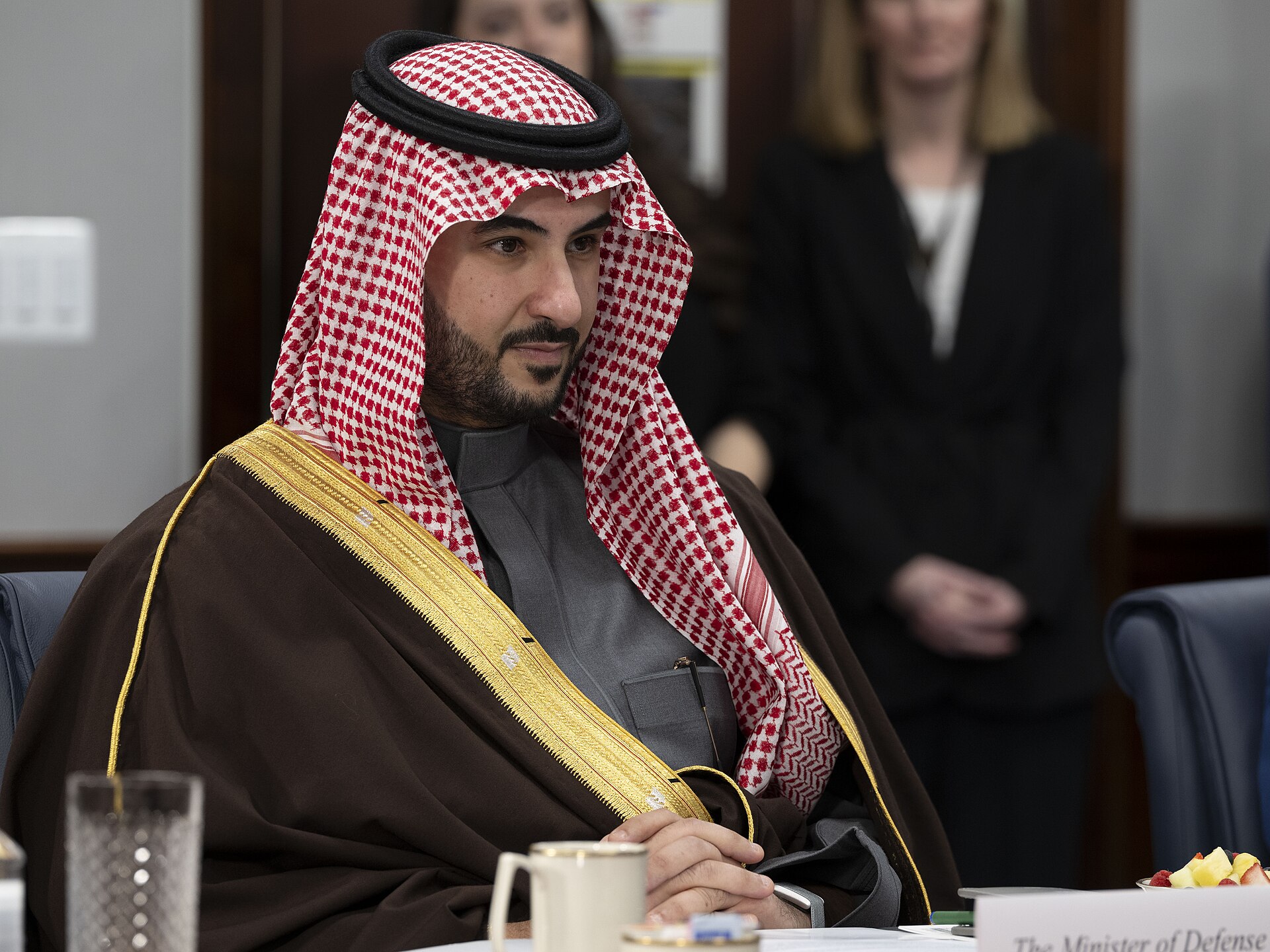
For Saudi Arabia’s royal family, the Eid celebration carries particular symbolic weight. As the custodian of Islam’s two holiest mosques, the Kingdom’s ability to protect worshippers during the holiday is inextricable from its legitimacy claim. Crown Prince Mohammed bin Salman has framed Saudi Arabia’s wartime posture as defensive and protective, reversing years of careful detente with Iran to align with Washington while emphasizing the Kingdom’s role as a guardian of Muslim holy sites.
The contrast between Saudi Arabia’s earlier diplomatic channel to Tehran and its current alignment with the U.S.-led military campaign has drawn scrutiny from regional observers. Bloomberg reported on March 6 that Saudi officials had “intensified direct engagement with Iran” in an effort to contain the war, deploying diplomatic backchannels with greater urgency. Those channels have since gone quiet as the strikes escalated.
French President Emmanuel Macron, who spoke with Iranian President Masoud Pezeshkian on March 16, called on all parties to halt “unacceptable” attacks and warned that the escalation could drag the entire region into long-term instability, according to Reuters. The European Union called an emergency energy meeting on the same day, with EU foreign policy chief Kaja Kallas warning that disruption to the Strait of Hormuz could trigger cascading crises in global energy, food, and fertilizer markets.
Millions of Migrant Workers Face Eid Away From Home
Among the hardest-hit populations are the Gulf’s estimated 35 million migrant workers, who constitute the majority of the private-sector workforce in every GCC state. For workers from South Asia, Southeast Asia, and Africa, Eid al-Fitr is traditionally a time to send money home, call family, and gather with compatriots for communal meals and prayers. The war has disrupted all three activities.
Remittance transfers have been complicated by banking disruptions. Iran’s March 11 declaration that Gulf financial institutions are military targets triggered precautionary measures at several banks, slowing international wire transfers that migrant workers depend on to support families in India, Pakistan, Bangladesh, the Philippines, and elsewhere. The absence of coordinated evacuation plans for migrant workers has left millions of non-citizens in a precarious position, unable to leave and uncertain about their safety.
Labour rights organizations, including Migrant-Rights.org and Human Rights Watch, have called on Gulf governments to ensure that migrant workers have access to shelter, emergency services, and accurate information during the holiday period. The organizations note that many migrant workers live in labor camps on the outskirts of cities, far from established shelters and without personal vehicles to evacuate if needed.
The Saudi Ministry of Human Resources confirmed that the four-day Eid break applies to all private-sector workers, including foreign nationals, in accordance with the Saudi Labour Law. Government employees receive a longer holiday. For the millions of domestic workers, delivery drivers, and service-sector employees who keep the Kingdom functioning during the holiday, Eid 2026 will be defined as much by duty as by celebration.
Community organizations across the Gulf have adapted their Eid traditions in response to the security restrictions. Some mosques have moved to limit attendance at communal prayers, while families have adjusted celebrations to include smaller home gatherings, phone-based gift exchanges, and online prayers, according to Travel and Tour World. Charitable organizations that typically distribute Eid food packages to low-income workers have reported record demand, with several noting that war-related supply disruptions have increased both the cost and the logistical difficulty of feeding vulnerable communities. For a deeper analysis of the economic and social dimensions of Saudi Arabia’s wartime Eid, including the Wartime Holiday Resilience Matrix and historical comparisons to other nations celebrating holidays during conflict, see the editorial examination of how Eid al-Fitr is testing the Kingdom’s wartime capacity.
Frequently Asked Questions
When is Eid al-Fitr 2026 in Saudi Arabia?
The Saudi Supreme Court has called for moon-sighting committees to convene on the evening of Wednesday, March 18, 2026, to determine the start of the month of Shawwal. Based on astronomical calculations, Eid al-Fitr is widely expected to fall on Thursday, March 19 or Friday, March 20. If the crescent moon is sighted on March 18, Eid begins March 19. If not sighted, Ramadan completes thirty days and Eid falls on March 20.
Are Eid prayers still being held at Saudi mosques?
Yes. Saudi authorities have confirmed that Eid prayers will proceed at mosques across the Kingdom, including at the Grand Mosque in Makkah and the Prophet’s Mosque in Madinah. However, worshippers should expect enhanced security measures, including identification checks, bag inspections, and crowd management protocols. Air defense systems remain active across all Saudi cities during the holiday period.
Which Gulf countries have cancelled Eid celebrations?
Kuwait has banned all concerts, weddings, and theatre events during Eid. The UAE has cancelled fireworks displays in Dubai, Sharjah, and Ras Al Khaimah. Bahrain has discouraged public gatherings. Oman has cancelled fireworks. Qatar has imposed travel restrictions. Saudi Arabia has not announced a blanket ban on celebrations but has deployed enhanced security forces and civil defense units nationwide.
Is it safe to travel to Saudi Arabia for Eid 2026?
The U.S. Department of State ordered non-emergency personnel to leave Saudi Arabia on March 8 due to the ongoing Iran conflict. Multiple Western governments have issued advisories against all but essential travel to the Gulf region. Domestic travel within Saudi Arabia continues but is subject to disruptions from air defense operations. Most travel industry analysts recommend that visitors postpone non-essential trips until the security situation stabilizes.
How has the Iran war affected Eid shopping and spending?
Saudi consumer spending reached SAR 16.1 billion ($4.3 billion) in the week ending March 7, according to SAMA data, and e-commerce spending rose 30 percent during Ramadan, according to a Google-Visa study. While the overall spending trend remains strong, supply chain disruptions caused by the Strait of Hormuz closure have affected some consumer goods categories. Food supplies remain stable due to Saudi strategic reserves.