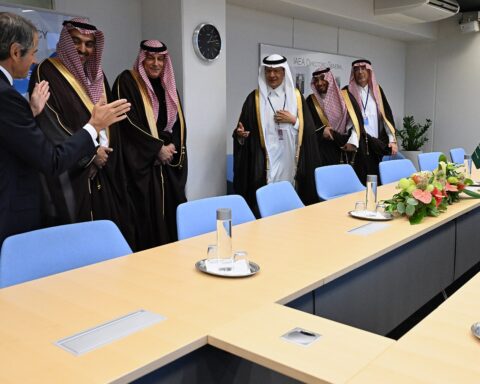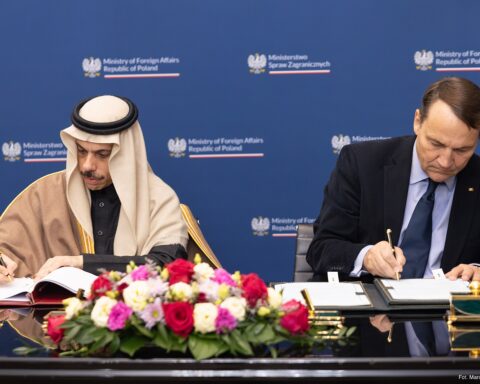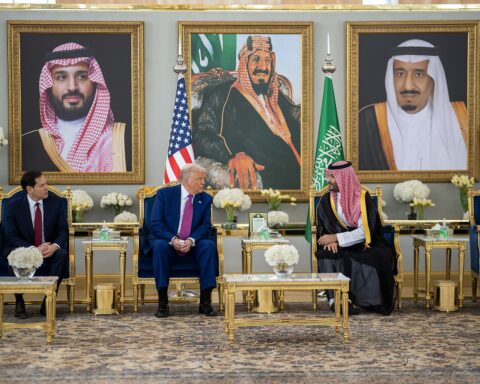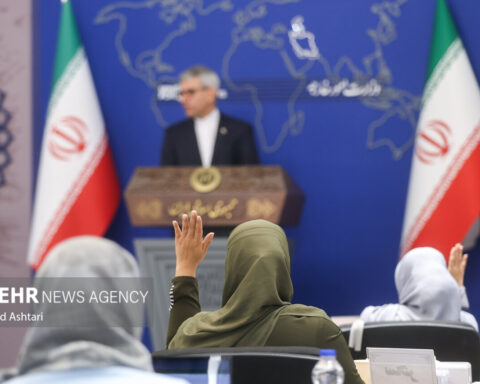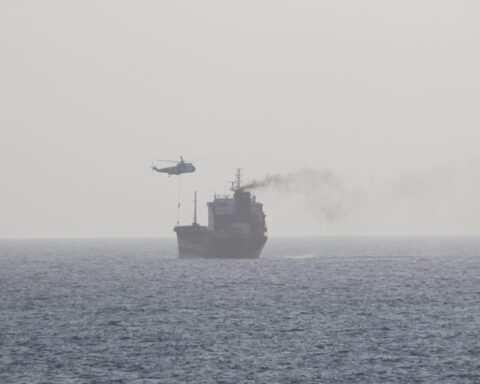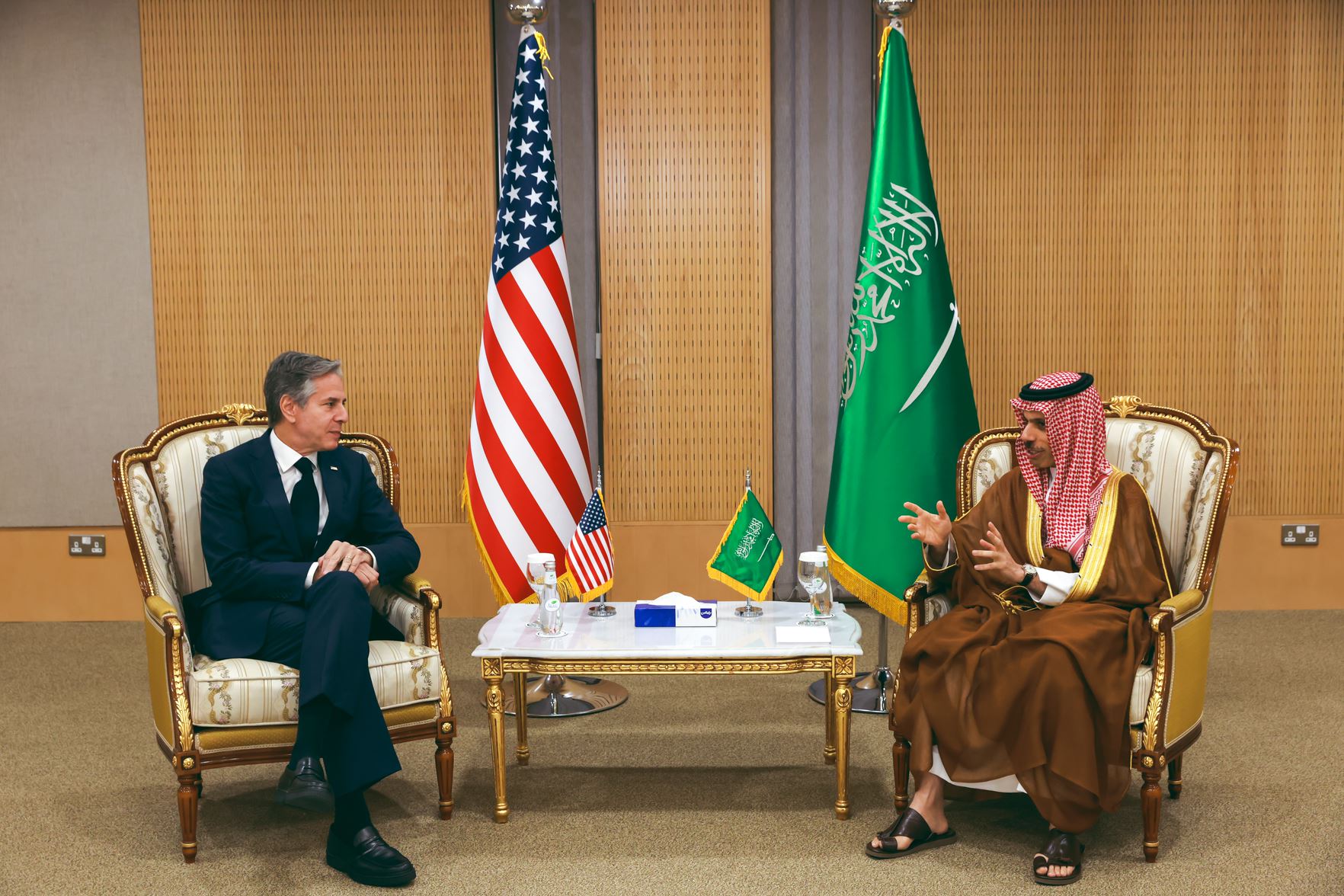

RIYADH — Foreign ministers from twelve Arab and Islamic nations issued a joint statement on Wednesday condemning Iran’s sustained missile and drone campaign across the Gulf and demanding an immediate halt to all attacks on civilian infrastructure, according to Saudi state media and multiple diplomatic sources. The emergency consultative meeting, hosted by Saudi Arabia in the capital, marked the first time a bloc of this size has collectively endorsed the right of Gulf states to defend themselves militarily under Article 51 of the United Nations Charter.
The statement, released Thursday, named Azerbaijan, Bahrain, Egypt, Jordan, Kuwait, Lebanon, Pakistan, Qatar, Saudi Arabia, Syria, Turkey and the United Arab Emirates as signatories. Saudi Foreign Minister Prince Faisal bin Farhan told reporters after the session that trust with Iran had been “completely shattered” and warned that the Kingdom’s restraint was reaching its limits. “Do they have a day, two, a week? I’m not going to telegraph that,” he said when pressed on timing for potential military action, according to Al Jazeera. The urgency of the summit was underscored by Iranian drone strikes on Kuwait’s Mina Al-Ahmadi refinery during Eid al-Fitr, which shut down 730,000 barrels per day of refining capacity.
The meeting took place as Iranian drones and ballistic missiles struck energy facilities across Saudi Arabia, the United Arab Emirates and Qatar in retaliation for Israel’s strikes on Iran’s South Pars gas field. Four ballistic missiles were intercepted over Riyadh during the ministerial session itself, according to the Saudi Ministry of Defense. Since the war began on February 28, Saudi air defenses have intercepted 457 drones, 40 ballistic missiles and 7 cruise missiles, according to Saudi military officials cited by Gulf News.
Table of Contents
- What Did Twelve Nations Demand From Iran?
- Who Attended the Riyadh Emergency Meeting?
- What Did Saudi Arabia’s Foreign Minister Say?
- Iran Attacks Riyadh During the Ministerial Meeting
- How Have Iran’s Attacks Affected Gulf Civilian Infrastructure?
- What Does Article 51 Mean for Saudi Arabia’s Next Move?
- Iran’s Response and the Widening War
- Background and Context
- Frequently Asked Questions
What Did Twelve Nations Demand From Iran?
The joint statement issued after the Riyadh meeting contained four explicit demands directed at Tehran. The twelve foreign ministers called on Iran to immediately cease all missile and drone attacks on neighbouring states, to halt “provocative actions or threats” targeting Gulf nations, to end all support, financing and arming of proxy militias operating in Arab countries, and to refrain from blocking the Strait of Hormuz or threatening maritime security in the Bab al-Mandeb strait, according to the Anadolu Agency.
The statement condemned what it described as “deliberate Iranian attacks using ballistic missiles and unmanned aerial vehicles that targeted residential areas and civilian infrastructure, including oil facilities, desalination plants, airports, residential buildings and diplomatic missions,” according to the Peninsula Qatar. The ministers affirmed that such attacks “cannot be justified under any circumstances” and stressed the need for Iran to comply with UN Security Council Resolution 2817 (2026), which called for an immediate cessation of hostilities.
The 12-nation bloc also reaffirmed “the right of states to defend themselves in accordance with Article 51 of the UN Charter,” a provision that permits military action in self-defense when a member state faces an armed attack. This endorsement was read by regional analysts as providing legal and political cover for Saudi Arabia or its allies to launch retaliatory strikes against Iranian military assets, according to the Jerusalem Post. The statement notably included Britain and France, two nations whose military personnel are already operating in the Gulf despite the European Union’s collective refusal to acknowledge the war as its own.
The Middle East briefing 3,000+ readers start their day with.
One email. Every weekday morning. Free.
The Muslim World League, headed by Secretary-General Mohammed bin Abdulkarim Al-Issa, welcomed the joint statement and urged all parties to prioritise the protection of civilian life, according to Asharq Al-Awsat.
Who Attended the Riyadh Emergency Meeting?
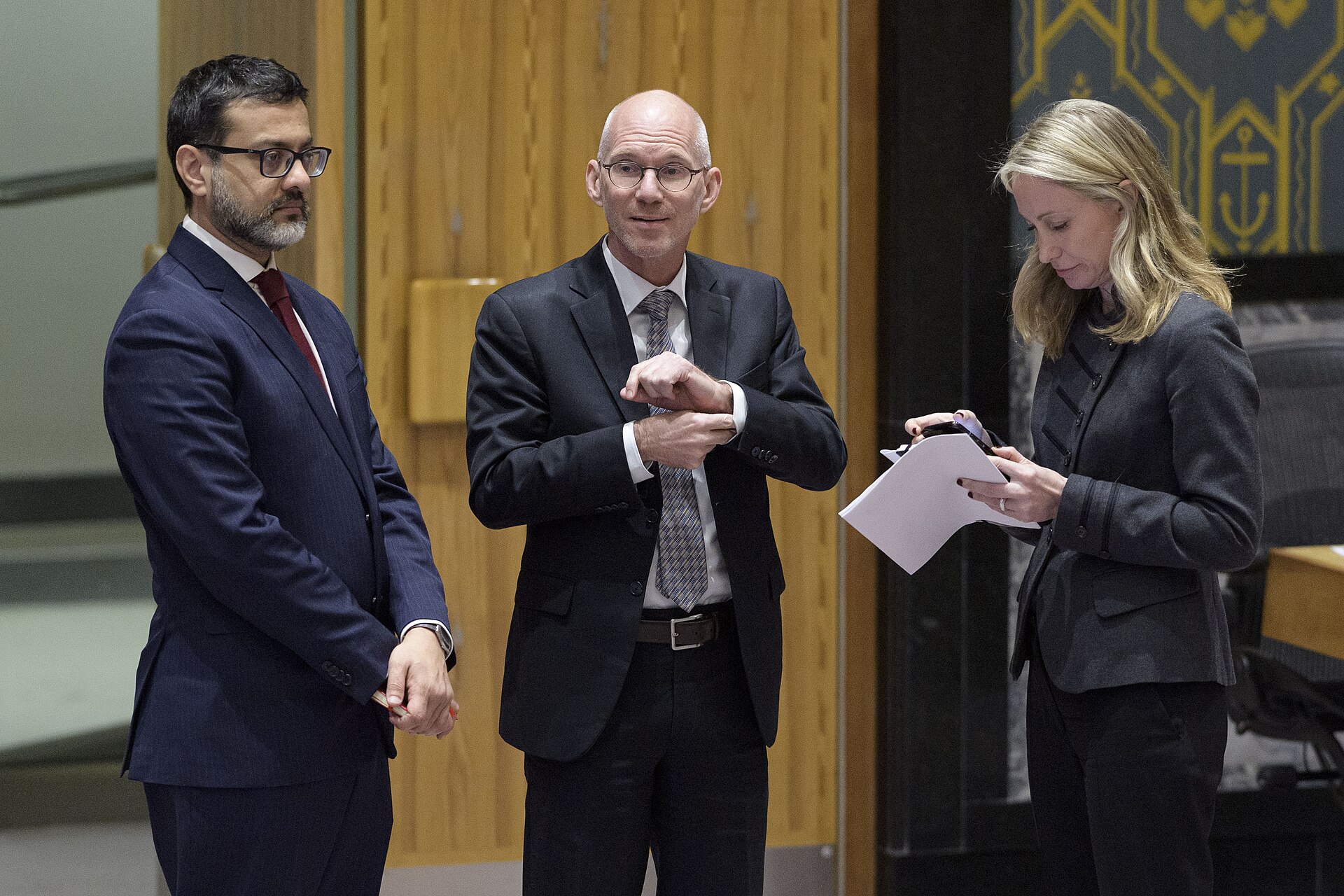
The meeting brought together foreign ministers from across the Arab and Islamic world, including several nations that had previously maintained neutral positions on the Iran conflict. The twelve participating countries were Saudi Arabia, the United Arab Emirates, Qatar, Kuwait, Bahrain, Egypt, Jordan, Syria, Turkey, Pakistan, Azerbaijan and Lebanon, according to the Saudi Gazette and Al Arabiya.
The presence of Turkey was particularly significant. Ankara had absorbed three Iranian missile strikes earlier in the conflict yet had declined to formally align with either side, as reported by House of Saud’s Iran war coverage. Turkish Foreign Minister Hakan Fidan’s attendance at the Riyadh session and his endorsement of the joint statement represented a notable shift in Turkey’s public posture, according to Fox News.
Syria’s participation was equally striking. Damascus, which had maintained close ties with Tehran throughout the Syrian civil war, sent its foreign minister to a meeting that explicitly condemned Iranian aggression. The move reflected a broader realignment in the region prompted by Iran’s indiscriminate strikes on civilian infrastructure across multiple sovereign states, according to the EADaily.
| Country | Foreign Minister | GCC Member | Previous Iran Stance |
|---|---|---|---|
| Saudi Arabia | Prince Faisal bin Farhan | Yes | Hostile since Feb 28 |
| UAE | Abdullah bin Zayed | Yes | Hostile since Feb 28 |
| Qatar | Mohammed Al Thani | Yes | Neutral, shifted after Ras Laffan strike |
| Kuwait | Abdullah Al-Yahya | Yes | Neutral, shifted after airport strike |
| Bahrain | Abdullatif bin Rashid Al Zayani | Yes | Hostile since Feb 28 |
| Egypt | Badr Abdelatty | No | Non-belligerent |
| Jordan | Ayman Safadi | No | Non-belligerent |
| Turkey | Hakan Fidan | No | Neutral (absorbed 3 Iranian strikes) |
| Pakistan | Ishaq Dar | No | Deployed troops to Saudi Arabia |
| Syria | Asaad al-Shaibani | No | Historically pro-Iran, shifting |
| Azerbaijan | Jeyhun Bayramov | No | Neutral |
| Lebanon | Nassif Hitti | No | Divided (Hezbollah presence) |
Prince Faisal also held bilateral meetings on the margins of the summit with his Egyptian, Pakistani and Turkish counterparts, according to Arab News. Pakistan, which had already deployed air defense systems and troops to Saudi Arabia earlier in March, used the meeting to reaffirm its commitment to the Kingdom’s territorial defense, according to ANI News.
What Did Saudi Arabia’s Foreign Minister Say?
Prince Faisal bin Farhan delivered what multiple news agencies described as his most forceful public remarks since the war began. Speaking to reporters after the ministerial session, the Saudi foreign minister said trust with Iran had been “completely shattered” by the sustained campaign of missile and drone attacks on Gulf states, according to The National.
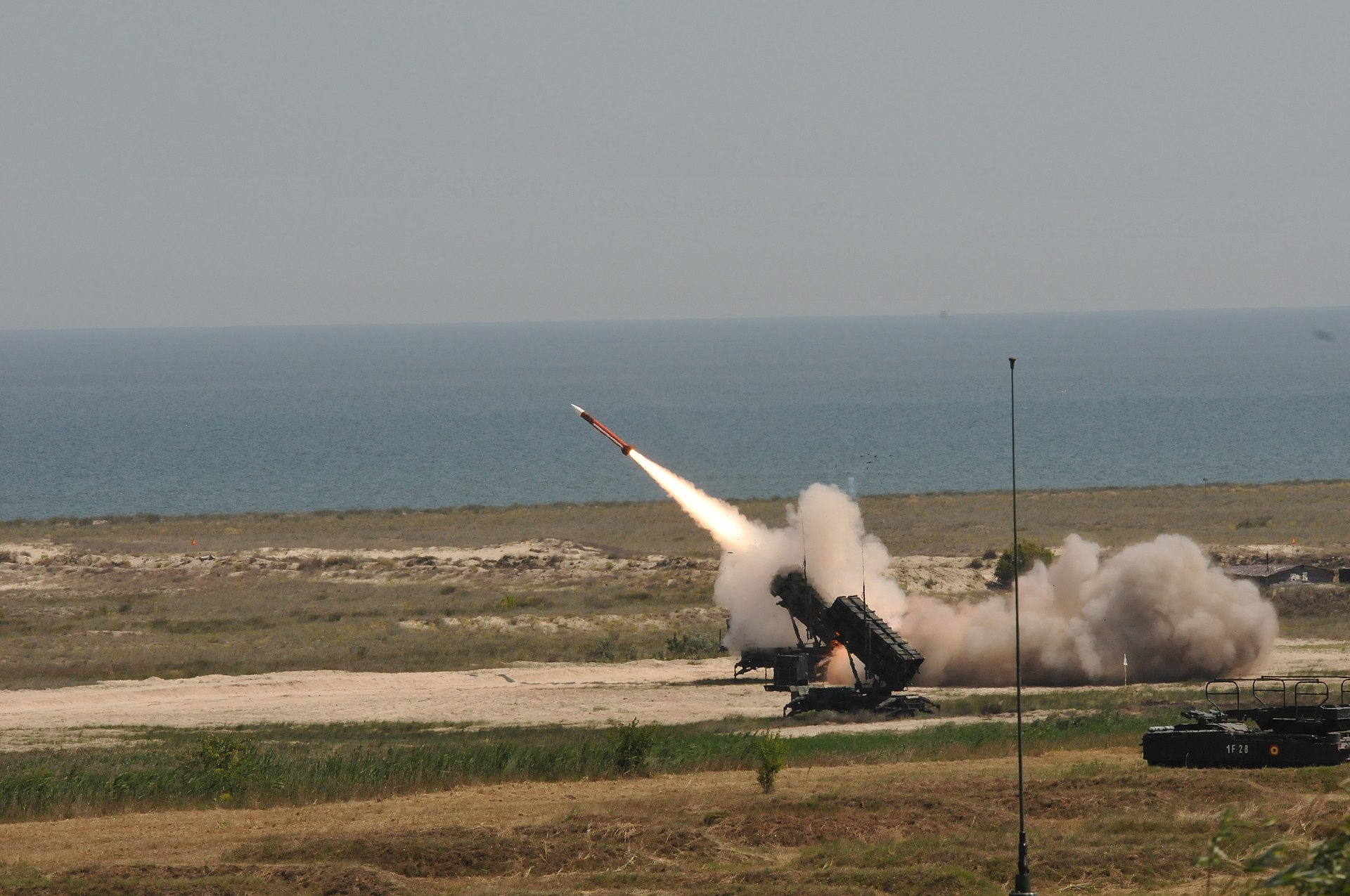
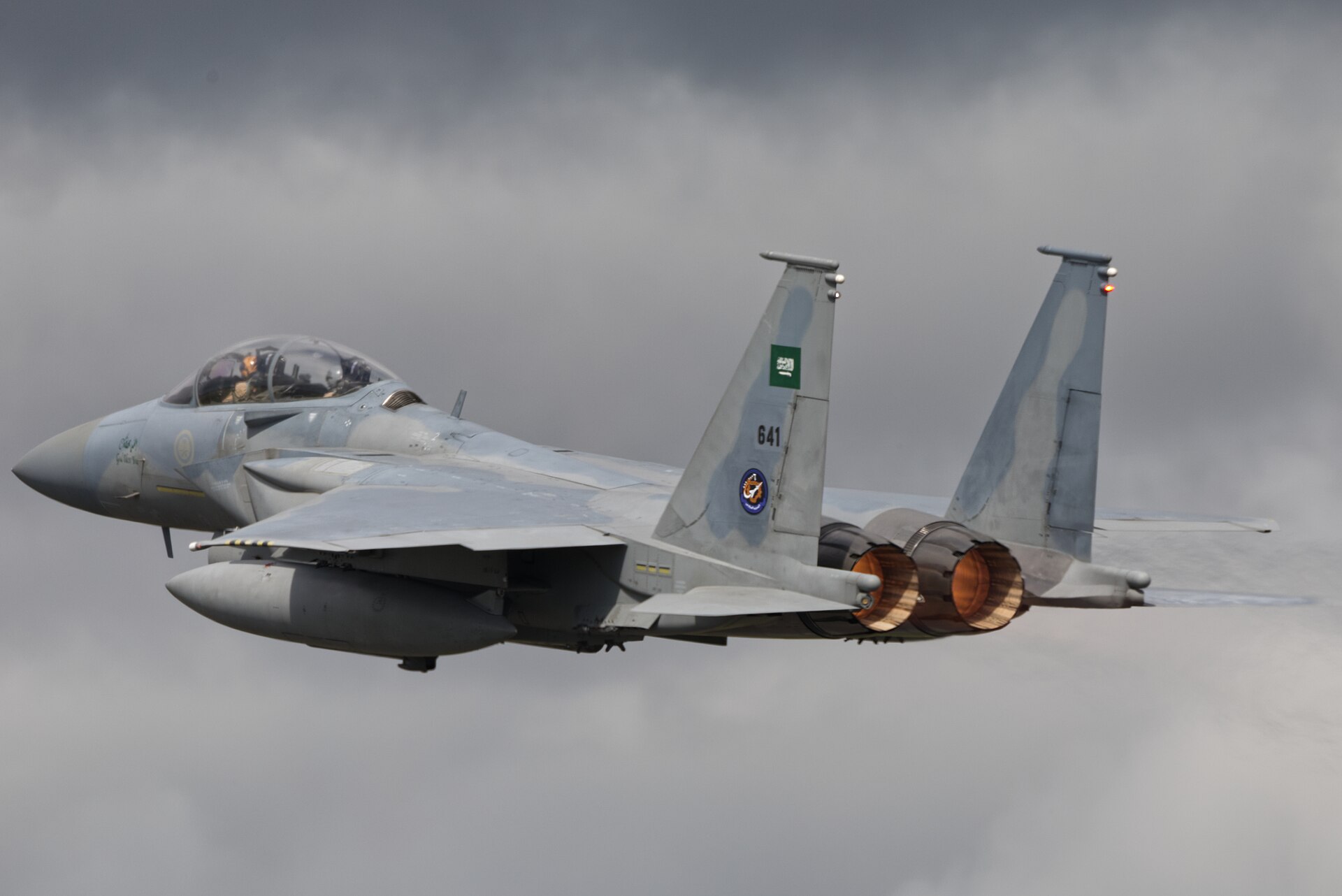
Asked whether Saudi Arabia was prepared to launch retaliatory strikes, Prince Faisal said the Kingdom had “reserved the right to take military action if deemed necessary.” He added that Gulf states possessed “very significant capacities and capabilities that they could bring to bear should they choose to do so,” according to Al Jazeera. A detailed assessment of Saudi Arabia’s military capabilities and strike options reveals those capacities include 304 advanced combat fighters, 108 Patriot missile launchers, and a covert ballistic missile force capable of reaching every major Iranian city.
The patience that is being exhibited is not unlimited. Iran must recalculate quickly and stop attacking their neighbours.
Prince Faisal bin Farhan, Saudi Foreign Minister, March 19, 2026
When pressed on whether Iran had days or weeks before facing a military response, Prince Faisal declined to provide a timeline. “Do they have a day, two, a week? I’m not going to telegraph that,” he said, according to Al Jazeera. He also dismissed Iranian claims of precision targeting as “weak,” noting that strikes had hit residential buildings, hotels, airports and diplomatic missions across the Gulf.
The Saudi foreign minister reserved his sharpest criticism for Iran’s decision to fire four ballistic missiles at Riyadh while foreign ministers were meeting in the capital. “The targeting of Riyadh while a number of diplomats are meeting… I cannot see it as coincidental. I think that’s the clearest signal of how Iran feels about diplomacy,” he said, according to The National. The remark was interpreted by regional analysts as a direct accusation that Tehran had attempted to disrupt the diplomatic process through deliberate escalation.
Iran Attacks Riyadh During the Ministerial Meeting
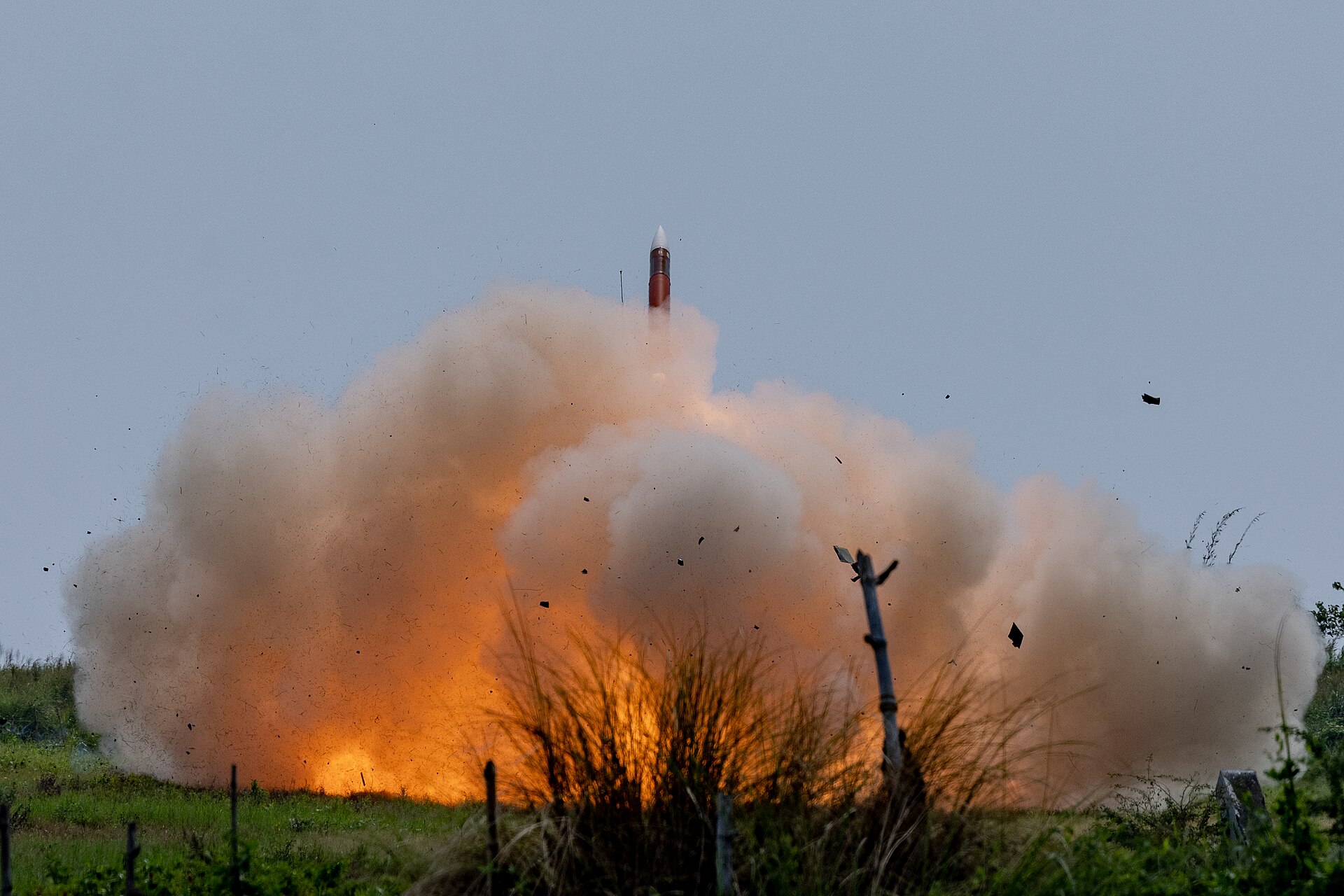
The Saudi Ministry of Defense confirmed that four ballistic missiles were launched toward Riyadh on Wednesday and intercepted before reaching their targets, according to the Times of Israel. Six drones were also destroyed over Riyadh and the Eastern Province during the same period, the ministry said. No casualties or significant damage were reported from the interceptions.
The timing of the attacks was widely noted. Iran’s Islamic Revolutionary Guard Corps had launched the missiles toward the Saudi capital while the twelve foreign ministers were convening inside the city, according to multiple wire service reports. Prince Faisal explicitly cited the coincidence in his post-meeting press conference.
The strikes formed part of a broader Iranian retaliatory campaign following Israel’s March 18 attack on the South Pars gas field, Tehran’s largest energy asset. Iran struck energy facilities in Saudi Arabia, the UAE and Qatar on March 18 and 19, including the SAMREF refinery in Yanbu, a joint venture between Saudi Aramco and ExxonMobil that processes more than 400,000 barrels per day of Arabian Light crude, according to the Associated Press.
The IRGC had issued evacuation warnings for specific named facilities before striking, including SAMREF, in what Saudi officials called an attempt to provide a veneer of legitimacy to attacks on civilian energy infrastructure, according to Arab News.
How Have Iran’s Attacks Affected Gulf Civilian Infrastructure?
Since the war began on February 28, more than 3,800 Iranian missiles and drones have been fired at targets across the Gulf, according to Al Jazeera. Many struck civilian and energy infrastructure, including five-star hotels, airports, residential buildings, desalination plants, oil refineries, and diplomatic compounds.
The joint statement enumerated the categories of civilian infrastructure that had been hit. Oil facilities across Saudi Arabia, the UAE and Qatar were the primary targets, but the ministers also cited damage to desalination plants that supply drinking water to millions of Gulf residents, airports that had been forced to suspend operations, and residential areas where at least 20 civilians had been killed, according to Gulf News.
| Category | Intercepted/Destroyed | Notable Strikes |
|---|---|---|
| Drones | 457+ | SAMREF refinery, Dubai airport fuel tank, Abu Dhabi Shah gas field |
| Ballistic missiles | 40+ | Riyadh (during summit), Jubail industrial city, Yanbu port |
| Cruise missiles | 7+ | Prince Sultan Air Base, Eastern Province facilities |
| Civilian casualties | 20+ killed | Hotel strikes, residential buildings, airport terminals |
A drone crashed into the SAMREF refinery in Yanbu on March 19, according to the Saudi Defense Ministry. Industry sources told Al Arabiya that the aerial attack caused minimal impact, with no significant disruption to the refinery’s 400,000-barrel-per-day output. A ballistic missile targeting Yanbu port on the Red Sea coast was also intercepted and destroyed.
On March 20, the Saudi Ministry of Defense announced that 15 explosive-laden drones launched toward the Al-Jawf and Eastern regions were successfully intercepted and destroyed, with no casualties reported, according to the Voice of Emirates. The interception marked one of the largest single-day drone attacks that Saudi air defenses had repelled during the conflict.

What Does Article 51 Mean for Saudi Arabia’s Next Move?
Article 51 of the United Nations Charter recognises “the inherent right of individual or collective self-defence if an armed attack occurs against a Member of the United Nations.” The joint statement’s explicit invocation of this provision was interpreted by legal and diplomatic analysts as laying the groundwork for potential Gulf military strikes against Iranian targets, according to the Jerusalem Post.
The significance of the twelve-nation endorsement lies in the word “collective.” Under Article 51, a state under attack may request military assistance from allies, and those allies may lawfully provide it without requiring a separate UN Security Council mandate. The Riyadh statement’s affirmation of collective self-defense rights effectively pre-authorised any participating nation to join Saudi Arabia in retaliatory strikes, should Riyadh choose to act, according to the Iran war analysis published by Just Security.
Saudi Arabia’s Crown Prince Mohammed bin Salman and Defense Minister Prince Khalid bin Salman have so far maintained a posture of strategic restraint, absorbing Iranian strikes while relying on air defense systems and international diplomatic pressure. Prince Faisal’s remarks marked the first time a senior Saudi official publicly specified that military action remained on the table, according to Kurdistan24.
The Rubio administration’s $16 billion emergency arms package for Gulf states, announced the same day, provided the military hardware component to complement the diplomatic framework established by the Riyadh statement. The package bypassed congressional oversight under emergency authorities, according to Reuters.
Iran’s Response and the Widening War
Iran did not immediately respond to the joint statement. However, Mojtaba Khamenei, who succeeded his father as Supreme Leader on March 8 after the assassination of Ali Khamenei on February 28, posted on his Telegram channel: “Every drop of spilled blood comes at a price, and the criminal murderers will soon have to pay it,” according to Al Jazeera.
Tehran has framed its strikes on Gulf infrastructure as retaliation for Israeli and American military operations against Iranian territory, including the destruction of nuclear facilities and the assassination of senior officials. Iranian state media reported that 1,444 people had been killed and 18,551 injured by US-Israeli strikes on Iran since February 28, though those figures could not be independently verified.
The joint statement also condemned Israeli attacks on Lebanon and “reaffirmed support for the security, stability and territorial integrity of Lebanon,” reflecting the broader regional dynamics at play. The 12-nation bloc sought to distinguish between its condemnation of Iranian attacks on Gulf civilian infrastructure and its opposition to the wider military campaign that had drawn Iran, Israel, and the United States into direct conflict.
The meeting took place on the eve of Eid al-Fitr, the celebration marking the end of Ramadan. Iran launched drones across the Gulf as Eid prayers began on March 20, prompting widespread condemnation from religious and political leaders across the Islamic world.
Background and Context
The 2026 Iran war began on February 28 when the United States and Israel launched coordinated strikes against Iran’s nuclear facilities and military infrastructure following the assassination of Supreme Leader Ali Khamenei. Iran responded with a campaign of missile and drone strikes targeting US military bases, Israeli territory, and Gulf Arab states that host American forces and energy infrastructure.
Saudi Arabia initially sought to maintain a non-belligerent stance, emphasising its role as a mediator and urging restraint. The Kingdom had restored diplomatic relations with Iran in 2023 under a Chinese-brokered deal and invested heavily in regional de-escalation. But Iran’s decision to target Saudi oil infrastructure, desalination plants and civilian areas shattered what Prince Faisal described as the trust built over three years of diplomatic engagement, according to The National.
The escalation accelerated rapidly. On March 1, Iranian state media confirmed Khamenei’s death. By March 8, Mojtaba Khamenei had been elected to succeed his father, inheriting a war he had not started. The new Supreme Leader immediately adopted an aggressive posture, vowing retribution and authorising expanded strikes against Gulf energy infrastructure, according to Reuters.
The Riyadh ministerial meeting on March 19 followed an extraordinary session of the GCC Ministerial Council that had issued its own condemnation of Iranian aggression earlier in March, according to the GCC Secretariat General. The expansion from six GCC states to twelve participating nations represented a significant escalation of the diplomatic response. The GCC’s 50th Extraordinary Ministerial Council meeting, held in early March, had laid the procedural groundwork for the broader summit, according to the GCC Secretariat General’s official statement.
The Qatar missile strike on the Ras Laffan liquefied natural gas facility had been a turning point, pushing Doha from neutrality toward active opposition to Iran’s campaign. Qatar subsequently expelled Iranian diplomatic attachés, marking a dramatic reversal of its traditionally mediating posture. Kuwait similarly shifted after Iranian strikes damaged Kuwait International Airport and forced a temporary closure of Kuwaiti airspace, according to House of Saud reporting. The cumulative effect was a coalition that spanned the GCC, North Africa, Central Asia and South Asia in unified opposition to Tehran’s military actions.
The US Department of State had already ordered non-emergency government employees and their families to leave Saudi Arabia on March 8, citing “sustained missile and drone threats targeting American and diplomatic interests,” according to the US Embassy in Riyadh. Essential personnel remained under shelter-in-place orders, underscoring the deteriorating security environment in which the Riyadh summit convened.
Oil prices surged to $107.41 per barrel in March 2026, a 45 percent increase over the previous twelve months, as Iranian attacks threatened Gulf energy infrastructure that supplies roughly 20 percent of global crude oil, according to OPEC data. The refinery strikes across the Gulf raised particular alarm because they targeted processing capacity that cannot be quickly replaced, unlike raw crude production. Brent crude had briefly touched $110 per barrel earlier in March after Iran struck facilities in Qatar, Saudi Arabia and the UAE simultaneously, according to CNBC.
Frequently Asked Questions
Which twelve countries signed the Riyadh joint statement on Iran?
The twelve signatories were Azerbaijan, Bahrain, Egypt, Jordan, Kuwait, Lebanon, Pakistan, Qatar, Saudi Arabia, Syria, Turkey and the United Arab Emirates. The statement was issued following a consultative ministerial meeting hosted by Saudi Arabia in Riyadh on March 19, 2026, according to the Saudi Gazette and Anadolu Agency.
What did Saudi Arabia’s foreign minister say about military action against Iran?
Prince Faisal bin Farhan said Saudi Arabia had “reserved the right to take military action if deemed necessary” and warned that the Kingdom’s patience was “not unlimited.” When asked about timing, he said: “Do they have a day, two, a week? I’m not going to telegraph that,” according to Al Jazeera and The National.
How many Iranian missiles and drones has Saudi Arabia intercepted since the war began?
Saudi military officials reported intercepting 457 drones, 40 ballistic missiles and 7 cruise missiles since the conflict began on February 28, 2026, according to Gulf News. The total across all Gulf states exceeds 3,800 missiles and drones, many of which struck civilian and energy infrastructure.
What is Article 51 and why does it matter for the Gulf states?
Article 51 of the United Nations Charter recognises the inherent right of individual or collective self-defense when a member state faces an armed attack. The Riyadh statement’s invocation of Article 51 by twelve nations effectively provides legal and political cover for Gulf states to launch retaliatory military strikes against Iranian targets without requiring a separate Security Council resolution.
Did Iran attack Riyadh during the foreign ministers’ meeting?
Saudi Arabia intercepted four ballistic missiles launched toward Riyadh on March 19 while the twelve foreign ministers were meeting in the capital, according to the Saudi Ministry of Defense and the Times of Israel. Prince Faisal described the timing as “the clearest signal of how Iran feels about diplomacy.”