
KUWAIT CITY — Six armed Islamic Revolutionary Guard Corps personnel landed on Bubiyan Island on May 1, slipping ashore from a rented fishing boat onto the sand of a Kuwaiti nature reserve that abuts a $4.1 billion China-built port. Seventeen days later, Mohammed bin Salman, Mohammed bin Zayed and Tamim bin Hamad telephoned Donald Trump and asked him to hold off a planned American strike on Iran because diplomacy, they argued, was two or three days from a deal.
The peace framework those calls were protecting has since taken a new form: on May 21, Pakistan transmitted a letter-of-intent peace draft to Tehran — carrying it as the same government deploying 8,000 troops and Chinese missiles to Saudi Arabia. The dual role Pakistan occupies in this process is examined in Pakistan Carries the Peace Letter and the Missiles.
Both things are true, and that is the problem. Foreign Minister Abbas Araghchi was inside negotiating rooms while colonels under a different command — answering to a different chain, executing a different doctrine — were moving men, weapons and a charter vessel across a foreign sovereign frontier. The Gulf veto coalition stopped a US strike on the premise that the Islamic Republic of Iran could deliver Iranian restraint as a single, coherent actor. Bubiyan is the measurement that says it cannot.
The House of Saud Daily Briefing
Saudi Arabia's news in 3 minutes, every morning. Free. See today's issue
Table of Contents
- What happened on Bubiyan Island
- Why Bubiyan is a measurement instrument, not an incident
- Did Iran’s foreign ministry know the IRGC was on Kuwaiti soil?
- What does the Bubiyan raid prove about Iran’s authorization ceiling?
- Why did the IRGC choose Bubiyan and not a harder target?
- The Gulf veto coalition’s bet — and what Bubiyan does to it
- What is the Saudi Cabinet hedging against with the “will not hesitate” language?
- Kuwait’s eleven-day silence and the GCC emergency session
- Iran’s counter-narrative: navigation error and right of response
- What do the next seventy-two hours measure?
- Frequently asked questions
What happened on Bubiyan Island
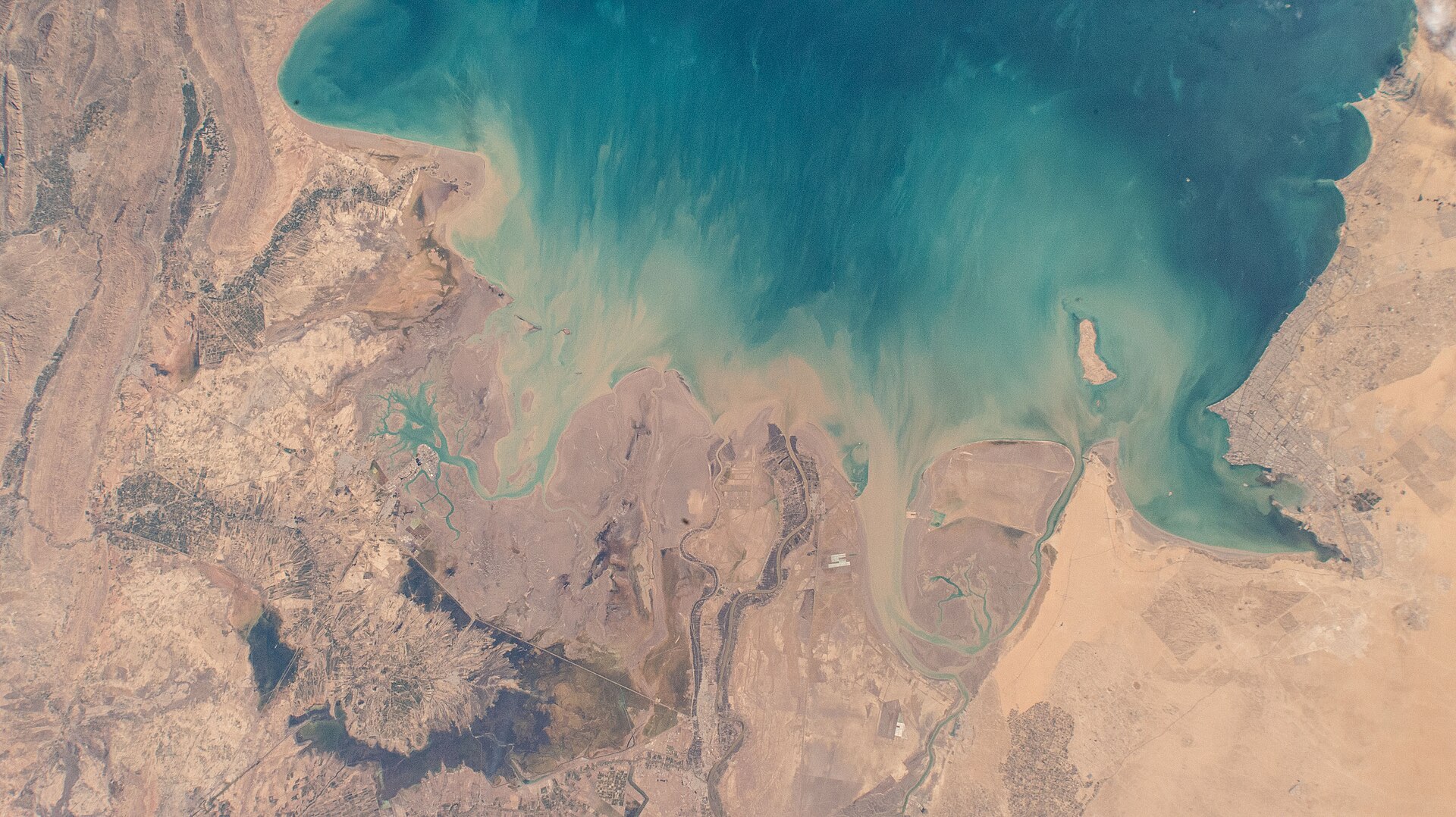
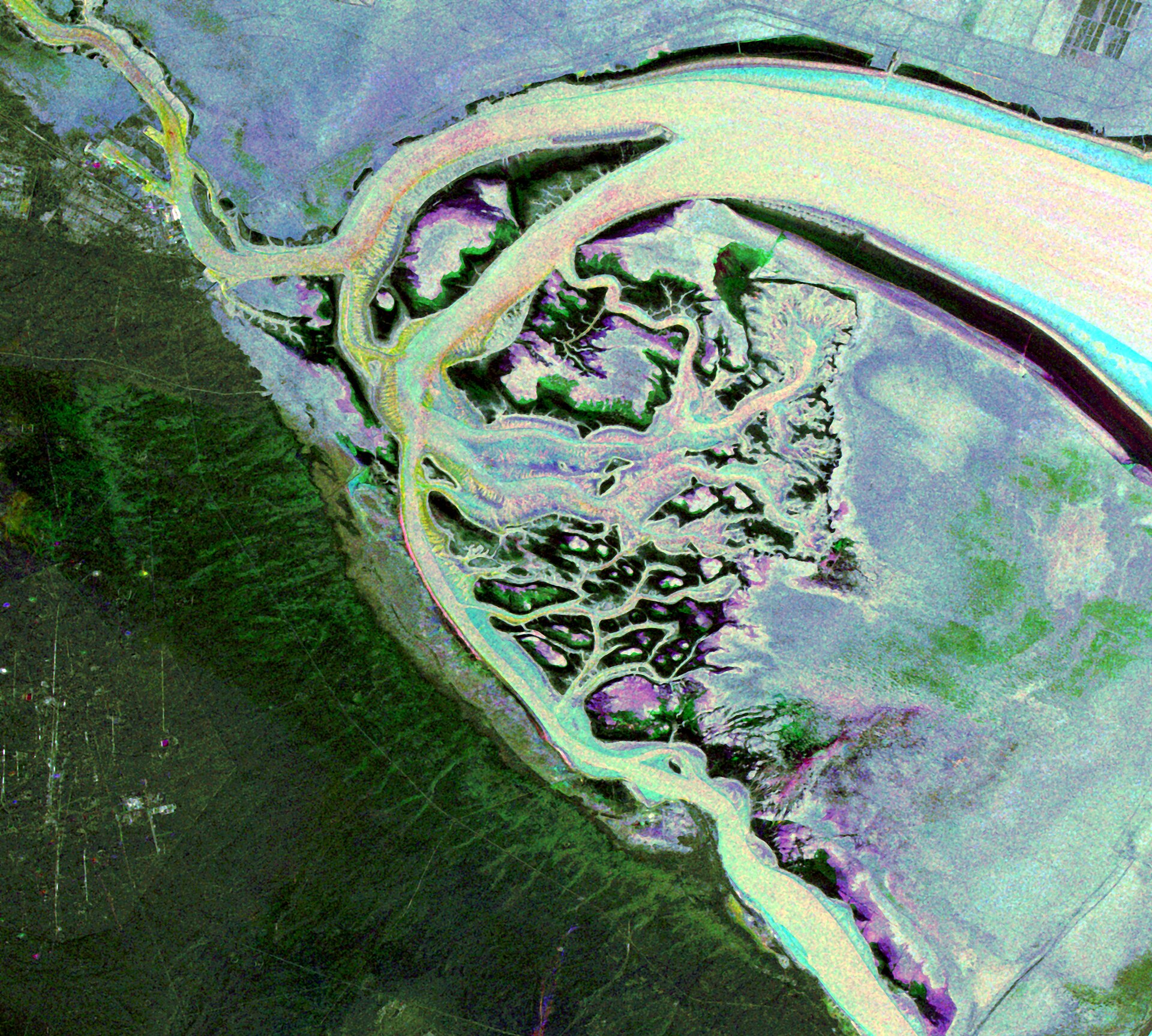
Kuwaiti authorities, in their May 12 announcement to state media, described the sequence in clipped operational terms. Six armed men, inserted by a fishing boat that had been chartered for the run, came ashore on Bubiyan — the largest of Kuwait’s offshore islands, a designated nature reserve and the site of the partially completed Mubarak Al Kabeer port. Kuwaiti forces engaged. One Kuwaiti serviceman was injured in the exchange of fire that followed.
Four of the infiltrators were detained and named by the Kuwait Interior Ministry: Colonel Amir Hussein Abd Mohammed Zara’i, Colonel Abdulsamad Yadallah Qanwati, Captain Ahmed Jamshid Gholam Reza Zulfiqari and First Lieutenant Mohammed Hussein Sehrab Faroughi Rad. The four confessed, according to the Ministry’s statement carried by Al Jazeera, to being IRGC members tasked with what the Kuwaitis called “hostile acts.” Two escaped: Navy Captain Mansour Qambari and the boat’s master, Abdulali Kazem Siamari.
The composition of the team is its own data point. Two full colonels and a captain do not lead a fishing expedition that strays off course; they lead a directed operation with named effects and named targets. The two who escaped were the most operationally capable navigators in the boat. They did not surrender as men whose GPS had failed. They ran.
Why Bubiyan is a measurement instrument, not an incident
Editorial writers across the Gulf this week have treated the raid as a discrete provocation, a thing to be condemned and then catalogued. That framing misses what the raid actually does for the reader who wants to know whether the diplomacy now underway has any structural chance of binding the actors it claims to bind. Bubiyan is not an event to be condemned and forgotten. It is a calibration test that the conflict ran in public.
The Gulf veto coalition’s argument to Trump on May 18 was that Tehran could deliver restraint as a unitary actor because its civilian leadership was in the negotiating room and its military commanders would honour what the negotiators agreed. That argument is testable. It was tested on May 1, before it was made on May 18, by Iran itself — and the result was already on the desks of the Kuwaiti Interior Ministry and the GCC interior ministers when the three rulers picked up the phone.
The dates collapse the abstraction. Araghchi was conducting what the Saudis, Emiratis and Qataris would later describe as “serious negotiations” while colonels from a separate Iranian command structure were already on a foreign island. The IRGC Navy declared “full authority” over the Strait of Hormuz while the Iranian foreign ministry was disclaiming responsibility for Hormuz disruptions. Bubiyan is the same data point in a more legible form. It is the authorization ceiling photographed in colour, on Kuwaiti sand, with four named officers in custody.
Did Iran’s foreign ministry know the IRGC was on Kuwaiti soil?
The honest answer is that we do not know, and the structure of the Iranian state is designed so that the question cannot be cleanly answered from outside. What can be said with confidence is that the Iranian foreign ministry’s public conduct after May 12 is consistent with either possibility — and that is the point of Iran’s institutional design.
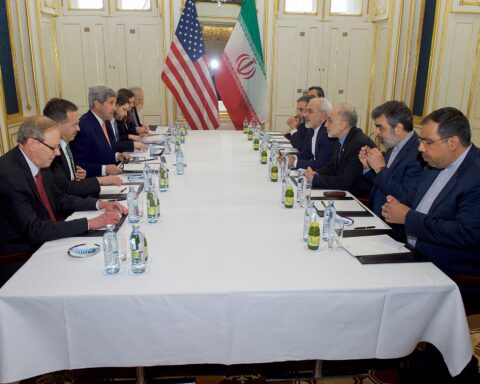
Araghchi did not, on May 13, apologise for an unauthorised IRGC adventure that had embarrassed his diplomacy. He did the opposite. He condemned, in the foreign ministry’s own statement, “the attack on the Iranian boat and detention of four Iranian citizens” and declared that “Iran reserves the right to respond.” A foreign minister whose negotiating leverage rests on his ability to bind his own military does not publicly threaten a third state for interdicting that military on the third state’s own territory. Unless he has been instructed to.
The foreign ministry spokesman’s parallel line — that the four officers had entered Kuwaiti waters “by mistake” because of “a disruption in the navigation system” — is the kind of operational fiction that requires the foreign ministry and the IRGC to be reading from the same script. The script does not vindicate Araghchi; it implicates him. Either the foreign minister was told what Bubiyan was and lied for the regime, or he was not told and now lies for a system that did not trust him with the truth. Both are arguments against the coherence the Gulf veto coalition’s bet requires.
Iran reserves the right to respond.
Abbas Araghchi, Iranian Foreign Minister, on the Kuwaiti interdiction of four armed IRGC officers on Bubiyan Island, May 13, 2026
What does the Bubiyan raid prove about Iran’s authorization ceiling?
The Bubiyan raid demonstrates that Iran’s diplomatic track and operational track are administered by separate, non-coordinating commands. The IRGC answers to the Supreme Leader, not the president and not the foreign minister, under Article 110 of the constitution. A colonel-level insertion into Kuwaiti territory with weapons and a chartered vessel required authorisation above field rank — and the foreign ministry was not the body that gave it.
The architecture behind that answer is more granular and worth walking through, because the granularity is what makes the next round of diplomacy so hard to underwrite.
Iran formally activated its Mosaic Defense doctrine before the May 1 raid, splitting IRGC command into thirty-one autonomous provincial structures, each with independent strike authority and no obligation to clear operations through Tehran. The doctrine is not a fig leaf bolted onto an embarrassment after the fact; it was published, ordered, and absorbed into IRGC operating procedure as a war-fighting framework. It also happens to be the perfect institutional cover for the regime’s central need, which is to keep doing things on Kuwaiti and Saudi and Emirati territory while denying that the regime authorised them.
Mojtaba Khamenei had not appeared publicly for more than thirty-five days at the time of the raid. The Foundation for Defense of Democracies’ “five men running Iran” framing — used through April and May to describe the post-Khamenei operational regency — does not include President Pezeshkian. Pezeshkian, on April 4, publicly accused IRGC commanders Vahidi and Abdollahi of wrecking the ceasefire negotiations through what he called “deviation from delegation’s mandate.” That is the sitting president of Iran naming his own military commanders as saboteurs of his foreign policy. The civilian-military separation is not a Western analytical construct projected onto Iran. It is a confession the Iranian president made on the record forty-seven days before Bubiyan.
Against that confession, the Gulf veto coalition’s working assumption — that an Araghchi handshake can bind Vahidi’s IRGC — collapses on its first test. Bubiyan is that first test.
Why did the IRGC choose Bubiyan and not a harder target?
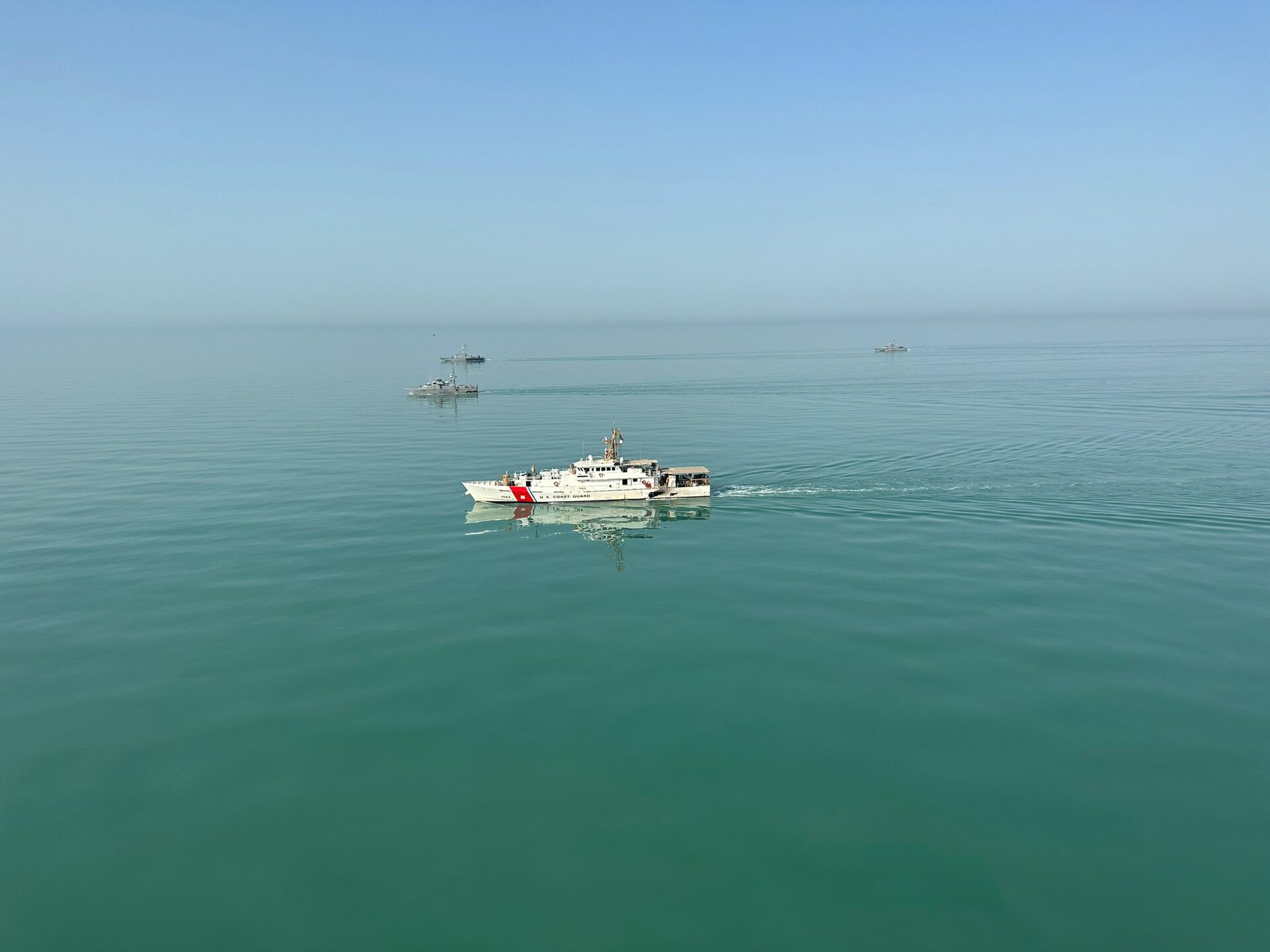
Bubiyan was not a random landing. It was a target selected for the message its violation sends to three audiences at once — the Chinese, the Americans, and the Gulf — and the message is sharper for being delivered by a vessel chartered out of a Khuzestan fishing harbour rather than a missile out of a Bandar Abbas silo.
The first audience is Beijing. The Mubarak Al Kabeer port on Bubiyan is a $4.1 billion Belt and Road project, led by China Communications Construction Company, scheduled for an opening capacity above eight million TEUs on completion this year. China has no larger single infrastructure investment in Kuwait. The IRGC went ashore on the island hosting China’s flagship Kuwaiti project — and did so two weeks before the same Iran was lobbying Beijing to broker the ceasefire framework. The signal to China is that Iran can disturb the BRI’s Gulf node at will, and that Chinese mediation has to price that capability in.
The second audience is Washington. Bubiyan sits a short helicopter ride from Camp Arifjan, which hosts approximately 13,500 US service members, the forward headquarters for the US Army component of CENTCOM, and Army Prepositioned Stocks for any future ground campaign. Six SATCOM radomes at Arifjan were already destroyed by earlier Iranian strikes, and Port Shuaiba’s tactical operations centre was hit by a single Iranian drone on March 1, killing six US Army Reserve soldiers. Putting colonels on Bubiyan is a way of telling the Americans that the same colonels can put themselves on Arifjan’s perimeter if the doctrine requires it.
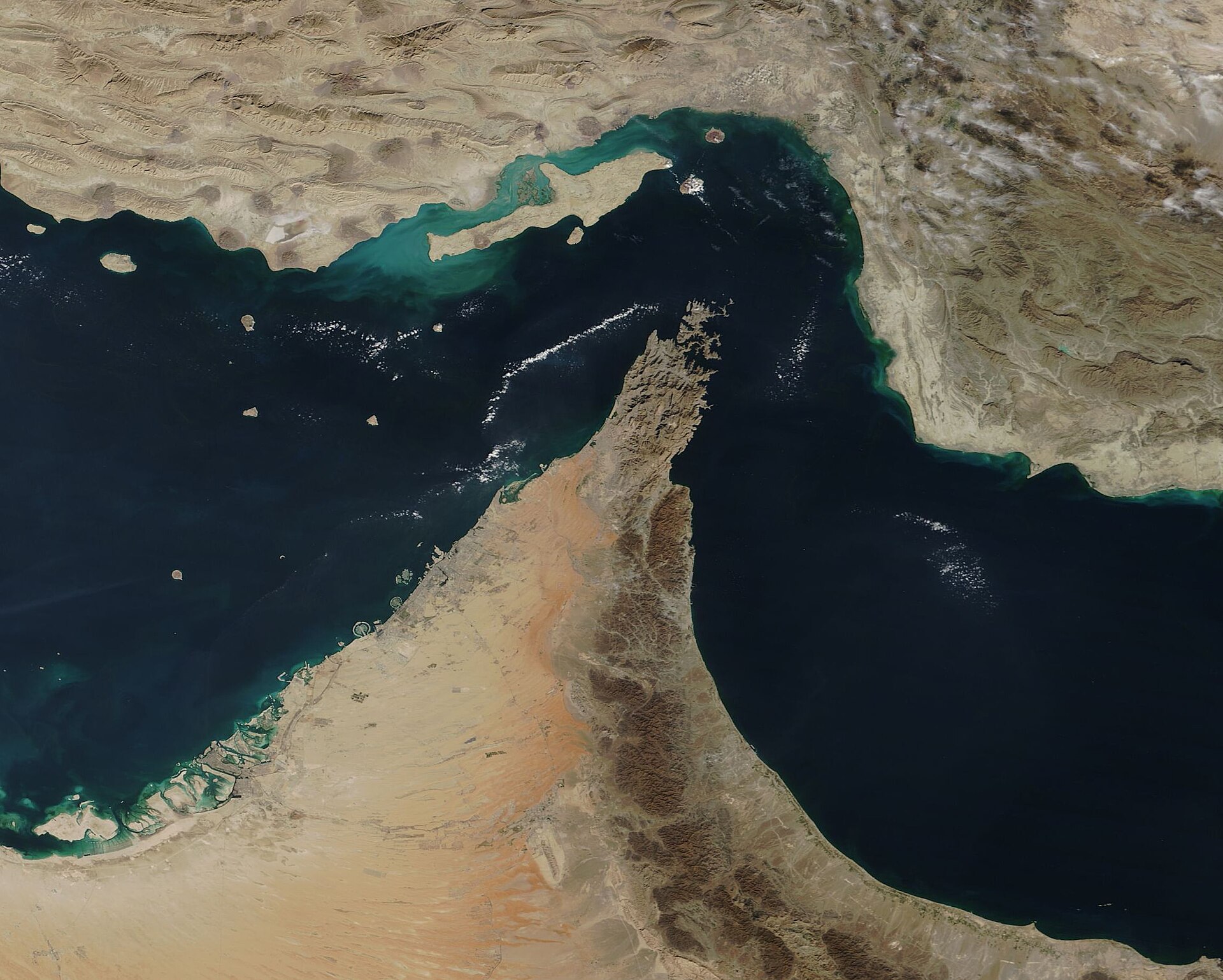
The third audience is the Gulf. Bubiyan borders the Khor Abdullah waterway, one of only two deep-water approaches connecting Iraq to the sea and the primary access route to Umm Qasr. Whoever sits on Bubiyan sits, in practical terms, athwart the maritime spine of southern Iraq. The raid is a reminder that Iran’s forward posture from Iraqi territory does not stop at the Iraqi-Kuwaiti land border. It runs into Kuwaiti water.
| Asset within twenty kilometres | Strategic function | Source |
|---|---|---|
| Mubarak Al Kabeer Port, Bubiyan | $4.1 billion Chinese BRI port, 8M+ TEU capacity on completion | Arab News / Maritime Executive |
| Khor Abdullah waterway | One of two deep maritime approaches to Iraq, primary route to Umm Qasr | The National / OilPrice.com |
| Camp Arifjan, Kuwait | ~13,500 US troops; forward HQ, US Army component, CENTCOM; APS stocks | Wikipedia / Defence Security Asia |
| Port Shuaiba | March 1, 2026: Iranian drone strike on TOC, six US Army Reserve soldiers killed | HOS prior coverage |
| Bubiyan nature reserve | Designated Kuwaiti sovereign reserve, the landing zone | Kuwait MFA |
The Gulf veto coalition’s bet — and what Bubiyan does to it
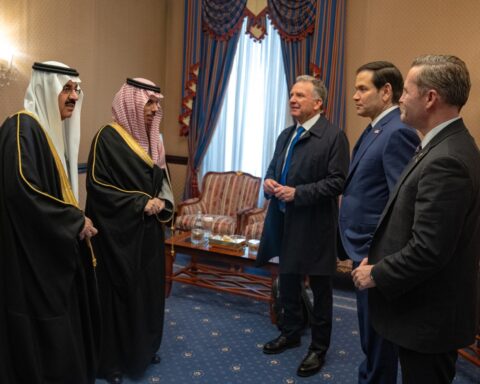
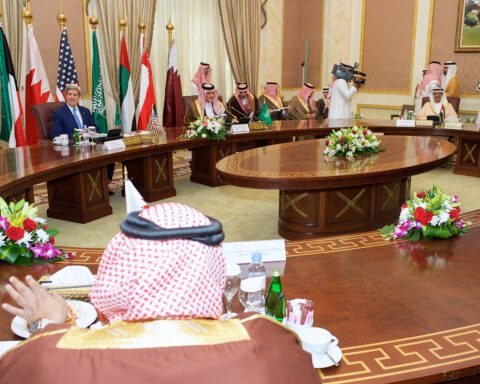
The phone calls of May 18 were a remarkable act of Gulf sovereign agency. Mohammed bin Salman, Mohammed bin Zayed and Sheikh Tamim, three rulers whose territories sit inside the IRGC missile envelope, intervened in an American kinetic decision and pulled it back from the edge. Trump, in his own account to CNBC and Al Jazeera, named Qatar, Saudi Arabia and the UAE as “great leaders and allies” who convinced him to “hold off” on a renewed strike, granting “two or three days” for “serious negotiations.” The intervention was real. The premise underneath it is the part Bubiyan now indicts.
The premise was that an Iranian deal — at the foreign ministry level, in a room in Geneva or Muscat, with Araghchi on one side — could meaningfully restrain the Iranian state’s kinetic conduct in the Gulf. Whatever Araghchi signs, the Mosaic Defense doctrine entitles thirty-one provincial IRGC commands to ignore. Whatever Pezeshkian endorses, Article 110 leaves him no authority to enforce. Whatever the IRGC accepts at headquarters level, individual colonels operating under pre-delegated authority can deviate from. The Gulf veto’s working premise is that the Islamic Republic has a steering wheel. The Bubiyan raid is the photograph of the car driving with no one at it.
This is not an argument against the veto. The Gulf rulers had every reason to want seventy-two hours to test the proposition, and seventy-two hours of testing costs less than a regional war they would absorb in their own air. It is an argument that the test has to be honest about what it is testing: not whether Tehran’s negotiators can commit to a deal, but whether they can bind commanders who, on the documented record of May 1, were already executing operations outside their writ. On May 19 — one day after the phone calls — the answer was already in Kuwait City. It was in custody. It was named. It had ranks.
What is the Saudi Cabinet hedging against with the “will not hesitate” language?
The Saudi Cabinet on May 19, chaired by King Salman in Jeddah, issued a single line that should be read as the most important Saudi diplomatic communication of the week. “Saudi Arabia will never hesitate to take all measures deemed necessary to protect its security, preserve its stability, and safeguard the safety of its citizens and residents on its territory.” A cabinet that believes its own veto has bought a stable diplomatic window does not need that sentence in the same week.
The sentence is a hedging instrument. It tells Tehran that the May 18 telephone call was not the floor of Saudi policy but its current ceiling, and that the ceiling lifts the moment the floor is tested. It tells Washington that if Riyadh’s diplomacy fails, Riyadh has the option of moving inside the strike envelope on its own terms, not American ones. It tells the GCC that the doctrinal phrase “indivisible security” — the formulation that the GCC interior ministers reaffirmed at their May 13-14 emergency session — has a Saudi sovereign decision behind it and not only a charter clause.
And it tells the domestic Saudi audience that the cabinet is reading Bubiyan correctly. The “all measures” formulation is a deterrent posture rehearsed in language before it is rehearsed in deployment. Saudi Arabia has been here before, in the spring of 2019, in the aftermath of Abqaiq, when a similar Cabinet sentence ran ahead of a similar policy adjustment. Riyadh is hedging because it knows the diplomatic track and the IRGC operational track do not share a steering column, and that the second column will set the timetable that the first column has to follow.
Kuwait’s eleven-day silence and the GCC emergency session
Kuwait sat on the Bubiyan incident for eleven days. The raid happened on May 1. The state announcement came on May 12. The eleven-day silence is itself a data point — and a more eloquent one than the announcement that broke it.
Kuwait did not publicise the raid because Kuwait does not publicise things that complicate its preferred posture, which has historically been the most accommodating Gulf posture toward Tehran. Kuwait maintained more economic ties with Iran than Bahrain or Saudi Arabia during the long sanctions period. Kuwait was the last GCC state to expel Iranian diplomats after the 2016 Riyadh embassy attack. Kuwait’s instinct, on May 1, would have been to handle Bubiyan through quiet channels, with the four detainees as leverage and the boat as evidence held in a Kuwaiti drawer.
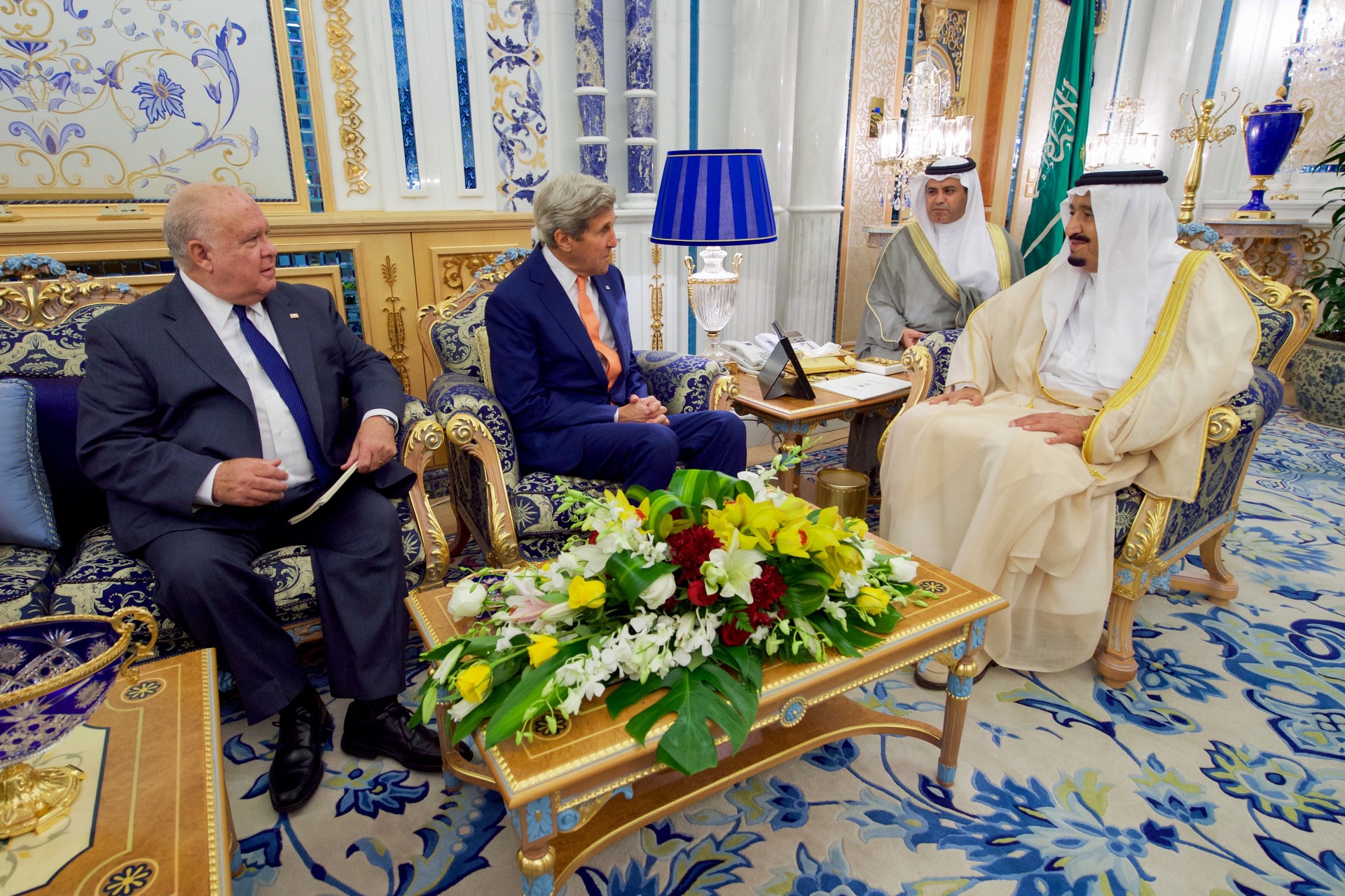
The instinct broke for a reason. The reason was almost certainly the GCC interior ministers’ emergency session, convened in Riyadh on May 13-14 and led on the Saudi side by Prince Abdulaziz bin Saud bin Naif, which was the first such emergency security convening of the entire conflict triggered by a specific incident. The communique reaffirmed that “the security of GCC member states is indivisible.” GCC Secretary-General Jasem Mohamed al-Budaiwi said the ministers had “stressed the need for closer cooperation among interior ministries and relevant security authorities.” The Organisation of Islamic Cooperation, less reflexively pro-Tehran than its bureaucracy might suggest, “strongly condemned” the “hostile infiltration” and offered “complete solidarity with Kuwait.”
King Salman then issued seven security-focused royal decrees on the morning of May 15, the day after the emergency session ended. That sequence — incident, eleven-day pause, emergency GCC session, royal decrees, then the May 19 Cabinet “will not hesitate” line — is not the cadence of a Gulf preparing to absorb a diplomatic settlement. It is the cadence of a Gulf preparing for the diplomacy to fail and for the next phase to be the second seventy-two hours rather than the first.
Iran’s counter-narrative: navigation error and right of response
Iran’s response to the announcement was choreographed across three voices: the foreign ministry spokesman in Tehran, Araghchi in person, and the IRNA wire. Each voice carried a different load.
The foreign ministry spokesman delivered the technical denial. The four officers had entered Kuwaiti waters “by mistake” due to “a disruption in the navigation system.” The Kuwaiti allegations were “completely baseless and unacceptable.” The story is internally inconsistent — armed colonels on a chartered fishing vessel do not stumble onto a designated nature reserve with weapons rigged for use because their GPS failed — but it is the kind of inconsistency that a regime offers when it knows the audience that matters is its own constituency rather than the audience that has the four colonels.
Araghchi delivered the threat. By publicly condemning “the attack on the Iranian boat and detention of four Iranian citizens” and asserting that “Iran reserves the right to respond,” the foreign minister of a state in negotiation with the Gulf told the Gulf that interdiction of armed IRGC personnel on the Gulf’s own territory would be treated as an act of aggression triggering Iranian retaliation. The structural tell is that Araghchi did not first inquire what the Iranian citizens were doing on the island, did not first apologise for any conduct that might be confirmed under questioning, and did not first suspend the diplomacy until clarification could be obtained. He chose escalation as his opening posture and then resumed his negotiations.
The escapees are the unsigned signature on Iran’s denial. The two who got away — Navy Captain Mansour Qambari and the boat’s master, Abdulali Kazem Siamari — were the men with the navigation skills the regime says failed. A team of lost mariners surrenders together when forces engage them. An infiltration team leaves the navigators alive and free so that the operational lessons can be carried back to the command that sent them.
The security of GCC member states is indivisible.
GCC interior ministers’ emergency session communique, Riyadh, May 13-14, 2026, reaffirming the doctrine in response to the Bubiyan infiltration
What do the next seventy-two hours measure?
The Gulf veto bought Iran seventy-two hours to convert the negotiation into a deliverable. The window opened on May 18 and closes, by Trump’s own framing, around May 21. What the window actually measures is not whether Araghchi can sign a piece of paper. It measures whether anything Araghchi signs can travel up the IRGC chain and survive contact with the same authority that put four colonels on Bubiyan on May 1.
The signs going into the final hours are not encouraging. The IRGC has not retracted, modified or distanced itself from any element of the Bubiyan operation. The Iranian foreign ministry’s posture has hardened, not softened, since the raid was made public. The Saudi Cabinet’s May 19 language sits in the diplomatic record as a pre-positioned authorisation. Kuwait’s MFA has reserved its rights under Article 51 of the UN Charter — the self-defence article — and named UN Security Council Resolution 2817 of 2026 as the violated instrument. The GCC has used the word “indivisible” in writing. The OIC has used the word “hostile” in writing.
If the diplomacy delivers a Phase 1 framework in the time it has, the Gulf will have been right to spend the political capital on the May 18 phone call. If the diplomacy expires without a framework — or, worse, if a framework is reached and a Mosaic Defense IRGC unit ignores it inside the first week — then the cost of the May 18 call will be paid in the credibility of every Gulf assurance that follows it. That is the meter the next seventy-two hours runs.
On the sand of Bubiyan, four officers in custody answer to a different government than the one in the negotiating room. The Gulf veto coalition’s bet is that those two governments can be persuaded to act as one. The four officers were already on Kuwaiti territory when the bet was placed.
Frequently asked questions
Was UN Security Council Resolution 2817 of 2026 — cited by Kuwait — drafted specifically for incidents of this kind?
Resolution 2817 was adopted earlier in 2026 in the wake of the conflict’s opening phase. Kuwait’s formal protest note invoked it alongside Article 51 of the UN Charter, framing Bubiyan as falling within the resolution’s scope on cross-border infiltration by non-state and quasi-state actors in the Gulf theatre. The choice of venue — Security Council instrument rather than bilateral consular channel — was itself a deliberate escalation signal, even before any Council session is formally requested.
How does the Mubarak Al Kabeer port site affect Iraq’s maritime access through Umm Qasr?
Bubiyan sits on the western flank of the Khor Abdullah channel, and the Mubarak Al Kabeer port, on completion, will give Kuwait a deepwater berth set on top of the Iraqi approach. Iraq has objected to elements of the project’s hydrography in the past on the grounds that any Kuwaiti construction in the Khor Abdullah affects the navigability of the channel for Umm Qasr-bound traffic. The IRGC raid placed itself, by accident or design, on the precise piece of geography where Kuwaiti sovereignty and Iraqi access intersect.
What does Mosaic Defense doctrine mean for arms control negotiations specifically?
Mosaic Defense pre-delegates strike authority to thirty-one provincial IRGC commands, which means a tactical commander in Khuzestan or Hormuzgan can authorise a cross-border operation without referring it to Tehran. For arms-control purposes, this dissolves the central counterpart problem: even a fully verified agreement between the Iranian foreign ministry and a Gulf negotiating partner does not bind a provincial command that was never the agreement’s party. Verification regimes designed for unitary state actors do not map onto a thirty-one-command structure.
Has Kuwait expelled Iran’s ambassador after Bubiyan?
Kuwait summoned the Iranian ambassador on May 13 and delivered a formal protest note but stopped short of expulsion. The choice is consistent with Kuwait’s historical preference for diplomatic preservation over rupture; Kuwait was the last GCC state to expel Iranian diplomats after the 2016 Riyadh embassy attack and would be expected to make expulsion a measure of last resort. The summons-and-protest-note posture is also designed to keep the formal record open in case the Bubiyan file is escalated to the Security Council.
What is the legal status of the four detained IRGC officers under Kuwaiti law?
Kuwait’s State Security Apparatus, which has custody, can pursue charges under Kuwait’s national security statutes for armed infiltration, espionage, and acts against the state. Penalties under those statutes can include death. The Kuwaiti judiciary has historically pursued such prosecutions in closed sessions, and the four officers’ eventual fate — prosecution, swap, or quiet repatriation as part of a broader regional bargain — will itself be a measurement of how the next round of Gulf-Iran diplomacy values their bodies as negotiable assets.
By October 2026, Iraq’s Prime Minister Al-Zaidi would travel to Riyadh and formally pledge that Iraqi territory would not serve as a corridor for IRGC-directed operations against the kingdom — a commitment whose durability, given the PMF’s structural autonomy, is weighed in Al-Zaidi Brought Riyadh a Pledge Baghdad Cannot Enforce.
The House of Saud Daily Briefing
Saudi Arabia's news in 3 minutes, every morning. Free. See today's issue