
TEHRAN — Iran’s war is not being directed by its Supreme Leader. Four weeks after the Assembly of Experts elected Mojtaba Khamenei to succeed his assassinated father, the operational reality of the conflict — from the Strait of Hormuz toll regime to the March 27 strike on Prince Sultan Air Base that wounded at least ten American service members — points to a command structure in which the Islamic Revolutionary Guard Corps makes strategic decisions and the new Supreme Leader provides post-hoc religious endorsement. For Saudi Arabia and every other state seeking a ceasefire, this distinction is not academic. It determines whether diplomacy can reach the people who actually decide when and where the next missile is launched.
Mojtaba Khamenei holds the title. The IRGC holds the war. The gap between those two facts shapes every strategic calculation Riyadh must now make — from the credibility of back-channel talks through Oman and Pakistan to the reliability of any ceasefire agreement an Iranian delegation might sign. The evidence for the IRGC’s wartime power consolidation, the structural reasons Mojtaba cannot replicate his father’s authority, and what an institution-led adversary means for the Gulf states trying to end this conflict all point toward the same conclusion: the Islamic Republic’s chain of command has been inverted.
Table of Contents
- Who Is Actually Controlling Iran’s War?
- How the IRGC Engineered Its Own Supreme Leader
- Why Does Mojtaba Khamenei Lack Religious Authority?
- The Mosaic Defense Doctrine and the Irrelevance of Central Command
- The Hormuz Toll and Prince Sultan Air Base: Evidence of Autonomous Decision-Making
- What Happens When a War Is Waged by an Institution, Not a State?
- How Should Saudi Arabia Respond to an Adversary Without a Center?
- The Fracture Lines That Could Undo the IRGC’s Grip
- Frequently Asked Questions
Who Is Actually Controlling Iran’s War?
The most consequential question in the Middle East is not whether Iran will accept a ceasefire. It is whether the person ostensibly authorized to accept one has any authority over the military apparatus prosecuting the conflict. The evidence accumulated across four weeks of war suggests the answer is no — or at best, not enough.
U.S. and Israeli intelligence agencies assess that Mojtaba Khamenei is alive but does not currently hold real control over Iran’s leadership apparatus, according to i24NEWS, citing American and Israeli sources. The Jerusalem Post reported on March 15 that the IRGC has gained “real control” while Mojtaba serves as a figurehead, with operational authority residing in the Khatam al-Anbiya Central Headquarters — Iran’s highest joint military command. WION News described the situation as an “autopilot war machine,” asking who commands the IRGC if Mojtaba is incapacitated or disengaged.
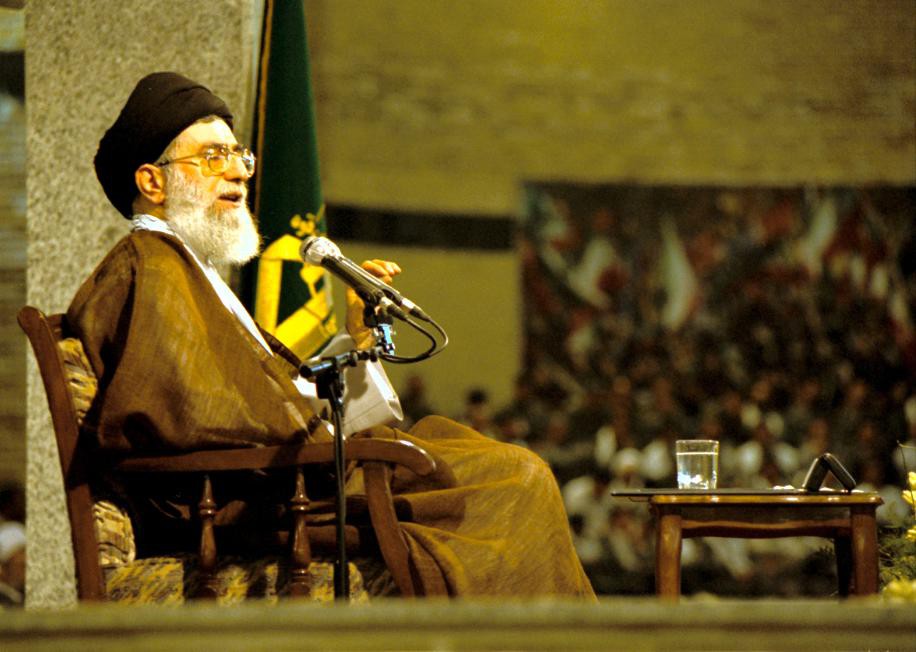
The practical indicators are damning. Mojtaba’s first public statement as Supreme Leader was not delivered in person. It was written and read by a news anchor on Press TV on March 12, according to Iran International. He has not appeared publicly since his appointment. Iranian state media initially referred to him as “Hujjat al-Islam” — his actual clerical rank — before abruptly switching to “Ayatollah” within 24 hours, according to IranWire, a title upgrade that required no theological examination and no new scholarship.
Mohsen Sazegara, a co-founder of the IRGC who broke with the regime, told Euronews on March 9 that while “in reality the real power of the leadership office was in Mojtaba’s hands” before his father’s death, he now “cannot take his father’s place.” The key supporters who could have helped bridge that gap — Asghar Hejazi and General Mohammad Shirazi — were killed in the same strikes that assassinated Ali Khamenei on February 28.
The Middle East briefing 3,000+ readers start their day with.
One email. Every weekday morning. Free.
How the IRGC Engineered Its Own Supreme Leader
The Assembly of Experts — the 88-member clerical body constitutionally charged with selecting Iran’s Supreme Leader — voted for Mojtaba Khamenei between March 3 and March 8, 2026. The outcome was determined before most members cast their ballots. The IRGC exerted “repeated contacts and psychological and political pressure” on Assembly members starting on March 3, according to reporting by the Times of Israel citing sources familiar with the process. Eight members boycotted the second session in protest, stating they faced “heavy pressure” from the Guards.
The Assembly could not even meet in person. Five or six attempts to convene physically failed due to security conditions — the same U.S.-Israeli airstrikes that had killed Ali Khamenei were still targeting Iranian military and government infrastructure across 25 provinces, according to the Hengaw Organization for Human Rights. The first session was held online on March 3, a format that gave IRGC-aligned members easier access and made organized opposition harder to coordinate.
Ali Khamenei had nominated three alternative candidates before his death: Gholam-Hossein Mohseni-Eje’i, Asghar Hijazi, and Hassan Khomeini, according to the New York Times. At least two of these — Hijazi and the reformist-leaning Khomeini, grandson of the Islamic Republic’s founder — would have presented the IRGC with a leader harder to control. The Guards moved before any alternative could gain traction. Mojtaba had the backing of principalists led by Saeed Jalili, IRGC commanders, Basij leaders, and top security officials, according to Foreign Affairs. In the chaotic aftermath of the assassination, these hard-liners had “unparalleled access” to the Assembly.
The speed of the selection was itself revealing. Eight days from assassination to installation. No public debate. No formal campaign. No scrutiny of theological credentials. Catherine Perez-Shakdam, executive director of We Believe In Israel, wrote in the Jerusalem Post that the Assembly’s haste suggested an effort to “close the question of succession before the vacuum becomes too obvious.” The IRGC needed a supreme leader — not because it needed direction, but because it needed legitimacy for the decisions it was already making.
Why Does Mojtaba Khamenei Lack Religious Authority?
In the architecture of Iran’s Islamic Republic, the Supreme Leader is supposed to be the most learned Islamic jurist — a marja-e taqlid, or “source of emulation,” whose religious rulings Shia Muslims worldwide follow. Mojtaba Khamenei is not a marja. He holds the rank of hojjatoleslam, a mid-tier clerical title below ayatollah, according to IranWire’s analysis of his religious qualifications. He has never published significant jurisprudence. He commands no emulants — no community of believers who follow his religious rulings.
This is not unprecedented. Ali Khamenei himself lacked marja status when he became Supreme Leader in 1989, which required a constitutional amendment to accommodate. But the elder Khamenei compensated through decades of institutional control, personal relationships with senior commanders, and a track record of adjudicating disputes between regime factions. Mojtaba has none of this independent capital. His authority derives from two sources: bloodline and IRGC backing. The FULCRUM analysis from Singapore’s ISEAS-Yusof Ishak Institute noted that the system “no longer demands that the supreme leader be the most learned jurist. It demands only that he be acceptable to the institution that actually holds power.”
The theological deficit matters beyond symbolism. Iran’s Supreme Leader issues fatwas — religious decrees with binding authority on the state. The fatwa prohibiting nuclear weapons, attributed to Ali Khamenei, has been a fixture of Iranian diplomatic discourse for two decades. A hojjatoleslam issuing fatwas carries less weight in Shia jurisprudence than a marja doing so. The Middle East Forum identified three intersecting crises in contemporary Shiism exposed by the war: the collapse of clerical meritocracy, the subordination of religious authority to military power, and the transformation of velayat-e faqih (guardianship of the jurist) from a theological concept into a rubber stamp for IRGC decisions.
Iranian state media has worked to paper over the gap. The Ministry of Foreign Affairs spokesperson Esmail Baghaei told CNBC on March 11 that the country would “unite around Mojtaba Khamenei.” The Assembly of Experts called on Iranians to “maintain unity and pledge support.” But unity calls are not the same as theological legitimacy, and the distinction will matter if the war turns against Iran — when the question shifts from who leads the fight to who is accountable for the losses.
The Mosaic Defense Doctrine and the Irrelevance of Central Command
Iran activated its mosaic defense doctrine on March 2, 2026 — four days before the Assembly of Experts even began voting on a new Supreme Leader. The IRGC did not wait for political authority to reconstitute itself before restructuring for war. It simply activated a pre-existing plan that, by design, renders central political authority operationally unnecessary.
The mosaic defense splits the IRGC into 31 semi-autonomous provincial commands — one for Tehran and 30 for the remaining provinces — each capable of independent offensive operations including drone and missile strikes. The doctrine was first announced in 2005 and derived from IRGC analysis of American military vulnerabilities exposed in Iraq, Afghanistan, and the Balkans, according to the Soufan Center’s March 9 intelligence brief. Deputy defense minister Reza Talaeinik confirmed on Iranian state television that each figure in the command structure has named successors spanning three ranks, ready to assume command if their superiors are killed.
The operational implications are stark. When Israel killed IRGC Khatam al-Anbiya Central Headquarters commander Gholamali Rashid and his deputy Ali Shadmani, the system produced a replacement: Major General Ali Abdollahi, according to IranWire. When Israel killed two senior intelligence officials from the same headquarters — Abdallah Jalali-Nasab and Amir Shariat — in a targeted Tehran strike in March, operations continued. When Israel killed IRGC Navy commander Alireza Tangsiri on March 26, the Hormuz blockade did not falter. The Hengaw Organization for Human Rights estimated that 5,300 members of Iranian military forces had been killed in the first 18 days of war. The IRGC kept fighting.
This architecture was built precisely for a scenario where central leadership is degraded. Provincial commanders operate under “operational autonomy” — a protocol that activates when communications with Tehran are severed or senior leadership is incapacitated. Each commander becomes the supreme military authority within his jurisdiction. He does not wait for orders. He executes pre-planned operations and adapts to local conditions, according to House of Saud’s analysis of the mosaic defense strategy.
For the question of who controls the war, the mosaic doctrine provides an uncomfortable answer: in many operational theaters, nobody in Tehran does. The war is being waged by 31 semi-independent military commands, each with its own intelligence, its own resources, and pre-delegated authority to strike. A Supreme Leader — even one with genuine authority — would struggle to exercise real-time operational control over this structure. A figurehead Supreme Leader does not even try.
The Hormuz Toll and Prince Sultan Air Base: Evidence of Autonomous Decision-Making
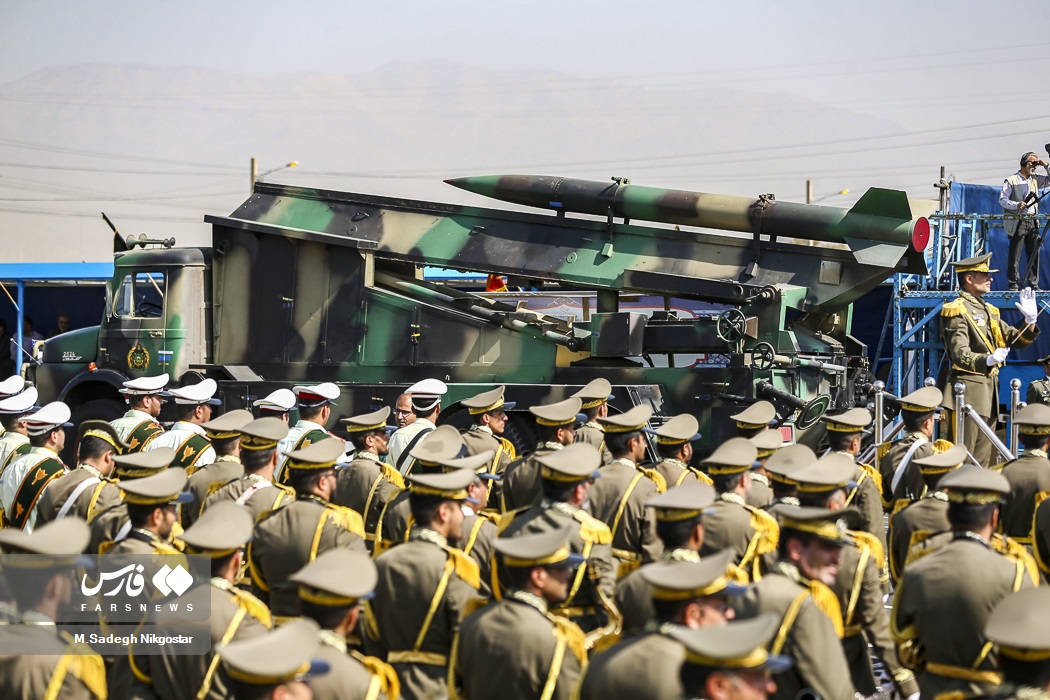
Two operational decisions in the final week of March reveal the nature of Iranian wartime command. Neither bears the hallmarks of a decision made by a political leader weighing diplomatic consequences. Both bear the hallmarks of a military institution pursuing strategic objectives on its own authority.
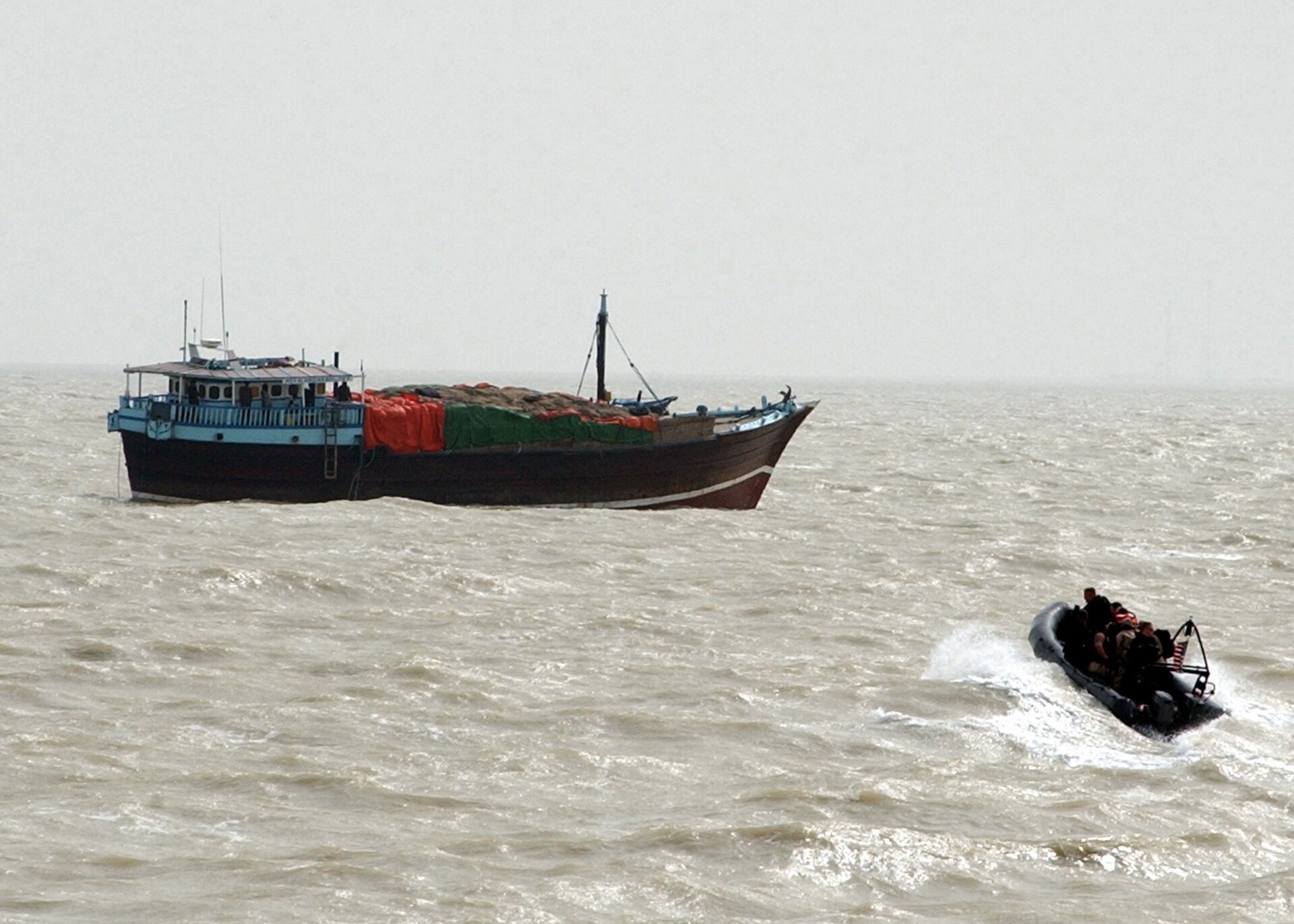
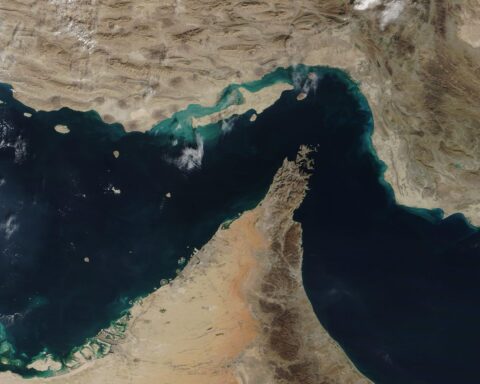
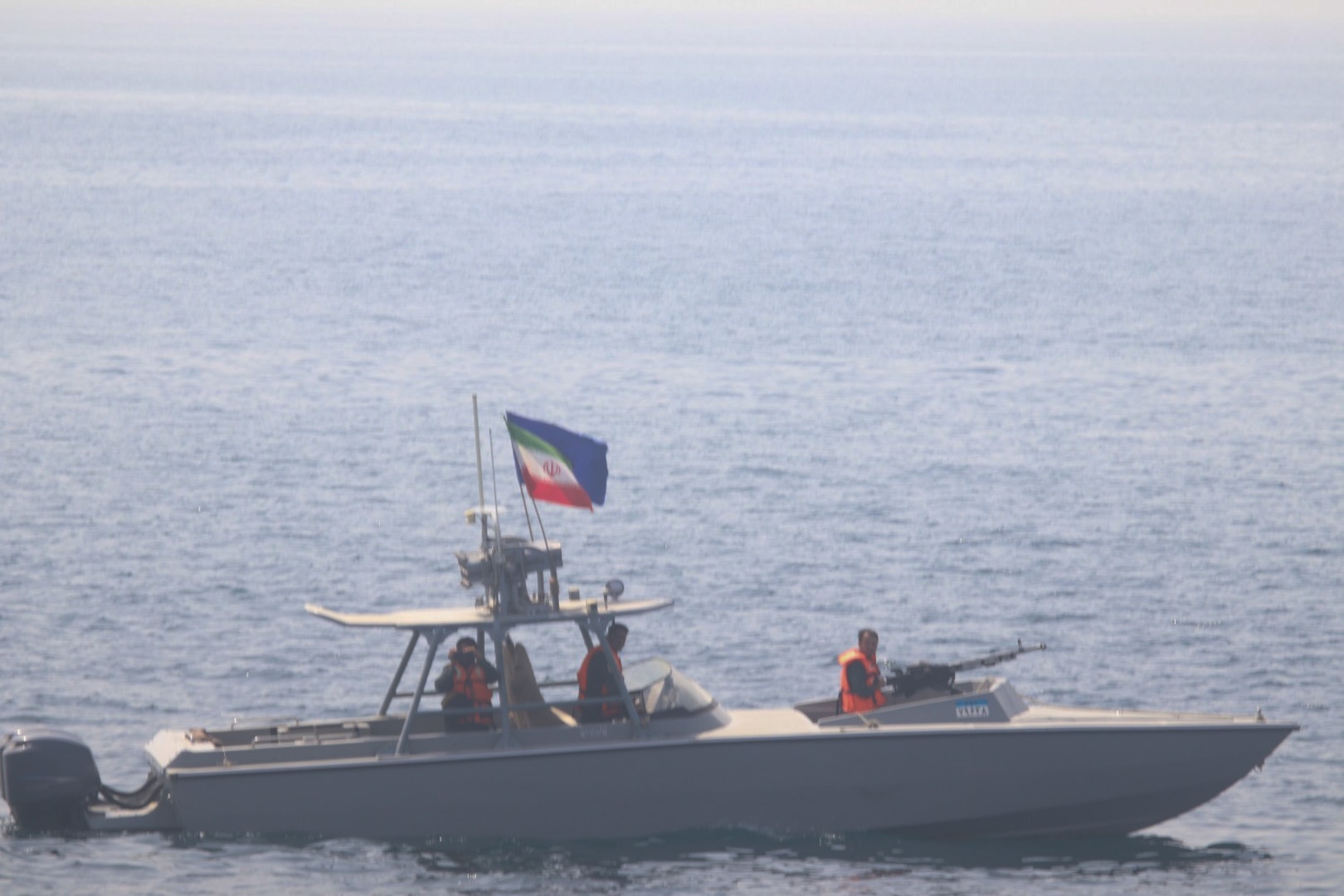
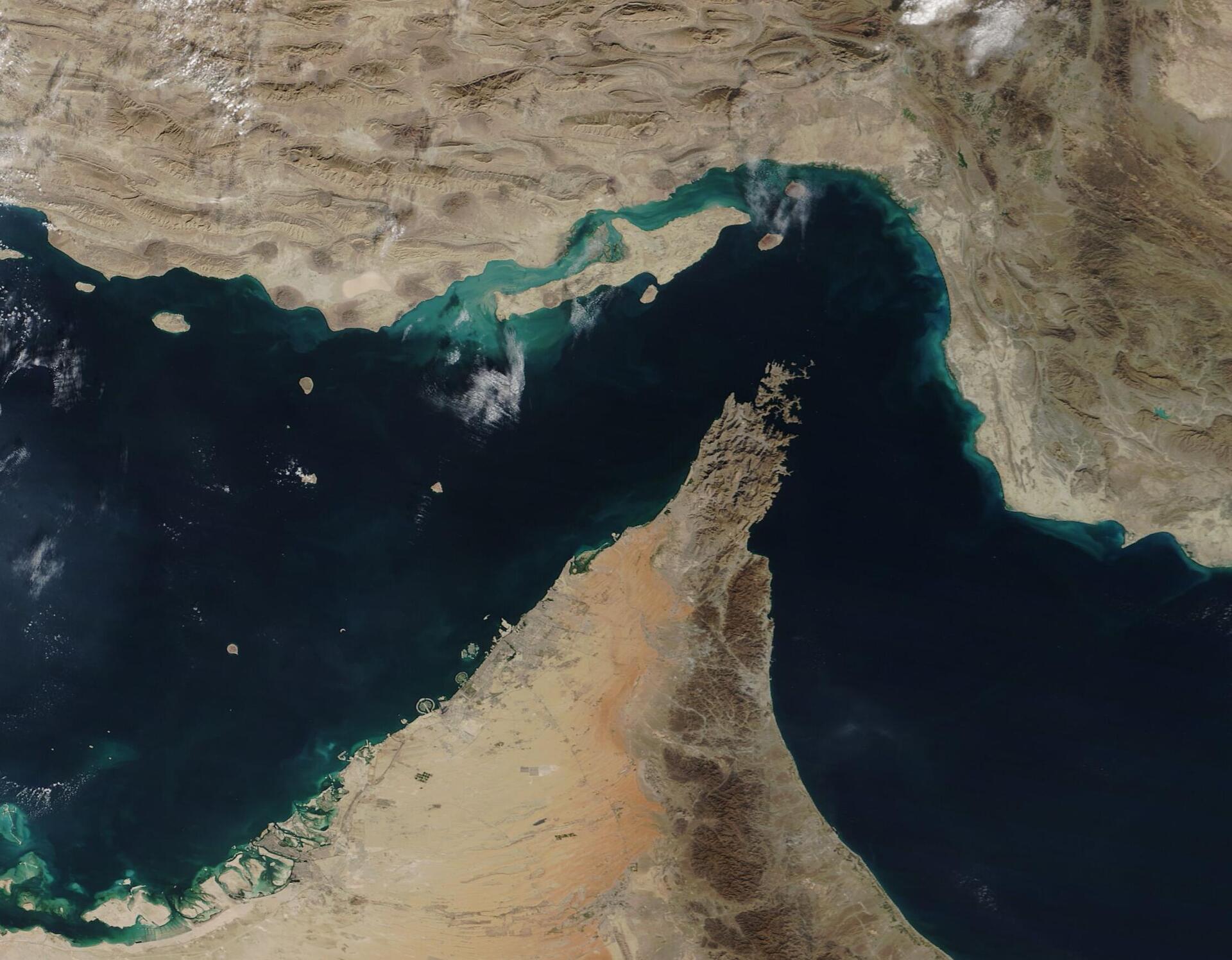
The first is the Strait of Hormuz toll regime. Bloomberg reported on March 24 that Iran had begun charging vessels up to $2 million per voyage for safe passage through the strait. By March 26, 26 vessel transits had followed pre-approved routes under what Lloyd’s List described as an “IRGC toll booth system” requiring operators to submit to a vetting scheme. Iranian lawmaker Alaeddin Boroujerdi confirmed the fee structure to a UK-based Farsi-language channel. The Iranian parliament began drafting legislation to formalize the arrangement, according to CNBC on March 26. Traffic through the strait had fallen 90 percent since the war began, according to shipping data compiled by House of Saud.
The Hormuz toll is not a diplomatic instrument. It is a revenue-generating military operation run by the IRGC Navy — or what remains of it after Israel killed its commander Tangsiri. The decision to monetize the blockade rather than simply enforce it reflects institutional calculation: the IRGC controls a vast economic empire, and the toll converts military coercion into cash flow. Mojtaba Khamenei’s first statement endorsed “continued closure of the Strait of Hormuz,” according to the Soufan Center. But the toll mechanism was already operating before that statement was issued.
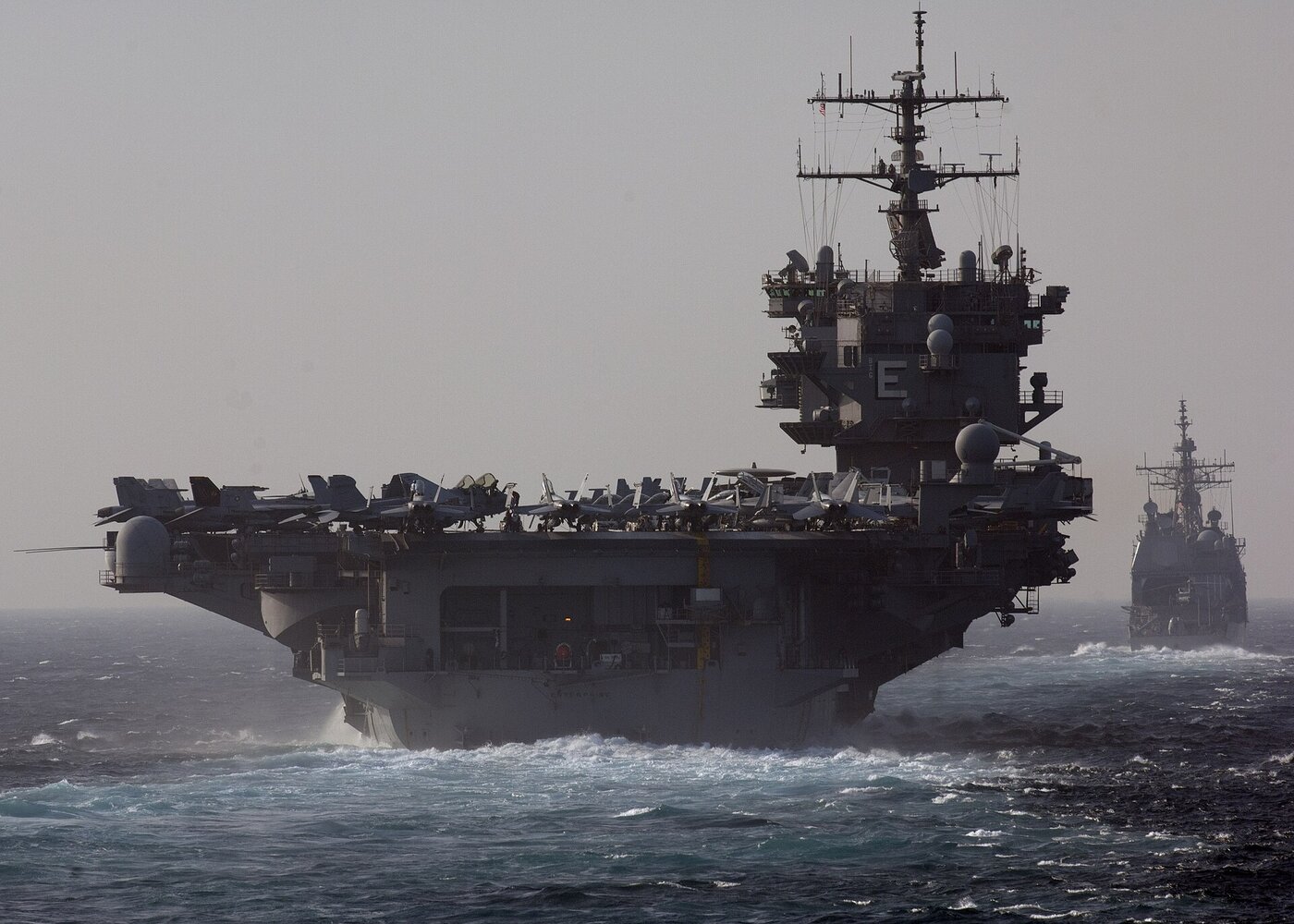
The second decision was the March 27 attack on Prince Sultan Air Base in Saudi Arabia. Six ballistic missiles and 29 drones struck the base, wounding at least ten American service members — two seriously — and damaging multiple KC-135 refueling aircraft and an E-3 Sentry AWACS command-and-control plane, according to the Washington Post, Military Times, and Air and Space Forces Magazine. The strike on Prince Sultan Air Base marked the first time Iran wounded American personnel on Saudi soil during the conflict, an escalation with enormous strategic consequences.
This was not a random act. Striking a Saudi-based facility hosting U.S. forces risks drawing Saudi Arabia deeper into the conflict at a moment when Riyadh has carefully avoided direct military engagement. Iran had previously stopped attacking Saudi territory directly, suggesting a deliberate targeting calculus. The Prince Sultan strike reversed that restraint. Whether Mojtaba Khamenei authorized this specific escalation — or whether it originated from IRGC operational planners and received his retrospective blessing — is the defining command-and-control question of the war.
What Happens When a War Is Waged by an Institution, Not a State?
The distinction between a state-led war and an institution-led war is not rhetorical. It determines the viability of every diplomatic mechanism currently being deployed to end the conflict.
States negotiate. They have foreign ministries, authorized envoys, and heads of state who can commit the entire government apparatus to an agreement. When the United States negotiated the JCPOA in 2015, it negotiated with the Iranian state — and even then, the IRGC’s capacity to undermine the agreement was a persistent concern. In March 2026, the structural problem is worse. Iran rejected Trump’s 15-point peace plan on March 25, with Foreign Minister statements calling it “maximalist” and “unreasonable,” according to Al Jazeera. Iran’s counter-offer included five conditions, among them “international recognition and guarantees for Iran’s authority over the Strait of Hormuz,” according to Outlook India.
But who decided to reject the plan? Mojtaba’s personal vow to keep fighting was reported alongside the rejection, but IRGC commander Ahmad Vahidi — wanted by Interpol for the 1994 AMIA bombing in Buenos Aires that killed 85 people, according to Al Jazeera’s profile of his appointment — commands the operational apparatus. Parliament Speaker Mohammad-Bagher Ghalibaf and IRGC intelligence head Hossein Taeb form the other nodes of the wartime power triangle, according to Sazegara’s Euronews interview. President Masoud Pezeshkian, the nominal head of government, has been “effectively sidelined under wartime conditions.”
Back-channel diplomacy through Oman and Pakistan — which has emerged as a critical intermediary — reaches the foreign ministry and possibly Mojtaba’s office. It does not reach the provincial IRGC commander in Bushehr who controls the Hormuz approach, or the missile unit commander who authorized the Prince Sultan strike, or the intelligence apparatus that Taeb oversees. Catherine Perez-Shakdam warned in the Jerusalem Post that truces or de-escalation “should not be mistaken for moderation” — the Guard Corps may seek respite only to “consolidate power and shift from open confrontation to more favorable forms of pressure” including cyberattacks, proxy operations, and maritime harassment.
The IRGC’s economic weight reinforces its autonomy. The Jerusalem Post reported that Mojtaba Khamenei controls a financial empire worth at least $3 billion across London, the UAE, and several European countries, none in his official name. But the IRGC’s economic holdings dwarf any individual’s. The Guards control construction conglomerates, telecommunications firms, oil and gas contracts, and smuggling networks that generate revenue independent of the Iranian state budget. An institution with its own army, its own intelligence service, and its own revenue streams is not a subordinate organ of government. It is a parallel state.
How Should Saudi Arabia Respond to an Adversary Without a Center?
Saudi strategic planning has historically treated Iran as a unitary actor — a state with a supreme leader who, however hostile, made rational calculations about escalation and de-escalation. The evidence from four weeks of war challenges that assumption. Riyadh must now plan for an adversary where the connection between political authority and military action has frayed, possibly irreparably.
The immediate concern is the credibility of any ceasefire. Gulf states have demanded that Iran’s military be permanently degraded before any deal, a position that reflects skepticism about Tehran’s ability to enforce compliance on its own armed forces. If the IRGC operates with the degree of autonomy the evidence suggests, a ceasefire signed by Iran’s foreign ministry or endorsed by Mojtaba Khamenei may not bind the provincial commands that control missile batteries, drone fleets, and naval assets in the Persian Gulf.
The Zolghadr appointment on March 24 reinforces this concern. Mohammad Bagher Zolghadr — a former IRGC deputy commander-in-chief with eight years as chief of the IRGC Joint Staff — replaced Ali Larijani as secretary of the Supreme National Security Council after Larijani was killed in a U.S.-Israeli air strike, according to Bloomberg and Al Jazeera. Iran International reported that the IRGC “pressured President Pezeshkian” to make the appointment. The highest national security position in Iran is now occupied by an IRGC veteran, appointed under IRGC pressure, replacing a civilian killed in wartime. Every institutional check on military autonomy has been weakened or eliminated.
Patrick Clawson and Farzin Nadimi of the Washington Institute for Near East Policy assessed that Mojtaba’s authority would “likely depend more on maintaining cohesion within the IRGC” than on clerical legitimacy, and predicted he may pursue “extreme options” including ballistic missile expansion, proxy escalation, and nuclear acceleration — a “defiant consolidation” strategy built around IRGC reliance. For Saudi Arabia, this means the adversary is not moderating under pressure. It is hardening.
The practical implications extend to the Houthi threat on Saudi Arabia’s southern border. The mosaic defense doctrine enables proxy coordination at the provincial level. If Houthi operations are directed not from a central Tehran command but from an IRGC provincial command with pre-delegated authority, then eliminating the link between Tehran and Sanaa — a longstanding goal of Saudi and U.S. strategy — may not disrupt the operational relationship.
The Fracture Lines That Could Undo the IRGC’s Grip
The IRGC’s wartime dominance is real but not necessarily permanent. Three structural vulnerabilities could erode its position — though none is likely to manifest while the fighting continues.
The first is economic exhaustion. The war has devastated Iranian infrastructure. U.S. and Israeli forces struck military and government facilities in at least 178 cities across 25 provinces between February 28 and March 17, according to the Hengaw Organization. The World Health Organization identified 13 health infrastructure sites hit by March 5, with 300 health and emergency facilities damaged. At least 1,407 confirmed civilian deaths including 214 children had been documented by HRANA by late March, according to the Washington Post. Iran’s broader economic collapse predated the war, and the conflict has accelerated it. When the IRGC’s promise of resistance produces only rubble, the institution’s domestic legitimacy — distinct from religious legitimacy — will erode.
The second is the theological counter-revolution. The clerical establishment has been subordinated but not eliminated. Senior marjas in Qom and Najaf who remained silent during the succession crisis may not remain silent indefinitely. The Middle East Forum’s analysis of “three crises in Shiism” noted that the subordination of theological authority to military power represents a systemic challenge to the Islamic Republic’s foundational ideology. A marja who publicly questioned Mojtaba’s religious competence would create a crisis the IRGC cannot resolve with military force — religious authority, unlike territorial control, cannot be seized at gunpoint.
The third is factional fragmentation within the IRGC itself. The Guards are not monolithic. The Quds Force, the IRGC Navy, the Aerospace Force, the Ground Force, and the intelligence apparatus each have distinct institutional interests, budgets, and command cultures. Ali Khamenei spent decades balancing these factions, playing one against another to prevent any single commander from accumulating too much power. Mojtaba lacks the relationships and political capital to perform this balancing act. Ahmad Vahidi, as the new overall IRGC commander, may attempt it — but Vahidi is also an IRGC insider, not an arbiter above the factions. Without an effective supreme arbiter, inter-factional competition could eventually produce paralysis or, in a worse scenario, a power struggle that fractures the war effort.
None of these fracture lines offers Riyadh or Washington a near-term opportunity. They are structural weaknesses that operate on timescales of months or years, not weeks. In the immediate term, the military campaign against Iran’s arsenal addresses the symptoms while the disease — an institution that has captured the state it was created to protect — remains untreatable from the outside. The question for Saudi strategists is not how to exploit these fractures today. It is how to position the Kingdom for the moment when they finally open.
Frequently Asked Questions
How many senior Iranian commanders have been killed in the 2026 war?
At least 16 high-ranking officials and commanders have been confirmed killed, according to IranNewsWire’s running tally, though CBS News reported that U.S. intelligence and military sources estimated 40 officials died in the initial February 28 strikes alone. The losses span every branch of Iran’s military hierarchy — from the Khatam al-Anbiya Central Headquarters commander Gholamali Rashid to IRGC Navy chief Alireza Tangsiri, killed on March 26. Israel claims that single strike eliminated all of the IRGC Navy’s key commanders, yet the Hormuz blockade continued without interruption, illustrating how the mosaic defense doctrine absorbs leadership attrition.
Has Mojtaba Khamenei appeared in public since becoming Supreme Leader?
No. As of March 28, Mojtaba Khamenei has not appeared publicly since the Assembly of Experts confirmed his selection on March 8-9. His first statement was written and read by a Press TV news anchor on March 12. Axios reported on March 21 that the CIA was actively searching for signs of his whereabouts and condition. Iranian state media has reported he was wounded in the February 28 strikes that killed his father, mother, and wife, though the severity of his injuries remains unconfirmed by independent sources.
What are Iran’s conditions for ending the war?
Iran set five conditions after rejecting Trump’s 15-point plan on March 25: a complete halt to U.S. and Israeli attacks and assassinations; mechanisms to prevent the war from resuming; compensation for war damages; cessation of all attacks on Hezbollah in Lebanon and pro-Iranian militias in Iraq; and international recognition of Iran’s authority over the Strait of Hormuz. The fifth condition — Hormuz sovereignty — would effectively grant Iran permanent control over 21 percent of global petroleum transit, a demand no Gulf state or maritime power is likely to accept, according to NPR’s analysis of the counter-terms.
What is the velayat-e faqih doctrine and why does it matter now?
Velayat-e faqih — “guardianship of the jurist” — is the foundational doctrine of Iran’s Islamic Republic, holding that the most qualified Islamic scholar should serve as the supreme political and religious authority. The doctrine was developed by Ayatollah Ruhollah Khomeini and enshrined in the 1979 constitution. Its current relevance lies in the widening gap between theory and practice: the doctrine requires the Supreme Leader to be the preeminent religious authority, but Mojtaba Khamenei holds a mid-level clerical rank with no published jurisprudence, according to the FULCRUM analysis from Singapore. The doctrine now functions less as a governing philosophy than as an institutional fiction that legitimizes IRGC power.
Could Iran’s war strategy function without any Supreme Leader at all?
Operationally, yes. The IRGC modeled the mosaic defense doctrine on lessons from decentralized insurgencies that frustrated American forces in Iraq and Afghanistan, according to the Soufan Center. Each provincial command maintains its own target lists, logistics chains, and intelligence networks — meaning the loss of Tehran-based leadership eliminates coordination capacity but not strike capacity. The critical limitation is strategic: without a functioning supreme arbiter, the IRGC cannot easily shift from war to negotiation, redirect resources between theaters, or make the kind of grand strategic trade-offs that ending a war requires. The office of the Supreme Leader matters not for fighting but for stopping.
This analysis draws on reporting from Al Jazeera, NBC News, Foreign Affairs, the Washington Post, Bloomberg, the Jerusalem Post, Iran International, IranWire, the Soufan Center, the Washington Institute for Near East Policy, the Middle East Forum, FULCRUM (ISEAS-Yusof Ishak Institute), Euronews, NPR, CNBC, Axios, the Times of Israel, Air and Space Forces Magazine, Military Times, the Hengaw Organization for Human Rights, HRANA, Lloyd’s List, and Fortune. Iranian state media sources including Press TV, IRIB, Fars, Tasnim, and ISNA were consulted for the regime’s official framing of Mojtaba Khamenei’s succession.