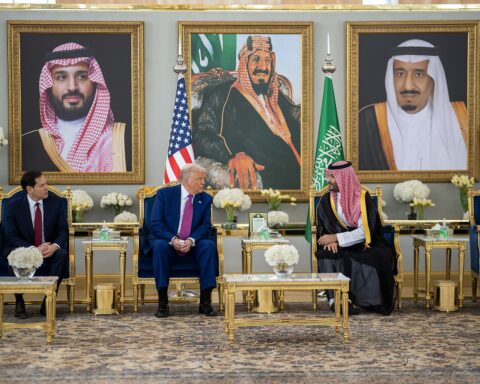
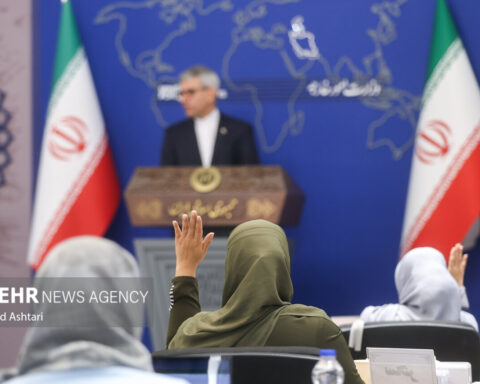
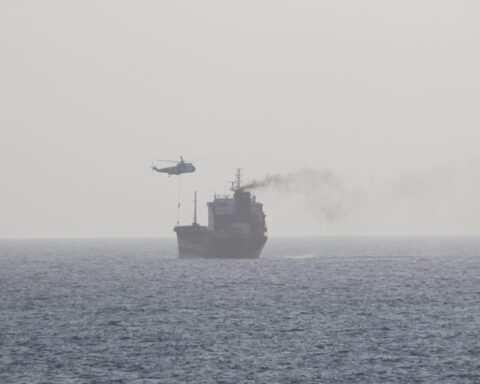
WASHINGTON — President Donald Trump told America’s allies to “build up some delayed courage, go to the Strait, and just TAKE IT” on Tuesday, formally abandoning four decades of US commitment to keeping the Strait of Hormuz open. The declaration leaves Saudi Arabia — which moved 5.5 million barrels a day through the waterway before Iran shut it on March 1 — without the only military power capable of clearing it, four days before Trump’s own April 6 deadline expires.
The statement, posted to Truth Social and repeated to reporters at the White House, inverts a security guarantee that dates to Jimmy Carter’s 1980 State of the Union address, runs through Ronald Reagan’s explicit extension of that guarantee to Saudi Arabia in 1981, and underpins the entire architecture of US Central Command. In a single afternoon, Trump discarded a commitment that five presidents of both parties maintained even when it cost American lives, and told the countries most dependent on it — Saudi Arabia chief among them — to solve it themselves.
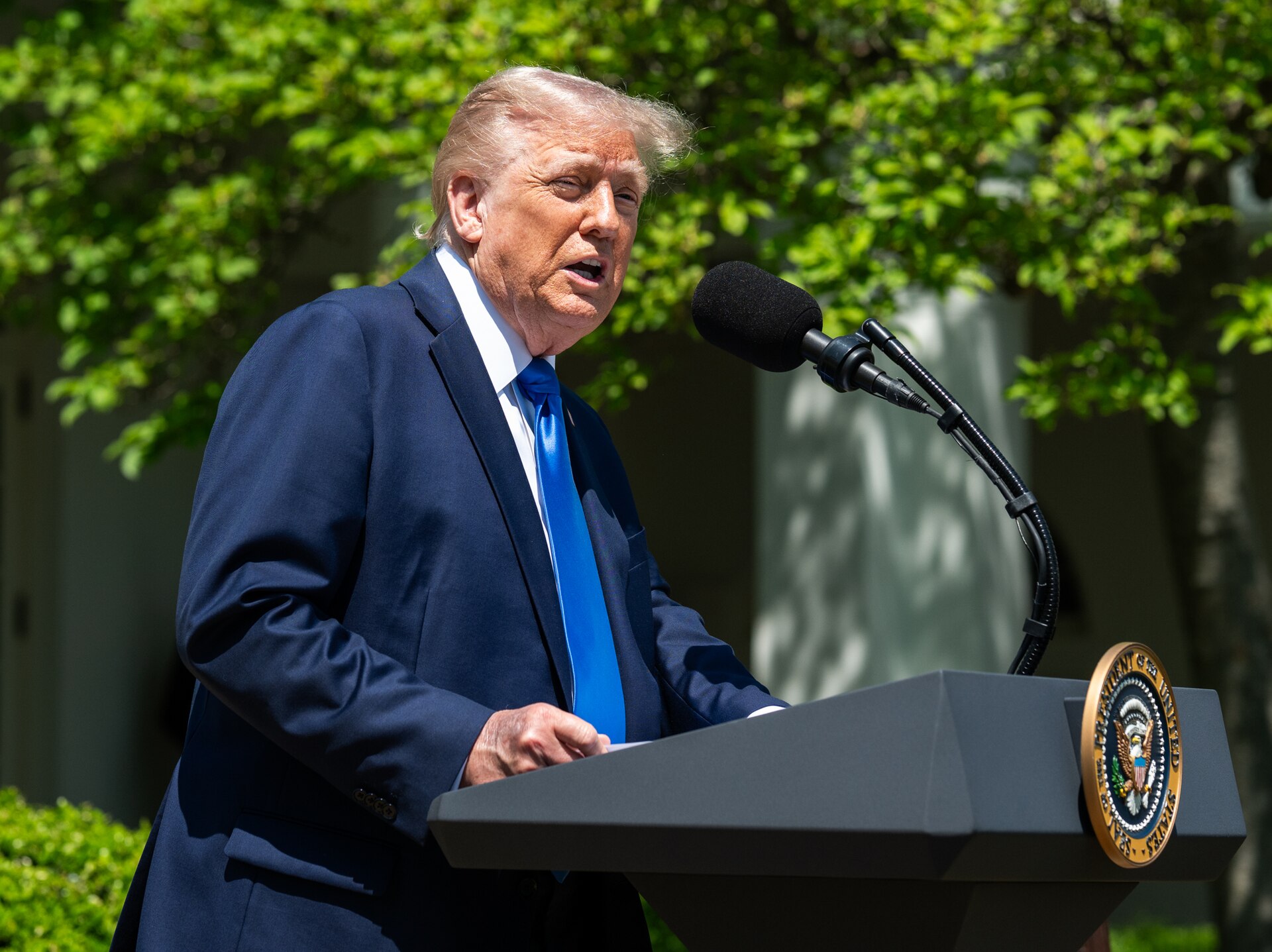
Table of Contents
What Trump Actually Said
The full Truth Social post, published on the morning of April 1, named the United Kingdom specifically. “All of those countries that can’t get jet fuel because of the Strait of Hormuz, like the United Kingdom, which refused to get involved in the decapitation of Iran, I have a suggestion for you,” Trump wrote. “Number 1, buy from the U.S., we have plenty, and Number 2, build up some delayed courage, go to the Strait, and just TAKE IT.” He added that allies would have “to start learning how to fight for yourself, the U.S.A. won’t be there to help you anymore, just like you weren’t there for us.”
Speaking to reporters later the same day, Trump went further — and more bluntly. “We’ll be leaving very soon,” he said of the US military operation against Iran, now in its 34th day. “And if France or some other country wants to get oil or gas, they’ll go up through the strait and — Hormuz Strait. They’ll go right up there, and they’ll be able to fend for themselves. I think it’ll be very safe, actually, but we have nothing to do with that. What happens in the strait we’re not going to have anything to do with.”
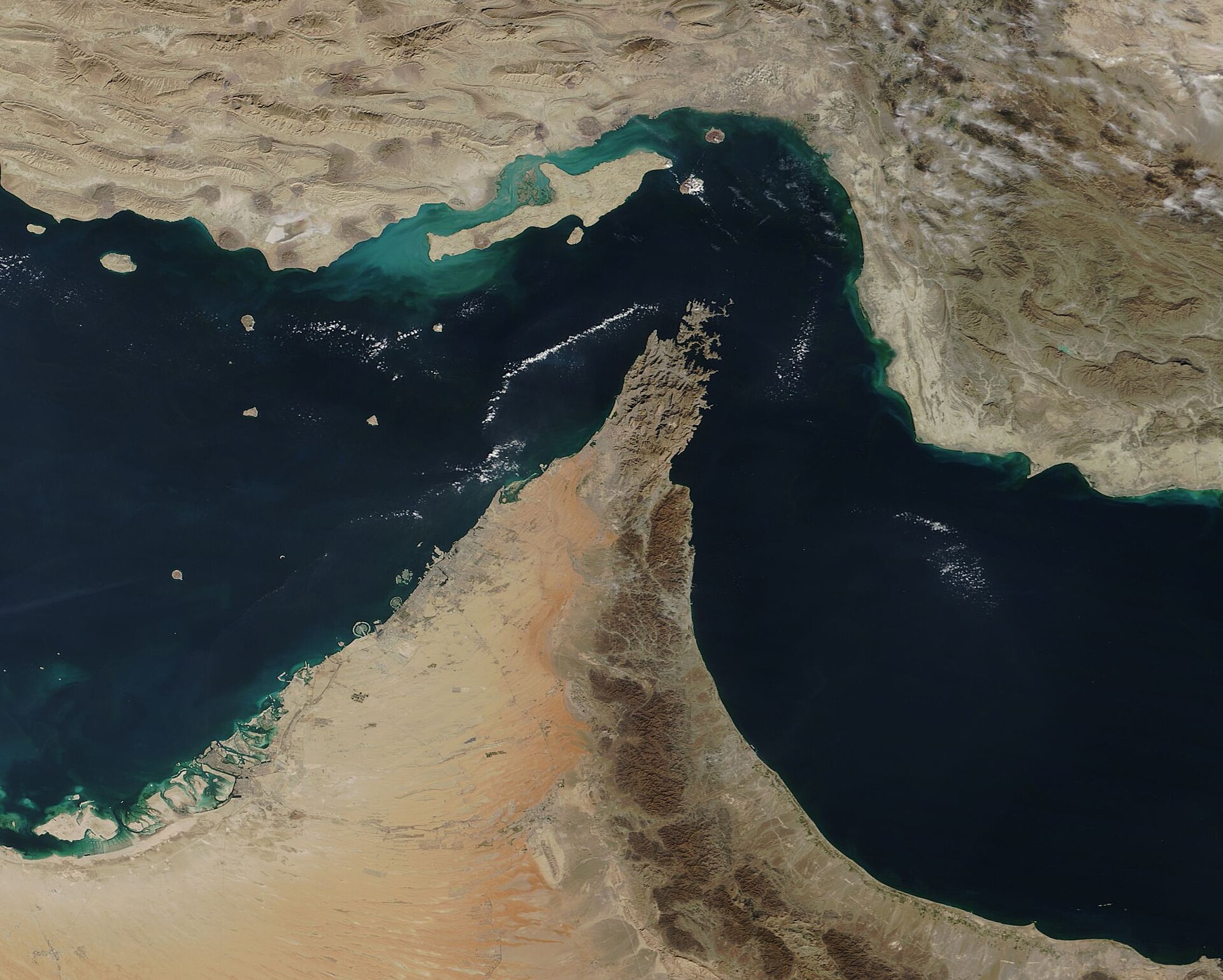
The phrase “I think it’ll be very safe, actually” is worth pausing on, because it contradicts everything the US military’s own intelligence is saying. At least a dozen Iranian naval mines — the Maham-3, a 300-kilogram moored mine with acoustic sensors, and the Maham-7, a 220-kilogram seabed mine designed to evade sonar — are confirmed deployed in the strait, according to Gulf News reporting on IRGC operations. Twenty-four commercial vessels have been struck since February 28. On March 31, only five ships transited the entire waterway.
Secretary of State Marco Rubio reinforced Trump’s message on April 2, telling CNN that US allies’ response to the war had been “very disappointing” and hinting that Trump would “reexamine” American commitments to them when the conflict ends. The diplomatic language was softer than Trump’s social media post, the direction identical.
The Middle East briefing 3,000+ readers start their day with.
One email. Every weekday morning. Free.
The White House Confirms: Hormuz Is Not a “Core Objective”
Trump’s Truth Social outburst did not arrive in a vacuum. Two days earlier, on March 30, White House Press Secretary Karoline Leavitt confirmed to reporters that ensuring safe passage through the Strait of Hormuz is not one of the “core objectives” Trump has set for ending the military operation against Iran, as the Day 34 situation report detailed. The core objectives, as the administration has framed them, centre on Iran’s nuclear programme and its ballistic missile capability — not the waterway through which roughly one-fifth of the world’s oil moves.
That distinction matters enormously, because it means the US could declare victory and withdraw while the strait remains mined, blockaded, and under IRGC control. Top administration officials privately acknowledged as much to CNN on March 31, conceding that they cannot both achieve their military objectives quickly and reopen the strait within Trump’s self-imposed four-to-six-week timeline. As analysis published on March 31 warned, the war could end without the strait reopening at all.
The gap between what the administration says publicly — “it’ll be very safe” — and what its own officials concede privately is the gap Saudi Arabia now has to live inside. Riyadh built its entire energy export model on the assumption that Washington would never let Hormuz close, and now the president is saying, in so many words, that he does not care if it stays closed.
If Not the US Navy, Who Clears the Mines?
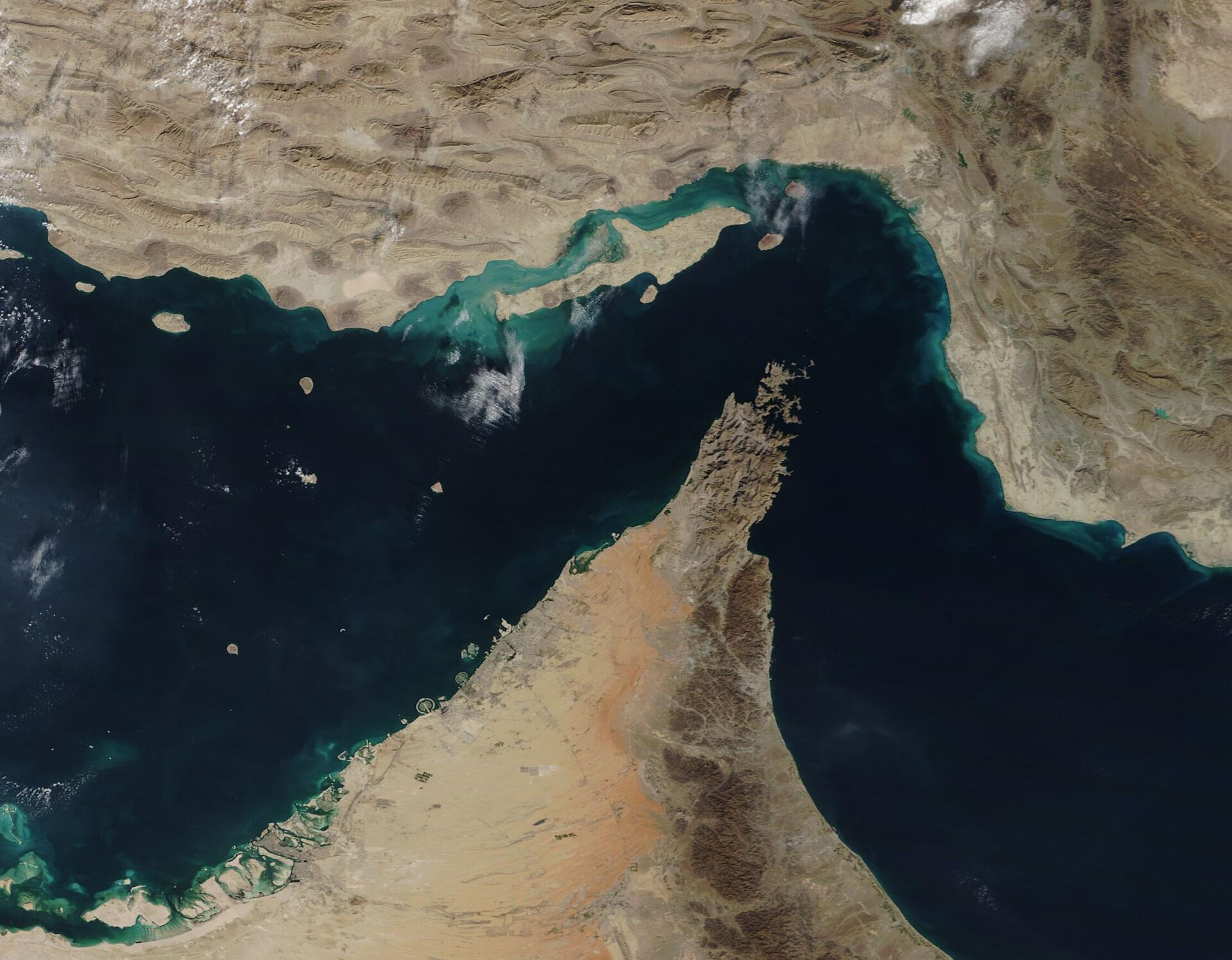
The military logic of Trump’s position collapses the moment you ask the operational question: who possesses the mine countermeasures capability to reopen the Strait of Hormuz? The answer, as of April 2026, is almost nobody — and that includes the United States itself.
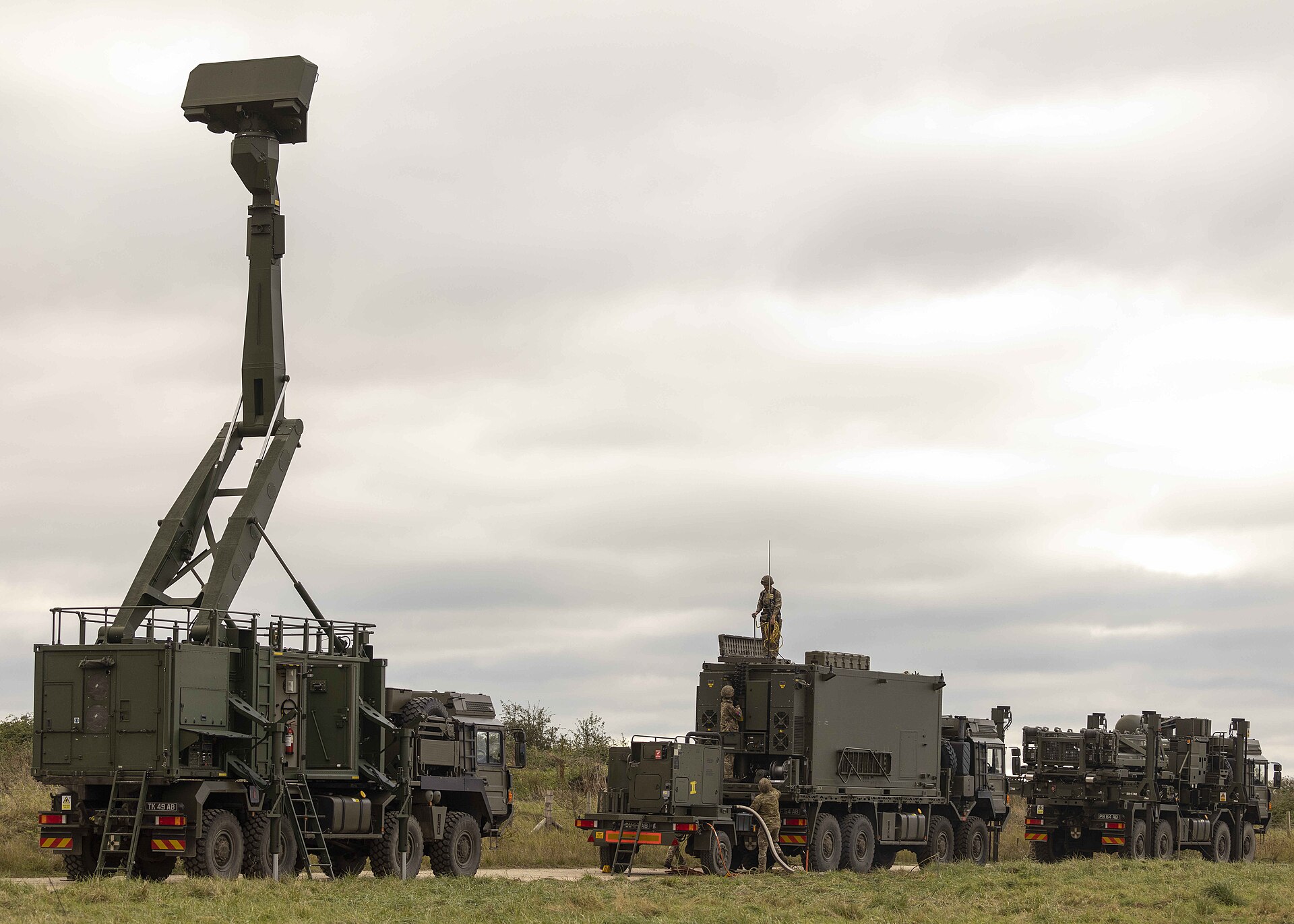
The US Navy retired its last four forward-deployed Avenger-class mine countermeasures ships — USS Devastator, Sentry, Dextrous, and Gladiator — during a final decommissioning ceremony in Bahrain on September 25, 2025, according to Navy Times. The replacement programme relies on three Independence-variant Littoral Combat Ships fitted with mine countermeasures mission packages. As the April 2026 issue of USNI Proceedings detailed in a blistering assessment titled “The Crisis in Mine Countermeasures,” only one of those three — USS Canberra — was immediately available in-theatre when the crisis began.
The LCS mine warfare system is not a like-for-like replacement for the Avengers. Unlike the older ships, which could detect and neutralise mines while underway, all MCM systems aboard an LCS must be deployed individually — a process the Proceedings article describes as time-consuming and limited by system endurance and range. A pre-deployment exercise with USS Tulsa off San Diego resulted in a runaway unmanned surface vehicle that crossed near Mexican territorial waters and could not be recovered by the mothership. The platform lift, data link, test laptops, twin-boom crane, and payload handling systems are each single points of failure with no spares aboard; if any one breaks, operations stop.
The US Defence Intelligence Agency’s estimated stockpile of more than 5,000 Iranian mines dwarfs the capacity of any minesweeping force currently afloat in the Gulf. Clearing the strait would require establishing two swept channels of roughly 2,000 yards each, covering approximately 200 square miles — an operation that would take weeks even with the Avengers still in service, and one that no European or Gulf navy has the equipment to attempt independently. CNN’s own analysis on April 1 stated the conclusion flatly: “Without the support of the US, there’s no chance NATO powers could open the strait and keep it open.”
Iran’s Two-Tier Strait: Open for Friends, Closed for Riyadh
While Trump tells allies to “just TAKE IT,” Iran is building something more sophisticated than a simple blockade. Iranian Foreign Minister Abbas Araghchi announced on March 25 that the strait is open to vessels from five countries — China, Russia, India, Iraq, and Pakistan — provided they coordinate with IRGC authorities and transit through designated corridors near Qeshm and Larak Islands, as earlier reporting on Iran’s two-tier maritime order documented. Malaysia and Thailand were subsequently added to the permitted list.
The selective-access regime is a wedge, driven precisely between the countries Trump is demanding step up and the countries Iran wants to keep onside. China, the world’s largest oil importer, gets its crude. India, the third largest, gets its crude. Russia, already under Western sanctions for Ukraine, trades freely. The countries shut out are the US-aligned ones — and Saudi Arabia, whose tankers loaded in Ras Tanura, Ju’aymah, and other Gulf terminals cannot reach open water without transiting IRGC-controlled lanes.
Ebrahim Azizi, chair of Iran’s Supreme National Security Council, framed the new order explicitly on April 1. “The strait will eventually be reopened to the rest of the world — but not for Trump,” he told the Washington Times. “For those who follow the new rules of the Islamic Republic of Iran.” The phrasing was not accidental: Iran is positioning itself not as a blockader but as a tollkeeper, with the strait reopened on Iranian terms for compliant states and closed indefinitely to those it considers hostile. The Washington Times reported that Iran “aims to make money from the waterway” — a permanent revenue stream extracted from the world’s most critical oil chokepoint.
For Saudi Arabia, this is not an abstract geopolitical concern. The Kingdom is not on Iran’s permitted list. Every barrel that Riyadh cannot move through the Gulf is a barrel it must either route through the already-maxed East-West Pipeline or leave in the ground.
How Exposed Is Saudi Arabia?
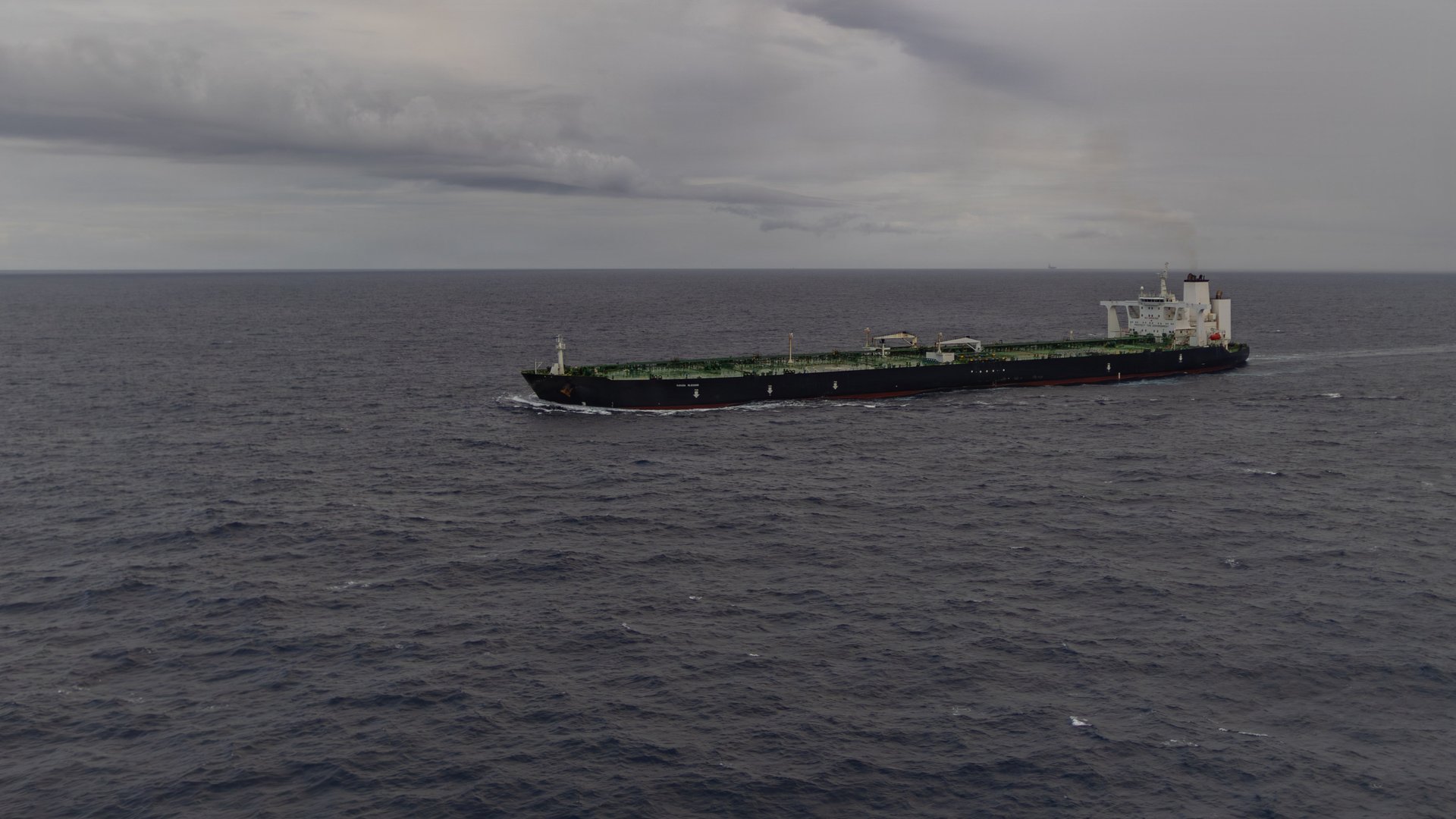
The numbers are punishing. Before the closure, Saudi Arabia exported approximately 5.5 million barrels per day of crude through the Strait of Hormuz, according to the US Energy Information Administration — roughly 38 per cent of total Hormuz crude flows. The Kingdom’s East-West Pipeline, built in 1981 as a Hormuz contingency, is rated at 7 million barrels per day, and Saudi Aramco has pushed it to 100 per cent capacity. But the Yanbu port at its Red Sea terminus has an operationally tested loading capacity of only about 4 million barrels per day, according to Argus Media — creating a 3-million-barrel-per-day bottleneck within the bypass itself.
| Metric | Figure | Source |
|---|---|---|
| Pre-closure Saudi Hormuz exports | ~5.5 million b/d | EIA |
| East-West Pipeline rated capacity | 7 million b/d | Argus Media |
| Yanbu port effective throughput | ~4 million b/d | ENR / Argus Media |
| Pipeline-to-port bottleneck | ~3 million b/d | Calculated |
| Saudi April OPEC+ quota | 10.2 million b/d | OPEC |
| Estimated daily revenue gap | ~$630 million/day | EIA volume data, market price |
| Brent crude (April 2) | $111.69/barrel | Trading Economics |
| Brent crude pre-war (Feb 27) | $71/barrel | EIA |
The gap between what Saudi Arabia can produce and what it can actually ship represents roughly 3 to 5 million barrels per day of stranded capacity, depending on how much domestic refining absorbs. At $111.69 per barrel — where Brent crude closed on April 2, up from $71 before the war — that stranded volume represents approximately $630 million in lost export revenue every day, or $4.4 billion per week. The higher price partially compensates for lower volumes on barrels that do ship, but the net effect remains deeply negative for a country whose 2026 budget was built on assumptions of stable Gulf exports.
The bypass route itself is now under direct threat. On March 30, a Houthi drone struck the SAMREF refinery at Yanbu, briefly halting loading operations, as CNN Business reported. Iran has explicitly threatened to activate the Houthis against the Bab el-Mandeb strait as a secondary chokepoint — meaning Saudi Arabia’s only functioning workaround for Hormuz runs through another waterway that Iran’s proxies can target. As earlier reporting on the collapse of the oil-for-security bargain documented, Saudi Arabia is paying war-era prices for an infrastructure built to handle peacetime disruptions.
Can 35 Countries Without America Reopen a Strait?
On April 3, UK Foreign Secretary Yvette Cooper will chair a virtual summit of 35 nations to “assess all viable diplomatic and political measures” to restore freedom of navigation through the Strait of Hormuz, according to a Downing Street announcement. The attendee list — which includes France, Germany, Italy, Japan, Canada, the UAE, and Bahrain — is long. The United States is not on it.
Cooper has framed the meeting around Iranian “recklessness” hitting “global economic security,” and the joint communiqué is expected to demand Iran cease its blockade and pledge collective action to ensure safe passage. The language will be firm. Whether the military capability exists to back it up is a different question entirely.
The coalition has already fragmented once. In mid-March, seven US allies backed a potential Hormuz naval operation, according to Axios. Since then, Germany, Luxembourg, Japan, and Australia have all declined to send warships. The UK’s Royal Navy is the most capable European force in the Gulf, but its mine countermeasures fleet — four Hunt-class and three Sandown-class vessels — is designed for North Sea and Baltic operations, not sustained Persian Gulf deployment against 5,000-plus Iranian mines in 40-degree heat. France has a single mine warfare vessel in the region.
The GCC Secretary-General has called upon the UN Security Council to “assume its full responsibility and take all necessary measures to protect maritime routes,” according to CBS News — the kind of language that signals a country, or a bloc, that knows it cannot solve the problem alone and is looking for someone, anyone, to take the lead. That someone was supposed to be the United States. As of April 1, it isn’t.
Four Days to April 6
Trump’s own April 6 deadline — the date he set for Iran to reopen the strait or face strikes on civilian energy infrastructure — now sits in direct tension with his “we have nothing to do with that” posture. If Iran does not comply, Trump has threatened to bomb desalination plants and electricity grids. If he follows through, the war escalates and the strait stays closed longer. If he doesn’t, the deadline passes and Iran’s tollkeeper model hardens into permanence.
Saudi Foreign Minister Prince Faisal bin Farhan spoke with UN Secretary-General António Guterres on April 2, discussing “international efforts to reduce tensions,” according to the Saudi Foreign Ministry. The Islamabad quartet of Saudi Arabia, Turkey, Egypt, and Pakistan met on March 29 with no announced breakthrough. Prince Faisal maintains near-daily contact with Iranian Foreign Minister Araghchi — a diplomatic channel that has survived the expulsion of Iran’s military attaché from Riyadh on March 22 — but diplomacy requires two parties willing to make concessions, and Iran holds the physical chokepoint.
The Stimson Center has estimated that a prolonged Hormuz closure puts up to $3.5 trillion — 3.15 per cent of global GDP — at risk. The GCC’s PAC-3 interceptor stocks are depleting under ongoing Iranian missile barrages. And the country that built CENTCOM specifically to prevent this scenario has told the world it has nothing to do with it.
“What happens in the strait we’re not going to have anything to do with.”— President Donald Trump, April 1, 2026
Jimmy Carter declared in January 1980 that any attempt to control the Persian Gulf would be “repelled by any means necessary, including military force.” Ronald Reagan extended that pledge to cover Saudi Arabia specifically. For 46 years, every US president honoured some version of that commitment — through the Tanker War of the 1980s, through two Gulf wars, through the Houthi crisis of 2024. On April 1, 2026, a president told the countries that commitment was built to protect that they should go to the most heavily mined waterway on Earth and “just TAKE IT.”
Saudi Arabia’s foreign minister is on the phone to the UN. Thirty-five countries are meeting without America in the room. Brent crude is at $111, and every day the strait stays shut costs the Kingdom more than half a billion dollars. The pipeline built 45 years ago to survive exactly this moment can move the oil but can’t load the ships fast enough — and the Houthis just proved they can hit Yanbu too.
FAQ
What is the Carter Doctrine and why does Trump’s statement break with it?
President Jimmy Carter declared in his January 1980 State of the Union address that “an attempt by any outside force to gain control of the Persian Gulf region will be regarded as an assault on the vital interests of the United States of America, and such an assault will be repelled by any means necessary, including military force.” President Reagan extended this commitment explicitly to Saudi Arabia in 1981. The entire US military architecture in the Gulf — including the creation of CENTCOM in 1983 from the Carter Doctrine’s Rapid Deployment Joint Task Force — was built around this guarantee. Trump’s April 1 declaration that “what happens in the strait we’re not going to have anything to do with” represents the first explicit presidential repudiation of that 46-year commitment.
Which countries can currently transit the Strait of Hormuz?
Iran’s Foreign Minister Abbas Araghchi announced on March 25 that vessels from China, Russia, India, Iraq, and Pakistan may transit the strait through IRGC-designated corridors near Qeshm and Larak Islands, provided they coordinate with Iranian authorities. Malaysia and Thailand were subsequently added to the permitted list. All US-affiliated vessels remain banned. Saudi-flagged and Saudi-loaded tankers are not on the permitted list, effectively locking the Kingdom’s Gulf exports out of the waterway.
Could European navies reopen the strait without the United States?
Military analysts and CNN’s own assessment say no. The UK Royal Navy — the most capable European force in the region — operates seven mine countermeasures vessels designed for North Sea conditions, not sustained Persian Gulf operations against Iran’s estimated 5,000-mine stockpile. France has a single mine warfare vessel in the Gulf. Even the US Navy’s own capability has degraded since retiring the Avenger-class minesweepers in September 2025, leaving only one of three LCS mine warfare ships operational in-theatre. Clearing the strait would require sweeping approximately 200 square miles of mined water — a weeks-long operation that no non-US navy currently possesses the equipment to execute.
How much oil revenue is Saudi Arabia losing per day?
Saudi Arabia exported approximately 5.5 million barrels per day through Hormuz before the closure. The East-West Pipeline bypass can move up to 7 million b/d, but Yanbu port’s effective loading capacity is only about 4 million b/d, creating a shortfall of 3 to 5 million barrels per day of stranded export capacity. At Brent crude prices of $111.69 per barrel (April 2 close), that stranded volume represents roughly $630 million per day in foregone revenue — approximately $4.4 billion per week. While higher oil prices partially offset the volume loss on barrels that do ship, Saudi Arabia’s 2026 national budget was predicated on stable Gulf export access.
What happens if the April 6 deadline passes without Iran reopening the strait?
Trump threatened to strike Iranian civilian infrastructure — including desalination plants and electricity grids — if Iran does not reopen the strait by April 6. However, his simultaneous declaration that the US has “nothing to do with” the strait creates a contradiction: escalating strikes on civilian targets would likely harden Iran’s blockade rather than lift it, while failing to follow through would signal that the deadline was empty, strengthening Iran’s position as a permanent tollkeeper. The April 6 deadline also coincides with the expiry of a US pause on striking Iranian energy infrastructure, adding further escalation risk regardless of what happens at the strait itself. That contradiction was on full display on April 2, when forty-one nations who have now formed a coalition explicitly without Washington committed to reopening Hormuz through diplomatic and post-conflict military planning — a framework shaped entirely by the doctrine Trump articulated.