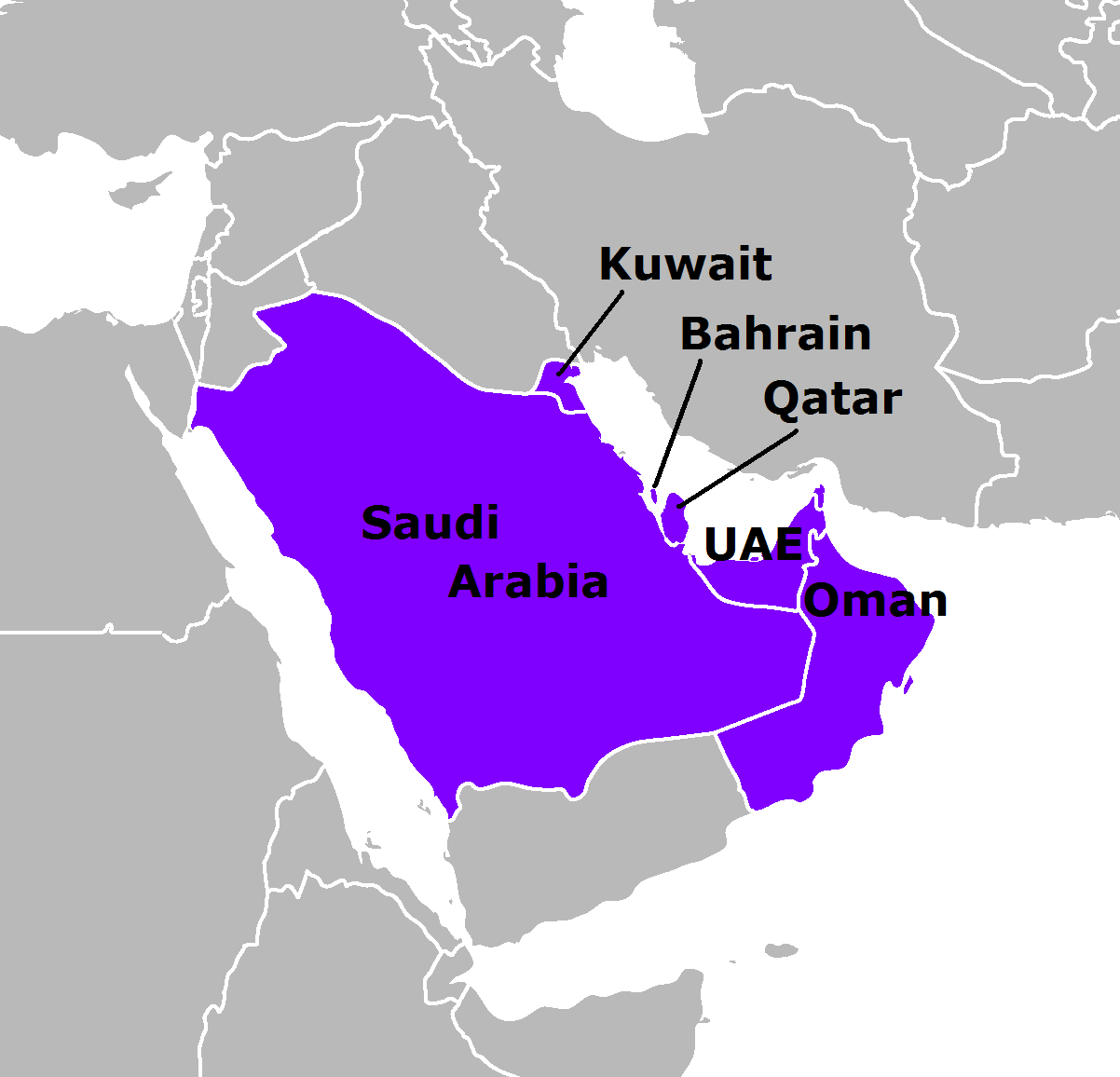
RIYADH — Saudi Arabia, Kuwait, and the United Arab Emirates activated air defenses simultaneously against Iranian missile and drone barrages on April 6, with combined intercept totals across the three states exceeding 130 objects in a single operational window — the largest multi-country salvo of the 37-day war — while Tehran’s foreign ministry declared it had “formulated” its ceasefire response and was transmitting it through intermediaries.
The split posture is not a contradiction; it is a negotiating technique conducted with ballistic missiles. Iran is widening the geographic footprint of its strikes to every major GCC state with Patriot batteries precisely because it wants those batteries emptied before Tuesday’s 8 PM EDT deadline expires, and because it wants the mediators in Cairo, Islamabad, and Ankara to understand that Tehran can sustain this tempo indefinitely — or at least longer than the interceptor stockpiles arrayed against it.
Table of Contents
- The Single-Window Barrage: Three Countries, One Clock
- Saudi Arabia’s Largest Single-Day Intercept
- Kuwait and UAE Under Simultaneous Fire
- Why Shaybah, Al-Kharj, Al Dhafra, and Ali Al Salem?
- How Many Interceptors Are Left?
- Is Tehran’s “Ceasefire Response” a Diplomatic Signal or a Clock-Management Exercise?
- Background
- FAQ
The Single-Window Barrage: Three Countries, One Clock
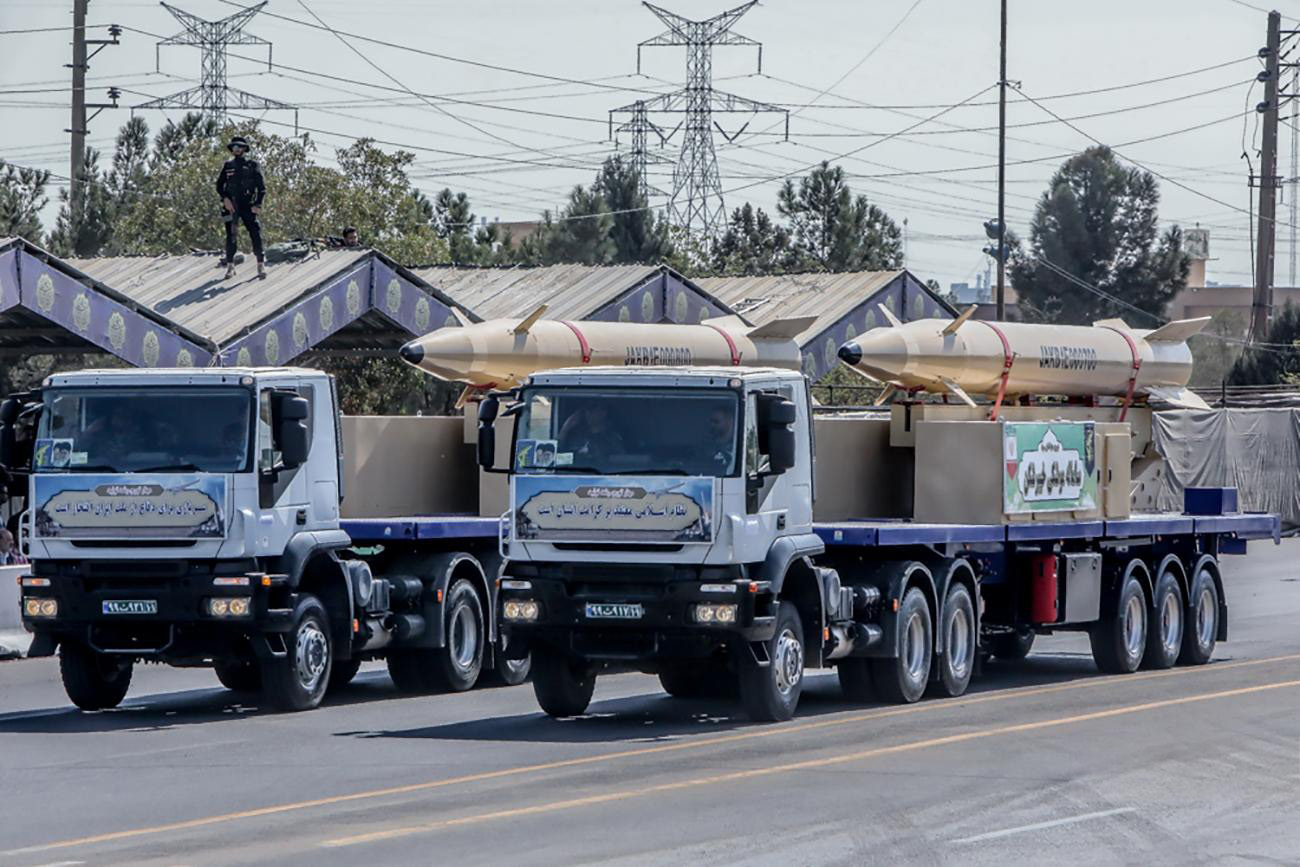
The operational signature of April 6 was simultaneity. Iran did not stagger its attacks across the GCC in sequence, which would have allowed each country’s air defense network to absorb and recover. Instead, according to statements from the Saudi, Kuwaiti, and Emirati defense ministries, all three countries reported active interceptions within the same hours-long window — a pattern consistent with a coordinated launch timed to prevent the kind of reserve-sharing between Patriot batteries that extends collective stockpile life.
Saudi air defenses intercepted 21 drones and 7 ballistic missiles “across the Kingdom,” according to the Saudi Gazette’s April 6 frontpage. Kuwait’s Ministry of Defense confirmed its forces dealt with 9 ballistic missiles, 4 cruise missiles, and 31 drones — a total of 44 objects — within the preceding 24 hours, per Colonel Staff Saud al-Atwan, the ministry’s spokesman, speaking to Anadolu Agency. The UAE, which on April 5 alone intercepted 9 ballistic missiles, 1 cruise missile, and 50 drones according to the UAE Ministry of Defense, continued engaging incoming fire on April 6 as part of the same operational cycle.
Combined across all three states, the 24-hour intercept total exceeds 130 objects — drones, ballistic missiles, and cruise missiles — in a single window. Between March 28 and April 1, the FDD’s Long War Journal documented nearly 90 distinct incidents across the GCC, with mass barrages of 20-plus ballistic missiles and 30-40 drones per wave. April 6 compressed that week-long tempo into a single day.
Saudi Arabia’s Largest Single-Day Intercept
The 28 combined objects intercepted over Saudi Arabia on April 6 — 21 drones and 7 ballistic missiles — represent the Kingdom’s largest confirmed single-day intercept total of the conflict, a 65 percent increase over the 17 objects (10 drones and 7 missiles) engaged on April 5 over Riyadh and the Eastern Province. Saudi Arabia’s cumulative war-to-date total now stands above 460 drones and 43 missiles intercepted, according to Arab News and Saudi Gazette reporting.
The Middle East briefing 3,000+ readers start their day with.
One email. Every weekday morning. Free.
The geographic spread of April 6’s intercepts — described by the Saudi Gazette as “across the Kingdom” rather than limited to Riyadh and the Eastern Province — indicates that Iran expanded its target set within Saudi territory as well as across the GCC. The Shaybah oil field in the Empty Quarter, Aramco’s 1-million-barrel-per-day upstream facility deep in the Rub’ al-Khali, was a confirmed target. Argus Media reported that 20 drones heading for Shaybah were detected and intercepted in five waves between 02:11 and 07:21 local time.
Prince Sultan Air Base at Al-Kharj, the hub for US air operations in the Kingdom, was targeted for at least the fourth consecutive day, according to Arab News — making it the most-attacked Saudi installation in the current escalation phase.
It was from Prince Sultan that the 155-aircraft rescue operation for the downed F-15E WSO launched on April 5 — the same mission Trump cited at his April 6 press conference to claim Iran could be “taken out in one night.” The 155-aircraft escalation logic Trump deployed at the April 6 press conference depends on base infrastructure now bearing the scars of four consecutive days of Iranian strikes, including the destruction of an E-3G Sentry and at least three KC-135 tankers.
Kuwait and UAE Under Simultaneous Fire
Kuwait’s war has received less international attention than Saudi Arabia’s or the UAE’s, but the numbers tell a different story. Colonel al-Atwan’s 24-hour breakdown — 9 ballistic missiles, 4 cruise missiles, 31 drones — means Kuwait intercepted more total objects (44) than Saudi Arabia (28) in the same window, despite having a fraction of the latter’s air defense depth. Kuwait’s cumulative war-to-date intercept count now stands at 97 ballistic missiles and 283 drones, per the Kuwaiti Ministry of Defense. For a country with roughly four Patriot batteries, that is an extraordinary operational load.
Iranian strikes on Kuwait have targeted critical civilian infrastructure repeatedly. An earlier barrage hit two power and water desalination plants, facilities linked to the oil sector and Kuwait Petroleum Corporation, and a building within the government ministries complex, according to Kuwait Times. Ali Al Salem Air Base, which hosts US and coalition forces including Italian troops, was again targeted on April 6 as part of the multi-country salvo, per the Jerusalem Post.
The UAE’s intercept burden is the heaviest in the coalition. As of April 4, the UAE Ministry of Defense reported a cumulative total of 498 ballistic missiles, 2,141 drones, and 23 cruise missiles intercepted since the war began on February 28. The April 5 single-day total of 60 objects followed an April 3 peak of 69 objects — 18 ballistic missiles, 4 cruise missiles, and 47 drones — reported by Gulf News. Al Dhafra Air Base, where the US stations MQ-9 Reapers and U-2 surveillance aircraft, was hit again.
The human cost of interception is materializing in debris patterns. Four people — a Nepalese national who suffered severe injuries and three Pakistani nationals — were hurt by falling shrapnel at Khor Fakkan port in Sharjah on April 5, following what UAE authorities described as a “capable interception” of incoming fire, according to Khaleej Times. Intercept debris also caused fires and damage to civilian infrastructure in Abu Dhabi and Dubai.
Why Shaybah, Al-Kharj, Al Dhafra, and Ali Al Salem?
Iran’s target selection on April 6 combined both categories it had previously kept separate: energy infrastructure and US military installations. The opening phase of the war, beginning February 28, prioritized US bases — Al Dhafra, Ali Al Salem, Al Udeid in Qatar, and the Fifth Fleet headquarters in Bahrain. Subsequent phases layered in energy targets: the Ruwais refinery, Ras Tanura, the East-West Pipeline corridor. April 6 fused both into a single coordinated barrage across three sovereign territories, according to analysis by CSIS and the Wikipedia timeline of the conflict.
The CSIS assessment of Iran’s escalation strategy, published in 2026, frames this as deliberate: Tehran’s war plans include “both horizontal escalation — widening the geographic scope of the war — and vertical escalation, ratcheting up the conflict through its choice of targets, tactics, and weapons.” The April 6 barrage does both at once. Hitting Shaybah — 300 kilometers from the nearest population center, deep in the Empty Quarter — simultaneously with Prince Sultan Air Base, Al Dhafra, and Ali Al Salem forces every Patriot battery in the coalition to defend its own perimeter rather than sharing interceptor reserves with neighbors.
The Ruwais precedent demonstrates what happens when air defense fails. ADNOC shut down its 922,000-bpd Ruwais refinery complex in Abu Dhabi after a drone penetrated UAE air defense and started a fire, according to Hydrocarbon Processing. Ruwais Refinery 2’s 417,000-bpd crude distillation unit was halted entirely, and Refinery 1 had already reduced operations by 10-20 percent since March 6. That is the outcome Iran is engineering at Shaybah — and the reason Saudi air defenses committed to intercepting all 20 drones across five waves rather than triaging.
How Many Interceptors Are Left?
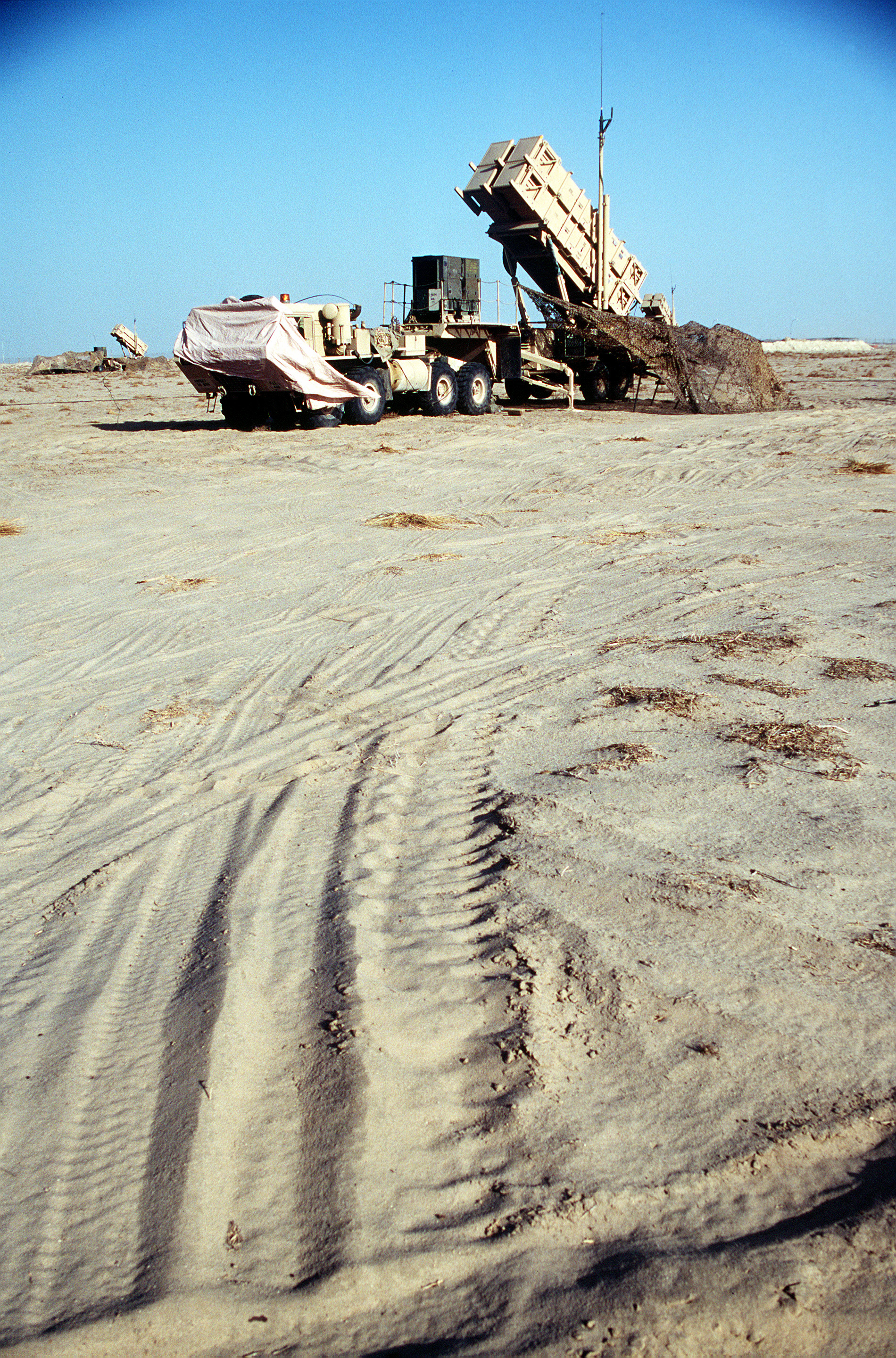
The arithmetic governing this war is not about how many missiles Iran can fire. It is about how many missiles the GCC can stop. And the answer, five weeks in, is: not enough for much longer. GCC states collectively have fired approximately 2,400 interceptors — primarily PAC-3 and GEM-T variants — in 35 days of combat, representing roughly 85 percent of the pre-conflict combined stockpile of approximately 2,800 units, according to reporting by this publication and TheDefenseNews.com.
The remaining inventory tells the story. PAC-3 MSE stocks across the GCC are estimated at approximately 400 rounds — 14 percent of pre-war levels. Bahrain is at 87 percent depletion. The UAE and Kuwait are at approximately 75 percent. Qatar, which has faced the lightest barrage, sits at roughly 40 percent, per CSIS’s drone campaign analysis. Lockheed Martin produces approximately 620 PAC-3 MSE interceptors per year at peak output — about 50 per month. The coalition burned through the equivalent of 19 months of that production in the war’s first four days alone.
Saudi Arabia’s Ministry of Defense subsequently released its first cumulative air defense tally — 894 threats intercepted and destroyed over 35 days, with PAC-3 MSE stockpiles down 86 percent from pre-war levels and approximately two to three weeks of operational coverage remaining.
“The decisive advantage belongs to whoever replenishes critical stockpiles fastest.”
— RUSI, “Over 11,000 Munitions in 16 Days of the Iran War: Command of the Reload Governs Endurance,” March 2026
THAAD, the upper-tier system that intercepts ballistic missiles in their terminal phase — the system that stops the warheads Patriot cannot reach — is in worse shape. The US expended 198 of its 534 available THAAD interceptors in the war’s first 16 days, according to CSIS: 37 percent of total US inventory, with the next scheduled delivery not until April 2027. The US has directed a quadrupling of PAC-3 and THAAD production, per Army Recognition, but a framework agreement signed in January 2026 targets 2,000 PAC-3 units annually — a capacity that will not materialize until the end of 2030.
Poland has already rejected a US request to transfer a Patriot battery to Saudi Arabia, underlining how thin the resupply pipeline has become. At current burn rates, the remaining Patriot inventory could be functionally exhausted within two to three weeks absent emergency resupply, according to TheDefenseNews.com. RUSI’s assessment is blunter: replacing the interceptors expended during this conflict could take two to three years even with accelerated production.
| Country | Estimated PAC-3 Depletion | Cumulative Intercepts (War to Date) |
|---|---|---|
| Bahrain | ~87% | Not disclosed |
| UAE | ~75% | 498 BMs, 2,141 drones, 23 CMs |
| Kuwait | ~75% | 97 BMs, 283 drones |
| Saudi Arabia | Not disclosed | 460+ drones, 43+ missiles |
| Qatar | ~40% | Not disclosed |
Sources: CSIS drone campaign analysis (2026), UAE MoD (April 4), Kuwaiti MoD (April 6), Arab News/Saudi Gazette (April 6). Saudi depletion rate not independently estimated; cumulative intercept data compiled from official statements.
Is Tehran’s “Ceasefire Response” a Diplomatic Signal or a Clock-Management Exercise?
Iran’s foreign ministry spokesman announced on April 6 that Tehran had “formulated” its positions and demands in response to ceasefire proposals conveyed through Egyptian, Pakistani, and Turkish intermediaries, but added that negotiations were “incompatible with ultimatums and threats to commit war crimes,” according to Al Jazeera’s liveblog. A senior Iranian official told Reuters that Tehran would not reopen the Strait of Hormuz in exchange for a “temporary ceasefire,” saying Washington lacked the readiness for a permanent deal.
The diplomatic choreography is precise. The 45-day ceasefire framework, transmitted late on April 5 to both Foreign Minister Abbas Araghchi and US envoy Steve Witkoff, calls for a phased approach: Phase 1 would establish a 45-day ceasefire, with Hormuz and Iran’s enriched uranium program deferred to Phase 2. Iran’s five-point counter-proposal, however, includes Hormuz sovereignty recognition as a Phase 2 prerequisite — a condition that structurally precludes Phase 1 agreement, because it asks the US to concede on the issue that triggered Trump’s deadline before any ceasefire takes effect.
“You cannot speak to the people of Iran in the language of threats and deadlines. We do not set any deadline for defending ourselves.”
— Abbas Araghchi, Iranian Foreign Minister, April 6, 2026 (PBS NewsHour)
The IRGC’s parallel messaging was less diplomatic. General Ali Abdollahi Aliabadi, speaking from the Khatam al-Anbiya Central Headquarters, called Trump’s ultimatum “a helpless, nervous, unbalanced and stupid action” and warned that “the simple meaning of this message is that the gates of hell will open for you,” according to WION and Reuters. The IRGC framing is consistent with its operational doctrine: coercive pressure is met with counter-escalation, not concession. The April 6 barrage is the military grammar of that sentence.
The timing is not accidental. Trump’s deadline — shifted from April 6 at 8 PM EDT to April 7 at 8 PM EDT, a 23-hour extension — gives Iran roughly 30 hours from the barrage to the expiry. By launching its widest-yet attack while simultaneously claiming to have “formulated” its diplomatic response, Tehran is running a split posture that is less paradox than pressure play: the barrages make the ceasefire terms more expensive to reject, because every hour of continued fighting drains the interceptor stocks that keep GCC cities from burning. The mediators who named Saudi Arabia as a co-guarantor of any ceasefire now have to calculate whether the Kingdom’s air defense architecture will survive long enough to guarantee anything at all. Iran’s accompanying claim of 12 US aircraft destroyed since April 3 — dissected in full at the 12-aircraft claim Iran’s state media built since April 3 — provides the accounting basis for Tehran’s war-damages demand.
Background
The Iran war began on February 28, 2026, when the United States and Israel launched coordinated strikes on sites across Iran, killing Supreme Leader Ali Khamenei and multiple senior officials. Iran responded with missile and drone strikes against Israel, US military bases, and US-allied Gulf states, while closing the Strait of Hormuz — the chokepoint through which roughly 20 percent of global oil transits. In the 37 days since, Iran has sustained a daily barrage against GCC states, targeting military installations, energy infrastructure, and, increasingly, civilian areas in what AFP has described as “the most intense and heaviest” air campaign since the war began.
The diplomatic track has produced two competing ceasefire frameworks — a Pakistani-brokered “Islamabad Accord” calling for an immediate 15-20 day ceasefire, and the broader 45-day phased proposal transmitted through Egyptian, Pakistani, and Turkish intermediaries — but neither has gained traction. Iran’s authorization structure is fractured: Supreme Leader Khamenei has been absent for 29 days, the IRGC’s second intelligence chief was killed on April 6, and the Supreme National Security Council’s deputy secretary is under international sanctions, leaving no single authority capable of binding the military to a ceasefire even if one were agreed. The US, meanwhile, has issued OFAC General License U permitting Indian imports of Iranian crude — licensing the very oil revenue stream it is bombing Iranian bases to degrade.
Saudi Arabia’s own position is strained. The Kingdom’s non-oil PMI collapsed to 48.8 in March, its first contraction in years, and its exports have been rerouted through the East-West Pipeline to Yanbu on the Red Sea to bypass the Hormuz closure. Greece is operating Patriot batteries on Saudi soil as part of a bilateral air defense architecture, and the coalition’s interceptor consumption is now outpacing any realistic resupply timeline.
FAQ
How does Iran coordinate simultaneous strikes across three countries?
Iran operates a distributed launch infrastructure that includes fixed ballistic missile sites, mobile transporter-erector-launchers (TELs) for medium-range ballistic missiles, and forward-deployed one-way attack drone launch points. The IRGC’s Aerospace Force, which controls the ballistic missile program, and the IRGC Navy, which has deployed anti-ship and land-attack cruise missiles, can execute coordinated launch sequences through a centralized fire-control network. Simultaneous launch windows across multiple countries prevent any single Patriot battery from serving as a reserve for its neighbors — the precise effect Iran’s fire-control sequencing is designed to produce.
Can the US resupply GCC Patriot batteries fast enough to prevent depletion?
Almost certainly not at current production rates. Lockheed Martin’s peak annual output is approximately 620 PAC-3 MSE interceptors. The GCC has consumed roughly 2,400 interceptors in 35 days. Even with the Pentagon’s directive to quadruple production, the January 2026 framework agreement targets 2,000 units per year — a capacity that will not be reached until the end of 2030, according to Breaking Defense. Emergency transfers from US stockpiles or allied nations are the only near-term option, but Poland has already rejected one such request, and the US military’s own THAAD inventory is at approximately 63 percent of pre-war levels with no new deliveries until April 2027.
What happens if Patriot stocks are exhausted?
Without PAC-3 interceptors, the GCC’s lower-tier air defense — the system designed to destroy incoming ballistic missiles and cruise missiles in their final approach — would rely on older, less capable systems such as the Hawk and the I-HAWK, which lack the hit-to-kill precision of the PAC-3. THAAD would continue to provide upper-tier ballistic missile defense, but its inventory is also depleted. The practical consequence would be a dramatic increase in the percentage of Iranian missiles and drones reaching their targets, which in the case of energy infrastructure like Shaybah or Ruwais could mean sustained production shutdowns measured in months rather than days.
Why is Iran targeting energy infrastructure and military bases simultaneously?
The dual targeting forces defenders into a triage dilemma. A Patriot battery assigned to protect a military airfield cannot simultaneously defend a refinery 50 kilometers away if both are under attack. By hitting energy infrastructure — which drives GCC government revenue and global oil prices — alongside US military bases, Iran imposes costs on two separate constituencies: the GCC governments whose fiscal stability depends on hydrocarbon exports, and the US military whose operational continuity depends on base survivability. The combination is designed to accelerate pressure on both to negotiate on Tehran’s terms.
Has the Al Daayen LNG transit through Hormuz affected Iran’s military calculations?
The successful Chinese-brokered transit of the Qatari LNG carrier Al Daayen through the Strait of Hormuz on April 6 demonstrates that Iran is applying the blockade selectively rather than absolutely. The IRGC has created a de facto permit system — exempting gas-lane traffic brokered by Beijing while maintaining the crude-oil blockade. This selectivity is itself a bargaining instrument: it proves Iran can open and close the strait at will, which makes the threat of permanent closure more credible in ceasefire negotiations. The military barrage and the selective Hormuz transit are two instruments of the same coercive strategy.
On the same day as the barrage, Israel struck the South Pars petrochemical complex a second time, killing two senior IRGC commanders. Israel’s re-strike of South Pars on the deadline day — which rendered 85 percent of Iran’s petrochemical capacity non-operational — compounded the pressure Tehran was simultaneously absorbing from the GCC-wide missile and drone campaign. The seven-missile barrage against Saudi Arabia’s Eastern Province on April 7 produced a direct secondary effect: Saudi Arabia shut the King Fahd Causeway for several hours as a precautionary measure, briefly severing the only land link between the Arabian Peninsula and Bahrain and isolating the US Fifth Fleet’s land-side logistics. The causeway closure and its implications for the Fifth Fleet, Bahrain’s import dependency, and the IRGC’s counter-target list are analyzed here.
The April 7 barrage extended this multi-node doctrine to Jubail Industrial City, where debris from 11 intercepted missiles ignited SABIC’s petrochemical complex — confirming that Iran’s strategy accounts for the fire damage that intercept success alone cannot prevent. Analysis of the Jubail SABIC fire and the debris-damage failure mode is here. The pattern continued into the ceasefire window itself: on April 8, IRGC drones continued striking Kuwait’s Mina Al Ahmadi refinery and desalination plants hours after the halt order was issued, confirming the multi-node campaign did not pause. The April 8 post-ceasefire Kuwait strikes are documented here.