
Most visitors picture Saudi Arabia as an endless expanse of sand and stone. They are not wrong — for ten months of the year. But between late January and early April, winter rains awaken seeds that have lain dormant for years, and the Kingdom’s deserts, plateaus and mountain valleys erupt in carpets of yellow, white, purple and red wildflowers. This is the Saudi spring bloom, one of the Middle East’s most underrated natural spectacles and a compelling reason to plan your visit around the cooler months. Whether you are building a broader Saudi Arabia travel itinerary or chasing this specific phenomenon, this guide maps every region, species and practical detail you need to catch the desert in flower.
Best Time to Visit: Late January to early April (peak: February — March)
Getting There: Fly into Riyadh (central blooms), Ha’il (northern poppies) or Abha (highland flowers); domestic flights connect all regions
Visa Required: Yes — tourist e-visa
Budget: USD 80–150 per day (car rental essential for remote bloom sites)
Must-See: Rawdat Khuraim (Riyadh), Al-Didhan Poppy Reserve (Ha’il), Asir highlands
Avoid: Visiting after April — heat kills blooms within days, and most flowers will have withered
Why Saudi Arabia Blooms in Spring
Saudi Arabia is home to more than 2,250 recorded plant species, a number that surprises anyone who equates the Arabian Peninsula with barren desert. Many of these species are ephemeral annuals — plants whose seeds survive extreme heat encased in protective coatings that inhibit germination until sufficient rainfall dissolves them. When the winter monsoon or late-season cold fronts deliver rain between November and February, a biological clock starts ticking. Within two to six weeks of soaking, the desert floor becomes a living canvas.
The bloom is not guaranteed every year. Rainfall totals vary dramatically; a good season requires at least 30–50 mm of cumulative winter rain. When conditions align — as they have in several recent years — the transformation is staggering. Arid basins that look lunar in summer become meadows dense enough to obscure the sand beneath. The window is narrow: most blooms last only two to four weeks before the rising spring temperatures shut them down.
When to Go: Timing the Bloom
The precise timing shifts each year depending on rainfall, but the general pattern holds:
| Period | What to Expect | Best Regions |
|---|---|---|
| Late January — mid February | Early bloomers emerge in warmer lowlands; Zamlouq (Senecio glaucus) appears in the Northern Borders | Northern Borders, Nafud desert fringes |
| Mid February — mid March | Peak bloom across central and northern Saudi Arabia; poppies carpet Ha’il; Rawdat Khuraim turns green | Ha’il, Riyadh region, Qassim, Al Jouf |
| March — early April | Highland flowers peak in Asir and Taif; Taif rose harvest begins late March; AlUla’s Fragrant Oxeye blooms | Asir highlands, Taif, AlUla, Tabuk |
| April | Yanbu Flower Festival (through April 23); last highland blooms at altitude; lowland flowers fading | Yanbu, Al Soudah, higher elevations only |
Tip: Follow Saudi nature accounts on social media during January and February. Local photographers post bloom updates in real time, which is the most reliable way to pinpoint where flowers are peaking in any given year. The bloom can shift by two to three weeks depending on rainfall timing.
If you are planning around specific February or March events, both months overlap with peak wildflower season and offer the Kingdom’s best weather overall.
The Best Places to See Spring Wildflowers
Rawdat Khuraim — Riyadh’s Green Escape
Just 100 kilometres northeast of Riyadh, Rawdat Khuraim — literally “the garden of Khuraim” and locally known as the King’s Forest — is the most accessible wildflower destination in central Saudi Arabia. This natural depression collects runoff from surrounding terrain, creating a microhabitat where grasses, lavender, trefoil and dozens of wildflower species thrive after winter rain.
In a good spring, the entire basin turns vivid green, dotted with yellow, purple and white flowers. Shallow seasonal pools attract migratory birds, making it a dual-purpose destination for birdwatchers and botanists. The drive from Riyadh takes roughly 90 minutes on paved roads, and there are no entrance fees. Vehicle access is sometimes restricted during peak bloom to protect the vegetation, so be prepared to walk.
Practical note: There are no facilities at Rawdat Khuraim — no restaurants, no toilets, no shade structures. Bring water, food, sun protection and a full tank of fuel. A rental car is essential.
Al-Didhan Poppy Reserve — Ha’il
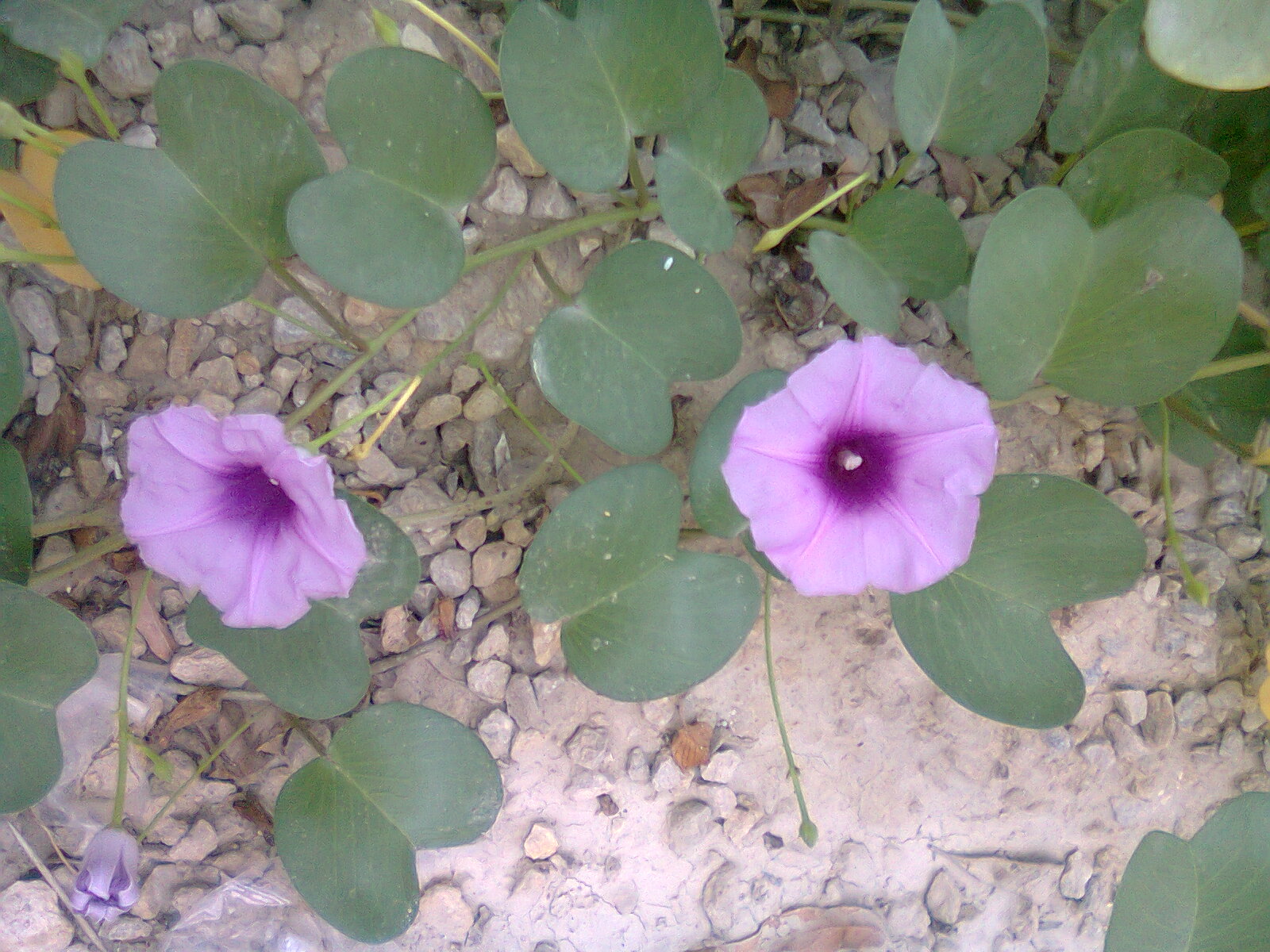
The Al-Didhan Reserve in Al-Khattah, north of Ha’il city, is Saudi Arabia’s most photogenic wildflower destination. Opened in 2022, this 10,000-square-metre reserve frames sweeping fields of red common poppies (Papaver) against golden sand dunes and dark volcanic mountains — a colour contrast that looks almost digitally enhanced but is entirely real.
The reserve has developed visitor infrastructure including shaded huts, seating areas, local cafes serving regional cuisine, and seasonal agricultural products for sale. Spring is the only time to visit; the poppies bloom from roughly mid-February through March, with the deepest reds appearing just before sunset. Ha’il is a 385-kilometre drive northwest of Riyadh, or a short domestic flight.
Ha’il also sits within the boundaries of the King Salman bin Abdulaziz Royal Natural Reserve, the Kingdom’s largest protected area at 130,700 square kilometres spanning four provinces. The reserve supports more than 230 plant species and 290 bird species, making it one of the most biodiverse zones in the Arabian Peninsula.
Asir Highlands — Mountain Wildflowers
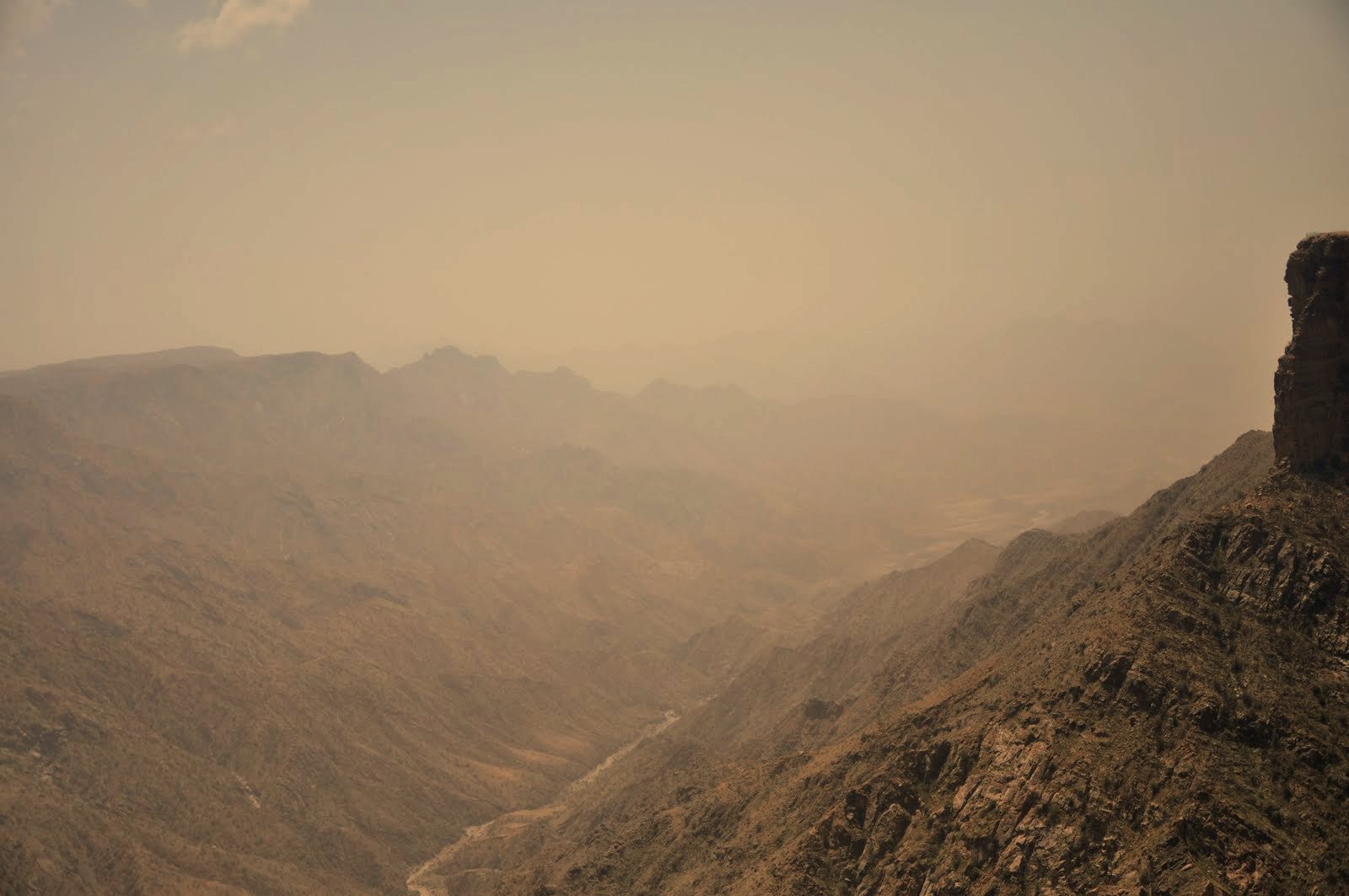
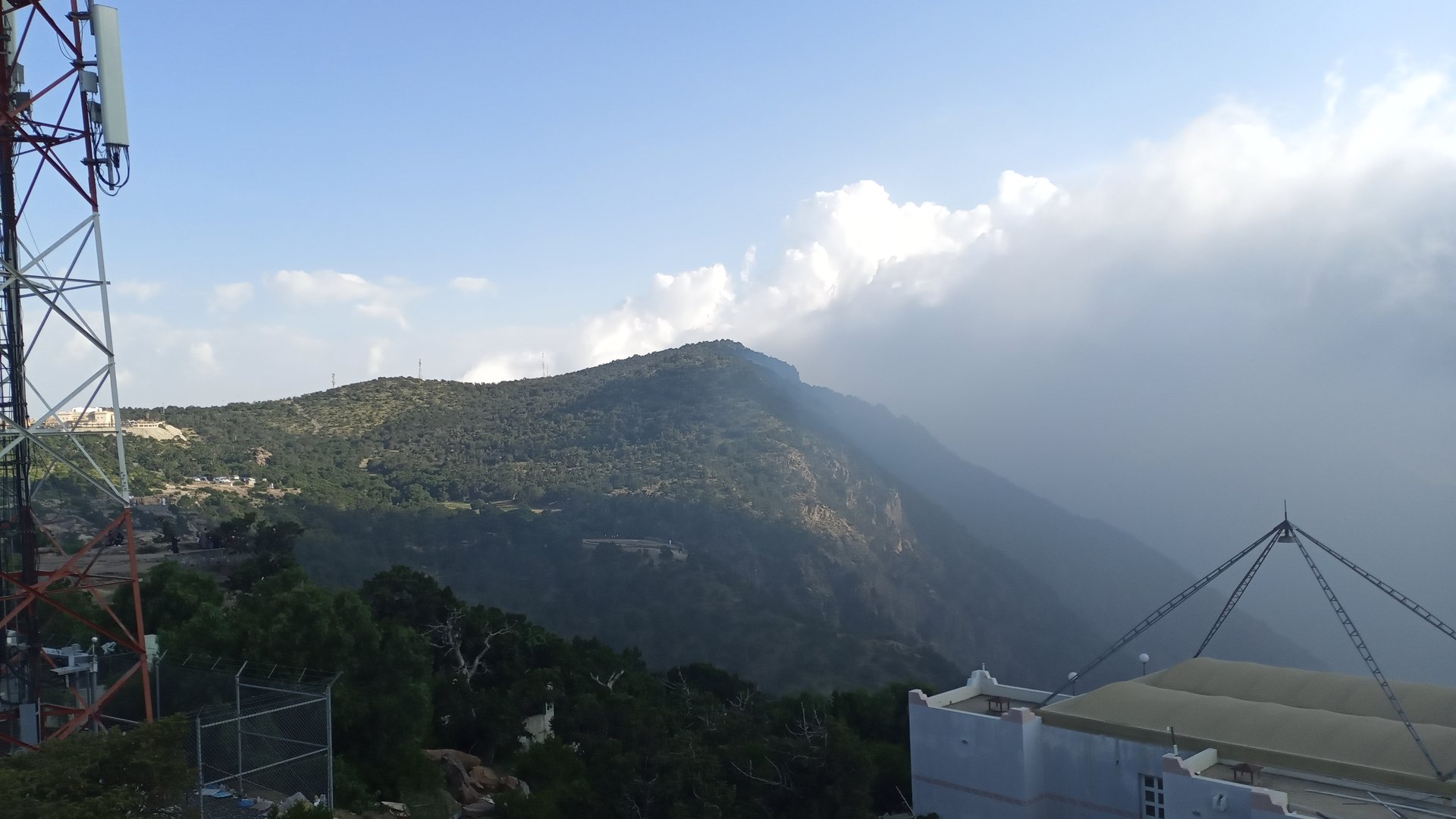
The southwest corner of Saudi Arabia feels closer to the Ethiopian highlands than to the Arabian desert. The Asir region, centred on Abha at 2,200 metres above sea level, receives significantly more rainfall than the rest of the Kingdom and supports a year-round green landscape that intensifies dramatically in spring.
From March through May, the Sarawat mountain slopes around Al Soudah (3,015 metres — Saudi Arabia’s highest point), Rijal Almaa and the terraced valleys below them bloom with highland wildflowers, aromatic herbs and juniper understory plants. The landscape here is not the flat desert-carpet bloom of central Saudi; it is vertical, layered across altitude bands, and often shrouded in morning mist that creates ethereal photography conditions.
The Aqabat Al Quroon trail from Al Soudah down to Rijal Almaa passes through multiple altitude zones and is one of the best hiking routes in Saudi Arabia for spring wildflower spotting. The heritage village of Rijal Almaa, with its painted mudbrick towers, provides a cultural anchor at the end of the walk.
AlUla — Desert Blooms Among Sandstone
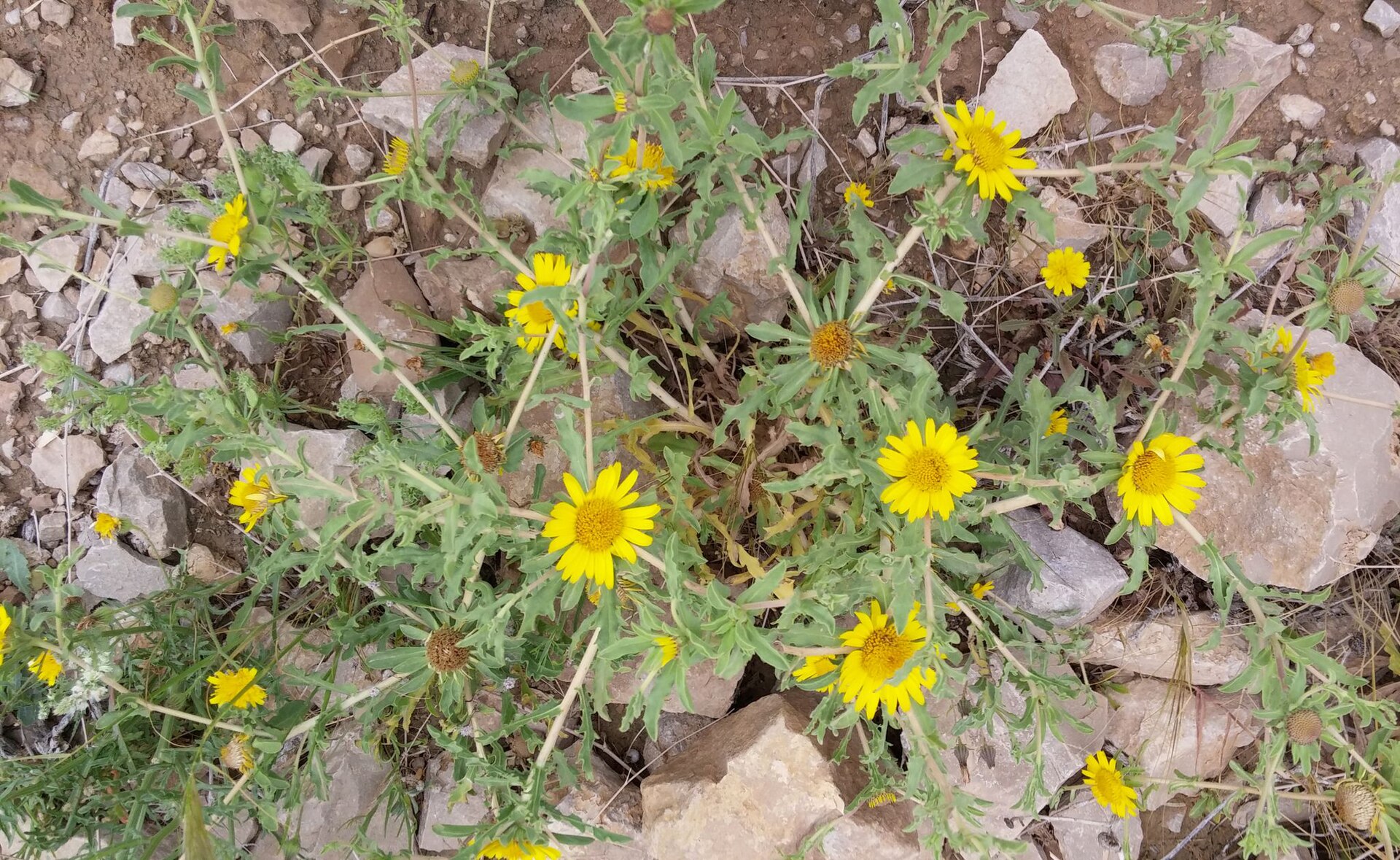
The sandstone canyons and wadis of AlUla support their own microflora, and spring brings the Fragrant Oxeye (Asteriscus graveolens) into bloom across the valley floor. This bright yellow wildflower, with its distinctive peach-scented leaves, contrasts beautifully against AlUla’s red-orange rock formations. The Sharaan Nature Reserve, a 1,500-square-kilometre protected area within the AlUla valley, is actively restoring native plant species, and each successive year brings denser wildflower displays.
AlUla’s wildflower season overlaps with the tail end of the AlUla winter season events (typically running October through March), making it possible to combine cultural programming with nature walks. The temperature in February and March is ideal — warm days around 25°C and cool nights.
Taif — The City of Roses
While not a wildflower destination in the strictest sense, Taif deserves a place in any spring flower guide. More than 900 rose farms are scattered across the mountain valleys of Al Hada and Al Shafa at elevations between 1,500 and 2,500 metres, producing approximately 300 million Damask roses (Rosa damascena) annually. The harvest runs from late March through early May, and the entire city becomes fragrant with rose water distillation.
The annual Taif Rose Festival, typically held in April, draws roughly one million visitors over ten to fourteen days. The festival includes guided visits to working rose farms, live demonstrations of traditional rose water distillation, cultural performances and markets selling rose products. There is a good-natured rivalry between the Al Hada and Al Shafa farming communities over who grows the best blooms.
Northern Borders — Zamlouq Seas
In the far north of the Kingdom, near Arar and the Iraqi border, the Zamlouq (Senecio glaucus) stages one of Saudi Arabia’s most dramatic annual displays. This fast-growing annual germinates rapidly after rainfall, shooting up to 20 centimetres tall and carpeting vast tracts of otherwise featureless steppe in bright yellow. The bloom typically appears in late January through February, making the Northern Borders one of the earliest wildflower destinations.
The Northern Borders are remote and lack tourist infrastructure, but the payoff is solitude and scale. The Saudi Press Agency has documented Zamlouq displays stretching to the horizon. A rental car and self-sufficiency are essential.
Tabuk and the Northwest
The Tabuk region sits at a botanical crossroads where Saharo-Arabian, Mediterranean, Irano-Turanian and Somali-Masai plant zones overlap, giving it exceptional floral diversity for an arid region. After good rains, the wadis and plateau edges around Tabuk sprout wildflowers not found elsewhere in the Kingdom, including Mediterranean-influenced species that reflect the region’s proximity to Jordan and the Levant.
Spring in Tabuk (February — April) also brings mild daytime temperatures around 20–25°C, making it ideal for combining wildflower drives with visits to NEOM and the emerging tourism infrastructure in the northwest.
The Empty Quarter Fringe
The Rub’ al-Khali — the world’s largest contiguous sand desert — is perhaps the last place you would expect to find wildflowers, and for most years you would be right. But after exceptional rainfall events, the fringes of the Empty Quarter produce brief, spectacular blooms. The Calligonum tree, the most prevalent plant in the Rub’ al-Khali, produces seasonal flowers in spring that range from white to yellow to red. Wild irises can also appear just days after rain, typically peaking in late February.
In May 2018, Tropical Cyclone Mekunu deposited the first significant rain in roughly 20 years across parts of the Empty Quarter, triggering a bloom so unusual that NASA’s Earth Observatory documented it from satellite imagery. These events are unpredictable but unforgettable for those who witness them. The desert safari routes operating from the Shaybah area occasionally encounter spring blooms on their itineraries.
Key Wildflower Species to Identify
Saudi Arabia’s spring bloom is dominated by a handful of charismatic species. Knowing what to look for enhances the experience considerably:
| Common Name | Scientific Name | Where to Find It | Description |
|---|---|---|---|
| Zamlouq | Senecio glaucus | Northern Borders, Nafud fringes | Bright yellow daisy-like flowers; pinnate green leaves; sprawling stems up to 20 cm tall; one of the earliest and most abundant spring bloomers |
| Zahrah | Tribulus omanense | Nafud, central deserts, dune fields | Large vivid yellow flowers with soft feathery foliage; trailing stems up to 80 cm; thrives in loose sand and high dunes |
| Fragrant Oxeye | Asteriscus graveolens | AlUla, Tabuk, rocky wadis | Bright yellow composite flowers; peach-scented aromatic leaves; attracts pollinators; common on rocky substrates |
| Hummayd | Rumex vesicarius | Widespread across sandy soils | Native desert herb with edible sour leaves used in Saudi cuisine; fast-growing; culturally significant |
| Common Poppy | Papaver sp. | Ha’il, Al-Didhan Reserve | Deep red petals; paper-thin blooms against desert sand; most vivid at sunset; the star of Ha’il’s spring season |
| Wild Iris | Iris sp. | Empty Quarter fringes, southern deserts | Purple flowers emerging days after rain; brief bloom window; rare and prized sighting |
| Taif Rose | Rosa damascena | Taif (Al Hada, Al Shafa) | Cultivated Damask rose; pink petals harvested for rose water and oil; ~300 million blooms annually |
| Arfaj | Rhanterium epapposum | Central and northern Saudi Arabia | National flower of Kuwait; yellow blooms; important grazing plant; indicator of healthy desert rangeland |
Spring Flower Festivals
Yanbu Flower and Gardens Festival
The largest dedicated flower event in Saudi Arabia, the Yanbu Flower and Gardens Festival runs annually from mid-February through late April (2026 dates: through April 23). The festival opens daily from 4 PM to 11 PM and is primarily an evening experience — the illuminated flower displays after sunset are the main draw.
The site is divided into themed zones connected by a small train: the Bird Garden, Flower Hills, Flower Village and Flower Volcano. An “Around the World” section recreates international garden styles. The 2026 edition features more than 100 activities including a butterfly garden, mini strawberry farm, bird aviary, water curtain shows, fireworks and live cultural performances. It holds a Guinness World Record for the world’s largest flower carpet.
Taif Rose Festival
Held annually in April during the rose harvest, the Taif Rose Festival runs for ten to fourteen days and attracts approximately one million visitors. Activities include farm visits, rose water distillation demonstrations, art exhibitions, theatre and live music. The festival is free to attend, though some experiences charge separately.
Flowerman Festival (Al Soudah)
While technically a summer/autumn event (August — September), the Flowerman Festival in Al Soudah celebrates the Qahtani tribal tradition of men wearing crowns of fresh flowers in their hair. The festival highlights Asir’s deep connection to floral culture and is worth noting for travellers planning extended Saudi itineraries across multiple seasons.
Planning a Wildflower Road Trip
The most rewarding way to experience the Saudi spring bloom is a self-drive road trip hitting multiple regions. Here are two suggested routes:
Route 1: Central and Northern Loop (7–10 days)
- Days 1–2: Riyadh — explore Diriyah and the city, then drive to Rawdat Khuraim for a half-day wildflower excursion
- Days 3–4: Drive north to Ha’il (4–5 hours); visit Al-Didhan Poppy Reserve and explore the surrounding King Salman Royal Nature Reserve landscapes
- Days 5–6: Continue northwest to AlUla (5 hours); combine Hegra UNESCO site with Fragrant Oxeye wildflower walks in Sharaan Nature Reserve
- Days 7–8: Drive to Tabuk (3 hours) for northwestern desert flora and wadi walks
- Days 9–10: Fly back to Riyadh from Tabuk, or continue to NEOM
- Days 1–2: Fly to Abha; explore Al Soudah and hike Aqabat Al Quroon to Rijal Almaa through highland wildflower zones
- Days 3–4: Drive north to Taif (4–5 hours) via the Sarawat mountain road; visit rose farms in Al Hada and Al Shafa
- Days 5–6: Continue to Yanbu (3.5 hours) for the Flower Festival if timing aligns
- Day 7: Drive or fly to Jeddah for departure
- Golden hour is everything. The best light falls in the first hour after sunrise and the last hour before sunset. At midday, harsh light washes out colour and creates unflattering shadows. At Ha’il’s poppy fields, the deep red petals glow most intensely in the fifteen minutes before sunset.
- Get low. Photograph from the flowers’ level rather than standing above them. This perspective makes fields appear larger and more immersive, and creates natural bokeh backgrounds of sand dunes or rock formations.
- Bring a macro lens or clip-on macro. Many Saudi wildflower species are small — Zamlouq and Fragrant Oxeye reward close-up photography that reveals intricate petal structures.
- Use a wide aperture (f/2.8–f/4) for individual flower portraits to isolate subjects against blurred backgrounds. Switch to f/8–f/11 for landscape shots of entire flower carpets.
- Protect your gear. Sand and wind are constant companions. Bring lens cloths and consider a UV filter as a sacrificial front element. Keep camera bags sealed when not shooting.
- Tread lightly. Stay on paths where they exist. Desert soils are fragile, and wildflower root systems are shallow. Never pick flowers in nature reserves. Review Saudi Arabia’s photography rules before shooting near military or government installations.
- Layered clothing: Daytime temperatures range from 20–30°C at lower elevations, dropping to 8–15°C in the highlands and at night. A light fleece or jacket is essential for Abha and Al Soudah.
- Sun protection: Hat, sunglasses and SPF 50 sunscreen. There is virtually no shade at lowland bloom sites like Rawdat Khuraim.
- Sturdy footwear: Desert terrain is uneven; closed-toe walking shoes or light hiking boots are recommended. Sandals are fine for festival venues.
- Water: Carry at least 3 litres per person per day when visiting remote bloom sites. Dehydration risk is real even in spring.
- Binoculars: Wildflower areas attract birds and insects; binoculars enhance the experience significantly.
- A plant identification app: PictureThis and iNaturalist both have strong databases for Arabian Peninsula flora.
- Never pick wildflowers in national parks or nature reserves. Saudi Arabia has strengthened environmental protection laws in recent years under the Saudi Green Initiative, and fines apply.
- Stick to tracks and trails where marked. Desert soil crusts (biological soil crusts) take decades to form and seconds to destroy.
- If driving off-road, avoid driving over vegetation. Park on bare ground and walk to bloom sites.
- Respect local communities and ask permission before photographing people, especially in rural areas.
- Check regional weather forecasts before heading to remote sites. Flash flooding is a real risk in wadis after rain — the same rain that creates the blooms can make wadi crossings dangerous.
- AlUla heritage season — the final weeks of the Hegra Season and winter events programme overlap with early spring blooms
- April events — the Yanbu Flower Festival runs through late April, and Riyadh’s cultural calendar remains active
- Ramadan — the holy month shifts annually; check the Ramadan travel guide for how it affects travel logistics during your planned dates
- UNESCO sites — Hegra (AlUla) and the At-Turaif district in Diriyah are both at their most pleasant in spring weather
- Photography spots — spring light and green landscapes transform many of the Kingdom’s most photographed locations
- Best Time to Visit Saudi Arabia — Month-by-month breakdown of weather, events and crowds
- Taif Rose Season — When to visit the rose farms and what to expect at the festival
- Hiking in Saudi Arabia — The best trails from Asir to AlUla
- Saudi Arabia Desert Safari Guide — Dune camping, 4WD routes and stargazing
- Saudi Arabia in March — Peak bloom month with full events and weather details
- Saudi Arabia in February — Early wildflowers and the Kingdom’s best winter weather
- Saudi Arabia Visa Guide — Every visa type explained
Route 2: Western Highlands Loop (5–7 days)
Driving tip: Saudi Arabia’s intercity highways are excellent and well-maintained. Fuel is cheap (around SAR 2.33 per litre for 91 octane). However, many wildflower sites are accessed via unpaved tracks. A standard sedan handles most routes, but a 4WD SUV gives you access to more remote bloom areas. Check our driving rules guide before setting out.
Photography Tips for the Desert Bloom
Saudi Arabia’s spring wildflowers are a photographer’s dream, but the desert environment demands some adjustments:
What to Pack for a Wildflower Trip
Spring weather in Saudi Arabia is generally warm and dry, but mornings can be surprisingly cool, especially at altitude in Asir or Tabuk:
Practical Information
Getting There
International visitors can fly into Riyadh (RUH), Jeddah (JED) or Abha (AHB) depending on which bloom region they are targeting. Domestic flights on Saudia, flynas and flyadeal connect all major cities for SAR 200–600 one way. Ha’il (HAS) and Tabuk (TUU) both have airports with regular service from Riyadh and Jeddah.
All visitors need a valid visa. The Saudi tourist e-visa covers citizens of 63 countries and can be obtained online in minutes. It is valid for one year with multiple entries and allows stays of up to 90 days.
Accommodation
Major cities (Riyadh, Abha, Taif, AlUla, Tabuk) have a full range of hotels from budget to luxury. For remote wildflower sites, camping is the norm. Wild camping is legal throughout Saudi Arabia and is part of the national outdoor culture. Many Saudi families camp at Rawdat Khuraim and other bloom sites during peak season, so you will have company.
Best Conditions by Region
| Region | Elevation | Peak Bloom | Temperature Range | Nearest Airport |
|---|---|---|---|---|
| Rawdat Khuraim | ~600 m | Mid Feb — mid March | 15–30°C | Riyadh (RUH) |
| Ha’il / Al-Didhan | ~1,000 m | Mid Feb — March | 10–28°C | Ha’il (HAS) |
| Northern Borders | ~400 m | Late Jan — Feb | 5–22°C | Arar (RAE) |
| AlUla | ~650 m | Feb — March | 12–28°C | AlUla (ULH) |
| Tabuk | ~800 m | Feb — April | 8–25°C | Tabuk (TUU) |
| Asir / Al Soudah | 2,200–3,015 m | March — May | 8–22°C | Abha (AHB) |
| Taif | 1,500–2,500 m | Late March — May | 12–28°C | Taif (TIF) |
Safety and Etiquette
Combining Wildflowers with Other Saudi Experiences
The spring wildflower season overlaps with some of Saudi Arabia’s best travel conditions and events: