
Saudi Arabia has undergone a transformation that few countries can match. A decade ago, women could not drive here. Today, solo female travellers are checking into hotels alone, renting cars, hiking desert canyons, and navigating Riyadh’s nightlife scene without a male companion in sight. This guide — part of our Saudi Arabia Travel Guide 2026 — cuts through the lingering myths and gives you the honest, practical truth about what it is actually like to travel the Kingdom as a woman on your own. No sugarcoating, no fear-mongering — just what you need to know before you book.
Best Time to Visit: October to April (cooler weather, peak festival season)
Getting There: Direct flights to Riyadh (RUH) and Jeddah (JED) from most major hubs; tourist e-visa available online in minutes
Visa Required: Yes — tourist e-visa for 66 nationalities
Budget: $60–$200/day depending on comfort level
Must-See: AlUla’s Hegra tombs, Jeddah’s Al Balad old town, the Edge of the World near Riyadh
Avoid: Assuming you need a male escort — you do not
The Legal Reality: What Has Actually Changed
The reforms that began under Saudi Arabia’s Vision 2030 programme have fundamentally rewritten the rules for women. Here is what the law says now — not what it said in 2015, which is what most outdated travel forums still reference.
Male Guardian Requirement: Gone for Tourists
Foreign women do not need a male guardian (mahram) to enter Saudi Arabia on a tourist visa. You can apply for and receive a tourist e-visa independently, pass through immigration alone, check into hotels solo, and travel between cities without anyone asking where your husband or father is. This has been the case since the tourist visa launched in September 2019.
The mahram requirement still exists in narrow contexts: women under 45 travelling for Umrah pilgrimage must be accompanied by a male relative, and Saudi women under 21 still need guardian consent for passports. But as a foreign tourist, none of these apply to you.
Driving
Women have been legally permitted to drive in Saudi Arabia since June 2018. You can rent a car with a valid international driving licence. In practice, many solo female travellers prefer ride-hailing apps for city travel (more on that below), but driving between cities — particularly the Riyadh-to-AlUla highway or the Jeddah coastal road — is straightforward and safe.
Accommodation
Women can book and stay in hotels alone. Every international chain in the Kingdom — Marriott, Hilton, Four Seasons, Novotel — checks in solo female guests without issue. You will need your passport and e-visa confirmation. No questions about marital status, no raised eyebrows.
Public Spaces
The “family” and “singles” (men-only) sections that once divided every restaurant and café have largely disappeared in major cities. In Riyadh, Jeddah, and AlUla, you will sit wherever you like. In smaller, more conservative towns, you may still see separate sections — but as a foreign woman, you will be seated in the family section without issue.
What to Wear: The Honest Dress Code
This is the question every solo female traveller asks first, so here is the straightforward answer.
The Law
Saudi Arabia’s 2019 Public Decency Law requires “modest” dress for both men and women. For women, this means loose clothing that covers elbows and ankles. The abaya — the long black robe — is no longer mandatory for foreign women. Neither is the headscarf, except inside mosques.
What Works in Practice
| Setting | What to Wear | Notes |
|---|---|---|
| Riyadh, Jeddah, AlUla (tourist areas) | Loose trousers or maxi skirts, long-sleeved or elbow-length tops, linen shirts | No abaya needed. You will see Saudi women in colourful abayas and tourists in Western modest wear |
| Mosques (including Medina’s Prophet’s Mosque) | Full-length loose clothing, headscarf covering all hair | Mandatory. Bring a scarf in your bag at all times |
| Conservative small towns | Consider wearing a loose abaya over your clothes | Not legally required but signals cultural respect and reduces unwanted attention |
| Beach resorts (AMAALA, Red Sea Global) | Swimwear at resort pools and private beaches | Cover up when leaving the resort area |
| Desert hikes and outdoor activities | Hiking clothes, long sleeves for sun protection | Headscarf unnecessary in remote areas |
Packing tip: A lightweight linen maxi dress or palazzo pants with a long cardigan will cover you in 90% of situations. Pack one headscarf. Skip the abaya unless you plan to visit very conservative areas.
Safety: What the Data and Travellers Say
Saudi Arabia consistently ranks among the safest countries in the world by violent crime rate. The Global Peace Index places it above many popular European destinations. But statistics only tell part of the story — here is what solo female travellers actually report.
Street Safety
Violent crime against tourists is exceptionally rare. Petty theft exists but at lower rates than most European capitals. Multiple solo female travel bloggers and journalists who have covered the Kingdom report feeling safer walking alone at night in Riyadh than in London or Paris. The heavy security presence — particularly in tourist areas and around events — is part of the reason.
Harassment
Street harassment of the type common in some neighbouring countries is far less frequent in Saudi Arabia, partly because of strict laws and severe penalties. That said, you may receive stares in less-touristed areas — solo foreign women are still a relatively new sight in conservative towns. This is curiosity, not hostility. In Riyadh, Jeddah, and AlUla, you will blend in far more easily.
What to Actually Watch Out For
- Driving: Saudi roads have high accident rates. If you rent a car, drive defensively and be aware of speed cameras and traffic fines
- Heat: Between May and September, temperatures exceed 45°C in most of the country. Heatstroke is a real risk for outdoor activities. Summer escape options exist in the highlands
- Scams: Minimal compared to other tourist destinations. Standard precautions apply — use metered taxis or ride-hailing apps, agree prices before buying in souks
- Riyadh: Olaya district or Al-Muhammadiyah — close to restaurants, the metro, and major attractions
- Jeddah: Al Hamra or the Corniche area — walkable and well-connected
- AlUla: The Old Town area or Ashar Valley resorts — everything is tourism-oriented
- Prayer times: Shops and some restaurants close briefly during the five daily prayer times (each lasting 20–30 minutes). This is not optional — do not try to enter a closed shop. Use a prayer time app to plan around them
- Ramadan: If you visit during Ramadan, do not eat, drink, or smoke in public during daylight hours. Hotel restaurants serve meals behind screens. This is a legal requirement, not a suggestion — check Ramadan dates before booking
- Photography: Do not photograph people — especially women — without permission. Do not photograph government buildings or military installations
- Public displays of affection: Avoid all PDA, even if you are travelling with a partner
- Alcohol: Alcohol is illegal throughout Saudi Arabia. Do not attempt to bring it in or seek it out
- “You must wear black”: False. Wear modest, loose clothing in any colour
- “You cannot talk to men”: False. Normal social interaction is fine — ordering in restaurants, asking for directions, chatting with tour guides
- “Women cannot go out at night”: False. Riyadh and Jeddah have active nightlife scenes (cafés, restaurants, events) and women participate freely
- “You will be arrested for being unmarried in a hotel”: False. This has not been enforced for tourists since the e-visa programme launched
- Police: 911 (in Riyadh, Mecca, and the Eastern Province) or 999 elsewhere
- Ambulance: 997
- Tourist helpline: 930 (Visit Saudi)
- Uber / Careem: Ride-hailing (essential)
- Google Maps: Navigation and offline maps
- Tawakkalna: Government services app (sometimes needed for mosque entry and events)
- HungerStation / Jahez: Food delivery
- Visit Saudi: Official tourism app with events, itineraries, and deals
- Lost passport: Contact your embassy immediately. Most Western embassies are in Riyadh’s Diplomatic Quarter. Carry a photocopy of your passport separately
- Medical emergency: Dial 997. Major hospitals accept international insurance. King Faisal Specialist Hospital (Riyadh) and King Fahd Hospital (Jeddah) have English-speaking staff
- Unwanted attention: Enter any hotel lobby, coffee shop, or commercial establishment — staff will assist. Call 911/999 for police if needed. Saudi authorities take harassment complaints seriously
- Legal trouble: Contact your embassy. Saudi law differs significantly from Western legal systems — do not assume you know your rights. Having travel insurance with legal cover is strongly recommended
- Saudi Arabia Travel Guide 2026 — The complete guide to visiting the Kingdom
- Solo Travel in Saudi Arabia for Men — Safety, tips and itinerary for male solo travellers
- First Time in Saudi Arabia — Everything you need to know for your first visit
- Budget Travel in Saudi Arabia — How to explore the Kingdom for under $50 a day
- Backpacking Saudi Arabia — Routes, hostels and survival tips
- Saudi Arabia Visa Guide — Every visa type explained
Getting Around: Transport for Solo Women
Ride-Hailing Apps: Your Best Friend
Uber and Careem (a regional app now owned by Uber) operate in all major Saudi cities. These are by far the most convenient and safest transport option for solo female travellers. Every ride is GPS-tracked, you can share your trip with contacts, and Careem offers a “Women Captain” feature in some cities that matches you with a female driver.
Domestic Flights
Saudi Arabia is vast — Riyadh to AlUla is a 1,000 km drive or a 90-minute flight. Saudia, flynas, and flyadeal operate frequent domestic routes at reasonable prices. Booking as a solo woman is identical to booking as anyone else — select your seat, board, fly.
Intercity Buses
The state-run SAPTCO bus network connects major cities. Buses are air-conditioned and comfortable. Women can sit anywhere — the old restrictions no longer apply.
Driving Yourself
Renting a car gives you the most freedom, especially for road trips to AlUla, the Asir highlands, or the Edge of the World. You need an international driving licence. Roads between cities are generally excellent — multi-lane highways with good signage. Petrol is cheap (around SAR 2.33/litre for 91 octane). The main risk is other drivers: speed limits are frequently ignored, and tailgating is common.
The Riyadh Metro
Riyadh’s new metro system opened in late 2024 with six lines covering 176 stations. It is modern, air-conditioned, and has dedicated women-only carriages if you prefer them — though mixed carriages are also available. The metro connects to King Khalid International Airport.
Best Destinations for Solo Female Travellers
Not every Saudi city offers the same experience. Here is an honest ranking of the best places for women travelling alone, based on infrastructure, atmosphere, and things to do.
AlUla — Best Overall
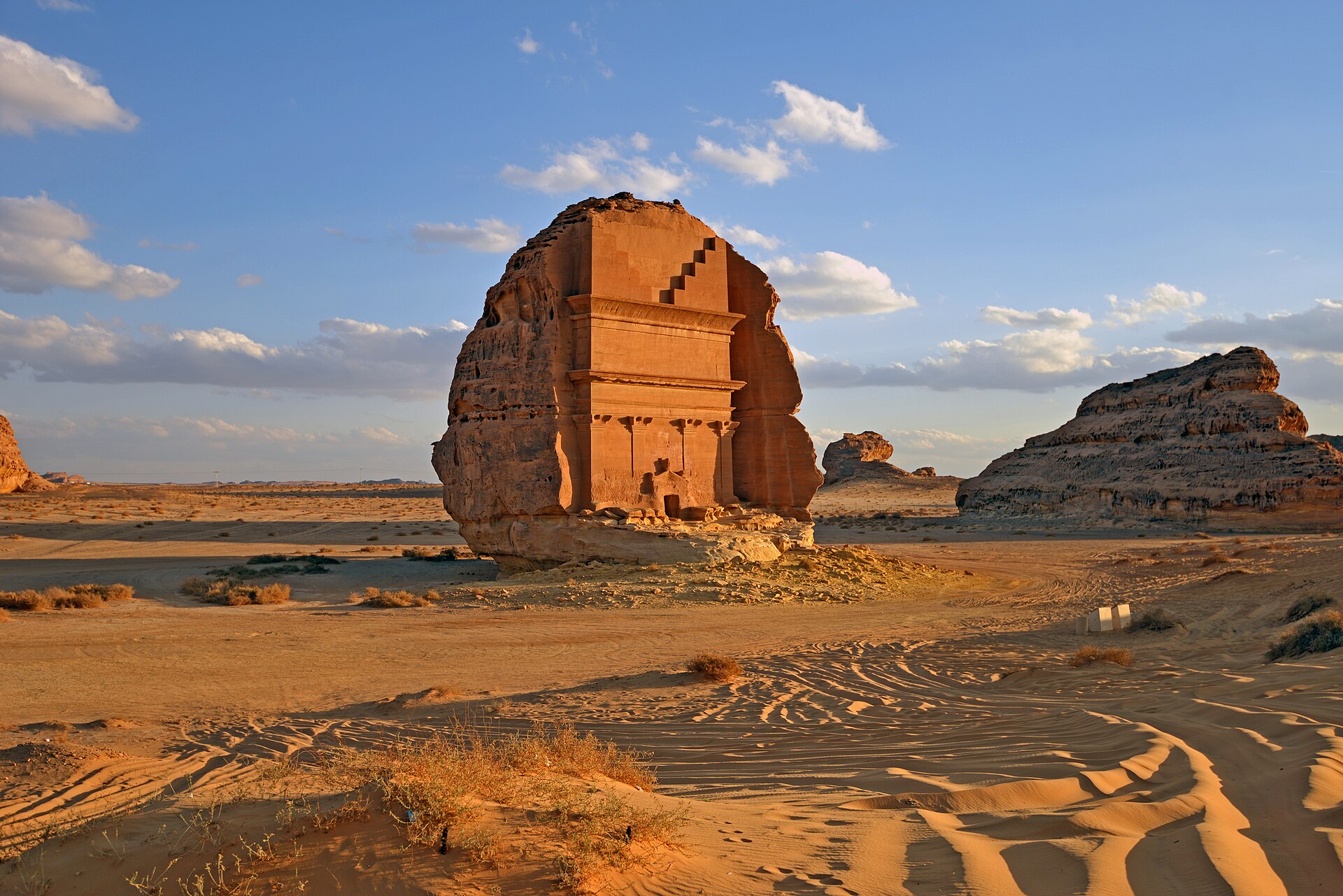
If you visit one place in Saudi Arabia, make it AlUla. The Hegra UNESCO World Heritage Site — with its Nabataean rock-cut tombs rivalling Petra — is extraordinary. The surrounding desert landscape of sandstone canyons, Elephant Rock, and the Dadan archaeological site can fill three to four days easily. AlUla has been purpose-built for tourism, with seasonal festivals, guided experiences, and a range of accommodation from desert glamping to the ultra-luxury Banyan Tree resort. Solo female travellers consistently rate it as the most comfortable destination in the Kingdom.
Jeddah — Best for Culture and Food
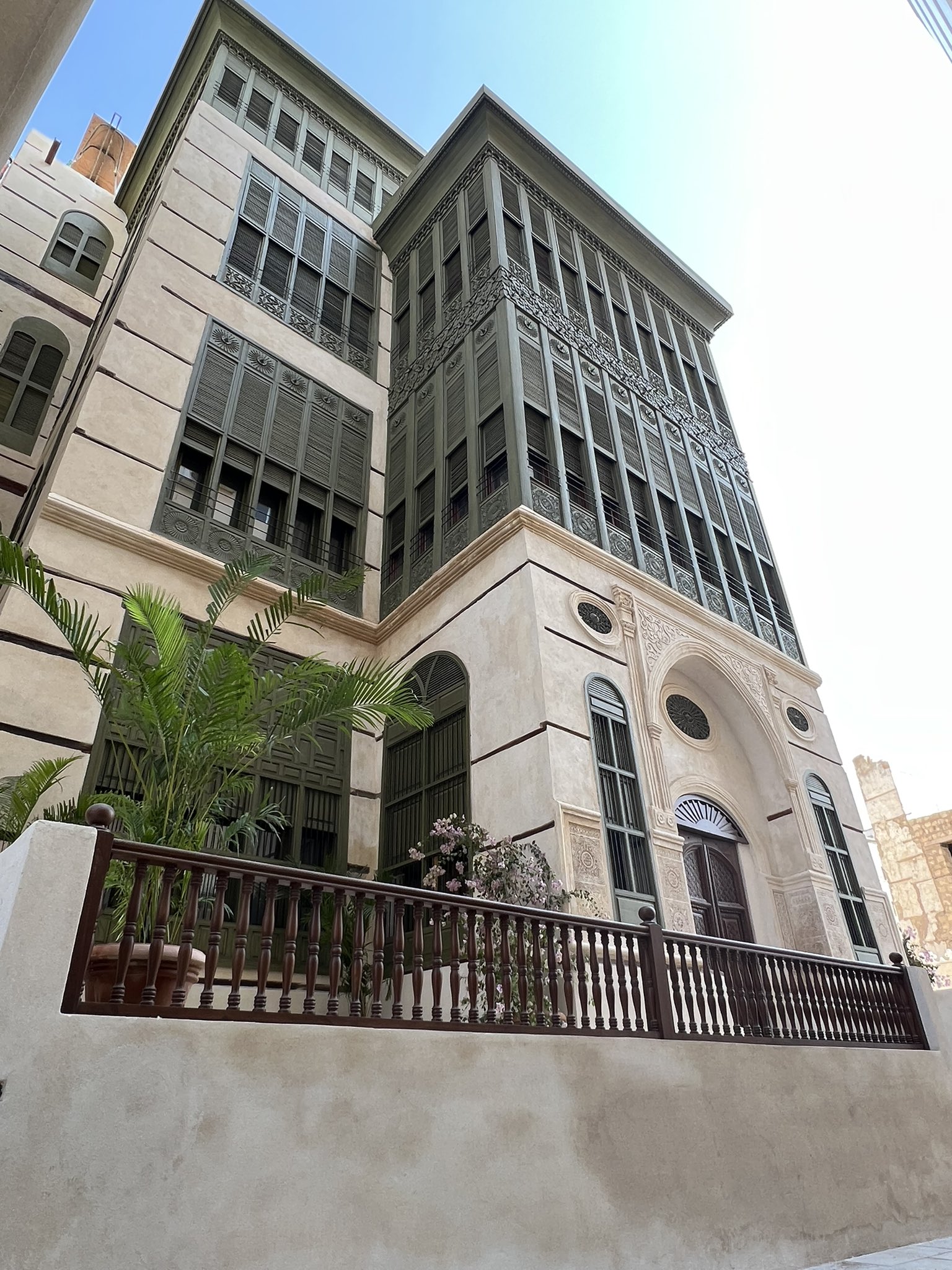
Jeddah is Saudi Arabia’s most liberal and cosmopolitan city. The historic Al Balad district — a UNESCO World Heritage Site — is a labyrinth of coral stone towers, wooden lattice balconies, and bustling souks. The Jeddah Corniche offers 30 km of waterfront walking. The food scene is outstanding, with everything from Yemeni mandi to world-class sushi. Jeddah also hosts the Formula 1 Grand Prix and the Red Sea International Film Festival.
Riyadh — Best for Modern Saudi Arabia
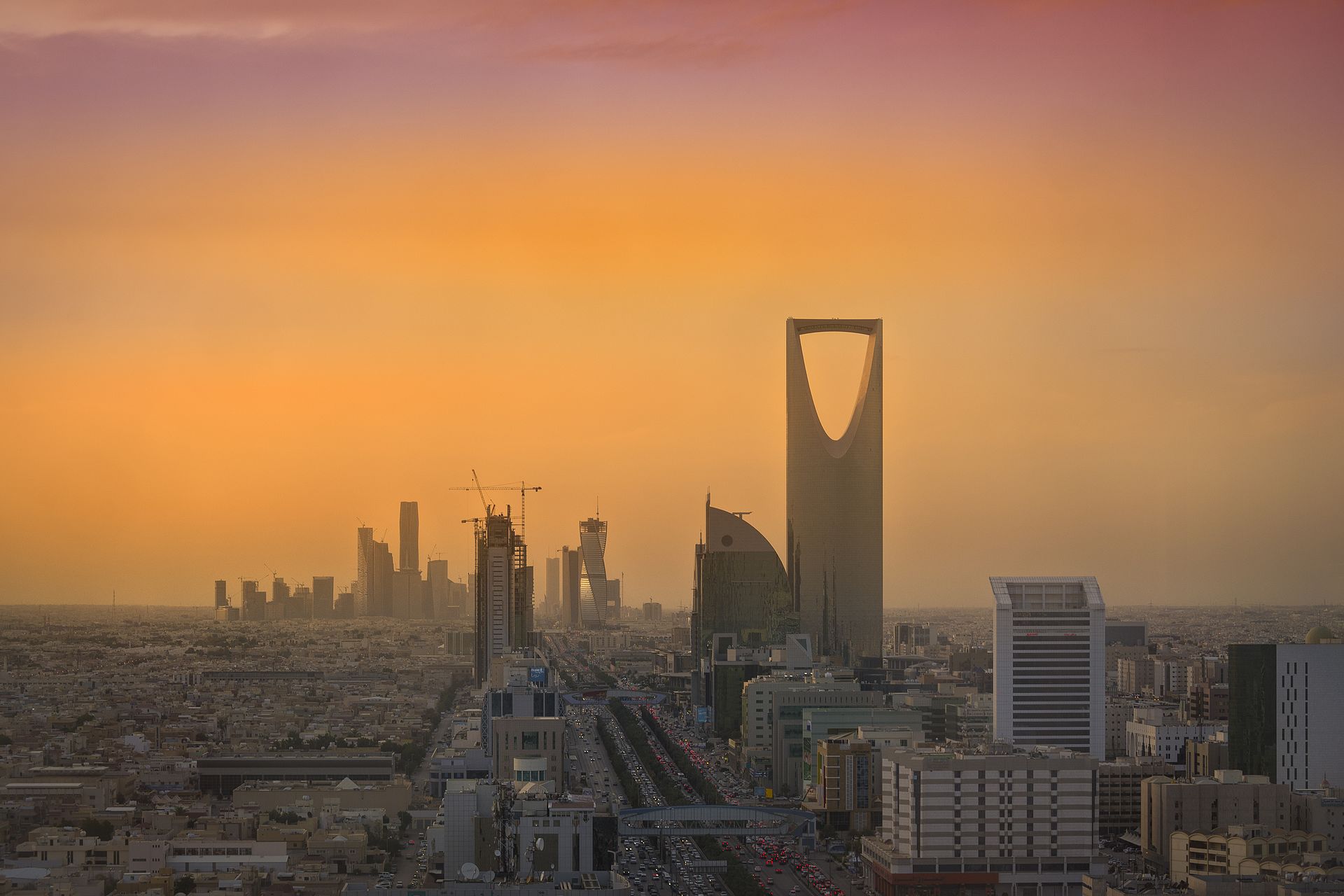
Riyadh is where you see the Kingdom’s transformation most vividly. Visit the Riyadh Season entertainment district (when running, usually October–March), explore the restored Diriyah — the mud-brick birthplace of the Saudi state — and hike the Edge of the World, a dramatic 300-metre cliff overlooking an endless desert plain. For solo female travellers wanting women-only spaces, the Luthan Hotel and Spa is a five-star, entirely women-only hotel in the Olaya district, with an indoor pool, spa, and yoga studio.
Abha and the Asir Highlands — Best for Nature
The southwest highlands around Abha offer a Saudi Arabia most tourists never see: green mountains, mist-shrouded valleys, and temperatures 15–20°C cooler than the desert lowlands. The 900-year-old village of Rijal Almaa — with its colourful stone towers and Al-Qatt wall paintings — is a highlight. Cable car rides on Jabal Sawda (Saudi Arabia’s highest peak at 3,015 m) and hiking through Asir National Park are accessible solo activities.
Tabuk and the Northwest — Best for Adventure
The Tabuk region offers Wadi Disah (a dramatic canyon with date palms and Nabataean carvings), access to the Red Sea coast for diving, and proximity to the NEOM development zone. It is more remote and less developed for tourism than AlUla, which means fewer fellow travellers but also fewer amenities. Best combined with an AlUla trip.
Dammam and the Eastern Province
The Eastern Province is Saudi Arabia’s oil heartland and home to a large expat community. Al Khobar’s waterfront and Ithra (the King Abdulaziz Centre for World Culture) in Dhahran are worth a visit. The Farasan Islands — a 50 km ferry ride off the southern coast near Jazan — offer mangroves, coral reefs, and near-total solitude.
Accommodation: Where to Stay Solo
Hotels
Every international hotel chain operates in Saudi Arabia and all accept solo female guests. For a first visit, choose hotels in central, well-lit districts:
Women-Only Options
The Luthan Hotel and Spa in Riyadh is a five-star, women-only hotel — the first of its kind in the Middle East. It has 25 rooms, a spa, indoor pool, and yoga studio. All staff are female. Rates start from around $180/night. Beyond dedicated women-only hotels, many upscale properties offer women-only floors, pools, or spa facilities.
Hostels and Budget Options
Saudi Arabia’s hostel scene is growing but still limited. You will find mixed-gender hostels in Riyadh and Jeddah through booking platforms. For budget travel, serviced apartments often offer better value than hotels — a studio apartment in Riyadh or Jeddah runs SAR 200–400/night ($53–107) and gives you a kitchen and more privacy. See our backpacking Saudi Arabia guide for more budget tips.
Cultural Etiquette: What Actually Matters
Respecting local culture is not just polite — it keeps you out of trouble. Here is what genuinely matters versus what is overblown.
Things That Actually Matter
Things That Are Overblown
Practical Tips from Solo Female Travellers
Connectivity
Buy a local SIM card at the airport — STC, Mobily, and Zain all offer tourist data packages. You will need reliable mobile internet for ride-hailing apps, maps, and translation. Note that some VoIP services and dating apps are blocked — a VPN can help.
Money
The Saudi Riyal (SAR) is pegged to the US dollar at 3.75. Cards are accepted almost everywhere, including small shops. Apple Pay and Google Pay work widely. You will rarely need cash except in traditional souks.
Language
Arabic is the official language, but English is widely spoken in tourist areas, hotels, and restaurants. Google Translate’s camera feature is invaluable for Arabic-only signs and menus.
Emergency Numbers
Health
No mandatory vaccinations for tourist visa holders (meningitis ACWY is required for Hajj/Umrah). Tap water is desalinated and safe but most people drink bottled. Pharmacies are well-stocked and open late. Hospitals in major cities are world-class.
What to Download Before You Go
Suggested Itineraries
One Week: The Highlights
| Day | Destination | Highlights |
|---|---|---|
| 1–2 | Riyadh | Diriyah, National Museum, Edge of the World day trip, Boulevard Riyadh |
| 3 | Fly to AlUla | Settle in, Elephant Rock at sunset |
| 4–5 | AlUla | Hegra tombs, Dadan, Jabal Ikmah, stargazing experience |
| 6–7 | Fly to Jeddah | Al Balad, Corniche, seafood dinner, souks |
Two Weeks: The Deep Dive
Add the Asir highlands (Abha, Rijal Almaa — two days), the Taif rose farms (one day), and the Eastern Province (Ithra in Dhahran, Al Khobar Corniche — two days). This gives you a comprehensive cross-section of the Kingdom’s geography and culture.
What If Something Goes Wrong
In the unlikely event of a problem:
The Umrah Exception: Rules for Female Pilgrims
If your trip includes Umrah (the minor pilgrimage to Mecca), different rules apply. Women under 45 must travel with a mahram (male guardian — father, husband, brother, or son). Women 45 and over can travel with an organised group without a mahram, provided they submit a notarised letter of consent. This applies specifically to Umrah and Hajj — it does not affect your ability to visit the rest of the country on a tourist visa.
Non-Muslims cannot enter Mecca or the core area of Medina regardless of gender. If you are a non-Muslim solo female traveller, this restriction is not gender-specific — it applies to everyone.
The Bottom Line
Saudi Arabia in 2026 is not the country most people imagine. Solo female travellers routinely report it as one of the safest, most hospitable, and most surprising destinations they have visited. The infrastructure is modern, the hospitality is genuine, and the landscapes — from AlUla’s desert canyons to Abha’s misty highlands — are world-class.
The key is to approach the Kingdom on its own terms: dress modestly, respect prayer times and Ramadan, and accept that some cultural norms are different from home. Do that, and you will find a country that goes out of its way to make you feel welcome.
For first-time visitors, Saudi Arabia is genuinely one of the most rewarding destinations opening up to independent travel. The hardest part is booking the ticket. Everything after that is easier than you think.