
Saudi Arabia is not the destination most retirees picture when they start planning their next trip — but that is changing fast. The Kingdom has spent tens of billions of dollars opening itself to tourism since 2019, and the result is a country that combines world-class heritage sites, five-star wellness resorts, excellent healthcare infrastructure, and a climate that is genuinely pleasant for half the year. For older travellers with time, curiosity, and a taste for the unfamiliar, Saudi Arabia delivers something increasingly rare: a sense of genuine discovery. Our complete Saudi Arabia travel guide covers the full picture, but this page focuses specifically on why retirees are arriving in growing numbers — and what makes the experience so rewarding for those over 60.
The numbers tell part of the story. According to Grand View Research, travellers aged 51–70 accounted for nearly 58% of Saudi Arabia’s heritage tourism market in 2024 — a sector now worth over $5.1 billion and projected to reach $8.5 billion by 2033. These are not backpackers or festival-goers. They are culturally curious, financially comfortable, and drawn to meaningful travel over mass-market tourism. Saudi Arabia, with six UNESCO World Heritage Sites, a 300 km/h high-speed railway, and some of the Middle East’s finest luxury resorts, is built for exactly this kind of visitor.
Best Time to Visit: November to February (mild days of 20–28°C, cool evenings)
Getting There: Direct flights to Riyadh (RUH) and Jeddah (JED) from most major cities worldwide
Visa Required: Yes — tourist e-visa, no upper age limit
Budget: $120–250/day for comfortable mid-range to luxury travel
Must-See: Diriyah At-Turaif (UNESCO), AlUla’s Hegra tombs, Jeddah’s Al-Balad quarter
Avoid: Visiting June–August unless you are heading to highland areas like Abha or Taif
Why Saudi Arabia Works for Older Travellers
Retirees travel differently. The pace is slower, the priorities are different, and the tolerance for inconvenience is — rightly — lower. Saudi Arabia meets these requirements in ways that might surprise anyone whose impression of the country was formed a decade ago.
No Age Restrictions on Visas
The Saudi e-visa has no upper age limit. Citizens of over 60 countries can apply online in minutes, receive approval within 24 hours, and enter on a multiple-entry visa valid for one year with stays of up to 90 days per visit. The process is entirely digital — no embassy appointment required, no medical examination, no age-based restrictions. For retirees accustomed to countries that make visa applications complicated for older applicants, this is a genuine relief. Full details on eligibility and visa costs are covered in our visa guide.
World-Class Healthcare Within Reach
Saudi Arabia operates 287 public and 167 private hospitals. The private healthcare sector — which is what tourists would use — is excellent. King Faisal Specialist Hospital in Riyadh and Jeddah offers world-class specialist care. Saudi German Hospital has received Magnet Recognition from the American Nurses Credentialing Center. Private clinics in Riyadh, Jeddah, and Dammam employ English-speaking doctors, use modern equipment, and have short waiting times. Our hospitals and healthcare guide lists the best facilities by city. For retirees who travel with prescription medication or have chronic conditions, comprehensive travel insurance is essential — and widely available for visitors to the Kingdom.
Comfortable Climate — at the Right Time of Year
Saudi Arabia’s winter is a retiree’s dream. From November through February, Riyadh’s daytime highs average 20–28°C — think warm shirt-sleeve weather, not the 45°C summers that dominate the headlines. Jeddah stays in the mid-20s. AlUla is crisp and clear. The highland towns of Abha and Taif can feel positively cool, with temperatures dipping to 10–15°C. Evenings across the country are pleasantly cool, perfect for leisurely outdoor dining. Our region-by-region weather guide covers monthly temperatures for every major city.
The Heritage Trail: What Draws Retirees Most
If there is one category of experience that explains why older travellers are choosing Saudi Arabia, it is heritage. This is a country with 7,000 years of visible human history, six UNESCO World Heritage Sites, and archaeological landscapes that rival anything in Jordan, Egypt, or Turkey — but without the crowds.
Diriyah At-Turaif — Where Saudi Arabia Began
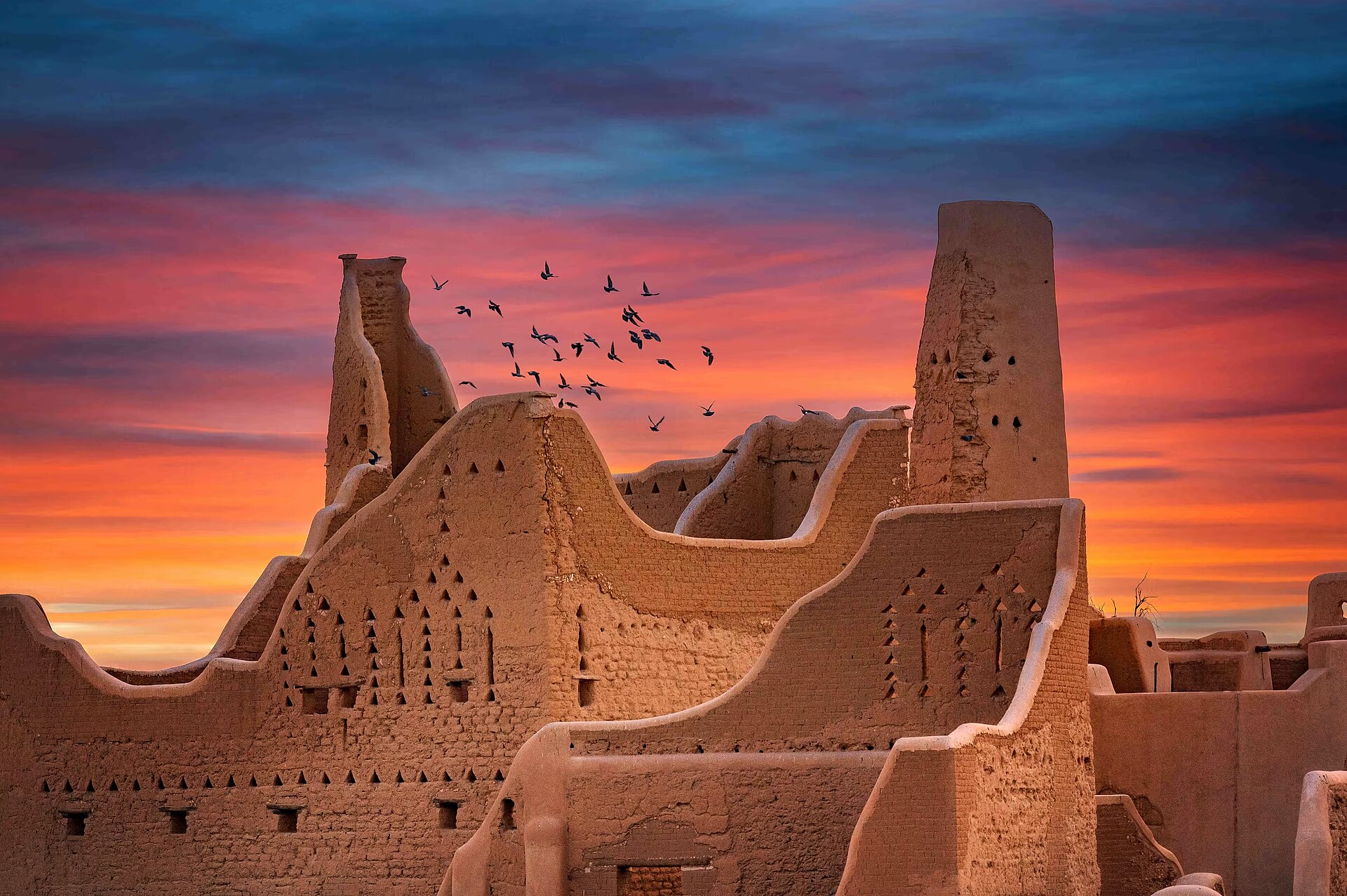
Just 20 minutes northwest of central Riyadh, Diriyah’s At-Turaif district is a UNESCO World Heritage Site and the birthplace of the first Saudi state. The mud-brick palaces and mosques, built in the distinctive Najdi architectural style, were the seat of power from 1727 until 1818. The site has been meticulously restored as part of the Diriyah Gate Development Authority’s multi-billion-dollar project, and today it offers shaded walkways, accessible pathways, air-conditioned museum galleries, and guided tours in multiple languages. The pace is gentle and contemplative — exactly what makes it ideal for retirees. Combine it with a Riyadh day trip itinerary that includes the National Museum and the restored Masmak Fortress.
AlUla and Hegra — Saudi Arabia’s Crown Jewel
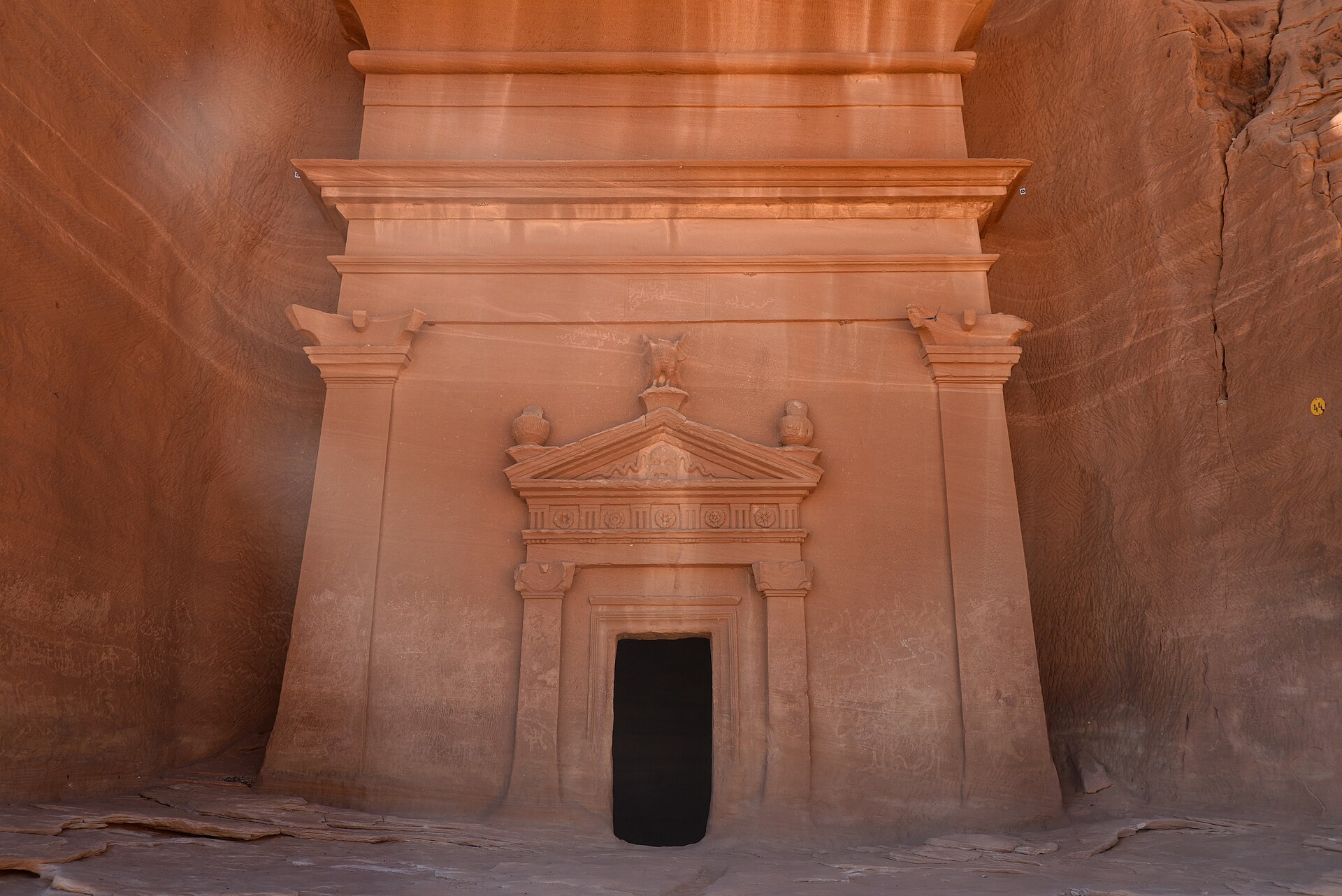
AlUla is the destination that most retirees describe as the highlight of their Saudi trip. The AlUla valley stretches through a landscape of towering sandstone formations, and at its heart lies Hegra (Madain Saleh) — a UNESCO-listed Nabataean city with over 100 monumental tombs carved into rock faces, dating from the first century BC. Unlike Petra in Jordan, which involves steep climbs and uneven terrain, Hegra is largely flat and accessible by vehicle, with well-maintained pathways between the major tomb clusters.
Beyond the archaeology, AlUla offers hot air balloon rides at dawn, stargazing sessions in some of the darkest skies in the Middle East, and world-class accommodation at properties like Banyan Tree AlUla and The Chedi Hegra — both designed for guests who want luxury in a natural setting. The Hegra heritage season (typically October to March) adds cultural performances and exhibitions to the mix.
Jeddah’s Al-Balad Historic Quarter
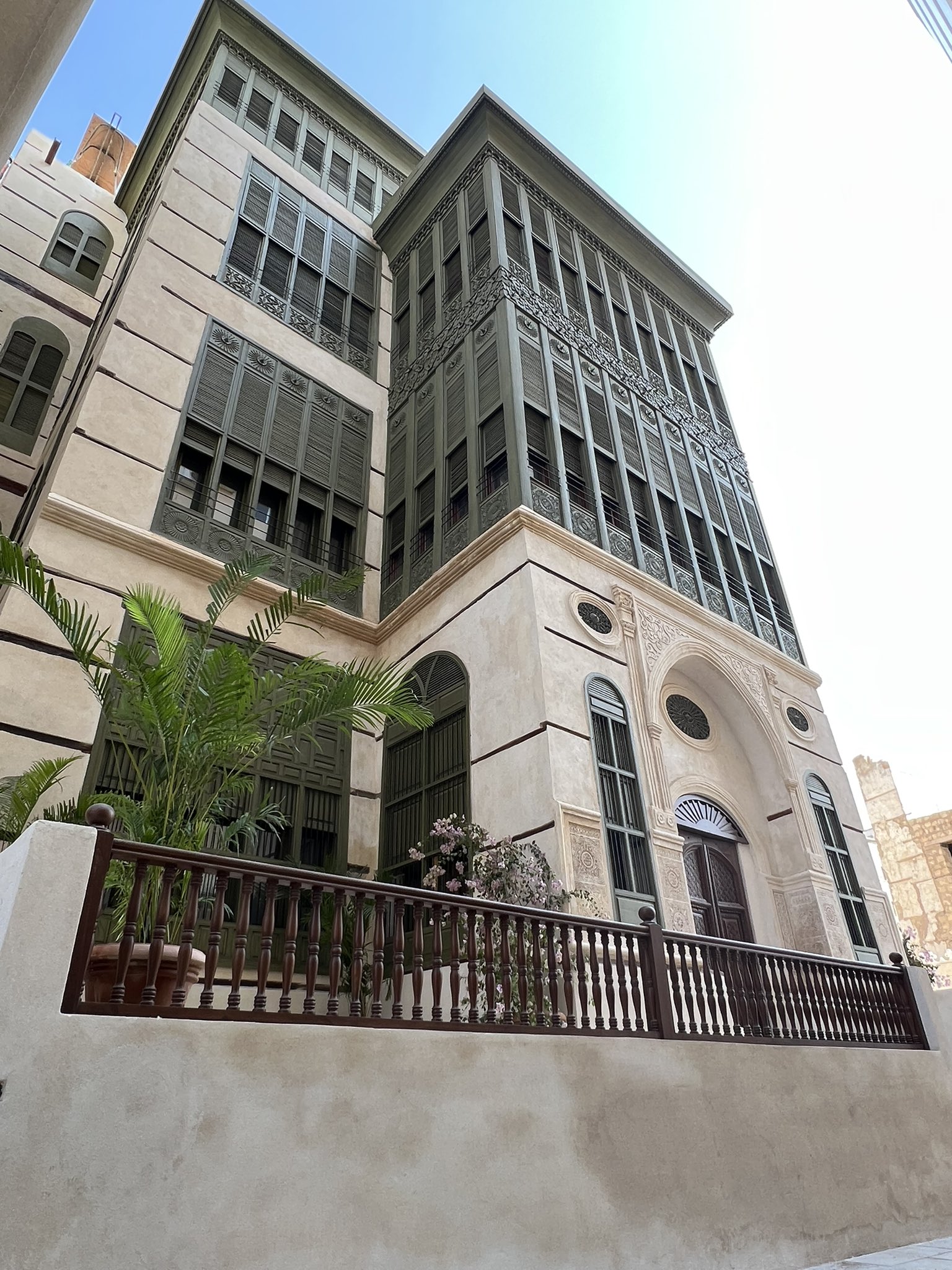
Jeddah’s old town, Al-Balad, is a UNESCO World Heritage Site and one of the most atmospheric historic quarters in the Arab world. The coral-stone buildings with their distinctive wooden mashrabiya balconies date from the 16th century onwards, and the narrow alleys between them are shaded and comparatively cool even in warmer months. The area is compact enough to explore on foot at a slow pace — most of the main sights are within a 500-metre radius. For retirees visiting Jeddah, Al-Balad is unmissable, and the surrounding streets are filled with traditional cafes where you can rest over Saudi coffee and dates.
Al-Ahsa Oasis — The World’s Largest
For retirees travelling to the Eastern Province, the Al-Ahsa Oasis — another UNESCO World Heritage Site — is a green, shaded haven. With over 2.5 million date palms, historic mosques, natural springs, and traditional souks, it offers a completely different side of Saudi Arabia. The Dammam and Al-Khobar guide covers the wider Eastern Province, and Al-Ahsa is an easy day trip or overnight from either city.
Getting Around: Comfort Over Adventure
One of the most common concerns for retirees considering Saudi Arabia is transport. The country is vast — Riyadh to AlUla is over 900 km by road. But the transport infrastructure has improved dramatically, and there are comfortable options that do not require self-driving through desert highways.
The Haramain High-Speed Railway
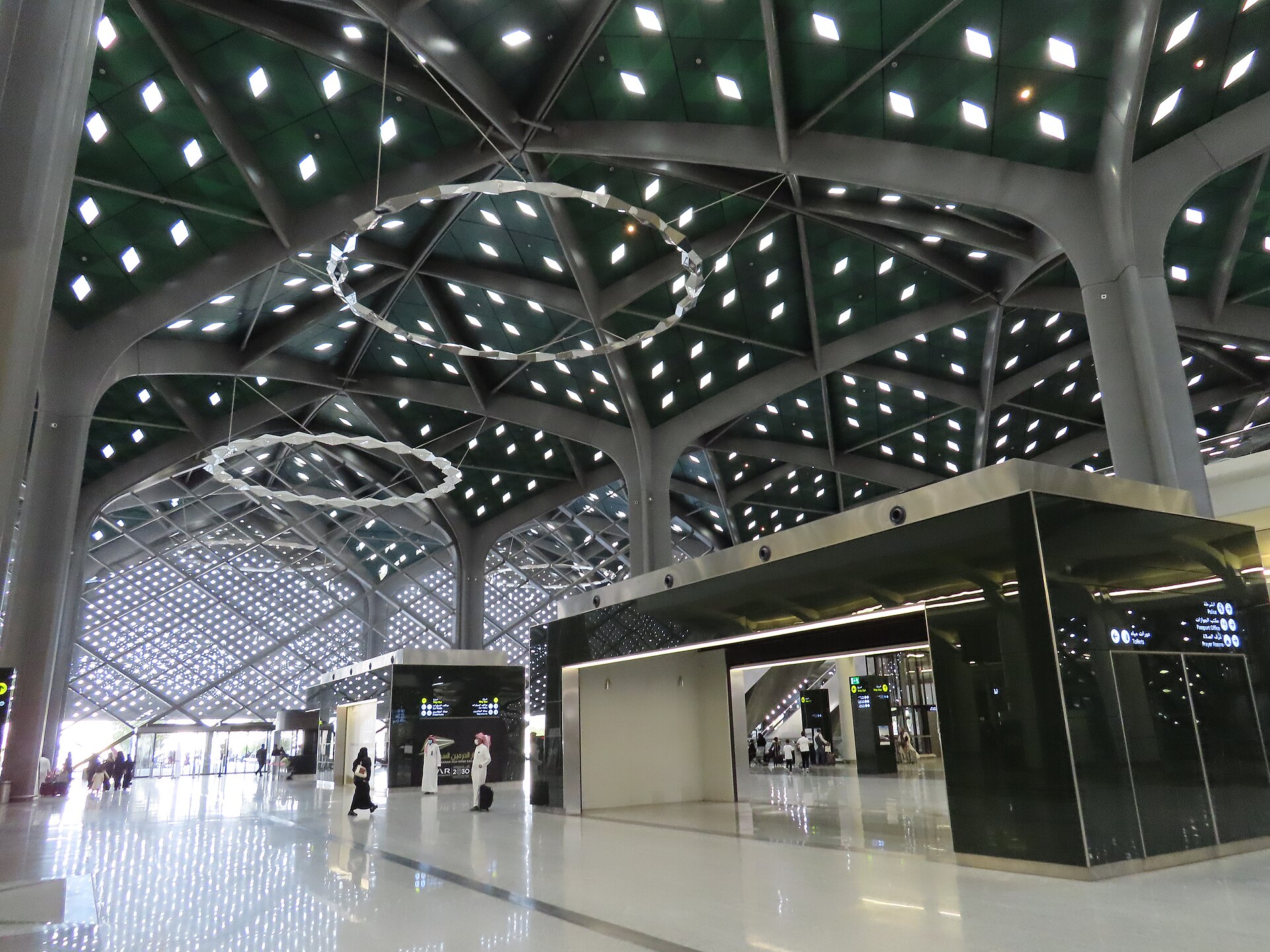
The Haramain Railway is the standout. Running at up to 300 km/h, it connects Makkah, Jeddah, King Abdullah Economic City, and Madinah across 450 km of track. The journey between Jeddah and Madinah takes roughly two and a half hours in air-conditioned comfort. Business class offers extra legroom, priority boarding, and enhanced seating — a worthwhile upgrade for older travellers. The trains are modern, smooth, and equipped with WiFi and onboard dining. Full ticketing details are in our Haramain Railway guide.
SAR Long-Distance Trains
Saudi Arabia Railways (SAR) operates the North Line (Riyadh to Qurayyat) and the East Line (Riyadh to Dammam). These are slower than the Haramain but comfortable and inexpensive, with reclining seats and onboard service. The Riyadh-to-Dammam route is particularly useful for retirees wanting to combine the capital with the Eastern Province coast without flying or driving.
Domestic Flights
Saudia and flynas operate frequent domestic flights between all major cities. Riyadh to AlUla is roughly 90 minutes by air — far easier than the 10-hour drive. Airports at Riyadh (RUH), Jeddah (JED), and Dammam (DMM) are modern, with wheelchair assistance available at all terminals.
Taxis, Uber, and Careem
Within cities, Uber and Careem are ubiquitous and affordable. Both apps work seamlessly, accept international credit cards, and eliminate the need to negotiate fares or navigate unfamiliar bus routes. For retirees, this is the easiest way to get around Riyadh, Jeddah, or Dammam day-to-day.
Guided Tours
For retirees who prefer not to self-navigate at all, guided group tours are an excellent option. Companies like Adventures Abroad and On The Go Tours run small-group itineraries (typically 8–16 people) that cover Riyadh, Jeddah, and AlUla over 8–10 days, with all logistics handled. These tours tend to attract a mature demographic and set a pace that allows for rest days and leisurely exploration.
Where to Stay: Luxury and Wellness
Saudi Arabia’s hotel sector has expanded rapidly, and the options for retirees seeking comfort, service, and wellness are genuinely impressive.
Luxury Desert Resorts
Banyan Tree AlUla sits in the Ashar Valley, surrounded by sandstone cliffs. The resort offers a full-service spa with massage, facial, and body treatments, plus yoga and meditation sessions — all set against a landscape that looks like another planet. Rooms start from approximately $600/night in peak season.
The Chedi Hegra AlUla has 35 rooms, suites, and villas with a refined spa, outdoor pool, and wellness areas that emphasise calm and contemplation. It is among the closest high-end properties to the Hegra archaeological site.
Wellness-Focused Properties
Miraval The Red Sea on Shura Island is a purpose-built wellness resort with 39 treatment rooms — the largest spa on the island — and a programme centred on mindful movement, restorative rituals, and digital detox. For retirees seeking a health-focused holiday rather than a sightseeing marathon, this is one of the best options in the Middle East.
Nujuma, a Ritz-Carlton Reserve on the Ummahat Islands offers the Neyrah Spa and pristine Red Sea snorkelling in an ultra-luxury setting. It is remote and exclusive — the kind of property that rewards guests who want to slow down completely.
City Hotels for Retirees
In Riyadh, The Mansard features the first Spa by L’Occitane in the Saudi capital. In Jeddah, the Park Hyatt and Rosewood properties on the Corniche offer waterfront luxury with easy access to Al-Balad. In AlUla, Habitas AlUla provides a design-forward desert camp experience with a gentle, wellness-oriented programme. All of these properties offer airport transfers, concierge services, and the kind of attentive hospitality that makes travel easier for older guests.
Practical Tips for Retirees
Medication and Prescriptions
Saudi Arabia permits travellers to bring personal medication, but controlled substances require documentation. Carry a letter from your doctor listing all medications, their generic names, and dosages. Some drugs that are available over the counter in Europe or North America are restricted in Saudi Arabia — check the Saudi Food and Drug Authority list before travelling. Our health and vaccinations guide covers the details.
Travel Insurance Is Essential
The Saudi e-visa includes basic mandatory health insurance, but it is limited. Retirees should purchase comprehensive travel insurance that covers pre-existing conditions, medical evacuation, and trip cancellation. Several providers — including Allianz, World Nomads, and Staysure (which specialises in over-65 coverage) — offer policies specifically designed for Saudi Arabia.
Pace Yourself
Even in winter, Saudi Arabia’s sun is strong. Drink more water than you think you need. Plan outdoor sightseeing for mornings (8–11 am) and late afternoons (3–5 pm), and use the midday hours for museum visits, spa treatments, or rest. The local rhythm of life — active mornings, quiet afternoons, lively evenings — suits retirees perfectly.
Dress Code
Saudi Arabia’s dress code for men and women has relaxed considerably for tourists, but modest dress is still expected. For retirees, this is rarely an issue — long trousers, covered shoulders, and loose-fitting clothing are comfortable in the climate anyway. Women no longer need to wear an abaya in public, though carrying a light shawl for mosque visits and conservative areas is wise.
Connectivity
Stay connected with an eSIM or local SIM card from STC, Zain, or Mobily — all available at airport arrival halls. WhatsApp calling works throughout the Kingdom, and most hotels and restaurants have reliable WiFi. Our internet guide covers VPN considerations.
A Two-Week Itinerary for Retirees
This suggested itinerary balances heritage, relaxation, and variety without over-packing any single day.
| Days | Location | Highlights |
|---|---|---|
| 1–3 | Riyadh | Diriyah At-Turaif, National Museum, Masmak Fortress, Kingdom Centre Sky Bridge, evening at Boulevard Riyadh |
| 4–5 | AlUla (fly from Riyadh) | Hegra tombs, Elephant Rock sunset, Old Town heritage walk, spa day at Banyan Tree or Chedi Hegra |
| 6 | AlUla | Hot air balloon at dawn, Dadan archaeological site, stargazing evening |
| 7–8 | Madinah (fly from AlUla) | Al-Masjid an-Nabawi (non-Muslims can visit the surrounding plazas and heritage district), Hejaz Railway Museum, date market |
| 9 | Jeddah (Haramain train) | Arrive by high-speed train, settle into waterfront hotel, evening Corniche walk |
| 10–11 | Jeddah | Al-Balad morning walk, waterfront promenades, King Fahd Fountain, floating mosque, seafood dinner |
| 12–13 | Taif (day trip or overnight) | Rose gardens, Al Shafa mountain village, Souq Okaz heritage site, cool mountain air |
| 14 | Jeddah | Final shopping at Red Sea Mall, departure from JED |
Tip for retirees: Build in at least one full rest day with no scheduled activities. The temptation to see everything is real, but the trip improves when you leave room for a long lunch, a spa morning, or simply watching the sunset from your hotel terrace.
Accessibility and Mobility
Saudi Arabia’s accessibility infrastructure is improving but remains uneven. Major hotels, airports, and newer attractions (including Diriyah and the AlUla visitor facilities) are generally wheelchair-accessible with ramps, lifts, and adapted restrooms. The Haramain Railway stations have full accessibility features. The holy mosques in Makkah and Madinah provide free wheelchair services — electric wheelchairs are available near major gates.
However, older heritage sites, traditional souks, and some public spaces still present challenges — uneven surfaces, steps without ramps, and limited signage. Retirees with mobility concerns should consider guided tours that pre-screen accessibility, or consult our accessibility guide for disabled travellers for detailed site-by-site information.
Saudia and other airlines operating in Saudi Arabia provide complimentary wheelchair assistance at all airports, and both Uber and Careem offer vehicle options that can accommodate mobility aids.
Safety and Respect
Saudi Arabia is one of the safest countries in the world for tourists, with very low rates of street crime, theft, and violent crime. The U.S. State Department rates it at Level 2 (Exercise Increased Caution), the same level as the UK, France, and Germany. For retirees, this matters — feeling safe while walking, dining, and exploring is non-negotiable, and Saudi Arabia delivers on this consistently. Our safety guide covers the details.
The culture of respect toward elders is deeply embedded in Saudi society. Older visitors will often find themselves treated with particular courtesy — offered seats, assisted with directions, and welcomed warmly. This is not a country where age is a disadvantage for travellers; quite the opposite.
What It Costs
Saudi Arabia is not a budget destination for retirees seeking comfort, but it offers strong value compared to similar experiences in the UAE or European heritage destinations.
| Category | Mid-Range | Luxury |
|---|---|---|
| Hotel (per night) | $100–180 | $300–800+ |
| Meals (per day) | $30–50 | $80–150 |
| Domestic flight | $50–120 | $150–300 (business) |
| Haramain train (one-way) | $20–35 economy | $50–70 business |
| Guided day tour | $60–120 | $200–400 (private) |
| Museum/site entry | $10–25 | $10–25 |
The Saudi Riyal is pegged to the US dollar at 3.75 SAR = $1, which makes budgeting straightforward. ATMs are everywhere, international cards are widely accepted, and contactless payments work in most establishments. See our ATM and banking guide for tips on avoiding fees.
Explore More Saudi Arabia Travel Guides
- Saudi Arabia Travel Guide 2026 — The complete guide to visiting the Kingdom
- Saudi Arabia for Senior Travellers — Accessibility and comfort guide for older visitors
- Saudi Arabia for Disabled Travellers — Detailed accessibility information by city and site
- First Time in Saudi Arabia — Everything you need to know before your first visit
- AlUla Travel Guide — The complete guide to Saudi Arabia’s most spectacular destination
- Saudi Arabia Visa Guide — Every visa type explained