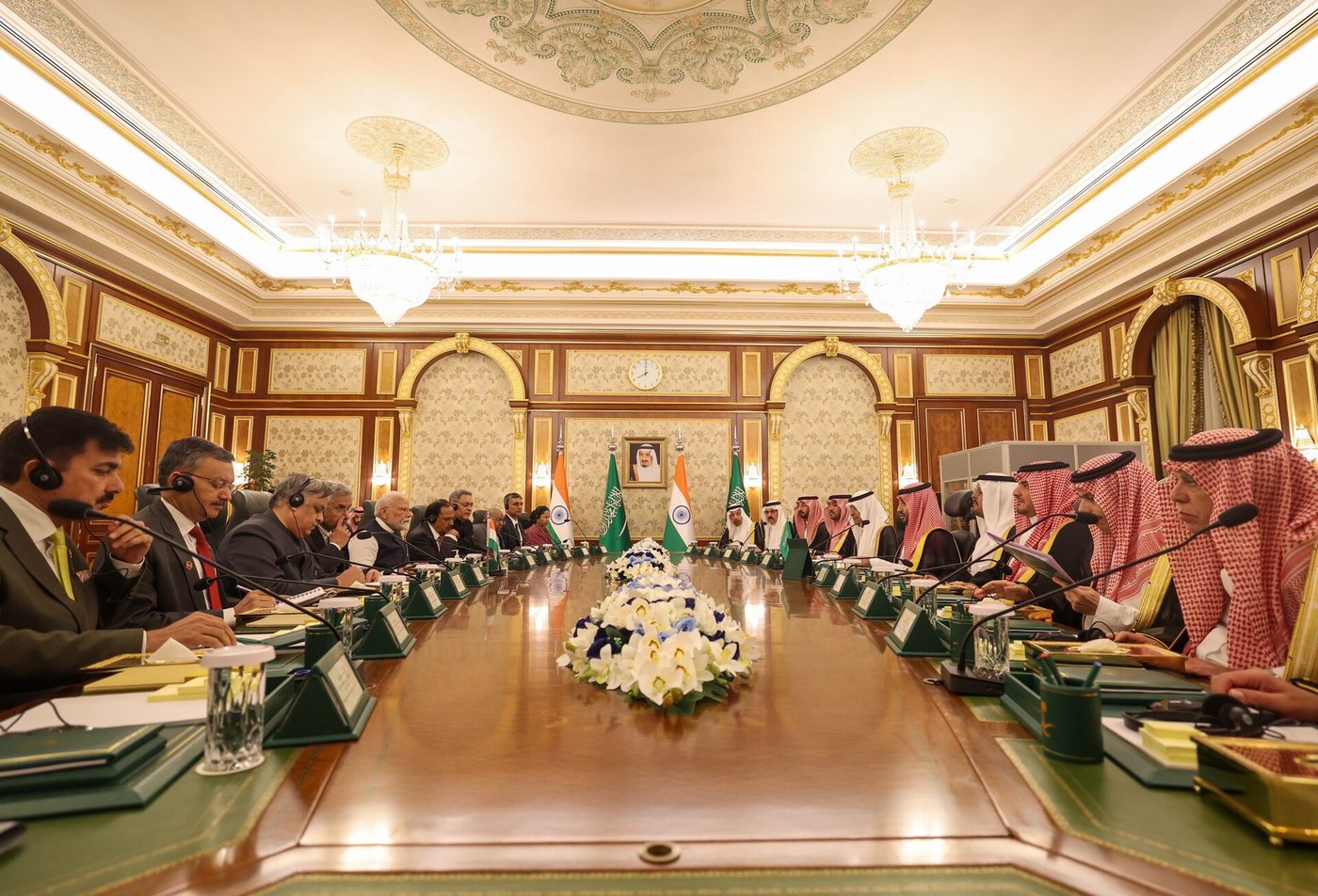
JEDDAH — Saudi Crown Prince Mohammed bin Salman hosted Sudan’s military leader Lt. Gen. Abdel Fattah al-Burhan in Jeddah on Monday, a meeting attended by Saudi Arabia’s defense minister, foreign affairs minister, national security advisor, and intelligence chiefs — a full security cabinet assembled just days after Riyadh killed a $1.5 billion Pakistani arms deal that would have equipped Sudan’s air force with Chinese-component fighter jets and hundreds of combat drones.
The meeting, confirmed by the Saudi Press Agency on April 21, marks the sharpest realignment of military patronage in the Horn of Africa since Sudan’s civil war began three years ago. Saudi Arabia is not merely blocking an arms sale. It is replacing Pakistan as Sudan’s primary defense partner at the precise moment Islamabad’s dual role — as Iran’s protecting power and Saudi Arabia’s treaty ally — has made it an unacceptable intermediary for Riyadh.
Table of Contents
The Jeddah Bilateral
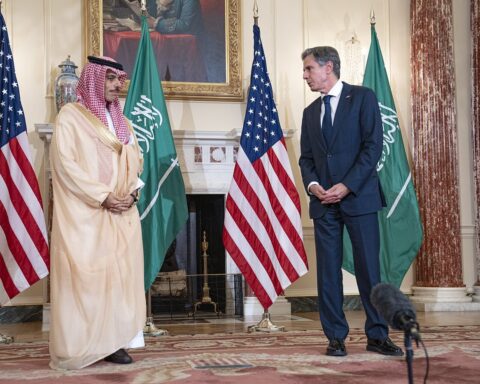
The SPA readout offered the standard diplomatic language: both leaders “stressed the importance of ensuring Sudan’s security and stability and preserving its sovereignty, unity, and territorial integrity.” But the composition of the Saudi delegation told a different story. Defense Minister Prince Khalid bin Salman, Foreign Minister Prince Faisal bin Farhan, the national security advisor, and senior intelligence officials all sat across from Burhan — a configuration typically reserved for countries Saudi Arabia considers active security partners, not humanitarian cases.
The bilateral builds on two prior institutional steps. MBS hosted Burhan in Mecca on March 27-28, 2025; Saudi Arabia’s Council of Ministers then authorized a Saudi-Sudan Coordination Council on October 21, 2025. That council now provides the institutional framework for what diplomats in the region describe as a direct Saudi security relationship with Khartoum — one that no longer requires Pakistani intermediation.
Neither Burhan’s government nor the Saudi foreign ministry addressed the frozen arms deal in their public statements. Reuters reported on April 20, citing a security source, that Saudi Arabia had requested Pakistan terminate the agreement and withdrawn all financing following a March 2026 meeting between Sudanese army leaders and Saudi authorities in Riyadh.
What Was in the $1.5 Billion Arms Package
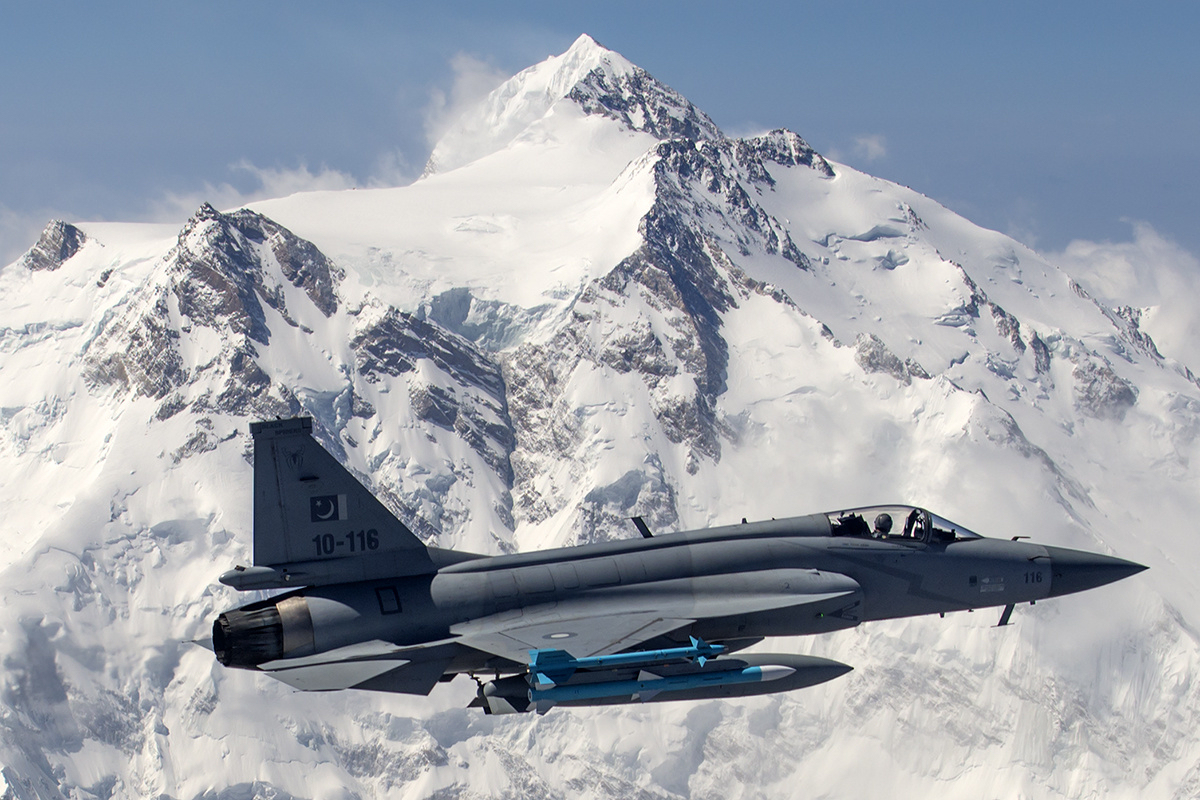
The deal, originally brokered with Saudi financing, included 10 Karakoram-8 light attack aircraft, more than 200 reconnaissance and kamikaze drones, advanced air-defense systems, and Super Mushshak trainer aircraft, according to Reuters and Army Recognition reporting from January 2026. The centerpiece — never officially confirmed but widely reported — was the JF-17 Thunder Block III multirole fighter, which would have given Sudan AESA radar capability and long-range air-to-air missile compatibility at a unit cost of $25-30 million.
The Middle East briefing 3,000+ readers start their day with.
One email. Every weekday morning. Free.
The JF-17 carries a specific complication: 42 percent Chinese components. Former Pakistan Air Force Air Commodore Adil Sultan called the aircraft a vehicle to “enhance interoperability of both the air forces,” and defense analyst Amir Husain noted that “with the SMDA between Pakistan and Saudi Arabia, it makes a lot of sense for commonality in systems,” speaking to Al Jazeera. That interoperability argument assumed Pakistan would remain the bridge between Saudi and Sudanese defense procurement. That assumption no longer holds.
Pakistan’s Defence Minister Khawaja Asif had framed the deal in even larger terms, suggesting arms exports could reduce IMF dependence and claiming “Pakistan may not need the IMF in six months.” Islamabad is in its 25th IMF programme, worth $7 billion. An estimated $13 billion in JF-17 pipeline deals across multiple countries — including the Sudan package and a parallel $4 billion agreement with Libya’s Khalifa Haftar — would have boosted Pakistan’s reserves by 82 percent, according to Al Jazeera’s January 2026 analysis.
Why Did Saudi Arabia Kill a Deal It Brokered?
The stated trigger, according to Defence Security Asia and Sudan’s Assayha newspaper — both regional secondary outlets, not wire services — was a video by Brigadier General Tariq al-Hadi Kajab, a Sudanese Armed Forces officer linked to the former Omar al-Bashir network and Sudan’s Muslim Brotherhood. Kajab praised Iran and called for attacks on Gulf desalination infrastructure. A Sudanese Muslim Brotherhood leader followed with a fatwa inciting sedition in support of Iran, Assayha reported.
The Kajab video provided the proximate cause. The structural cause runs deeper. Pakistan signed the Saudi-Pakistani Mutual Defense Agreement on September 17, 2025, committing both nations to treat aggression against either party as aggression against both. On April 11, 2026, Pakistan deployed military personnel to King Abdulaziz Air Base in Saudi Arabia’s Eastern Province under that agreement — the first operational activation of the SMDA. “The invocation of the SMDA is the price of the significant restraint shown by the Saudis,” said Azeema Cheema, founding director of Verso Consulting, speaking to Al Jazeera on April 14.
Five days after that deployment, on April 16, Pakistan Army Chief Munir visited Khatam al-Anbiya headquarters — the IRGC’s construction and logistics arm commanded by General Abdollahi, one of the two men President Pezeshkian publicly accused of wrecking the Islamabad ceasefire talks. Pakistan was simultaneously manning Saudi air defenses and sitting in the office of the IRGC commander who had sabotaged the negotiations Pakistan itself had brokered.
Umer Karim, a researcher at the King Faisal Center for Research and Islamic Studies in Riyadh, told Al Jazeera that Pakistan “can sustain both roles” as Iran mediator and Saudi defense partner, but warned “this strategy may collapse” if “hostilities restart.” An anonymous Pakistani general, also speaking to Al Jazeera, insisted that SMDA deployment must remain “strictly defensive, time-bound, and transparently limited,” and cautioned that “Iran’s perception, not Pakistan’s intent, will determine whether trust survives.”
From Riyadh’s perspective, the answer was already clear. A country that brokers arms deals with Saudi money while its army chief tours IRGC facilities cannot also serve as the conduit for equipping Saudi Arabia’s preferred faction in a war where Iran-linked actors have penetrated the Sudanese officer corps.
Pakistan’s Impossible Position
The arms deal freeze does not exist in isolation. Reuters reported on April 20 that Pakistan’s parallel $4 billion deal with Libya’s LNA — struck with Haftar in December 2025 — is also in jeopardy because Saudi Arabia is “revisiting their strategy” in both Sudan and Libya. If both deals collapse, Pakistan loses approximately $5.5 billion in defense export revenue, a figure that dwarfs any single IMF tranche.
George Washington University’s Sina Azodi offered a structural reading of the SMDA itself. The Saudi-Pakistan defense partnership, he told Al Jazeera, “was more geared toward Israel than Iran.” The Iran war has stress-tested an agreement designed for a different threat, and the seams are showing. Pakistan’s defence analysts have been barred from speaking about the Sudan deal in detail, Reuters reported — itself an indicator of the sensitivity.
The arithmetic is straightforward. Pakistan is caught between a $7 billion IMF programme that requires fiscal discipline, a $13 billion defense export pipeline that requires Saudi goodwill, an SMDA deployment that requires Saudi trust, and an Iran mediation role that requires Iranian trust. Munir’s April 16 visit to Khatam al-Anbiya may have been necessary diplomacy. From Riyadh, it looked like a man servicing two clients whose interests had become irreconcilable.
The $50 Billion Replacement Offer
What Saudi Arabia is offering Sudan in place of Pakistani arms is not a weapons package — it is an economic architecture. Sudan has prepared approximately 100 strategic partnership projects valued at over $50 billion, covering agriculture, energy, minerals, infrastructure, and technology, according to Sudan Tribune reporting from 2026. A Sudanese-Saudi investment forum is scheduled for Riyadh in June 2026.
Saudi investment in Sudan already dwarfs any single arms deal. Riyadh has committed roughly $35.7 billion across 250 agricultural projects, and annual bilateral trade runs approximately $8 billion, according to Sudan Tribune and Arab Progress. The coordination council formalized last year provides the governance structure for scaling that investment into the minerals and energy sectors Sudan’s war-ravaged economy desperately needs.
An Arab Progress policy brief described Saudi support for Burhan as “pragmatic and dual-track,” including de facto recognition of his authority as Sudan’s head of state — a political endorsement the UAE, which backs the rival Rapid Support Forces under Mohamed Hamdan Dagalo (Hemedti), has pointedly withheld. Burhan, for his part, froze a Russian naval base deal on Sudan’s Red Sea coast, aligning with Saudi preference for keeping the waterway within a Western-oriented security framework.
The investment forum in June serves a dual purpose. For Burhan, it offers economic lifelines for a country where 150,000 people have been killed and 12 million displaced since the civil war erupted on April 15, 2023. For MBS, it cements a direct patron-client relationship that bypasses Pakistan entirely — and gives Riyadh influence over a stretch of Red Sea coastline that has become operationally critical since February 28.
Does This Change the Red Sea Balance?
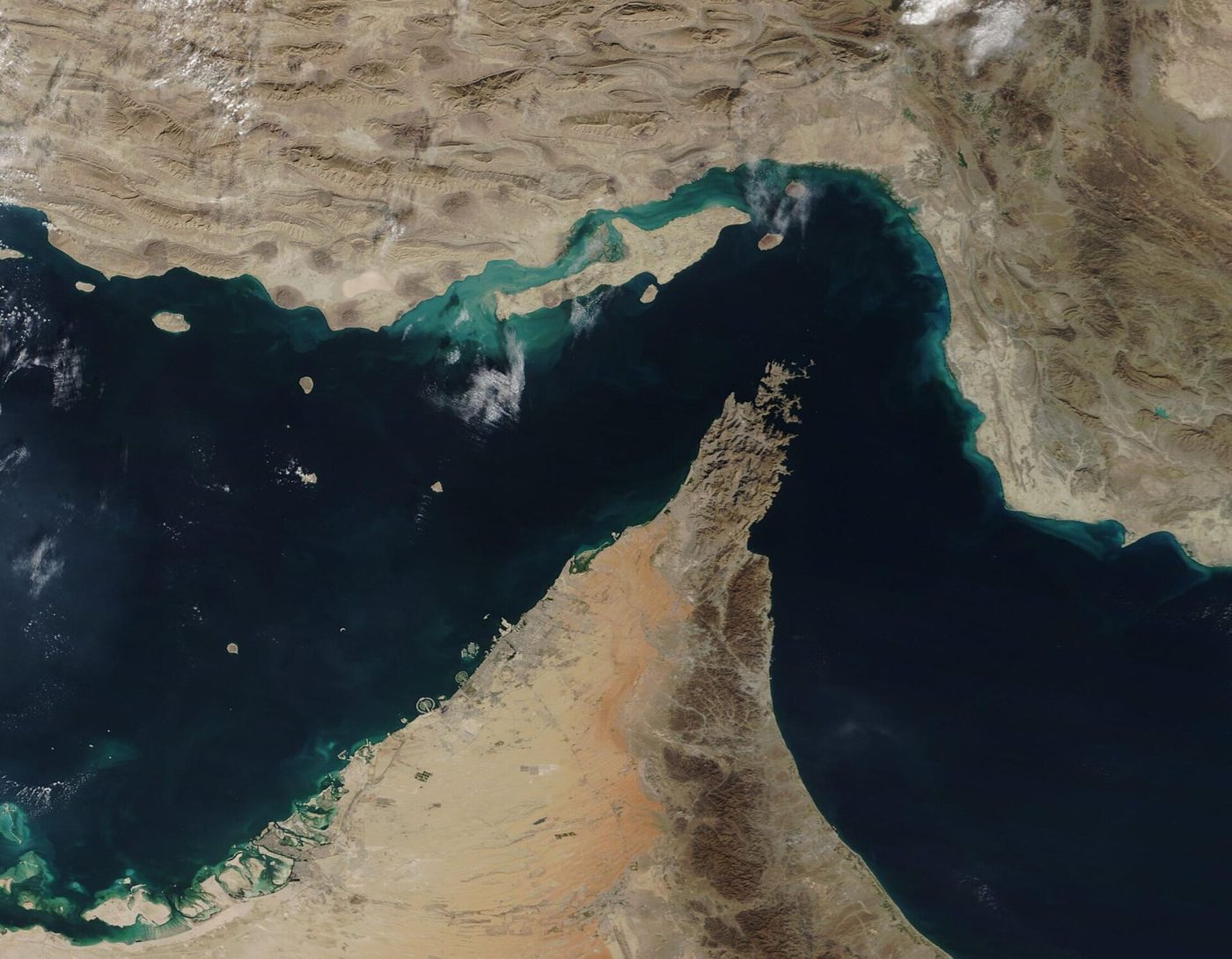
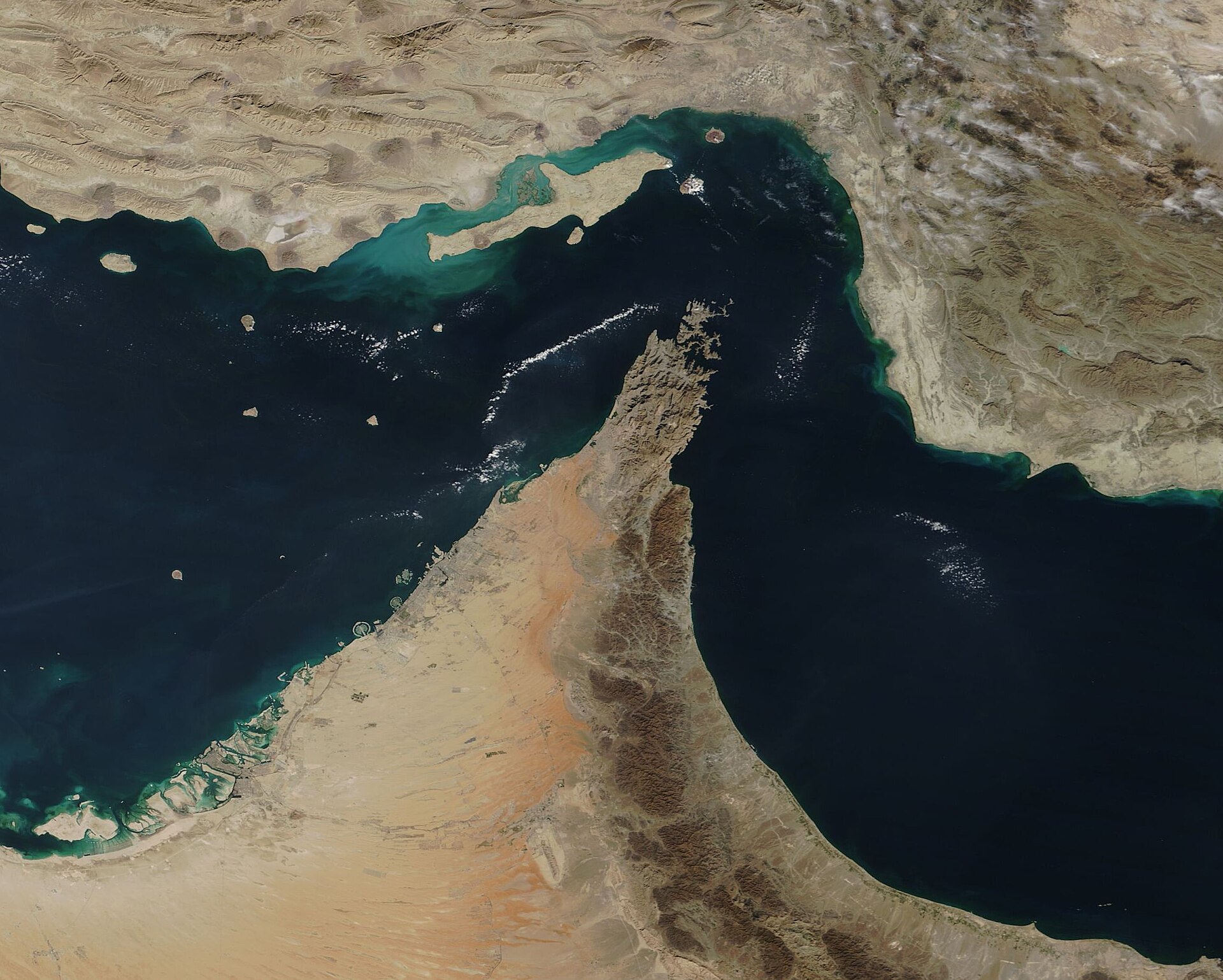
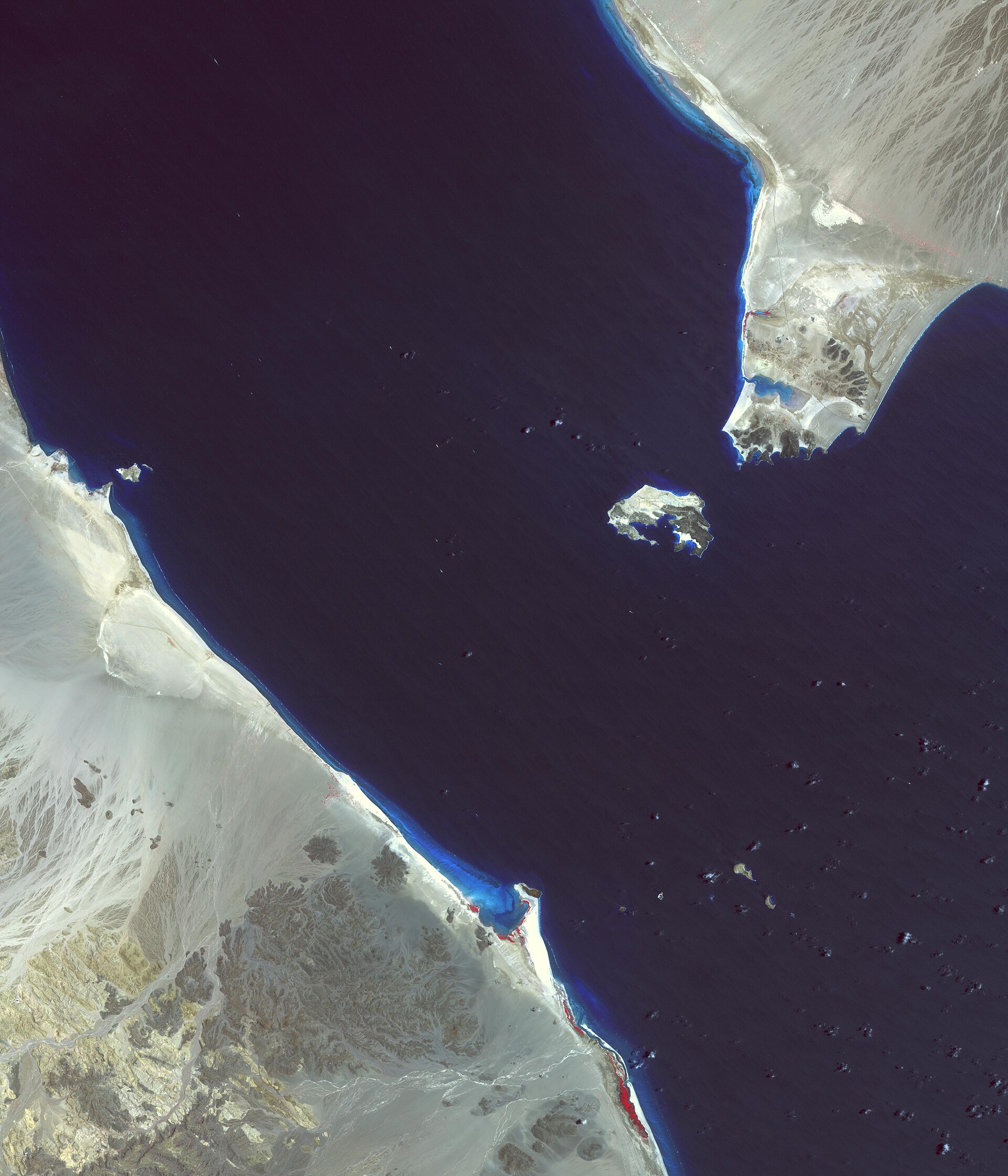
With the Strait of Hormuz under IRGC operational control since early March, Bab el-Mandeb — which carries 10-12 percent of global seaborne trade — is now the remaining chokepoint through which Saudi crude reaches international markets via Yanbu. Sudan’s Red Sea coastline, stretching more than 700 kilometers, sits directly adjacent to that corridor.
Saudi Arabia has already moved to constrict UAE logistics in the region. Horn Review reported in January 2026 that Riyadh closed its airspace to UAE aircraft bound for the Kufrah airbase in southeastern Libya — a critical logistics hub for RSF resupply operations. The pattern is consistent: Saudi Arabia is systematically reducing the ability of any external actor — whether the UAE, Pakistan, or Iran-linked elements within Sudan’s own military — to project force near its western export routes. The Sudan competition is one dimension of a broader fracture: Saudi Arabia and the UAE are no longer coordinating on the same strategic framework, a divergence the Iran war has made measurable across Yemen, OPEC+, and the Abraham Accords.
The Kajab video — a Sudanese officer calling for strikes on Gulf desalination plants — landed in this context. Whether Kajab represented a genuine Iran-Sudan channel or was an isolated provocation matters less than what it revealed: the Sudanese Armed Forces contain officers with Bashir-era Muslim Brotherhood ties whose loyalties do not align with Riyadh’s. Arming that military through a Pakistani intermediary that simultaneously engages the IRGC was, from the Saudi perspective, an unacceptable supply-chain risk.
Background: Sudan’s Civil War and the Jeddah Process
Sudan’s civil war began on April 15, 2023, when fighting erupted between the Sudanese Armed Forces under Burhan and the Rapid Support Forces under Hemedti. In May 2023, Saudi Arabia and the United States co-hosted ceasefire talks between the SAF and RSF in Jeddah — the Jeddah Process — which collapsed without a durable agreement.
After the Jeddah Process failed, the regional alignment hardened: Riyadh backed the SAF and Burhan; Abu Dhabi backed the RSF and Hemedti. That Saudi-UAE schism over Sudan has persisted through 2026 and now intersects with the Iran war in ways neither capital anticipated.
Frequently Asked Questions
Has Pakistan officially confirmed the arms deal is frozen?
No. Pakistan’s military did not respond to Reuters’ request for comment, and no official statement has confirmed or denied the suspension. Defence analysts in Pakistan have been barred from speaking about the deal in detail, according to Reuters’ April 20 report. The deal is described as “on hold” following Saudi Arabia’s withdrawal of financing.
Does the SMDA give Saudi Arabia any formal mechanism to block Pakistani arms deals with third countries?
The text of the Saudi-Pakistani Mutual Defense Agreement, signed September 17, 2025, has not been made public, so its provisions on third-party arms transfers are unknown. What is clear is that Saudi Arabia financed the Sudan deal directly, giving Riyadh a straightforward commercial lever: withdraw the money. The SMDA is relevant not as a legal instrument for blocking the sale but as the political context that made Pakistan’s continued intermediation untenable — Pakistan cannot simultaneously be Saudi Arabia’s treaty ally and the supplier of weapons to a military that Saudi Arabia believes has been penetrated by Iran-linked officers.
Could Sudan source the same weapons elsewhere?
The JF-17 is manufactured exclusively by Pakistan Aeronautical Complex in partnership with China’s Chengdu Aircraft Corporation. There is no alternative supplier. Sudan could seek comparable light fighters from China directly (the L-15 or JL-9), from Russia (the Yak-130), or from Turkey (currently developing the Hurjet), but none of these alternatives come with Saudi financing attached — which was the original deal’s core feature.
What does the UAE’s backing of Hemedti mean for Saudi investment in Sudan?
The RSF, backed by Abu Dhabi, controls most of Sudan’s artisanal gold mining — estimated at 30-40 tonnes annually — and the smuggling networks that move it through the UAE. Saudi investment in Sudan’s minerals sector, part of the $50 billion partnership framework, is therefore structured around the SAF-controlled territory and port access that Burhan’s government administers. A negotiated settlement that gives Hemedti a formal role in a future Sudanese state could complicate Saudi extraction rights, which is one reason Riyadh has publicly endorsed Burhan’s “sovereignty” framing rather than pushing for a power-sharing deal.
What is the significance of Burhan freezing the Russian naval base deal?
Russia had secured an agreement under Omar al-Bashir to establish a naval logistics base at Port Sudan, capable of hosting up to four warships including nuclear-powered vessels. Burhan suspended that agreement after taking power, and it has not been revived. The Red Sea base would have given Russia a permanent naval presence at the mouth of Bab el-Mandeb — directly conflicting with Saudi Arabia’s preference for keeping the western chokepoint within a Western-oriented security framework. Burhan’s continued refusal to revive the deal is one of the clearest signals of alignment with Riyadh, and one of the reasons Saudi Arabia has moved to cement the relationship with direct investment rather than arms.
MBS’s Jeddah diplomatic programme extended to Ahmad Al Shara on April 21, with Saudi Arabia committing $11.7 billion to Syrian reconstruction and staking its claim as primary external patron of post-Assad Syria. That meeting is analysed in Al Shara in Jeddah: MBS Stakes Saudi Claim Over Post-Assad Syria.