ISLAMABAD — Five days after Pakistan’s Field Marshal Asim Munir sat across from Major General Ali Abdollahi at Iran’s supreme joint military command, Abdollahi went on state television and promised “decisive, definitive, and immediate responses to enemy threats” — on the same day Pakistan brokered the ceasefire extension that Trump announced on Truth Social. The man Munir flew to Tehran to win over delivered his answer not through diplomatic channels but through Mehr News Agency, invoking “the directives of the Leader of the Islamic Revolution” and threatening to shut down shipping across four waterways from the Strait of Hormuz to the Red Sea.
The sequence is difficult to misread. Munir visited Khatam al-Anbiya Central Headquarters on April 16, the first foreign military leader to enter Iran since the April 8 ceasefire began, specifically to secure the operational commander’s buy-in for a ceasefire enforcement architecture that Pakistan had staked its diplomatic credibility on. On April 21, Abdollahi responded by publicly citing the Supreme Leader’s authority — the one authority that constitutionally commands Iran’s armed forces under Article 110, bypassing President Masoud Pezeshkian entirely. Pakistan’s theory of the case — that getting the war commander’s agreement would make the ceasefire hold — collapsed with named actors, on a specific date, in public.
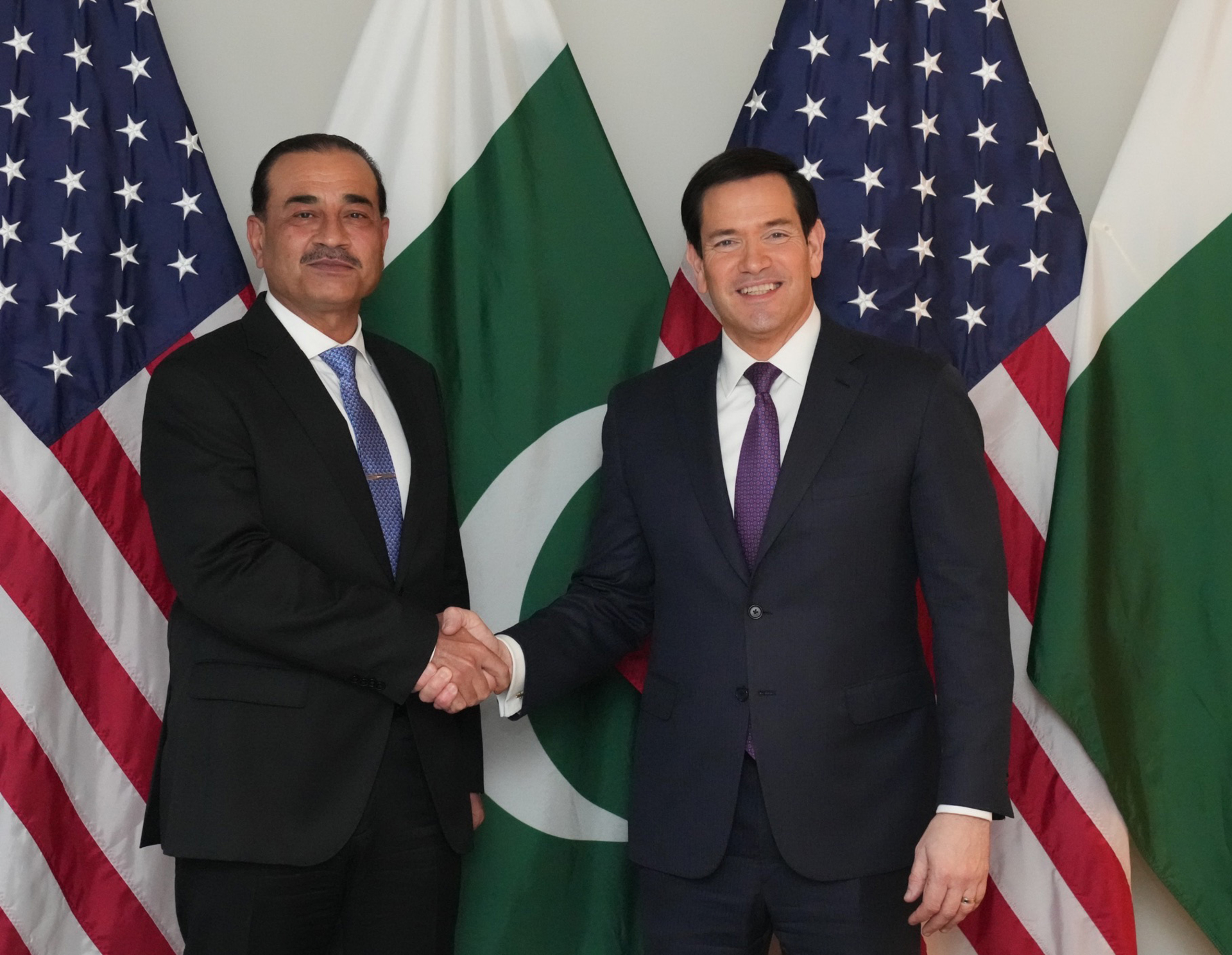
Table of Contents
- The Five-Day Arc: From Headquarters Visit to War Warning
- What Is Khatam al-Anbiya and Why Does Abdollahi Outrank Everyone?
- Did Pakistan’s Enforcement Strategy Ever Have a Chance?
- The Touska Seizure and Hormuz Closure
- Trump’s About-Face and the Vance Trip That Died
- Where Does the Authorization Ceiling Leave the War?
- Background
- Frequently Asked Questions
The Five-Day Arc: From Headquarters Visit to War Warning
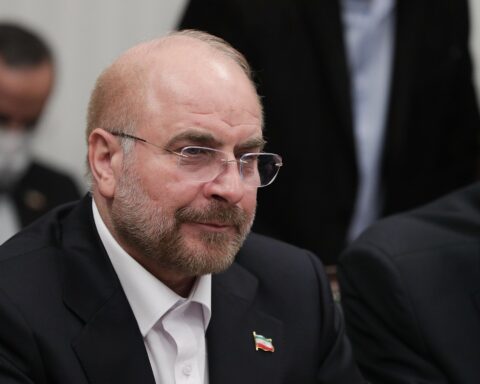
Field Marshal Munir arrived in Tehran on April 16 leading a high-level delegation that included Interior Minister Mohsin Naqvi, according to ETV Bharat and Pakistan Today. Over three days he met the full spectrum of Iranian power — President Pezeshkian, Parliamentary Speaker Mohammad Bagher Ghalibaf, Foreign Minister Abbas Araghchi, and Major General Abdollahi at Khatam al-Anbiya Central Headquarters. No formal agreements or specific commitments from Abdollahi were reported by any Pakistani or Iranian outlet covering the visit.
The logic of Munir’s itinerary was transparent. Pezeshkian had publicly accused Abdollahi and SNSC Secretary Ali Akbar Ahmadian Vahidi on April 4 of wrecking the ceasefire — what he called a “deviation from delegation’s mandate” that triggered the Islamabad walkout on April 14. Pakistan’s reading, shared by multiple Western analysts, was that the diplomatic track through Araghchi and Pezeshkian was necessary but insufficient. The forces actually fighting the war reported to Khatam al-Anbiya, not to the Foreign Ministry. If Abdollahi didn’t agree, no piece of paper signed in Islamabad would hold.
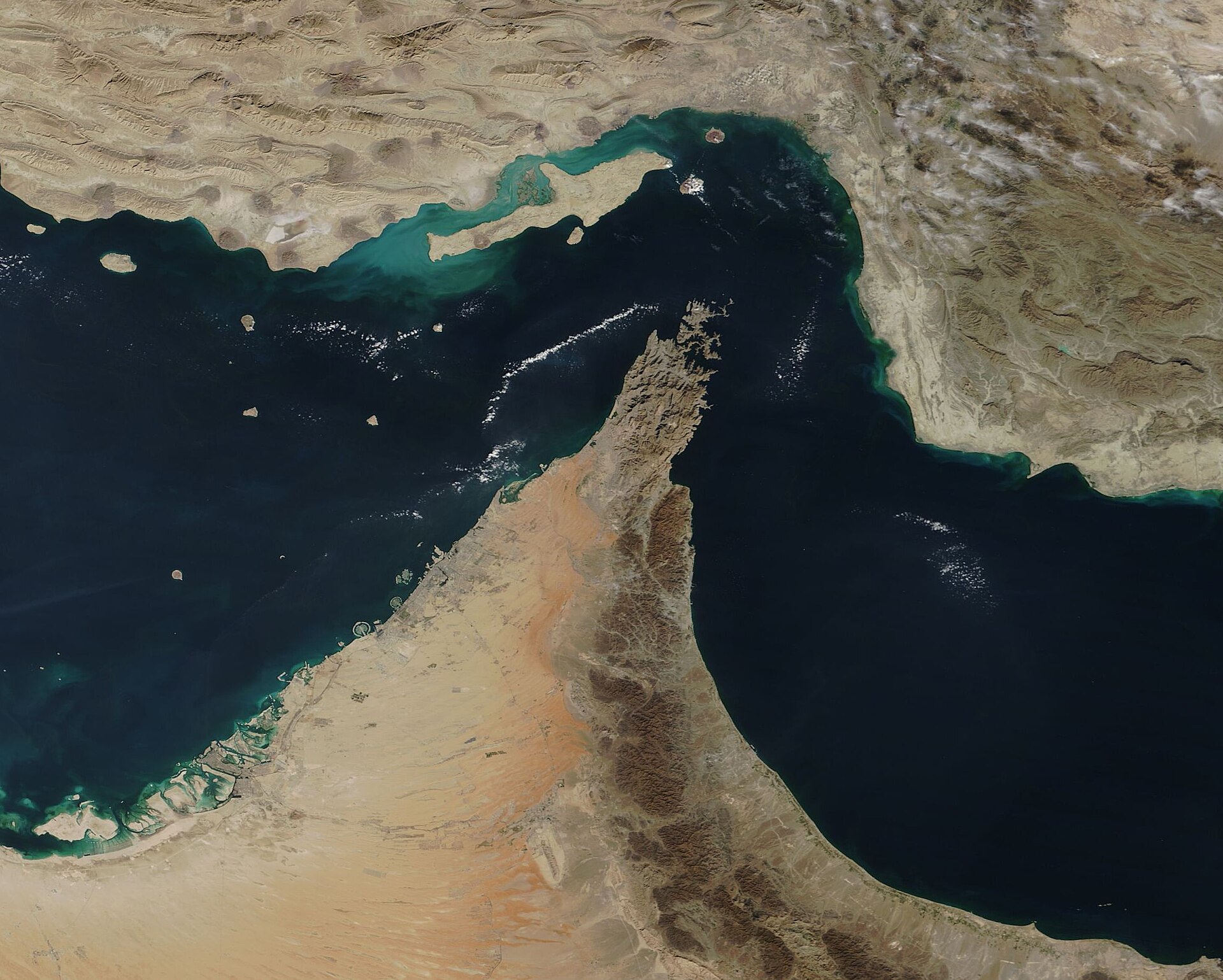
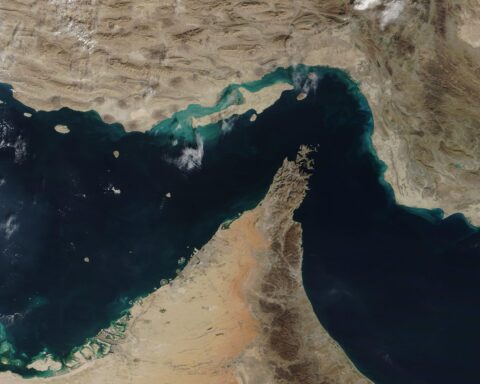
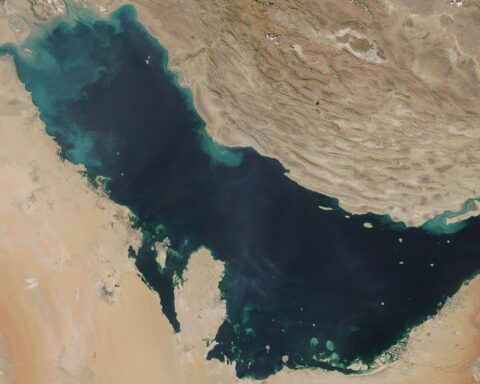
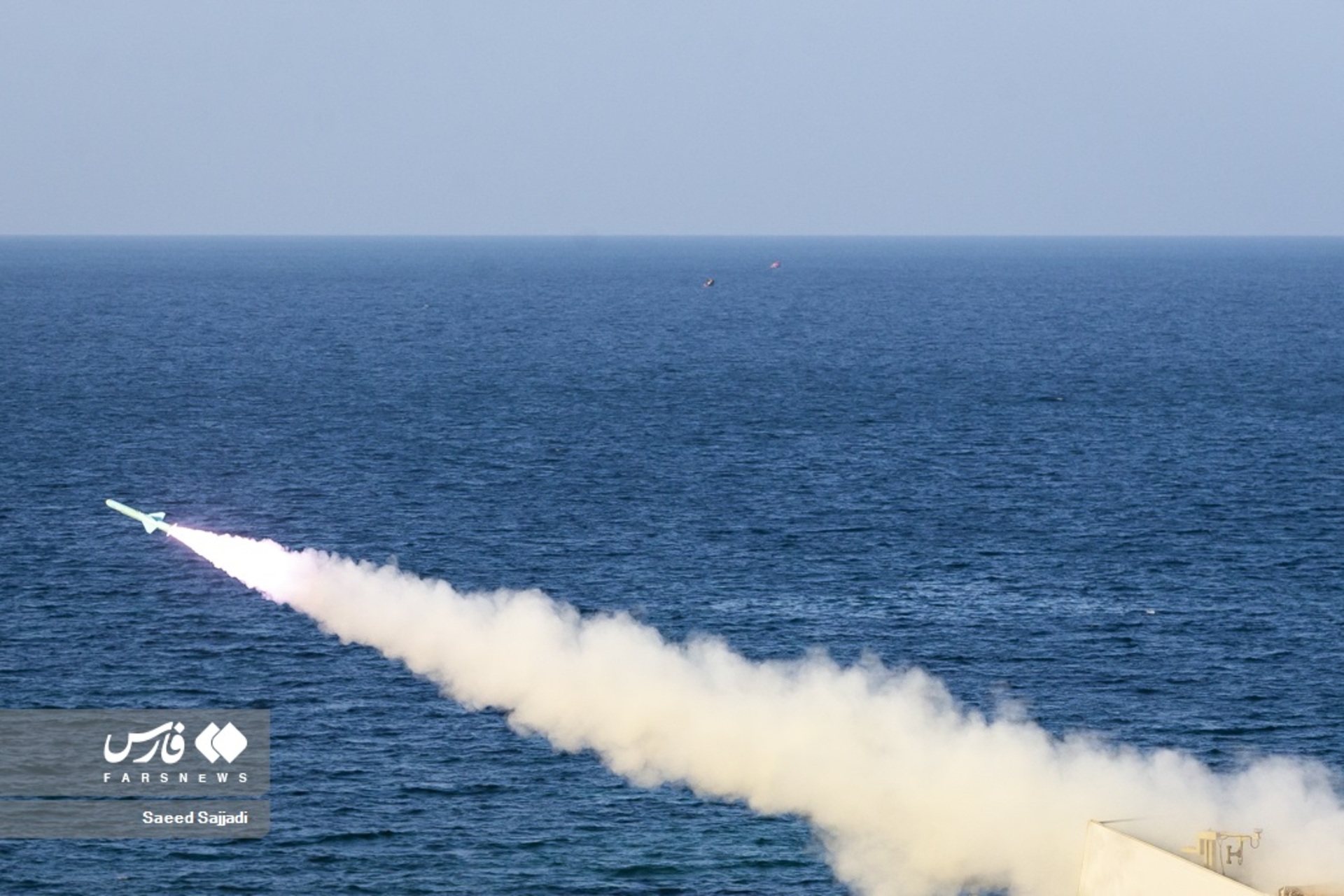
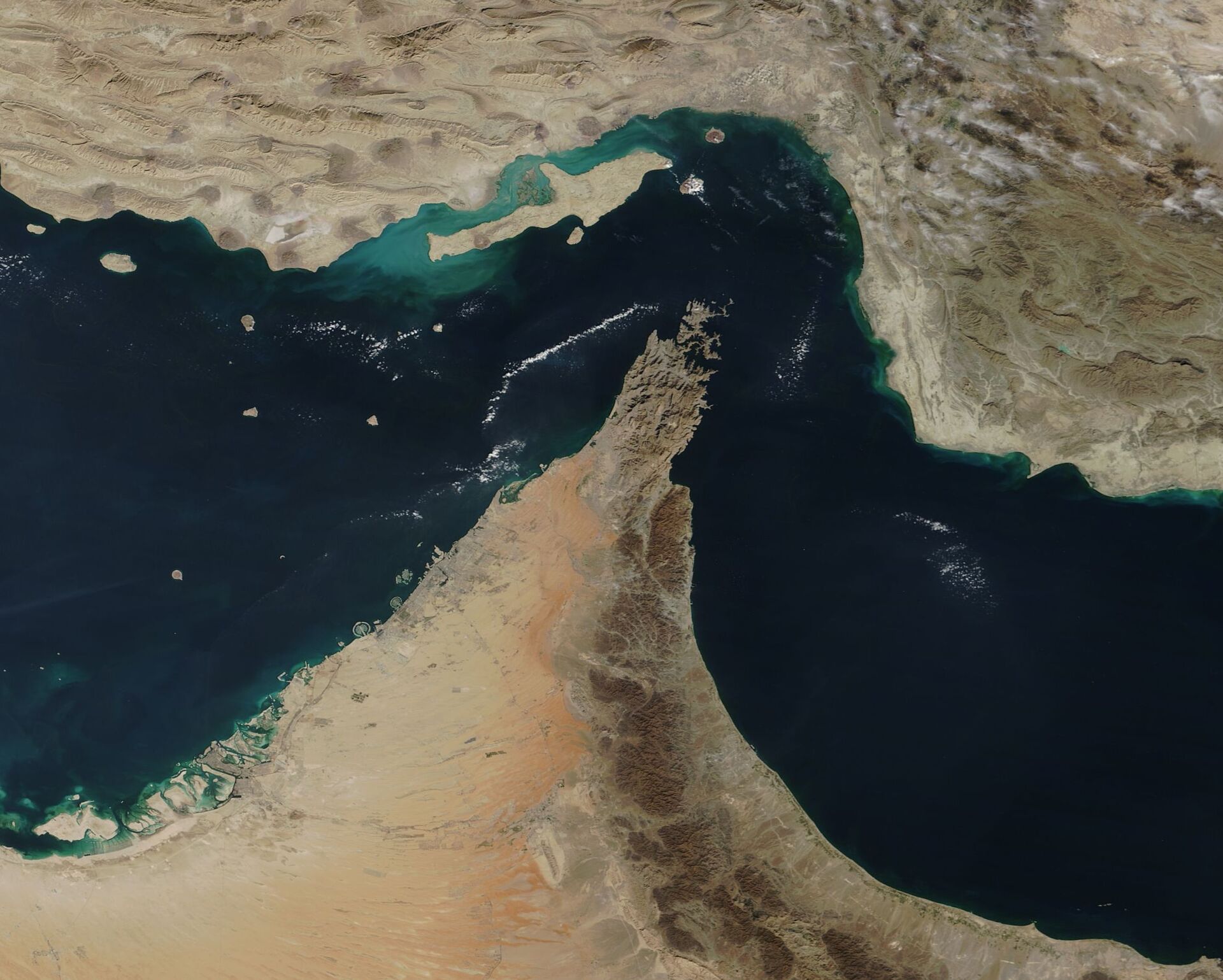
On April 21, Abdollahi made his position clear through Mehr News Agency, the semi-official outlet with deep IRGC ties. “The brave Iranian armed forces, together with the government and people, united and in full compliance with the directives of the Leader of the Islamic Revolution, are ready to deliver decisive, definitive, and immediate responses to enemy threats,” he said. He added that Iran “retained the upper hand in the military field, including in the management of the Strait of Hormuz,” and threatened to halt trade flows across the Strait of Hormuz, the Persian Gulf, the Sea of Oman, and the Red Sea if restrictions on Iranian shipping continued, according to Al Jazeera and the Jerusalem Post.
The timing was not incidental. Within hours of Abdollahi’s statement, Trump posted his ceasefire extension on Truth Social — the very extension Pakistan had brokered. Abdollahi’s warning and Pakistan’s diplomatic achievement arrived on the same day, addressed the same conflict, and pointed in opposite directions.
The Middle East briefing 3,000+ readers start their day with.
One email. Every weekday morning. Free.
What Is Khatam al-Anbiya and Why Does Abdollahi Outrank Everyone?
Khatam al-Anbiya Central Headquarters is Iran’s supreme joint operational command — the body that coordinates both the Islamic Revolutionary Guard Corps and the regular Artesh military in wartime. According to United Against Nuclear Iran (UANI), it “precedes IRGC and Artesh in the command chain, thereby overseeing all of Iran’s armed forces.” In practical terms, Abdollahi formally outranks both the IRGC commander and the Army chief in the operational hierarchy. The headquarters also integrates both IRGC and Artesh air defense under the Khatam al-Anbiya Air Defence Headquarters.
Originally activated only in wartime, Khatam al-Anbiya became a permanent standing command in 2016 — a structural decision that concentrated operational authority in a single body reporting directly to the Supreme Leader. When the current war began on February 28, 2026, the command was already staffed, standing, and autonomous from the civilian government.
Abdollahi’s path to the post was itself a product of the war. His two predecessors — Major General Gholam Ali Rashid, killed June 13, 2025, and Major General Ali Shadmani, killed within 72 hours of assuming the post — were both eliminated in Israeli strikes, according to Asharq al-Awsat and IranWire. Abdollahi was appointed on September 5, 2025 by Supreme Leader Khamenei, and Iran kept his identity classified for months as a security measure. He has been under US sanctions since January 2020. His career spans the IRGC Ground Forces Chief of Staff, Deputy Commander of the IRGC Air Force, Deputy Interior Minister for Security Affairs, and Deputy Coordinator of Iran’s Law Enforcement Force — an IRGC product commanding a joint structure, the institutional bridge between the Revolutionary Guards and the conventional military.
Did Pakistan’s Enforcement Strategy Ever Have a Chance?
Pakistan’s mediation role evolved rapidly from hosting venue to would-be enforcer in early April. When Munir personally relayed messages between Washington and Tehran during the April 8 ceasefire negotiations — what HOS previously reported as Pakistan moving from venue to enforcer overnight — the underlying theory was that a military-to-military channel could reach commanders the diplomatic track could not. The Islamabad Accord, brokered by Pakistan, contained no enforcement clause. Munir’s visit to Khatam al-Anbiya was the enforcement clause — or was meant to be.
The structural problem was visible from the start. Pakistan operates under the September 17, 2025 Saudi-Pakistan Mutual Defense Agreement, making it simultaneously Iran’s interlocutor and Saudi Arabia’s treaty ally. A $5 billion Saudi loan to Pakistan matures in June 2026. Iran’s IRGC-aligned media had already questioned Pakistan’s neutrality, and Pezeshkian himself appeared to turn on the mediators: on April 21, he posted that “the level of understanding and comprehension of the requesters from Iran regarding their presence in Islamabad is even lower than Trump’s level of understanding and comprehension,” according to CBS News — a remark aimed squarely at Pakistan’s delegation.
The Institute for the Study of War (ISW) had already assessed, as cited by Euronews on April 19, that “the IRGC appears to be controlling Iranian decision-making instead of Iranian political officials who are engaging with the United States in negotiations.” Pakistan’s bet was that Munir’s military credentials and direct access to Abdollahi could bypass the civilian-military split. Abdollahi’s April 21 statement, issued in the name of the Supreme Leader rather than any negotiated commitment, suggests the bet did not pay off.
No Pakistani government statement addressing Abdollahi’s war warning has been found. Deputy Prime Minister Ishaq Dar urged both sides to extend the ceasefire but did not reference the Khatam al-Anbiya commander’s public threat to close four waterways — a silence from the country that had just staked its diplomatic weight on reaching him.
The Touska Seizure and Hormuz Closure
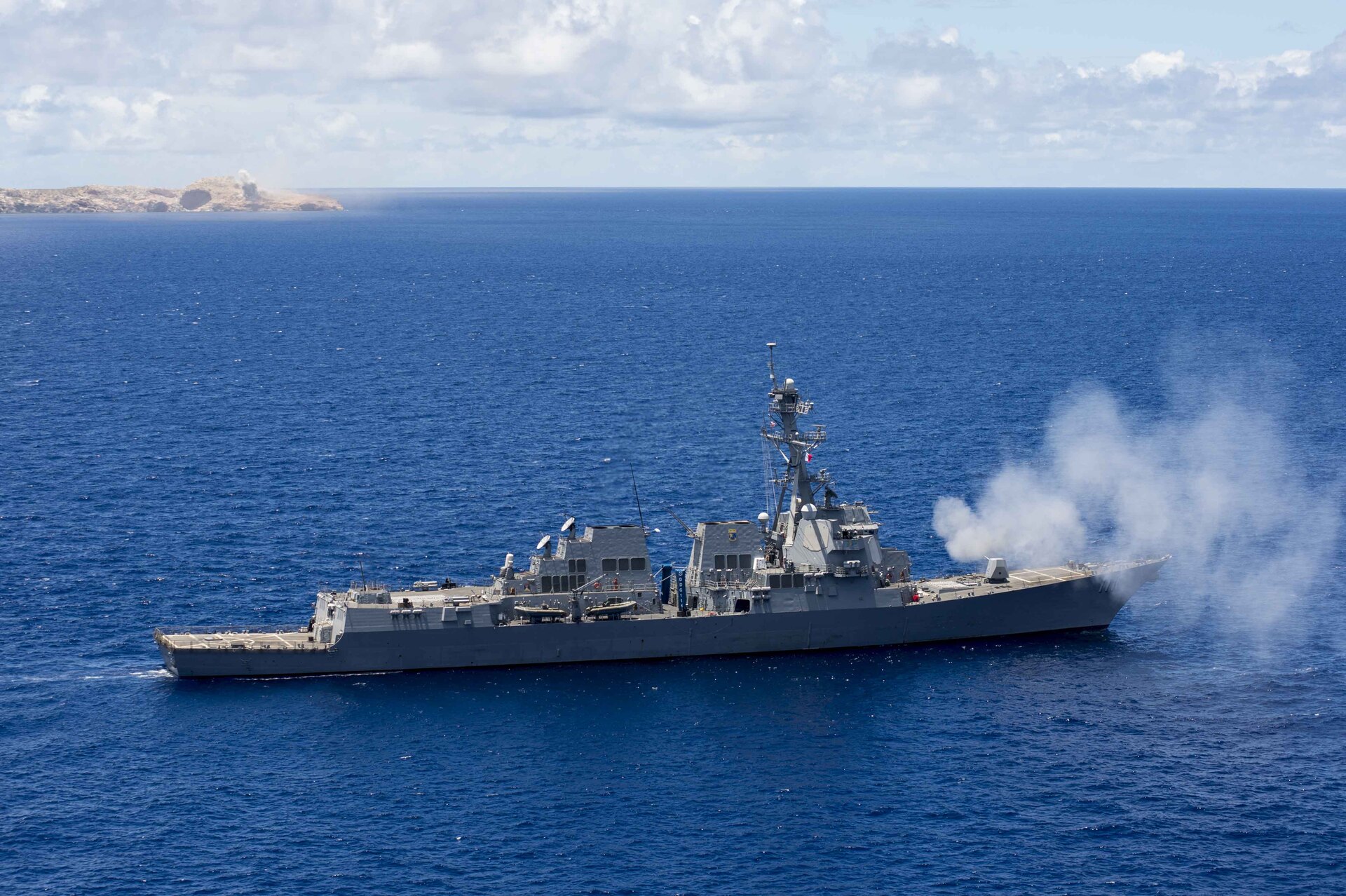
Abdollahi’s April 21 warning did not emerge in a vacuum. Two days earlier, on April 19, USS Spruance fired three rounds from its 5-inch gun during a six-hour standoff with the Iranian-flagged container ship MV Touska in the Arabian Sea, according to USNI News. US Marines from the 31st Marine Expeditionary Unit boarded the 294-meter vessel — under US sanctions since 2018 — via helicopter, and CENTCOM stated the ship was carrying “dual-use chemicals used to manufacture ballistic missiles.” Iranian Foreign Ministry spokesman Esmail Baghaei called the seizure “maritime piracy at the state level” and “a clear violation of the ceasefire understanding.”
The IRGC Navy’s response went beyond rhetoric. Following the Touska seizure, it declared the Strait of Hormuz “closed until the blockade is completely lifted by the United States,” according to Iran International and the Times of Israel. This directly contradicted Foreign Minister Araghchi’s diplomatic position that the strait remained open — a contradiction HOS previously documented when the IRGC reversed Araghchi’s April 17 declaration that Hormuz was “completely open” within hours. As of April 20, only 16 ships transited the strait, according to CTV News and PBS.
Baghaei, speaking on PressTV on April 21, framed the collapse in broader terms: “The reason is the contradictory messages, inconsistent behavior and unacceptable actions of the American side. A naval blockade is both illegal under international law and a clear violation of the ceasefire understanding.” From the IRGC perspective, relayed through Tasnim News Agency, there was no ceasefire to extend — the US had already broken it through what Iran characterized as an act of war against a sovereign vessel.
Trump’s About-Face and the Vance Trip That Died
Trump’s ceasefire extension on April 21 was itself a reversal. As recently as that Tuesday morning, he had told reporters the extension was “highly unlikely,” according to CNBC. Hours later, he posted on Truth Social: “Based on the fact that the Government of Iran is seriously fractured, not unexpectedly so and, upon the request of Field Marshal Asim Munir, and Prime Minister Shehbaz Sharif, of Pakistan, we have been asked to hold our Attack on the Country of Iran until such time as their leaders and representatives can come up with a unified proposal.” He directed the military to “continue the Blockade and, in all other respects, remain ready and able,” extending the ceasefire indefinitely — “until such time as their proposal is submitted, and discussions are concluded, one way or the other.”
The extension killed Vice President JD Vance’s planned trip to Islamabad the same day. A White House official told Axios: “In light of President Trump’s Truth Social post confirming the United States is awaiting a unified proposal from the Iranians, the trip to Pakistan will not be happening today.” Iran’s IRGC-affiliated Tasnim News Agency reported that Tehran’s negotiating team had informed the US through Pakistani mediators that it “will not be in Islamabad on Wednesday and sees no prospect for participation in the talks,” according to Euronews and the Washington Times.
Barbara Slavin of the Stimson Center told Al Jazeera the extension was “a way to cover the embarrassment” of being willing to send Vance to negotiate while Tehran was not ready to show up. Ali Vaez of the International Crisis Group warned through the same outlet that if the ceasefire collapses, “the next round is likely to get very ugly very quickly.” An adviser to Iran’s Parliamentary Speaker posted on X: “Trump’s ceasefire extension means nothing, the losing side cannot dictate terms” — a line that captured the IRGC-aligned faction’s reading of the extension as forced concession rather than diplomatic opening.
“The brave Iranian armed forces, together with the government and people, united and in full compliance with the directives of the Leader of the Islamic Revolution, are ready to deliver decisive, definitive, and immediate responses to enemy threats.”
— Major General Ali Abdollahi, Commander of Khatam al-Anbiya Central Headquarters, April 21, 2026, via Mehr News Agency
Where Does the Authorization Ceiling Leave the War?
Abdollahi’s statement did not merely reject the ceasefire extension. It identified its own source of authority: “the directives of the Leader of the Islamic Revolution.” Under Article 110 of Iran’s constitution, supreme command authority over both the IRGC and the regular Armed Forces is vested in the Supreme Leader — not the president. Mojtaba Khamenei, who assumed the Supreme Leader position in March 2026 and has since maintained only an audio-only public presence, is IRGC-aligned. Pezeshkian, who publicly accused Abdollahi and Vahidi of being ceasefire wreckers on April 4, has zero constitutional authority over either man.
This is the authorization ceiling that HOS has tracked since the war’s early weeks — the constitutional impossibility of the Iranian president commanding the forces actually fighting. Pezeshkian knew Abdollahi was the problem; he said so publicly. Pakistan knew Abdollahi was the problem, which is why Munir went to Khatam al-Anbiya instead of just meeting Araghchi at the Foreign Ministry. The Foundation for Defense of Democracies identified “5 men running Iran” in its April assessment, and Pezeshkian was not among them. The ISW’s conclusion that “the IRGC appears to be controlling Iranian decision-making instead of Iranian political officials” was not a prediction — it was a description of the structure Iran’s own constitution created.
Trump’s Truth Social post acknowledged the same reality, if from a different angle: “the Government of Iran is seriously fractured.” What he described as a fracture is, constitutionally, how the system is designed to work. Article 110 does not give the president command over the armed forces. It gives the Supreme Leader that authority. When Abdollahi invokes the Supreme Leader’s directives to issue a war warning on the same day Pakistan delivers a ceasefire extension, he is not breaking the system — he is operating it exactly as written.
The war is now on Day 54. The ceasefire that began April 8 has been extended indefinitely by one side and rejected as meaningless by the military command of the other. The mediator that built the extension — Pakistan — has received no public acknowledgment from the commander it specifically traveled to persuade. Sixteen ships crossed Hormuz on April 20. Abdollahi has promised to reduce that number to zero across four waterways. The diplomatic track and the military track are not merely diverging — they are being conducted by different governments within the same country, answering to different constitutional authorities, with different objectives.
Background
The Iran war began on February 28, 2026 and is now in its 54th day. A ceasefire brokered largely through Pakistani mediation took effect on April 8, with Pakistan’s Field Marshal Munir serving as the primary relay between Washington and Tehran. The Islamabad Accord established a 15-20 day ceasefire framework but contained no enforcement mechanism. The ceasefire was originally set to expire on April 22 but was extended indefinitely by Trump on April 21.
Pakistan’s role has been complicated by the Saudi-Pakistan Mutual Defense Agreement signed September 17, 2025, which binds Pakistan to Saudi Arabia’s security architecture while it simultaneously serves as Iran’s primary diplomatic interlocutor with the United States. Pakistan has served as Iran’s protecting power in the US since 1992. A $5 billion Saudi loan maturing in June 2026 adds a financial dimension to Pakistan’s dual positioning. Saudi Arabia’s own posture toward any Hormuz military solution is equally constrained: on April 22, Riyadh was conspicuously absent from the 30-nation Northwood coalition conference planning armed escorts for the strait, a calculated absence that reflects its co-belligerency exposure and PAC-3 depletion.
Khatam al-Anbiya Central Headquarters became a permanent standing command in 2016 after previously being activated only in wartime. It coordinates all Iranian armed forces — both IRGC and regular Artesh — and reports directly to the Supreme Leader under Article 110. Major General Abdollahi was appointed September 5, 2025, after his two predecessors were killed in Israeli strikes in June 2025. His identity was kept classified for months. The US sanctioned him in January 2020.
The IRGC has repeatedly overridden diplomatic positions taken by Foreign Minister Araghchi throughout the conflict, including reversing his April 17 declaration that Hormuz was “completely open” and subsequently declaring the strait closed after the USS Spruance seized the MV Touska on April 19.
Frequently Asked Questions
What is the Khatam al-Anbiya Central Headquarters?
It is Iran’s supreme joint operational command, established permanently in 2016 after previously being activated only during wartime. According to UANI, it “precedes IRGC and Artesh in the command chain, thereby overseeing all of Iran’s armed forces.” The headquarters integrates both IRGC and conventional Artesh air defense under a single command, and it reports directly to the Supreme Leader — not the president — making it structurally immune to civilian government decisions.
Why did Pakistan send Munir to meet Abdollahi specifically?
Because President Pezeshkian had publicly identified Abdollahi as one of two officials — alongside SNSC Secretary Vahidi — responsible for wrecking the ceasefire on April 4. Pakistan’s calculation was that diplomatic agreements through the Foreign Ministry were meaningless unless the commander of the forces actually fighting agreed to honor them. Munir’s military background as Pakistan’s most powerful military figure made him the logical interlocutor for a military-to-military channel. Critically, Pezeshkian holds zero constitutional authority over Abdollahi under Article 110 — so even the Iranian president could not compel compliance, let alone a Pakistani envoy.
Has the MV Touska been released?
As of April 22, the Touska remains in US custody. The 294-meter container vessel, under US sanctions since 2018, was boarded by Marines from the 31st Marine Expeditionary Unit on April 19 after USS Spruance fired three rounds during a six-hour standoff. CENTCOM stated it was carrying dual-use chemicals for ballistic missile manufacture. Iran has demanded its return and called the seizure “maritime piracy at the state level.” The IRGC Navy cited the seizure as its justification for declaring Hormuz “closed until the blockade is completely lifted.”
What happens when the ceasefire extension expires?
Trump’s extension has no fixed end date — it runs “until such time as their proposal is submitted, and discussions are concluded, one way or the other.” This open-ended framing removes the deadline pressure that drove earlier negotiating rounds, while simultaneously giving Iran’s hardliners no concrete clock to point to as a reason to accelerate. Ali Vaez of the International Crisis Group warned via Al Jazeera that if diplomacy collapses, “the next round is likely to get very ugly very quickly.” The original ceasefire was set to expire April 22, the same day Indonesia’s 221,000 Hajj pilgrims were scheduled to begin departing for Saudi Arabia.
Who is Mojtaba Khamenei and what is his role?
Mojtaba Khamenei assumed the Supreme Leader position in March 2026, following his father Ayatollah Ali Khamenei. He is IRGC-aligned and has maintained only an audio-only public presence since mid-March — no confirmed in-person appearances. Under Article 110, he holds supreme command authority over all Iranian armed forces, which is why Abdollahi’s April 21 statement invoking “directives of the Leader of the Islamic Revolution” carries constitutional weight that neither Pezeshkian nor Araghchi can match. Whether Mojtaba is actively issuing those directives, or whether Abdollahi is invoking the title to assert independent authority, is a distinction with real operational consequences that remains unresolved externally.