
WASHINGTON — President Trump’s declaration that he is “not happy” with Iran’s three-phase proposal — ceasefire first, Hormuz second, nuclear last — has converted a back-channel diplomatic disagreement into a named presidential position. The gap is not tactical. Iran will not yield its nuclear program before receiving durable security guarantees, because the last country that did so was Libya, and Muammar Gaddafi was dead eight years later. The United States will not accept a deferred nuclear file, because the last agreement that attempted deferral — the JCPOA — saw its restrictions dissolve through sunset clauses before Washington withdrew entirely. The country most structurally damaged by this hardening sits in neither capital. Saudi Arabia’s fiscal break-even hovers at $108–111 per barrel; Goldman Sachs forecasts Brent at $90 by Q4.
Table of Contents
- Iran’s Three Phases and the Architecture of Refusal
- Why Can’t Iran Put Nuclear Talks First?
- Why Can’t the US Accept a Deferred Nuclear File?
- The Fiscal Arithmetic Saudi Arabia Cannot Escape
- What Does Trump’s “Not Happy” Actually Close?
- The Bloomberg Op-Ed and the Saudi Alignment No One Named
- Russia in the Room Where It Happened
- The Authorization Ceiling That Outlasts Any Deal
- Frequently Asked Questions
Iran’s Three Phases and the Architecture of Refusal
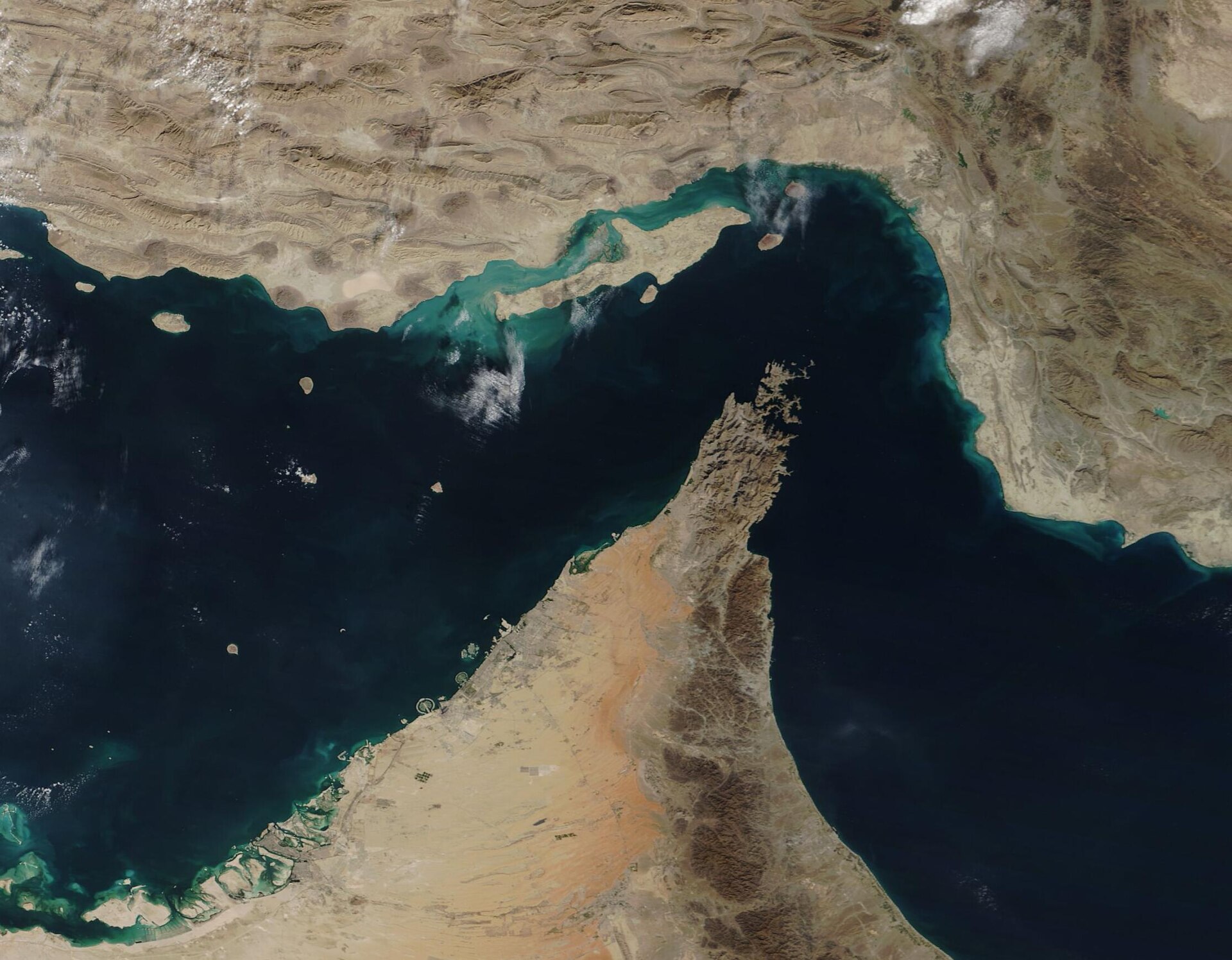
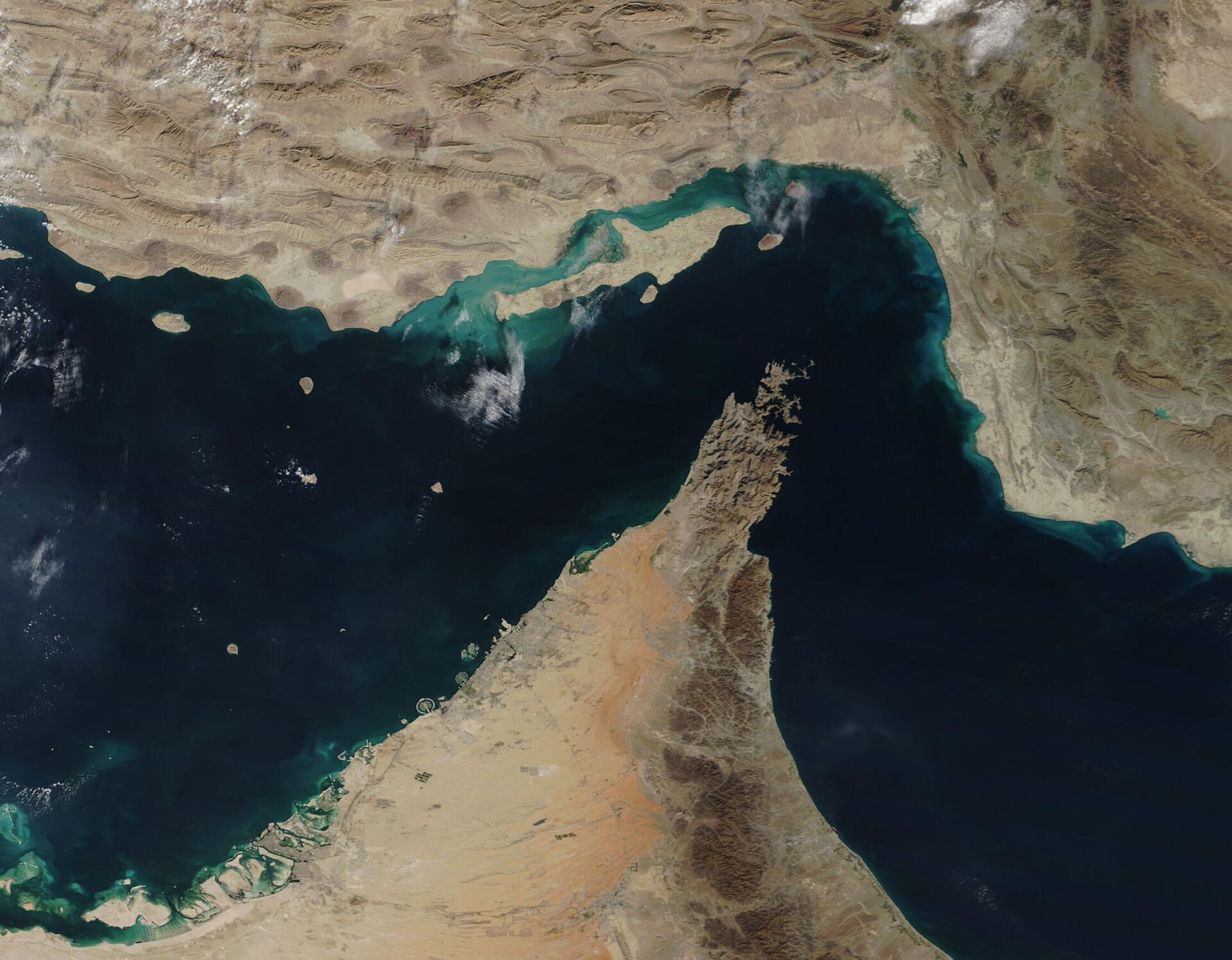
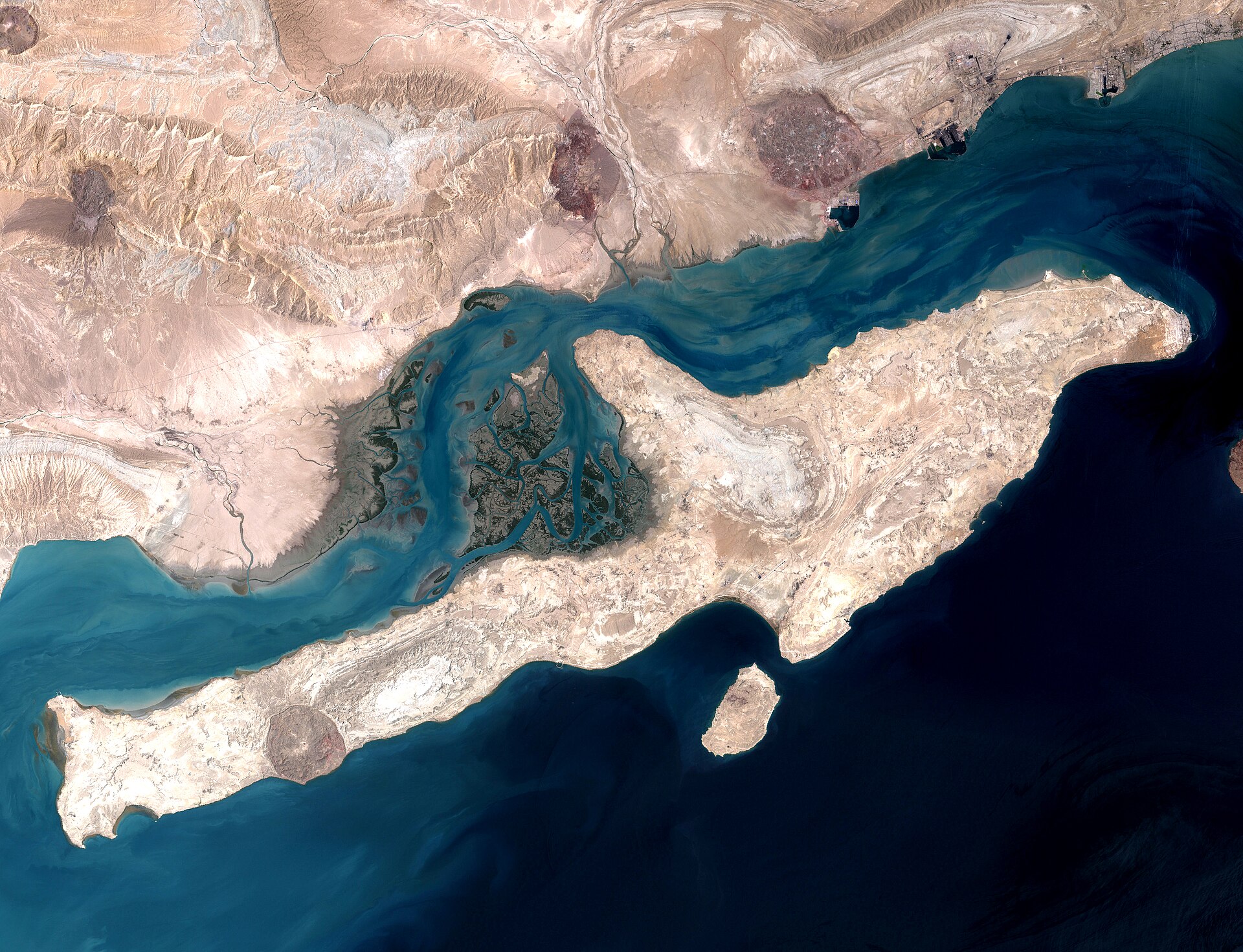
Iran’s proposal, transmitted through Pakistani mediators between April 25 and 27, is explicitly sequential. Phase 1 establishes a full ceasefire with binding guarantees against renewed attacks on Iran and Lebanon. Phase 2 addresses Hormuz “management and security,” including IRGC corridor recognition between the islands of Qeshm and Larak. Phase 3 — and only Phase 3 — opens the nuclear file. Each phase must complete before the next begins. Tasnim, the IRGC-affiliated news agency, confirmed on April 27 that Iran had formally removed nuclear talks from the current negotiating agenda.
Trump acknowledged the proposal was “much better” than previous Iranian positions but “still not adequate,” according to US officials briefed on an April 27 Situation Room meeting. His red lines remain fixed: Iran will not acquire a nuclear weapon, the 440.9 kilograms of highly enriched uranium at 60 percent purity must be removed, and nuclear discussions cannot be deferred to a later phase. The approach, Reuters reported, was “unlikely to satisfy US officials who insist nuclear issues must be addressed at the outset.”
The structure of Iran’s proposal is not a negotiating tactic designed to be bargained down. It reflects a doctrinal position — Iran’s framing of Hormuz management as a sovereignty claim — that has hardened across eight weeks of war. Dania Thafer, executive director of the Gulf International Forum, told Al Jazeera on April 27 that “what Iran is asking for goes well beyond a deal on the strait. It is asking for full regional realignment.” The phased structure is the realignment: each phase locks in a concession from Washington before Iran accepts risk on the next.
Jauhar Saleem of Pakistan’s Institute of Regional Studies, writing in Dawn on April 26, identified the temporal logic embedded in the sequencing: “Ideally, Iran would not want a deal vulnerable to the US election cycle.” A nuclear concession in Phase 3, after Hormuz reopening and security guarantees are already locked in, would be far more durable than one offered at the outset — precisely because revoking the earlier phases would carry costs Washington might not accept. Iran is not proposing a timeline. It is proposing a ratchet.
Why Can’t Iran Put Nuclear Talks First?
Because Libya did, and its leader was killed eight years later. No Iranian faction disputes the inference that surrendering nuclear capability before receiving irreversible security guarantees is a path to regime removal. Iran’s phased proposal is structured to extract those guarantees before the nuclear file opens.
The Middle East briefing 3,000+ readers start their day with.
One email. Every weekday morning. Free.
The answer is a proper name. In December 2003, under US and British pressure, Libya announced the dismantlement of its nuclear and chemical weapons programs. Eight years later, NATO-backed rebels captured Muammar Gaddafi in a drainage pipe outside Sirte and killed him. The Atlantic Council’s Yaseen Rashed has observed that “Iran seems to have learned from Libya’s example to remain skeptical of US guarantees.” Tehran’s inference was not subtle: a regime that surrenders its nuclear deterrent before obtaining irreversible security guarantees has committed to its own removal on a delayed schedule.
The eight-year interval between Libya’s disarmament and Gaddafi’s death defines the outer boundary of Iranian strategic thought on nuclear negotiations. No Iranian faction — not the reformists around Pezeshkian, not the IRGC hardliners around Vahidi, not the absent Khamenei — disputes this inference. The disagreement within Tehran is about what constitutes an adequate security guarantee, not about whether one is required before nuclear concessions. Iran’s Supreme National Security Council reportedly set four conditions for any Hormuz arrangement during the early weeks of the war: commercial traffic only, no vessels with hostile-nation links, IRGC-designated routes, and Iranian authorization for transit. Those conditions treat Hormuz sovereignty as the security guarantee itself — the territorial leverage that replaces the nuclear deterrent Libya lacked.
The logic extends beyond regime survival into domestic politics. Iran’s 440.9 kilograms of uranium enriched to 60 percent purity sits an estimated 25 days from weapons-grade concentration via IR-6 centrifuge cascades. This near-threshold status functions as a political fact inside Iran: any leader who trades it away without first securing tangible, enforceable concessions would face not just strategic vulnerability but domestic annihilation. President Pezeshkian’s public accusation that Defense Minister Vahidi and IRGC commander Abdollahi wrecked the Islamabad talks revealed how narrow the political space is for any Iranian official willing to negotiate on nuclear terms at all.
Why Can’t the US Accept a Deferred Nuclear File?
Because the JCPOA tried it. That agreement’s sunset clauses — restrictions expiring on fixed dates regardless of Iranian behavior — gave Iran a patient path to threshold nuclear status. The enforcement backstop, the snapback mechanism, was triggered in August 2025 and expired October 18, 2025. There is no second one.
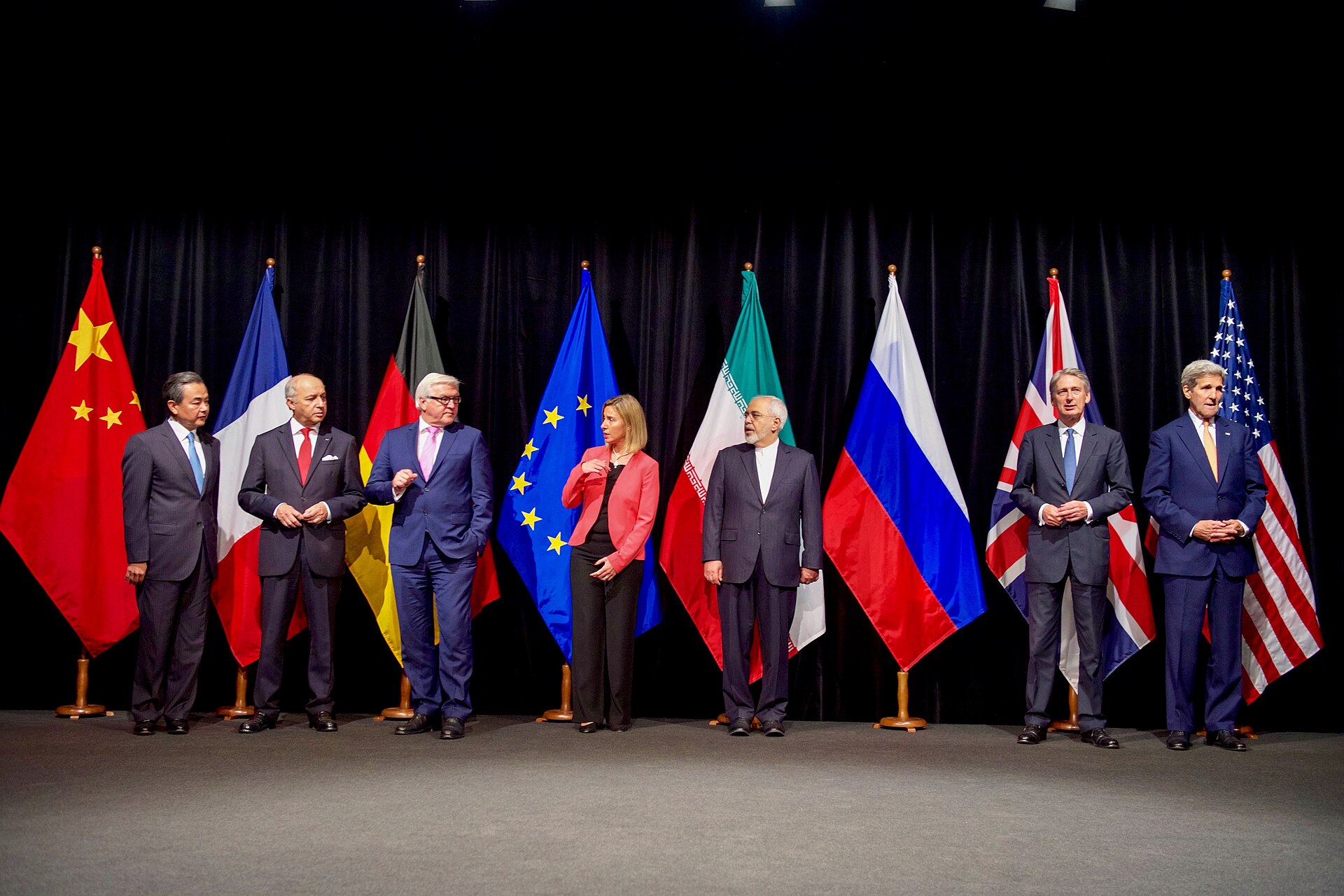
Washington’s insistence on nuclear-concurrent talks draws from its own recent history. The Joint Comprehensive Plan of Action, signed in 2015, was the most detailed nuclear agreement in diplomatic history. It deferred the permanent resolution of Iran’s enrichment capacity through sunset clauses — restrictions that would expire on fixed dates regardless of Iranian behavior. By the time Trump withdrew in May 2018, the expiration schedule had already become the agreement’s defining vulnerability. Critics argued, with some justification, that the JCPOA’s architecture guaranteed Iran a patient path to threshold nuclear status.
The snapback mechanism — the JCPOA’s enforcement backstop — has already been spent. The E3 (Britain, France, Germany) triggered it on August 28, 2025; reimposed UN sanctions took effect September 27–28, 2025; and the mechanism expired on October 18, 2025. There is no second snapback. What Secretary Rubio urged European allies to do on April 18 — reimpose Iran sanctions — requires new political action, not activation of an existing mechanism. The infrastructure of nuclear restraint that underpinned Western confidence in deferred timelines no longer exists.
This is the structural reason Trump’s position is not merely personal preference or campaign posturing. A phased deal that places nuclear talks in Phase 3, after Hormuz reopening and ceasefire guarantees are already locked in, replicates the JCPOA’s core defect: it gives Iran’s counterparties strong incentives to declare victory on the early phases and allow the nuclear file to drift. The Brookings Institution assessed that the 21 hours of Vance-Ghalibaf talks in Islamabad were “unprecedented” but amounted to “trying to accomplish something highly unrealistic” — a detailed agreement covering both Hormuz and nuclear stockpile simultaneously. That assessment was meant as criticism. It also describes the only deal structure Washington can accept.
The Fiscal Arithmetic Saudi Arabia Cannot Escape
Brent crude closed at $107.51 on April 28, softening from $108.11 the previous day. Bloomberg Economics estimates Saudi Arabia’s PIF-inclusive fiscal break-even at $108–111 per barrel — a range the current price sits just below. Goldman Sachs forecasts Brent at $90 per barrel by Q4 2026, which would place the kingdom $18–21 below break-even for the final quarter of the fiscal year. Goldman’s war-adjusted estimate of the Saudi fiscal deficit stands at 6.6 percent of GDP, double the official projection of 3.3 percent.
The production numbers compound the price exposure. Saudi output collapsed from 10.4 million barrels per day in February to 7.25 million bpd in March — a 30 percent drop driven by war damage, not voluntary restraint. The East-West Pipeline bypass through Yanbu carries a ceiling of 5.9 million bpd against pre-war Hormuz throughput of 7–7.5 million bpd, leaving a structural gap of at least 1.1 million bpd at maximum bypass capacity — a gap that cannot close without the strait reopening. Khurais, producing 300,000 bpd before the war, remains offline with no restoration timeline announced.
The IMO’s Secretary-General Arsenio Dominguez stated on April 27 that “there is no safe transit anywhere in the Strait of Hormuz.” Current daily throughput runs at approximately seven ships — 5 percent of the pre-war baseline of 140. More than 20,000 seafarers remain stranded on vessels unable to complete their voyages. For Saudi Arabia, every week that Hormuz stays functionally closed while negotiations stall on nuclear sequencing is a week in which the kingdom’s fiscal position deteriorates against a price curve Goldman expects to decline by $17–21 over the next eight months.
The mathematics create a paradox the kingdom cannot resolve through public diplomacy. Saudi Arabia’s private sequencing preference — Hormuz first, nuclear later — aligns with Iran’s proposal structure. The kingdom needs the strait open before oil prices fall to $90, and it needs that reopening on terms that do not require resolution of the nuclear file, because the nuclear file will not be resolved quickly. Trump’s “not happy” declaration forecloses precisely the deal structure that serves Saudi fiscal interests.
What Does Trump’s “Not Happy” Actually Close?
It closes the space for envoy-level flexibility. Before April 27, Witkoff and Kushner could test creative frameworks while Trump maintained deniability. A named presidential rejection of Iran’s sequencing structure removes that deniability. Any US envoy who now signals flexibility on phasing contradicts the president directly.
Before April 27, the sequencing dispute existed in the space between diplomatic positions — the kind of gap that envoys narrow through creative ambiguity. Witkoff and Kushner could travel to Islamabad, float frameworks that addressed Hormuz and nuclear concerns in parallel tracks with different timelines, and maintain plausible flexibility on which track moved first. Trump’s cancellation of the Witkoff-Kushner trip — accompanied by his Truth Social post that “too much time wasted on traveling, too much work!” — had already signaled impatience with the back-channel architecture. The “not happy” declaration collapsed the remaining ambiguity.
A named presidential position is categorically different from a negotiating stance held by envoys. Rubio can no longer describe Iran’s Hormuz demands as “extortion” while Kushner quietly explores whether Hormuz-first might work if nuclear benchmarks ran on a parallel track. Any US envoy who now signals flexibility on sequencing would be contradicting a presidential position — an act that carries domestic political costs Trump’s team will not absorb voluntarily.
The closure extends to Rubio’s interim diplomatic track, which had operated on the premise that partial agreements on specific issues could build momentum toward a comprehensive deal. Iran’s formal removal of nuclear talks from the current agenda, combined with Trump’s formal rejection of nuclear deferral, eliminates the constructive ambiguity that interim frameworks require. Daniel Byman of CSIS assessed on April 20 that “the current standoff between the United States and Iran is no longer a clash of capabilities but rather a struggle of political endurance and bargaining leverage.” Trump’s declaration shifted the endurance test from the battlefield to the negotiating table — and the party with the least endurance at current oil prices is Saudi Arabia.
The Bloomberg Op-Ed and the Saudi Alignment No One Named
On April 28, Bloomberg published an opinion column by Marc Champion headlined “The US Should Listen to Saudi Arabia on Ending Iran War.” The piece was the first acknowledgment in elite Western media that Saudi Arabia’s mediation posture diverges from Trump’s nuclear-concurrent demand. Champion’s argument — that Washington should weight Saudi preferences more heavily in shaping its negotiating position — carried an implicit premise the column never stated: Saudi Arabia’s preferred sequencing is closer to Iran’s proposal than to Trump’s.
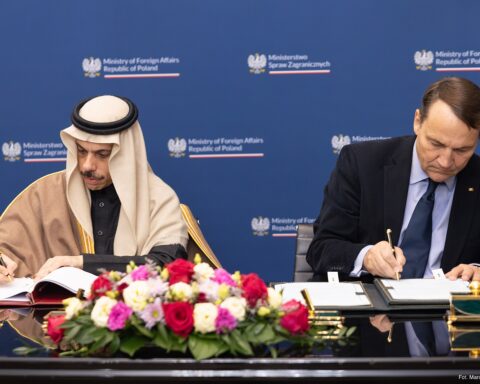
The timing was not accidental. Saudi Foreign Minister Prince Faisal bin Farhan received a briefing from Araghchi before Washington saw the Iranian proposal. The Saudi response, described officially as “an exchange of views,” contained neither endorsement nor rejection — diplomatic language calibrated to preserve positioning on both sides of the sequencing dispute. Faisal attended the Antalya Quad meeting the same day, alongside his counterparts from Pakistan, Turkey, and Egypt — the four countries most actively mediating between Washington and Tehran, and all four with structural incentives to support Hormuz-first sequencing.
German Chancellor Friedrich Merz, speaking in Marsberg on April 27, offered the European view of the same impasse: “The Iranians are obviously very skilled at negotiating, or rather, very skilful at not negotiating, letting the Americans travel to Islamabad and then leave again without any result.” He went further, observing that “an entire nation is being humiliated by the Iranian leadership, especially by these so-called Revolutionary Guards,” and said he could not identify the US exit strategy. He drew parallels to Afghanistan and Iraq — both conflicts where the United States entered with clear military superiority and discovered that superiority did not convert into negotiating outcomes on Washington’s preferred timeline. For Saudi Arabia, the parallel carries a specific risk: in both cases, regional allies bore the long-term costs of conflicts whose exit terms were shaped by Washington’s domestic political calendar.
Russia in the Room Where It Happened
Araghchi flew to St. Petersburg on April 27, the same day Trump’s “not happy” assessment circulated through Washington. He met Putin alongside Russian Foreign Minister Lavrov, Kremlin adviser Ushakov, and — the detail that mattered — GRU military intelligence chief Igor Kostyukov. Putin told Araghchi: “We see how courageously and heroically the Iranian people are fighting for their independence, for their sovereignty. Russia intends to continue our strategic relationship.” He pledged “everything that serves your interests.”
Putin’s language — “independence” and “sovereignty” — directly mirrored Iran’s own framing of Hormuz management as a territorial sovereignty issue rather than a shipping dispute. Russian state rhetoric about Ukraine uses identical sovereignty language, and Moscow has spent three years establishing the precedent that sovereignty claims override international access norms. By validating Iran’s sovereignty frame, Putin offered diplomatic cover for the doctrinal position that makes Iran’s Phase 2 — IRGC corridor recognition — non-negotiable in Tehran’s view.
Kostyukov’s presence transformed the meeting from ceremonial to operational. The GRU chief does not attend diplomatic courtesy calls. His inclusion signaled that Russia’s interest in Iran’s negotiating position extends to intelligence coordination and potentially to the military dimensions of Hormuz management that Iran’s Phase 2 would formalize. Araghchi, on arrival, described the visit as “a good opportunity for us to consult with our Russian friends about the developments that occurred in relation to the war during this period.” Chinese state media, through CGTN, framed Iran’s phased plan as a “reasonable” de-escalation path — validating the Hormuz-first sequencing that Beijing, with CNPC and Sinopec contracted offtake from Iranian and Qatari fields, also benefits from.
The convergence is structural. Russia, China, and Iran each gain from a sequencing that reopens Hormuz under Iranian management terms before nuclear talks begin. Russia gains a precedent for sovereignty-based control of international waterways. China gains reliable energy transit without US naval intermediation. Iran gains the security guarantee it demands before nuclear concessions. The interests align precisely enough that formal coordination is unnecessary. Byman’s assessment that “Iran’s ability to threaten the Strait of Hormuz now constitutes Iran’s best lever to pressure the United States in negotiations” applies equally to Iran’s leverage over its own partners: as long as Hormuz remains contested, Russia and China have reasons to support Tehran that evaporate the moment the strait reopens unconditionally.
The Authorization Ceiling That Outlasts Any Deal
Even if the sequencing dispute were resolved — if some formula emerged that satisfied both Trump’s nuclear-concurrent demand and Iran’s phased structure — a second obstacle would remain. Iran’s negotiating team does not control the institutions that would implement any agreement. Araghchi can sign documents. The IRGC decides whether to honor them.
The authorization ceiling has been visible since the Islamabad talks collapsed in early April. Pezeshkian publicly accused Defense Minister Ahmad Vahidi — who carries an INTERPOL red notice for the 1994 AMIA bombing in Buenos Aires — and IRGC Khatam al-Anbiya commander Abdollahi of deviating from the negotiating delegation’s mandate. Vahidi demanded that Zolghadr, his SNSC representative, be placed on the Islamabad team and refused to allow missile systems onto the negotiating agenda. Khamenei has been absent from public view for more than 44 days; his son Mojtaba has appeared only in audio communications.
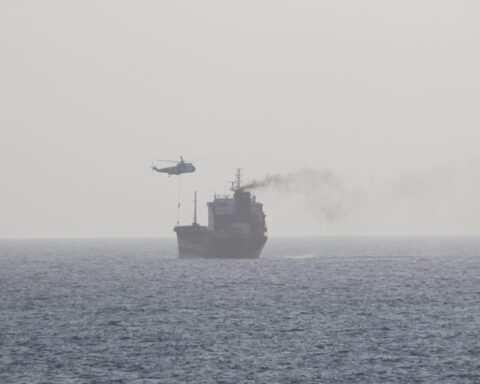
The double blockade mechanism — where the US controls Arabian Sea entry while the IRGC controls Gulf of Oman exit — illustrates the operational reality that any diplomatic agreement would need to override. The IRGC seized the container ship MSC Francesca and the bulk carrier Epaminodas on April 22, the same day Iran’s foreign ministry declared Hormuz “completely open.” Ghalibaf, the Parliament Speaker and former IRGC Aerospace Force commander, formally linked Hormuz reopening to US blockade removal on the same day — a position that contradicts Araghchi’s declaration and aligns with the IRGC’s institutional interest in maintaining Hormuz as a negotiating asset.
The physical infrastructure of reopening Hormuz, even under a signed agreement, would take months. Mine clearance in the strait would require an estimated 51 days based on the 1991 Kuwait benchmark, covering roughly 200 square miles — and the four Avenger-class mine countermeasure ships previously stationed in Bahrain were decommissioned in September 2025. The US has consumed nearly half its Patriot interceptor stockpile in seven weeks of conflict. The political infrastructure presents a harder problem still. Article 110 of Iran’s constitution places the armed forces under the Supreme Leader’s direct authority, not the president’s. Pakistan’s Chief of Army Staff Munir visited Khatam al-Anbiya headquarters — Abdollahi’s command — on April 16, an acknowledgment that any enforcement architecture must appeal directly to the commanders whom Pezeshkian publicly accused of sabotaging the previous talks. The sequencing dispute is the visible obstacle. The authorization ceiling is the one that would outlast its resolution.
Frequently Asked Questions
How many ships currently transit the Strait of Hormuz daily?
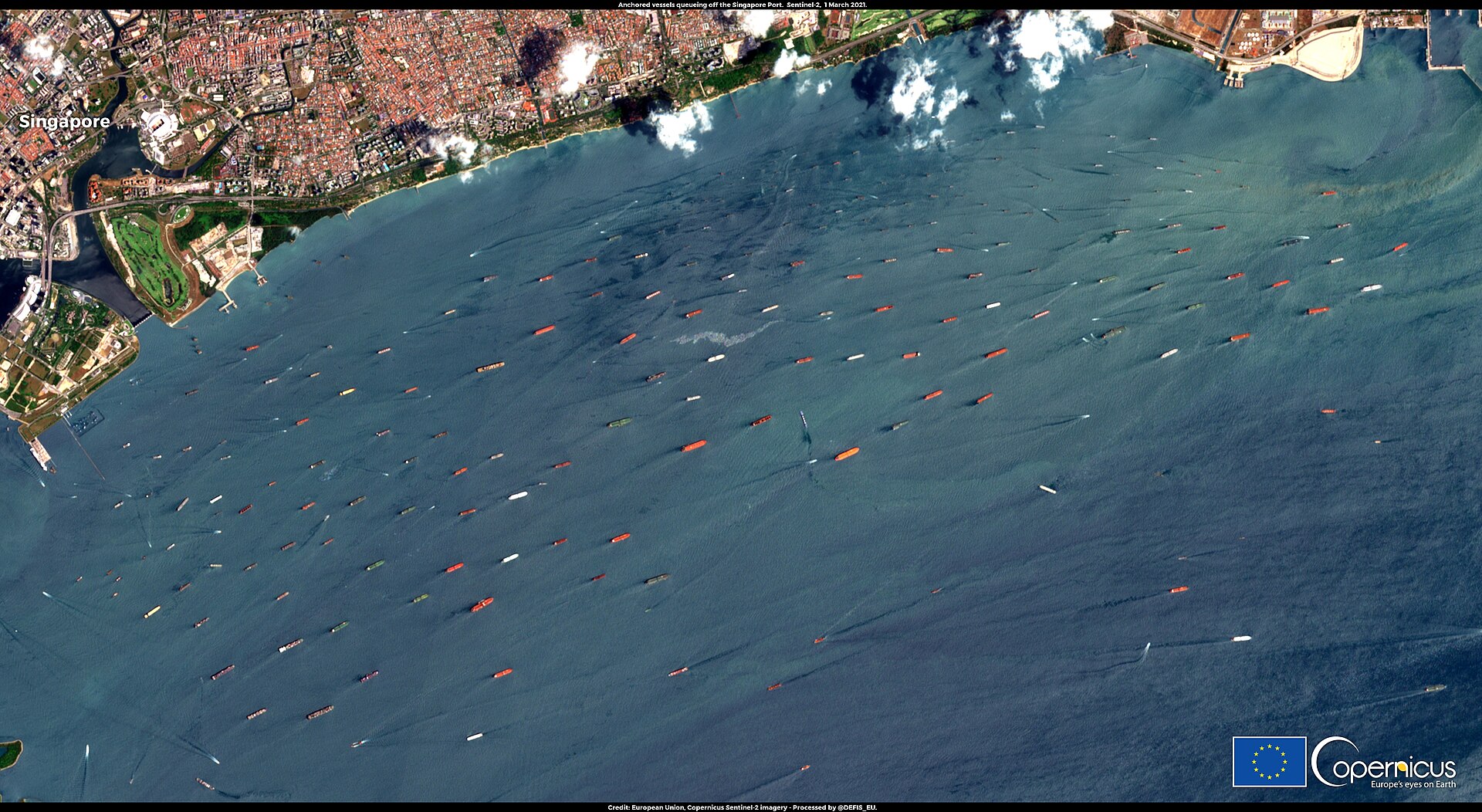
Approximately seven vessels per day transit Hormuz as of late April 2026, compared to a pre-war baseline of roughly 140 per day. The IMO Secretary-General Arsenio Dominguez stated on April 27 that “there is no safe transit anywhere in the Strait of Hormuz.” More than 20,000 seafarers remain stranded on vessels unable to complete their voyages. Since the April 8 ceasefire, total confirmed transits stand at 45, or 3.6 percent of the cumulative pre-war rate for the same period.
What is Iran’s current uranium enrichment status?
Iran holds 440.9 kilograms of uranium enriched to 60 percent purity, approximately 25 days from weapons-grade concentration using IR-6 centrifuge cascades. IAEA inspectors have been denied access since February 28, 2026, meaning there is no independent verification of current enrichment activity. Iran’s parliament is simultaneously advancing a 12-article Hormuz sovereignty law, formally linking territorial control of the strait to the broader nuclear and security agenda.
What role is Pakistan playing in the current mediation?
Pakistan serves as the primary transmission channel for Iran’s proposals to the United States, with Foreign Minister Ishaq Dar describing the prospect of “new dialogue in coming days” after the latest round. Pakistan simultaneously holds a $5 billion Saudi loan maturing in June 2026 and serves as Iran’s protecting power in the United States — a diplomatic function it has performed since 1992. The 27th Constitutional Amendment concentrated foreign-policy authority in Chief of Army Staff Munir’s office rather than the elected government, making ceasefire diplomacy a military-institutional operation managed outside civilian cabinet structures.
Has the US proposed specific nuclear terms to Iran?
The United States proposed a 20-year enrichment moratorium during the Islamabad talks, according to Axios. Iran countered with monitored down-blending of its enriched stockpile — a process that would reduce enrichment levels under international observation rather than surrendering the material outright. Araghchi reportedly told mediators the two sides were “inches away” from a memorandum of understanding before Vance walked out over what US officials described as Iranian preconditions on Hormuz sovereignty recognition.
What is the OPEC+ production quota situation for Saudi Arabia?
Saudi Arabia’s April OPEC+ quota stands at 10.2 million barrels per day, but actual March production was 7.25 million bpd — a gap reflecting war damage to Eastern Province infrastructure, not voluntary restraint. Saudi Arabia’s June Official Selling Price was reset at +$3.50 per barrel above benchmark, a $16 reduction from May’s war-premium of +$19.50, reflecting the reality that Asian buyers — Saudi Arabia’s primary export market — have seen deliveries fall 38.6 percent according to Kpler tracking data.