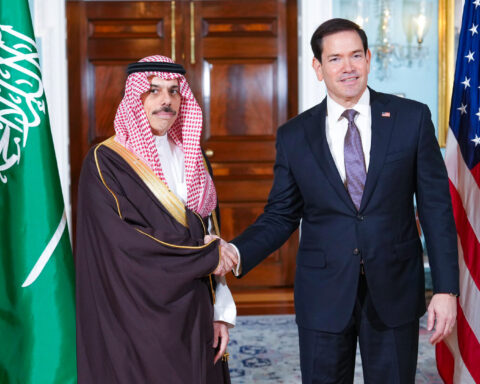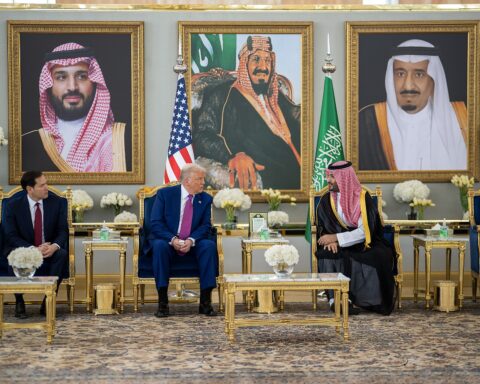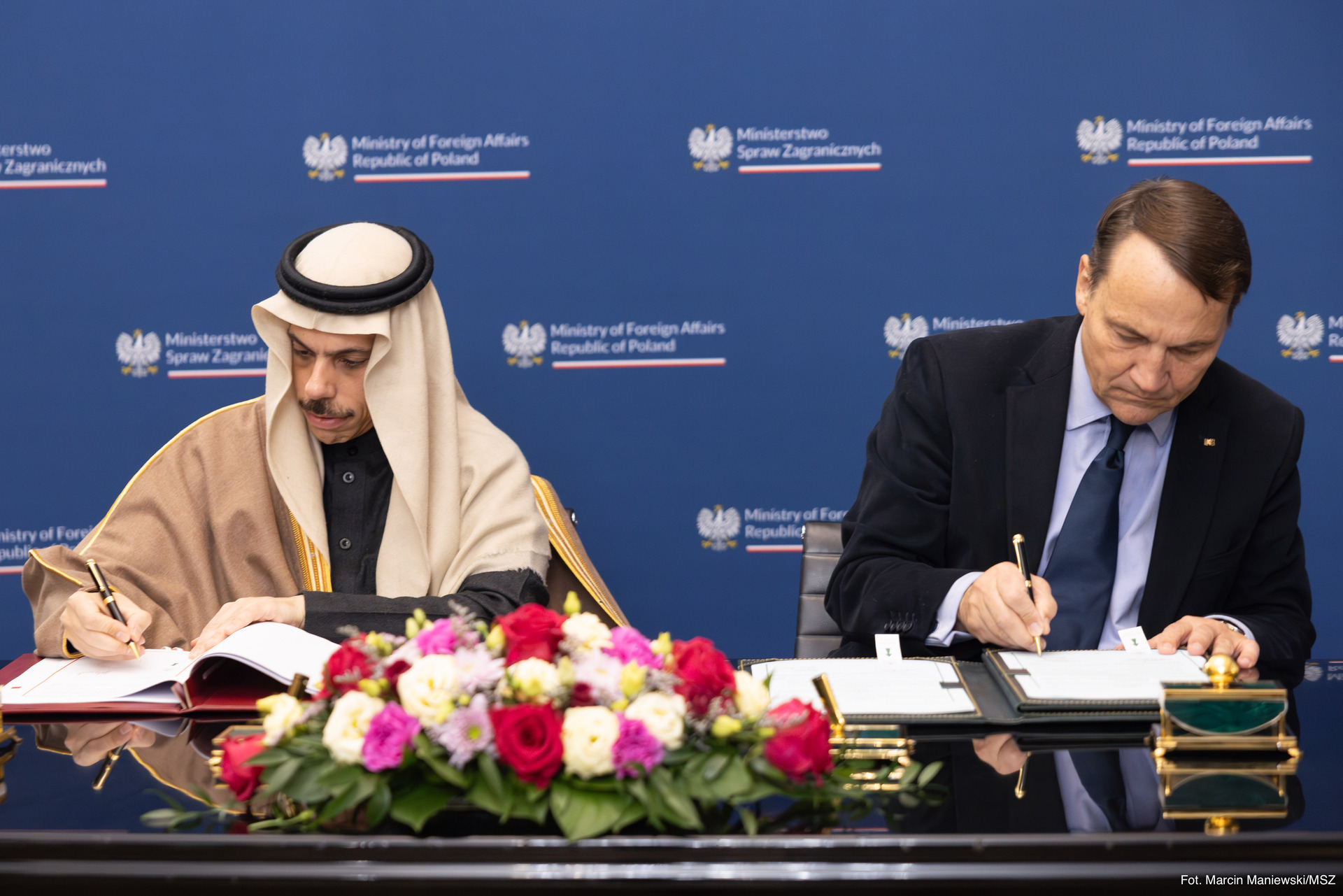

JEDDAH — Saudi Foreign Minister Prince Faisal bin Farhan held phone calls on April 27 with the foreign ministers of Iran, Bahrain, and Qatar — three countries that occupy structurally different positions in the war — within a single working day. Riyadh is not waiting for a seat at the Islamabad talks. It is constructing its own diplomatic architecture around them.
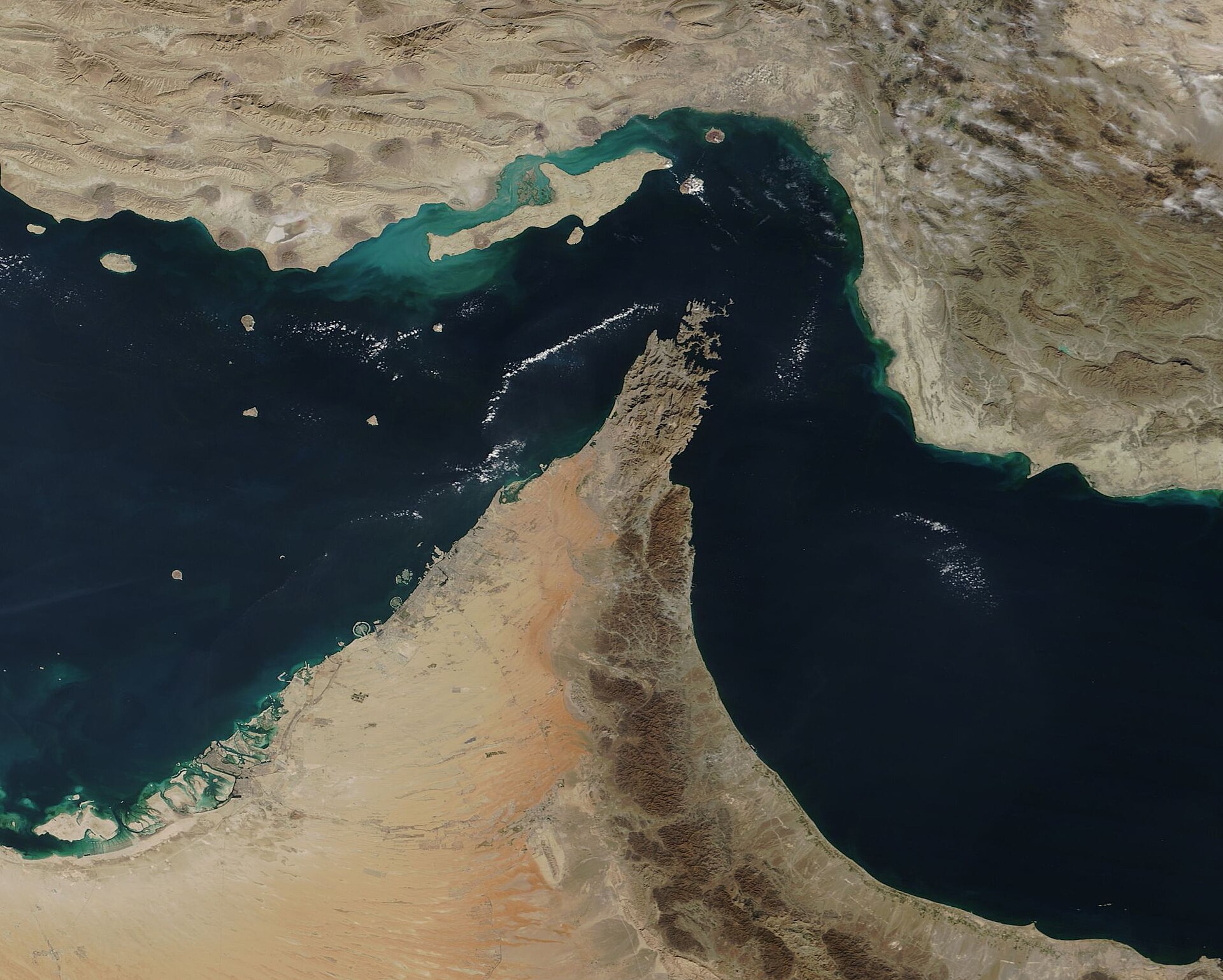
The calls came on a day when Iran’s three-phase Hormuz proposal landed in Washington and was immediately rejected by Secretary of State Marco Rubio, and when Iranian FM Abbas Araghchi flew from Muscat to Islamabad to Moscow, shaping narrative faster than any formal channel could respond. This is sixty-one days into a war in which Saudi Arabia has absorbed more physical damage than any country except Iran — while holding no position in any of the five recognized mediation lanes.
Each call served a different function. The Iran call was intelligence-gathering dressed as diplomatic courtesy. The Bahrain call was GCC cohesion management under acute air defense depletion. The Qatar call — held April 26, a day earlier — was coordination with the rival that holds what Riyadh cannot replicate: Al Udeid Air Base and the structural leverage that comes with hosting CENTCOM’s forward headquarters while maintaining a working channel to Tehran.
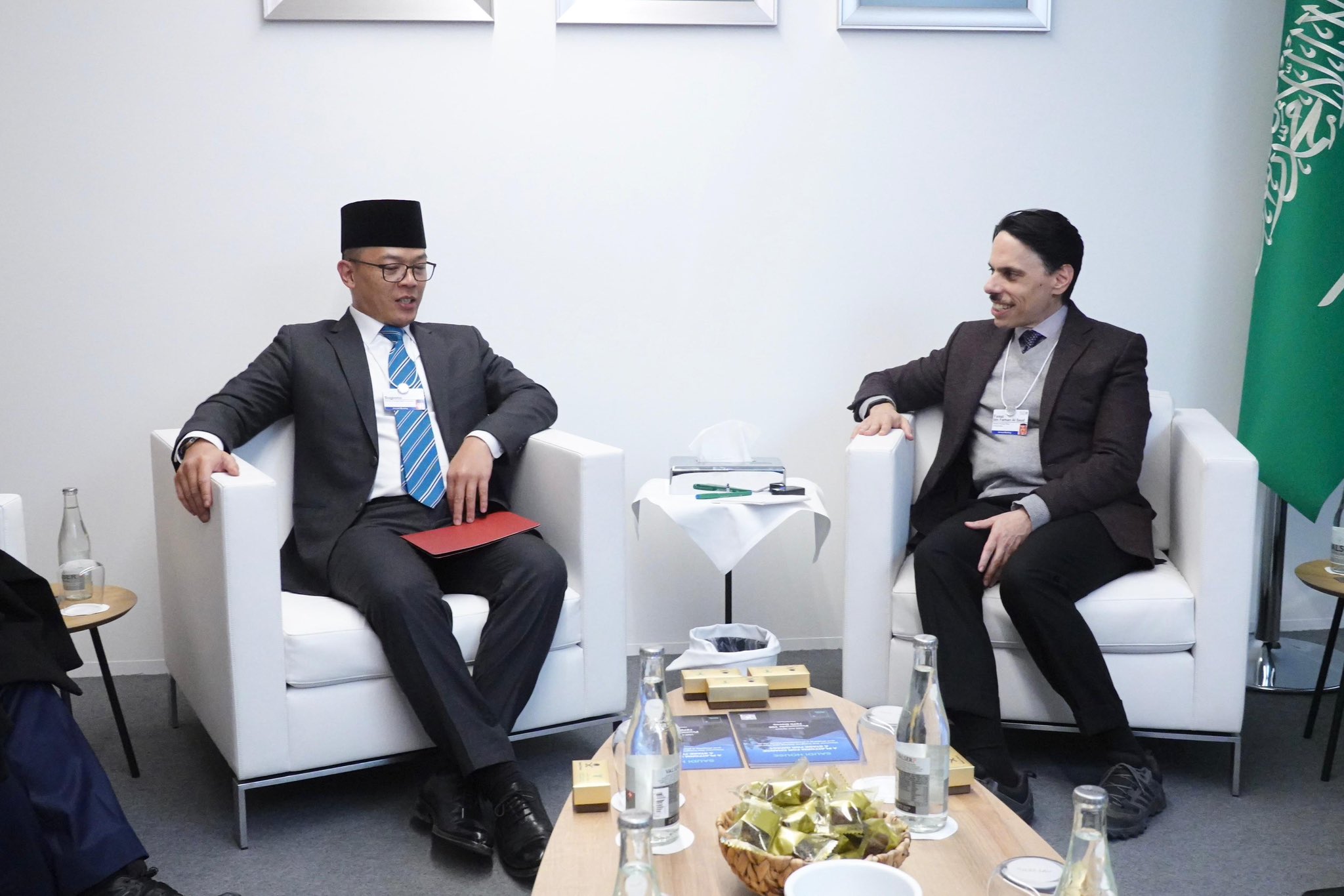
Table of Contents
- Excluded from Five Lanes
- The Iran Call: Briefed, Not Consulted
- The Bahrain Call: Air Defense and the Security Council
- The Qatar Call: Who Speaks for the Gulf?
- Why Has Saudi Arabia Built the STEP Quartet?
- Is This the JCPOA Exclusion Repeated?
- What Does Iran’s Hormuz-First Proposal Mean for Saudi Arabia?
- The Shadow Table
- FAQ
Excluded from Five Lanes
The formal mediation architecture for ending the Iran war contains five active channels. The Islamabad bilateral talks are US-Iran, with Pakistan as sole mediator. The five-power consultation lane includes the United States, Pakistan, Oman, Qatar, and Russia. Separate bilateral tracks run through Oman (which hosted Araghchi on April 26-27) and through Turkey (which hosted the STEP Quartet at the Antalya Diplomacy Forum on April 17-19). A fifth lane, the UN Security Council, has been shaped primarily by Bahrain’s April presidency — but under procedural constraints that limit substantive negotiation.
Saudi Arabia holds no seat in any of them. Not as a mediator, not as an observer, not as a named party.
GCC Secretary-General Jasem Al-Budaiwi said it plainly on March 26: “It is important that the countries of the GCC participate in shaping the future regional field, and it is necessary that they be involved in all talks to solve the crisis.” Thirty-two days later, that demand remains unmet.
The Middle East briefing 3,000+ readers start their day with.
One email. Every weekday morning. Free.
The Saudi press has been more direct. Khaled Bin Hamad Al-Malek, editor-in-chief of Al-Jazirah, wrote: “Why are the negotiations only between the U.S. and Iran, and why are Saudi Arabia and the GCC countries not involved, right after they have been directly harmed in this war?” An Al-Riyadh editorial on March 25 warned that “consultation with the GCC countries regarding any permanent solution is vital…Ignoring these interests is likely to undermine any possible agreement.”
Zaid bin Kami, deputy CEO of Al-Araby and Al-Hadath networks, framed the structural issue: “Any U.S.-Iran agreement must not be reached without the Gulf countries…Their participation in any negotiations is not a political option, but rather a necessity due to the scope of the damage and costs.”
These are not editorials from the margins. Al-Riyadh and Al-Jazirah are state-adjacent publications whose editorial lines track closely with the foreign ministry’s positioning. The coordinated messaging — spread across March — laid the rhetorical groundwork for what Faisal has been building operationally since.
The Iran Call: Briefed, Not Consulted
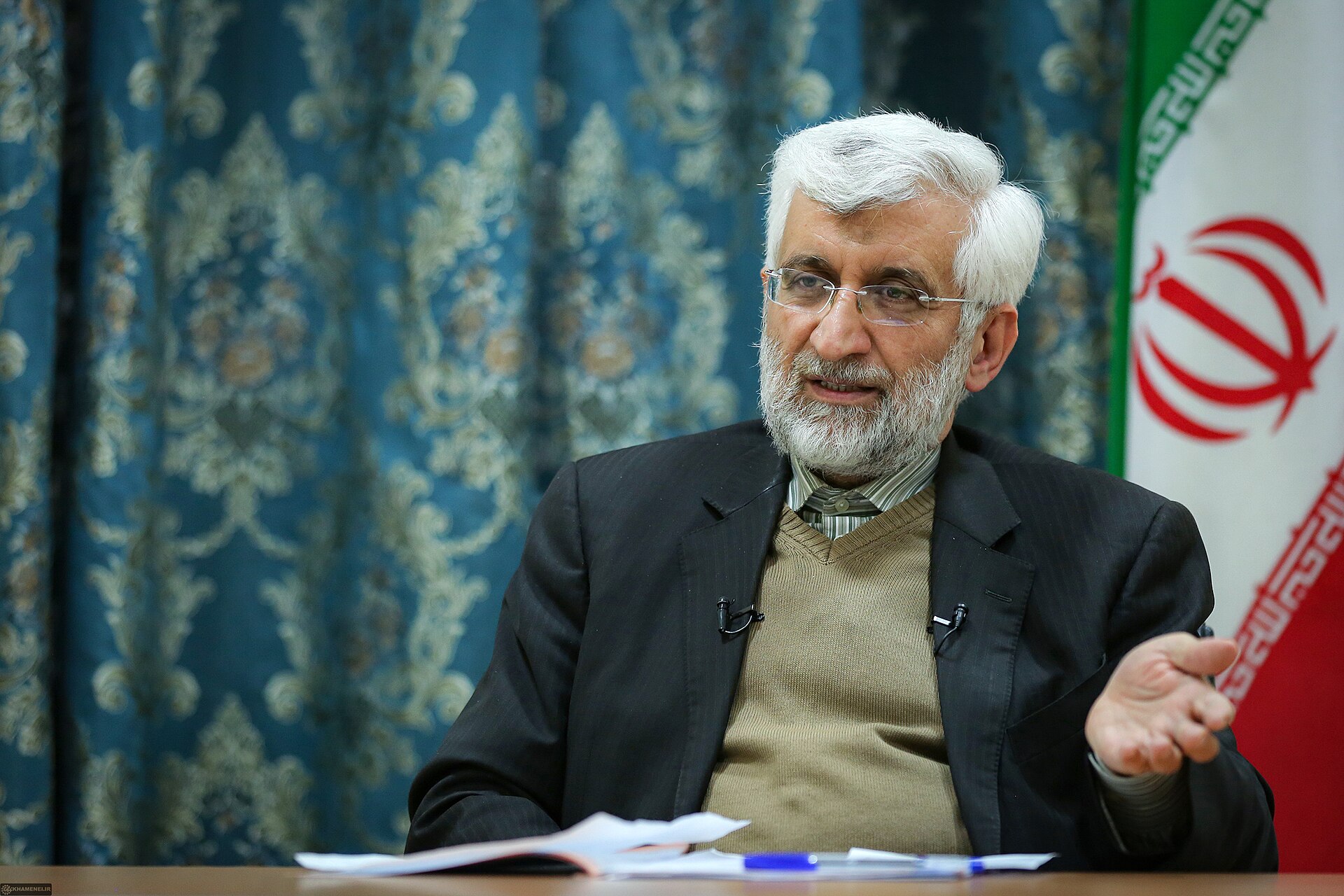
PressTV’s readout of the April 27 call is worth parsing for its verb choices. Araghchi “briefed his Saudi counterpart on Tehran’s diplomatic moves to end the war and ease tensions.” Briefed — not consulted, not coordinated with, not negotiated alongside. The framing positions Saudi Arabia as a recipient of information, not a participant in its production.
Compare this with Iran’s characterization of the Qatar call. Qatar’s FM Sheikh Mohammed bin Abdulrahman Al Thani “welcomed Iran’s diplomatic approach” and said Doha is “ready to play an active role in mediating.” Qatar receives the language of partnership. Saudi Arabia receives the language of notification.
The asymmetry is deliberate Iranian signaling. Qatar hosts Al Udeid — approximately 10,000 US troops and CENTCOM’s forward headquarters — which gives it structural leverage that Iran must respect regardless of political preferences. When Iranian forces struck Al Udeid on March 6, Qatar’s air defense forces intercepted the attack and downed two Iranian Su-24MK Fencer bombers. Qatar demonstrated it would defend American assets while maintaining dialogue with Tehran. That combination — military credibility with the US and diplomatic utility with Iran — is something Riyadh cannot replicate in this configuration.
The Saudi readout, carried by SPA and Arab News, used different language. Prince Faisal “emphasized the importance of dialogue as the only way to defuse crises, affirming the Kingdom’s ongoing commitment to containing tensions in a way that ensures the security and stability of the region’s countries and its vital waterways.” The phrase “vital waterways” is the operative signal — a direct reference to Hormuz without naming the strait, calibrated for a domestic and Gulf audience that understands what is at stake without requiring Riyadh to publicly engage with Iran’s sovereignty framing.
Araghchi made his calls from the air — flying from Muscat to Islamabad — sequencing conversations with Saudi, Qatari, and French counterparts to shape the narrative before Iran’s three-phase Hormuz proposal landed in Washington. These were not negotiating sessions. They were a diplomatic offensive conducted at altitude, designed to present Washington with a fait accompli of regional consultation that had already occurred.
The Bahrain Call: Air Defense and the Security Council
The Bahrain call operates on two levels, one institutional and one material.
Institutionally, Bahrain holds the rotating UN Security Council presidency for April 2026. FM Abdullatif bin Rashid Al-Zayani chaired a UNSC meeting on GCC-UN cooperation and Bahrain submitted a draft resolution characterizing Iran’s Hormuz control attempt as requiring “a decisive response.” This is an institutional resource that Saudi Arabia deploys through its most structurally dependent ally — Bahrain cannot sustain this kind of UNSC activism without Saudi diplomatic backing, and Saudi Arabia cannot access the Security Council’s procedural machinery without Bahrain’s presidency.
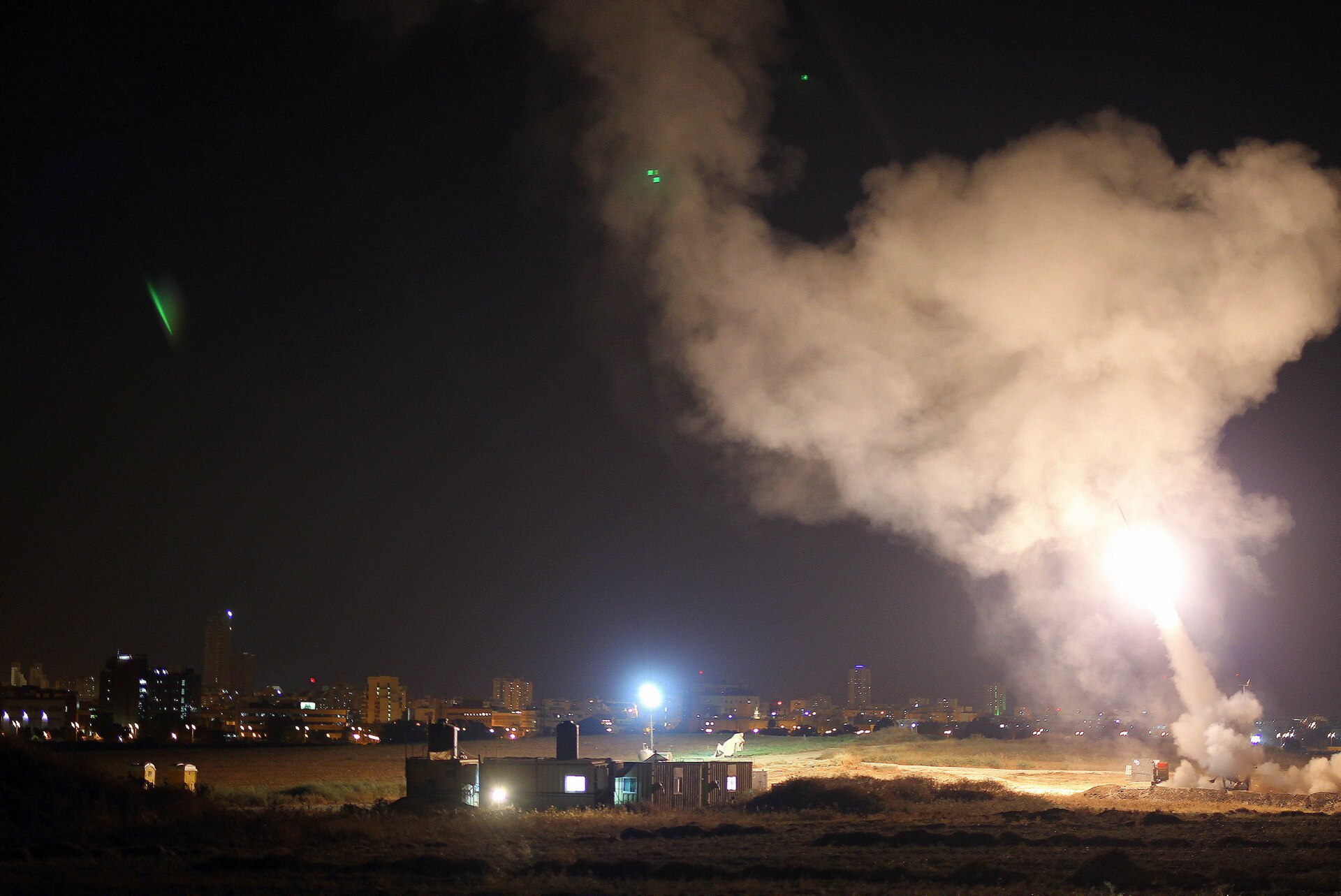
Materially, the call is about air defense. PAC-3 interceptor stockpiles are down approximately 86% across the Gulf region after sixty-one days of war. Saudi Arabia’s $9 billion PAC-3 purchase — the largest single missile defense sale in the current conflict — will not begin delivering for at least eighteen months. In the interim, air defense coordination between Riyadh and Manama is not diplomatic theater. It is survival logistics.
ACLED Senior Analyst Luca Nevola identifies Bahrain as increasingly “under Abu Dhabi’s sphere of influence” within the GCC’s wartime alignment. His analysis maps three Gulf camps: a pro-dialogue bloc (Oman and Qatar), a hardline bloc (UAE, Kuwait, and Bahrain), and Saudi Arabia occupying a moderate position — supporting talks with “minimum aims” focused on “reopening the Strait of Hormuz and securing guarantees against direct attacks.” The Bahrain call is partly an exercise in keeping Manama oriented toward Riyadh rather than drifting further into Abu Dhabi’s harder line.
Bahrain’s dependency runs deep. Since the 2011 Peninsula Shield deployment — when 1,200 Saudi Arabian National Guard troops crossed the King Fahd Causeway — Bahrain’s sovereignty has operated within Saudi security guarantees. NSA Bahrain, the 79-acre US Naval Support Activity that serves as Fifth Fleet headquarters, adds a further dimension: Saudi Arabia needs access to the institutional channel that Bahrain’s hosting relationship with the US Navy provides, while Bahrain needs Saudi PAC-3 batteries to keep Manama’s airspace defensible.
The King Fahd Causeway itself was shut on April 7 when Iran fired seven ballistic missiles at Saudi Arabia’s Eastern Province. It appeared on an IRGC counter-target list circulated in early April alongside eight bridges in four countries. The causeway reopened the same morning, but the closure — however brief — demonstrated that the only physical link between Saudi Arabia and Bahrain operates at Iran’s sufferance. Every subsequent call between Faisal and Al-Zayani carries that subtext.
The Qatar Call: Who Speaks for the Gulf?
Neither Riyadh nor Doha can claim the role outright. Qatar holds a seat inside the five-power mediation lane and hosts CENTCOM’s forward headquarters. Saudi Arabia convenes the STEP Quartet and controls the East-West Pipeline bypass. The April 26 call between Prince Faisal and Sheikh Mohammed bin Abdulrahman Al Thani was an exercise in managing that competition rather than resolving it.
The call took place on April 26 — one day before the Iran and Bahrain calls — suggesting it was preparatory rather than reactive. Sheikh Mohammed bin Abdulrahman told Prince Faisal that “all parties responding to ongoing mediation efforts” was crucial, and stressed “a sustainable agreement that prevents renewed escalation.” No specific proposals were disclosed.
The restraint is informative. Qatar sits inside the five-power mediation lane alongside the US, Pakistan, Oman, and Russia. It has operational knowledge of the negotiations that Saudi Arabia does not. The April 26 call positioned Faisal to receive at least the broad contours of what was coming — Araghchi’s three-phase proposal, the temperature in Islamabad, the direction of travel — before Iran’s FM began his own round of calls the following day.
This is coordination, but it is also competition. The Saudi-Qatar relationship has been rebuilt since the 2021 Al-Ula reconciliation ended the three-and-a-half-year blockade, but the structural rivalry over who represents Gulf interests in great-power diplomacy has not been resolved. Qatar’s Al Udeid leverage gives it a seat Riyadh cannot access. Saudi Arabia’s STEP Quartet gives it a multilateral platform Qatar does not control.
Carnegie VP for Studies Marwan Muasher identified the broader pattern in March: Saudi Arabia is part of “a loose coalition” with Qatar, Egypt, Jordan, Turkey, Pakistan, and Indonesia. But without “a serious Arab or Gulf common response…that replaces the old, failed policy of simply relying on the United States,” fragmentation remains likely. The April 26 call suggests Riyadh and Doha are aware of the fragmentation risk — and managing it bilaterally rather than through GCC institutional channels that have proven too slow for wartime coordination.
Why Has Saudi Arabia Built the STEP Quartet?
The STEP Quartet — Saudi Arabia, Turkey, Egypt, Pakistan — has held at least three ministerial meetings in a single month: Riyadh on March 19, Islamabad on March 29-30, and the Antalya Diplomacy Forum on April 17-19. No formal mechanism connects this quartet to the Islamabad talks, but three of its four members are active mediators or hosts in the formal process. The fourth is Saudi Arabia.
The format accomplishes what no single bilateral call can. Turkey provides NATO-member credibility and direct channels to both Washington and Moscow. Egypt provides Arab League weight and a second Sunni-majority military power. Pakistan provides the mediator’s chair in Islamabad and — through the September 2025 Saudi-Pakistan Strategic Military and Defense Alliance — a treaty obligation to treat aggression against Saudi Arabia as aggression against itself. Beyond those three, Germany’s Friedrich Merz became the first G7 leader to name Iran’s conduct as humiliation of the United States — giving Saudi Arabia the escalation pressure it cannot publicly generate for itself.
| STEP Member | Role in War Mediation | Saudi Leverage Channel |
|---|---|---|
| Saudi Arabia | Excluded from all formal lanes | Convener; financial leverage; SMDA treaty partner |
| Turkey | Antalya Diplomacy Forum host; NATO member; bilateral channel to Moscow | Defense industry cooperation; Syria coordination |
| Egypt | Arab League diplomatic weight; Suez Canal proximity | $5B+ Saudi investment; joint Red Sea security |
| Pakistan | Sole mediator in Islamabad bilateral talks | SMDA (Sept 2025); $5B loan matures June 2026 |
The Pakistan channel is structurally the most significant. Azeema Cheema of Verso Consulting argues that Pakistan’s invocation of the SMDA in the context of the Islamabad talks represents “the price of the significant restraint shown by the Saudis” and was likely “pre-agreed” with Pakistan before the mediation began. Umer Karim of the King Faisal Center for Research and Islamic Studies puts it differently: “Pakistan is walking a tightrope with regards to both the mediation responsibilities it has taken upon itself and the commitments towards Saudi Arabia’s defence.”
The $5 billion Saudi loan to Pakistan matures in June 2026 — eight weeks from now. Neither Qatar nor Oman, the other two Gulf states with active mediation roles, can replicate this kind of financial leverage over the mediator.
Is This the JCPOA Exclusion Repeated?
Structurally, yes — with one significant difference. In both cases, a US-Iran bilateral format excludes Gulf states from the room while deferring their core concerns to later phases. The 2015 JCPOA bypassed ballistic missiles and regional proxy networks; the 2026 Islamabad format is doing the same with non-attack guarantees and Hormuz verification. But where Riyadh reacted in 2015, it is building in 2026.
Saudi Arabia was excluded from the P5+1 negotiations that produced the 2015 JCPOA. The resulting deal failed to address ballistic missiles, regional proxy networks, or Gulf security guarantees. Saudi media outlets have explicitly cited this precedent — Al-Riyadh‘s March 25 editorial warned against repeating the pattern, and Al-Budaiwi’s March 26 statement reads as a direct institutional response to the JCPOA memory.
The structural parallels are difficult to dismiss. In 2015, the negotiating format was P5+1 versus Iran, with Gulf states informed but not consulted. In 2026, the format is US-Iran bilateral with Pakistan mediating, and Gulf states again outside the room. In both cases, the issues most important to Saudi Arabia — ballistic missile constraints, non-attack guarantees, regional security architecture — are treated as secondary to the nuclear file or, in the current case, deferred entirely to later phases.
In 2015, Saudi Arabia’s reactive response — escalating in Yemen, accelerating its nuclear hedging posture, deepening its relationship with the incoming Trump administration — came after the JCPOA was signed. The STEP Quartet, the trilateral calls, and the Bahrain UNSC deployment are all happening before any deal exists. Saudi Arabia is building the architecture to influence terms it has been excluded from setting.
The 2023 Beijing normalization deal offers the template. Iraq and Oman hosted closed-door Saudi-Iran talks in 2021 and 2022, outside Washington’s view. China formalized the result. Saudi Arabia has demonstrated it can construct bilateral pathways that bypass the dominant power’s preferred format — and deliver outcomes. The question is whether the current wartime context, with its higher stakes and faster-moving timeline, permits the same approach.
What Does Iran’s Hormuz-First Proposal Mean for Saudi Arabia?
Iran’s three-phase proposal, reported by Al Jazeera on April 27, sequences the war’s resolution in an order that specifically disadvantages Saudi interests. Phase 1: full ceasefire plus binding non-attack guarantees for Iran and Lebanon. Phase 2: Hormuz “management and security.” Phase 3: the nuclear program — explicitly deferred.
ACLED’s Nevola identifies Saudi Arabia’s minimum aims as Hormuz reopening and non-attack guarantees — both of which appear in Phase 1 language. But the verification architecture for non-attack guarantees is deferred to Phase 3, where nuclear negotiations will consume all available diplomatic oxygen. Saudi Arabia would receive a paper commitment in Phase 1 and an enforcement mechanism sometime later, if ever.
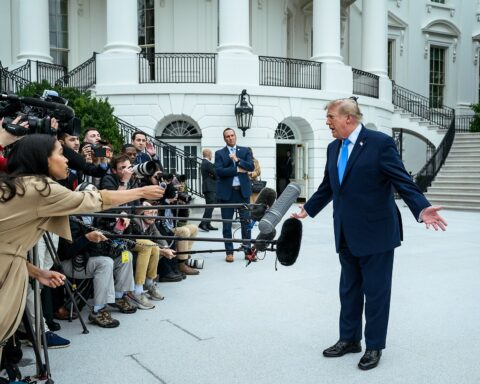
Rubio rejected the proposal within hours. “Yes, the straits are open, as long as you coordinate with Iran, get our permission, or we’ll blow you up and you pay us,” he said — a characterization that strips away Tehran’s diplomatic language to describe the IRGC permission model in operational terms.
Meanwhile, Iran’s parliament is advancing a 12-article Hormuz sovereignty law that would legally institutionalize IRGC control over strait transit. Saudi Arabia is being briefed on a diplomatic track while Iran’s legislature works to make the IRGC’s wartime authority permanent. The gap between what Araghchi is proposing and what the Majles is codifying is the gap Prince Faisal’s calls are designed to illuminate — not to Saudi Arabia, which already understands it, but to the mediators and great powers whose proposals treat Hormuz as a phasing question rather than a sovereignty contest.
“It is important that the countries of the GCC participate in shaping the future regional field, and it is necessary that they be involved in all talks to solve the crisis.”— Jasem Al-Budaiwi, GCC Secretary-General, March 26, 2026
Araghchi’s simultaneous meeting with Putin in St. Petersburg on April 27 adds a further dimension. Putin pledged: “We will do everything that serves your interests…so that peace can be achieved as soon as possible.” Russia sits inside the five-power consultation lane. Iran is briefing its Security Council patron on the same day it briefs Riyadh — but Moscow gets a face-to-face in St. Petersburg while Faisal gets a phone call from a plane.
The Shadow Table
What Prince Faisal built on April 27 is not a single negotiation. It is a hub-and-spoke architecture where Riyadh occupies the center of a network it constructed because no one offered it a chair at the existing ones.
| Counterparty | Date | Function | What Saudi Arabia Gets |
|---|---|---|---|
| Iran (Araghchi) | April 27 | Intelligence / signal | Advance read on Hormuz proposal; face-to-face diplomatic channel maintained |
| Bahrain (Al-Zayani) | April 27 | GCC cohesion / security | UNSC presidency coordination; air defense alignment |
| Qatar (Al Thani) | April 26 | Mediation coordination | Advance intelligence from five-power lane; Gulf representation alignment |
| STEP Quartet | 3 meetings in 30 days | Parallel multilateral | Access to 3 of 5 formal mediators; treaty-bound military ally as chair |
Stefanie Hausheer Ali of the Atlantic Council has warned that “the perception of the Gulf Arab states as safe havens in a tough region is shattered and will be challenging to reverse for some time.” The shadow table is Riyadh’s answer to that shattering — not a restoration of the old order, but a construction of new channels that function whether or not the formal architecture makes room.
Saudi Arabia allowed US forces to use its bases for strikes against Iran but did not itself militarily engage. It maintains the Houthi ceasefire. It has not called for continuation of the war — unlike the UAE. This positioning is not passivity. It is the deliberate preservation of every diplomatic option, including the option to talk to Tehran directly while Washington and Tehran talk past each other in Islamabad.
The December 2025 visit to Tehran — Saudi Arabia’s last official engagement in the Iranian capital — occurred under the framework of the 2023 Beijing normalization deal, which established a trilateral committee with China. That infrastructure still exists. The bilateral channel that Faisal used on April 27 runs through pathways that predate the war.
Trump’s cancellation of the Witkoff-Kushner trip to Islamabad — reported on April 27 as Iran’s proposal was landing — shows how fragile the formal track is. When the US envoy does not show up, the bilateral format that excluded Saudi Arabia cannot function. But Faisal’s hub-and-spoke architecture operates regardless of whether anyone flies to Islamabad, because it depends on phone calls and quarterly ministerials rather than a single negotiating venue. Trump told reporters on April 27 that “Tehran can call for talks” and that the US holds “all the cards.” Riyadh appears to have concluded that when both sides claim to hold all the cards, the cards that matter are the ones being played outside the room.
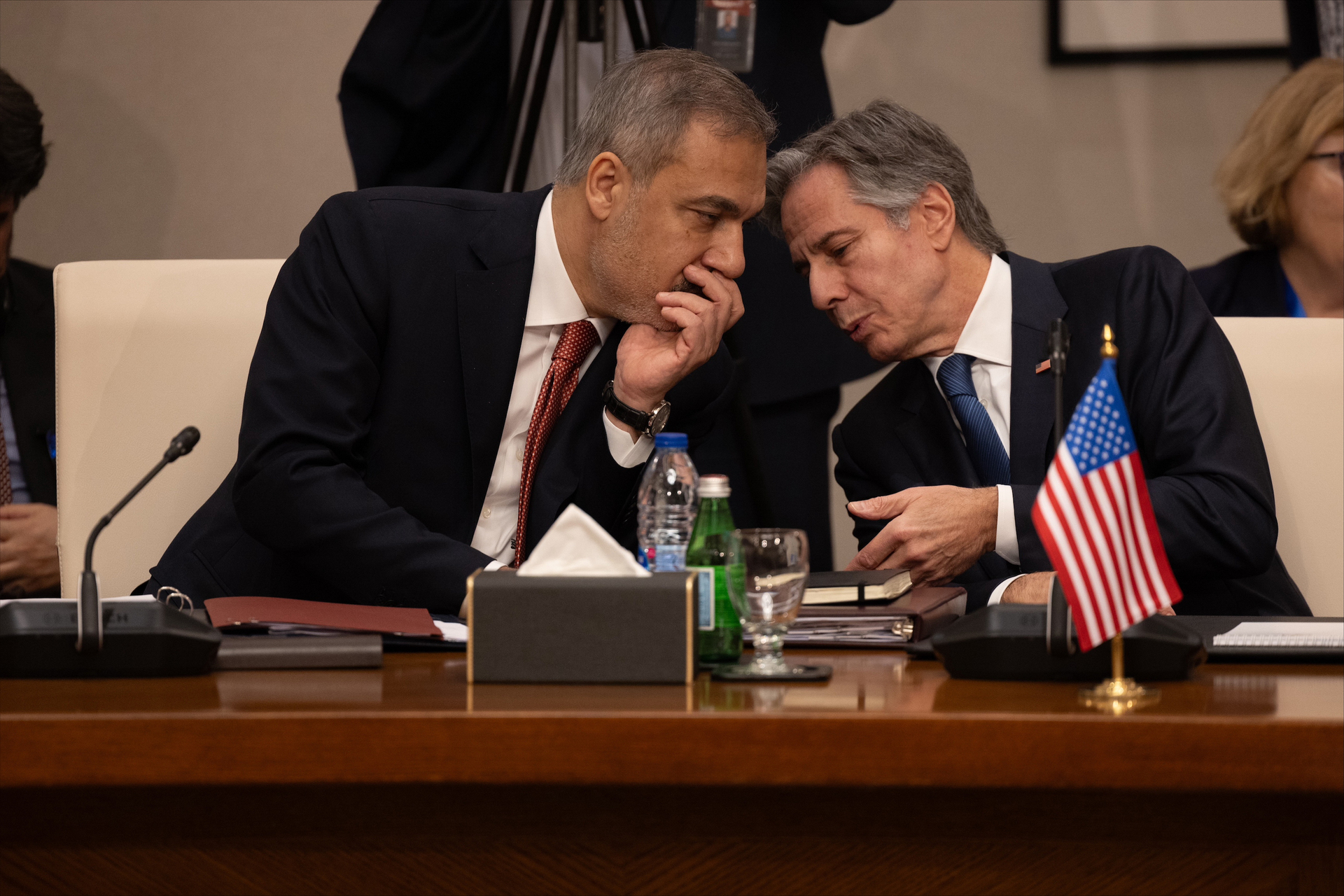
Saudi Arabia was excluded from the JCPOA in 2015 and spent the next eight years managing the consequences. When Araghchi called Faisal from the air on April 27 — one of four calls the Iranian FM made before his proposal landed in Washington — the verb in Tehran’s readout was still “briefed.” That gap between what the readout says and what the architecture underneath it can do is what Prince Faisal has spent sixty-one days building.
FAQ
Has Saudi Arabia formally requested a seat at the Islamabad talks?
Not publicly, and the procedural barrier to formal inclusion is high. The Islamabad bilateral format is a US-Iran framework; Pakistan holds the chair by mutual consent of both parties. Adding Saudi Arabia would require Iran’s agreement — which Tehran will not grant while it is simultaneously briefing Riyadh as a passive audience. Prince Faisal’s approach has been to build parallel structures rather than petition for inclusion in a format that the other primary party controls.
Why is Pakistan simultaneously mediating and allied with Saudi Arabia?
The Saudi-Pakistan Strategic Military and Defense Alliance, signed in September 2025, commits both nations to treat aggression against one as aggression against both. Pakistan’s 27th Constitutional Amendment concentrates foreign policy authority in Army Chief General Munir rather than the elected government, making the mediation Munir’s operation. The $5 billion Saudi loan maturing in June 2026 adds financial leverage. Azeema Cheema of Verso Consulting argues the SMDA invocation was likely “pre-agreed” with Pakistan before talks began — meaning Saudi Arabia’s exclusion from the formal table may be offset by structural influence over the chair.
How does the STEP Quartet differ from the GCC?
The GCC is a six-member institution built for peacetime economic and security coordination. It includes states on opposing sides of the current crisis — Oman and Qatar in the pro-dialogue camp, UAE and Kuwait in the hardline camp — making consensus impossible at wartime speed. The STEP Quartet bypasses this by assembling four states with aligned interests and complementary capabilities: Saudi financing and regional weight, Turkish NATO membership and Russia access, Egyptian Arab League standing, and Pakistani mediation authority. It can meet three times in thirty days. The GCC has not held a wartime summit. That changed on April 28, when all six heads of state convened in Jeddah for the first extraordinary wartime summit — the institutional answer to the exclusion Al-Budaiwi had spent weeks documenting in foreign capitals.
Could Saudi Arabia negotiate directly with Iran outside the Islamabad format?
It already has the infrastructure to do so. The trilateral Saudi-Iran-China committee established under the 2023 Beijing normalization deal remains formally active and predates the war. The practical constraint is not channel availability but incentive alignment: a Saudi-Iran bilateral deal would require concessions on Hormuz management and non-attack guarantees that Iran has been unwilling to offer even to the US-led format. Riyadh would also face pressure from Washington not to run a parallel track that undermines the Islamabad process — the same dynamic that pushed Gulf states toward Washington over Beijing in 2023.
What is Iran’s interest in briefing Saudi Arabia?
Iran’s readout language — Araghchi “briefed” Faisal — serves two purposes. Domestically, it positions Tehran as the active diplomatic agent and Riyadh as a passive audience, reinforcing the narrative that Iran drives the regional order. Strategically, it keeps a channel open to the country that controls the East-West Pipeline bypass — Saudi Arabia’s primary alternative to Hormuz-dependent exports — and whose Yanbu loading terminal handles the crude that Iranian Hormuz control was designed to interrupt. Iran needs Saudi Arabia to not escalate; a periodic phone call is a low-cost instrument for managing that risk. Araghchi’s calls were made in-flight from Muscat to Islamabad, suggesting they were timed to present Washington with evidence of regional consultation rather than conducted as substantive negotiations.
Araghchi’s Islamabad visit ultimately produced nothing actionable on the US side: Trump cancelled the Witkoff-Kushner trip to Islamabad after Araghchi left without committing to direct talks, confirming that the mediation architecture Faisal had helped assemble lacked a US interlocutor willing to appear at the table.
The diplomacy Faisal assembled found its most public expression on April 28 when Saudi Arabia formally accused Iran at the UN Security Council during an emergency Hormuz session that drew 80+ member states — the first time Riyadh levelled direct accusations on the Council floor, underscoring how far the kingdom has moved from quiet back-channel engagement to open multilateral confrontation.
The political capital Faisal assembled at the Security Council was wiped out on April 7 when Russia and China vetoed the Hormuz resolution — delivering zero return on the kingdom’s most public multilateral confrontation of Iran to date. How the double veto permanently closed the multilateral pressure track Saudi Arabia had built is examined in full.
Faisal extended the same pattern of parallel-channel construction to the UN Secretary-General the following morning — his April 29 call to Guterres activating Riyadh’s veto-proof Hormuz diplomacy track through the Secretary-General’s good-offices authority, a mechanism that operates entirely outside the Security Council veto structure.