
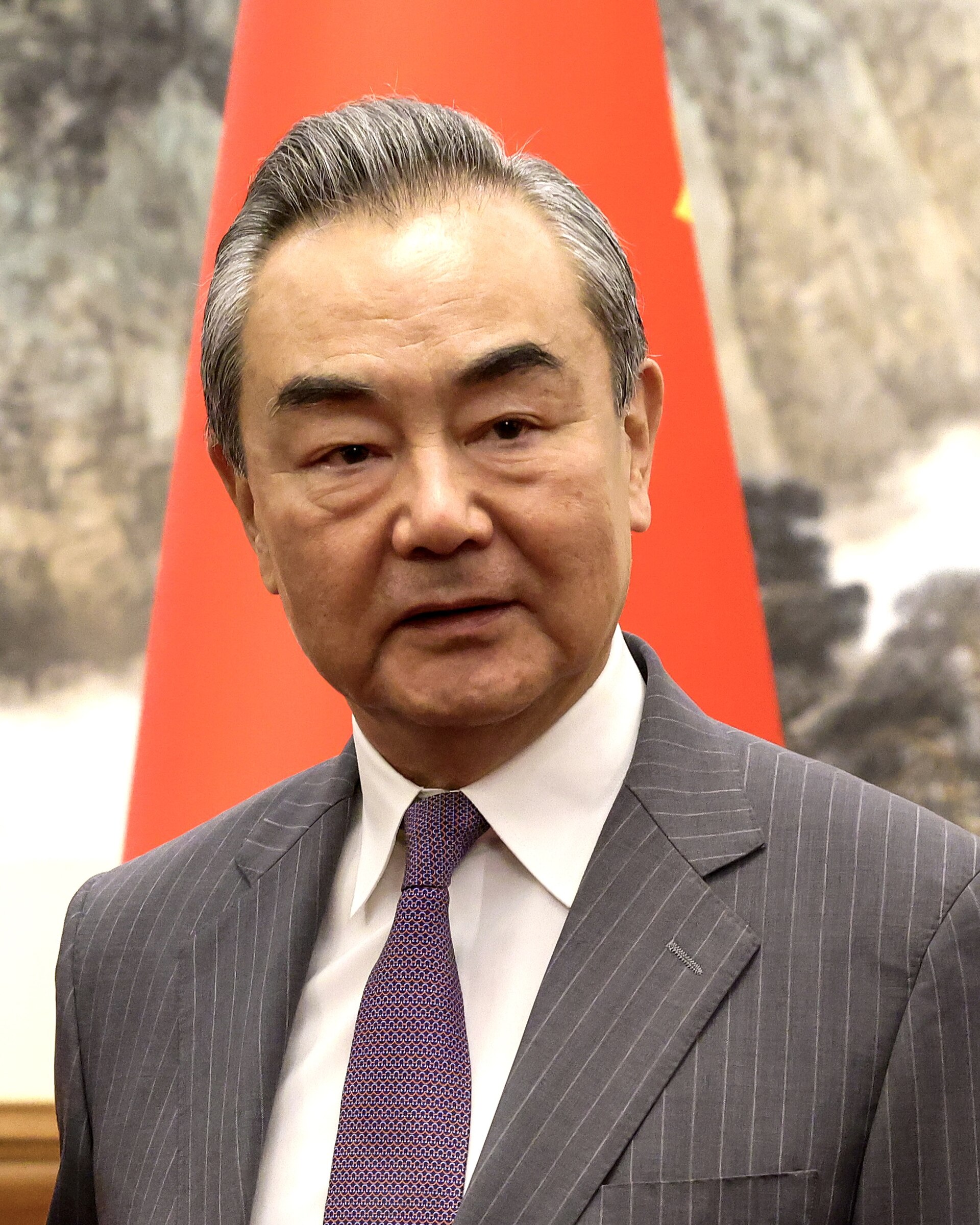
BEIJING — Wang Yi told Abbas Araghchi to reopen the Strait of Hormuz on Tuesday, and Iran’s foreign ministry, posting its own readout on Telegram a few hours later, did not mention the demand at all. That single editorial omission — the gap between what Beijing said it asked for and what Tehran was willing to admit it had been asked — is the most revealing piece of diplomacy the war has produced since the missiles started flying on February 28.
China is no longer the discreet accommodator that bought Iranian crude through shadow tankers and brokered the April 6 Al Daayen LNG transit while keeping its hands clean of the strategic question. Eight days before Donald Trump arrives in Beijing for the May 14–15 summit, and five days before the fourth round of US–Iran talks opens in Oman on May 11, Wang Yi has done something he had avoided for sixty-eight days of war: he has put public pressure on Iran in language indistinguishable from Marco Rubio’s, while pocketing the preferential Hormuz transit access Araghchi himself granted Beijing on March 26. That is not mediation. That is a country managing the war’s clock for its own summit positioning, and the country with the most at stake — Saudi Arabia — is not in any of the rooms where the timing is being set.
Table of Contents
- The Omission That Tells You Everything
- Why Is China Pressuring Iran Now?
- Can Araghchi Actually Deliver What Wang Yi Demanded?
- The Preferential-Access Problem
- Why Are the May 11 Oman Talks a Three-Party Game?
- Where Is Saudi Arabia in This Conversation?
- What Does Beijing Actually Want From the Trump–Xi Summit?
- The Xinhua Reading and Why It Doesn’t Match the Western One
- What Comes Next for Riyadh
- Frequently Asked Questions
The Omission That Tells You Everything
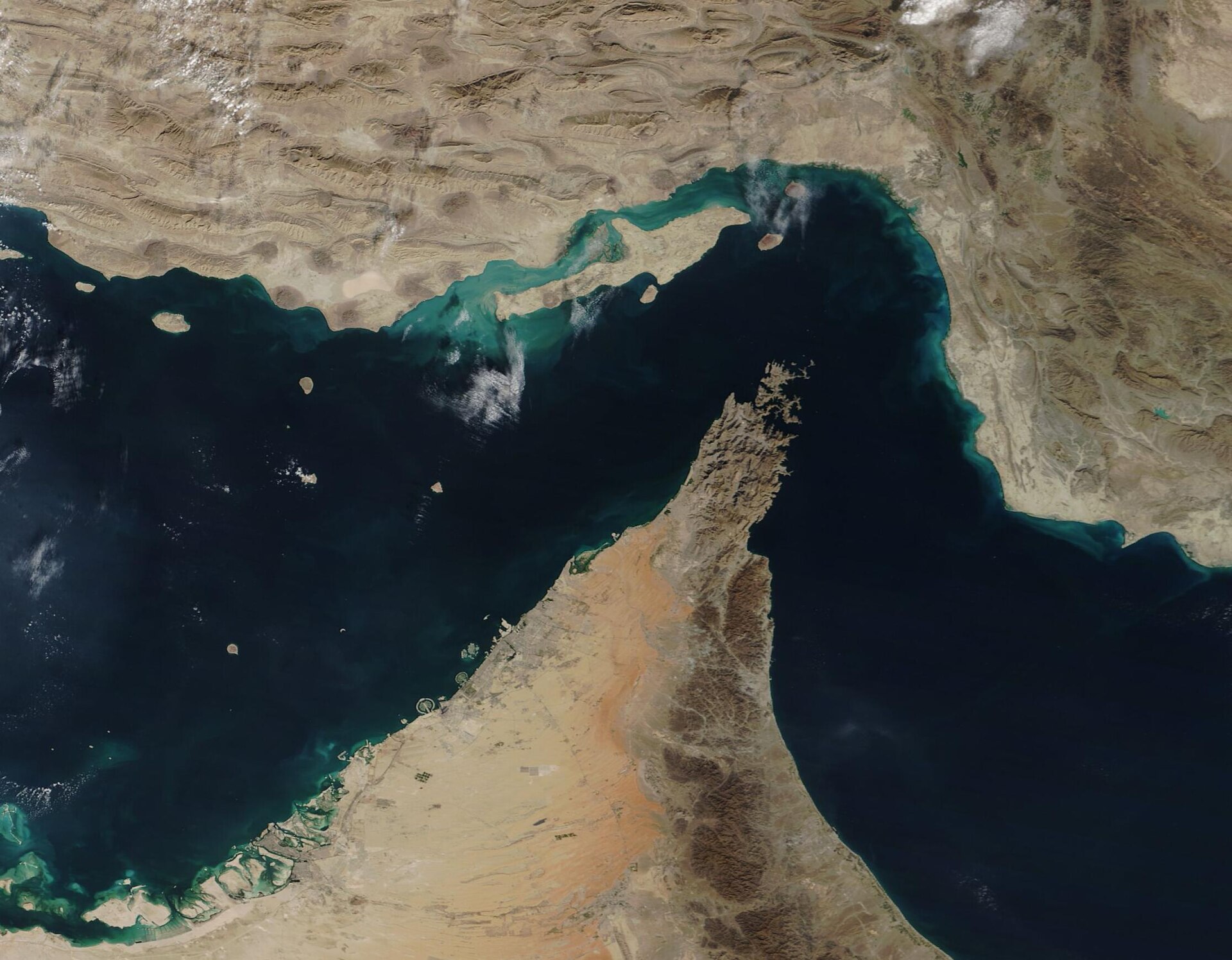
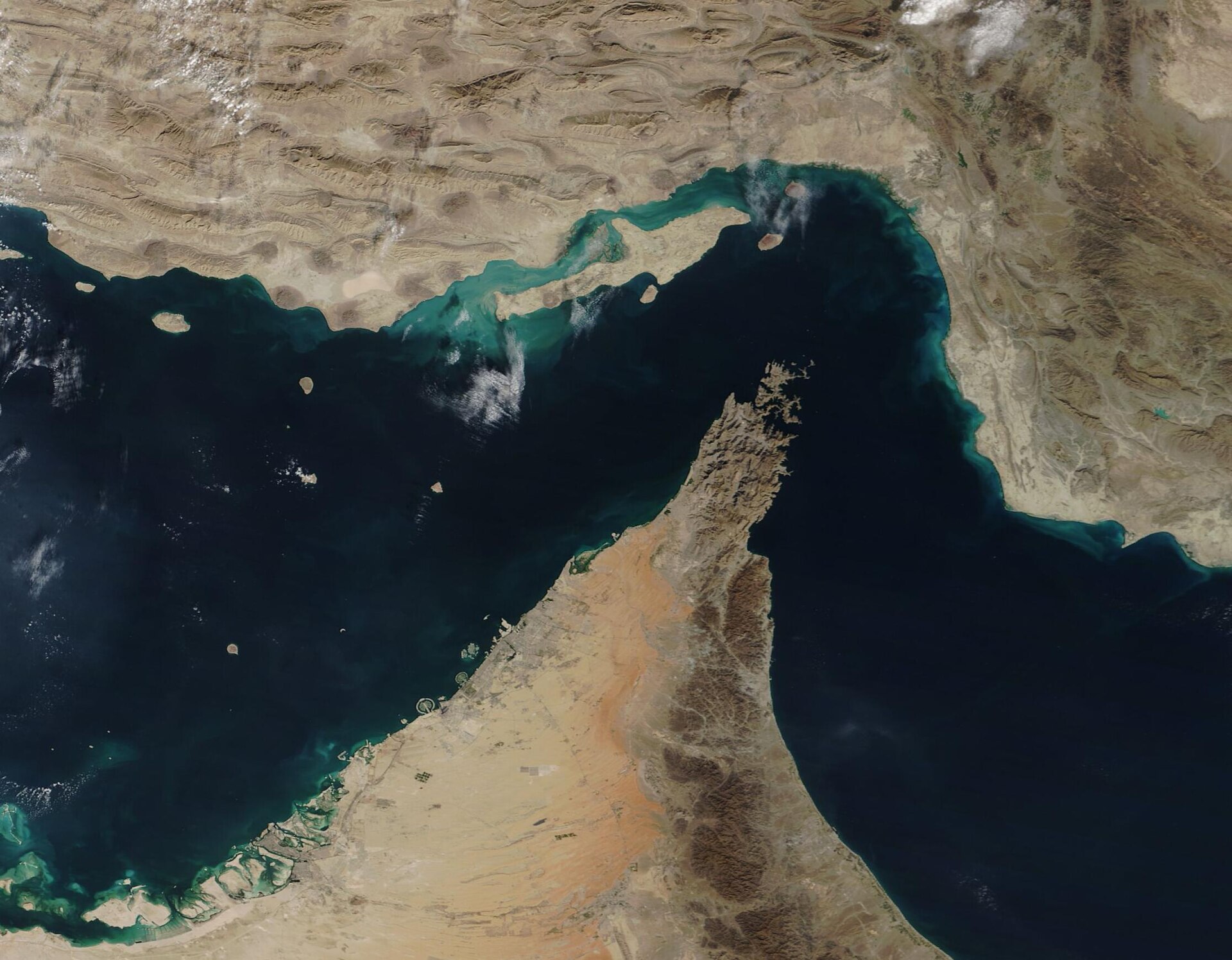
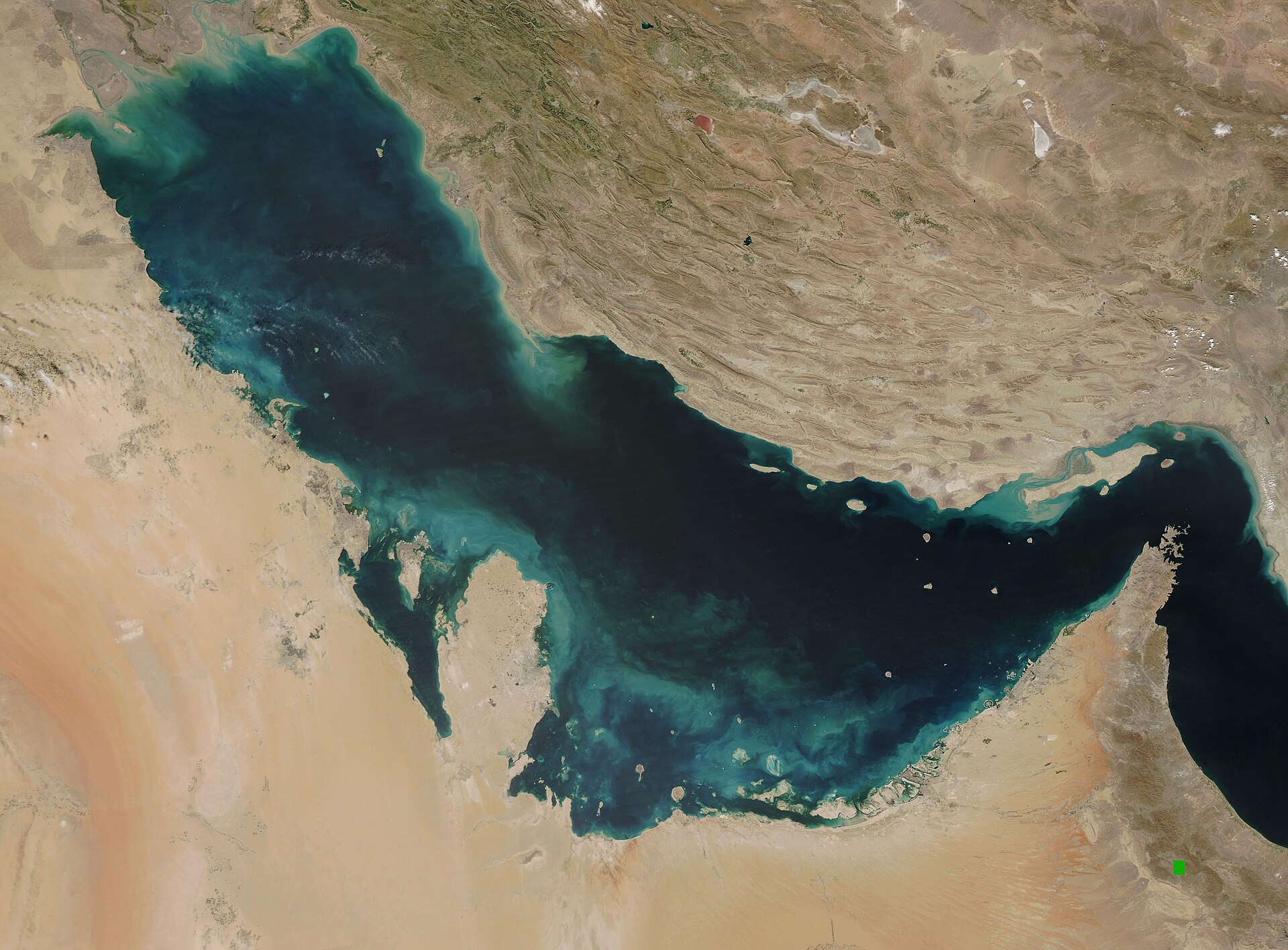
Xinhua’s official readout of the Tuesday meeting carried Wang Yi’s exact wording: a “comprehensive ceasefire is urgently needed, that a resumption of hostilities is not acceptable, and that it is particularly important to remain committed to dialogue and negotiations.” That language was paired with a specific operational demand for a “prompt resumption of shipping traffic through the Strait of Hormuz” — a phrase that, in the context of Hormuz being the chokepoint through which roughly half of China’s oil imports and nearly a third of its LNG transit, is not vague diplomatic encouragement but an instruction to a junior partner.
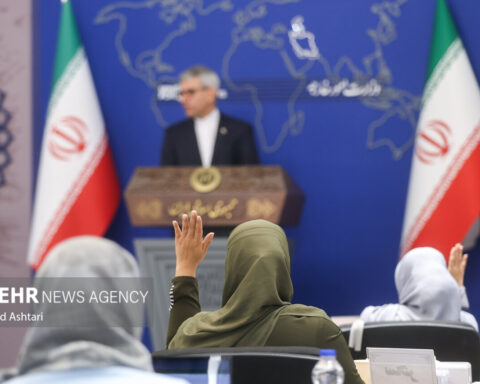
Iran’s foreign ministry posted its own version of events on Telegram within hours, and the Hormuz reopening demand was simply not in it. IRNA went further still, quoting Araghchi’s framing of China as a “close friend of Iran” whose “cooperation will even become stronger under current circumstances” — a sentence that does the opposite work of Wang Yi’s, painting Beijing as a structural ally rather than a state applying pressure. Two governments left the same room and produced two incompatible accounts of what had been discussed, and only one of them was structured to reach the audience that mattered: the White House, eight days before Air Force One landed at Beijing Capital International.
The discrepancy is not a translation problem. It is the architecture of the meeting made visible. Wang Yi needed a Western-facing readout that demonstrated Chinese pressure on Tehran, because that is the currency he is bringing to the Trump–Xi summit. Araghchi needed a domestic-facing readout that gave the IRGC nothing to work with, because the IRGC is currently using exactly that kind of evidence — concessions to foreigners — as grounds to remove him.
Araghchi’s structurally constrained negotiating position — the authorization-ceiling problem in full — is covered at Araghchi buying permission from the IRGC rather than negotiating with Washington. The Beijing meeting is the same problem expressed in a different room.
The Middle East briefing 3,000+ readers start their day with.
One email. Every weekday morning. Free.
Why Is China Pressuring Iran Now?
China is pressuring Iran now because it has eight days until Trump arrives in Beijing and the only summit currency that interests the White House is influence over the war that has cratered global oil markets and pushed Asian LNG spot prices up more than 140 percent. Beijing has held that influence in reserve, watching the war degrade Western energy security while its own 1.39 billion barrels of strategic storage — roughly 120 days of import cover at 2025 levels — bought it the latitude to wait. The wait ends when the value of waiting is exceeded by the value of cashing in, and Trump’s plane lands on May 14.
Patricia Kim of Brookings, watching the bilateral pattern develop through the spring, put the calculation cleanly: China’s “modulated approach to the war has protected its back-channel leverage enough that Trump credited Beijing with helping to get Iran to last weekend’s peace talks.” That credit is the asset Wang Yi was monetising in the Diaoyutai State Guesthouse on Tuesday. Each visible act of pressure on Iran becomes a deliverable Xi can present to Trump as proof that the US–China relationship requires a Beijing seat at every table that matters.
The asymmetry is not subtle. Trump’s national security team spent the week before the meeting publicly pleading for exactly this performance. Rubio, on Monday: “I hope the Chinese tell him what he needs to be told… what you are doing in the strait is causing you to be globally isolated.” Trump, in the Oval Office on the same day, told reporters that China “hasn’t challenged” him on Iran. Twenty-four hours later, Wang Yi delivered the line Rubio had pre-scripted, and the Chinese readout made certain it was the line that travelled.
Scott Kennedy of the Center for Strategic and International Studies has been blunt about what this kind of choreography is not: “There is zero chance China will reach some sort of grand bargain with the United States.” The Tuesday meeting was not a grand bargain in waiting. It was a single, expensive, precisely-timed signal — engineered to give Xi maximum room to refuse to make any actual concession in the room with Trump while still leaving Washington convinced Beijing had earned its seat.
Can Araghchi Actually Deliver What Wang Yi Demanded?
Araghchi cannot deliver what Wang Yi demanded, because the man Iran’s foreign minister is being instructed to push aside in Tehran is the man whose authorization he would need to push the order through. President Masoud Pezeshkian and Parliament Speaker Mohammad Bagher Ghalibaf were both, as of April 30, openly seeking Araghchi’s removal — accusing him, in the precise language Iran International published, of “subservience” to IRGC commander Ahmad Vahidi and of acting “without informing Pezeshkian, in full coordination with Vahidi and based on his directives.”
The structural condition behind the accusation hardened further when Vahidi, citing wartime authority, declared that “because of the critical wartime situation, all key and sensitive managerial posts must, until further notice, be directly selected and run by the Revolutionary Guards.” That sentence is the Beijing meeting’s silent footnote. The diplomat sitting opposite Wang Yi takes his instructions from the IRGC commander who has just declared himself the sole authority over key state appointments, and his domestic political cover is being withdrawn by the elected leadership that nominally appointed him in the first place.
The April 17 confession from Pezeshkian, documented in full at Pezeshkian’s authorization-ceiling admission, is the original document. Article 110 of Iran’s constitution puts the IRGC outside presidential authority. Pezeshkian named the men he holds responsible for sabotaging the ceasefire, and his naming them changed nothing operationally because under Article 110 it cannot. The Beijing readout demanding Hormuz reopening lands on a foreign minister who lacks the authority to issue the order, working for a president who lacks the authority to overrule the commander who would countermand it.
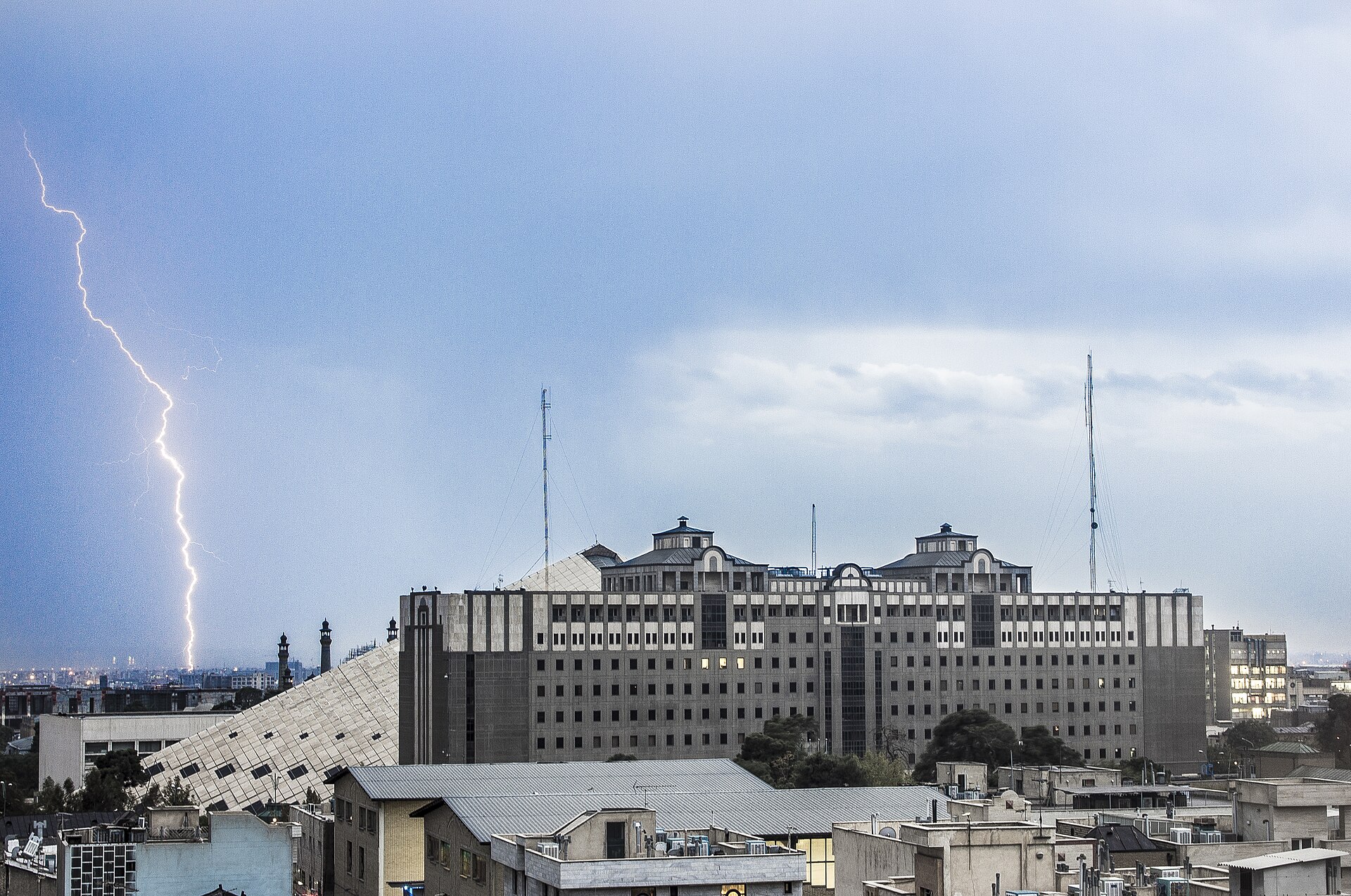
The IRGC, meanwhile, has its own institutional position on Hormuz — and it is not Wang Yi’s. The 12-article Hormuz sovereignty law currently advancing through the Iranian parliament — examined in detail at why Project Freedom cannot repeal it — codifies the IRGC’s operational claim to the strait as Iranian sovereign water. A foreign minister cannot reopen by negotiation what the legislature is in the process of closing by statute, and Beijing — which has a delegation tracking the Iranian parliament more closely than most Western embassies — knows this.
The Preferential-Access Problem
The most striking thing about Wang Yi’s public demand for universal Hormuz reopening is that China does not actually need universal Hormuz reopening, because Iran has already given Beijing the bilateral version of what Wang Yi was publicly demanding in front of the Western press. On March 26, Araghchi announced that five nations — China, Russia, India, Iraq, and Pakistan — had been granted preferential transit access through the strait under Iranian discretion. CNPC and Sinopec hold 8 million tonnes per annum of contracted LNG offtake from Qatar’s North Field, plus 5 percent equity in North Field East, and Beijing’s preferred yuan-settled flows route through Kunlun Bank outside the SWIFT architecture. The Al Daayen transit on April 6, tracked at China as the Hormuz operating system, was the proof of concept.
What Wang Yi was demanding in public, then, was not a concession Beijing required for its own oil and gas security. It was a concession Beijing required for its diplomatic positioning ahead of the summit — a concession whose value to China lay precisely in being asked of Iran in front of Western audiences, not in being delivered to Chinese tankers that already had the access.
The trade arithmetic confirms the imbalance the meeting was navigating. The US–China Economic and Security Review Commission’s 2026 fact sheet recorded officially declared China–Iran bilateral trade at $9.96 billion in 2025, with shadow-fleet Iranian crude flows estimated at a further $31.2 billion — pushing the real bilateral figure above $41 billion. Iranian crude exports to China have averaged around 1 million barrels per day, peaking above 1.5 million. The 2021 Comprehensive Strategic Partnership pledged up to $400 billion of Chinese investment over twenty-five years, but the same USCC analysis judged that Belt and Road Initiative investment in Iran “has remained anemic, particularly in the critical energy sector.”
That last detail is the lever. China takes Iranian crude at deep discounts, settled outside the dollar, and has refused to deliver the upstream investment that would actually rebuild Iranian production capacity. The relationship is structurally extractive — and Iran knows it. The granting of preferential transit access on March 26 was not an Iranian gift but an attempt to bind Beijing’s hands by making China openly complicit in a discriminatory Hormuz regime. Wang Yi’s public demand for universal reopening was the diplomatic answer: Beijing accepting the bilateral access while simultaneously denying that the bilateral access carried any binding commitment to Iran’s broader project.
| Lever | Value to Beijing | Source |
|---|---|---|
| Iranian crude imports (baseline, peak) | ~1.0M bpd / 1.5M+ bpd | USCC 2026 |
| Strategic petroleum storage (Mar 2) | 1.39 bn bbl (~120 days cover) | Columbia CGEP / Kayrros |
| Hormuz dependency: oil imports | ~50% | Columbia CGEP |
| Hormuz dependency: LNG imports | ~33% | Columbia CGEP |
| Declared bilateral trade (2025) | $9.96 bn | USCC 2026 |
| Estimated shadow-fleet crude trade (2025) | $31.2 bn | USCC 2026 |
| 2021 partnership investment pledge | Up to $400 bn / 25 yrs | USCC 2026 |
| Actual BRI energy-sector investment | “Anemic” | USCC 2026 |
| Asian LNG spot price move since Feb 28 | +140% est. | IEA / market data |
Why Are the May 11 Oman Talks a Three-Party Game?
The fourth round of US–Iran talks opens in Muscat on May 11, three days before Trump arrives in Beijing — a sequencing too clean to be accidental, and one that turns the bilateral negotiation into a three-party game where the third party never leaves Beijing. Steve Witkoff and Araghchi will sit in the room with the Omanis. The cadence of what they can discuss, what Araghchi is permitted to offer, and how a draft text is shaped are now visibly being managed from China.
The Brookings reading captures the mechanics. Beijing believes “it has a lot of leverage over Washington and thinks that leverage is actually going to increase as we approach the midterm elections. Beijing’s main objective from these engagements appears to be gaining time.” Time is the operative word. Each day the war drags is a day Saudi fiscal break-even at $108–111 per barrel runs further from the $89.76 Brent price the market touched on Tuesday — and a day Beijing’s strategic stockpile, partly bought before the war at lower prices, accrues book value. Time also degrades the IRGC’s negotiating position by exhausting the Iranian economy that even Pezeshkian publicly warned was weeks from collapse a month ago.
Witkoff and Araghchi were “inches away” from a memorandum of understanding before the Vance walkout in Islamabad in April, the architecture of which is set out in full at the 14-point proposal as an authorization-ceiling document. That proximity is the diplomatic asset Beijing wants in the room on May 11, because it allows Wang Yi to claim — in language Trump will hear — that Chinese pressure was the marginal force that produced the breakthrough. Whether the breakthrough actually arrives is secondary; what matters is that it arrives within Beijing’s framing.
The Oman venue itself is part of the choreography. Sultan Haitham’s foreign ministry has been the decisive backchannel since the war began, and Oman has historically been one of the few Gulf states with the standing to host both Tehran and Washington at the same address. Saudi Arabia, by contrast, hosted the failed Diriyah session in early April and was excluded from the Islamabad bilateral that followed. The pattern is consistent: where Iran and the United States actually meet, Riyadh does not have a seat.
Where Is Saudi Arabia in This Conversation?
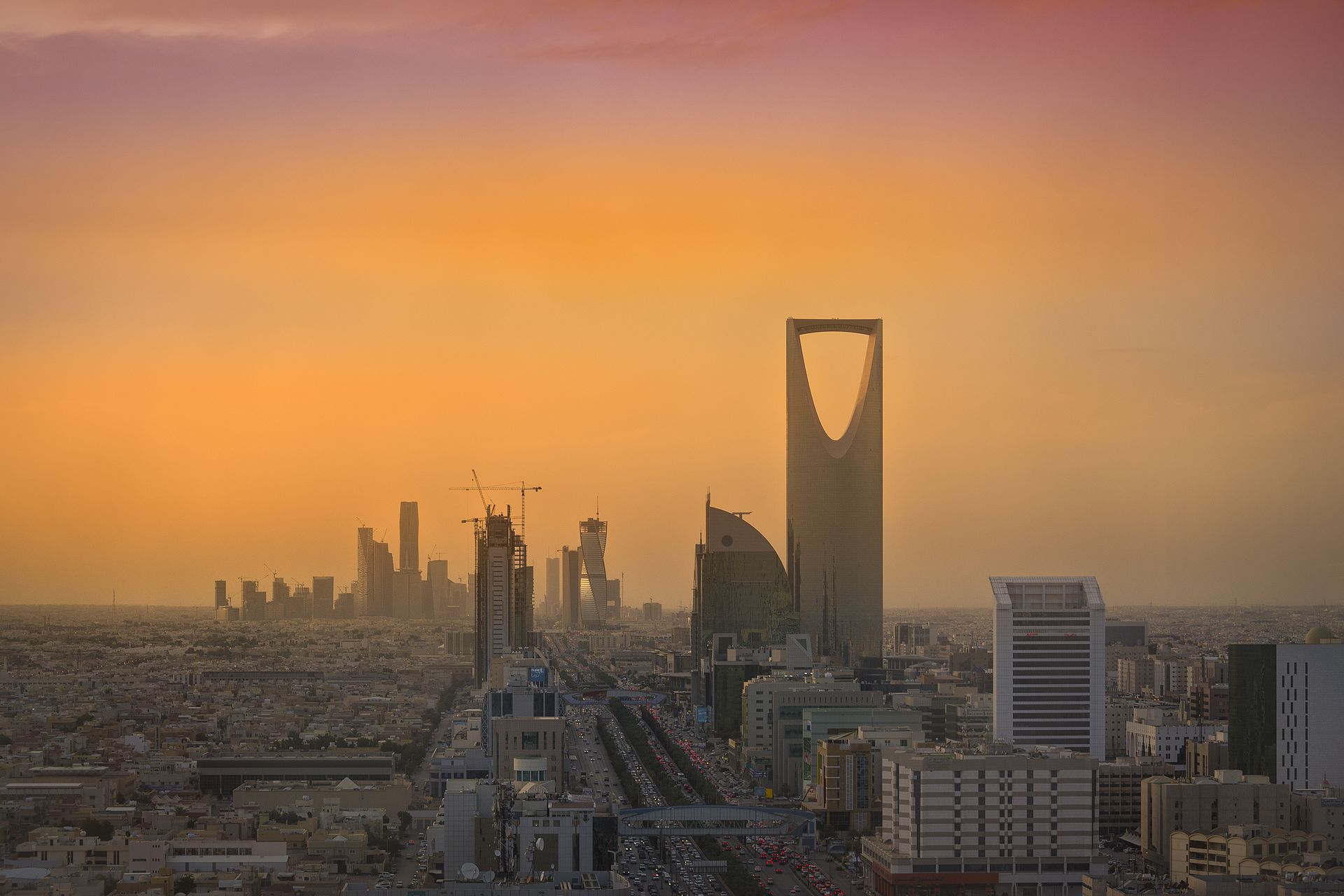
Saudi Arabia is in this conversation only by phone call. Xi Jinping rang Crown Prince Mohammed bin Salman to “reiterate support for all efforts conducive to restoring peace” — a sentence whose function is closer to courtesy notification than consultation — and there has been no reported Saudi response to the Araghchi visit at all. There was no Saudi delegation in Beijing on Tuesday, there will be no Saudi delegation in Muscat on May 11, and there will be no Saudi seat in the Beijing summit room on May 14–15, where the eventual shape of any Hormuz arrangement will be ratified or rejected.
Riyadh is the country most exposed to the bargain being negotiated. Saudi crude exports through Hormuz pre-war ran at 7–7.5 million barrels per day; the East–West pipeline bypass to Yanbu has a structural ceiling of around 5.9 million bpd with 4–5 million practical loading. Goldman Sachs put the war-adjusted Saudi GDP deficit at 6.6 percent against an official 3.3 percent, with PIF-inclusive break-even at $108–111 per barrel against current prices in the high $80s. The OPEC+ June increase of 188,000 bpd, agreed on May 3, was described by Al Jazeera as “largely symbolic because untapped OPEC+ reserves are trapped in the Gulf and cannot exit via Hormuz.”
The exclusion is the story. The world’s most exposed party to the war is being managed out of the diplomacy that will determine the war’s terms, and Mojtaba Khamenei’s dual-track architecture for Hormuz, as set out at the directive and the deal, was always built on the assumption that the Gulf states would negotiate with Iran from a position of structural weakness because Tehran controlled the timing. China has now adopted that same logic and applied it to Riyadh: Beijing controls the timing, Riyadh holds the exposure, and Tehran sits between them and tries to extract the rent from both.
What Does Beijing Actually Want From the Trump–Xi Summit?
Beijing wants from the summit what the Wang Yi–Araghchi readout was already pre-positioning: recognition that no Middle Eastern arrangement reached without Chinese assent is durable, and a tariff arrangement on the South China and trade-policy fronts that prices in the value of that recognition. That is what the eight-day gap between the meeting and the summit is for. The Hormuz demand is not the substance of the bargain — the Hormuz demand is the proof of concept that allows Xi to refuse the substantive concessions Trump will arrive demanding on technology controls and Taiwan posture.
Kennedy’s “zero chance” of a grand bargain captures the upper boundary, but the floor matters too. Below the level of grand bargain, what Beijing can credibly offer is sequenced choreography: a Hormuz reopening ceremony timed to a tariff announcement, a coordinated rollback of US Treasury Iran sanctions tied to a Chinese commitment on fentanyl precursors, a managed climbdown that lets both leaders claim a process win without surrendering structural ground. The Tuesday meeting was the opening offer. Trump’s team will read it as such.
The risk for Riyadh, embedded in this choreography, is that any Hormuz reopening engineered through Beijing necessarily codifies Iranian veto power over Gulf shipping as an established rather than transitional fact. The 12-article Iranian sovereignty law, the IRGC operational claim, and now the Chinese diplomatic framing all point in the same direction: a post-war architecture in which Hormuz is no longer a freedom-of-navigation chokepoint under the implicit US umbrella, but a managed transit corridor whose terms are set in three capitals — Tehran, Beijing, and Washington — with the Gulf monarchies treated as economic stakeholders rather than political principals.
That outcome is not certain. The Witkoff track in Oman could still produce a US-led arrangement that bypasses Beijing’s framing, and the IRGC could still implode the Araghchi diplomacy from within by removing him outright. But the trajectory of the past seventy-two hours — Rubio’s pre-meeting public plea, Wang Yi’s pre-summit performance, the Iranian Telegram omission, and the silence from Riyadh — describes a diplomatic geometry that has tilted decisively in Beijing’s favour.
The Xinhua Reading and Why It Doesn’t Match the Western One
Xinhua published the Tuesday meeting as a peace statement, not a pressure statement. Wang Yi’s framing, in the official Chinese-language wire, used the phrase “deep distress” to characterise China’s position on the war and emphasised “multilateral responsibility” — language designed to position Beijing as a peace-seeker rather than a US-adjacent pressure-applier. The same wire avoided characterising the Hormuz demand as an instruction to Iran. PressTV pre-announced the visit as part of Iran’s “continued diplomatic consultations with key partners” — the framing of a sovereign state conducting outreach, not a junior partner reporting in. This is the dual-readout problem at scale: Beijing is selling pressure to Washington and partnership to Tehran with the same meeting, and each capital reads the wire that flatters its assumptions.
The Western press — CNBC, Bloomberg, the Washington Post — led with the pressure narrative because Rubio had pre-scripted it and Wang Yi delivered it. The Iranian press led with friendship because Araghchi needed friendship to survive politically through May, and Al Jazeera, to its credit, was the only major outlet that flagged the gap explicitly, noting that the Hormuz-reopening demand was “absent in a statement posted by Iran’s foreign ministry on Telegram.”
The information gain available in that gap is the entire editorial substance of the Beijing meeting. Tracking how Chinese state media, Iranian state media, and Western reporting diverge in their renderings of the same room is the only way to see what Beijing is actually doing — which is producing a meeting that means different things to different audiences and extracts maximum diplomatic rent from each interpretation. The structure of Iran getting to Beijing first, before any Saudi or US delegation could shape the visit, was Tehran’s attempt to set the dual-readout terms. Wang Yi’s public Hormuz demand was Beijing’s correction.
What Comes Next for Riyadh
What comes next for Riyadh is a five-day window in which the diplomatic architecture of the war’s resolution gets locked in without Saudi participation. May 11 is the Oman talks. May 14–15 is the Beijing summit. By May 16, either a Witkoff–Araghchi memorandum is on the table or it has collapsed under the weight of Iranian domestic politics, and either way the framing of what comes next will have been shaped by Wang Yi’s Tuesday performance and Xi’s Thursday-to-Friday meetings with Trump.
The Saudi options inside that window are narrow. Direct outreach to Witkoff is one channel, but Witkoff is operationally constrained by the same US–China summit calendar. Direct outreach to Beijing is another, but Xi’s call to MBS this week was a one-way notification rather than an invitation to consult. The third channel — bilateral Saudi–Iranian backchannel through Oman or Iraq — was the architecture of the original 2023 normalisation, but the IRGC’s wartime authorisation regime under Vahidi has effectively closed that route until the elected Iranian government recovers operational standing it does not currently possess.
Crown Prince Mohammed bin Salman has spent the war’s sixty-eight-day arc using bilateral statecraft — the Greek air-defence partnership, the Pakistan SMDA framework, the Riyadh trilateral calls to Moscow, Beijing, and Tokyo — to substitute for the multilateral seat the war has denied him. None of those bilaterals scale to the Beijing summit. The strategic weight of the Wang Yi–Araghchi meeting is that it forecloses, for the moment, any architecture in which Saudi Arabia is a principal rather than a stakeholder.
That foreclosure is reversible only if the Witkoff track in Oman produces a deliverable that bypasses Beijing — a US–Iran arrangement that names Saudi Arabia explicitly and conditions Iranian compliance on bilateral Riyadh–Tehran terms. There is no public indication that Witkoff is operating in that mode. The Beijing meeting, read through the Telegram omission and the Xinhua readout, suggests that the principal third-party shaping the Oman text is not the Sultan of Oman but the General Secretary of the Communist Party of China.
Frequently Asked Questions
Did Iran officially accept Wang Yi’s call to reopen the Strait of Hormuz?
No. Wang Yi’s call appeared in Xinhua’s Chinese readout and was reported by Western wires including AP, Al Jazeera, and CNBC. Iran’s foreign ministry posted its own readout on Telegram following the meeting and made no reference to the Hormuz reopening demand. IRNA quoted Araghchi describing China as a “close friend of Iran” with deepening cooperation — language structured to deny that any pressure had occurred. The dual-readout asymmetry is itself the diplomatic event.
How much of China’s energy actually depends on the Strait of Hormuz?
Roughly half of China’s crude oil imports and nearly one-third of its LNG imports transit Hormuz, according to Columbia University’s Center on Global Energy Policy. China held about 1.39 billion barrels of strategic crude storage as of March 2 — equivalent to roughly 120 days of net import cover at 2025 levels. That stockpile depth is what allows Beijing to pressure Iran publicly while continuing to receive shadow-fleet flows under the preferential-access regime granted on March 26.
Why is Oman the venue for US–Iran talks rather than Saudi Arabia?
Oman has served as the primary US–Iran backchannel since at least the 2013 nuclear track, a function rooted in Sultan Qaboos’s deliberate neutrality doctrine and preserved under Sultan Haitham. Muscat maintains full diplomatic relations with Tehran, has never hosted a US military base on its territory, and sits outside the GCC collective-defence framework when it comes to Iran specifically — all of which makes it credible to both parties as a venue. Saudi Arabia, by contrast, is a belligerent party: its territory has been struck, its export infrastructure has been damaged, and any session hosted in Riyadh would require Iran to negotiate in the capital of the state it is actively fighting.
What is the IRGC’s official position on the Strait of Hormuz?
The IRGC Navy declared “full authority to manage the Strait” on April 5 and reiterated the claim on April 10 while Araghchi was in Islamabad. The Iranian parliament is currently advancing a 12-article Hormuz sovereignty law, sponsored by Ahmadi and Rezayi Kouchi, that codifies Iranian sovereign jurisdiction over the strait’s transit regime. Operational authority has not been delegated to the foreign ministry, which is why any Araghchi commitment in Beijing or Muscat lacks executive force.
What is the Trump–Xi summit agenda beyond Iran?
The summit, scheduled for May 14–15 in Beijing, is expected to cover technology export controls (particularly advanced semiconductors), tariffs, Taiwan posture, fentanyl precursor exports, and the South China Sea. CSIS analyst Scott Kennedy has rated the probability of a “grand bargain” outcome at “zero.” The Wang Yi–Araghchi meeting was choreographed to give Xi process credibility on Iran without committing to substantive concessions on the harder bilateral files.
The Beijing meeting will be remembered for the omission, not the demand. Wang Yi asked publicly for what Beijing already had privately, and Tehran, knowing exactly which audience needed which version of the conversation, gave Iranian readers a foreign minister who came home with a stronger friendship rather than a weaker hand. That is the architecture of a war whose ending is being managed from a city eight days from a summit, and a port six thousand kilometres from the country that pays the bill.